How to Find a Metal Roofing Contractor in California
Oh, the quest to find a truly reliable metal roofing contractor in California! It can feel like trying to find a needle in a haystack, especially with so many options and the unique challenges our beautiful Golden State presents. You're not just looking for anyone with a hammer; you need someone who understands everything from seismic codes to coastal weather patterns, and who can actually deliver on their promises. This guide is here to cut through the confusion and give you actionable steps to find a metal roofing contractor in California you can trust with your home.
Understanding California's Unique Roofing Landscape
Before you even start calling contractors, it’s really helpful to understand what makes roofing in California a bit different from other places. We’re not just dealing with rain and sun; we have a whole host of environmental and regulatory factors that demand a specific kind of expertise from your roofing professional. Ignoring these can lead to costly mistakes down the line, so getting a contractor who gets California is paramount.
Seismic Activity and Building Codes
Living in California means living with earthquakes, and that's not just a trivial detail for your roof. Our building codes are notoriously stringent, and for good reason. A metal roof isn't just about curb appeal or longevity; it needs to be installed in a way that can withstand significant seismic activity. This isn't something every roofer across the country has to contend with, so it requires specialized knowledge. Your contractor needs to be well-versed in the latest California Building Code (CBC) provisions related to roof diaphragm shear values, securement methods, and structural considerations that ensure your roof stays put when the earth moves. It’s not just about attaching panels; it’s about the entire structural integrity and load paths from the roof down to the foundation.
Think about it: an improperly attached metal roof could become a significant hazard during an earthquake. This means your contractor should be able to discuss load calculations, fastener types, and even the sub-structure needed to meet these stringent requirements. They should be able to explain how their installation methods comply with local seismic zones, whether you’re in a high-risk area like Los Angeles or a lower-risk region. Don't be shy about asking specific questions about their experience with seismic bracing and code compliance, because your safety, and your home's integrity, literally depend on it.
Wildfire Zones and Coastal Considerations
Beyond earthquakes, many parts of California face significant wildfire risks, particularly in brush-prone areas and the wildland-urban interface. If your home is in one of these zones, your metal roof isn't just a covering; it's a critical part of your home's fire-resistant envelope. California has very specific regulations for building materials in high fire severity zones, often requiring Class A fire-rated materials and specific installation techniques to prevent embers from entering the attic. A metal roof naturally has a high fire rating, but the installation needs to prevent ember intrusion at eaves, ridge lines, and penetrations.
On the flip side, if you're near the coast, you're battling a different beast: salt air and high winds. Salt corrosion can significantly shorten the life of certain metal roofing materials if they're not chosen and installed correctly. Aluminum and certain stainless steels are often preferred in coastal areas for their superior corrosion resistance compared to other metals like galvanized steel. A seasoned California contractor will know this and guide you towards the right materials and coatings that can stand up to the relentless salt spray and strong ocean gusts, which might involve using specific types of fasteners or enhanced flashing details to resist wind uplift. They should be able to advise you on Best Metal Roof for Coastal and Salt Air to ensure longevity. This local expertise is invaluable; someone from a landlocked state might inadvertently recommend materials that would quickly degrade under coastal conditions.
Essential Steps to Vetting a California Metal Roofing Contractor
Once you understand the unique context, it's time to get down to the brass tacks of vetting. This isn't just about getting a quote; it's about doing your due diligence to ensure you're hiring a legitimate, competent, and trustworthy professional. This stage is critical for protecting your investment and your peace of mind.
Verifying Licenses, Insurance, and Bonding
First things first: you absolutely must verify their credentials. In California, all contractors, including roofing contractors, are licensed by the Contractors State License Board (CSLB). A roofing contractor should hold a C-39 Roofing Contractor license. It’s not enough for them to say they have one; you need to check it yourself. The CSLB website has a public search tool where you can look up their license number, verify its active status, and see if there are any disciplinary actions against them. This simple step can save you immense headaches. You can learn more about this by checking out How to Verify a Roofing License by State.
Beyond licensing, robust insurance is non-negotiable. They should carry both General Liability insurance, which covers damage to your property or injury to a third party, and Workers' Compensation insurance, which covers their employees if they get injured on your job. If a contractor doesn't have Workers' Comp and one of their crew members gets hurt on your property, you could be held liable. Ask for current Certificates of Insurance directly from their insurance providers, not just a copy from the contractor, to ensure they're legitimate and up-to-date. Bonding is another layer of protection, especially for larger projects, offering financial recourse if the contractor fails to complete the work or defaults on their obligations. These protections are your safety net.
Checking Experience and References
A beautiful metal roof isn't just a product; it's an art, especially a standing seam metal roof which requires specialized skills. Therefore, you need a contractor with a proven track record specifically in metal roofing. Don't just settle for someone who says they "do roofs." Ask them pointed questions about their experience with various metal roofing systems – standing seam, corrugated, stone-coated steel, etc. – and specifically, how many metal roofs they've installed in your specific region of California. An installer who primarily works with asphalt shingles might not have the nuanced skills for precise panel cutting, seaming, and flashing that metal roofs demand.
Request a list of recent references, ideally from clients whose metal roofs were installed within the last year or two. Don't just call them; ask if you can drive by and look at the finished work. This allows you to inspect the quality of the installation firsthand and see how it’s holding up. When you speak to references, ask about the contractor’s communication, adherence to timelines, cleanliness, and how they handled any unexpected issues. A contractor’s response to problems often speaks volumes about their professionalism. Look for clear evidence that they understand Metal Roofing Types Explained: Profiles & Panels and can demonstrate expertise in the system you're considering.
Finding Reputable Metal Roofing Contractors in California
Now that you know what to look for, where do you actually find these golden-standard contractors in California? There are several avenues, each with its own benefits.
Leveraging Online Platforms and Directories
In today's digital age, online platforms are a fantastic starting point. Websites like Modernize specialize in connecting homeowners with qualified local contractors. They often pre-screen contractors for licenses and insurance, which can save you a good chunk of preliminary research time. When you use services like Modernize, you can typically submit your project details once and receive bids from several reputable companies in your area, streamlining the initial contact phase. This not only gives you options but also creates a competitive environment that can lead to better pricing and service.
Beyond matching services, established online directories like the Better Business Bureau (BBB), Yelp, and Google Reviews are essential. Look for contractors with a strong presence, plenty of positive reviews, and a high rating. Pay attention not just to the number of stars but to the content of the reviews. Do they specifically mention metal roofing projects? Do customers praise their professionalism, communication, and adherence to budget and timeline? Also, note how the contractors respond to negative reviews; a thoughtful, professional response can be a good sign, showing they are willing to address concerns and improve.
Manufacturer Certifications and Industry Associations
One of the best indicators of a contractor's commitment to quality and ongoing training is their affiliation with metal roofing manufacturers. Many leading metal roofing manufacturers, like McElroy Metal, Metal Sales, or Sheffield Metals, offer certification programs for installers. These certifications mean the contractor has undergone specific training in installing that manufacturer's products according to their stringent standards. This can be crucial not only for proper installation but also for validating your warranty. In fact, some manufacturer warranties are only valid if the roof is installed by a certified professional. Asking about Do You Need a Certified Installer for Warranty Coverage? is a smart move.
Joining industry associations like the Metal Roofing Alliance (MRA) or local chapters of the National Roofing Contractors Association (NRCA) also signals a contractor's dedication to their craft and adherence to industry best practices. These organizations often require members to meet certain standards for professionalism, ethical conduct, and ongoing education. While not a guarantee, these affiliations suggest a contractor is invested in their trade and staying up-to-date with the latest techniques and materials, which is particularly important in a dynamic state like California with evolving building codes and material science.
Referrals and Local Reputation
Don't underestimate the power of word-of-mouth in California communities. Ask your neighbors, friends, or family who have recently had metal roofs installed for their recommendations. A personal referral often comes with an implicit level of trust and insight into a contractor's actual performance. They can tell you about the entire process, from the initial consultation to the final cleanup.
Local reputation also matters immensely. Drive around your neighborhood or nearby areas and look for metal roofs that catch your eye. Many reputable contractors will have signs up during installations, or you can ask homeowners directly about their experience. Local building supply stores or lumber yards that sell metal roofing materials can also be a fantastic source of referrals. They often work with contractors daily and know which ones consistently do quality work and pay their bills, which is a good indicator of a stable and trustworthy business.
Making the Right Choice: Beyond the Bids
Once you’ve done your research and gathered several promising candidates, the next phase is comparing their proposals and ensuring you’re comfortable with your final selection. It’s not just about the bottom line; it’s about the total package and feeling confident in your decision.
Comparing Quotes and Contracts
When you receive quotes, don't just glance at the total price. Dive deep into the details of each proposal. A comprehensive quote should itemize everything: material costs, labor costs, permit fees, underlayment, flashing, trim, cleanup, and warranty information. If a quote is vague or significantly lower than others, it's a major red flag – it could indicate hidden costs, lower quality materials, or corners being cut. You might find our guide on How to Read and Compare Metal Roof Quotes particularly helpful here.
Look for consistency in the materials specified. Are they all proposing the same gauge metal, the same finish, and the same underlayment? If not, ask why. A good contractor will clearly explain their choices. The contract itself should be detailed and legally binding, outlining the scope of work, payment schedule (which should never be 100% upfront), start and completion dates, and provisions for change orders. Ensure that warranties, both for materials and workmanship, are clearly stated. A common practice for a metal roof contract is to detail a significant manufacturer's warranty for the materials (often 30-50 years) and a workmanship warranty from the contractor (typically 5-10 years).
Communication and Trust Signals
Throughout the entire process, pay close attention to communication. Does the contractor respond promptly to your calls and emails? Are they clear and articulate in their explanations? Do they seem genuinely interested in your project and willing to answer all your questions, no matter how small? Good communication is a cornerstone of a successful project. A contractor who is hard to reach before you sign the contract will likely be even harder to reach once the job starts or if issues arise.
Trust is paramount. Do you feel comfortable with the contractor and their team? Do they present themselves professionally? Are they transparent about potential challenges or limitations? If you feel pressured, rushed, or have a gut feeling that something isn't right, listen to it. Sometimes, the cheapest bid isn't the best value in the long run, especially for a significant investment like a metal roof. A reputable contractor will often offer financing options to make the project more manageable without compromising quality.
Spotting Red Flags
Even in California, where regulations are strict, dishonest contractors exist. Be wary of anyone who:
- Demands a large upfront payment (more than 10-30% or exceeding $1,000, whichever is less, is often the legal limit in California for home improvement contracts).
- Pressures you into signing a contract immediately.
- Doesn't provide a written contract or whose contract is vague.
- Lacks proper licensing or insurance verification.
- Has no local references or a verifiable physical address.
- Shows up in an unmarked vehicle or with no company branding.
- Offers a price that is dramatically lower than other legitimate bids – this is almost always a sign of cutting corners.
- Tries to get you to pull the permit yourself, rather than them doing it. This is a huge red flag, as the contractor is legally responsible for pulling the permit in most jurisdictions.
You can find more details on avoiding pitfalls in Metal Roofing Scams and Red Flags to Avoid. Trust your instincts; if something feels off, it probably is.
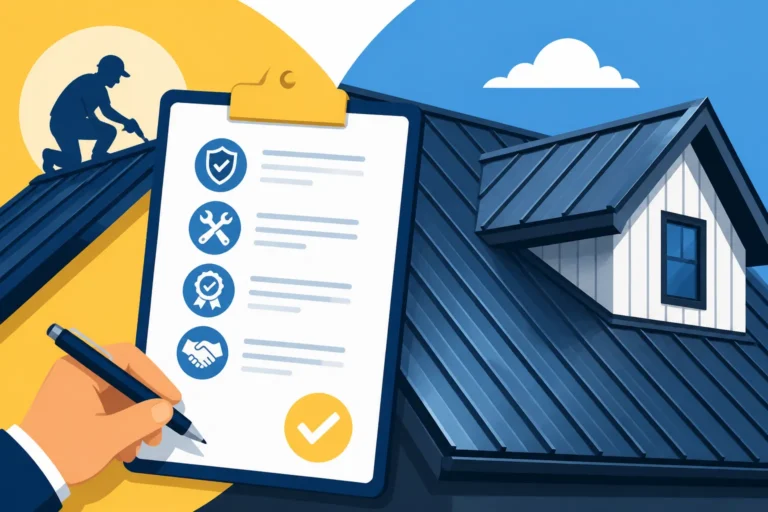
| Key Vetting Criterion | Why It Matters in California | How to Verify |
|---|---|---|
| CSLB License (C-39) | Legal requirement, ensures basic competency & accountability. | CSLB website: cslb.ca.gov |
| General Liability Insurance | Covers property damage or injury to third parties. | Request Certificate from insurance provider. |
| Workers' Compensation Insurance | Protects you from liability if workers are injured. | Request Certificate from insurance provider. |
| Metal Roofing Experience | Specialized skill needed for installation quality and longevity. | Ask for portfolio, references, drive-by installations. |
| Knowledge of CA Codes | Crucial for seismic, wildfire, and coastal compliance. | Ask specific questions about CBC, local ordinances, Class A ratings. |
| Manufacturer Certifications | Indicates product-specific training and warranty adherence. | Ask for certifications, check manufacturer websites. |
| Strong References | Real-world validation of contractor's performance. | Call references, view past projects. |
| Clear, Detailed Contract | Defines scope of work, protects your investment. | Review thoroughly, ensure itemized costs, payment schedule. |
Finding a metal roofing contractor in California can indeed be a rigorous process, but with these steps, you'll be well-equipped to make an informed decision and safeguard your home. By prioritizing credentials, experience, and transparent communication, you'll be on your way to enjoying a beautiful, durable metal roof for decades to come.
Disclaimer
The information provided in this guide is for general informational purposes only and does not constitute professional advice. Always consult with a qualified and licensed metal roofing contractor and local building authorities for specific advice tailored to your project and location. Building codes, regulations, and contractor licensing requirements can change, so always verify the latest information.