Why Is My Metal Roof Leaking at the Screws?
There are few things as frustrating for a homeowner as seeing water stains on your ceiling or feeling that tell-tale drip when it rains, especially when you thought your metal roof was practically invincible. You invested in metal roofing for its legendary durability and longevity, so discovering that the very screws holding it down are now betraying you with leaks can be incredibly disheartening. This guide will meticulously break down why those seemingly small fasteners can become big problems, how to pinpoint the source of the leak, and what practical steps you can take to fix them for good.
Understanding the Anatomy of a Metal Roof and Its Fasteners
Before we dive into why your metal roof might be springing leaks at the screws, it's helpful to understand a bit about how these roofing systems are put together, particularly the types that rely on exposed fasteners. Not all metal roofs are the same, and the way they're installed plays a huge role in their long-term performance.
The Role of Exposed Fastener Systems
When we talk about screws causing leaks, we're almost always referring to what's known as an "exposed fastener" metal roof system. These are incredibly common, especially on agricultural buildings, commercial properties, and many residential homes, due to their affordability and straightforward installation. Profiles like corrugated metal, R-panel, and 5V Crimp roofs fall into this category. The distinguishing feature is right in the name: the fasteners (screws) are driven directly through the metal panels and into the roof deck or purlins below, remaining visible on the roof's surface.
While these systems are robust and cost-effective, their reliance on exposed fasteners means every single screw is a potential point of entry for water if not installed correctly or if it degrades over time. Unlike a hidden fastener system, such as a standing seam metal roof where clips and seams conceal the fasteners, the integrity of an exposed fastener roof hinges critically on the quality and condition of each individual screw and its sealing washer. This design choice brings both advantages in installation and cost, but also specific vulnerabilities that homeowners need to be aware of.
How Screws and Washers are Designed to Seal
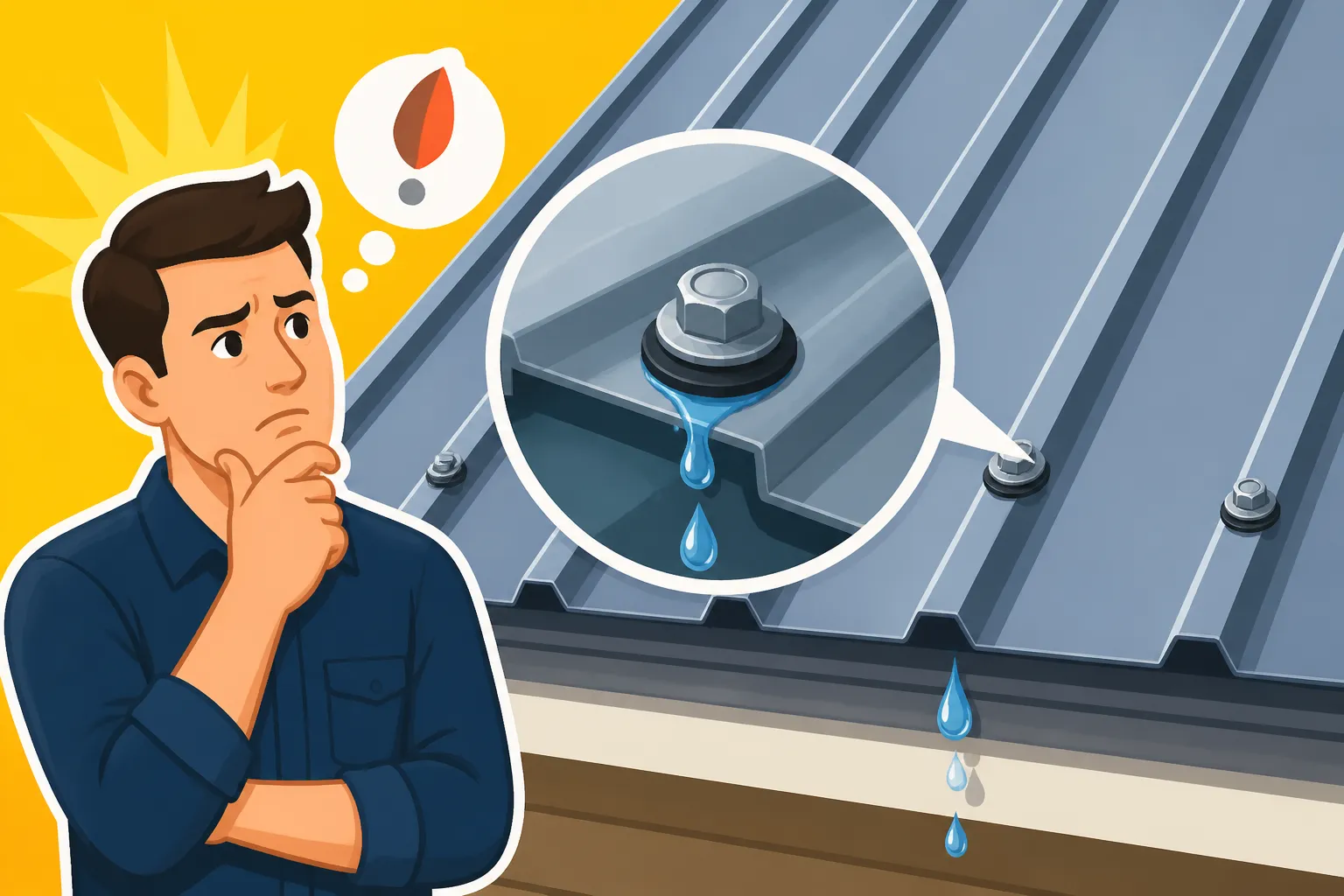
The unsung heroes of an exposed fastener metal roof are the screws themselves, specifically their sealing washers. A typical metal roofing screw isn't just a basic threaded piece of metal; it’s a specially designed fastener, often self-drilling, equipped with a bonded washer. This washer is usually made of EPDM (ethylene propylene diene monomer) rubber, chosen for its excellent weather resistance, UV stability, and flexibility. When the screw is driven into the panel, the washer is compressed against the metal surface, creating a watertight seal around the penetration point.
This seal is crucial. The EPDM washer acts as a gasket, preventing water from seeping into the screw hole. The effectiveness of this seal depends on several factors: the quality of the EPDM, the correct compression during installation, and its ability to withstand years of harsh weather, extreme temperatures, and UV radiation. Over time, these washers are exposed to the full brunt of the elements, and their integrity is often the first thing to fail, leading to those frustrating leaks you're experiencing. Understanding this mechanism is the first step in diagnosing and preventing problems.
The Root Causes of Leaks Around Metal Roof Screws
It's tempting to blame the screws themselves when you find a leak, but usually, it's not the screw's fault alone. More often, it's a combination of installation errors, environmental factors, or the natural aging process of the components. Pinpointing the exact cause is key to a lasting repair.
Improper Installation Techniques
The vast majority of screw-related leaks can be traced back to how they were installed in the first place. Even the highest quality materials can fail if not put together correctly. One of the most common issues is over-tightening the screws. When a screw is driven in too far, the EPDM washer gets crushed beyond its designed compression point. This not only damages the washer, making it brittle and prone to cracking prematurely, but it can also distort the metal panel itself, creating a small dimple where water can pool.
Conversely, under-tightening is just as problematic. If a screw isn't tight enough, the washer won't compress sufficiently to create a watertight seal, leaving a tiny gap for water to exploit. It's a Goldilocks scenario: the tightness has to be just right. Another frequent error is angling the screws incorrectly. Screws should be driven perpendicular to the roof surface. If they're angled, the washer won't sit flush, and the seal will be compromised from day one. Finally, if the screws are driven through the ribs or high points of the panel instead of the flat, recessed areas (known as the "flats"), the structural support for the washer is weakened, making it much more susceptible to loosening and leaking. This highlights why choosing a reputable contractor from the start is so important. When you're looking for help, services like Modernize can connect you with experienced professionals who understand these nuances.
Wear and Tear: Deteriorating Washers and Over-Torqued Screws
Even perfectly installed screws aren't immune to the relentless forces of nature. Over years, the EPDM washers are subjected to intense UV radiation, extreme temperature fluctuations, rain, snow, and hail. This constant exposure causes the rubber to degrade. You'll often see them crack, dry out, shrink, or even completely disintegrate. Once the washer loses its elasticity and sealing capabilities, water has a direct path down the screw shaft and into your roof structure. This is a common failure point that homeowners often overlook during routine inspections.
Additionally, screws that were initially over-torqued will degrade even faster. The stress from being crushed makes the EPDM more vulnerable to environmental damage. Even if the initial installation was decent, screws can also loosen over time due to wind uplift, thermal expansion and contraction, or even minor structural shifts. A loose screw means a relaxed washer, and a relaxed washer means a broken seal, turning your roof into a sieve. This is a clear indicator that your metal roof might need repair or even a full replacement of its fasteners, a process often detailed in a comprehensive Metal Roof Repair Guide.
Material Expansion and Contraction Thermal Movement
Metal is a fantastic material for roofing, but it has one characteristic that can be a real headache: it expands when heated and contracts when cooled. This thermal movement is constant and happens every single day, year after year. While metal roofing systems are designed to accommodate this movement to some degree, the screws are often caught in the middle. As the metal panels expand and contract, they essentially "pull" and "push" against the screws.
This constant push-and-pull can cause several problems. It can gradually wear down the EPDM washers as they rub against the metal, accelerating their degradation. More critically, it can cause the screws to slowly back out of their pilot holes. Even a tiny fraction of an inch of movement can break the seal created by the washer, allowing water to penetrate. In extreme cases, especially with long panel runs or significant temperature swings, this movement can even enlarge the screw holes in the panels themselves, making it almost impossible for the original screw and washer to maintain a watertight seal. This is why proper installation, which includes leaving room for thermal movement, is so crucial for long-term performance.
Structural Movement and Shifting
Your roof isn't an entirely static object. Over decades, a house can settle, framing can shift slightly, and the underlying roof deck can move due to various factors like humidity changes, heavy snow loads, or even seismic activity. While these movements are usually subtle and gradual, they can have a cumulative effect on your metal roof system, particularly on the exposed fasteners.
Imagine your roof panels and the underlying structure moving independently, even if by a minuscule amount. Each screw is a fixed point, and if the panel or the material it's screwed into shifts, it puts shear stress on the screw and its washer. This stress can cause the screw to bend slightly, shear, or gradually widen the hole it's in, all of which compromise the watertight seal. For example, if a heavy snow load causes your trusses to flex, the screws holding down your metal panels might be stretched or pulled, leading to immediate or eventual leaks. These kinds of issues might point to deeper structural concerns that need addressing, or at the very least, a careful inspection of your roof's integrity. It's often why a robust Metal Roof Installation Process: Step by Step considers the full structural system.
Identifying and Diagnosing Screw-Related Leaks
Finding a leak can be like playing detective. The drip you see inside might not be directly above the problem spot outside. When it comes to screw leaks, there are specific clues you can look for to pinpoint the source.
Visual Inspection: What to Look For
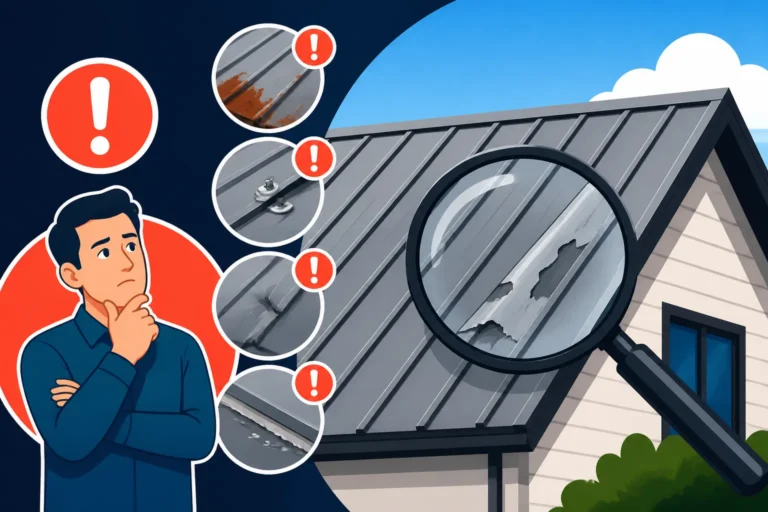
The first step in diagnosing a screw-related leak is a thorough visual inspection of your roof. Safety first, of course! If you're not comfortable on a ladder or walking on your roof, consider hiring a professional. When you're up there, pay close attention to every exposed screw head. Look for several tell-tale signs:
- Cracked, Dried, or Missing Washers: This is the most common culprit. The EPDM washers, which should be pliable and black, might appear chalky, brittle, or have visible cracks. Sometimes, chunks might be missing, or the washer might have completely disintegrated, leaving just the screw head exposed.
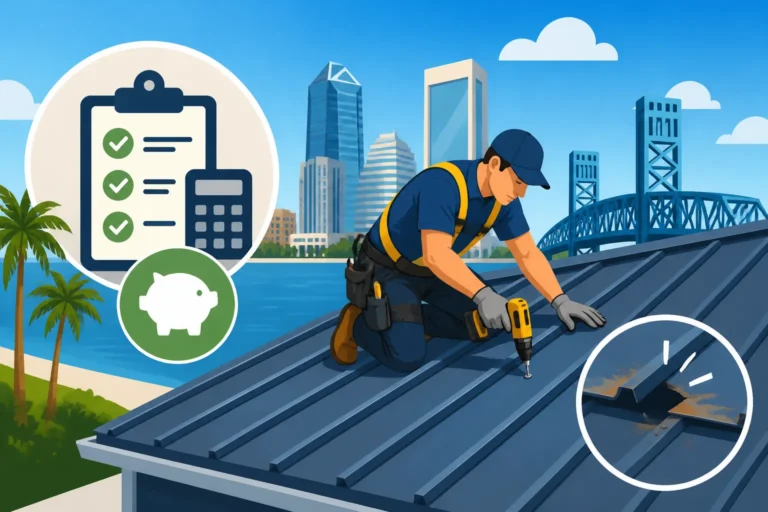
- Rust Stains: Rust streaks emanating from a screw are a clear sign of water penetration. The water gets past the washer, causes the steel screw to rust, and then carries those rust particles down the roof surface. This isn't just cosmetic; it confirms the seal is broken.
- Loose Screws: Gently try to tighten screws (being careful not to over-tighten!). If a screw spins freely or feels very loose, it's likely not sealing properly. You might even see a small gap between the screw head and the panel.
- Over-Compressed or "Mushroomed" Washers: If the washer looks squashed flat and spread out like a mushroom cap, it was likely over-tightened. This compromises its long-term integrity and makes it prone to premature cracking.
- Screws Driven at an Angle: As mentioned, screws should be perpendicular. An angled screw means an uneven seal.
- Dents or Depressions Around Screws: Excessive tightening can dent the metal panel, creating a small pooling area for water around the screw, which eventually finds its way in.
Don't just look at the problem areas; inspect the entire roof, paying extra attention to areas that get more sun exposure, as UV damage accelerates washer degradation. You might also find it helpful to consult a guide on How Often Should a Metal Roof Be Inspected? for a routine schedule.
Timing and Patterns of Leaks
The timing and pattern of your leaks can offer critical clues about their origin. Do the leaks appear only during heavy, driving rain? Or is it a constant, slow drip even after a light shower?
- Heavy, Wind-Driven Rain: If leaks only occur during intense, wind-driven rain, it might indicate that water is being forced past slightly compromised washers or seals that would otherwise hold up against vertical rainfall. This suggests minor issues that might be fixable with new screws or a sealant.
- Consistent Drips After Any Rain: If water consistently drips even after light rain, it's a stronger indicator of a significant breach in the screw's seal. This could mean a completely disintegrated washer or a screw that has backed out considerably.
- Leaks After Freeze/Thaw Cycles: If you live in an area with harsh winters, leaks appearing after periods of freezing and thawing might point to washers that have become brittle and cracked due to extreme temperature fluctuations. Ice formation and expansion can also exacerbate existing weaknesses.
- Sudden Leaks After a Storm: A leak that appears immediately after a severe storm with hail or high winds could be due to impact damage to the screws or panels, or screws being pulled out or loosened by wind uplift. This kind of event often requires a detailed assessment for Metal Roof Storm, Hail & Wind Damage.
By carefully observing when and how your leaks manifest, you can narrow down the potential causes and better inform your repair strategy or discussions with a roofing professional.
Effective Solutions for Leaking Metal Roof Screws
Once you've identified that the screws are indeed the culprits, it's time to consider your options for stopping those pesky leaks. The solution often depends on the severity and widespread nature of the problem.
Replacing Failing Fasteners
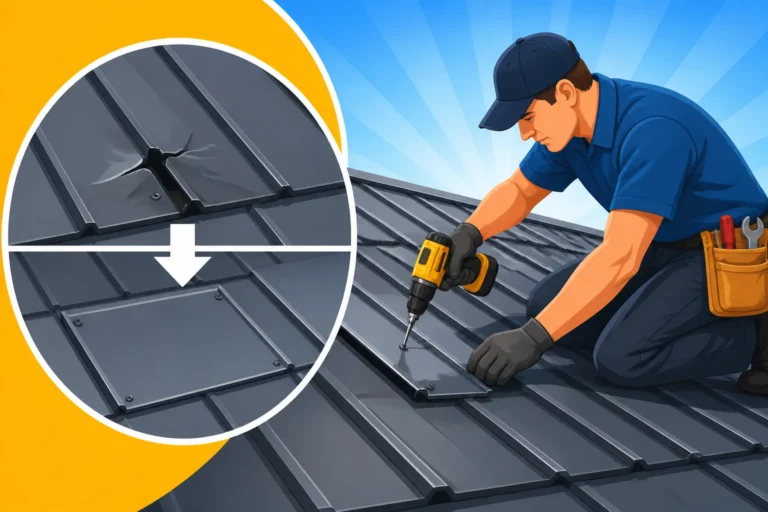
For localized leaks or those caused by widespread washer degradation, simply replacing the failing fasteners can be a highly effective and relatively affordable solution. This isn't just about unscrewing the old and screwing in the new. It requires a bit more precision:
- Choosing the Right Replacement Screws: Always opt for high-quality metal roofing screws with durable EPDM washers. Consider slightly larger diameter screws if the original screw holes have widened. Self-drilling screws with a sharp tip are ideal for driving into existing purlins or fresh material.
- Proper Removal: Carefully remove the old, compromised screws. Inspect the hole in the metal panel for any damage or enlargement.
- Re-drilling (if necessary): If the existing screw hole is too large or has become oval-shaped, it might be necessary to pre-drill a new, slightly offset hole in the panel or even use a slightly larger gauge screw to ensure a snug fit.
- Correct Installation: Drive the new screws straight, perpendicular to the panel surface. The key is to achieve proper compression of the new EPDM washer—tight enough to create a seal but not so tight that it crushes the washer. Many professionals use impact drivers with clutch settings to prevent over-tightening.
This process is critical for preventing future leaks. For a widespread issue, it might mean replacing hundreds or even thousands of screws across your entire roof. If you're doing this yourself, make sure you know How to Replace Metal Roof Screws and Fasteners to avoid further damage. If the issue is extensive, you might even consider hiring a roofing contractor who specializes in metal roofs. Companies like Modernize can help you find local experts capable of this meticulous work.
Applying Sealants and Coatings
While replacing fasteners is often the best long-term solution, sometimes sealants and coatings can offer a temporary fix or supplementary protection, especially for minor leaks or as part of a broader maintenance plan.
- Specific Sealants: High-quality, UV-resistant, flexible sealants designed for metal roofs can be applied around the screw heads and washers. These are usually elastomeric materials that can expand and contract with the roof, providing an additional layer of protection. It's crucial to clean the area thoroughly before applying any sealant to ensure proper adhesion. While tempting, never just glob sealant over a faulty washer; the root problem of the compromised washer needs to be addressed for a lasting fix.
- Roof Coatings: For roofs with widespread minor leaks, pinholes, or aging fasteners, a complete elastomeric roof coating can offer a more extensive solution. These coatings are rolled or sprayed over the entire roof surface, essentially creating a new, seamless, waterproof membrane over the existing metal panels and fasteners. This can dramatically extend the life of an aging metal roof and seal up countless small vulnerabilities at once. However, a coating is not a substitute for addressing major structural or fastening issues; it works best on roofs that are generally sound but showing signs of widespread wear.
It's important to remember that sealants and coatings have their own lifespans and require proper application. Always choose products specifically formulated for metal roofing to ensure compatibility and durability.
Considering a Complete Re-Roof or Overlay
Sometimes, the extent of screw-related leaks, coupled with other signs of aging or damage, points to a larger problem that a simple repair or even a coating can't fully address. If you're seeing pervasive leaks across a significant portion of your roof, coupled with faded panels, widespread rust, or structural issues, it might be time to consider a complete re-roof.
- When a Re-Roof is Necessary: If the metal panels themselves are significantly degraded, corroded, or have extensive damage beyond just the screws, a full replacement is often the most cost-effective long-term solution. This ensures you're starting fresh with new materials and a properly installed system, backed by a comprehensive warranty. It's an investment, but one that can provide decades of worry-free protection. You can explore the various options and costs in a guide like Metal Roof Cost: Complete 2026 Guide.
- Metal Over Shingles (Overlay): In some cases, if the underlying deck is sound and local building codes allow, you might be able to install a new metal roof directly over your existing asphalt shingles. This is known as an "overlay" or "re-roofing over existing shingles." This can save on tear-off costs and labor, but it's crucial that the existing roof is flat, stable, and free of significant issues. This option is not always suitable for exposed fastener metal roofs directly over shingles without proper furring strips to create a level surface and ventilation. It's a complex decision that benefits from expert advice, and you can learn more about Installing a Metal Roof Over Shingles if considering this approach.
Deciding between repair, coating, or replacement is a big choice, and getting multiple quotes and professional opinions is highly recommended. For instance, using a platform like Modernize allows you to easily How to Get Multiple Metal Roof Quotes Fast so you can compare options and prices.
Preventative Measures to Avoid Future Screw Leaks
While addressing current leaks is urgent, thinking ahead to prevent future problems is just as important. A little proactive effort can save you a lot of headache and expense down the road.
Choosing Quality Fasteners and Materials
The foundation of a leak-free exposed fastener metal roof starts with the quality of its components. Don't skimp on fasteners!
- High-Grade Screws: Insist on screws made from durable, corrosion-resistant materials like galvanized steel, stainless steel, or screws with high-performance coatings like ceramic or polymer finishes. These resist rust, which can degrade the screw itself and the surrounding metal.
- Superior EPDM Washers: Not all EPDM is created equal. Look for screws with washers that are clearly specified as "UV-resistant" or "long-life" EPDM. These will maintain their flexibility and sealing capabilities for far longer than standard rubber washers, standing up to years of sun, heat, and cold without drying out or cracking prematurely. Some advanced washers even have integrated metal backing to prevent over-compression.
- Panel Quality: While not directly screw-related, the gauge (thickness) and coating of your metal panels also play a role in their longevity and how well they hold screws. Thicker gauges (like 24 or 26 gauge steel) generally provide a more secure purchase for fasteners and are less prone to oil canning or distortion, which can indirectly affect screw performance. You can compare options like 24 vs 26 Gauge Metal Roofing: Which Is Best?.
- Proper Underlayment: While not directly visible, a high-quality underlayment beneath your metal panels provides an essential secondary layer of protection against water intrusion, including potential small leaks around fasteners. Products like synthetic underlayments offer superior water resistance compared to traditional felt. This can be a lifesaver if a screw seal eventually fails.
By investing in quality materials from the outset, you're setting your roof up for decades of performance and minimizing the likelihood of frustrating screw leaks.
The Importance of Professional Installation
Even the best materials won't perform as intended if they're not installed correctly. This is where a skilled, experienced metal roofing contractor becomes invaluable.
- Expertise in Fastener Application: A professional installer understands the nuances of driving screws: the correct torque, angle, and placement to ensure optimal washer compression without damage. They know that too tight is just as bad as too loose. They also know to install fasteners in the flat areas of the panels, not the ribs.
- Thermal Movement Accommodation: Experienced contractors know how to design and install metal roofs to accommodate thermal expansion and contraction, preventing undue stress on fasteners. This might involve using specific clip systems or ensuring panels are free to move where necessary.
- Adherence to Building Codes: A good contractor will ensure that your roof system meets all local building codes and manufacturer specifications, which often include guidelines for fastener type and spacing. This is crucial for both performance and warranty validation. For example, understanding Metal Roof Building Codes Explained can help you ensure compliance.
- Warranty Protection: Manufacturer warranties often stipulate that the product must be installed by a certified professional to remain valid. A faulty DIY installation could void your warranty, leaving you on the hook for future repairs.
- Safety: Roofing work is inherently dangerous. Professionals have the training, equipment, and insurance to perform the job safely and efficiently, protecting both themselves and your property.
While the upfront cost of professional installation might seem higher than a DIY approach, the long-term savings from avoiding costly repairs due to improper installation are significant. It's often the single best preventative measure you can take. To ensure you find the right pro, check out our guide on How to Hire a Metal Roofing Contractor.
Regular Maintenance and Inspections
Your metal roof isn't "set it and forget it," even though it's low maintenance compared to other materials. Regular checks are vital for catching minor issues before they escalate into major leaks.
- Annual Visual Inspections: Twice a year (spring and fall) is a good cadence. Safely walk around your property, or if comfortable, on the roof itself (being mindful of safety!). Look for any of the signs of screw degradation we discussed: cracked washers, rust streaks, loose screws, or screws driven at an angle. Pay particular attention to areas around penetrations like vents, chimneys, and skylights, as well as the main field of the roof.
- Tightening Loose Screws: If you find a slightly loose screw during your inspection, carefully tighten it. Remember the "just right" principle: enough to compress the washer for a seal, but not so much that you crush it. If a screw keeps backing out, it might need to be replaced with a slightly larger gauge screw.
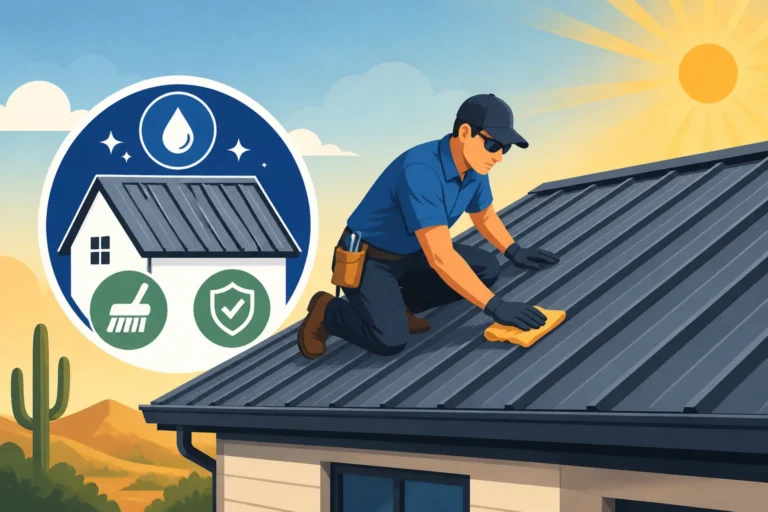
- Cleaning Debris: Keep your roof free of leaves, branches, and other debris that can trap moisture and accelerate corrosion or washer degradation. Clogged gutters can also lead to water backing up onto the roof and exacerbating weak spots.
- Addressing Rust Early: If you spot any rust forming on screws or panels, address it promptly. Small rust spots on screws can often be treated with a rust-inhibiting primer and paint, but it's crucial to first ensure the underlying washer is still sealing properly. More comprehensive advice can be found in a Metal Roof Maintenance Guide.
Proactive maintenance can extend the life of your metal roof and save you from the stress and expense of unexpected leaks. It's about being vigilant and addressing small issues before they become big headaches.
Common Screw Issues and Their Solutions
To help you quickly identify potential problems, here's a table summarizing common screw-related issues, their causes, and the recommended solutions.
| Problem | Common Causes | Visual Cues | Recommended Solution |
|---|---|---|---|
| Leaking Screw (Loose) | Thermal expansion/contraction, improper torque, vibration | Visible gap under screw head, rust streaks, screw spins freely | Gently tighten or replace with new, correctly torqued screw. |
| Leaking Screw (Cracked Washer) | UV degradation, age, over-tightening during installation | Washers appear brittle, cracked, chalky, or missing pieces; rust streaks often present. | Remove old screw, replace with new screw and high-quality EPDM washer. |
| Leaking Screw (Over-tightened) | Installer error (crushing washer) | "Mushroomed" washer, dent in metal panel around screw, premature washer degradation. | Remove old screw, replace with new screw and washer, correct torque. |
| Leaking Screw (Angled) | Installer error (driving screw crookedly) | Screw visibly not perpendicular to panel; washer unevenly compressed. | Remove old screw, replace with new screw driven straight and correctly torqued. |
| Widespread Screw Degradation | Age, poor quality fasteners, harsh environment | Numerous screws showing signs of cracking, rust, or looseness across the roof. | Widespread fastener replacement or full roof coating/re-roof. |
| Leaks After Heavy Wind | Wind uplift, loose panels, compromised fasteners | Screws backed out, panels slightly lifted, noticeable rust streaks. | Inspect for structural damage, replace loose/damaged screws, ensure proper fastening. |
Disclaimer
The information provided in this article is intended for general guidance and informational purposes only, and does not constitute professional advice. While we strive to offer accurate and up-to-date content, metal roofing repairs and installations can be complex and should ideally be performed by qualified professionals. Always consult with a licensed and insured metal roofing contractor for specific advice tailored to your situation and local building codes. Undertaking DIY repairs without proper knowledge, tools, and safety precautions can result in property damage, injury, or voiding of warranties.