How to Tell If Your Metal Roof Needs Replacing
One of the toughest decisions a homeowner faces is figuring out if their trusty metal roof has finally reached the end of its road. It's not always obvious, and the thought of such a significant expense can be incredibly stressful. This comprehensive guide is here to walk you through the tell-tale signs, common issues, and critical factors that help you discern whether your metal roof needs a simple repair or a full-scale replacement.
Understanding Your Metal Roof's Lifespan and Typical Issues
It's easy to assume that because a metal roof is tough, it'll last forever without a second thought. While they are incredibly durable, even the best metal roofs have a finite lifespan, and they do experience wear and tear just like any other part of your home. Knowing what to expect in terms of longevity and recognizing the difference between minor issues and critical failures is key to making an informed decision.
Expected Lifespan by Metal Type
The beauty of metal roofing lies in its incredible variety, and with that variety comes different expectations for how long each material will truly last. It's not a "one size fits all" scenario. For instance, a basic galvanized steel roof, while strong, might offer a solid 40-70 years of service, especially if it's well-maintained and has a quality coating. This is a fantastic stretch of time, often outliving several asphalt shingle roofs.
However, if you've invested in something like a copper or zinc roof, you're talking about a completely different league of longevity. These premium metals can easily last 100 years or even more, developing a beautiful patina over time that adds to their character. Aluminum roofs, common in coastal areas due to their rust resistance, typically fall into the 50-70 year range. Understanding your specific metal material is the first step in gauging its natural lifecycle. You can delve deeper into the specifics by checking out our guide on Metal Roof Lifespan: How Long Do They Last?.
Common Wear and Tear vs. Critical Damage
Every roof, regardless of material, is exposed to the elements day in and day out. This constant battle against sun, rain, wind, and hail leads to what we call "wear and tear." For metal roofs, this might look like minor fading of the paint finish, small scratches that haven't broken through the protective coating, or perhaps a few loose fasteners that simply need to be tightened. These are typically manageable issues that can be addressed with routine Metal Roof Maintenance Guide.
Critical damage, on the other hand, is a whole different ball game. This signifies a breakdown in the roof's primary function: protecting your home. We're talking about extensive rust that has eaten through panels, widespread panel separation, severe hail damage causing deep dents or punctures, or structural issues like buckling or sagging. These aren't just cosmetic flaws; they are indicators that the roof's integrity is compromised and that its ability to keep the elements out is severely diminished. Ignoring critical damage can lead to much larger and more costly problems inside your home.
Visible Signs of Deterioration
When you're trying to assess the health of your metal roof, start by looking for the obvious. Many of the most crucial indicators that your roof might need replacing can be spotted with a careful visual inspection from the ground or, if safe, a closer look. These visible signs aren't just aesthetic concerns; they are red flags that point to deeper issues.
Widespread Rust and Corrosion
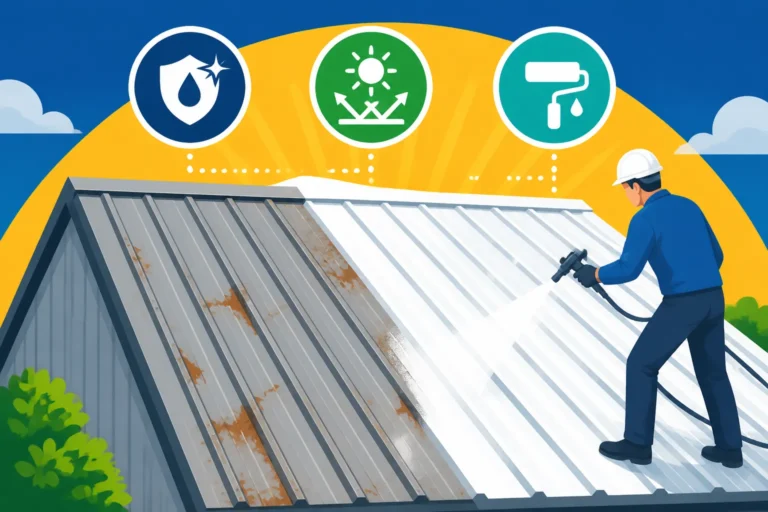
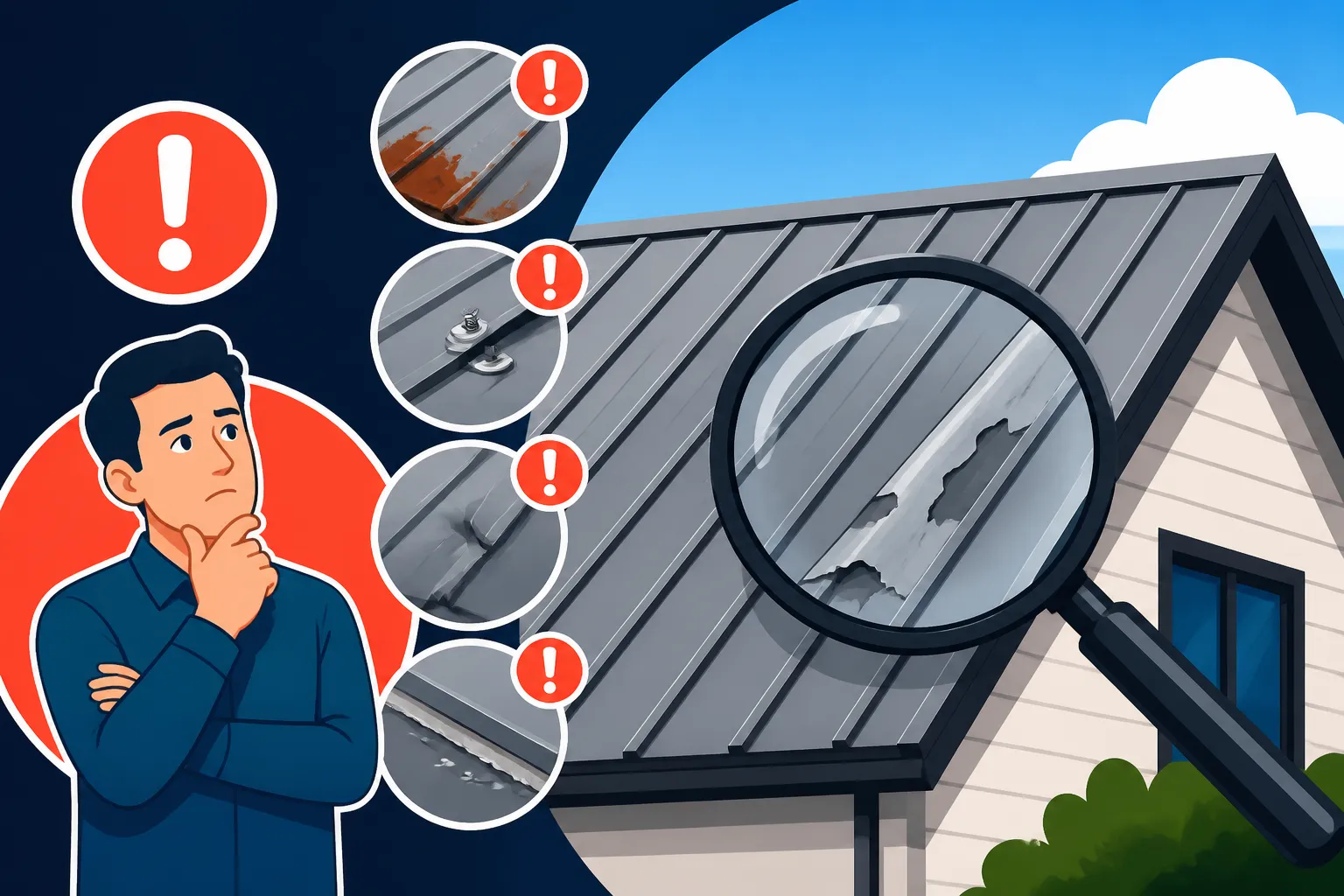
Rust on a metal roof can be a bit tricky because not all metal roofs rust in the same way, and some "rust-like" appearances are actually quite normal. For instance, a high-quality Galvalume or steel panel with a good paint finish should resist rust for many decades. If you see isolated spots of surface rust, particularly around screw heads or where the coating might have been scratched during installation, these can often be treated with specialized Metal Roof Rust and Corrosion Treatment products or by replacing specific fasteners.
However, if you notice widespread, pervasive rust that covers large sections of multiple panels, or if the rust appears to be eating through the metal rather than just sitting on the surface, that's a serious problem. This deep corrosion indicates that the protective coatings have failed across a large area, leaving the base metal exposed to moisture and oxygen. Once rust takes hold like this, it compromises the structural integrity of the panels. It can lead to thinning, perforations, and eventually, leaks. This kind of extensive corrosion is a prime indicator that the entire roof system is failing and likely needs replacement, especially if it's nearing the end of its expected lifespan.
Loose, Missing, or Damaged Panels or Shingles
One of the most concerning visible signs is when individual panels or metal shingles are clearly compromised. This isn't just a cosmetic issue; it's a direct threat to your home's protection. Strong winds, unfortunately, are a common culprit here. If you live in an area prone to severe weather, you might wake up after a storm to find that some of your metal roof panels have lifted, buckled, or even been completely ripped off. This exposes the underlayment and decking beneath, making your home vulnerable to immediate water intrusion.
Beyond storm damage, panels can also become loose over time due to improper installation, thermal expansion and contraction, or fastener failure. When panels are loose, they can rub against each other, leading to abrasion and coating damage, or they can create gaps where water can easily enter. Similarly, if your metal roof uses metal shingles, look for bent, curled, or missing individual pieces. While a few damaged shingles might be repairable, widespread damage across many panels or shingles points to a systemic problem that often necessitates a full roof replacement to ensure long-term durability and protection.
Compromised Fasteners and Sealants
Often overlooked, the integrity of your roof's fasteners and sealants is just as crucial as the panels themselves. For exposed fastener metal roofs, every screw head is a potential entry point for water if the washer or sealant around it fails. Over time, UV exposure, temperature fluctuations, and natural aging can cause the rubber washers under screw heads to degrade, crack, or become brittle. When this happens, water can seep past the screw, causing leaks directly into your attic or living space. You might see rusty streaks running down the panels from these compromised fasteners, indicating water infiltration.
Similarly, the sealants used around flashing, vents, skylights, and along panel seams on some metal roof profiles are vital for a watertight system. If these sealants are cracked, dried out, pulling away, or completely missing, your roof's ability to shed water effectively is severely compromised. A professional inspection would reveal these vulnerabilities. While replacing individual fasteners or re-caulking specific areas is a common repair, if you're finding widespread sealant failure or dozens of screws with degraded washers, it points to an aging roof system where its smaller, critical components are all giving out at once. This usually means that even if you fix them all, more will likely fail soon after, making replacement a more cost-effective long-term solution.
Performance Issues Indicating Failure
Sometimes, the signs that your metal roof needs replacing aren't immediately visible from the outside. Instead, they manifest as performance issues that affect your home's comfort, safety, and efficiency. These are often the most urgent indicators that your roof system is no longer doing its job properly.
Persistent Leaks and Moisture Intrusion
This is arguably the most alarming and undeniable sign that your metal roof is failing. Finding water stains on your ceiling, drips in your attic, or even puddles on your floor is a clear indication that your roof isn't doing its primary job of keeping water out. While a single, isolated leak might be traceable to a specific, repairable issue like a damaged pipe boot, a loose fastener, or compromised flashing around a chimney, persistent or multiple leaks scattered across different areas of the roof are far more serious.
When leaks become widespread, it often points to larger systemic problems such as extensive corrosion, widespread sealant failure, severely damaged underlayment, or panels that are no longer correctly interlocked or fastened. Addressing these scattered leaks individually can be like playing a never-ending game of whack-a-mole; fix one, and another springs up. Furthermore, ongoing moisture intrusion can lead to serious secondary issues like mold growth, rotting wood decking or framing, damaged insulation, and even compromised electrical systems. If you're constantly battling leaks, it's time to seriously consider that your entire metal roof system needs replacement, as it's no longer providing adequate protection. For more on this, you can check out our article on Metal Roof Leak Repair Guide.
Significant Energy Bill Increases
One of the often-touted benefits of metal roofing is its energy efficiency, especially lighter-colored metal roofs that reflect solar radiant heat. If you've been enjoying reasonable energy bills with your metal roof for years, but suddenly notice a consistent and unexplained spike in your heating or cooling costs, your roof might be a contributing factor. This isn't usually due to the metal panels themselves, but rather the underlying insulation and ventilation systems that the roof is meant to protect.
When a metal roof fails, it can lead to compromised attic insulation through moisture damage or inadequate ventilation if elements like ridge vents or soffit vents become obstructed or damaged. If water has seeped into your attic and saturated your insulation, its R-value (insulating capacity) will plummet. This means your HVAC system has to work much harder to maintain a comfortable indoor temperature, directly translating to higher utility bills. Similarly, if the roof system is no longer allowing for proper airflow, heat can build up excessively in the attic during summer, radiating down into your living spaces, or moisture can become trapped, leading to further damage. An unexpected jump in energy costs, when coupled with other visible or internal signs of roof distress, could be a critical indicator that your entire roof and attic system are failing and need comprehensive attention, likely involving a new roof installation.
Structural Concerns and Sagging
This is a grave sign and one that should prompt immediate professional attention. A metal roof, when properly installed, relies on a sound underlying structure – typically plywood or OSB decking, supported by rafters or trusses. If you notice any visible sagging or bowing in sections of your roofline, whether from the exterior or from inside your attic, it's a major cause for concern.
Sagging can occur for several reasons. It could be due to excessive water absorption by the underlying roof deck, caused by prolonged leaks that have gone unnoticed, leading to rot and weakening of the wood. It might also be a sign of inadequate structural support from the original construction, or in very rare cases, extreme snow loads overwhelming a poorly designed roof. While metal itself is very strong, if the structure it's attached to is failing, the metal roof will eventually follow suit. This kind of structural compromise not only impacts the roof's ability to protect your home but also poses a significant safety risk. If you see any signs of your roof deck or overall roof structure sagging, you should contact a qualified roofing professional immediately. This situation almost always necessitates a complete tear-off and replacement, not just of the metal panels, but often the damaged decking and potentially some framing components underneath.
Assessing Underlying Factors and Professional Insights
Sometimes the decision to replace your metal roof isn't just about what you can see, but also about the unseen forces at play and the expert advice you receive. Environmental factors and the wisdom of a professional contractor can tip the scales when you're on the fence about repair versus replacement.
Impact of Weather Events
Metal roofs are renowned for their incredible resilience against severe weather, often carrying excellent wind and hail ratings. However, even the toughest metal roof has its limits, and repeated or extreme weather events can take their toll. Living in a region frequently hit by hurricanes, tornadoes, or large hailstorms means your roof is under constant assault. While a single hail event might only cause cosmetic dents that don't compromise the roof's integrity, multiple severe hail incidents can lead to widespread impact damage that thins coatings, weakens panels, or even creates small punctures.
High winds, especially sustained hurricane-force winds, can lift, bend, or completely detach metal panels, even with robust fastening systems. Over time, the constant expansion and contraction from extreme temperature swings can also stress fasteners and seams. If your area has experienced several significant weather events, even if you don't see immediate catastrophic damage, it's wise to consider a professional inspection. The cumulative effect of these events can significantly shorten your roof's effective lifespan, pushing it towards replacement earlier than expected. This is especially true if previous storm repairs were only partial fixes, leading to a patchwork roof that lacks uniform integrity. You can find more information about this in our guide on Metal Roof Storm, Hail & Wind Damage.
Importance of Professional Inspections and Estimates
While your keen eye can spot many visible problems, there are countless issues hidden from the average homeowner's view. This is where a professional metal roofing contractor becomes invaluable. They possess specialized knowledge of metal roofing systems, understand installation nuances, and know exactly what to look for that might escape an untrained eye. A reputable contractor will conduct a thorough inspection, often involving a climb onto the roof itself, to assess the condition of panels, fasteners, flashing, sealants, underlayment, and the overall structural integrity. They can identify subtle signs of wear, incipient leaks, or areas where the metal's protective coatings are beginning to fail.
Getting multiple estimates from certified and experienced metal roofing contractors is crucial. Don't just settle for one opinion. Organizations like Modernize can help you connect with qualified local professionals who understand the specific challenges and building codes in your area. These contractors can provide detailed reports on your roof's condition, outlining whether minor repairs are sufficient or if a full replacement is the more prudent and cost-effective long-term solution. They can also explain the difference between a minor repair and what constitutes a substantial repair that might trigger building code requirements for a full replacement. Their expert assessment will consider the age of your roof, the extent of the damage, and the remaining expected lifespan, giving you a holistic view of your options. You can learn more about finding the right expert by reading How to Hire a Metal Roofing Contractor.
Cost-Benefit Analysis: Repair vs. Replace
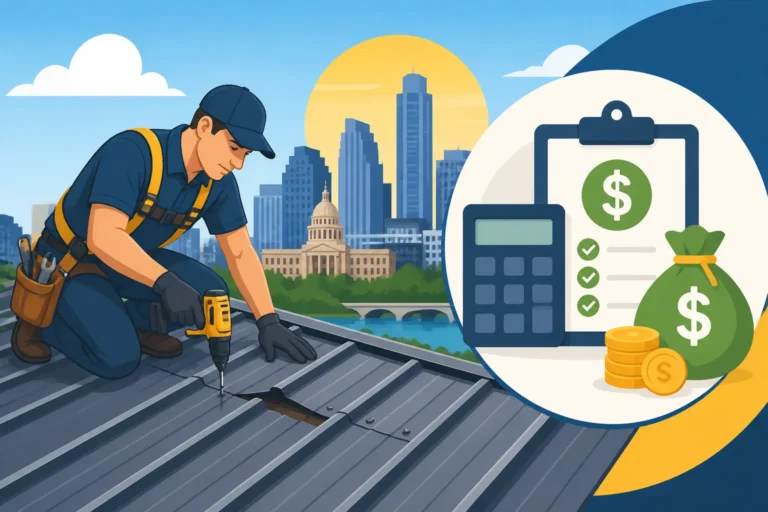
The financial aspect is almost always the heaviest factor when deciding between repairing and replacing a metal roof. While the upfront cost of replacement can be daunting, continually pouring money into repairs for a failing roof can quickly become a false economy. It's about finding that tipping point where patching things up no longer makes sense.
When Repairing is Still Viable
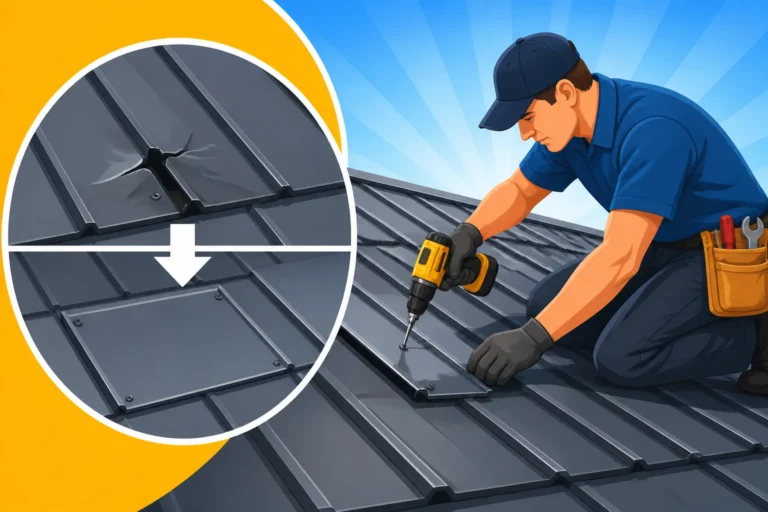
Repairing your metal roof is definitely the preferred option when the damage is localized, minor, and doesn't compromise the overall integrity of the roof system. Think about scenarios like a single loose panel that simply needs re-fastening, a small section of flashing that has come undone, or a few screws where the washers have degraded. These are often quick fixes that a skilled roofer can handle efficiently, extending the life of your roof without breaking the bank.
For example, if a tree branch falls and dents a couple of panels but doesn't puncture them, those panels might be repairable or replaceable without affecting the entire roof. Similarly, if you notice an isolated leak near a vent pipe, it's often a matter of replacing the pipe boot and resealing the area. The key here is isolation. If the problem can be clearly contained to a small, specific area and the rest of the roof is still in excellent condition and far from its expected lifespan, then repair is undoubtedly the more economical and practical choice. Regularly inspecting your roof and addressing these small issues promptly can significantly delay the need for a full replacement, making repair a smart proactive strategy.
The Tipping Point for Full Replacement
Knowing when to stop repairing and start planning for replacement is the tricky part. The "tipping point" is usually reached when the cost and frequency of repairs become comparable to, or even exceed, the investment in a new roof, especially when considering the extended lifespan a new roof offers. If you're calling a roofer every few months for a new leak or a new patch, or if the estimated cost to repair the existing damage covers a significant percentage of what a new roof would cost, it's likely time to replace.
Consider a situation where your metal roof is 40 years old, and you're now experiencing widespread rust, multiple leaks, and a significant portion of fasteners are failing. Repairing all these individual issues would be a major undertaking, likely costing thousands of dollars, and still leave you with an aging roof that will likely present new problems soon after. In such cases, a complete replacement offers a fresh start, a new warranty, and the peace of mind that comes with knowing your home is fully protected for the next 50+ years. Consulting with a reputable contractor through a platform like Modernize can help you weigh these options objectively, providing detailed quotes for both repair scenarios and a full replacement. They can also discuss the long-term Metal Roof Cost vs Lifespan Value to help you see the overall financial picture.
Here's a quick comparison of factors influencing repair vs. replacement:
| Factor | Leans Towards Repair | Leans Towards Replacement |
|---|---|---|
| Age of Roof | Young (under 25-30 years), well-maintained | Old (over 40-50 years), nearing end of life |
| Extent of Damage | Isolated, localized damage (e.g., a few panels) | Widespread damage (e.g., multiple panels, extensive corrosion) |
| Nature of Damage | Cosmetic dents, minor scratches, loose fasteners | Punctures, deep rust through metal, structural sagging |
| Leak Frequency | Single, easily identifiable leak point | Persistent, multiple, or hard-to-trace leaks |
| Underlying Issues | None apparent beyond surface | Compromised underlayment, rotting decking, poor ventilation |
| Repair Cost | Minor investment, fraction of replacement cost | Significant, approaching 50%+ of replacement cost |
| Warranty Status | Still under manufacturer or workmanship warranty | Warranty expired or invalidated |
Ultimately, deciding whether to repair or replace your metal roof requires careful consideration of its current condition, its age, the extent and type of damage, your budget, and your long-term plans for your home. Don't hesitate to seek out the opinions of experienced professionals to ensure you make the best choice for your investment.
Disclaimer
Please note that the information provided in this article is intended for general guidance and informational purposes only, and does not constitute professional advice. Roofing projects involve inherent risks, and conditions can vary significantly. Always consult with a qualified and licensed metal roofing contractor or construction professional for specific advice tailored to your situation and local building codes. Do not attempt complex repairs or installations without proper training, equipment, and safety precautions.