Metal Roof Rust and Corrosion Treatment
It’s a truly disheartening moment when you look up at your beautiful metal roof, the one you invested in for its longevity and durability, and you spot that tell-tale reddish-brown stain. Rust. It’s like finding a scratch on a brand new car—it just shouldn't be there, or at least, not yet! This guide is here to walk you through everything you need to know about metal roof rust and corrosion, from understanding why it happens to effective treatment methods and, most importantly, how to prevent it from ever rearing its ugly head on your property again.
Understanding Metal Roof Rust and Corrosion
When we talk about rust on a metal roof, it often brings up a lot of questions. Aren't metal roofs supposed to be resistant to this? Why is my roof rusting? The truth is, while metal roofs are incredibly durable and designed to resist corrosion, they aren't entirely immune. Understanding the science behind rust and the different forms corrosion can take is the first step in tackling the problem effectively.
The Science Behind Rust: Oxidation and Electrochemistry
At its core, rust is a specific type of corrosion that occurs when iron or its alloys (like steel, which is common in metal roofing) come into contact with oxygen and moisture. It’s a natural electrochemical reaction called oxidation. Think of it like this: your roof's metal wants to return to its natural, stable state, which is iron oxide—the fancy name for rust. Water acts as an electrolyte, speeding up the process by allowing electrons to flow between the metal and oxygen.
Most metal roofs aren't just bare steel; they're coated with protective layers precisely to prevent this interaction. For instance, galvanized steel has a layer of zinc, while Galvalume roofs use a zinc-aluminum alloy. These coatings act as a "sacrificial" layer. Zinc, being more reactive than steel, corrodes first, protecting the underlying steel. As long as this protective layer is intact, your steel roof is safe. But once it's compromised, even a tiny scratch, the raw steel can be exposed to the elements, and that's when rust starts to form. Imagine a homeowner in a humid climate like Florida, noticing reddish streaks after a particularly wet summer. This often signals that the protective coating has been breached somewhere, allowing the steel beneath to begin oxidizing.
Types of Corrosion Specific to Metal Roofs
It’s not just one-size-fits-all rust; metal roofs can experience several distinct types of corrosion, each with its own characteristics and implications for your roof's health.
One common culprit is galvanic corrosion. This happens when two dissimilar metals are in direct contact in the presence of an electrolyte (like rainwater). If, for example, a copper flashing or a copper downspout is installed directly onto a steel metal roof without proper isolation, the more "noble" copper will accelerate the corrosion of the less noble steel. It's like a tiny battery forming on your roof. This is why proper material selection and installation are absolutely critical.
Then there's pitting corrosion, which is insidious because it creates small, localized holes or pits on the surface. This often occurs when contaminants, such as industrial fallout, salt spray, or even certain chemicals from leaves and debris, settle on the roof. These contaminants create micro-environments where the protective coating breaks down in a tiny area, leading to concentrated corrosion that can quickly penetrate the metal. Imagine tiny, dark spots appearing, which eventually become pinholes allowing water to seep in.
Crevice corrosion is another tricky one, often found under fasteners, at seams, or wherever moisture can get trapped and stagnate. In these tight spaces, oxygen levels can vary, creating an electrochemical imbalance that leads to accelerated corrosion within the crevice. This is a common issue with exposed fastener metal roofs if the washers or seals fail over time. A real-world example: a builder used incorrect fasteners on an agricultural building's metal roof, and within a few years, noticeable rust rings began to form around nearly every screw head, indicating crevice corrosion.
Finally, you might encounter rust bleed. This isn't always the roof itself rusting, but rather rust from an adjacent component—like an ungalvanized vent pipe, a rusty antenna, or even loose steel shavings left from installation—staining the metal roof panels. While the roof panel might be perfectly fine, the runoff from the rusty item stains the surface, giving the impression of widespread corrosion. It’s still important to address, as it can be unsightly and sometimes indicates a larger issue with the offending component.
Common Causes of Rust on Metal Roofs
While metal roofs are built to last, they're not indestructible. Several factors can conspire to break down their defenses and allow rust to take hold. Knowing these common causes is key to both preventing and treating corrosion effectively.
Exposure to Moisture and Environmental Factors
The biggest catalyst for rust is moisture. While metal roofs are designed to shed water efficiently, prolonged exposure or certain types of moisture can still pose a threat. Living in a coastal region, for example, exposes your roof to constant salt spray in the air. This salt acts as a super-charger for the electrochemical reaction, significantly accelerating corrosion, even on otherwise durable finishes. This is why when considering a metal roof for coastal environments, opting for materials like aluminum or specific coatings with enhanced salt-resistance is paramount. You might want to check out our guide on Choosing the Best Metal Roof for Coastal and Salt Air.
Beyond just rain, persistent humidity, poor drainage that allows standing water to collect on certain roof sections, or even an accumulation of wet leaves and debris can create constant moisture contact. These situations can quickly break down protective coatings. Think about industrial areas where pollution in the air can contribute to acid rain, which is highly corrosive and can eat away at a roof's finish over time. A homeowner in Galveston, Texas, might find their metal roof, despite being a high-quality product, showing signs of accelerated corrosion due to the relentless combination of humidity and salty air, a frustration many coastal dwellers face.
Material Quality and Coating Breakdown
Not all metal roofs are created equal, and the quality of the base metal and its protective coatings plays a huge role in its resistance to rust. Choosing a low-grade steel or one with an inadequate galvanization or Galvalume coating can leave your roof vulnerable from day one. Thinner gauge metals (like 29 gauge steel) used in some agricultural or budget-friendly residential applications, while cheaper, often have thinner protective coatings or less robust paint finishes, making them more susceptible to damage and subsequent rust. Understanding Metal Roof Gauges Explained: 22, 24, 26 & 29 can shed more light on this.
Beyond the initial quality, the protective layer can break down over time due to wear and tear. Scratches, abrasions, or impact damage from hail, falling branches, or even rough installation practices can expose the bare steel underneath. Once that happens, it's a direct pathway for oxygen and moisture. Even the advanced paint finishes, like PVDF (Kynar 500) or SMP, which are designed for long-term durability and UV resistance, can eventually degrade from prolonged sun exposure, leading to a process called "chalking" or fading. While chalking itself isn't rust, it signifies the coating is breaking down, potentially leaving the underlying metal less protected. Imagine a homeowner who initially chose a cheaper, thinner gauge corrugated metal roof and within a decade, despite its advertised lifespan, it's showing premature rust in several areas where the coating was thin or easily scratched.
Installation Errors and Component Incompatibility
Many rust issues can be traced back to mistakes made during the installation phase. One of the most common and preventable errors is using fasteners made of dissimilar metals without proper isolation. If standard zinc-plated screws are used on an aluminum roof, for example, galvanic corrosion can occur around every screw head, leading to leaks and localized rust.
Another frequent problem arises from improper cutting techniques. When metal roof panels are cut on-site, using abrasive tools like grinders or cutting wheels can generate extreme heat, burning off the protective coatings along the cut edge. This leaves a vulnerable, unprotected edge where rust can immediately begin to form. The tiny metal shavings produced by these tools can also embed themselves in the roof's surface and then rust, creating tiny rust spots ("flash rust"). Proper installation dictates using shear-cutting methods or specialized nibblers that don't generate heat or scatter metallic debris.
Finally, issues like a lack of proper underlayment or inadequate attic ventilation can lead to significant condensation forming on the underside of the metal panels. This constant dampness, while not always visible from the outside, can cause corrosion from below, silently eating away at your roof's integrity. An experienced contractor, perhaps one you might find through a platform like Modernize, will always emphasize proper ventilation and underlayment to prevent such internal moisture issues. A real-life scenario: a contractor, rushing a job, cuts metal panels with a standard grinder, leaving hundreds of exposed, unsealed edges that become rust pathways within months of installation. This highlights why following a proper Metal Roof Installation Process: Step by Step is so vital.
Identifying and Assessing Metal Roof Rust
Spotting rust early can make a world of difference in the cost and complexity of treatment. It's not just about looking for obvious red patches; sometimes, the signs are more subtle. Knowing what to look for and when to call in a professional can save you a lot of headaches and money down the line.
Early Warning Signs to Look For
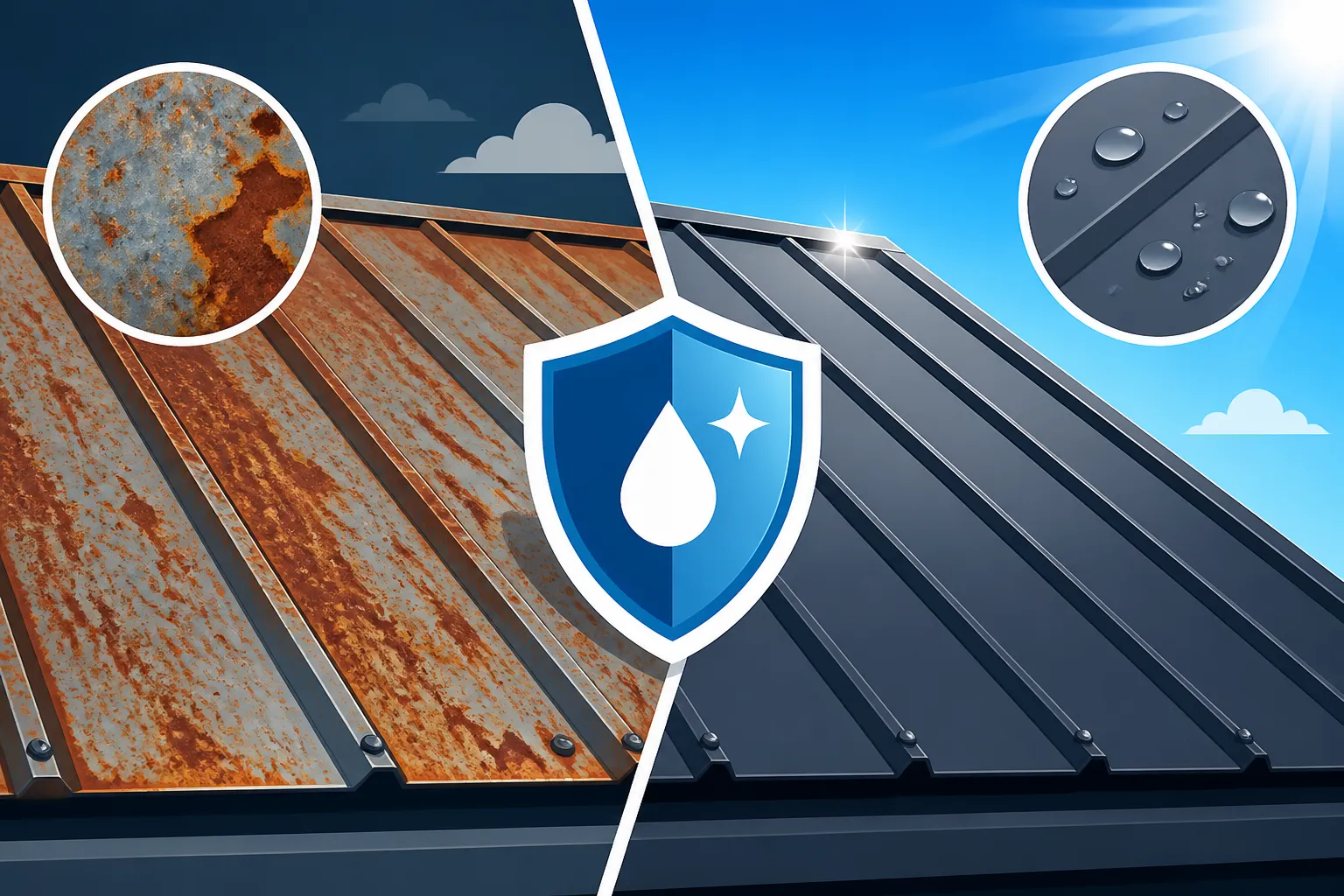
Keeping an eye on your roof, even from the ground, can help you catch issues before they escalate. One of the first things you might notice is discoloration or streaks that aren't typical dirt. These often start as faint reddish-brown lines, particularly visible after rain, as rust particles wash down the roof. Small, localized reddish-brown spots, sometimes resembling freckles, are another early indicator of surface rust or contaminants settling on the coating.
Beyond actual rust, pay attention to the paint finish itself. Fading paint or chalking (a powdery residue that rubs off when touched) suggests that the protective topcoat is degrading. While not rust, it means the underlying metal is losing its primary defense. You might also observe bubbling or blistering in the paint, which can be a sign of corrosion starting underneath the finish, pushing the paint outwards. Crucially, always inspect around high-stress areas like fasteners, seams, valleys, and flashing. These are common points of failure where rust can begin. Imagine a homeowner performing a routine visual inspection of their roof and noticing several minor rust spots forming around the base of a skylight flashing—a perfect opportunity for early intervention before a leak develops.
Distinguishing Surface Rust from Structural Corrosion
Not all rust is created equal, and it’s important to understand the difference between a cosmetic issue and a structural threat. Surface rust, often referred to as "flash rust," is typically superficial. It might be light discoloration or small, easily removable spots that haven't deeply penetrated the protective coating. This type of rust can sometimes come from metal shavings left on the roof after installation or from minor abrasions. While still needing attention, it's generally a treatable cosmetic problem that doesn't immediately compromise the roof's integrity.
Advanced corrosion, however, is a much more serious affair. This is when the rust has actively eaten through the protective layers and started to degrade the base metal. Signs of advanced corrosion include significant pitting (deep, localized holes), widespread, deep rust that can't be easily scrubbed away, or even visible perforations in the panels. If you can see light through a small hole or if the metal feels thin and flaky, you're looking at structural corrosion. At this stage, the roof's ability to shed water and protect your home is severely compromised, potentially leading to leaks and further damage. Taking immediate action is crucial. Consider a scenario where a homeowner initially dismissed faint rust streaks as minor, only to discover several months later that those streaks had turned into areas of significant pitting, requiring much more extensive and costly repairs. This underscores why proactive maintenance, as discussed in our Metal Roof Maintenance Guide, is so important.
Professional Inspection and Assessment
While homeowners can spot obvious signs, a thorough and accurate assessment of rust and corrosion often requires the expertise of a professional metal roofing contractor. They have the experience to distinguish between minor issues and significant problems, and the tools to properly diagnose the root cause. A contractor will inspect the entire roof system, including the panels, fasteners, flashing, and ventilation. They'll look for signs of galvanic corrosion, assess the integrity of the paint finish, and check for any areas where water might be pooling or debris collecting.
They might use specialized tools like moisture meters to detect hidden dampness, or magnifiers to examine the extent of pitting. A reputable contractor will provide you with a detailed report, including photographs, explaining the extent of the damage, identifying the cause, and offering clear recommendations for treatment or repair. This unbiased assessment is invaluable, especially if you're dealing with extensive rust or trying to understand if a repair is viable or if a full Metal Roof Repair vs Replacement: How to Decide is needed. Platforms like Modernize can be a fantastic resource for connecting with vetted, local metal roofing professionals who can provide this kind of expert analysis, ensuring you get sound advice from someone qualified to give it.
Effective Metal Roof Rust Treatment Options
Once you've identified rust on your metal roof, the next step is to treat it. The good news is that many types of rust, especially if caught early, are treatable. The key is proper preparation and using the right products for the job.
Cleaning and Preparing the Surface
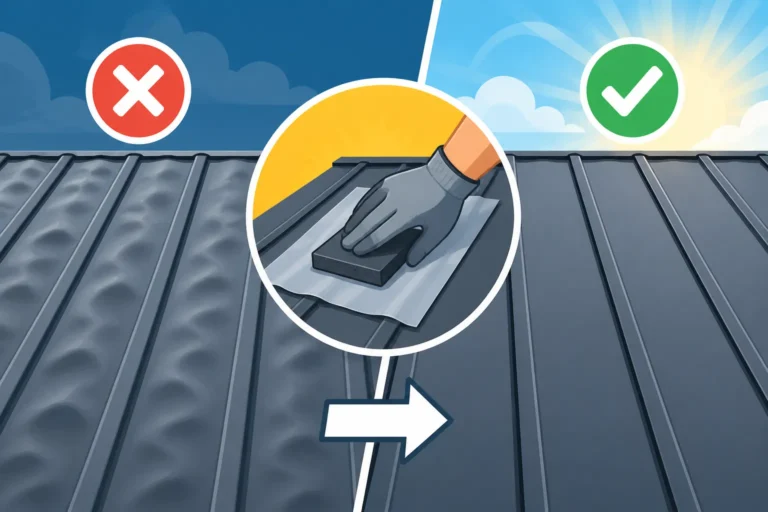
Before you can apply any treatment, the rusted area needs to be meticulously cleaned and prepared. This isn't just a quick scrub; it's a careful process to ensure the treatment adheres properly and is effective. Start by gently washing the entire area with a mild detergent and water, using a soft-bristle brush to remove any dirt, grime, or loose debris. For areas with surface rust, you'll need to remove any loose, flaky rust. This can be done with a wire brush, sandpaper (fine-grit), or a sanding sponge. The goal is to get down to sound metal or firmly adhered, stable rust. You don't want to create more scratches than necessary, so avoid overly aggressive methods like angle grinders unless absolutely necessary and you know what you’re doing.
After physically removing the loose rust, it’s crucial to degrease the area. Use a suitable degreaser or a strong detergent solution to ensure there's no oil, grease, or residue that could interfere with adhesion. Finally, rinse the area thoroughly with clean water, making sure no cleaning solution or rust particles remain. Allow the surface to dry completely before moving on to the next step. Working with a clean, dry, and stable surface is the foundation for any successful rust treatment. Always remember to wear appropriate personal protective equipment, including gloves and eye protection, when working with cleaning agents or rust removers.
Rust Converters and Primers
Once the surface is clean and dry, you can move on to treatment. For areas with persistent but stable rust (meaning it's not flaking off easily), rust converters can be an excellent option. These products work by chemically reacting with the iron oxide (rust) and transforming it into a stable, black, inert layer that can then be painted over. They effectively stop the rusting process in its tracks. You apply them directly to the rusted surface, and as they dry, you'll often see the rust turn black. Follow the manufacturer's instructions carefully for application and curing times.
After the rust converter has done its job (or if you've completely removed all rust down to bare metal), the next crucial step is applying a rust-inhibiting primer. This is not just any primer; these are specifically formulated to create a strong barrier against moisture and oxygen, and they often contain zinc or other rust-preventative compounds. Zinc-rich primers are particularly effective because they offer cathodic protection, similar to the original galvanization. They essentially "sacrifice" their zinc to protect the steel. Apply the primer evenly, ensuring good coverage, and allow it to cure fully according to the product guidelines. This primer layer is your new first line of defense against future corrosion. A homeowner, after diligently cleaning a small rusted patch, might apply a highly-rated rust converter from a brand like Rust-Oleum, observing the rust darken, then follow up with a quality zinc-rich primer before the final topcoat.
High-Performance Coatings and Paints
The final step in treating rust and protecting your metal roof is applying a high-performance topcoat. This is where your roof gets its color and its ultimate shield against the elements. There are several types of metal roof coatings and paints available, each with its own benefits:
- Acrylic Coatings: Cost-effective and good for UV protection, but may not be as durable in extreme weather or high-traffic areas.
- Urethane Coatings: Offer excellent adhesion, abrasion resistance, and flexibility, making them great for more demanding applications.
- Silicone Coatings: Known for their exceptional waterproofing properties, flexibility, and resistance to ponding water. They are a premium option for longevity.
- Elastomeric Coatings: These are highly flexible and expand and contract with the roof, making them ideal for temperature fluctuations. They also provide excellent reflectivity and UV protection.
When choosing a coating, look for products specifically designed for metal roofing, often containing UV inhibitors to resist fading and chalking. Brands like Sherwin-Williams, PPG, and Conklin offer a range of robust metal roof coatings that can restore and protect your roof for years. For small spot repairs, you might only need a touch-up paint that matches your existing roof color. However, if you have larger areas of surface rust or fading, a full recoating of the entire roof or a significant section might be a better long-term solution. This not only treats the existing issues but also rejuvenates the entire roof's protective layer. Imagine a larger area of surface rust on an older agricultural building; a full recoating with a high-quality elastomeric paint could extend its life significantly, making it look almost new. For a more in-depth look at this process, you may find our guide on Repainting and Recoating a Metal Roof helpful.
Preventing Future Metal Roof Corrosion
The best treatment for rust is to prevent it from happening in the first place. Proactive measures, smart material choices, and correct installation are your strongest allies in ensuring your metal roof lives up to its long-lasting reputation.
Regular Maintenance and Inspection Schedule
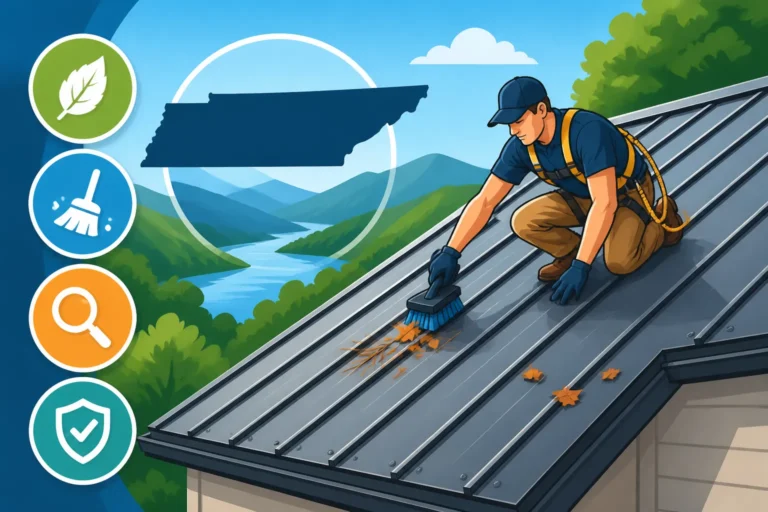
Just like changing the oil in your car, your metal roof benefits immensely from a regular maintenance and inspection schedule. Don't wait until you see rust or a leak; be proactive! I recommend at least an annual, and ideally a bi-annual, check of your entire roof system. This involves:
- Removing debris: Leaves, twigs, and other organic matter can accumulate in valleys, around chimneys, and behind parapet walls. When wet, this debris traps moisture against the metal, creating prime conditions for crevice corrosion. Keeping your gutters clean is also paramount; clogged gutters cause water to back up and sit on the roof's edge.
- Inspecting for scratches and wear: Look closely for any abrasions, dings, or areas where the paint finish appears to be thinning or chalking. Early detection of a small scratch means a simple touch-up can prevent a full-blown rust spot.
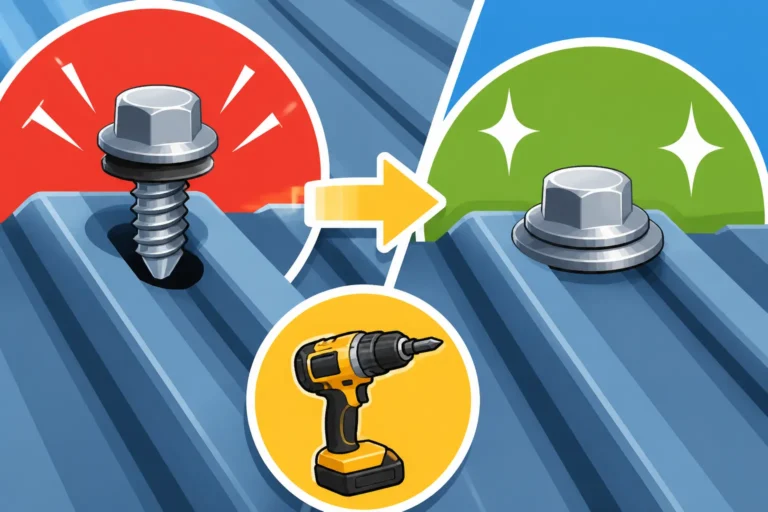
- Checking fasteners and sealants: For exposed fastener roofs, ensure all screws are tight and their washers are intact. Deteriorated washers are a common source of leaks and rust around screw penetrations. For standing seam roofs, check seams and flashing for any signs of separation or damage.
- Trimming overhanging branches: Branches constantly scraping against your roof can scratch the protective coating, and broken branches can cause significant impact damage.
A homeowner who implements a seasonal maintenance routine, perhaps in the spring and fall, will be far less likely to encounter extensive rust issues. They'll regularly clear pine needles and leaves, preventing moisture accumulation and allowing them to spot any potential problems early on. This kind of proactive care is exactly what reputable professionals, many of whom you can connect with through platforms like Modernize, will advise to their clients.
Choosing the Right Materials and Installation Practices
When installing a new metal roof, or replacing an old one, the decisions you make regarding materials and the contractor's installation practices are critical for long-term rust prevention.
- Material Grade and Coating: Opt for high-quality metal. For steel, this typically means a minimum of 26 gauge for residential use, but 24 gauge is even better for durability and impact resistance. More importantly, focus on the base metal's coating. Galvalume (a zinc-aluminum alloy coating) offers superior corrosion resistance compared to standard galvanized (zinc only) steel, especially in environments with acid rain or industrial pollutants. You'll find more details about materials in our guide Metal Roof Cost by Material: Steel vs Aluminum vs Copper vs Zinc.
- Paint Finishes: Invest in premium paint systems. PVDF (Kynar 500 or Hylar 5000) coatings are considered the gold standard for metal roofing due to their exceptional UV stability, color retention, and resistance to chalking and fading, which means the protective layer lasts longer. SMP (Silicone Modified Polyester) is a good mid-range option, offering good durability.
- Compatible Fasteners and Flashing: This cannot be stressed enough. All fasteners, flashing, and accessories must be compatible with your metal roof panels to prevent galvanic corrosion. For steel roofs, this almost always means using stainless steel fasteners or those specifically coated for galvanic protection. Never mix dissimilar metals without proper isolation materials.
- Proper Cutting Techniques: Ensure your contractor uses shear cutting tools (like nibblers or specialized electric shears) that do not generate heat or scatter metal filings. Abrasive cutting wheels or grinders burn the protective coating and leave tiny, highly reactive metal particles that will inevitably rust and stain your roof.
- Panel Profile: Standing seam metal roofs, with their concealed fasteners, tend to be more resistant to corrosion at penetration points compared to exposed fastener systems like corrugated or R-panel roofs, where every screw head is a potential point of failure if not properly installed and maintained. For more on this, check out Standing Seam vs Corrugated Metal Roof.
Consider a scenario where a new home is being built near the coast. The homeowner specifies high-quality 24-gauge Galvalume steel panels with a premium PVDF finish and insists on stainless steel fasteners and shear-cut panels. This attention to detail during the initial phase drastically reduces the risk of rust and provides decades of worry-free performance.
Ventilation and Moisture Control
Controlling moisture, not just from the outside but also from within your attic, is crucial for preventing corrosion on the underside of your metal roof.
- Adequate Attic Ventilation: A properly ventilated attic allows warm, moist air to escape, preventing it from condensing on the cooler underside of your metal roof panels. Without sufficient ventilation, condensation can form, leading to "sweating" and eventually corrosion from within, which is often unseen until it's too late. Ridge vents, soffit vents, and other attic ventilation systems work together to create airflow. Our Metal Roof Underlayment and Ventilation Guide covers this in detail.
- Quality Underlayment: While underlayment is primarily a secondary water barrier, it also plays a role in moisture management. High-quality synthetic underlayments provide a robust layer of protection between the roof deck and the metal panels. Some even have breathable properties to help manage moisture. In certain climates, or for specific roof designs, a vapor barrier might also be necessary to prevent moisture migration into the attic space.
- Proper Roof Pitch and Slope: Metal roofs perform best on roofs with a sufficient pitch (slope) to ensure rapid water runoff. While metal roofs can be installed on lower slopes than many other roofing materials, ensuring the minimum pitch requirements are met for your chosen panel type helps prevent water ponding and the associated risks of corrosion.
Imagine a new build in a cold, humid climate where a well-designed ventilation system is integrated into the attic, along with a high-performance synthetic underlayment. This comprehensive approach effectively manages internal moisture, preventing condensation and safeguarding the metal roof from rust originating from the underside.
When Replacement Becomes the Only Option
Sometimes, despite your best efforts, or due to circumstances beyond your control, rust and corrosion can become so severe that repairing individual spots or recoating simply isn't enough. It's a tough decision, especially given the investment, but knowing when to cut your losses and opt for a full replacement is crucial for your home's long-term protection.
Evaluating the Extent of Damage vs. Repair Cost
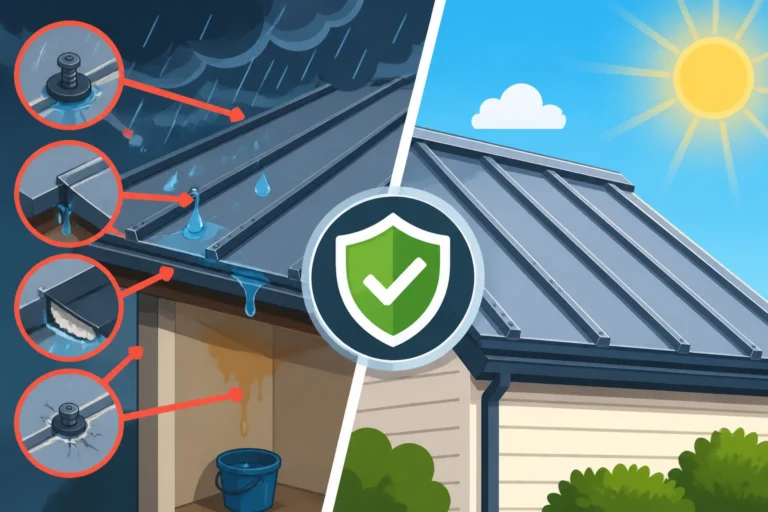
The decision to replace rather than repair often boils down to a financial and practical calculation. If the rust is widespread, affecting a significant percentage of your roof panels, or if there are numerous areas with deep pitting and perforations, the cumulative cost of extensive repairs can quickly approach, or even exceed, the cost of a full replacement. Think about a roof that has multiple leaks stemming from corrosion, or large sections where the metal feels thin and compromised. Patching one leak only to have another spring up next week becomes a never-ending and costly battle.
You also need to consider the remaining lifespan of your existing roof. If your metal roof is, say, 15-20 years old and showing widespread advanced corrosion, even effective repairs might only buy you a few more years. In such cases, investing in a new roof that offers another 40-60 years of life often makes more financial sense than pouring money into a failing system. For instance, a homeowner with a 15-year-old corrugated metal roof might find that pervasive rust across 40% of the panels, coupled with ongoing leaks, makes individual panel replacement or extensive recoating prohibitively expensive and inefficient compared to the long-term benefits of a brand new system. Our detailed guide on Metal Roof Repair vs Replacement: How to Decide can provide more specific criteria to help you weigh these options.
Consulting with Professionals for Replacement Advice
Making the call to replace your entire metal roof is a significant undertaking, and it’s one where professional guidance is invaluable. Don't rely on just one opinion. It’s always wise to get multiple quotes from reputable metal roofing contractors. These professionals can conduct a thorough assessment, confirm the extent of the damage, and provide you with comprehensive proposals for a new roof installation.
When speaking with contractors, discuss the various material options available for a new roof, such as steel, aluminum, copper, or zinc, and their respective benefits, warranties, and Metal Roof Cost: Complete 2026 Guide. A good contractor will explain why a certain material or profile (like standing seam versus exposed fastener) might be better suited for your climate and home, especially if you've experienced corrosion issues in the past. They should also provide a clear breakdown of the costs, including materials, labor, tear-off of the old roof, and any necessary deck repairs. For example, a homeowner with a severely rusted Metal Roof Cost on a Mobile Home might find that due to the specific challenges of mobile home roofing, a contractor advises a full replacement with a new, robust Galvalume system for the best long-term value.
The Benefits of a New, Corrosion-Resistant Metal Roof
While the upfront cost of a new metal roof can be substantial, the benefits, especially when replacing a corroded and failing system, are immense and long-lasting.
- Extended Lifespan: A new, high-quality metal roof can easily last 50-70 years or even longer, offering decades of worry-free protection. This is a significant improvement over traditional roofing materials and a huge step up from a compromised, corroding roof. Our guide on Metal Roof Lifespan: How Long Do They Last? goes into more detail.
- Superior Warranties: Modern metal roofs come with robust manufacturer warranties on both the materials and the finish, often covering defects and corrosion for 30-50 years. A new roof essentially resets the clock on your home's most critical protective element.
- Enhanced Energy Efficiency: Many new metal roofs come with reflective coatings (like cool roof colors) that can significantly reduce your home's cooling costs by reflecting solar heat.
- Improved Curb Appeal and Home Value: A pristine, new metal roof instantly boosts your home's aesthetic appeal and increases its resale value. It's a key feature that appeals to prospective buyers looking for low-maintenance, durable homes.
- Peace of Mind: Perhaps the greatest benefit is simply the peace of mind knowing that your home is protected by a strong, corrosion-resistant roof, free from leaks and the constant worry of rust spreading. Investing in a new, high-quality standing seam metal roof provides decades of reliable protection, allowing you to focus on enjoying your home rather than constantly worrying about its top layer.
Common Misconceptions About Metal Roof Rust
When it comes to metal roofs and rust, there are a few persistent myths that can lead to confusion or incorrect decisions. Let's clear up some of these common misunderstandings.
"Metal Roofs Don't Rust"
This is one of the most common misconceptions, and it's born from the marketing of metal roofs as a superior, long-lasting solution. While it's true that quality metal roofs are highly resistant to rust and corrosion, saying they never rust is simply inaccurate. All metals, given the right conditions, can corrode. The key is that modern metal roofs are engineered with sophisticated coatings and alloys (like galvanized steel, Galvalume, aluminum, copper, and zinc) specifically designed to create a protective barrier that resists oxidation for decades.
For example, a high-quality What Is a Standing Seam Metal Roof? made of Galvalume steel with a PVDF finish is incredibly resilient, but if that coating is deeply scratched and the underlying steel is exposed to consistent moisture and oxygen, rust will eventually form. The difference is that it takes a lot more to make a well-installed, high-grade metal roof rust compared to, say, a bare steel sheet. A neighbor might proudly declare that their Copper Roof Cost was worth it because copper "never rusts." While copper doesn't form red rust, it does corrode into a beautiful green patina, which is its own form of oxidation and protection. It just looks different than typical iron rust.
"Any Rust Means Total Replacement"
Spotting a patch of rust on your metal roof can understandably trigger panic. Many homeowners immediately jump to the conclusion that their entire roof is ruined and needs to be replaced. This is often not the case! As discussed earlier, there's a significant difference between minor surface rust and widespread structural corrosion.
Small, isolated spots of surface rust, perhaps from metal filings left behind after installation, or a minor scratch that has just started to show discoloration, are often easily treatable with proper cleaning, rust conversion, and a touch-up paint or coating. The key is early detection and intervention. A homeowner who panics at a few faint rust spots, thinking their whole roof is irrevocably damaged, might overlook that a simple, targeted repair could suffice, saving them tens of thousands of dollars compared to a premature replacement. It's only when the corrosion is extensive, deeply pitted, or has compromised the structural integrity of a large portion of the roof that replacement becomes the more sensible option.
"DIY Rust Treatment Is Always Best"
While you might be a handy homeowner and capable of many home repairs, tackling significant metal roof rust treatment yourself isn't always the best or safest option. There's a temptation to save money by doing it yourself, but improper DIY attempts can often lead to more harm than good.
- Damaging Coatings: Using the wrong abrasive tools or harsh chemicals can strip away more of the protective coating, exposing even more metal to corrosion.
- Safety Hazards: Working on a roof, especially a sloped one, is inherently dangerous. Professionals have safety equipment, training, and insurance.
- Voiding Warranties: Many metal roof manufacturer warranties can be voided if repairs or modifications are not performed by a certified professional or if unapproved materials are used.
- Ineffective Treatment: Without proper diagnosis of the root cause or correct application techniques, your DIY rust treatment might only be a temporary cosmetic fix, with the rust returning quickly.
For minor surface rust and cleaning, DIY might be feasible if you're comfortable and safety-conscious. However, for anything more than superficial spots, or if you're unsure of the cause, it's highly recommended to consult with a qualified metal roofing contractor. They have the expertise, the right tools, and access to commercial-grade products that provide a lasting solution. Platforms like Modernize can help you find local experts who are knowledgeable in metal roof repair and can ensure the job is done correctly and safely, preserving your warranty and the longevity of your roof. Trying to sandblast rust off a metal panel without knowing the right technique, for instance, could easily cause more damage to the panel and surrounding coatings, leading to a much larger problem than the initial rust spot.
| Type of Metal Roofing | Primary Corrosion Resistance Mechanism | Common Corrosion Concerns | Typical Lifespan (Years) |
|---|---|---|---|
| Galvanized Steel | Zinc coating (sacrificial protection) | Scratches, coating wear, cut edges | 30-50 |
| Galvalume Steel | Zinc-Aluminum alloy coating (sacrificial + barrier) | Deep scratches, extreme chemical exposure | 40-60 |
| Aluminum | Forms passive oxide layer (self-protective) | Galvanic corrosion (with dissimilar metals), pitting in coastal areas (less common than steel) | 50-100 |
| Copper | Forms protective patina (self-healing) | Galvanic corrosion (with dissimilar metals), bright finish will darken/patina | 80-100+ |
| Zinc | Forms passive carbonate layer (self-healing) | Galvanic corrosion (with dissimilar metals), relatively soft (denting) | 80-100+ |
Disclaimer
Please remember that the information provided in this guide is for general informational purposes only and does not constitute professional advice. While we strive to offer accurate and helpful content, individual roofing situations can vary greatly. Always consult with a qualified and licensed metal roofing professional before undertaking any significant repairs, replacements, or treatments on your metal roof. They can provide a thorough inspection, diagnose specific issues, and recommend the best course of action tailored to your home and local conditions. Always prioritize safety when working on or around your roof.