How to Fix Oil Canning on an Existing Metal Roof
That wavy, sometimes almost rippling appearance on your metal roof, often dubbed "oil canning," can be incredibly frustrating. You invested in a durable, long-lasting metal roof expecting a sleek, clean look, only to find these visual imperfections marring its surface. It's a common concern for many homeowners, and while it rarely impacts the structural integrity or performance of your roof, it can certainly be an eyesore. This guide aims to demystify oil canning on existing metal roofs, exploring what causes it, how to assess its severity, and, most importantly, what practical steps you can take to fix or at least mitigate its appearance.
Understanding the Enigma of Metal Roof Oil Canning
Oil canning is one of those terms that can sound a bit technical, but when you see it, you know it. It’s essentially a visual distortion – a perceived waviness or buckling – in flat metal surfaces. While often mistaken for structural damage, it's typically a cosmetic issue, albeit one that can significantly detract from your roof's aesthetic appeal.
What Oil Canning Truly Looks Like
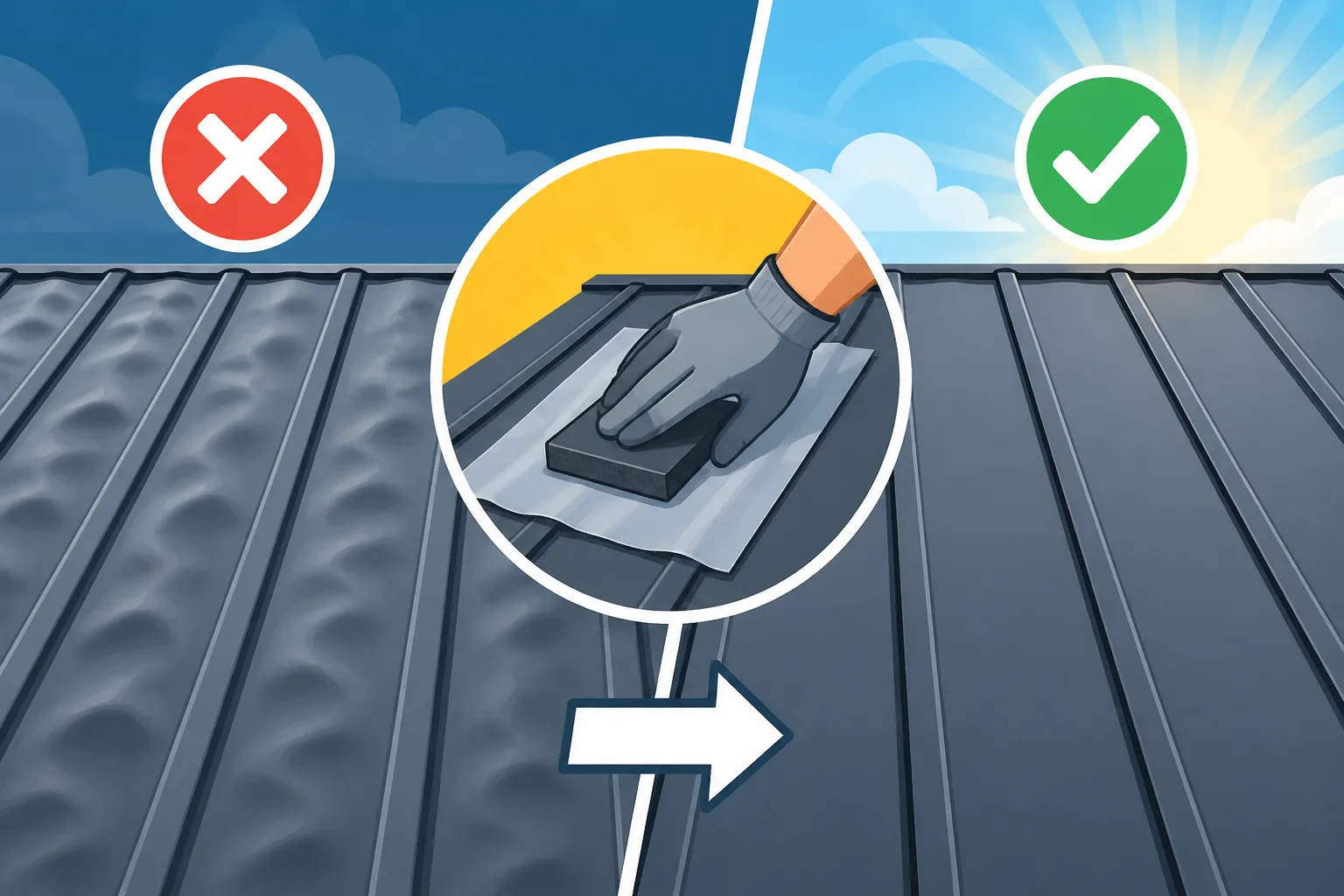
When we talk about oil canning, picture those slight, irregular undulations or ripples across the flat sections of your metal panels. It’s not a crisp, sharp crease, but more like a soft, bulging or concaving of the metal. Think of pushing on the bottom of a soda can – that slight buckling sound and movement is a classic example of how oil canning can manifest, though on a much larger scale and often less pronounced, on a roof panel. These distortions tend to be most noticeable under certain lighting conditions, like bright sunlight hitting the roof at an angle, making the imperfections cast subtle shadows. The appearance can vary greatly depending on the type of metal, the panel width, and even the color of the roof, with lighter, flatter panels often making it more conspicuous.
It's important to understand that these waves aren't necessarily uniform. You might see a gentle curve in one panel, a series of smaller ripples in another, or even a pillow-top effect where the center of a wide panel seems to bulge slightly. These variations make it a challenge to consistently identify, but the underlying principle is the same: the metal isn't perfectly flat. For instance, on a standing seam metal roof, you might notice it most prominently in the broad flat expanse between the seams.
The Difference Between Aesthetic and Structural Issues
Here's the crucial part: while oil canning can be visually displeasing, in the vast majority of cases, it doesn't indicate a problem with the roof's performance or its ability to protect your home. A metal roof's primary job is to shed water, withstand elements, and offer long-term durability, and oil canning typically doesn't compromise these functions. It's not a leak, it's not a structural weakness, and it won't typically shorten the lifespan of your roof.
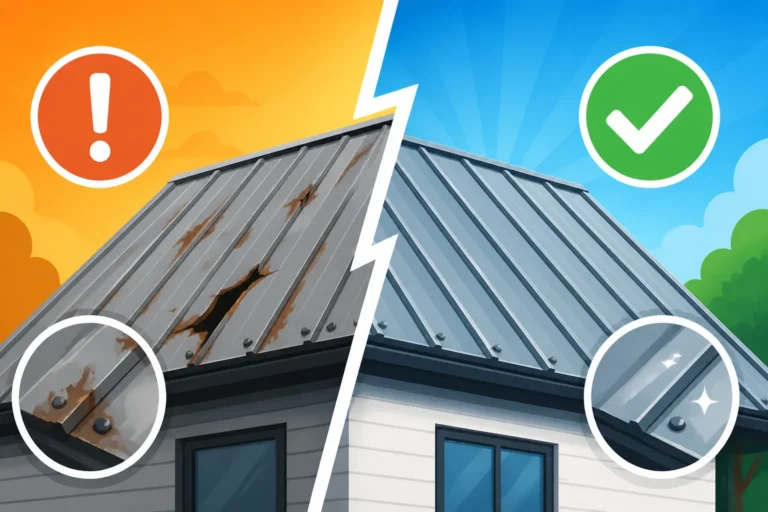
However, distinguishing cosmetic issues from genuine problems is key. True structural damage, like severe dents from hail, panels ripped by wind, or compromised fasteners leading to leaks, are far more serious. These issues would demand immediate attention and could be visible as sharp creases, punctures, or displaced panels. If you're ever in doubt, especially after a severe storm, it's always wise to have a professional inspect your roof to differentiate between a purely aesthetic concern like oil canning and something that truly needs a repair. Consulting a reputable contractor listed on platforms like Modernize can help you get an unbiased assessment.
Delving into the Root Causes of Existing Oil Canning
Understanding why oil canning occurs is the first step toward effective mitigation, or at least acceptance. It's rarely a single factor but often a combination of elements related to the material itself, the installation process, and even the natural behavior of metal.
Material and Manufacturing Irregularities
The journey of a metal panel starts long before it reaches your roof, and issues can sometimes originate right at the manufacturing plant. Even with the tightest quality controls, metal coils can sometimes have inherent stresses or unevenness from the rolling process. These latent stresses might not be visible at the factory but can manifest as oil canning once the panels are formed and exposed to the elements. The thinner the gauge of the metal, the more susceptible it can be to these internal stresses showing up as visible distortions. For example, a 29 gauge metal roof might show oil canning more readily than a more robust 24 gauge metal roof.
Different metal types also have varying propensities for oil canning. Softer metals like aluminum or copper might be more prone to showing these waves compared to stiffer steel panels. The width of the panel plays a significant role too; wider panels have a larger flat surface area, making any distortion more noticeable. Manufacturers often recommend specific panel widths for different metals and gauges to minimize the risk of oil canning.
Installation Flaws and Substrate Imperfections
While manufacturers strive for perfection, a significant portion of oil canning issues can trace back to the installation process. Even the highest quality metal panels can buckle if not installed correctly. One common culprit is improper fastening, where panels are too tightly secured, preventing the natural movement of the metal. If fasteners are over-tightened or placed incorrectly, they can create localized stress points that lead to buckling in the surrounding metal.
Another major factor is an uneven roof deck or substrate. If the underlying surface—whether it's plywood, purlins, or an existing shingle layer—isn't perfectly flat, the metal panels laid over it will conform to those imperfections. Small humps or dips in the deck, even if just a fraction of an inch, can translate into noticeable waves on the smooth metal surface. This is why a thorough inspection of the substrate is critical during a metal roof installation process: step by step. Poor alignment of panels during installation, slight variations in the roof structure itself, or even mismatched clips can also contribute to stress and subsequent oil canning.
Thermal Dynamics: Expansion and Contraction
Metal, like almost all materials, expands when heated and contracts when cooled. This constant movement is particularly pronounced in metal roofs, which absorb and radiate a lot of thermal energy throughout the day and across seasons. If the installation doesn't account for this natural thermal movement, stresses can build up in the panels, leading to oil canning. This is especially true for long panels that experience significant temperature swings.
Proper clip systems in standing seam roofs are designed to allow for this expansion and contraction, essentially letting the roof "breathe." If these clips are too rigid, or if panels are fastened directly in ways that restrict movement, the metal has nowhere to go but to buckle or wave. This is a common reason why you might see oil canning appear days, weeks, or even months after installation, once the roof has experienced several cycles of heating and cooling. The cumulative effect of these daily and seasonal temperature fluctuations can exacerbate any existing stresses or minor installation imperfections.
Assessing the Impact and Severity of Oil Canning
When you notice oil canning on your roof, your first thought might be, "Is this going to be a problem?" It's a valid question, and the answer often depends on distinguishing between purely visual concerns and potential underlying issues.
Beyond Aesthetics: Functional Concerns
For the vast majority of cases, oil canning is an aesthetic issue. It doesn't affect the waterproof integrity of your roof, its wind resistance, or its energy efficiency. The strength and longevity of the metal itself remain uncompromised. You won't typically find leaks directly attributable to oil canning, nor will it cause your roof to prematurely fail.
However, there are rare instances where severe oil canning, often combined with other factors, could indirectly lead to minor functional issues, particularly if it's exceptionally pronounced or accompanied by other installation defects. For example, extreme buckling could, in theory, create minor depressions where water might pool slightly before running off, potentially allowing for debris accumulation. More critically, if the oil canning is a symptom of extreme stress due to improper fastening, that same improper fastening could eventually lead to other, more serious problems like loose panels or fastener failure. But it’s important to reiterate: the oil canning itself is usually not the direct cause of functional failure.
When Oil Canning Signals a Deeper Problem
While oil canning is usually benign, it's crucial to understand the context. If you observe oil canning alongside other, more concerning signs, it might warrant a deeper inspection. Here's when to be more vigilant:
- Accompanying Leaks: If you see oil canning and your roof is leaking, the leak is almost certainly not caused by the oil canning itself. However, both issues might stem from a common origin, such as severe installation errors or substrate problems. For instance, if the roof deck is severely uneven, it could cause both oil canning and create pathways for water intrusion. In such a scenario, addressing the Metal Roof Leak Repair Guide might involve looking beyond just the immediate leak point.
- Loose or Displaced Panels: If panels are visibly loose, flapping in the wind, or appear to be separating from each other or the roof deck, this is a serious issue that demands immediate attention. While oil canning might be present on these panels, the looseness is the primary concern, indicating a failure in the fastening system that needs to be secured by a qualified professional.
- Damage from External Factors: If oil canning appears after a significant weather event like a hailstorm or high winds, it's possible the roof sustained other damage. Minor dents from hail might look like oil canning but could compromise coatings or create stress points. Always have your roof inspected after severe weather, regardless of whether you notice oil canning or not.
- Excessive and Widespread Warping: While minor waves are common, if the entire roof surface appears severely warped, twisted, or distorted in a way that suggests structural compromise of the panels themselves, it's definitely time to get an expert opinion. This could indicate a problem with the fundamental structure of the panels or an extremely poor installation.
A good rule of thumb: if the oil canning is only a visual issue and there are no other performance concerns, it's likely just cosmetic. If you see it combined with other problems, it warrants a professional assessment.
Non-Invasive Strategies to Mitigate Visible Oil Canning
Since oil canning is largely an aesthetic issue, sometimes the "fix" isn't about structural repair but about making it less noticeable. There are clever ways to play with light and color that can significantly reduce its visual impact without ever touching a fastener.
Manipulating Light and Perspective
One of the most effective, albeit indirect, ways to "fix" oil canning is to minimize its visibility by changing how light interacts with your roof. Oil canning often stands out most when sunlight hits the panels at a low angle, creating shadows that emphasize the undulations.
- Strategic Landscaping: While you can't control the sun, you can control what's around your home. Taller trees or strategically placed awnings might cast shadows that soften the direct glare on the roof, making the waves less apparent. This isn't a direct fix for the roof, but it can make a noticeable difference from ground level views.
- Exterior Lighting Adjustments: Think about how your home is lit at night. Harsh spotlights angled directly at the roof can exacerbate the appearance of oil canning. Softer, diffused lighting, or even downward-angled lights that illuminate the walls of your home rather than the roof, can draw attention away from the roof's surface and minimize the shadowing effect of the waves. It's all about changing the focal point and reducing the conditions that highlight the imperfections. You might even consider experimenting with temporary lighting setups to see what works best for your specific roof.
Applying Coatings and Finishes
Changing the surface characteristics of your metal roof can also help camouflage oil canning. This is less about making the metal flat again and more about altering its reflectivity and texture.
- Low-Gloss or Matte Finishes: Highly reflective, glossy finishes tend to amplify imperfections because they bounce light directly, highlighting every bump and dip. Switching to a low-gloss or matte finish can significantly reduce this effect. These finishes scatter light more diffusely, making the surface appear flatter to the eye. If your roof is ready for a refresh, or if you're looking to change its color, opting for a matte coating during repainting can be a smart move. There are various Metal Roof Coating and Restoration Options available that offer excellent durability alongside diverse aesthetic choices.
- Textured or Embossed Panels (for future reference, or if panels are replaced): While this isn't a "fix" for existing smooth panels, it's a critical consideration if you ever replace panels or for future projects. Some manufacturers produce textured or embossed metal panels specifically to mask oil canning. The texture breaks up the smooth surface, making minor waves much less noticeable. If you ever have to replace sections of your roof, discussing textured options with your contractor, perhaps a company found via Modernize, could be beneficial. Even a rougher, sand-like coating can add a subtle texture that deflects light more evenly, reducing the stark contrast that makes oil canning pop.
Targeted Repairs and Professional Interventions for Oil Canning
When non-invasive methods aren't enough, or if the oil canning is particularly pronounced, there are more direct approaches, though these often require professional expertise. These methods focus on relieving stress in the panels or physically altering their form.
Addressing Fastener Issues and Panel Adjustments
Often, oil canning is a symptom of too much tension in the metal. The simplest, though not always easy, fix involves relieving that tension.
- Loosening Fasteners: If the panels were installed too tightly, preventing natural thermal movement, loosening the fasteners slightly might allow the metal to relax and flatten out. This is a delicate operation. Over-loosening can lead to leaks or wind uplift, so it needs to be done by a professional who understands the specific fastening system of your roof. They would strategically adjust or replace screws to ensure proper give without compromising the roof's integrity. Sometimes, simply replacing the old, compressed washers with new, resilient ones can offer just enough play.
- Adding Expansion Clips or Sliding Fasteners: For standing seam systems, if fixed clips were used where sliding clips were needed, or if the sliding clips themselves are jammed, replacing them can allow panels to move freely. This requires specialized knowledge of Metal Roof Components & Accessories Explained and proper installation techniques. A skilled metal roofing contractor might be able to retrofit certain areas with more appropriate fastening hardware. This kind of work is not a DIY project as it directly affects the roof's watertight seal and wind resistance.
Considering Stiffeners and Reinforcements
For particularly wide or flat panels that are prone to oil canning, adding stiffening elements can help.
- Backer Rods or Underlayment Strips: For panels installed over a solid deck, thin strips of backer rod or similar material can be strategically placed underneath the flat part of the panel, creating a slight crown. This pre-stresses the panel, making it more resistant to buckling. It's a technique often used during new installations to prevent oil canning, but it can sometimes be retrofitted by carefully lifting and re-securing panels. This method requires precision to ensure proper water shedding and avoiding new problems.
- Stiffening Ribs or Striations: While not typically added to existing panels (as it involves modifying the panel itself), some manufacturers offer panels with factory-rolled stiffening ribs or striations. If existing panels are being replaced due to severe oil canning, choosing panels with these features can be a good long-term solution. These subtle grooves or indentations enhance the rigidity of the panel, making it much less susceptible to visible oil canning. This is a design consideration that can be discussed with suppliers like Modernize for future purchases or partial replacements.
The Complexities of Panel Replacement
In severe cases, or when oil canning is accompanied by other defects, replacing the affected panels might be the only viable solution. This is a significant undertaking that requires careful planning and execution.
- Matching Existing Panels: The biggest challenge in partial panel replacement is often matching the color, profile, and age of the existing panels. Even if you use the exact same brand and color code, weathering can cause new panels to stand out. It's crucial to consult with your original installer or a specialist.
- Addressing Underlying Issues: Simply replacing a panel without addressing the root cause (like an uneven substrate or improper fastening elsewhere) means the new panel might also develop oil canning. A professional will diagnose why the original panel buckled and correct those underlying issues before installing a new one. This could involve leveling the roof deck or adjusting adjacent fasteners to ensure proper thermal movement.
- Cost and Scope: Replacing panels can be costly, depending on the number of panels, their accessibility, and the complexity of the roof. It's an intervention that should be considered only after other, less invasive options have been exhausted or when the oil canning is genuinely severe and unacceptable. This type of work can also impact your Metal Roof Warranties: Workmanship vs Manufacturer, so understanding your coverage before starting any repair is crucial.
Here’s a comparative look at different approaches to oil canning:
| Method | Description | Pros | Cons | Best For |
|---|---|---|---|---|
| Light Manipulation | Adjusting exterior lighting or landscaping to alter viewing angles. | No direct roof alteration, inexpensive. | Indirect solution, doesn't fix the underlying problem, effectiveness varies. | Minor, visually bothersome oil canning. |
| Matte Coatings | Applying a low-gloss or matte paint finish to the roof. | Reduces reflectivity, can improve appearance, offers color change. | Requires professional application, doesn't flatten the metal, initial cost. | Faded roofs with moderate oil canning, or as part of a roof repaint. |
| Fastener Adjustment | Strategically loosening or replacing over-tightened fasteners. | Directly addresses tension, can flatten panels if successful. | Requires specialized skill, risk of leaks or loosening if done incorrectly, may not work for all cases. | Oil canning caused by overly rigid fastening, especially in standing seam. |
| Adding Stiffeners | Inserting backer rods or utilizing panels with stiffening ribs. | Can effectively flatten panels and prevent future buckling. | Difficult to retrofit, often requires lifting panels, best as a preventative measure. | Wider panels, moderate oil canning, or for planned panel replacements. |
| Panel Replacement | Removing and installing new metal panels. | Most definitive solution for severely affected panels. | Expensive, challenging to match existing panels, may not address underlying issues if not diagnosed. | Severe, localized oil canning often accompanied by other damage. |
Preventative Thinking for Future Considerations
Even when dealing with an existing roof, thinking about prevention can inform current repair decisions and guide future maintenance or replacement choices. The insights gained from understanding why your roof developed oil canning can be invaluable.
Importance of Material Specifications
If you're ever in a position to replace panels or consider a new metal roof, paying close attention to material specifications is paramount. Don't just pick a color; delve into the details that impact durability and aesthetics.
- Gauge and Panel Width: As mentioned, thinner gauges (like 29 gauge) and wider panels are more prone to oil canning. Opting for a heavier gauge, such as a 24 gauge or even 22 gauge metal roof, can significantly reduce the likelihood of oil canning due to increased rigidity. Similarly, narrower panel widths inherently have less flat surface area to buckle, making any distortions less noticeable. Discuss these options with your supplier or contractor, emphasizing your concern about aesthetic flatness.
- Subtle Textures or Striations: Many manufacturers offer panels with built-in stiffening ribs or subtle textures. These aren't just for looks; they are engineered to break up the flat surface and provide structural rigidity, effectively masking any minor oil canning that might occur. If aesthetics are a high priority, investing in these specialized profiles can be well worth the upfront cost to avoid future frustration. Brands like McElroy Metal and Metal Sales offer a variety of such profiles.
- Material Choice: The Metal Roofing Materials Compared: Steel, Aluminum, Copper & Zinc article highlights how different metals behave. Aluminum, being softer, might be more prone to showing minor waves than steel. Consider your local climate and aesthetic preferences alongside the material's inherent characteristics.
Choosing the Right Professional for Future Work
Ultimately, the quality of installation is often the single most critical factor in preventing oil canning. A skilled, experienced installer will take all the necessary precautions.
- Experience with Metal Roofing: Installing a metal roof is a specialized skill, distinct from shingle installation. Always choose a contractor with extensive experience specifically in metal roofing, particularly with the type of panel you have (e.g., standing seam). They understand the nuances of thermal movement, proper fastening, and substrate preparation. Platforms like Modernize can help you find local metal roofing contractors who specialize in metal roof installations and repairs.
- Detailed Quotes and Specifications: When getting quotes, ensure they detail the exact material specifications, fastening methods, and underlayment to be used. A professional will explain how they plan to minimize oil canning. For instance, they might specify a high-quality Metal Roof Underlayment and Ventilation Guide that helps create a smoother substrate or articulate their strategy for allowing panel movement. Don't hesitate to ask questions about their approach to preventing this common issue.
- References and Past Projects: Ask for references and photos of past metal roof installations. Look for roofs that still appear flat and aesthetically pleasing years after installation. This due diligence can save you a lot of heartache (and money) down the line. A contractor who takes pride in their work will have a portfolio of installations that showcase their attention to detail and commitment to minimizing imperfections like oil canning.
Disclaimer
The information provided in this article is intended for general informational purposes only and does not constitute professional advice. While we strive to offer accurate and up-to-date content, metal roofing issues can be complex and may require the expertise of a qualified professional. Always consult with a licensed and insured metal roofing contractor for specific advice regarding your roof's condition, repair options, or installation needs. Attempting complex repairs without proper knowledge and tools can lead to further damage, safety hazards, and potentially void warranties.