When Should You Replace a Metal Roof?
Homeowners often grapple with the tough decision of whether to fix a recurring roof issue or bite the bullet and replace the entire system. It's a significant investment, and the worry about making the wrong call can be truly overwhelming, especially when you've already invested in a durable material like metal. This comprehensive guide is here to walk you through the tell-tale signs, critical factors, and expert advice to help you confidently determine when it's truly time to replace your metal roof.
Understanding Your Metal Roof's Lifespan and Typical Wear
One of the biggest appeals of a metal roof is its impressive durability, often promising decades of protection. However, even the toughest materials have a life expectancy, and understanding what to look for as your roof ages is crucial.
The Expected Longevity of Different Metal Roof Types
When you first considered a metal roof, the impressive lifespan was probably a major selling point. Unlike asphalt shingles that often need replacing every 15-20 years, a properly installed metal roof can genuinely last a lifetime for many homeowners. However, "lifetime" isn't a single number, and the actual longevity varies significantly depending on the type of metal, its coating, and the specific profile. For instance, a high-quality standing seam metal roof crafted from steel or aluminum, with its hidden fasteners and robust panel design, can easily serve you for 40 to 70 years, and sometimes even longer with diligent maintenance. These systems are designed to minimize exposure points, which greatly contributes to their extended life.
On the other hand, a more economical corrugated metal roof, commonly seen on sheds or some residential applications, might have an expected lifespan closer to 25-45 years. This difference often comes down to the fastening system; exposed fastener roofs have screws and washers that are directly subjected to the sun's harsh UV rays and constant temperature fluctuations. These rubber washers, while durable, will degrade over time, leading to potential leak points if not regularly inspected and replaced. When you venture into premium materials, the numbers climb even higher. A classic Copper Roof Cost can last an incredible 100 years or more, developing a beautiful, protective patina that enhances its longevity and aesthetic appeal. Zinc roofs offer similar impressive lifespans and even possess a self-healing characteristic that helps maintain their finish. Even Stone-Coated Steel Roof Cost, which combines the durability of steel with the appearance of traditional shingles or tiles, typically boasts a robust 30-50 year lifespan. These figures are, of course, averages. Local climate, installation quality, and ongoing maintenance practices are huge variables that influence how long your specific roof will truly last.
Common Signs of Age and Wear on Metal Roofs
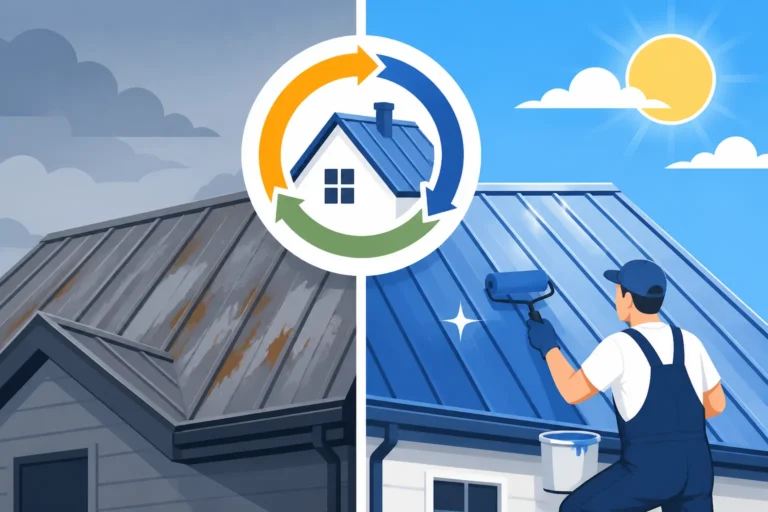
Even superhero metal roofs show their age eventually, but it's rarely a dramatic, sudden failure. Instead, it's a gradual process, offering plenty of visual cues if you know where to look. One of the earliest and most noticeable signs of aging is the fading or chalking of the paint finish. Initially, this is largely an aesthetic concern, but severe chalking (a powdery residue that comes off when touched) indicates that the protective coating is breaking down. This breakdown leaves the underlying metal more exposed to harmful UV radiation, which can accelerate degradation and potentially lead to early corrosion.
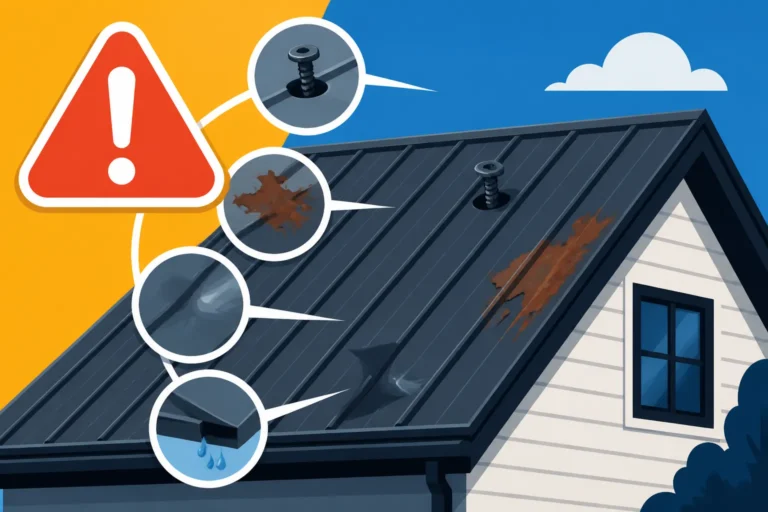
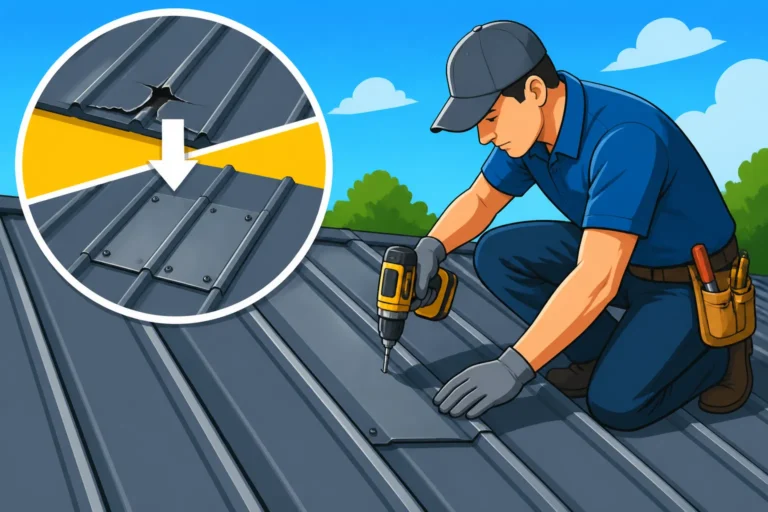
Another prevalent issue, particularly on exposed fastener systems, is the deterioration of the screw gaskets. These small, rubberized washers are vital for creating a watertight seal around each fastener. Over decades of sun exposure, extreme temperatures, and freeze-thaw cycles, these rubber components can dry out, crack, and lose their elasticity, compromising the seal and allowing water to seep in. This is a very common culprit behind leaks on older R-panel or corrugated metal roofs. Beyond the fasteners, look for signs of panel deformation. While minor "oil canning" – a slight waviness or ripple in the flat sections of panels – is often considered cosmetic and can even occur immediately after installation, significant buckling or warping could indicate structural stress or issues with the roof decking below. Pay special attention to vulnerable areas like seams, flashing around chimneys, skylights, and pipe vents. These junctures rely on sealants and careful installation, and their failure points are often the first to emerge as the roof ages. Small dents from hail, though seemingly minor, can accumulate over a roof's lifetime, potentially compromising the integrity of the protective coating and creating tiny pathways for localized rust to begin its work. Catching these early warning signs can sometimes allow for targeted repairs, extending the life of your roof, but ignoring them almost certainly fast-tracks the need for a full replacement.
Major Damage Indicators That Scream "Replace Me!"
While wear and tear are natural, some indicators go beyond routine aging, signaling severe damage that compromises your home's protection. When these signs appear, minor repairs are often no longer a sustainable or economical solution.
Severe Corrosion and Rust Beyond Repair
For many homeowners, the idea of a metal roof rusting is almost contradictory to its purpose. While it's true that modern metal roofs, especially those made with materials like Galvalume Roof Cost (a steel sheet coated with aluminum and zinc) or solid aluminum, are highly resistant to rust, it's not entirely impossible for corrosion to set in. This typically happens if the protective coating is severely compromised, perhaps by deep scratches, abrasion, or prolonged exposure to harsh environmental factors, especially in coastal areas with salt spray. Isolated rust spots, often caused by metal filings left behind after installation or minor surface damage, can frequently be treated with rust converters and then re-sealed or painted.
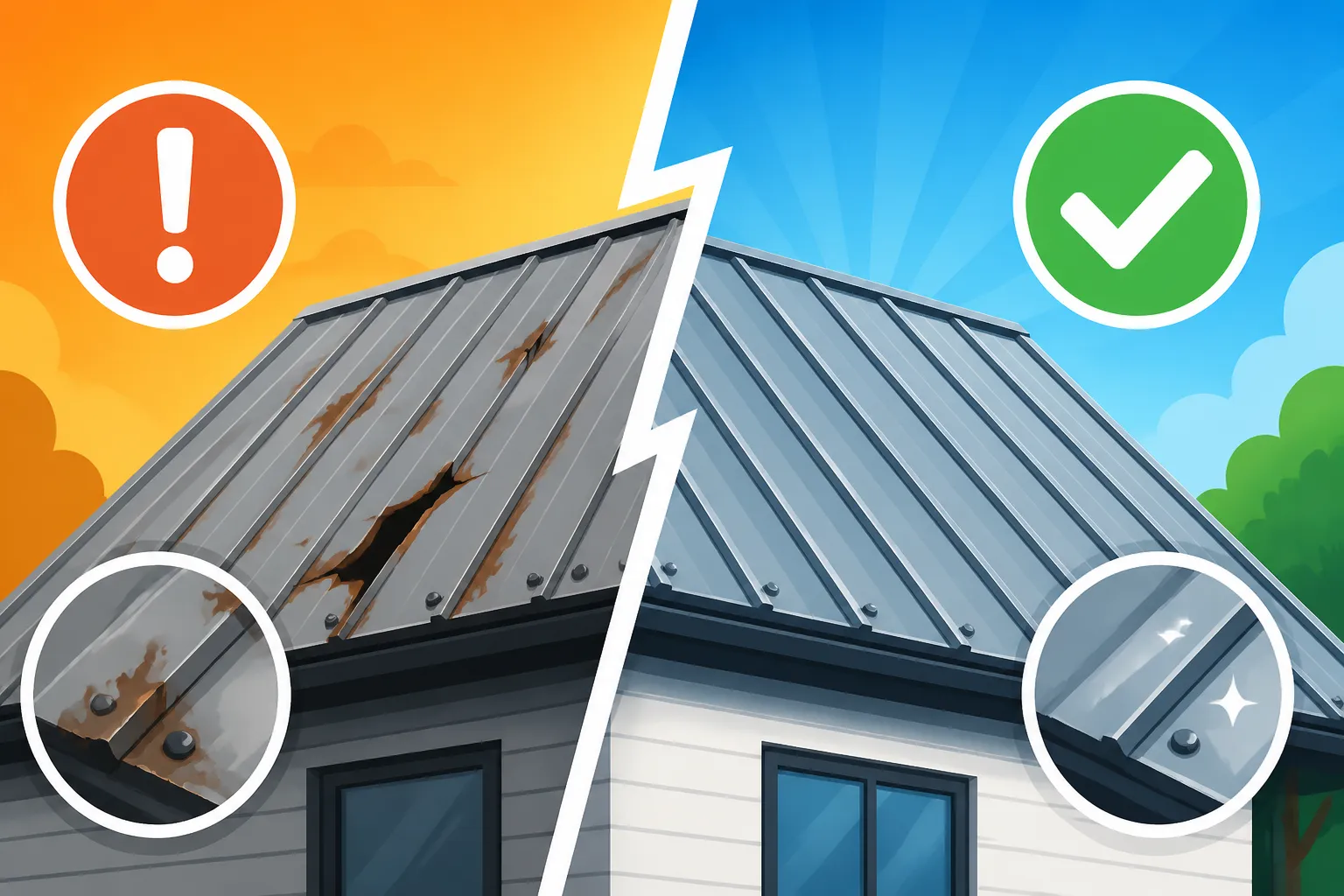
However, if you're observing widespread rust, particularly deep pitting, flaking, or areas where the rust has visibly eaten through the metal panels, you're facing a critical issue. This extensive corrosion signifies that the metal has lost its structural integrity, becoming thin and brittle. At this stage, trying to patch every affected area is like trying to stop a crumbling wall with tape – it’s a temporary, often futile effort. The surrounding metal, even if not visibly perforated, is likely weakened and susceptible to future corrosion. Once rust has taken such a pervasive hold, it creates countless potential entry points for water and significantly compromises the roof's ability to protect your home. The cost and effort required to effectively repair every severely corroded spot would almost certainly outweigh the long-term benefits, making a complete replacement the most pragmatic and lasting solution.
Widespread Leaks and Compromised Structural Integrity
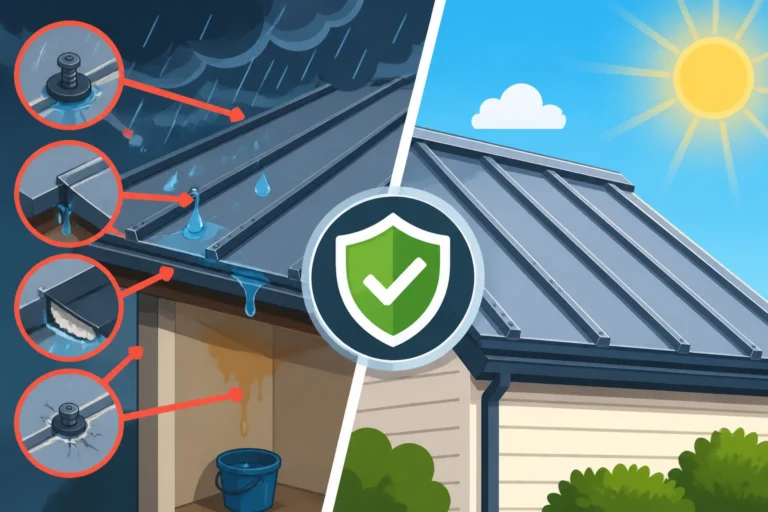
A single, isolated roof leak can be incredibly frustrating, but it's often a fixable problem. Perhaps a fastener has come loose, some sealant around a vent has failed, or a piece of flashing has shifted. But when you start experiencing multiple leaks in various areas of your home, or if leaks persist even after targeted repairs, it’s a blaring alarm bell. Widespread or recurring leaks are usually symptomatic of a systemic failure within the roof assembly. This could be due to widespread degradation of the panels, compromised seams across the entire roof, or a complete failure of the waterproofing system, which could include the underlayment.
Beyond just the nuisance of water dripping into your living space, persistent leaks can lead to much more severe, hidden damage. Look for signs of compromised structural integrity in your attic or on your ceilings. Are there visible water stains that suggest long-term moisture infiltration? Do sections of your roof feel soft, spongy, or sag noticeably when light pressure is applied (though extreme caution should always be used when walking on any roof, especially an older or damaged one)? These issues can indicate significant damage to the underlying roof deck, purlins, or even the main structural trusses, potentially caused by years of undetected water intrusion. A metal roof is only as strong as the structure it's built upon. If the wood sheathing or framing beneath is rotting, molding, or structurally weakened, simply replacing the metal panels won't address the core problem. In such a scenario, a full tear-off and replacement, addressing both the metal system and any compromised substrate, is not just recommended, but often essential for the safety and long-term stability of your home. This might even be a good opportunity to consider a Cost to Replace Shingles With a Metal Roof if you're upgrading from an older, less durable system.
Significant Storm or Impact Damage
Metal roofs are renowned for their incredible resilience against severe weather, but even the toughest materials have their breaking point. A devastating hailstorm, a hurricane, or an impact from a large falling tree limb can inflict damage so extensive or complex that repair is simply not a viable option. While small dents from minor hail might be largely cosmetic and rarely lead to immediate leaks, large, widespread dents can be a different story. If hail is large enough or impacts with sufficient force, it can significantly deform panels, create sharp creases, compromise the integrity of the factory applied coatings, or even create small punctures. This kind of widespread damage drastically reduces the roof's ability to shed water effectively and can initiate pathways for rust or other forms of degradation.
High winds are another major threat. Although modern metal roofs often boast impressive wind ratings—it's worth exploring Metal Roof Wind Rating: How Many MPH? for specific details—extreme gusts, microbursts, or tornadoes can still lift, warp, or even completely tear off entire panels. They can also loosen or pull free fasteners, and rip away critical flashing components around vulnerable edges and penetrations. If you find large sections of panels severely bent, ripped, or entirely missing, the structural integrity of your entire roof system is profoundly compromised. Similarly, direct impact from heavy debris, such as a large tree branch, can cause localized but catastrophic damage like major punctures, severe panel deformation, or even damage to the underlying roof structure. In these catastrophic scenarios, attempting piecemeal repairs is often a costly, ineffective, and temporary solution that fails to restore the roof to its original protective capability. Many insurance companies, after assessing widespread damage, will actually recommend a full replacement because repairs often won't qualify for the same long-term warranty coverage as a new system. This is precisely why obtaining multiple professional assessments, perhaps even through a service like Modernize, is critical to understand the true scope of damage and your best path forward.
Financial and Practical Considerations for Replacement
Beyond the physical state of your roof, the decision to replace it involves a careful balancing act of financial investment, long-term savings, and practical upgrades that can significantly impact your home's future.
The Repair vs. Replace Cost Equation
This is often the most challenging part of the decision-making process for any homeowner. The immediate thought is always, "A repair is surely cheaper than a full replacement, right?" While often true for minor, isolated issues, this isn't always the case when dealing with an aging metal roof facing systemic problems. Imagine your older, exposed fastener metal roof is experiencing recurring leaks at numerous screw points, showing widespread paint degradation, and isolated rust spots. You could certainly hire a contractor to meticulously replace all the fasteners, re-seal every seam, apply rust treatment, and perhaps even recoat the entire roof. This could easily cost several thousand dollars. However, if the underlying issue is the general degradation of the panels themselves, or if new leaks emerge in different sections six months down the line, you're constantly pouring money into a failing system.
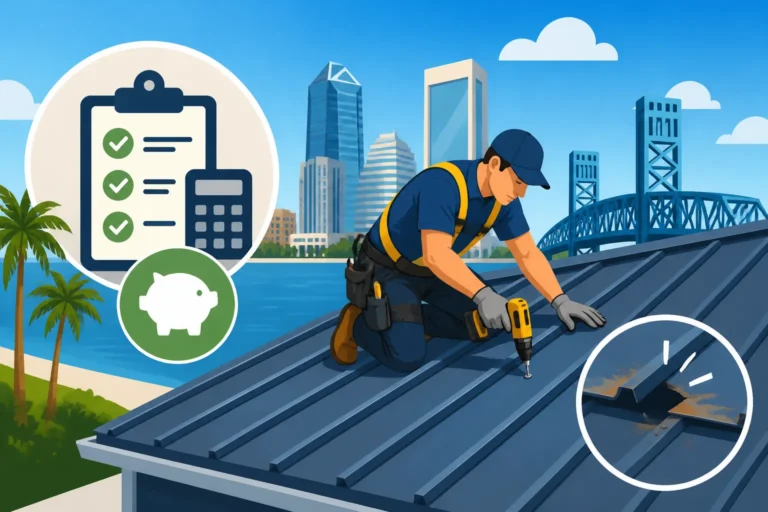
At some point, the cumulative cost of ongoing, frequent, and extensive repairs will inevitably begin to approach, or even surpass, the upfront cost of a brand-new roof over a shorter period. It's a classic diminishing returns scenario, much like continuously fixing an ancient appliance that breaks down every other week versus investing in a modern, reliable replacement. A good rule of thumb is that if the estimated cost of a significant repair or series of repairs approaches 30-50% of the cost of a full metal roof replacement, it's time to seriously consider replacement as the more financially prudent long-term solution. A new roof, of course, comes with a fresh, comprehensive manufacturer and workmanship warranty, offering unparalleled peace of mind for decades to come. This is a crucial aspect to consider when weighing the Metal Roof Cost vs Cost to Repair Old Roof.
Energy Efficiency and Home Value Boost
Beyond its primary function of protection, a new metal roof offers significant ancillary benefits to your household budget and property value. Modern metal roofs are designed with incredible energy efficiency in mind. Many contemporary systems feature advanced "cool roof" coatings that are highly reflective, meaning they bounce a significant portion of the sun's radiant heat away from your home rather than absorbing it. This dramatically reduces the heat load on your attic and interior spaces, leading to lower air conditioning usage and, consequently, lower electricity bills, especially in warmer climates like those in Texas or Florida. An older metal roof, whose original coating may have faded and chalked over time, will have lost much of its initial reflectivity, contributing to higher energy consumption. Investing in a new, energy-efficient metal roof can generate substantial savings on utilities over its impressive lifespan, essentially helping the roof pay for itself over time.
Furthermore, a new metal roof is a significant asset that actively boosts your home's curb appeal and overall market value. Potential homebuyers are increasingly educated about the long-term benefits of metal roofing – its exceptional durability, minimal maintenance requirements, and superior energy efficiency. A freshly installed metal roof, backed by a strong, transferable warranty, is a powerful selling point. Studies and real estate data consistently show that homeowners can recoup a substantial portion of their metal roof investment through increased home value at the time of sale. This makes a new metal roof a smart upgrade, even if you anticipate moving within the next 10-15 years. Buyers perceive it not as a looming expense, but as a worry-free, high-performance feature that will protect their investment for decades. If you're curious about the specifics, you might want to look into how Does a Metal Roof Increase Home Value?.
Advancements in Metal Roofing Technology
The world of metal roofing is far from stagnant; it's an industry that continuously innovates. If your existing metal roof is several decades old, you could be missing out on significant technological advancements that dramatically enhance performance, aesthetics, and even environmental sustainability. Modern protective coatings, for instance, have come a long way. Premium finishes like PVDF (often marketed as Kynar 500® or Hylar 5000®) offer vastly improved fade and chalk resistance compared to older siliconized polyester (SMP) paints. This means your new roof will retain its vibrant color and energy-efficient properties for a much longer period, looking fantastic for decades. These advanced coatings are also more flexible and less prone to cracking, providing better long-term protection for the metal substrate.
Beyond coatings, panel designs and installation methodologies have also seen considerable improvements. Contemporary standing seam roofs, for example, feature more sophisticated interlocking and fastening systems that provide superior wind uplift resistance and waterproofing capabilities. New sealant formulations and hidden fastening techniques contribute to a tighter, more reliable envelope. There's also an expanded universe of aesthetic choices available, from metal roofs that flawlessly mimic the appearance of traditional shakes, slates, or tiles, to a broader spectrum of colors and unique finishes. On the technical side, innovations in underlayment materials, such as high-performance synthetic underlayments, offer enhanced moisture protection, breathability, and durability compared to older felt-based options, further extending the life of your entire roof system. When you opt for a replacement, you're not just getting a new version of your old roof; you're upgrading to a state-of-the-art system built with better materials and cutting-edge installation techniques.
Steps to Take When You Suspect It's Time for a New Roof
Recognizing the signs and weighing the costs are crucial steps, but they are just the beginning. Once you suspect a replacement might be necessary, a methodical approach will save you time, stress, and money.
Getting Professional Assessments
Once those nagging doubts about your metal roof start to surface, the very first and most critical step is to seek out multiple professional opinions. Unless you're a seasoned roofing contractor, it's incredibly easy to misdiagnose the severity of an issue or underestimate the scope of necessary repairs. Your primary goal here is to gather information from experts, not to make an immediate decision. Start by contacting at least three reputable metal roofing contractors in your local area. It's particularly beneficial to seek out companies that specialize in metal roofing rather than generalists. A specialist will possess a deeper, nuanced understanding of metal systems, material science, and the specific installation techniques required for optimal longevity and performance.
When these contractors visit your home for an inspection, ask them to conduct a thorough, comprehensive assessment. This should include not just walking the roof surface but also examining the roof deck and, if accessible, the attic space to check for any signs of water damage, mold, or compromised structural integrity from the interior. Request detailed, itemized quotes that clearly break down material costs, labor expenses, the cost of tear-off (if applicable, as a full replacement usually requires removing the old roof), and comprehensive warranty information for both materials and workmanship. Don't hesitate to ask probing questions about their findings, their recommended solutions (whether repair or replacement), and the reasoning behind their suggestions. A truly reliable and professional contractor will be transparent, patient, and take the time to educate you, empowering you to make an informed decision. This is also an opportune moment to ask for references, review their portfolio of past metal roofing projects, and check for their licensing and insurance. Services like Modernize can be incredibly helpful here, as they can connect you with vetted, local contractors, simplifying the process of obtaining multiple competitive bids.
Navigating the Replacement Process
Once you've made the informed decision to replace your metal roof and have selected a trusted contractor, the actual project can commence. This process typically unfolds in several distinct stages, each requiring careful attention to detail. First and foremost, your chosen contractor will handle all the necessary permitting. This is a crucial step; as a general rule, a full roof replacement almost invariably requires a permit. It's important to understand Do You Need a Permit for a Metal Roof? in your specific municipality. The contractor is responsible for ensuring that all local building codes and regulations are meticulously followed throughout the project. Next, you'll work closely with your contractor to finalize material selections. This involves choosing the ideal type of metal (e.g., steel, aluminum, copper, zinc), the panel profile (e.g., standing seam, corrugated, metal shingles, metal tiles), the color, and the protective coating that best aligns with your aesthetic preferences, budget, and performance needs.
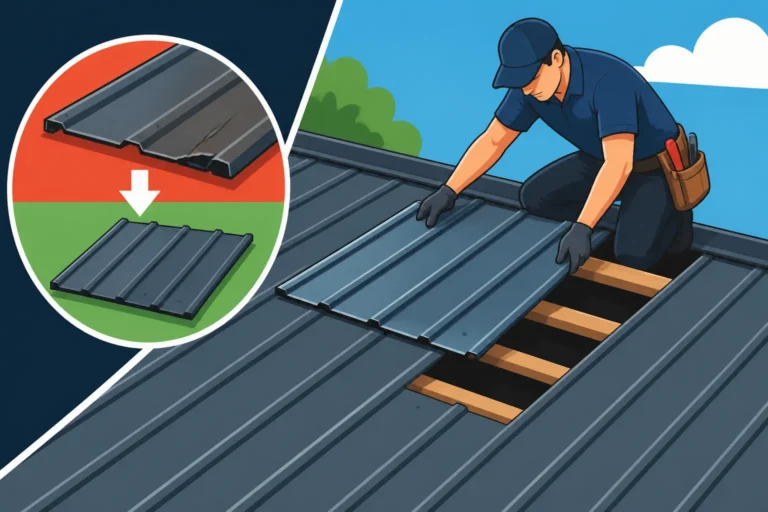
With permits in hand and materials selected, the physical work begins. This typically starts with the tear-off of your old roof. While there are scenarios where a metal roof can be installed over existing shingles, a comprehensive replacement generally involves removing the old roofing materials down to the deck. After tear-off, the contractor will meticulously inspect the existing roof decking for any signs of damage, rot, or structural issues, making necessary repairs or replacements to ensure a sound foundation for your new roof. A high-quality underlayment will then be installed, serving as a critical secondary barrier against moisture. Finally, the metal panels, flashing, and trim components will be expertly installed. The installation crew should be highly experienced in metal roofing, efficient in their work, and rigorously adhere to all safety protocols. Throughout this entire process, maintaining open and clear communication with your contractor is key. Don't hesitate to inquire about project timelines, what to expect on a day-to-day basis, and to voice any concerns you may have. A well-managed replacement project minimizes disruptions to your daily life and ensures the highest quality outcome for your significant investment.
Comparative Table: Repair vs. Replace Decisions
To help clarify the often-complex decision-making process, here's a comparative overview of scenarios that typically lean towards repair versus those that strongly indicate the need for a full metal roof replacement.
| Factor / Issue | Leans Towards Repair If… | Leans Towards Replacement If… |
|---|---|---|
| Age of Roof | Under 25-30 years (for most common types) and consistently well-maintained. | Over 30-40 years, approaching or exceeding its expected useful lifespan. |
| Extent of Damage | Isolated leaks, minor cosmetic dents, localized fading, or a few easily replaceable panels. | Widespread rust/corrosion, multiple leaks across various sections, significant panel warping/buckling. |
| Source of Leak | Clearly identifiable single source (e.g., failing fastener, small flashing issue, minor puncture). | Multiple, recurring leaks with no clear isolated source, indicating systemic failure. |
| Structural Integrity | Undamaged, solid roof deck and sound supporting structures (rafters/trusses). | Sagging panels, soft spots, visible evidence of long-term water damage to decking or underlying structure. |
| Repair Cost vs. New Roof | Estimated repair cost is less than 20-30% of a full replacement, with confidence it will last. | Repair costs exceed 30-50% of replacement, or if repairs are a frequent, annual burden. |
| Aesthetics | Minor cosmetic issues that don't affect performance or can be easily touched up/recoated. | Severely faded, chalking, or discolored panels that significantly diminish curb appeal. |
| Future Plans | Planning to move within a few years, needing a cost-effective, temporary fix. | Planning to stay in the home for decades, prioritizing maximum longevity and performance. |
| Warranty Status | Existing manufacturer or contractor warranty is still valid and covers the specific repair. | Original warranties have expired, or the damage is explicitly excluded from coverage. |
| Technological Upgrade | Satisfied with current roof performance, no pressing need for advanced features. | Desire for improved energy efficiency, enhanced wind resistance, or a different aesthetic/material. |
Final Thoughts on Your Metal Roof Investment
Making the call to replace a metal roof is undoubtedly a substantial decision, but it's one that ultimately safeguards your most valuable asset: your home. While metal roofs are rightly celebrated for their exceptional longevity and durability, they are not impervious to the relentless march of time, weather, and wear. By diligently paying attention to the tell-tale signs of aging, understanding the practical and financial limits of repairs, and knowing when to invest in a complete replacement, you will ultimately save yourself considerable money, frustration, and the potential for devastating structural damage in the long run.
Don't let the initial perceived cost of a replacement overshadow the long-term benefits. A new metal roof represents a powerful investment that provides unparalleled protection, dramatically boosts energy efficiency, and significantly enhances your home's value and curb appeal for many decades to come. Ultimately, while your intuition is important, always back it up with the expertise of qualified professionals. Get those thorough inspections, meticulously compare quotes, and arm yourself with information to make a truly informed choice that brings you lasting peace of mind. Your home, and your wallet, will undoubtedly thank you for it!
Disclaimer
The information provided in this article is intended for general guidance and informational purposes only, and does not constitute professional advice. Roofing projects are complex and should always be undertaken by qualified and licensed professionals. Always consult with a certified metal roofing contractor and local building authorities for specific advice regarding your property.