Metal Roof Components & Accessories Explained
When you’re considering a metal roof, it's easy to get overwhelmed by all the different terms and pieces involved. It’s not just about picking a color or a panel type; there’s an entire system of components and accessories working together to create a durable, weather-tight roof over your head. This guide is designed to cut through the confusion, breaking down every essential part of a metal roof system so you can understand what you're paying for and what makes a truly high-performing roof.
The Foundation of Your Metal Roof System
The most visible part of any metal roof is, of course, the panels themselves. These are the main shield protecting your home from the elements, and their design and material choice are fundamental to the roof's overall performance and aesthetic. It's not a one-size-fits-all situation; the variety can be quite surprising.
Understanding Metal Roof Panels
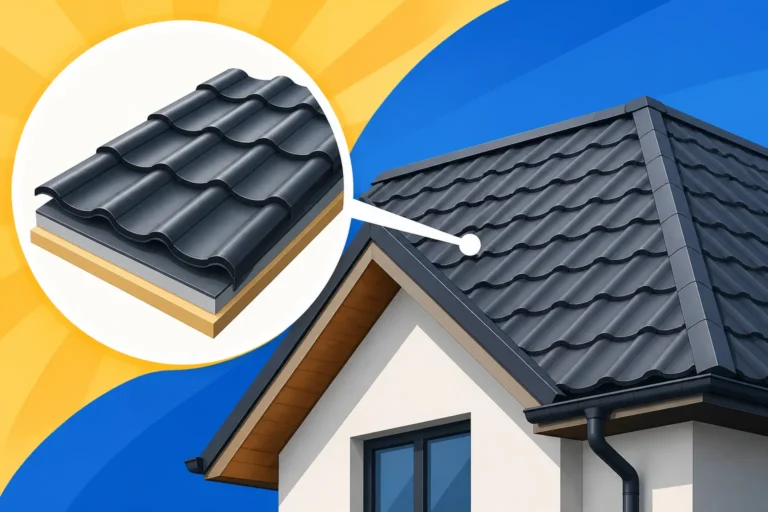
When you dive into metal roofing, you quickly realize there's a whole world beyond what you might imagine. The term "metal roof panels" refers to the primary sheets or tiles that cover your home's structure. These come in distinct profiles, each offering unique benefits in terms of installation, durability, and appearance. For instance, the sleek, modern look of a standing seam roof is achieved through panels with raised seams that interlock, effectively hiding the fasteners beneath. This design not only contributes to its clean aesthetic but also creates a highly durable, watertight barrier, making it a popular choice in regions prone to heavy rain or snow.
On the other hand, corrugated panels and R-panels are often recognized by their wavy or ribbed appearance, respectively. These are typically more economical and faster to install, as they use exposed fasteners—screws that go directly through the panel and into the roof deck. While they might not offer the same high-end appeal as standing seam, they are incredibly robust and have been a staple for barns, commercial buildings, and increasingly, residential homes seeking a more industrial or rustic look. Then you have metal shingles, tiles, shakes, and slate, which mimic traditional roofing materials but offer the superior longevity and performance of metal. These stamped metal pieces interlock or overlap, creating a familiar aesthetic that blends seamlessly into neighborhoods with strict architectural guidelines, while still providing the long-term benefits of a metal roof. For a deeper dive into the different shapes and styles, you might find our guide on Metal Roofing Types Explained: Profiles & Panels incredibly helpful.
Material Matters: Steel, Aluminum, Copper, Zinc
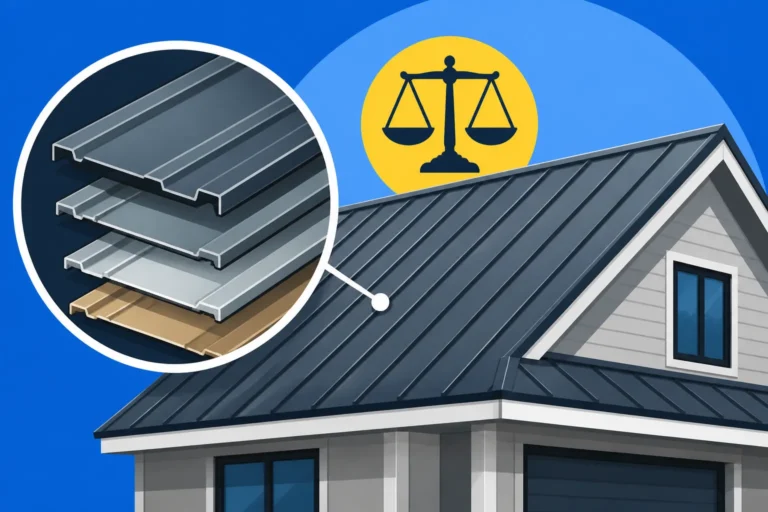
Beyond the profile, the choice of metal material is incredibly significant. Each metal brings its own set of characteristics to the table, influencing everything from the roof's weight and cost to its corrosion resistance and expected lifespan. Steel, often galvanized (coated with zinc) or Galvalume (a blend of aluminum and zinc), is the most common and cost-effective option. It's incredibly strong and durable, able to withstand significant impacts and high winds, making it a workhorse for many homeowners. However, without proper coatings, steel can be susceptible to rust, especially in humid or coastal environments.
Aluminum is a lighter alternative, prized for its natural resistance to rust and corrosion, even without special coatings. This makes it an ideal choice for coastal properties where salt spray can quickly degrade other metals. While typically more expensive than steel, its exceptional longevity and minimal maintenance requirements often justify the initial investment. Copper and zinc represent the premium end of the spectrum. These metals are celebrated for their extraordinary lifespan—often exceeding 100 years—and their stunning, evolving patinas. Copper starts as a bright, shiny metal and gradually oxidizes to a beautiful verdigris green, while zinc develops a soft, matte grey. Both offer unparalleled durability and a unique aesthetic, but they come with a significantly higher price tag. Understanding these material differences is crucial for selecting a roof that not only looks good but also performs optimally for your specific climate and budget. You can explore these choices in more detail in our guide on Metal Roofing Materials Compared: Steel, Aluminum, Copper & Zinc.
Beneath the Surface: Essential Underlayment and Decking
While the metal panels get all the glory, what lies beneath them is just as crucial for the longevity and performance of your roof. The underlayment and roof decking form the critical second and third lines of defense against moisture and structural issues. Skipping on quality here is like building a house on a weak foundation – it's a recipe for future problems.
The Role of Underlayment
The underlayment is often referred to as the "secondary water barrier" for good reason. It’s a layer of material installed directly over your roof deck, beneath the metal panels, offering an extra shield against moisture penetration. Think of it this way: even the best metal roof panels can experience extreme weather, intense wind-driven rain, or condensation, and this underlayment is there to catch any moisture that might bypass the primary metal layer. Historically, asphalt-saturated felt was the standard, a black, tar-like paper that provided basic protection. While still used, it’s increasingly being replaced by synthetic underlayments. These modern options are typically made from polypropylene or polyethylene, are much lighter, more tear-resistant, and don't absorb moisture, which prevents wrinkling or buckling that can telegraph through the metal panels.
For even greater protection, particularly in colder climates or areas prone to ice dams, an ice and water shield is often applied at the eaves, valleys, and around penetrations like chimneys or skylights. This specialized underlayment is self-adhering and self-sealing, meaning it sticks directly to the roof deck and forms a watertight barrier that seals around fasteners. It's an indispensable component for preventing water backups and leaks, and while it adds to the overall Metal Roof Cost: Complete 2026 Guide, its protective benefits far outweigh the expense. A good quality underlayment is not just an accessory; it's a fundamental part of the roof system that significantly extends its life and protects your home's interior from potential water damage. Our comprehensive guide on Metal Roof Underlayment and Ventilation Guide offers more detailed insights into making the right choice.
Roof Decking and Substrate
The roof decking, or substrate, is the structural layer that the underlayment and metal panels are installed upon. For most residential homes, this means plywood or Oriented Strand Board (OSB) sheathing. This solid surface provides the necessary support for the roofing materials and the structural integrity of the entire roof system. When installing a new metal roof, especially if replacing an older asphalt shingle roof, installers will inspect the existing decking for any signs of rot, water damage, or structural weakness. Any damaged sections must be repaired or replaced to ensure a stable and secure base for your new metal roof. Imagine trying to attach heavy panels to a flimsy, compromised surface—it simply wouldn't work or last.
In some specific applications, particularly for certain agricultural buildings or open-air structures, a metal roof might be installed over purlins. Purlins are horizontal support beams that span between trusses or rafters, creating an open framework rather than a solid deck. This method is generally less common for residential applications due to insulation and ventilation needs but is an option for utilitarian structures. Regardless of whether it's plywood, OSB, or purlins, the integrity of this foundational layer is non-negotiable. It's where all the fasteners ultimately find their purchase, and a sound decking ensures that your metal panels remain firmly attached and your roof functions as intended for decades to come.
Fasteners and Anchorage: Keeping Everything Secure
A metal roof is only as good as what holds it down. The fasteners and anchorage system are the unsung heroes, silently battling wind uplift and keeping your panels steadfast against the elements. Choosing the right type and ensuring proper installation is paramount to preventing leaks and structural failure.
Exposed Fasteners vs. Concealed Fasteners
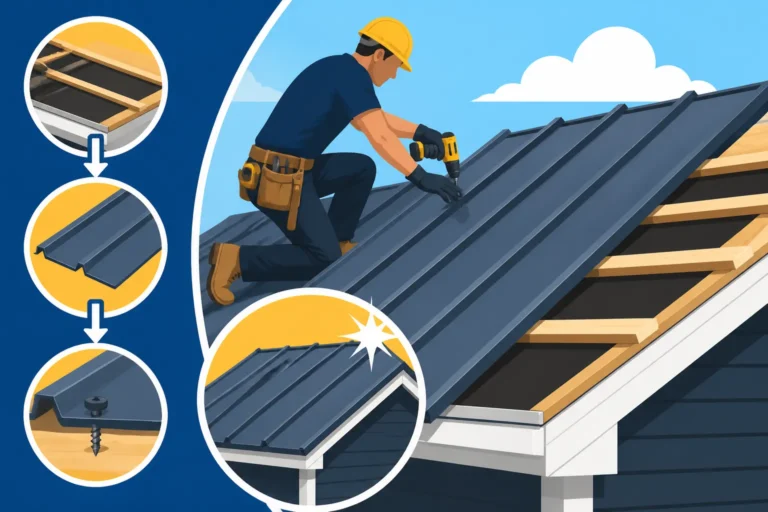
The way your metal roof panels are attached fundamentally changes their performance and aesthetic. With exposed fastener systems, screws are drilled directly through the metal panels and into the roof deck. These screws typically have a neoprene washer beneath the head, which compresses to create a watertight seal. This system is common with corrugated, R-panel, and agricultural panel profiles due to its straightforward installation and lower material cost. However, the integrity of these washers is critical; over time, UV exposure and temperature fluctuations can degrade them, leading to potential leaks if they crack or dry out. Regular inspection and replacement of these fasteners might be necessary over the roof's lifespan, which can be an added maintenance consideration.
In contrast, concealed fastener systems, primarily found in standing seam metal roofs, utilize clips or clamps that attach to the panel's seam and are then fastened to the roof deck underneath the panel itself. The next panel then locks over these fasteners, completely hiding them from view. This method offers superior protection against water intrusion since there are no penetrations through the visible surface of the panels. It also allows the panels to expand and contract freely with temperature changes, minimizing stress on the metal and extending the roof's life. While the initial Standing Seam Metal Roof Cost is typically higher due to more complex installation and specialized components, the enhanced durability, weather performance, and cleaner aesthetic often make it a worthwhile investment for homeowners seeking maximum longevity and minimal maintenance. For a complete comparison, check out our article on Exposed vs Hidden Fastener Metal Roofing.
Clips, Clamps, and Seaming Tools
For standing seam systems, clips and clamps are indispensable. Clips are specifically designed components that secure the panel to the roof deck, allowing for the natural thermal expansion and contraction of the metal. There are fixed clips and floating clips; floating clips are particularly important for longer panels, as they allow the panel to move slightly, preventing oil canning (visible waviness in the flat part of the panel) and stress fractures. These clips are crucial for the long-term health of your roof, ensuring it can gracefully handle the daily temperature swings without undue stress.
In addition to clips, specialized seaming tools are used during installation to mechanically fold and lock the seams of standing seam panels together. These tools, which can range from hand crimpers to electric seaming machines, create the tight, watertight interlocks that define a standing seam roof. The precision of this seaming process is vital to the system's performance, as any imperfection can compromise the seal and lead to leaks. When you're working with a reputable installer, they'll have the right tools and expertise to ensure these critical connections are made perfectly, giving you peace of mind that your roof is built to last. Remember, the quality of these small, often unseen, components directly impacts the overall strength and watertight integrity of your entire metal roof system, making their selection and installation incredibly important.
The Critical Role of Flashing and Trim
Even the most robust metal panels can't do it all on their own. The edges, transitions, and penetrations of your roof are its most vulnerable points, and that's where flashing and trim come into play. These components are specifically designed to redirect water, prevent leaks, and provide a finished, cohesive look to your metal roof.
Understanding Flashing
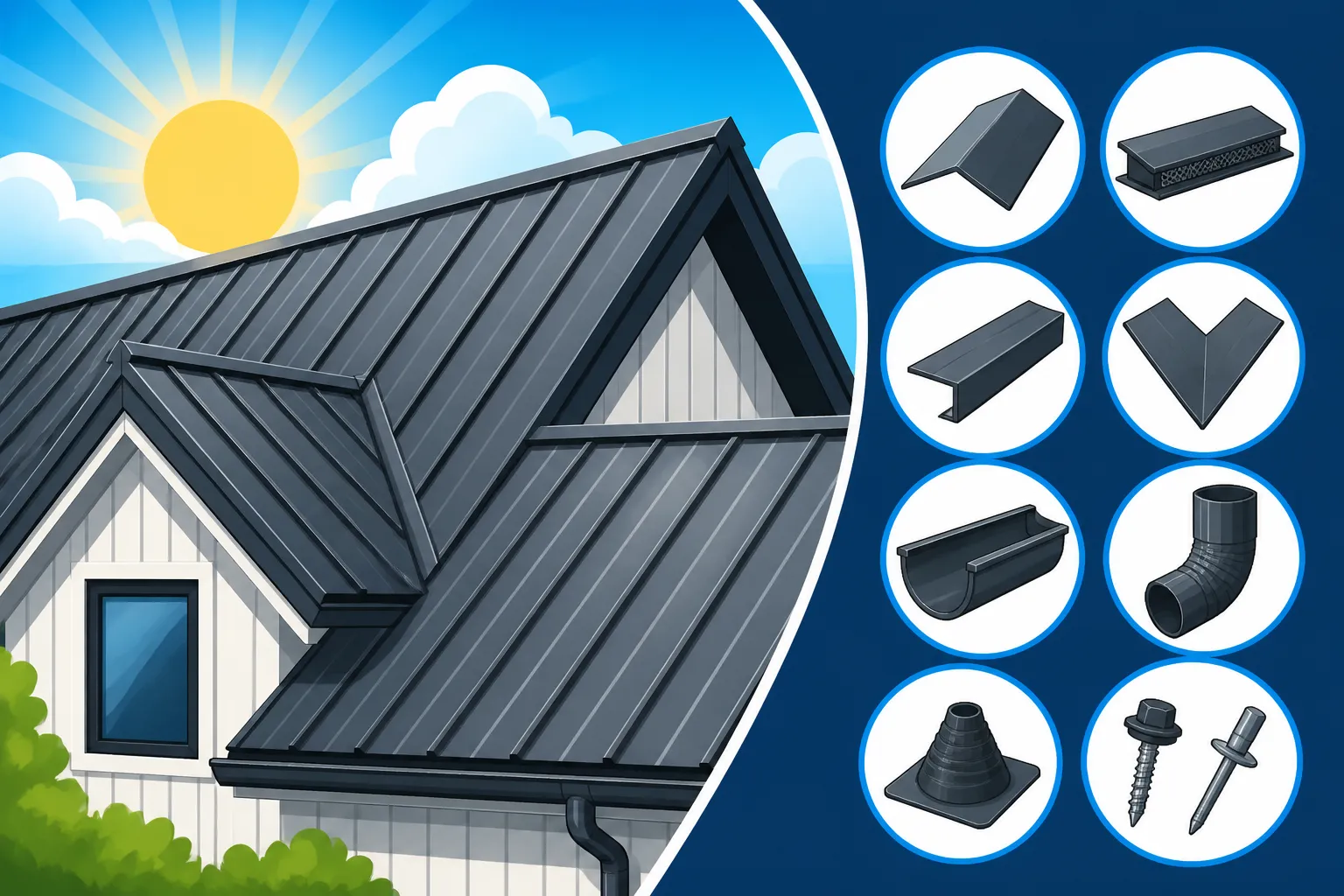
Flashing is arguably one of the most critical components in preventing leaks on any roof, and metal roofs are no exception. It refers to thin pieces of impervious material, usually metal (often matching your roof panels or a complementary material like copper), installed to prevent water penetration at junctions and penetrations. Think about areas where your roof meets a wall, a chimney, a skylight, or where different roof planes intersect in a valley. These are all prime spots for water to seep in if not properly protected. For example, chimney flashing involves a complex system of base flashing, step flashing, counter flashing, and cricket flashing, all working in concert to divert water effectively around the obstruction. A failure in any of these components can lead to a significant leak, often directly into your living space.
Similarly, valley flashing is installed where two roof planes meet, forming a "V" shape. This flashing provides a smooth channel for water and snowmelt to flow off the roof, preventing it from pooling and seeping under the panels. Without correctly installed valley flashing, these areas would be highly susceptible to water ingress, especially during heavy downpours or rapid snowmelt. The specific type and installation method of flashing can vary greatly depending on the roof's design and local building codes. Properly executed flashing requires skilled craftsmanship and attention to detail, as it's truly the last line of defense against water infiltration at these challenging areas. If you're experiencing a leak, often the first place to look is the flashing. You can learn more about addressing these issues in our Metal Roof Leak Repair Guide.
Drip Edge, Ridge Cap, and Gable Trim
Beyond internal flashing, exterior trim pieces provide both protection and a polished finish. The drip edge is a metal flashing installed along the edges of the roof, typically at the eaves (the horizontal edge) and sometimes the rake (the sloped edge). Its primary function is to direct water away from the fascia board and into the gutters, preventing it from running down the wall and potentially causing rot or water damage to the exterior of your home. A properly installed drip edge ensures that water doesn't wick back under the roofing material or damage the underlying roof structure. It’s a small detail that makes a big difference in preventing long-term moisture issues.
The ridge cap is an essential component that covers the peak, or ridge, of the roof where two slopes meet. It’s specifically designed to protect this vulnerable seam from water penetration while often incorporating ventilation features. Ridge caps come in various styles to match different metal panel profiles, ensuring a cohesive and aesthetic finish. Finally, gable trim, or rake trim, is installed along the sloped edges of the roof where it extends beyond the wall (the gables). This trim provides a clean, finished edge, protecting the side of the roof structure from wind and water, and preventing pests from nesting underneath the panels. All these trim pieces not only protect your home but also contribute significantly to the overall aesthetic appeal of your metal roof, tying all the components together with a professional, weather-tight finish. The cost of these finishing touches is part of the overall Metal Roof Trim and Flashing Cost.
Ventilation Components: Breathing Life into Your Roof
Proper ventilation is often overlooked, but it's absolutely crucial for the long-term health and efficiency of your entire home, especially with a metal roof. A well-ventilated attic and roof system help regulate temperature and moisture, preventing a host of problems from rot to ice dams.
Ridge Vents and Soffit Vents
For an attic and roof system to "breathe" effectively, you need a balanced ventilation system, and that typically involves a combination of intake and exhaust vents. The most common and effective pairing for this is soffit vents as intake and ridge vents as exhaust. Soffit vents are installed under the eaves of your roof, drawing cooler, drier air into the attic space. This continuous flow of fresh air helps push out the warmer, moister air.
As the air warms up in the attic, it naturally rises and exits through the ridge vent, which is installed along the peak of the roof. This creates a continuous, passive airflow—a convection current—that works year-round. In the summer, this system helps keep your attic cooler, reducing the load on your air conditioning and lowering energy bills. In the winter, it helps prevent moisture buildup that can lead to mold and mildew, and crucially, it keeps the roof deck temperature closer to the outside air temperature. This minimizes the melting and refreezing of snow, effectively preventing destructive ice dams from forming along the eaves. Without proper intake and exhaust, your attic can become a sauna in summer and a damp cave in winter, compromising insulation and structural integrity. Learning about proper ventilation is key, and our guide on Metal Roof Ridge Vent and Ventilation Explained can provide more in-depth information.
Specialty Vents and Exhausts
While soffit and ridge vents form the backbone of a good ventilation strategy, sometimes additional or specialized vents are needed. These might include box vents or whirlybird vents (turbine vents), which are installed directly on the roof surface. Box vents are static, mushroom-shaped vents that allow hot air to escape, while turbine vents use wind power to spin and actively draw hot air out of the attic. While effective, they do create penetrations in the roof panels, which must be carefully flashed to prevent leaks. These types of vents might be used in situations where a continuous ridge vent isn't feasible due to roof design or existing structures.
Furthermore, any utility penetrations through your metal roof require specialized pipe boots and exhaust vents. Plumbing vent pipes, for instance, need a watertight seal where they exit the roof. These come in various sizes and materials, typically rubber or flexible metal, designed to stretch over the pipe and create a durable, weather-tight seal that is then integrated with the roof flashing. Similarly, bathroom fan exhausts or kitchen range hood vents require proper venting through the roof, each with its own specific type of vent cap and flashing to prevent water intrusion and ensure efficient air expulsion. Ensuring all these vents are correctly sized, sealed, and installed is vital for both the roof's integrity and your home's indoor air quality and comfort. When dealing with complex vent installations or trying to find a contractor, resources like Modernize can help you connect with qualified professionals who understand the nuances of integrating these components seamlessly into your metal roof.
Accessories for Enhanced Performance and Aesthetics
Once the core roof structure is in place, a range of accessories can be added to enhance its functionality, protect against specific environmental challenges, and integrate other home systems seamlessly. These additions often cater to specific climates or homeowner preferences.
Snow Guards and Heat Cables
For homes in regions that experience significant snowfall, snow guards are indispensable. Metal roofs are incredibly slick, and while this is great for shedding rain, it means that accumulated snow can suddenly slide off in large, dangerous sheets—an event known as an "avalanche." This sudden release of snow can damage landscaping, gutters, vehicles, and, most importantly, pose a serious risk to people below. Snow guards are small, bracket-like devices installed in a pattern across the roof surface, designed to hold the snow in place and allow it to melt gradually, preventing these dangerous sudden slides. They come in various designs, from individual "stops" to continuous rails, and can be color-matched to your roof for a discreet appearance.
In conjunction with snow guards, or sometimes independently, heat cables (also known as de-icing cables) can be installed along the eaves and gutters. These electric cables warm up when activated, melting ice and snow in problem areas to prevent the formation of ice dams. Ice dams occur when snow melts on the warmer parts of the roof, refreezes at the colder eaves, and creates a barrier that prevents subsequent meltwater from draining. This trapped water can then back up under the roofing material, leading to severe leaks and water damage inside your home. Heat cables offer an effective solution to this persistent winter problem, providing peace of mind during heavy snow seasons.
Skylights, Solar Panels, and Other Attachments
Integrating other systems with your metal roof requires careful planning and specialized components to maintain its integrity. Skylights, for instance, are popular for bringing natural light into a home, but they represent significant penetrations in the roof plane. Their successful integration relies heavily on robust flashing systems that create a watertight seal between the skylight frame and the surrounding metal panels. Manufacturers like Velux and Fakro offer flashing kits specifically designed for various roofing materials, including metal, to ensure a leak-free installation. The type of metal roof (e.g., standing seam vs. corrugated) will also dictate the specific flashing techniques and components used.
Similarly, the installation of solar panels on a metal roof requires specialized mounting systems. Rather than penetrating the metal panels themselves, many solar racking systems for metal roofs utilize clamps that attach directly to the standing seams. This allows for a secure attachment without drilling holes, preserving the watertight integrity and warranty of the metal roof. Companies like S-5! specialize in these non-penetrating clamps, making metal roofs an excellent surface for solar installations. Even smaller attachments, like antennas or satellite dishes, need to be mounted with care, using appropriate flashing or sealant to prevent potential leak points. A qualified installer understands these nuances and can advise on the best methods to integrate these components without compromising your roof's performance.
Sealants, Closures, and Repair Kits
Beyond the major components, the smaller, often overlooked items like sealants, closures, and repair kits are essential for a truly robust and long-lasting metal roof. Sealants are critical for ensuring watertight connections at overlaps, seams, and around fasteners. High-quality sealants, typically made from butyl rubber or silicone, are resistant to UV degradation and extreme temperatures, maintaining their flexibility and adhesion over many years. They are used in conjunction with flashing at complex junctions, around pipe penetrations, and sometimes along panel overlaps to create a continuous barrier against water and air.
Closures are profiled strips, often made of foam or rubber, that fit into the corrugated or ribbed sections of metal panels, typically at the eave and ridge lines. Their purpose is to fill the gaps created by the panel profile, preventing insects, rodents, and wind-driven rain or snow from entering the attic space. They act as a critical physical barrier that complements the weatherproofing provided by flashing and sealants. Lastly, having a metal roof repair kit on hand, even for the most durable metal roofs, is a smart move. These kits often include color-matched touch-up paint, specialized sealants, and replacement fasteners, allowing for minor repairs to scratches, small dents, or worn washers before they become larger issues. For instance, if you have a Corrugated Metal Roof Cost, a simple scratch could lead to rust if not quickly addressed. Being prepared for these small maintenance tasks can significantly extend the aesthetic life and performance of your roof.
Coatings and Finishes: The Outer Layer of Protection
The visible surface of your metal roof is more than just a pretty color; it’s a high-performance coating system designed to protect the underlying metal and contribute to its longevity. Understanding these coatings is key to appreciating the full value of your investment.
Paint Systems: PVDF vs. SMP
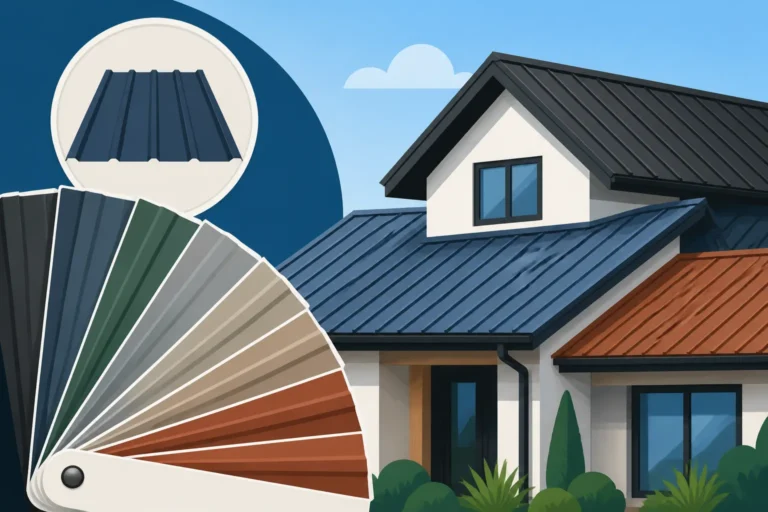
The vast majority of residential metal roofs today come pre-painted with highly durable finishes. The two most common and effective paint systems are Polyvinylidene Fluoride (PVDF) and Silicone Modified Polyester (SMP). PVDF coatings, often marketed under brand names like Kynar 500 or Hylar 5000, are considered the gold standard in the industry. These coatings are exceptionally resistant to fading, chalking (a powdery residue that appears as the paint degrades), and UV radiation. This means your roof will retain its vibrant color and gloss for decades, even under intense sun exposure. PVDF coatings also offer excellent resistance to harsh chemicals and pollutants, making them ideal for any environment. While they come at a higher price point, their superior longevity and aesthetic retention make them a worthwhile investment for homeowners looking for a premium, long-lasting finish.
SMP coatings offer a more budget-friendly alternative while still providing excellent performance. These coatings combine polyester resin with silicone for enhanced durability and weather resistance compared to standard polyesters. SMP finishes offer good color retention and chalk resistance, often backed by warranties of 20-30 years against fading and chalking. While they may not match the extreme fade resistance of PVDF in the very long term, they represent a significant step up from basic polyester paints and are a popular choice for homeowners seeking a durable, attractive metal roof without the top-tier cost of PVDF. The choice between PVDF and SMP often comes down to balancing initial cost with desired lifespan and aesthetic retention, but both provide robust protection against the elements. If you're looking into specific gauges, remember that a 24 vs 26 Gauge Metal Roof: Cost Difference might also factor into the quality of the finish you can get.
Understanding Warranties and Lifespan
The quality of the coating system directly impacts the warranty offered by the manufacturer and, consequently, the expected lifespan of your roof's aesthetic appeal. Most metal roof manufacturers provide two types of warranties: a substrate warranty (covering the base metal against defects like perforations) and a paint finish warranty. The paint finish warranty typically covers issues like chalking, fading, and peeling, often for 20, 30, or even 40 years, depending on the coating system. A premium PVDF coating will almost always come with a longer and more robust paint warranty than an SMP coating, reflecting its superior performance.
It’s crucial to understand what these warranties cover and, just as importantly, what they don't. For example, minor cosmetic imperfections or natural weathering might not be covered. The lifespan of your metal roof, especially in terms of its appearance, is largely determined by the quality of its coating. While the metal panels themselves can last 50 years or more, a faded or chalking finish can make a roof look old long before its structural integrity is compromised. Investing in a high-quality finish like PVDF ensures that your roof not only protects your home but also maintains its curb appeal for decades. When you're ready to select a contractor, using a service like Modernize can connect you with professionals who use quality materials with strong warranty backing, ensuring your investment is well-protected.
Metal Roof Components and Their Functions
To summarize the intricate network of parts that form a complete metal roof system, here’s a quick overview of the main components and their roles:
| Component Type | Specific Components | Primary Function | Key Considerations |
|---|---|---|---|
| Primary Protection | Metal Panels | Main barrier against weather; defines aesthetic. | Profile (Standing Seam, Corrugated, Shingle), Material (Steel, Aluminum, Copper) |
| Substructure | Underlayment | Secondary water barrier; protects deck from moisture. | Synthetic vs. Felt, Ice & Water Shield needs. |
| Roof Decking / Purlins | Structural base for panels; attachment point for fasteners. | Plywood, OSB condition; proper attachment for purlins. | |
| Securement | Fasteners (Screws, Clips, Clamps) | Secure panels to deck; allow for thermal movement. | Exposed vs. Concealed, Washer quality, Material compatibility. |
| Seaming Tools | Mechanically seal standing seam panels. | Proper tools and technique are crucial for watertight seals. | |
| Water Diversion | Flashing (Valley, Wall, Chimney) | Prevents water intrusion at junctions and penetrations. | Material compatibility, expert installation, correct layering. |
| Drip Edge | Directs water away from fascia and into gutters. | Proper overlap, secure attachment. | |
| Ridge Cap | Covers roof peak; protects seam and often incorporates ventilation. | Matching profile, secure fastening. | |
| Gable Trim / Rake Trim | Finishes and protects roof edges at gables. | Aesthetic integration, wind resistance. | |
| Airflow Management | Ridge Vents | Exhausts hot, moist air from attic. | Continuous airflow with intake vents. |
| Soffit Vents | Provides intake for cooler, drier air into attic. | Unobstructed airflow, adequate sizing. | |
| Specialty Vents (Pipe Boots, Fans) | Seals around pipe penetrations; exhausts specific appliances. | Watertight seals, proper flashing. | |
| Enhancements | Snow Guards | Prevents sudden snow avalanches off roof. | Placement for maximum effectiveness, color matching. |
| Heat Cables | Prevents ice dam formation at eaves. | Electrical safety, proper installation. | |
| Solar Panel Clamps / Skylight Flashing | Integrates external systems without compromising roof integrity. | Non-penetrating methods preferred, specific flashing kits for skylights. | |
| Maintenance/Finish | Sealants | Provides watertight seals at seams, overlaps, and penetrations. | UV and temperature resistant, flexible. |
| Closures | Fills gaps in panel profiles to prevent pests and wind-driven elements. | Correct profile matching. | |
| Paint Coatings (PVDF, SMP) | Protects metal, provides color, resists fading/chalking. | Warranty, color retention, UV resistance. |
Understanding these distinct components allows you to make more informed decisions when choosing and installing your metal roof. It highlights the importance of not just the visible panels, but the entire integrated system working together to protect your home.
Choosing a metal roof is a significant investment, and truly understanding all the components and accessories involved goes a long way in ensuring you get a durable, high-performing system that lasts for decades. It’s not just about the panels; it's the sum of all these parts, from the hidden underlayment and fasteners to the visible trim and coatings, working in harmony to protect your home.
Disclaimer
This article is intended for informational purposes only and does not constitute professional advice. While we strive to provide accurate and up-to-date information, metal roofing practices, building codes, and product specifications can vary. Always consult with a qualified and licensed metal roofing contractor or local building authority for advice specific to your project and location.