Will a Metal Roof Make My House Hotter?
It’s a common worry, isn't it? When you're considering a sleek, modern metal roof for your home, that little voice in your head might immediately jump to the thought, "Won't a metal roof turn my house into an oven?" You picture a scorching hot car hood in the summer sun and wonder if your home will feel the same. This guide is here to tackle that very concern head-on, dispelling myths and explaining exactly how metal roofs interact with heat, ultimately helping you understand their true impact on your home's temperature.
The Common Misconception About Metal Roofs and Heat
It’s completely understandable why so many homeowners initially assume a metal roof would make their house hotter. The logic seems sound on the surface: metal conducts heat, and when you touch a metal surface that’s been baking in the sun, it feels incredibly hot. This immediate, tactile experience often leads people to believe that all that absorbed heat must surely transfer directly into their living space, turning their home into an uncomfortable sauna. It’s a natural leap, but it overlooks some fundamental differences in how roofs, especially metal ones, actually work.
Why People Think Metal Roofs Get Hotter
Let's be honest, we've all felt the burn of a car door handle or a playground slide after a long summer day. That intense heat is undeniable, and it's easy to project that sensation onto an entire roof. The human brain quickly associates "metal" with "hot" when exposed to direct sunlight. Metal is indeed a good conductor of heat, meaning it readily absorbs thermal energy from the sun's powerful rays. Without diving into the nuanced science right away, it makes perfect intuitive sense to think that a roof made of this material would simply soak up all that heat and push it straight into your home. This gut reaction is often the biggest barrier to understanding the real benefits of metal roofing in terms of temperature regulation.
The Difference Between Surface Temperature and Interior Temperature
Here's where the initial assumption starts to diverge from reality. While the surface of a metal roof can indeed get quite hot to the touch under direct sun – sometimes even hotter than asphalt shingles – this doesn't automatically mean your attic or interior living spaces will follow suit. Think of it like a metal pot on a stove: the pot itself gets hot, but what's inside is what matters. The key lies in how that heat is managed and prevented from penetrating beyond the outermost layer of your roofing system. Factors like reflectivity, emissivity, and crucial elements like insulation and ventilation play massive roles in creating a thermal barrier, ensuring that the blistering surface heat doesn't become blistering indoor heat. A well-designed metal roof system actively works to mitigate this transfer.
How Metal Roofs Actually Reflect and Dissipate Heat
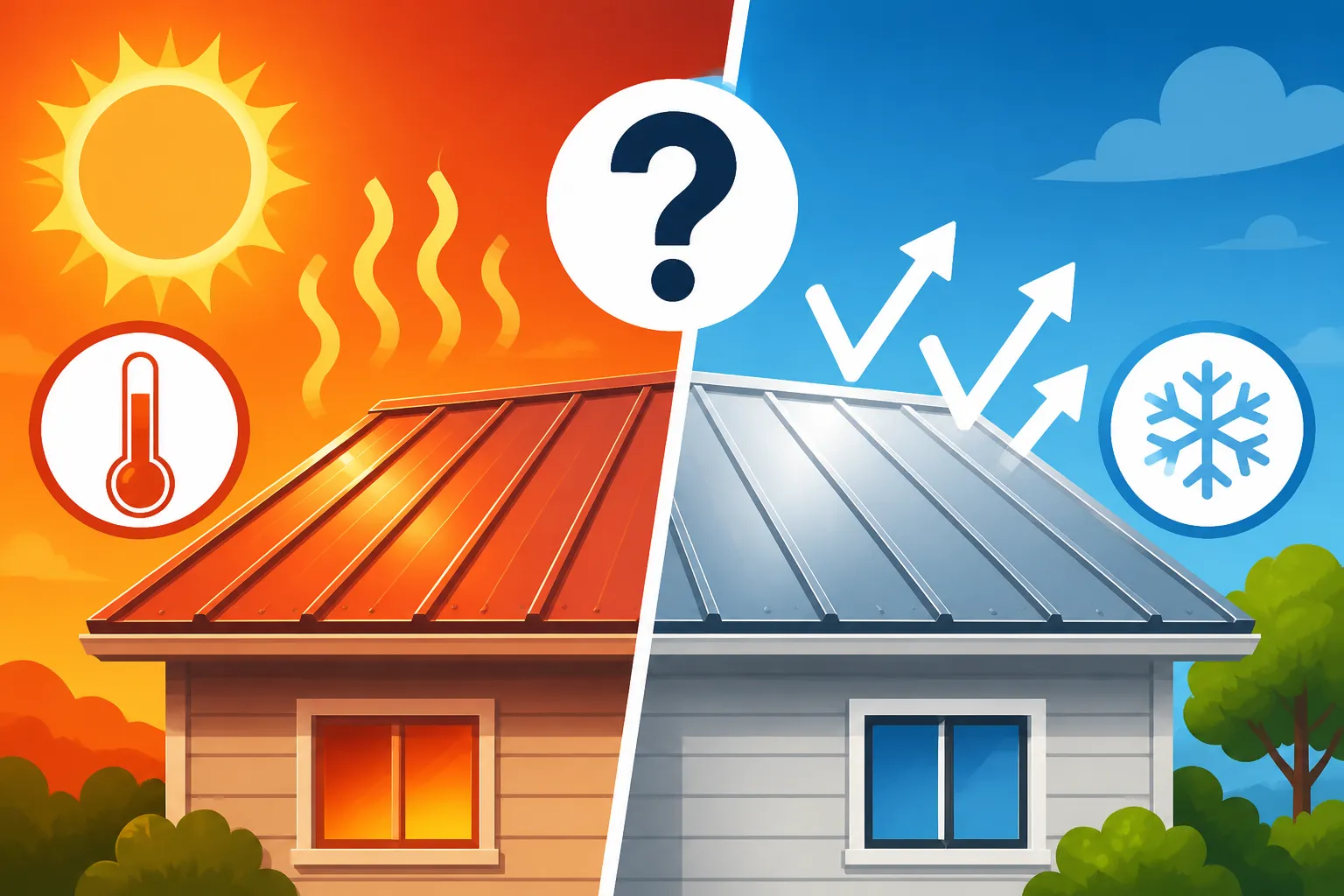
The truth is, modern metal roofs are engineered to be incredibly efficient at managing solar heat. They don't just sit there absorbing warmth; they actively work to repel it. This is a critical distinction and one of the primary reasons metal roofs are often categorized as "cool roofs" and can actually make your home cooler than other roofing materials, particularly in hot climates.
The Power of Reflectivity and Emissivity
This is the secret sauce! Most quality metal roofing comes with specialized coatings that possess high reflectivity and high emissivity.
- Reflectivity refers to a material's ability to reflect solar radiation away from the surface. Imagine a mirror; it bounces light back. Metal roofs, especially those with lighter colors or specific paint systems, do something similar with the sun's invisible heat rays. Instead of absorbing these rays, they reflect a significant portion of them back into the atmosphere. This means less heat is absorbed by the roof in the first place. For instance, a white or light-colored metal roof can reflect up to 70-80% of solar radiation, whereas a dark asphalt shingle roof might only reflect 5-15%.
- Emissivity describes a material's ability to release any absorbed heat. Even the most reflective roof will absorb some heat. High emissivity means that whatever heat is absorbed by the metal panel doesn't linger. It's quickly re-emitted as infrared radiation back into the sky, preventing it from transferring downwards into your attic.
Many premium metal roofing products, especially those with Kynar 500 (PVDF) or SMP (Siliconized Modified Polyester) paint systems, are designed specifically with these thermal properties in mind. These coatings come in a vast array of colors, including many lighter, energy-efficient options that meet "cool roof" standards set by organizations like the Cool Roof Rating Council (CRRC). This isn't just about painting a roof white; it's about advanced chemistry that allows for vibrant, long-lasting colors that still perform exceptionally well in reflecting heat. When considering the aesthetic of your home, remember that the color you choose can significantly impact the roof's thermal performance, as explored in articles like Best Metal Roof Colors and How to Choose.
The Role of Ventilation and Airflow
Beyond the panel itself, the way a metal roof is installed and how your overall attic system functions plays a huge part in keeping your home cool. Even with highly reflective and emissive surfaces, some heat will still make its way into the roof system. This is where proper ventilation becomes your best friend.
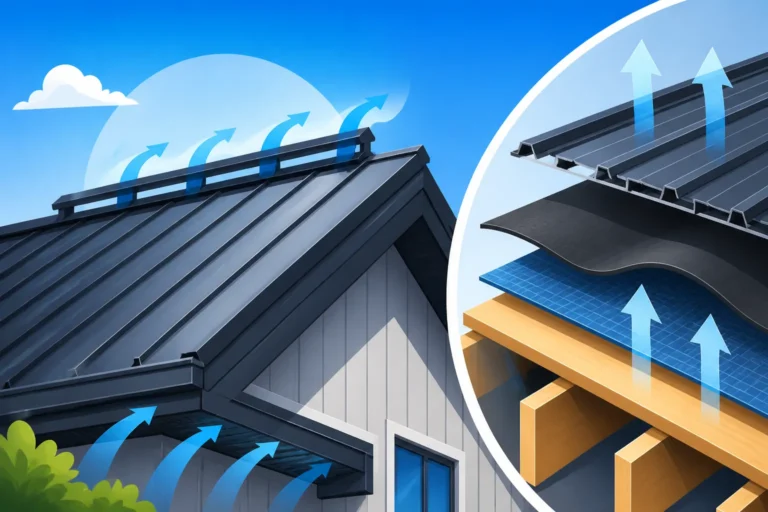
A well-designed roof system includes continuous ridge vents at the peak and soffit vents along the eaves. This creates a natural airflow pathway: cooler air enters the soffit vents, rises as it warms up in the attic, and exits through the ridge vent, carrying heat away with it. This constant air exchange prevents heat from building up in the attic space, which is critical because a hot attic can radiate heat down into your living areas.
Furthermore, many metal roofing systems, especially standing seam panels, create a small air gap between the metal panels and the roof deck. This air gap acts as an additional thermal break. As hot air from the sun-beaten panels rises into this gap, it's quickly moved out through the ventilation system, further isolating your living space from the roof's surface temperature. This "cool roof assembly" concept, where an insulated and ventilated attic works in tandem with a reflective roof, is far more effective than just relying on the roof material alone. Understanding the importance of this is key, and you can delve deeper into this topic in our guide on Metal Roof Underlayment and Ventilation Guide.
Factors That Influence a Metal Roof's Impact on Home Temperature
It's not just about slapping some metal on your house. Several critical factors come into play that determine how effectively a metal roof will manage heat and contribute to your home's overall comfort and energy efficiency. Paying attention to these details during the planning and installation phases can make a significant difference.
Material and Finish Choices
While all metal roofs generally outperform traditional asphalt shingles in terms of heat management, the specific metal and its finish can make a noticeable difference.
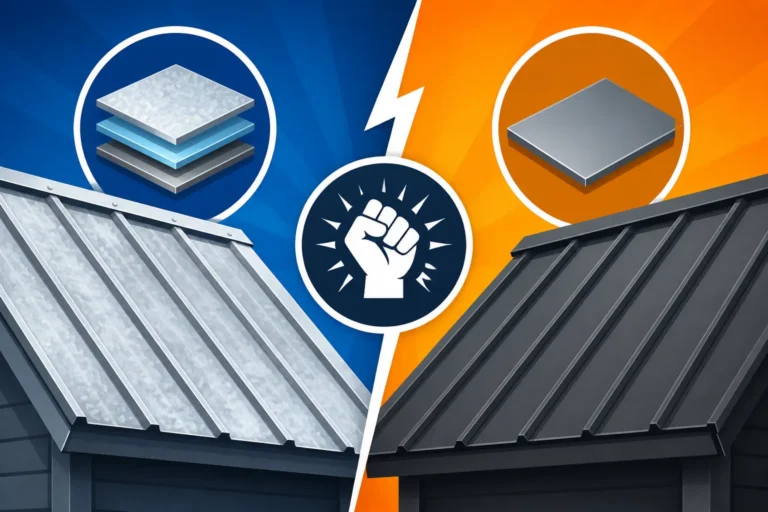
- Materials: Common metal roofing materials include steel, aluminum, copper, and zinc. Aluminum, for instance, is naturally highly reflective and doesn't rust, making it an excellent choice for coastal areas or very hot climates. Steel, often coated with Galvalume or galvanized finishes, is also very durable and offers fantastic performance with the right paint system. Copper and zinc are premium options known for their longevity and unique aesthetic, and they also manage heat well, though often at a higher price point. Understanding the unique properties of each metal is crucial, which you can learn more about in Metal Roofing Materials Compared: Steel, Aluminum, Copper & Zinc.
- Finish and Color: This is arguably the most impactful choice for thermal performance. As mentioned, lighter colors (whites, light grays, pastels) with specialized "cool pigment" coatings will reflect the most solar radiation. Darker colors, while still more reflective than dark asphalt, will absorb more heat. However, even dark metal roofs with high-emissivity coatings can still perform well by quickly releasing any absorbed heat. The paint system, like PVDF (Kynar 500) or SMP, isn't just for aesthetics; it's a high-performance layer designed for weather resistance and energy efficiency. Always check the Solar Reflectance Index (SRI) of the specific product and color you're considering. A higher SRI indicates better performance.
Installation Techniques and Underlayment
The quality of the installation and the components beneath the metal panels are just as important as the panels themselves. A perfectly chosen metal roof can still perform poorly if not installed correctly.
- Air Gaps and Thermal Breaks: As discussed, the air gap created by many metal roofing profiles provides an insulating layer. Some advanced systems might even incorporate "thermal breaks" – materials that reduce heat transfer – between the metal and the roof deck.
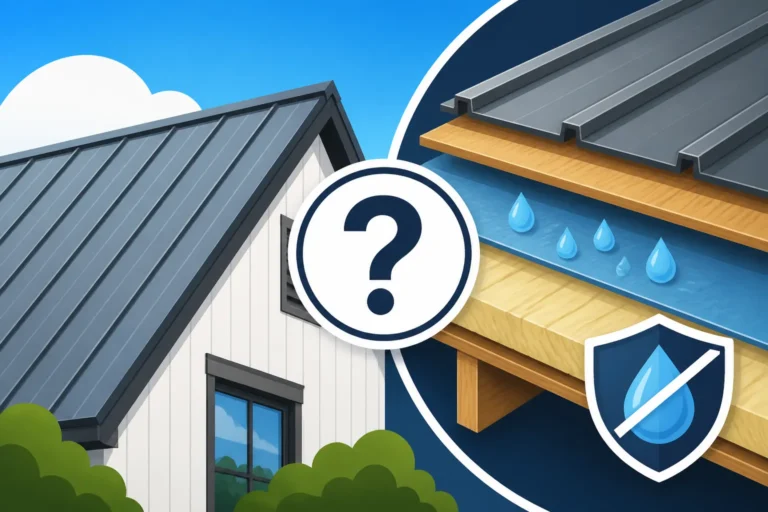
- Underlayment: The layer directly beneath your metal panels, the underlayment, also plays a role. While its primary job is moisture protection, a high-quality synthetic underlayment can add a small amount of insulation value and helps ensure the integrity of the roof system. In some cases, radiant barriers can be installed as part of the underlayment system, which are designed to reflect radiant heat before it even reaches your attic.
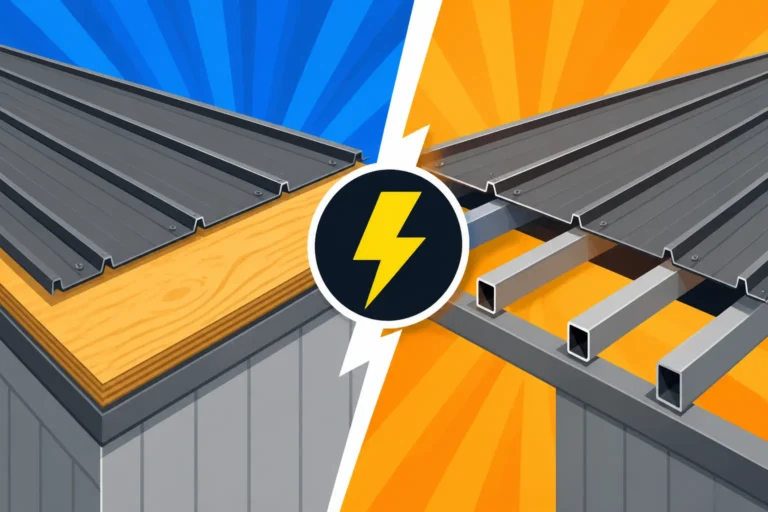
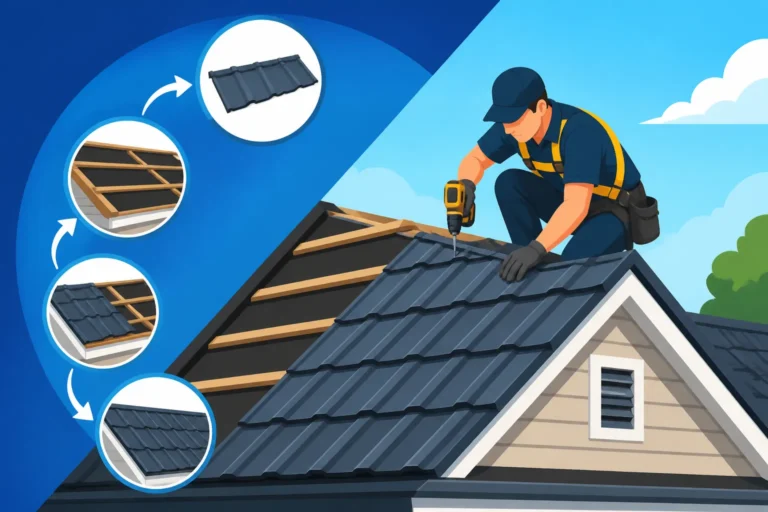
- Roof-over vs. Tear-off: If you're considering installing a metal roof over existing shingles, as discussed in Installing a Metal Roof Over Shingles, this can sometimes add an extra layer of insulation, creating a larger air gap between the two roof layers. However, a full tear-off often allows for a more thorough inspection of the roof deck and the installation of optimal underlayment and ventilation. The Metal Roof Installation Process: Step by Step provides an in-depth look at these methods.
Insulation and Attic Space
No matter how advanced your roof material, your attic insulation remains your primary defense against heat transfer into your living space. The roof sheds heat from above, but insulation blocks anything that manages to get through.
- Comprehensive Barrier: A metal roof acts as the first line of defense, reflecting much of the sun's heat. However, a well-insulated attic acts as the crucial second line, preventing any remaining heat from moving into the conditioned areas of your home. If your attic is poorly insulated, even the most efficient metal roof won't prevent your house from feeling warmer.
- R-Value: This refers to the thermal resistance of insulation. Higher R-values mean better insulating performance. Ensuring your attic meets or exceeds recommended R-values for your climate zone is paramount.
- Energy Efficiency Synergy: When you combine a highly reflective and emissive metal roof with superior attic insulation and excellent ventilation, you create an incredibly energy-efficient roofing system. This synergy can lead to significant reductions in your cooling costs, making your home far more comfortable during peak summer months. It's this combination that delivers true energy savings, which often contributes to long-term financial benefits and increased home value, as explored in Metal Roof Insurance Savings & Discounts.
| Roofing Material | Solar Reflectance (SR) | Thermal Emissivity (TE) | Solar Reflectance Index (SRI) | Impact on Indoor Temperature |
|---|---|---|---|---|
| Dark Asphalt Shingles | 0.05 – 0.20 | 0.85 – 0.90 | 0 – 15 | High heat absorption |
| Light Asphalt Shingles | 0.20 – 0.40 | 0.85 – 0.90 | 15 – 35 | Moderate heat absorption |
| Dark Metal Roof | 0.25 – 0.50 | 0.75 – 0.90 | 20 – 55 | Moderate heat absorption, quick release |
| Light Metal Roof | 0.50 – 0.85 | 0.80 – 0.95 | 55 – 100+ | Low heat absorption, high reflection |
Note: SR and TE values can vary widely based on specific product, color, and coating.
Real-World Benefits and Energy Savings
Once you understand the science behind how metal roofs handle heat, it becomes clear that they are a smart investment, especially if you live in a climate where cooling costs are a significant concern. The benefits extend far beyond just feeling cooler; they translate into tangible savings and increased comfort for your family.
Energy Efficiency and Lower Cooling Costs
For homes in sunny, hot regions like Florida, Texas, or Arizona, the impact of a metal roof on energy bills can be substantial. By reflecting a significant portion of the sun's radiant heat, a cool metal roof reduces the amount of heat that enters your attic and subsequently, your home. This directly translates to your air conditioning unit not having to work as hard or run as frequently to maintain a comfortable indoor temperature.
Think about it: if your attic stays cooler by 10-15 degrees Fahrenheit, your AC unit isn't battling an internal inferno. This reduced workload not only saves electricity, but it also extends the lifespan of your HVAC system, delaying costly repairs or replacements. Homeowners often report seeing a noticeable drop in their summer utility bills after installing a metal roof. While exact savings vary based on insulation, local climate, and HVAC efficiency, some studies and homeowner testimonials suggest savings of 10-25% on cooling costs annually. This makes a metal roof not just an aesthetic upgrade, but a financially sound one that contributes to a positive Is a Metal Roof Worth It? ROI, Resale & Payback.
Durability and Longevity in Various Climates
The same properties that make metal roofs excellent at managing heat also contribute to their incredible durability and longevity. By preventing excessive heat buildup, the roof itself experiences less thermal stress. Constant expansion and contraction due to extreme temperature swings can wear down many roofing materials over time, leading to cracking and deterioration. Metal roofs, while designed to handle thermal movement, benefit from reflecting heat away, reducing the intensity of these cycles.
This leads to a longer-lasting roof that maintains its aesthetic and structural integrity for decades, often 40-70 years or more, as detailed in Metal Roof Lifespan: How Long Do They Last?. This resilience makes them a fantastic choice for any climate, from the intense sun of the Southwest to areas with harsh winters, where their ability to shed snow efficiently also comes into play. A durable roof means less worry and fewer repair costs over its long lifetime.
Finding the Right Professional for Optimal Performance
All these benefits, from energy savings to extended lifespan, hinge on one crucial element: professional installation. Even the highest quality metal roofing materials will underperform if not installed correctly. An experienced metal roofing contractor understands the nuances of heat management, proper ventilation, and the specific requirements of different metal types and coatings.
They'll know how to:
- Ensure adequate attic ventilation for your home's unique structure.
- Properly install underlayment and any required thermal breaks.
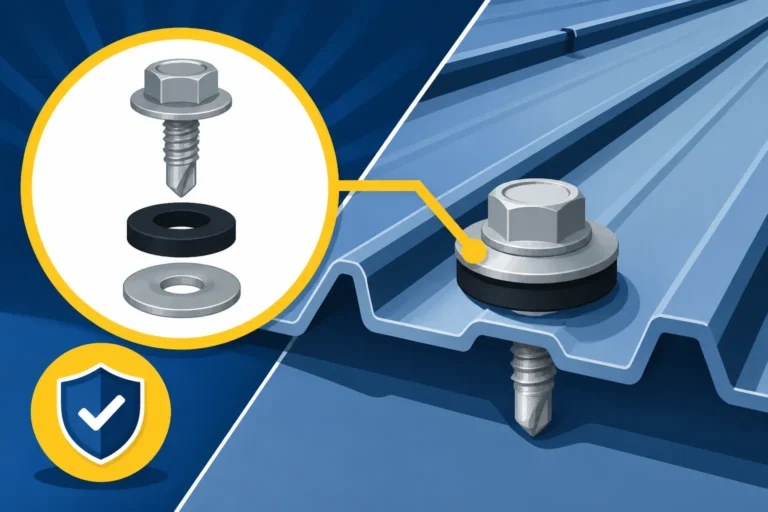
- Secure panels correctly to allow for thermal expansion and contraction without causing leaks or damage.
- Adhere to local building codes, which often have specific requirements for energy efficiency and ventilation. Metal Roof Building Codes Explained can offer more insight here.
Trying to DIY a metal roof or hiring an inexperienced contractor could negate many of the thermal benefits, leading to issues with heat transfer, moisture, or structural integrity. When seeking quotes, don't hesitate to ask detailed questions about their approach to ventilation and insulation, and look for contractors with specific experience in metal roofing. Platforms like Modernize can be incredibly helpful for connecting with reputable, qualified professionals in your area who specialize in metal roof installations. This process, including questions to ask and vetting contractors, is thoroughly covered in guides like How to Hire a Metal Roofing Contractor and Questions to Ask a Metal Roofing Contractor Before You Hire.
Disclaimer
Please remember that while metal roofs offer significant advantages in heat management and energy efficiency, actual performance can vary based on your specific home's construction, existing insulation levels, climate, and the precise type and color of metal roof chosen. This information is intended for general guidance and educational purposes only. Always consult with qualified roofing professionals and local building codes for advice tailored to your individual project.