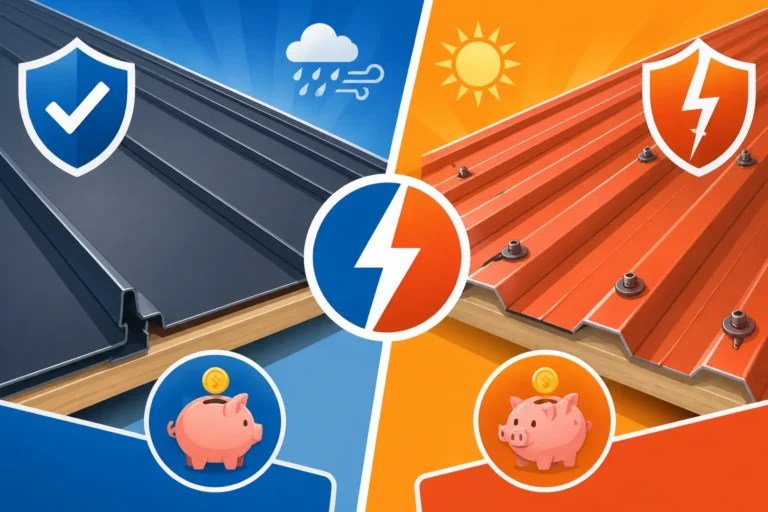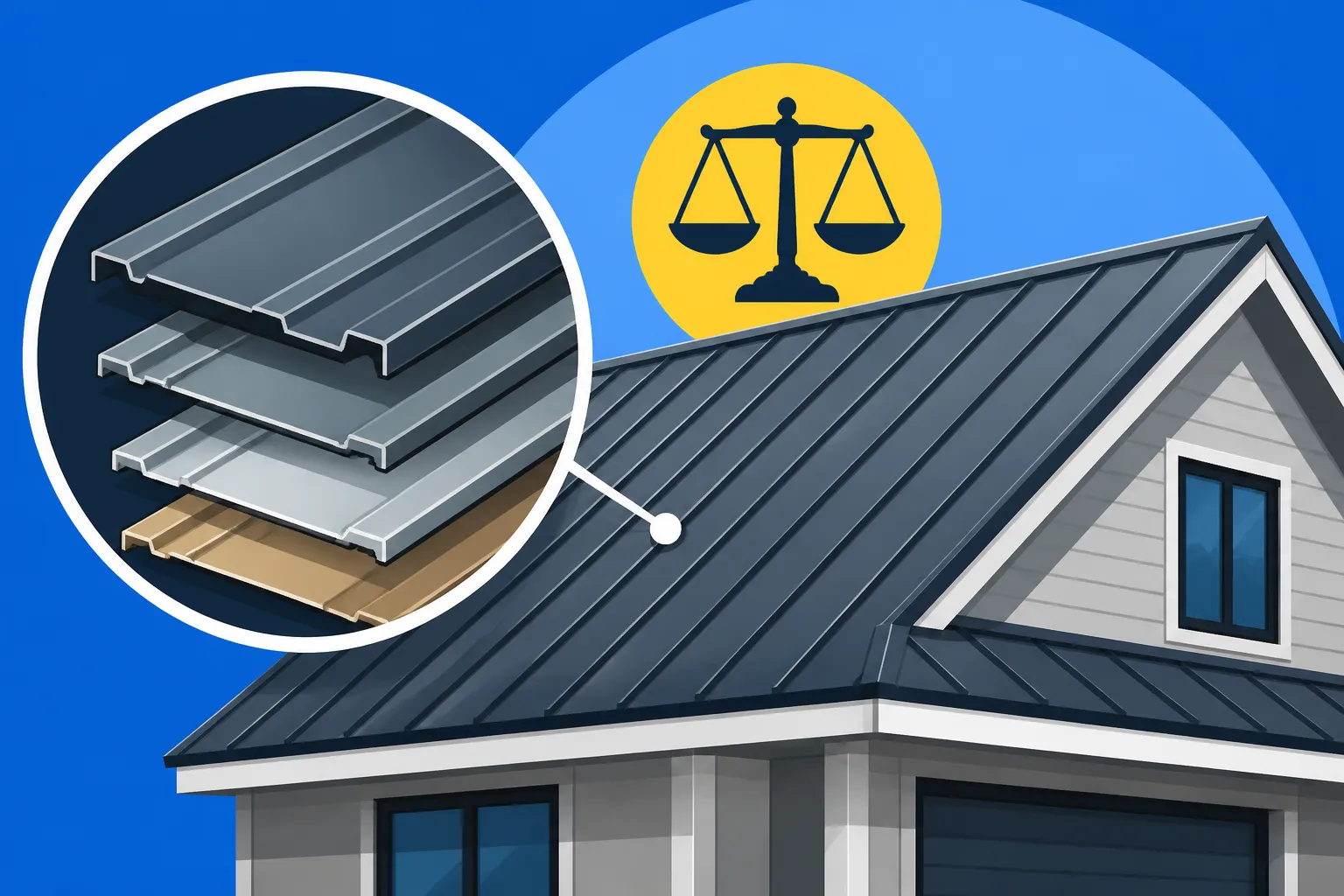
How Thick Should a Residential Metal Roof Be?
Choosing a new metal roof can feel overwhelming, especially when you start diving into the nitty-gritty details like thickness. You're likely wondering if you need something robust enough to withstand a hurricane, or if a more budget-friendly option will still offer the protection and longevity you're hoping for. It's a valid concern, and navigating the world of metal roof gauges can feel like learning a whole new language. This guide is here to demystify metal roof thickness for residential properties, helping you understand what numbers truly mean for your home.
Understanding Metal Roof Thickness: Gauge Explained
When you're shopping for a metal roof, one of the first terms you'll encounter that describes its thickness is "gauge." It's a crucial factor that directly impacts your roof's durability, performance, and, of course, its price tag. But what exactly does it mean, and how does it relate to the actual physical thickness of the metal?
What Exactly is Gauge?
Okay, let's clear up the biggest source of confusion right off the bat. In the metal roofing world, gauge is an inverse measurement. That means the lower the gauge number, the thicker the metal. So, a 24-gauge metal panel is actually thicker and more rigid than a 26-gauge panel, which in turn is thicker than a 29-gauge panel. It’s a bit counterintuitive, right? Think of it like a golf score – lower is better, or in this case, thicker. This system dates back to older manufacturing standards, and while it might seem a little archaic now, it's the industry norm.
This inverse relationship is incredibly important to remember when you're comparing bids or discussing options with a contractor. If a quote just lists "metal roof" without specifying the gauge, you're not getting a complete picture. A thinner gauge might look appealing on paper due to a lower upfront cost, but it could mean a less durable roof in the long run. Always double-check this detail to ensure you're comparing apples to apples.
Common Gauges for Residential Metal Roofing
For most residential applications, you'll primarily see metal roofing panels in three common gauges: 24, 26, and 29 gauge. Each has its place and its advantages, depending on your priorities and local conditions.
- 24-Gauge Metal: This is generally considered the premium option for residential metal roofing. It's the thickest and most robust of the common choices, offering superior rigidity and dent resistance. If you're looking for a top-tier, long-lasting roof that can stand up to severe weather, especially hail or heavy foot traffic, 24-gauge is often recommended. This gauge is very popular for standing seam metal roofs because of its inherent strength, which helps prevent oil canning and provides a very flat, sleek appearance. You might find that a standing seam metal roof cost is higher, partly due to the use of thicker gauge materials.
- 26-Gauge Metal: This is a fantastic middle-ground option and perhaps the most common choice for residential metal roofing. It strikes a great balance between durability and cost-effectiveness. A 26-gauge roof offers excellent protection against most weather conditions, including moderate hail and high winds, and it’s still very robust for daily wear and tear. It's a solid choice for homeowners who want the benefits of a metal roof without stretching their budget to the absolute maximum. Many corrugated or R-panel systems, for instance, often utilize 26-gauge steel.
- 29-Gauge Metal: While still a metal roof, 29-gauge is the thinnest of the commonly used residential options. It's often found in more agricultural or light commercial applications, but it is used for residential homes, particularly where budget is a primary concern. It’s more susceptible to denting from hail or dropped branches and generally has less rigidity than its thicker counterparts. However, for certain regions with mild weather, or for structures like sheds and detached garages, it can be a viable, affordable option. It's crucial to understand its limitations, especially regarding impact resistance, before opting for this gauge on your main home.
The difference in thickness between these gauges might seem minor on paper – we're talking fractions of an inch – but in practical application, it makes a significant impact on performance and longevity. For a more detailed look at the financial implications, you might want to read about the 24 vs 26 Gauge Metal Roof Cost Difference.
Why Thickness Matters
The gauge of your metal roof isn't just a number; it's a direct indicator of several critical performance aspects that will affect your home for decades.
- Durability and Impact Resistance: Thicker metal, like 24-gauge, is inherently more resistant to dents from hail, falling debris, or even accidental impacts during maintenance. If you live in an area prone to severe weather, especially hailstorms, a thicker gauge can save you significant repair headaches and insurance claims down the line. It offers a more robust shield for your home.
- Rigidity and Flatness: A thicker panel is less prone to "oil canning," which is the wavy or rippling appearance that can sometimes occur in flat metal panels due to stress and expansion/contraction. While often cosmetic, it can be a concern for homeowners who prioritize a perfectly smooth aesthetic, especially with standing seam profiles. Thicker gauges maintain their intended shape better over time.
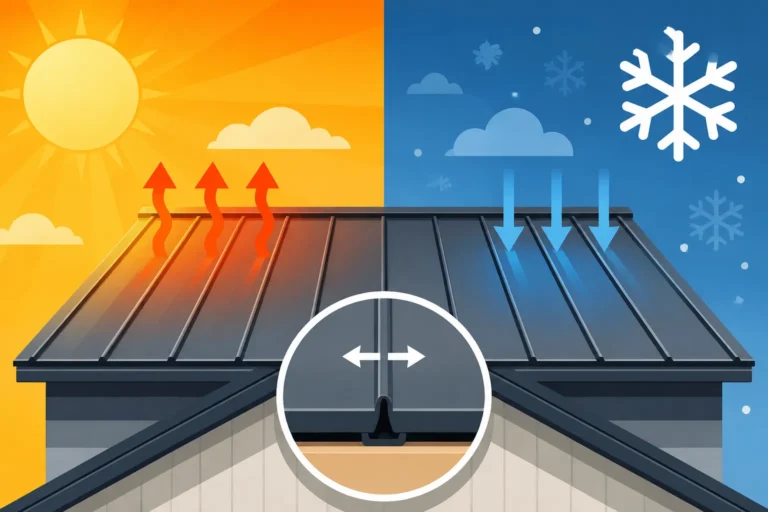
- Longevity and Lifespan: While all metal roofs boast an impressive lifespan, a thicker gauge generally contributes to a longer, more trouble-free life. It can better withstand the constant expansion and contraction cycles due to temperature changes, reducing stress on fasteners and seams. This means fewer potential issues and a greater likelihood that your roof will truly reach its impressive 40-70 year potential. Understanding the metal roof lifespan in relation to gauge is a key consideration.
- Cost: Unsurprisingly, thicker metal costs more. It requires more raw material and can sometimes be a bit more challenging to install, leading to slightly higher material and labor costs. However, this upfront investment often pays off in reduced maintenance, increased durability, and peace of mind over the roof's extensive life. When considering the metal roof cost, gauge is one of the primary cost drivers.
Factors Influencing Your Metal Roof's Ideal Gauge
Choosing the right gauge isn't a one-size-fits-all decision. Your ideal metal roof thickness will depend on a blend of environmental factors, the type of metal and profile you prefer, and your personal priorities regarding budget and longevity.
Climate and Weather Considerations
The local climate and typical weather patterns in your area should heavily influence your gauge selection.
- Hail Prone Areas: If you live in a region that frequently experiences hailstorms, like many parts of Texas, Oklahoma, or Colorado, investing in a thicker gauge is a very wise decision. A 24-gauge steel roof will offer significantly more resistance to denting from hail compared to a 26 or 29-gauge panel. While no roof is entirely impervious to extreme hail, the thicker material provides a much better defense against cosmetic and structural damage. This can directly translate to fewer insurance claims and less frustration after a storm.
- High Wind Zones: Coastal regions or areas prone to high winds and hurricanes (think Florida or the Gulf Coast) benefit from the increased rigidity of thicker metal. While the fasteners and installation method are paramount for wind uplift resistance, a more robust panel can better withstand the flexing and buffeting effects of strong gusts. A thicker gauge often implies a higher quality panel that maintains its integrity under stress, contributing to the overall wind resistance of the roofing system.
- Heavy Snowfall: In areas with significant snowfall, such as the Northeast or mountainous regions, thicker gauge metal can handle the weight better, especially on lower-slope roofs where snow tends to accumulate. The added rigidity helps prevent deformation under heavy loads and offers more stability. It’s also less prone to damage from sliding snow and ice, especially if you plan to install snow guards.
- Foot Traffic and Maintenance: Do you or service professionals frequently need to walk on your roof for maintenance, chimney sweeps, or solar panel cleaning? A thicker gauge is much more forgiving and less likely to dent or deform under foot traffic. This is a practical consideration for the long-term care of your roof.
Material Type and Profile
The type of metal and the specific roof profile you choose also play a role in determining the appropriate gauge.
- Steel vs. Aluminum vs. Copper:
- Steel: Typically the most common material for residential metal roofs, available in a wide range of gauges. Steel is robust, strong, and performs well in 24 or 26 gauge.
- Aluminum: Lighter and naturally rust-resistant, aluminum is often used in slightly thicker gauges (e.g., .032 or .040 inch, which roughly correlates to 24 or 22 gauge steel thickness equivalents) to achieve similar rigidity to steel. This is because aluminum is a softer metal. If you’re interested in specific material comparisons, check out Metal Roofing Materials Compared: Steel, Aluminum, Copper & Zinc.
- Copper/Zinc: These premium metals are typically used in much thicker gauges (e.g., 16-20 ounce for copper, or 0.7mm-1.0mm for zinc) and measured by weight or actual thickness, not gauge, due to their unique properties and aesthetic appeal. They are extremely durable but also significantly more expensive.
- Standing Seam vs. Corrugated vs. Shingles:
- Standing Seam: These panels, with their hidden fasteners and broad, flat pans, benefit greatly from a thicker gauge like 24-gauge. The added rigidity helps maintain their clean lines and prevents oil canning, which can be more noticeable on large flat surfaces. For a comprehensive look, see Metal Roof Cost by Profile: Standing Seam vs Corrugated vs Stone-Coated.
- Corrugated or Exposed Fastener Panels: While 26-gauge is very common and performs well for these profiles, 29-gauge is also frequently used, especially for more utilitarian applications or where budget is tight. The corrugations themselves add some structural rigidity, so thinner metal can sometimes suffice more effectively than a flat panel.
- Metal Shingles/Tiles: These systems often use thinner gauges (e.g., 26 or 28 gauge) because the smaller, overlapping panels and the underlying solid deck provide ample support and rigidity. The multiple layers also offer excellent impact resistance.
Budget and Longevity Expectations
Your financial comfort level and how long you intend to stay in your home are also key considerations.
- Budget-Conscious Homeowners: If your primary concern is the upfront cost, a 26-gauge or even 29-gauge metal roof might be more attractive. However, it's crucial to understand the potential trade-offs in terms of durability and long-term maintenance. Sometimes, a slightly higher initial investment in a thicker gauge can lead to greater savings over the roof's lifespan by reducing repair needs.
- Long-Term Investment: For homeowners looking for a "forever roof" that will outlast them in the home, a 24-gauge metal roof is often the preferred choice. The enhanced durability and resistance to wear and tear contribute to a truly exceptional lifespan, making it a sound investment that will pay dividends for decades. This decision often aligns with those considering a metal roof cost vs lifespan value analysis.
- Resale Value: A high-quality, thicker gauge metal roof can be a significant selling point for your home. It signals to potential buyers that the home has a durable, low-maintenance roof that will provide decades of protection without needing replacement. This can contribute positively to your home's Does a Metal Roof Increase Home Value?.
Making the Right Choice for Your Home
With all this information, how do you actually decide which thickness is right for your residential metal roof? It boils down to a thoughtful balance of durability, cost, and expert advice.
Balancing Durability and Cost
This is where the rubber meets the road. Every homeowner wants a durable roof, but everyone also has a budget.
- When to Splurge on Thicker Gauge (24-Gauge):
- Extreme Weather Zones: If you live in an area with frequent hail, strong winds, or heavy snow, the added protection of 24-gauge steel is often worth the extra cost. It's an investment in peace of mind and reduces the likelihood of costly repairs.
- High-End Homes: For custom homes or properties where aesthetics and long-term value are paramount, 24-gauge offers the best appearance (less oil canning) and superior longevity.
- Long-Term Residence: If this is your "forever home," or at least a home you plan to live in for 20+ years, the benefits of a 24-gauge roof will accrue over a longer period, making the initial investment more justifiable.
- Standing Seam Roofs: To truly maximize the benefits and aesthetics of a standing seam system, 24-gauge is often the ideal choice for its rigidity and flat panel appearance.
- When a Mid-Range Gauge (26-Gauge) is Perfect:
- Typical Residential Applications: For most homeowners in areas with moderate weather conditions, 26-gauge provides an excellent balance of durability, performance, and cost. It’s a workhorse that delivers on the promise of a metal roof without breaking the bank.
- Budget-Conscious but Quality-Minded: If you want a metal roof but need to be mindful of expenses, 26-gauge is a strong contender that doesn't compromise too much on quality.
- Corrugated or Ribbed Panel Roofs: The inherent strength of these profiles often makes 26-gauge perfectly adequate for excellent performance and longevity.
- When a Thinner Gauge (29-Gauge) Might Be Considered:
- Accessory Buildings: For sheds, detached garages, or pole barns, 29-gauge can be a very cost-effective and appropriate solution.
- Mild Climates & Strict Budgets: In regions with exceptionally mild weather and minimal risk of impact, and when the budget is the absolute driving factor, 29-gauge can be used on a main residence, but with clear understanding of its limitations. It's often seen as a minimal standard for residential.
Consulting with a Professional
Honestly, this is one of the most critical steps. While this guide gives you a solid foundation, nothing beats the personalized advice of an experienced metal roofing contractor. They understand local building codes, common weather patterns in your specific neighborhood, and the nuances of different materials and installation techniques.
- Local Expertise: A good contractor in your area will know exactly what gauges perform best under your specific local conditions. They can tell you if 24-gauge is truly overkill for your climate or a necessity.
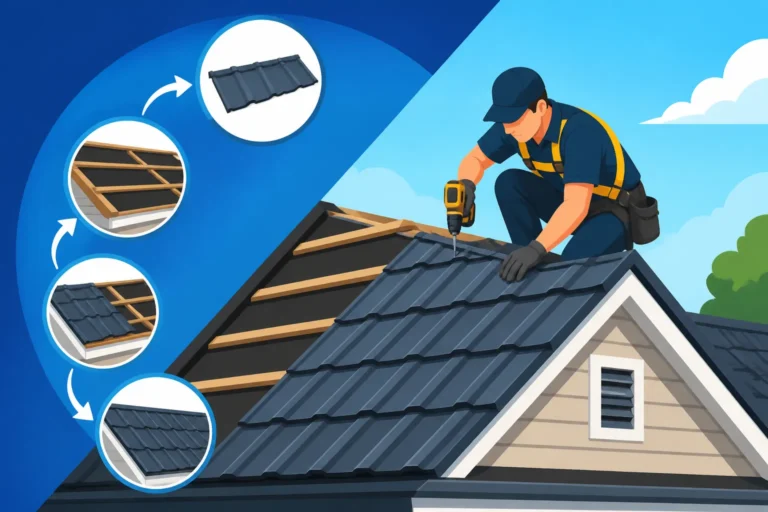
- Installation Matters: The quality of the installation can be just as important as the gauge of the metal. A thicker panel installed poorly will still underperform. An expert will ensure proper fastening, flashing, and sealing. Remember, a Metal Roof Installation Process: Step by Step is complex and requires skill.
- Multiple Quotes: Don't just get one opinion. Reach out to several reputable metal roofing contractors. Services like Modernize can help connect you with qualified local professionals who specialize in metal roofing, allowing you to compare quotes and recommendations effectively. They can assess your roof's pitch, complexity, and specific needs, offering tailored advice on the optimal gauge. Ask them about the pros and cons of different gauges for your home.
- Ask for Samples: If possible, ask your contractor for samples of 24, 26, and 29-gauge panels. Holding them in your hand can give you a much better feel for the difference in rigidity and weight than simply looking at numbers. You'll likely be surprised by how substantial the difference feels.
The Role of Warranties and Certifications
When discussing gauge, don't forget to inquire about warranties. Both the manufacturer's warranty on the materials and the contractor's warranty on the workmanship are incredibly important.
- Manufacturer Warranties: Different manufacturers might offer varying warranties based on the gauge and type of metal. A thicker gauge often comes with a more comprehensive or longer warranty against certain defects, or better coverage for things like hail. Make sure you understand the terms, especially concerning cosmetic damage. Read up on Metal Roof Warranties: Workmanship vs Manufacturer to fully grasp this.
- Installer Certifications: Some manufacturers offer specific certifications for installers who have undergone training on their products. A certified installer is often a good sign of quality workmanship, which is essential regardless of the gauge you choose. When you're looking to How to Hire a Metal Roofing Contractor, always ask about their certifications.
Real-World Scenarios and Practical Advice
Let’s look at a few common homeowner scenarios to help illustrate how these factors come together in a practical decision.
Example 1: High Wind/Hail Prone Areas
Imagine you live in Central Florida, where hurricanes and tropical storms are a regular concern, or in North Texas, known for its severe hailstorms.
- The Dilemma: You want a metal roof for its durability and storm resistance, but you're torn between 24-gauge and 26-gauge due to the cost difference.
- Practical Advice: In these high-risk areas, a 24-gauge metal roof is often the superior choice. The added rigidity of the thicker metal provides better resistance against wind uplift and significant protection against hail damage. While 26-gauge is good, the extra investment in 24-gauge can mean the difference between minor dents and substantial repairs after a severe weather event. Insurance companies may even offer better premiums for more robust roofing in these zones. Local contractors, perhaps found through services like Modernize, will almost certainly steer you towards the thicker option, citing their experience with local weather damage.
- Considerations: Don't forget that fasteners and installation techniques are equally critical for wind resistance. A 24-gauge roof improperly installed will fail just as easily as a thinner one. Always ensure your contractor uses hurricane clips or appropriate high-wind fasteners and follows strict installation protocols.
Example 2: Budget-Conscious Homeowners
Let's say you're a homeowner in a mild climate, like parts of coastal California or the Pacific Northwest, where severe hail is rare, and your main priority is getting a long-lasting roof without overspending.
- The Dilemma: You love the idea of a metal roof but are feeling the pinch on your budget, and you're wondering if 29-gauge or 26-gauge would be sufficient.
- Practical Advice: For many homes in mild climates, a well-installed 26-gauge metal roof is an excellent and cost-effective solution. It provides ample durability for daily wear and tear, performs well in moderate winds, and offers a good level of impact resistance for typical conditions. The difference in dent resistance between 26-gauge and 24-gauge might not be as critical in an area where hail is infrequent and less severe. While 29-gauge is cheaper, for a primary residence, the incremental cost to step up to 26-gauge is often a worthwhile investment for the added peace of mind and robustness it provides.
- Considerations: If you opt for 29-gauge to save money, be realistic about its limitations. It will be more prone to cosmetic dents. Ensure your contractor provides a solid warranty for both materials and labor. Double-check that your chosen material (e.g., steel with a good Galvalume coating) is suitable for your specific climate, even if mild. For specific information on one common choice, you could read Is 26 Gauge Good for a Residential Metal Roof?.
Example 3: Aesthetics and Longevity as Priorities
You own a beautiful, historic home in Virginia and plan to live there for decades. You want a metal roof that looks impeccable, lasts a lifetime, and requires minimal maintenance.
- The Dilemma: You're focused on the best possible appearance and maximum longevity, and you're considering a standing seam system. Which gauge truly delivers on those promises?
- Practical Advice: For homeowners prioritizing aesthetics and ultimate longevity, 24-gauge is almost always the go-to choice, especially for standing seam profiles. Its increased thickness provides superior rigidity, minimizing the chance of oil canning and ensuring your roof maintains a smooth, crisp appearance for decades. This gauge is also less likely to show minor imperfections or dents from incidental impacts over time, contributing to a consistently high-end look. The enhanced durability also aligns perfectly with a desire for minimal long-term maintenance.
- Considerations: With aesthetics and longevity being paramount, ensure you select a high-quality paint finish (like PVDF/Kynar 500) to match the durability of the 24-gauge metal. This combination will give you a truly exceptional and lasting roof. Consult with a specialist in How to Find a Standing Seam Roof Specialist as they will be well-versed in optimal gauge selection for these systems.
| Gauge (Steel) | Approximate Thickness (inches) | Typical Residential Use | Key Advantages | Key Disadvantages |
|---|---|---|---|---|
| 24 Gauge | 0.0239 | Premium residential | Highest durability, dent resistance, rigidity; best for standing seam profiles | Higher cost |
| 26 Gauge | 0.0179 | Standard residential | Excellent balance of durability and cost; versatile for various profiles | More prone to denting than 24-gauge |
| 29 Gauge | 0.0149 | Budget residential, utility buildings | Most affordable upfront | Lowest dent resistance, rigidity; more susceptible to damage |
Note: These thicknesses are nominal and can vary slightly by manufacturer.
Ultimately, the best thickness for your residential metal roof isn't about finding the absolute thickest or cheapest option. It's about finding the right balance for your specific home, your local environment, and your long-term goals. Don't hesitate to ask detailed questions to your roofing professional; they are there to guide you through this important decision.
Disclaimer
The information provided in this article is for general informational purposes only and does not constitute professional advice. Roofing projects should always be undertaken by qualified and licensed professionals. Consult with a local metal roofing contractor for specific recommendations tailored to your property and local building codes.