Can You Install Metal Roofing in the Rain?
Few things are more frustrating than gearing up for a big home improvement project, only to have Mother Nature throw a wrench in your plans. You've got your new metal roof panels ready, the crew is scheduled, and then you wake up to the pitter-patter of rain. It's a common dilemma: can your metal roof installation proceed, or is it better to pump the brakes? This guide dives deep into the realities of installing metal roofing in the rain, focusing on safety, quality, and what homeowners truly need to know.
The Short Answer: Generally, No, and Here's Why
Let's cut right to the chase: installing a metal roof in the rain is almost always a bad idea, and reputable contractors will avoid it like the plague. It's not about being overly cautious; it's about protecting the investment you're making in your home and ensuring the safety of the crew. While you might be eager to get your new roof on, pushing forward in wet conditions creates a host of potential problems that far outweigh any perceived time savings. It's a critical factor to understand when you're considering the overall Metal Roof Installation Process: Step by Step.
Safety First: A Slippery Slope
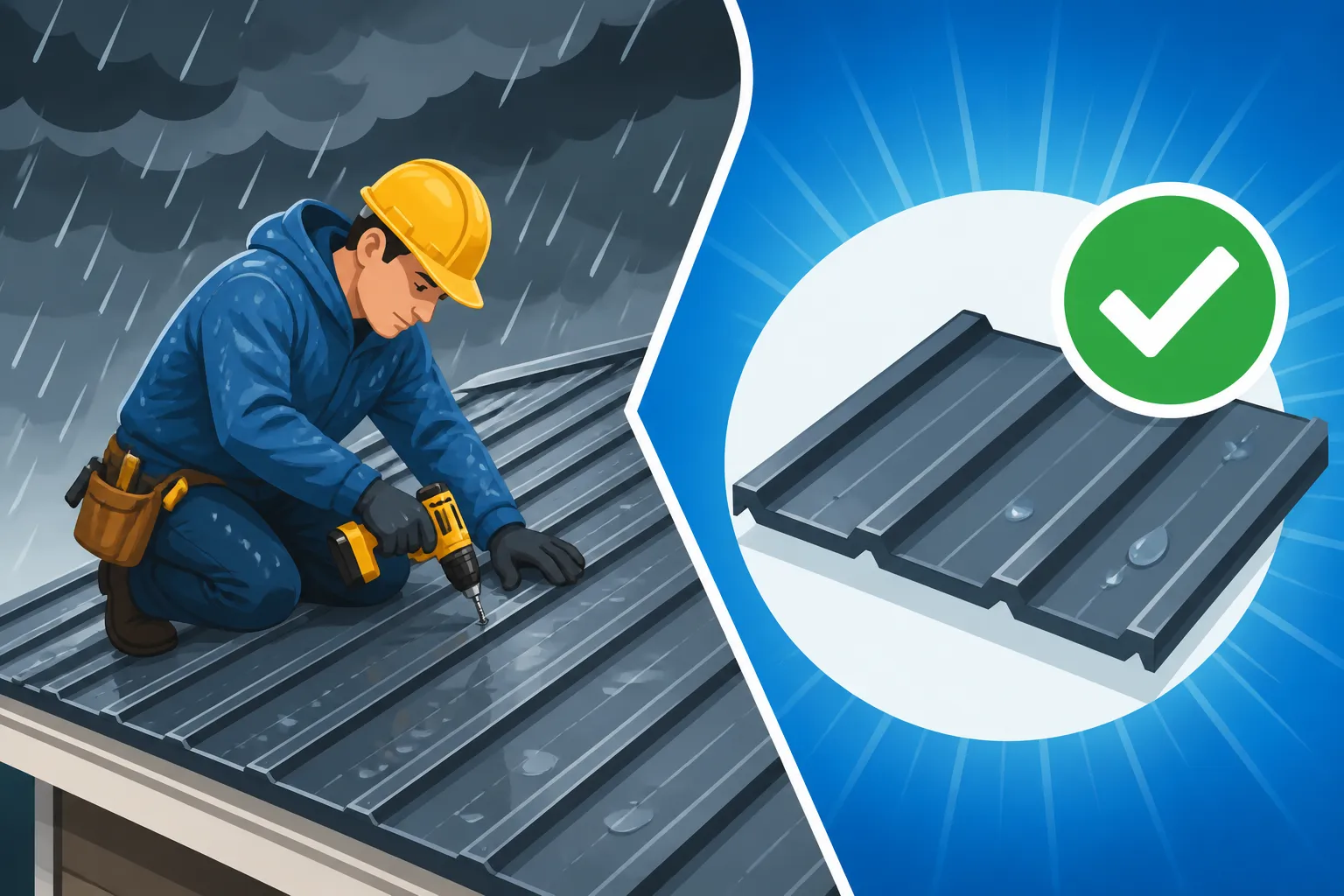
Imagine walking on a slick metal surface, often with a significant pitch, while carrying heavy panels and wielding power tools. It's a recipe for disaster. Rain dramatically increases the risk of slips, falls, and serious injuries for the roofing crew.
- Hazardous Footing: Metal panels, even those with slight texture, become incredibly slippery when wet. Add in any debris, discarded fasteners, or even stray leaves, and the roof deck transforms into an accident waiting to happen. Professional roofers are trained in safety, but even the most experienced crew can be caught off guard by unexpected loss of traction. This isn't just about minor slips; a fall from a roof can be catastrophic, leading to severe injuries or worse.
- Electrical Risks with Tools: Many metal roofing installations require the use of electric saws, drills, and other power tools. Water and electricity are an incredibly dangerous combination. While tools are often rated for outdoor use, working in active rain significantly amplifies the risk of electrocution or equipment malfunction, endangering the workers and potentially damaging expensive tools. No contractor worth their salt would put their team at that level of risk.
- Reduced Visibility: Heavy rain can significantly impair visibility, making it harder for workers to see critical details, identify hazards, and communicate effectively. This reduced visibility increases the chances of missteps, incorrect cuts, or improperly placed panels, all of which can lead to quality issues down the line.
Quality Control: Compromised Seals and Fasteners
The integrity of a metal roof hinges on precise installation and watertight seals. Rain directly compromises both of these factors, setting the stage for leaks and premature failure.
- Moisture Trapped Underneath: If you install metal panels over a wet roof deck or saturated underlayment, you're essentially sealing in moisture. This trapped water has nowhere to go and can lead to significant problems over time, including mold and mildew growth in your attic or sheathing, and even rot in the underlying wood structure. It defeats the purpose of installing a durable, long-lasting metal roof.
- Adhesion Issues with Sealants: Sealants, butyl tape, and flashing materials rely on clean, dry surfaces for proper adhesion. When applied to wet, damp, or even just humid surfaces, their ability to bond correctly is severely diminished. This means critical areas like seams, flashing around chimneys, and vents might not be adequately sealed, creating pathways for water intrusion. The last thing you want is a brand new roof that leaks because the sealant couldn't properly cure.
- Fastener and Gasket Performance: Many metal roofing systems, especially exposed fastener panels, rely on screws with neoprene washers to create a watertight seal. If these fasteners are driven into wet materials or installed during rain, the washer might not compress correctly, or water can get forced into the screw hole during installation, potentially leading to immediate or future leaks. Even with hidden fastener systems like standing seam, water can find its way into channels or beneath clips if the process is rushed. Understanding Metal Roof Fasteners and Washers Explained is key to preventing these issues.
Material Integrity: Rust and Damage Before Installation
Metal roofing materials are incredibly resilient, but they're not invincible, especially before they're fully installed and sealed. Exposure to rain during the installation process can lead to issues that compromise their lifespan and aesthetic appeal.
- Pre-Installation Rust and Corrosion: While most modern metal roofing panels are treated with protective coatings like Galvalume or galvanized steel, prolonged exposure to moisture and standing water before installation or while they are still in bundles can lead to localized corrosion or "white rust" on cut edges or scratched areas. Once a panel is cut, the exposed steel core becomes vulnerable. If panels are sitting on the ground or even on the roof deck in the rain, water can pool, accelerating this process.
- Damage to Underlayment: The underlayment beneath your metal roof is your primary water barrier during installation and a secondary one throughout the roof's life. If the roof deck is exposed to heavy rain after the old roof is torn off but before new underlayment is installed, the decking can get wet. Even if underlayment is installed, it too can get saturated or damaged if exposed to prolonged downpours without the metal panels quickly covering it. A compromised Metal Roof Underlayment and Ventilation Guide can undermine the entire system.
- "Oil Canning" Concerns: While not directly caused by rain, the aesthetic issue of oil canning (minor buckling or waviness in flat metal panels) can be exacerbated by improper handling and installation in adverse conditions. When panels are wet, they might be harder to manipulate smoothly, increasing the chance of accidental bending or creasing that can contribute to oil canning.
When is Light Rain Potentially Acceptable?
Alright, so heavy rain is a definite no-go. But what about a gentle drizzle, or an unexpected light shower that pops up mid-day? This is where the nuance comes in, and it's crucial to understand that "acceptable" means extremely limited circumstances, with a highly experienced crew taking extraordinary precautions.
Intermittent Drizzle and Pre-Planned Preparedness
In some rare scenarios, a very light, intermittent drizzle might not completely halt operations, but it requires a strategic approach and is usually reserved for specific stages of the installation. This is a judgment call that only a seasoned professional can make, weighing the immediate conditions against the potential risks.
- Very Light and Brief Showers: If the forecast calls for a fleeting, barely-there drizzle, a contractor might choose to continue work only if the panels are being installed over a fully dry, properly installed underlayment, and the rain is so light it doesn't create significant puddling or make surfaces dangerously slick. This is a rare occurrence and often involves a temporary pause to ensure safety. The crew should be equipped with appropriate rain gear to maintain comfort and focus.
- Focus on Specific, Non-Sensitive Tasks: Some stages of a metal roof installation are less susceptible to water damage than others. For example, some contractors might continue to stage materials on the ground, or measure and cut panels off the roof if the rain is very light and intermittent, away from sensitive areas. However, actual fastening of panels, applying sealants, or working on critical flashing details should be avoided if surfaces are wet.
- Immediate Cover-Up Strategy: A highly prepared crew might have a plan for quickly covering exposed areas or partially installed sections if unexpected light rain begins. This could involve tarps or having panels ready to secure rapidly to prevent water ingress. This is a testament to meticulous project management and is not a justification for starting work in predicted rain. If you're using a service like Modernize to find contractors, ensure they detail their weather contingency plans.
The Role of Underlayment and Roofing Materials
Certain aspects of the roofing system might have different tolerances for moisture, but this doesn't mean you should proceed carelessly. The type of underlayment and the specific metal roofing material can influence, but not negate, the impact of rain.
- Synthetic Underlayment Advantages: Modern synthetic underlayments are far more water-resistant than traditional felt paper. They can withstand some exposure to rain during the installation process without becoming saturated or tearing. If your roof deck is already covered with a high-quality synthetic underlayment that is properly sealed, a very light drizzle might have less direct impact on the sub-decking. However, even synthetic underlayment can become slippery, and its surface still needs to be dry for the metal panels to be installed and sealed correctly. This is part of what makes Metal Roof Underlayment: Synthetic vs Felt such an important consideration.
- Consideration for Fully Coated Materials: Some metal roofing materials, particularly those with durable finishes like Kynar 500 or Hylar 5000 (PVDF coatings), offer excellent resistance to water. If the panels themselves get wet, they won't immediately rust. However, this doesn't solve the adhesion issues for sealants or the safety concerns for the crew. The panel's resistance to water doesn't translate to a safe or effective installation environment.
- The "Closed Roof" Exception: Once the metal roof is fully installed, sealed, and watertight, rain is exactly what it's designed to handle! This section is purely about the installation phase. If work is essentially complete and the roof is "closed" before a light rain starts, then the roof is doing its job. But any exposed areas, unfinished seams, or unfastened panels remain vulnerable.
The Risks of Rushing Installation in Inclement Weather
When you're eager to get a new metal roof, it's tempting to push ahead, even if the weather isn't perfect. Maybe you've got a deadline, or you're just tired of looking at your old, worn-out roof. But rushing the installation of a metal roof in less-than-ideal weather can lead to a cascade of costly problems that far outweigh any perceived benefit of saving a day or two. This is particularly true given the significant upfront investment in metal roofing.
Compromised Warranties and Future Problems
One of the major benefits of a metal roof is its long lifespan and robust warranties. Rushing the job in the rain can jeopardize both.
- Voiding Manufacturer Warranties: Metal roofing manufacturers specify strict installation guidelines. These often include provisions about working in dry conditions and using approved techniques. If a contractor deviates from these guidelines by installing in the rain, and problems arise later (like leaks or premature corrosion), the manufacturer might deny your warranty claim. This leaves you, the homeowner, on the hook for expensive repairs that should have been covered. It's a risk most homeowners aren't even aware they're taking. This is why it's crucial to understand Metal Roof Warranties: Workmanship vs Manufacturer and ensure your contractor adheres to them.
- Workmanship Warranty Issues: Even if a manufacturer's warranty isn't directly voided, a contractor might try to evade responsibility for issues stemming from poor workmanship in rainy conditions. A reputable contractor stands by their work, but a less scrupulous one might point to the weather as an "act of God" rather than admitting to a rushed, improper installation. This is a huge red flag when choosing a roofer.
- Leaks, Mold, and Structural Damage: As discussed, installing over wet surfaces or with compromised seals inevitably leads to water intrusion. This might not manifest immediately, but over time, repeated leaks can cause significant damage to your attic insulation, ceiling drywall, and even the structural components of your home. Mold and mildew are also serious concerns, leading to health issues and further property damage. Addressing a Metal Roof Leak Repair Guide later is far more expensive than waiting out a rain delay.
Financial Headaches: Costly Redos and Repairs
The short-term gain of a speedy installation in the rain can quickly turn into a long-term financial drain. You might save a few days initially, but you could end up paying for it for years to come.
- Expensive Callbacks and Repairs: If the roof leaks or shows other signs of failure due to rain-related installation issues, you'll need to call the contractor back. If they don't honor their workmanship, you might have to pay for the repairs yourself or hire another contractor to fix the original errors. This often involves removing and re-installing panels, replacing damaged underlayment, and extensive interior repairs, all of which add up quickly. These "hidden costs" are often overlooked when homeowners consider a metal roof.
- Diminished Lifespan and Resale Value: A properly installed metal roof can last 50-70 years. If the installation is rushed in the rain, its lifespan could be significantly shortened due to premature wear, corrosion, or persistent leaks. This not only means you'll need to replace the roof sooner than anticipated, but it could also negatively impact your home's resale value if prospective buyers discover underlying issues or a compromised roof system.
- Increased Insurance Premiums: Repeated water damage claims due to a faulty roof can lead to higher homeowners insurance premiums. Furthermore, some insurance policies might have clauses related to roof installation practices. If an insurer deems the damage to be a direct result of improper installation, they might deny coverage, leaving you solely responsible. It's always smart to understand your Metal Roof Insurance Savings & Discounts but also your responsibilities.
Contractor Liability and Your Homeowner's Insurance
Understanding who is responsible if things go wrong is paramount, especially when weather plays a role.
- Contractor's Responsibility: A reputable contractor will have liability insurance that covers damages to your property and worker's compensation insurance for their crew. If they choose to work in unsafe, rainy conditions and property damage or injury occurs, their insurance should ideally cover it. However, if they were working against your explicit wishes or ignoring safety protocols, it can complicate claims. This is why selecting a properly licensed, bonded, and insured contractor is vital. Services like Modernize can connect you with contractors who meet these criteria.
- Homeowner's Insurance Implications: While your homeowner's insurance typically covers sudden and accidental damage, it usually won't cover damage caused by poor workmanship or a contractor's negligence. If you knowingly allowed or pushed for work in unsafe conditions, your insurer might also dispute claims. Always ensure you have a clear understanding of your policy and the responsibilities of both parties.
- Disputes and Legal Battles: When things go south, disagreements over responsibility can lead to stressful and expensive legal battles. A clear contract, open communication, and adherence to best practices for installation, including weather delays, can help prevent these disputes. If you're hiring a metal roofing contractor, ensure you ask Questions to Ask a Metal Roofing Contractor Before You Hire to avoid these scenarios.
What to Do When Rain Threatens Your Metal Roof Project
So, you've decided against pushing through the rain (smart choice!). Now what? Dealing with weather delays is a normal part of any exterior construction project, and especially roofing. The key is communication, planning, and ensuring your contractor handles these situations professionally.
Proactive Planning with Your Contractor
The best defense against frustrating rain delays is a good offense: clear, proactive planning with your roofing company.
- Discuss Weather Contingencies Upfront: Before signing any contract, make sure to discuss how your contractor handles rain or other inclement weather. A good contractor will have a clear policy for delays, rescheduling, and protecting your property during pauses. Ask about their communication plan: how will they notify you of delays? What's their process for restarting work? This should be a standard part of How to Read and Compare Metal Roof Quotes.
- Review the Forecast Together: Reputable contractors constantly monitor weather forecasts. Before your project begins, sit down with your contractor to look at the extended forecast. While forecasts can change, it helps set expectations. If a rainy week is predicted, it might be better to delay the start than to begin and immediately face prolonged interruptions.
- Establish a Communication Protocol: Ensure you know who to contact at the roofing company regarding weather updates. Is it the project manager, the sales representative, or someone else? Get their direct contact information and agree on preferred communication methods (e.g., text, email, phone call). Using platforms like Modernize to find contractors can often streamline this initial communication process.
Temporary Measures and Site Protection
When rain forces a halt, protecting your home and the materials is the contractor's responsibility.
- Securing the Roof Deck: If the old roof has been torn off and the decking is exposed, the contractor should install a temporary, waterproof barrier (like tarps or specialized peel-and-stick membrane) to protect your home from water intrusion. This is a critical step, especially if a significant amount of the old roof is removed. They need to ensure any exposed sheathing is thoroughly covered and sealed against the elements.
- Protecting Materials: Metal panels, underlayment, flashing, and fasteners should be stored in a dry, secure location when not being actively installed. This might mean covering them securely on site or moving them off-site if conditions are particularly severe. They should not be left exposed to the elements, where they could rust, warp, or blow away. This is especially true for delicate materials or those with specific coatings.
- Clearing the Worksite: A professional crew will also take care to clear the immediate work area of tools, debris, and any safety hazards before leaving due to rain. This not only protects their equipment but also prevents potential injuries to anyone accessing your property.
The Importance of a Detailed Contract
Your roofing contract isn't just about the cost; it's a critical document that outlines expectations and responsibilities, especially concerning delays.
- Weather Delay Clauses: A comprehensive contract should include a clause explicitly addressing weather delays. This clause should detail how delays impact the project timeline, communication protocols, and any provisions for site protection during pauses. It protects both you and the contractor.
- Payment Schedules and Milestones: Ensure your payment schedule is tied to specific project milestones, not just calendar dates. This protects you if the project is delayed by weather. For instance, payment for "roof completion" shouldn't be due if the roof is only halfway done due to rain. Understand the Normal Deposit and Payment Schedule for a Roof before you commit.
- Change Orders: If extreme weather causes unforeseen complications (e.g., damage to exposed decking that needs repair), the contract should outline the process for change orders, including how additional costs will be approved and documented. A transparent change order process is a sign of a trustworthy contractor. Make sure you fully understand What a Metal Roof Contract Should Include.
Here's a quick overview of how different weather conditions impact metal roof installation:
| Weather Condition | Impact on Installation | Risk Level | Best Practice |
|---|---|---|---|
| Heavy Rain/Downpour | Extremely dangerous, compromises seals, material damage. | High | Stop all work immediately. Cover exposed areas. |
| Moderate Rain | Unsafe, impacts quality, potential for leaks. | High | Postpone work. Reschedule for dry conditions. |
| Light Drizzle/Mist | Slippery surfaces, minor adhesion issues possible. | Medium | Proceed with extreme caution; often halted for quality. |
| Strong Winds | Dangerous, panels can become airborne, misalignments. | High | Halt work. Secure all loose materials. |
| Extreme Cold | Material brittleness, sealants don't cure well. | Medium | Specialized techniques required; often deferred. |
| Light Snow/Ice | Very dangerous, slippery surfaces, reduced visibility. | High | Stop all work immediately. Clear roof of snow/ice. |
| Clear & Dry | Ideal conditions for safe, high-quality installation. | Low | Proceed as planned. Optimal for efficiency. |
In conclusion, while it might be tempting to power through a light drizzle to keep your metal roof project on schedule, the risks far outweigh the benefits. Prioritizing safety and quality ensures your new metal roof will perform as intended for decades to come, providing the long-lasting protection and peace of mind you deserve. Always communicate openly with your contractor, like those you can find through Modernize, and don't hesitate to delay work if the weather isn't cooperating.
Disclaimer
Please remember that the information provided in this article is intended for general guidance and informational purposes only. It is not a substitute for professional advice from a qualified metal roofing contractor, engineer, or local building authority. Always consult with certified professionals for specific recommendations regarding your metal roofing project and local building codes. Building codes and regulations vary by location and can change, so it's essential to verify current requirements in your area.