Do Metal Roofs Dent From Hail?
One of the biggest worries I hear from homeowners considering a metal roof, especially if they live in an area prone to severe weather, is the age-old question: "Will my beautiful new metal roof dent if it hails?" It's a completely valid concern. You're investing a significant amount of money in a durable, long-lasting roofing solution, and the last thing you want is for it to look like a golf ball after the first serious storm. This guide is here to tackle that head-on, giving you a realistic understanding of how metal roofs stand up to hail and what you can expect.
Understanding Metal Roofs and Hail Impact
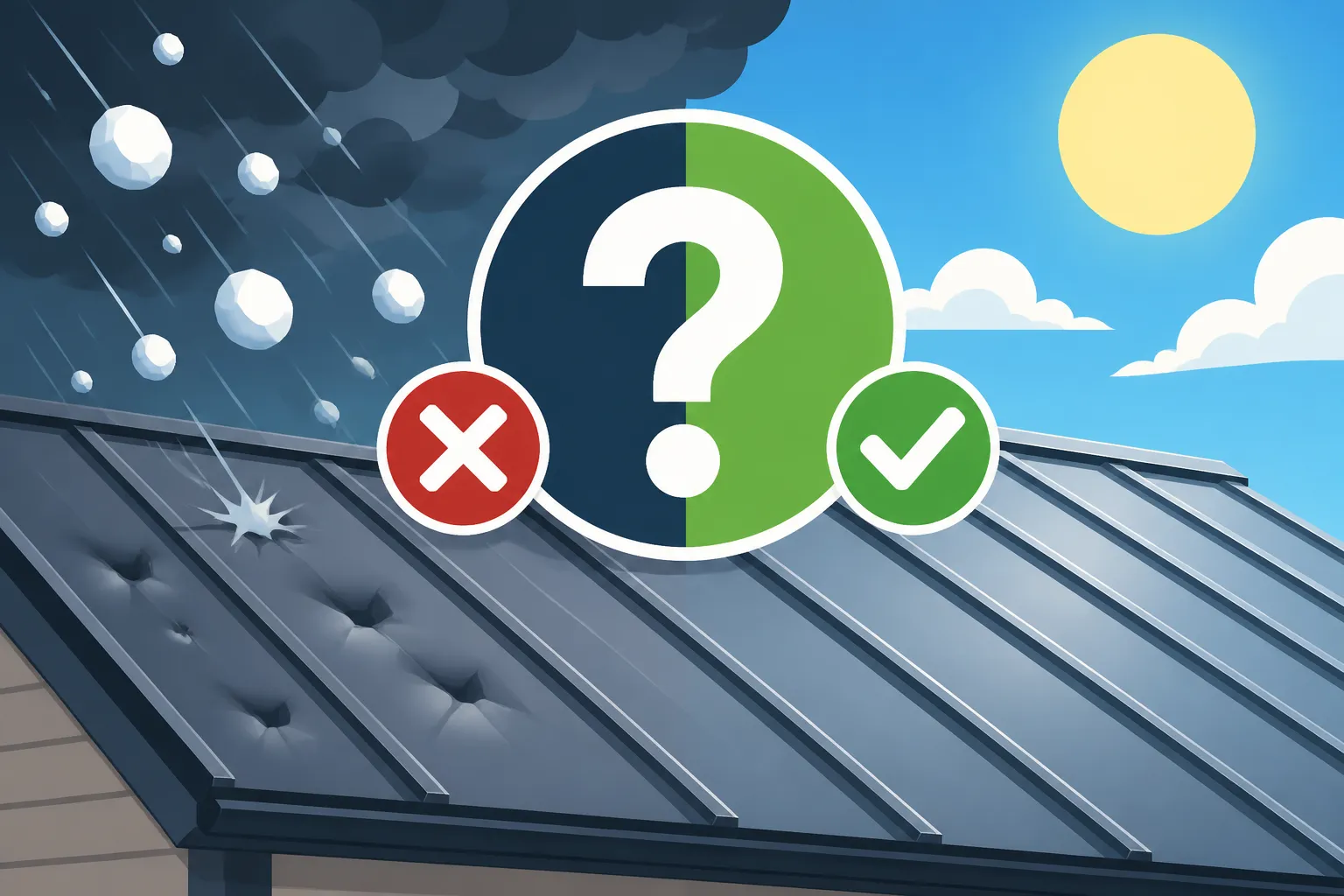
Let's not sugarcoat it: yes, metal roofs can dent from hail. However, it's far from a universal "yes" for every hailstone that drops. The resilience of a metal roof against hail damage is a complex interplay of several factors, from the size and density of the hailstones to the specific type and gauge of metal used, and even the way it was installed. It’s not just about the material itself, but how robustly it’s engineered and installed to withstand impact.
Imagine living in a place like Dallas, Texas, where thunderstorms can roll in quickly and drop significant hail. Homeowners there are acutely aware of roof durability. While an asphalt shingle roof might see granules stripped away and felt damaged, potentially compromising its waterproof integrity, a metal roof might sustain cosmetic dents without necessarily leading to immediate leaks. The key difference is often the type of damage and its functional impact. Granule loss on shingles reduces their UV protection and lifespan, while dents on a metal roof, especially a well-installed one, might be purely aesthetic unless severe enough to compromise the coating or panel integrity.
Factors Influencing Hail Damage on Metal Roofs
The extent of hail damage isn't a simple yes/no. It depends heavily on a range of variables, each playing a critical role in how your metal roof will perform under a hail assault. Understanding these can help you make an informed decision when choosing your roofing material and installer.
Hailstone Size and Velocity
This is often the most obvious factor. A pea-sized hailstone (around 1/4 inch) is unlikely to cause significant damage to most properly installed metal roofs. However, as hailstones grow to the size of quarters (1 inch), golf balls (1.75 inches), or even baseballs (2.75 inches), the potential for noticeable damage increases exponentially. The velocity at which these icy projectiles hit your roof, driven by powerful updrafts and winds, also magnifies their impact force. A large hailstone falling vertically might cause a dent, but one driven by high winds at an angle can hit with even greater destructive power. For those in regions frequently hit by severe storms, like Oklahoma City, understanding these dynamics is crucial.
Metal Type and Gauge
Not all metals are created equal when it comes to impact resistance. Different materials and their thicknesses offer varying levels of protection.
- Steel: Often found in the form of galvalume or galvanized steel panels, steel is generally robust. Its strength and stiffness make it a popular choice. The thickness, or gauge, is crucial here. A 24 vs 26 Gauge Metal Roof: Cost Difference article will show you that a lower gauge number means a thicker, more impact-resistant panel. For instance, 24-gauge steel is thicker and offers better dent resistance than 26-gauge or 29-gauge steel, which might be more prone to denting from moderate to large hail.
- Aluminum: Lighter and naturally resistant to rust, aluminum is softer than steel. This means it can be more susceptible to denting from hail, even smaller stones, especially in thinner gauges. However, its flexibility can also mean it might flex and rebound without cracking, whereas a stiffer material might dent more sharply. You can learn more in a Metal Roof Cost by Material: Steel vs Aluminum vs Copper vs Zinc guide.
- Copper and Zinc: These premium metals are generally softer and more pliable than steel, making them more prone to denting, particularly from larger hailstones. However, their unique aesthetic and longevity often outweigh this consideration for those who choose them. Their inherent patina process also helps to mask minor imperfections over time.
Here's a quick comparison of general hail resistance by common metal types and gauges:
| Metal Type | Common Gauges (Residential) | General Hail Resistance (1" – 2" Hail) | Notes |
|---|---|---|---|
| Steel (Galvalume/Galvanized) | 24-gauge, 26-gauge | Good to Excellent | Thicker gauges (e.g., 24) offer superior dent resistance. Very common and durable. |
| Aluminum | .032", .040" | Fair to Good | Lighter and softer; can dent more easily but is corrosion-resistant. |
| Copper | 16 oz, 20 oz | Fair | Very soft, prone to denting, but develops a beautiful patina that can mask minor imperfections. |
| Zinc | 18 gauge, 20 gauge | Fair | Similar to copper in softness and denting potential; self-healing properties can help with minor scratches. |
| Stone-Coated Steel | 26-gauge | Excellent | Steel core with a granular stone coating, providing exceptional impact resistance. Often Class 4 rated. |
Roof Profile
The shape and design of your metal roof panels also influence how they interact with hail.
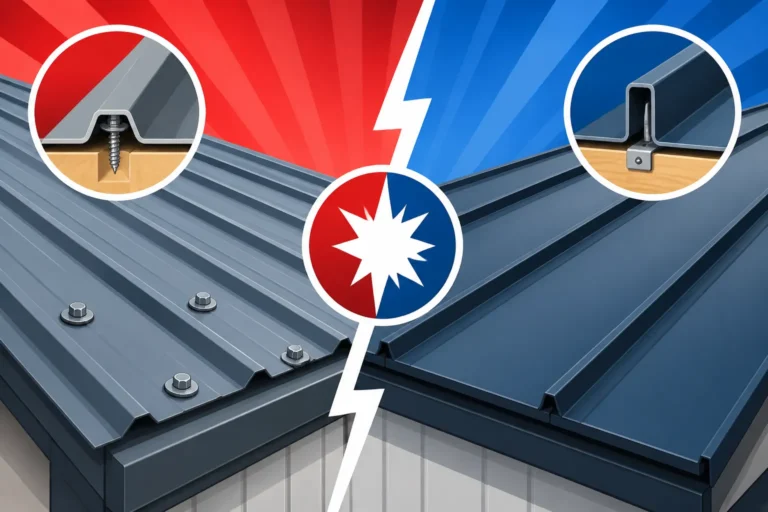
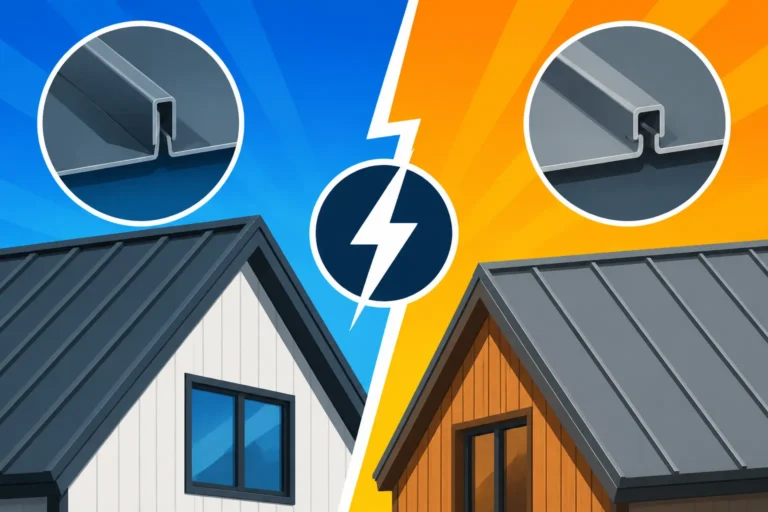
- Standing Seam: These panels have raised seams and flat panels. Hail hitting the flat part of a standing seam roof can cause visible dents. The rigidity of the panel and the underlying structure play a big role. However, the hidden fastener system means that even if the panel dents, the integrity of the fastener isn't compromised, making leaks less likely. More on this can be found in a guide like Standing Seam Metal Roof Cost.
- Corrugated and Ribbed Panels: These profiles have waves or ribs that provide structural rigidity. Hail hitting the flat valleys might cause dents, but the raised ribs themselves are more resistant. The textured surface can also sometimes make minor dents less noticeable than on a perfectly flat standing seam panel. Explore options in Metal Roof Cost by Profile: Standing Seam vs Corrugated vs Stone-Coated.
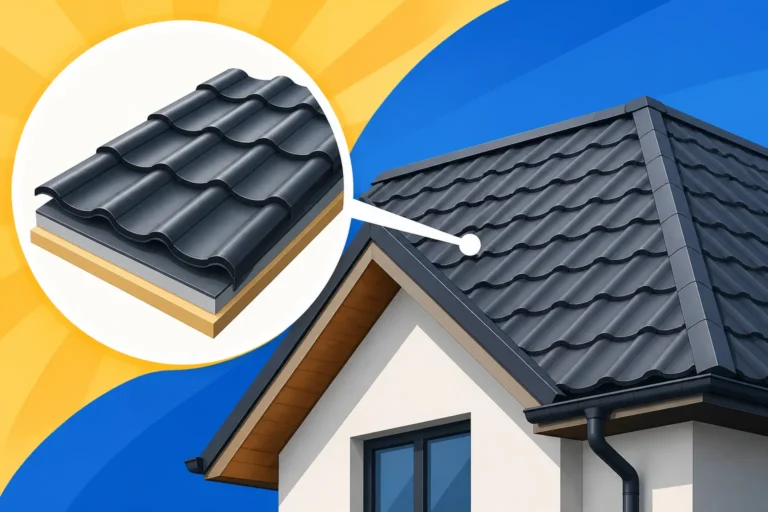
- Stone-Coated Steel: These roofs are typically made from steel panels coated with an acrylic film embedded with stone granules. The granular surface acts as a buffer, absorbing impact and making them highly resistant to denting. Many Stone-Coated Steel Roof Cost options often achieve a Class 4 impact resistance rating, the highest available, which can even lead to Metal Roof Insurance Savings & Discounts.
Underlayment and Decking
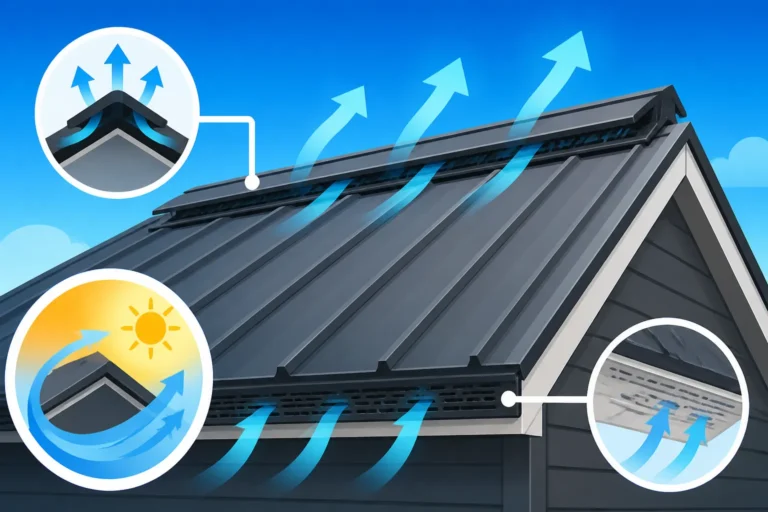
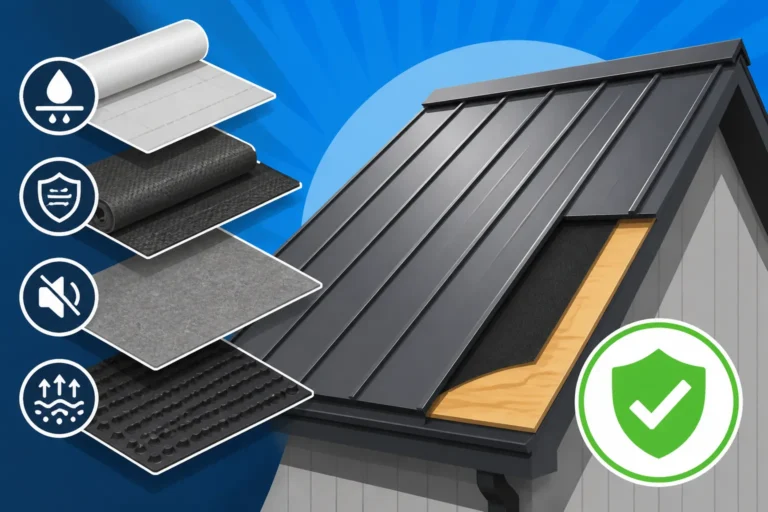
What lies beneath your metal roof matters a great deal. The substrate (the roof deck, often plywood or OSB) and the Metal Roof Underlayment and Ventilation Guide chosen can significantly affect how the metal panels react to impact. A solid, smooth roof deck provides consistent support, which can help distribute the force of an impact. If the decking is uneven or has gaps, it might exacerbate denting in those unsupported areas. High-quality synthetic underlayments can also offer a minor cushioning effect, though their primary role is moisture protection.
Coating and Finish
The paint finish on a metal roof, usually a Kynar 500 or SMP coating, is primarily for color retention and corrosion resistance. While it's incredibly durable, it's not designed to prevent denting. However, a high-quality coating will resist chipping or flaking even if the metal underneath dents, which is crucial for maintaining the roof's aesthetic and long-term protection. Some very minor scuffs might be camouflaged by certain textured finishes, but a true dent will still be apparent.
Identifying Hail Damage on a Metal Roof
After a significant hail event, it’s only natural to be worried about your roof. Knowing what to look for and understanding the difference between cosmetic and functional damage is key.
What to Look For
When inspecting your roof after a hailstorm (and only do so if it’s safe, otherwise hire a professional!), here are some signs:
- Dents and Divots: These are the most obvious indicators. They can range from subtle dimples, sometimes only visible at certain angles and times of day (like early morning or late afternoon when shadows are long), to deeper indentations. The size and depth of the dent will depend on the hailstone.
- Scratches or Paint Chips: While metal roof coatings are tough, extremely severe hail could potentially scratch or chip the paint finish, especially if the impact is sharp or the hailstone has rough edges. This is less common but can occur, particularly if the roof already had minor wear or imperfections.
- "Oil Canning" vs. Hail Dents: Sometimes, what looks like a dent might be "oil canning," which is a visual distortion (wavy appearance) common in flat metal panels, not necessarily damage. However, hail dents are distinct indentations. A professional inspector can differentiate these.
- Damage to Accessories: Don't forget to check gutters, downspouts, skylight flashings, and vents. If these softer metal components are dented, it's a strong indicator that your roof itself also took a hit.
For a thorough understanding of what to inspect, refer to a guide on Metal Roof Inspection: What to Check.
Cosmetic vs. Structural Damage
This distinction is vital, especially when dealing with insurance.
- Cosmetic Damage: Most hail dents on a metal roof fall into this category. The roof still performs its primary function of protecting your home, but its appearance is altered. For example, a few scattered dents on a standing seam panel that haven't broken the paint coating are cosmetic. While nobody wants a dented roof, if it's not leaking or compromising the integrity of the panel, it's considered cosmetic.
- Structural Damage: This is when the hail impact has compromised the integrity of the metal panel or its coating, potentially leading to leaks, accelerated corrosion, or a reduced lifespan. Examples include severe punctures, cracks in the metal, or widespread chipping of the protective coating that exposes the underlying metal to the elements. Such damage truly warrants repair or replacement.
It's a really frustrating situation when your roof is peppered with dents, but your insurance company classifies it as purely cosmetic, especially if you had to go through a major Metal Roof Storm, Hail & Wind Damage event. This is why many policies now include a Metal Roof Cosmetic Damage Insurance Exclusion — something you absolutely need to understand before a storm hits.
Mitigating Hail Damage and Insurance Considerations
While you can't control the weather, you can certainly make choices that boost your metal roof's resilience and prepare you for potential damage.
Choosing Impact-Resistant Materials
If you live in a hail-prone region, prioritizing impact resistance should be high on your list.
- Stone-Coated Steel: As mentioned, these roofs offer excellent hail resistance due to their granular surface and steel core. They frequently achieve a Class 4 impact resistance rating, which can sometimes qualify you for Class 4 Impact-Resistant Roof Insurance Discount.
- Thicker Gauge Steel: Opting for 24-gauge steel over thinner alternatives for standing seam or exposed fastener panels will provide a more rigid and dent-resistant surface.
- Consider Profile: While standing seam is sleek, deeply corrugated or ribbed panels might offer a bit more structural integrity against broad impacts in their raised sections.
When you're comparing options, don't be afraid to ask contractors for specific impact ratings or manufacturer specifications for the panels they recommend. Companies like Drexel Metals, McElroy Metal, and Englert offer robust standing seam systems, while brands like DECRA and Gerard are well-known for their stone-coated steel products.
Importance of Professional Installation
Even the toughest material can underperform if not installed correctly. Proper installation ensures that:
- Panels are securely fastened: Loose panels can rattle and sustain more damage during high winds and hail.
- Underlayment and decking are sound: A stable foundation helps the metal resist impact.
- Manufacturer specifications are followed: This is crucial for warranty validity and optimal performance.
Finding a reputable, experienced installer is paramount. Services like Modernize can help homeowners connect with qualified local professionals who specialize in metal roofing, ensuring you get multiple bids and can vet contractors effectively. A good contractor will also discuss all aspects of the roof's performance, including how it handles hail, during the consultation. You can find more advice on this in our guide on How to Hire a Metal Roofing Contractor.
Insurance Claims for Hail Damage
Navigating insurance after hail damage can be a headache, especially with metal roofs.
- Know Your Policy: Before a storm hits, review your homeowners insurance policy. Understand what "damage" means to your insurer. Does it cover cosmetic damage, or only functional damage that compromises the roof's integrity? The Is Hail Damage to a Metal Roof Covered by Insurance? article delves into this sticky topic. Many policies have specific clauses for metal roofs regarding hail.
- Document Everything: If hail hits, take photos and videos of the hail itself (with a ruler for size reference if possible) and any visible damage to your property immediately after the storm.
- Get a Professional Inspection: Always get your roof inspected by a qualified, independent roofing professional or a trusted contractor. They can accurately assess the damage and provide a detailed report for your insurance company. Remember, your insurer will also send their own adjuster.
- Understand "Cosmetic Exclusion": Many policies, particularly in hail-prone states like Colorado or Nebraska, now include a "cosmetic damage exclusion" for metal roofs. This means if your roof is dented but not leaking or structurally compromised, the insurer may not pay for replacement. This is a huge point of contention for homeowners, as a pristine roof can suddenly look less appealing.
The decision to repair or replace often comes down to the extent of the damage and your insurance coverage. For purely cosmetic dents that aren't severe, some homeowners choose to live with them, while others might explore Metal Roof Dent Repair From Hail options, though panel replacement is often the most common solution for significant denting.
Final Thoughts
Metal roofs are incredibly durable and offer fantastic protection for your home, standing up to a wide range of weather conditions far better than many traditional materials. While they can dent from hail, especially larger hailstones, the risk of functional damage that leads to leaks or structural problems is generally lower than with other roofing types that might shed granules or crack.
The best defense is a good offense: choose a high-quality metal (like 24-gauge steel or stone-coated steel), ensure professional installation, and thoroughly understand your insurance policy before you ever hear that first hailstone bounce off your roof. By being prepared and informed, you can enjoy the peace of mind that comes with a robust metal roof, even when the skies open up.
Disclaimer
Please note that the information provided in this article is intended for general guidance and informational purposes only. It does not constitute professional roofing, insurance, or legal advice. Always consult with a qualified metal roofing contractor and your insurance provider for advice tailored to your specific situation and local building codes. Building codes and insurance policies can vary significantly by location and are subject to change.