Metal Roof Cosmetic Damage Insurance Exclusion
It can be incredibly frustrating to discover damage on your beautiful metal roof, only to find out your homeowner's insurance policy considers it merely "cosmetic" and won't cover the repairs. This guide will meticulously break down what exactly metal roof cosmetic damage insurance exclusions mean, why they exist, and most importantly, how you can navigate these often-confusing policy clauses to protect your investment.
Understanding Metal Roof Cosmetic Damage
When you invest in a metal roof, you're often drawn to its durability, longevity, and sleek aesthetic. It's a significant upgrade that dramatically enhances your home's curb appeal. So, when hail or other environmental factors leave visible marks, it feels like a real blow. The problem arises when your insurance company doesn't see those marks as a functional issue, but rather a superficial one, leaving you on the hook for repairs.
What Exactly Qualifies as "Cosmetic" on a Metal Roof?
Defining "cosmetic damage" can feel like splitting hairs, and often, it's a point of contention between homeowners and insurance adjusters. Generally speaking, cosmetic damage refers to any blemish, ding, scratch, or discoloration that affects the visual appearance of your metal roof but does not compromise its structural integrity or ability to keep water out of your home. Think of it like a dent on your car door that doesn't affect its performance – it still drives perfectly fine, but it just doesn't look as pristine.
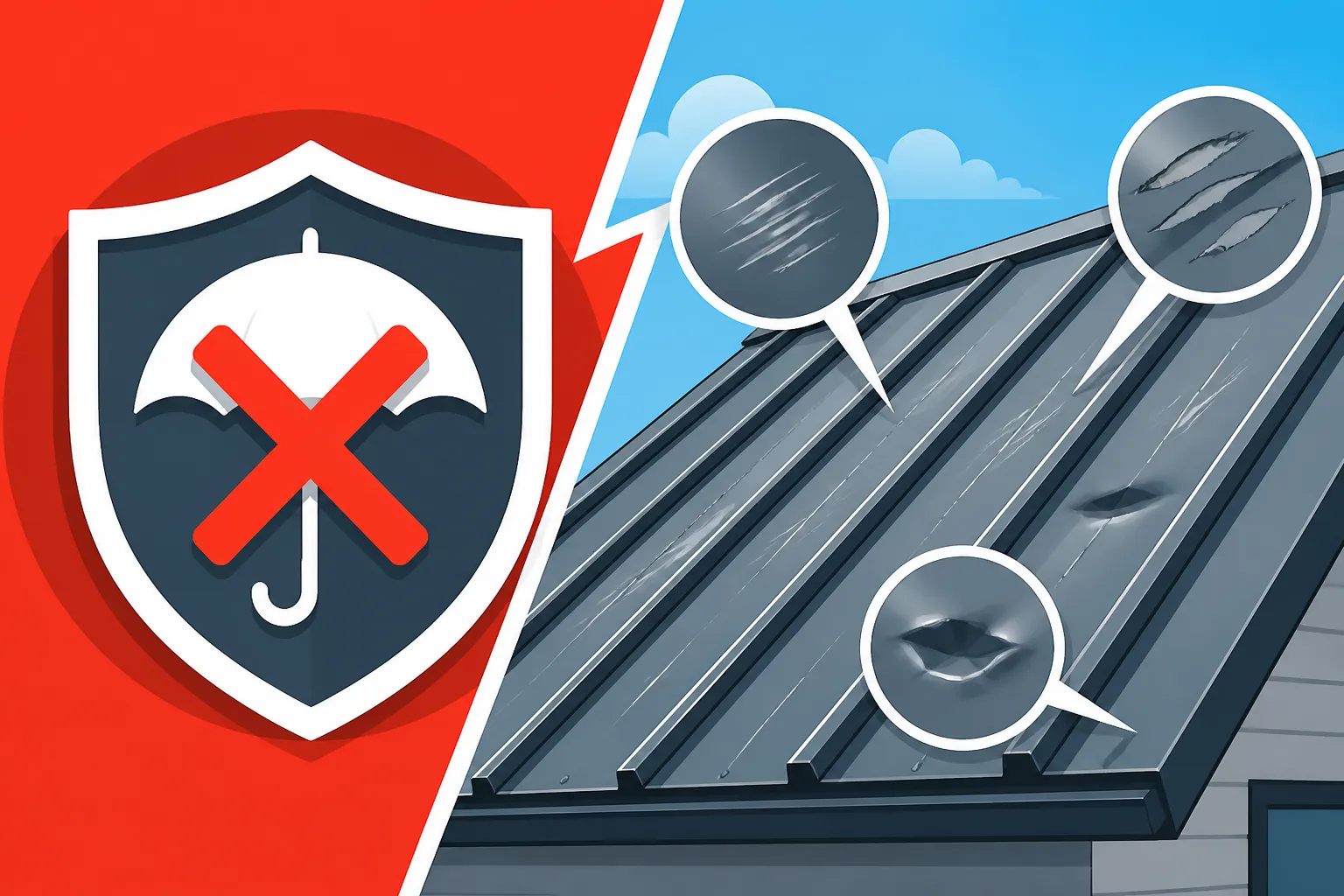
For metal roofs, this could mean small indentations from hail that haven't punctured the panel or stripped the protective coating. It might be scrapes from falling tree branches that only affect the paint layer, leaving the underlying metal intact and rust-proof. The key differentiator for insurers is often whether the damage impacts the roof's function – its ability to shed water, protect against the elements, and provide insulation. If it's still doing its job, many standard policies will consider the damage cosmetic. This distinction is crucial because it directly influences whether your claim will be approved or denied, and it's where many homeowners feel blindsided, expecting their robust metal roof to be fully covered for any kind of damage.
Common Types of Cosmetic Damage You Might Encounter
Metal roofs, while incredibly resilient, aren't impervious to everything Mother Nature throws at them. Over time, or after a specific event, you might notice various types of damage that fall under the cosmetic umbrella. Understanding these common occurrences can help you better assess your situation and prepare for conversations with your insurance provider.
One of the most frequent culprits is hail. Depending on the size, density, and velocity of hailstones, they can leave behind noticeable dents or dings on metal panels. On a standing seam metal roof, these might appear as small depressions along the flat panels or ribs. For a corrugated metal roof, the wavy profile can sometimes hide minor dents, but larger impacts will certainly be visible. If these impacts don't puncture the metal, crack the coating, or compromise the fasteners, insurers typically classify them as cosmetic. Similarly, falling debris, such as small branches or acorns, can cause scrapes and paint chips. While these might expose the underlying metal, if the protective coating (like Galvalume or a paint system) is only superficially damaged and not breached down to the raw steel, it might still be considered cosmetic if there's no immediate risk of rust or leak. Fading or chalking of the paint finish over time, while diminishing the roof's aesthetic, is almost universally deemed cosmetic and a natural part of aging, not usually covered by standard homeowner's insurance.
The Logic Behind Insurance Exclusions for Cosmetic Damage
It's easy to feel frustrated when your insurer denies a claim based on cosmetic damage. After all, you bought a metal roof for its looks and its performance! But from an insurance company's perspective, there's a specific logic behind these exclusions, which primarily boils down to managing risk and maintaining affordable premiums for the majority of their policyholders. It’s not about being intentionally difficult; it’s about the actuarial science of risk assessment.
Why Insurers Draw a Line Between Cosmetic and Functional
Insurance companies are in the business of assessing and mitigating financial risk. When it comes to your home, they are primarily concerned with covering damage that compromises the structure's integrity or habitability. A leak, for instance, can lead to widespread water damage, mold, and structural issues, which are incredibly expensive to remediate. A small dent that doesn't leak, however, doesn't pose the same immediate threat to your home's safety or functionality. This is the core of their distinction.
If insurers were to cover every minor scratch, ding, or discoloration on a metal roof, the sheer volume of claims and the associated costs would skyrocket. Imagine if every time a marble-sized hailstone left a tiny mark, everyone filed a claim for a full roof replacement. The costs for these repairs, which don't prevent the roof from performing its essential duties, would be astronomical, leading to unaffordable premiums for all homeowners. Therefore, the line is drawn at functional damage – damage that directly impairs the roof's primary purpose of protection. This includes punctures, tears, compromised seams, or fasteners that have failed, all of which could lead to water intrusion. Without this distinction, the cost of Metal Roof Insurance Savings & Discounts would disappear entirely.
The Financial Implications for Insurance Providers
The financial realities for insurance providers are a major driver for these exclusions. Metal roofs, especially premium options like standing seam, are known for their exceptional durability and longevity, often lasting 50 years or more. However, they are also more susceptible to visible cosmetic damage, such as dents from hail, compared to, say, asphalt shingles, where a small ding might not be as noticeable or might actually cause functional damage more readily.
If every cosmetic imperfection led to an insurance claim, the financial burden on insurers would be immense. For a 2,000 sq ft house, a metal roof can cost significantly more than traditional shingles, and a full replacement due to purely aesthetic issues would mean paying out tens of thousands of dollars repeatedly. These payouts would inevitably be passed on to all policyholders through higher premiums. By excluding cosmetic damage, insurers can keep premiums for homeowner policies relatively stable and focused on truly catastrophic events that compromise the home's primary function. It's a balancing act: they want to provide coverage, but they also need to remain solvent and keep insurance accessible. This careful calculation ensures that they can cover major perils like fire, wind, and severe functional roof damage without being overwhelmed by claims for superficial imperfections.
How Cosmetic Damage Exclusions Impact Homeowners
For you, the homeowner, discovering that your metal roof’s visible blemishes aren’t covered can feel like a punch to the gut. You invested in what you believed was a superior, long-lasting product, and you pay your insurance premiums diligently, only to find yourself facing unexpected costs and aesthetic compromises. It can feel unfair and certainly wasn't part of the dream when you considered Is a Metal Roof Worth It? ROI, Resale & Payback.
Unexpected Out-of-Pocket Costs
The most immediate and obvious impact of a cosmetic damage exclusion is the unexpected financial burden. When your insurer deems damage purely cosmetic, you are left to pay for the repairs or replacement out of your own pocket. This can range from minor touch-ups for small scrapes to potentially thousands of dollars for repairing widespread hail damage if the cosmetic issues are extensive enough to bother you significantly.
Consider a scenario in a state like Colorado, where hail is a common occurrence. A homeowner might have invested in a beautiful dark bronze standing seam metal roof. After a severe hail storm, their roof is riddled with small, non-perforating dents. While the roof is still watertight, its pristine appearance is gone. If their policy has a cosmetic damage exclusion, they now face a choice: live with a visually compromised roof, or pay the full cost of replacing panels or even the entire roof themselves. This can be a substantial sum, often in the realm of several thousand dollars, which was certainly not budgeted for. This financial hit undermines the perceived value and peace of mind that a metal roof is supposed to offer.
The Frustration of Unrepaired Roof Aesthetics
Beyond the financial aspect, there's a deep sense of frustration that comes with having a visibly damaged roof that you can't get fixed through insurance. Your home is often your largest investment, and its appearance significantly contributes to your pride of ownership and curb appeal. A dented or scratched metal roof, even if it's perfectly functional, can be a constant reminder of an unfortunate event and detract from your home's overall look.
Imagine you've meticulously maintained your home, and your metal roof was a highlight, reflecting light beautifully and enhancing the architectural style. Then, a storm hits, leaving behind numerous dents. Every time you pull into your driveway, or guests visit, those imperfections are staring back at you. This isn't just about vanity; it's about preserving your home's value and your enjoyment of it. While the roof may not be leaking, the aesthetic damage can still impact potential resale value, as prospective buyers might perceive it as a flaw or a sign of neglect, regardless of its functional integrity. This intangible but very real frustration is a significant consequence of these exclusions, leaving homeowners feeling like they're living in a perpetually "dinged" home.
Navigating Insurance Policies and Endorsements
Understanding the nuances of your insurance policy can feel like reading legal jargon, but it's absolutely crucial when it comes to metal roof cosmetic damage. Don't wait until after a storm to find out what you're truly covered for. Being proactive can save you a world of headaches and unexpected expenses down the line.
Reviewing Your Current Policy: What to Look For
The first, and perhaps most important, step is to pull out your current homeowner's insurance policy and read it thoroughly. Yes, it's dense, but it's where all the critical details are. You're specifically looking for clauses related to roof damage, hail damage, and any language about "cosmetic damage exclusion" or "actual cash value" versus "replacement cost value" for roofing. Some policies might explicitly state that they will not cover cosmetic damage to metal roofs unless it impairs the functionality. Others might not explicitly mention "cosmetic," but the wording around "damage to the functional integrity" or "loss of structural integrity" will imply it.
Pay close attention to your declarations page and any endorsements that might be attached. If you live in a region prone to hail, like parts of Texas or Oklahoma, many standard policies may already include this exclusion. Don't hesitate to call your insurance agent to walk through the policy language with you. Ask direct questions: "If my metal roof gets dented by hail but doesn't leak, will it be covered?" "What is the definition of functional damage versus cosmetic damage in my policy?" This conversation is vital for clarifying ambiguities and truly understanding your coverage before an event occurs. You'll also want to understand your Metal Roof Warranties: Workmanship vs Manufacturer, as these can sometimes offer a glimmer of hope for specific defects.
Adding Endorsements for Expanded Coverage
If your current policy contains a cosmetic damage exclusion for your metal roof, all is not lost! Many insurance carriers offer specific endorsements or riders that you can add to your policy to expand your coverage. These are essentially add-ons that customize your policy to cover risks not included in the standard package, often for an additional premium.
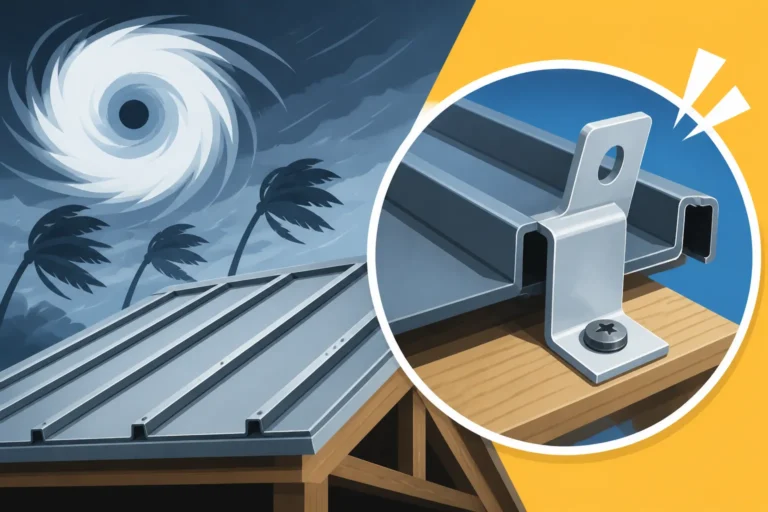
One common endorsement to look for is a "cosmetic damage waiver" or "matching endorsement" for roofing. This type of endorsement specifically states that cosmetic damage (e.g., dents, dings, scratches) to your metal roof will be covered, even if it doesn't affect the roof's functional integrity. Some policies might also offer "enhanced dwelling replacement cost" endorsements, which could provide broader coverage. For homeowners in areas with frequent severe weather, like Florida with its hurricane risks, such endorsements can provide significant peace of mind. It’s worth exploring options from major carriers like State Farm, Allstate, or Farmers, as they often have a range of customizable policies. Yes, adding an endorsement will increase your premium, but for many, the financial security and aesthetic preservation of their investment are well worth the extra cost. When comparing quotes, always ask about these specific metal roof endorsements to ensure you're getting comprehensive coverage tailored to your needs. This can be a critical step in feeling confident about your investment, much like understanding Does a Metal Roof Increase Home Value?.
Understanding Deductibles and Claim Limits
Even with expanded coverage through an endorsement, it's crucial to understand your policy's deductibles and claim limits. These are two critical components that directly affect your out-of-pocket expenses when filing a claim, regardless of whether the damage is deemed cosmetic or functional.
Your deductible is the amount of money you must pay out of pocket before your insurance company begins to pay for a covered loss. For roof damage, especially in hail-prone areas, you might find a separate, higher deductible for wind and hail, sometimes expressed as a percentage of your home's insured value (e.g., 1% or 2%). If your home is insured for $300,000, a 1% deductible means you'd pay the first $3,000 of the claim. If the cosmetic damage repair cost is less than or only slightly above your deductible, it might not be financially worthwhile to file a claim, as the hit to your claims history could outweigh the benefit. Claim limits, on the other hand, are the maximum amounts your insurer will pay for a specific type of loss. For instance, your policy might have an overall dwelling coverage limit, but also sub-limits for certain components or types of damage. Always clarify these limits with your agent. Being aware of these figures will help you make informed decisions about filing a claim and managing your expectations regarding your insurer's payout. This insight is also valuable when considering How Much Does Metal Roof Repair Cost? for various types of damage.
Distinguishing Between Cosmetic and Functional Damage
This is where things can get particularly tricky and often contentious. The line between cosmetic and functional damage isn't always clear-cut, especially when dealing with the complex layers and integrity of a metal roof. What starts as a simple dent might, over time, evolve into a functional issue, making expert assessment paramount.
When a Dent Becomes a Leak Risk
A small dent on a metal roof panel might initially appear to be purely cosmetic. It's a visual blemish, but the metal isn't punctured, and the protective coating seems intact. However, the dynamics of a dent, especially over time and under various weather conditions, can change. Metal roofs are designed to expand and contract with temperature fluctuations. A dent creates a stress point in the panel, and this repeated thermal movement can exacerbate the localized stress.
Over months or years, that seemingly innocuous dent could lead to micro-fissures in the metal or, more commonly, compromise the integrity of the protective paint coating at the point of impact. Once the coating is breached, the underlying metal (often steel) becomes exposed to moisture and oxygen, leading to rust. Rust not only discolors the roof but, if left unchecked, can eventually corrode through the metal, creating a pinhole leak. Furthermore, dents can create areas where water pools instead of properly shedding, leading to prolonged moisture exposure and potential issues with underlying components or even promoting algae growth. In standing seam systems, a dent near a seam could also subtly misalign the panel, creating a pathway for water. This transformation from a cosmetic flaw to a leak risk is precisely why a thorough inspection is critical, and why you should be wary of leaving seemingly minor damage unaddressed. This process ties into recognizing Warning Signs Your Metal Roof Needs Attention.
The Role of Professional Inspection in Damage Assessment
Given the potential for cosmetic damage to evolve into functional issues, a professional inspection is indispensable. Don't rely solely on your own assessment from the ground; what looks like a simple ding to an untrained eye could be a precursor to a major problem. Experienced metal roofing contractors and certified inspectors have the knowledge, tools, and experience to properly evaluate the extent and nature of roof damage.
These professionals can get up on the roof safely and meticulously examine each panel, seam, and fastener. They look for subtle signs of stress, hairline cracks in coatings, or compromised sealants around fasteners or flashing. They understand how different types of metal roofing materials – from steel to aluminum to copper – react to impact and environmental stressors. An inspector can provide a detailed report, often with photographic evidence, differentiating between purely aesthetic damage and damage that has compromised the roof's protective capabilities or is likely to do so in the near future. This expert assessment can be a powerful tool when negotiating with your insurance company, providing credible evidence to support your claim that the damage is, in fact, functional or will imminently become so. Many insurers even require a licensed adjuster to perform their own assessment, so having an independent, qualified opinion from a contractor can strengthen your position. This is also where you might learn about the importance of Metal Roof Underlayment and Ventilation Guide in preventing issues.
Proactive Measures and Long-Term Strategies
While you can't control the weather, you can take steps to minimize the risk of cosmetic damage and maximize your chances of insurance coverage. Being proactive in your choices and maintenance can significantly extend the life and aesthetic appeal of your metal roof.
Choosing Durable Metal Roofing Materials and Coatings
The type of metal roof you choose can play a significant role in its resistance to cosmetic damage. Not all metals are created equal when it comes to impact resistance and coating durability. For instance, thicker gauge steel or aluminum will generally be more resistant to denting from hail than thinner gauges. When planning for a new roof, consider materials and finishes known for their resilience.
Look into different Metal Roofing Materials Compared: Steel, Aluminum, Copper & Zinc. Steel, particularly 24-gauge steel, is often a robust choice for residential applications, offering good impact resistance. Aluminum is lighter and more corrosion-resistant, but can sometimes be more prone to denting if not properly supported. Beyond the metal itself, the quality of the paint coating is paramount. Premium coatings like Kynar 500 (PVDF) are renowned for their exceptional color retention, chalking resistance, and durability against chipping and scratching. While these options might come with a higher initial Metal Roof Cost: Complete 2026 Guide, the added protection against cosmetic damage could save you money and headaches in the long run by reducing the likelihood of minor blemishes that insurers might deny. Discuss these material and coating options thoroughly with your roofing contractor to make the best choice for your climate and budget.
Regular Maintenance to Prevent Minor Issues from Worsening
Even the most durable metal roof benefits from regular, proactive maintenance. This isn't just about keeping it looking good; it's about identifying potential issues early, preventing minor cosmetic flaws from escalating into functional damage that could be denied by insurance. A comprehensive Metal Roof Maintenance Guide can be your best friend here.
Schedule annual or bi-annual inspections, ideally by a professional. During these inspections, check for any signs of surface rust, especially in areas where the paint might have been scraped or chipped. Address these immediately with appropriate rust treatment and touch-up paint to prevent corrosion from compromising the panel. Clear gutters and downspouts to ensure proper water runoff, as standing water can exacerbate any existing cosmetic damage and lead to staining or accelerated coating degradation. Also, inspect all fasteners to ensure they are tight and their washers are in good condition, preventing potential leaks and panel movement. Trimming overhanging tree branches can significantly reduce the risk of falling debris causing scrapes and dents. By taking these preventative steps, you not only preserve your roof's aesthetic but also proactively address minor issues before they become major, costly, and potentially uninsured functional failures.
Comparing Insurance Providers and Policy Options
It's tempting to stick with the same insurance provider for years, but when it comes to metal roofing and cosmetic damage, it truly pays to shop around. Not all insurance companies have the same policies regarding metal roofs, and what might be an exclusion for one insurer could be covered (perhaps with an endorsement) by another.
Before committing to a policy, get quotes from several different reputable insurance carriers. Ask specific questions about their stance on metal roof cosmetic damage, especially concerning hail and wind. Inquire about the availability and cost of endorsements that would cover cosmetic damage. Some companies, particularly those operating in areas prone to specific weather events, may offer more tailored or comprehensive metal roof coverage. For instance, in hurricane-prone states like Florida, insurers might have very specific requirements and coverage options for robust roofing. Don't be afraid to leverage the information you gain from one insurer to inform your questions to another. By actively comparing policies and discussing your concerns about cosmetic damage, you can find a provider and a policy that offers the best balance of coverage, premium, and peace of mind for your valuable metal roof. Remember to also look into Metal Roof Financing Options if you are considering the investment.
Disclaimer
Please note that this guide provides general information about metal roof cosmetic damage insurance exclusions. Insurance policies and coverage can vary significantly based on your specific location, insurance provider, policy terms, and prevailing laws and regulations. It is always recommended to consult directly with your insurance agent or a qualified legal professional to understand your specific policy coverage and obligations. This information should not be considered legal or financial advice.