The 25% Roof Replacement Rule (Florida)
It can feel like a punch to the gut when you're just trying to get a minor roof repair done, only to be told you might need a whole new roof because of some obscure rule. For many homeowners in Florida, navigating the complexities of roof replacement, especially after a storm, feels like walking through a minefield. This comprehensive guide is here to demystify Florida's "25% Rule" – explaining what it is, when it applies, and how it impacts your decisions and budget, particularly when considering a durable metal roof.
Understanding the Florida Building Code and the 25% Rule
Florida, with its beautiful coastlines and sunshine, also faces the relentless reality of hurricane season. This unique environment has shaped some of the strictest building codes in the nation, all aimed at protecting homes and families. The "25% Rule" is one such regulation, often surprising homeowners with its far-reaching implications. It's not just a guideline; it's a mandatory requirement designed to enhance the overall resilience of the state's housing stock, especially its roofs, against severe weather events.
The History and Purpose of the Rule
The 25% Rule, officially part of the Florida Building Code (FBC), wasn't dreamed up overnight. It's a direct response to decades of hurricane damage that exposed vulnerabilities in older construction methods. After major storms like Hurricane Andrew in 1992, and more recently, Irma and Ian, it became painfully clear that patching up severely damaged roofs often wasn't enough. The goal shifted from mere repair to proactive fortification. The rule's core purpose is to prevent a cycle of repeated, costly repairs on vulnerable structures. When a significant portion of a roof is compromised, the code mandates that the entire roofing system be brought up to current, more robust standards. This helps ensure that when the next big storm rolls through, your home stands a much better chance. It's about long-term safety and property preservation, even if it feels like a burden in the short term.
How the Rule is Calculated
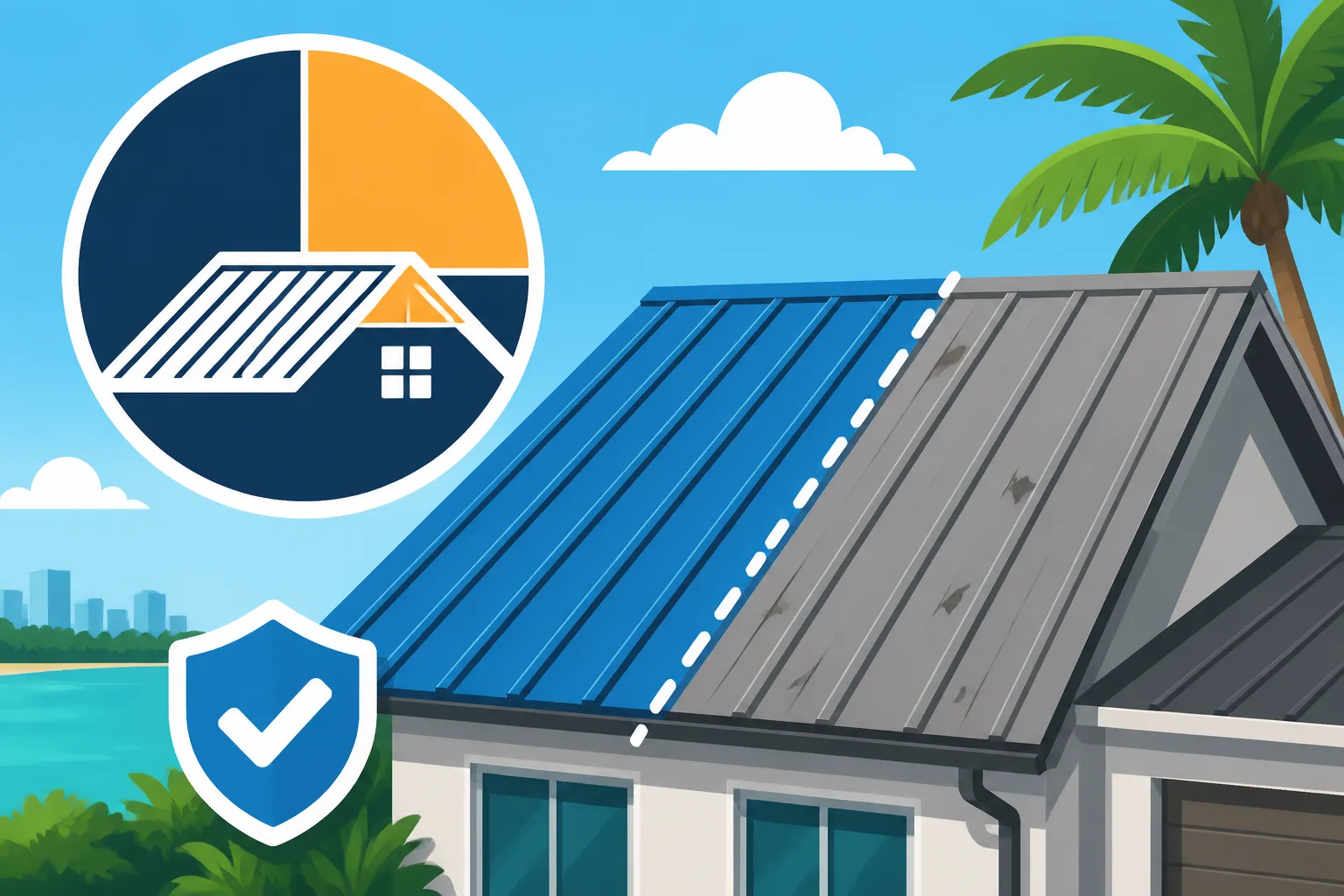
This is where a lot of confusion, and sometimes frustration, comes in. The 25% Rule dictates that if the cost of repairing or replacing a damaged section of your roof exceeds 25% of the cost to replace the entire existing roof system, then the entire roof must be replaced to meet current Florida Building Code requirements. Crucially, this 25% isn't based on your home's total value, nor is it based on the original cost of your old roof. It's specifically about the estimated cost to replace the entire existing roof with a comparable new one at today's prices.
For example, if your current asphalt shingle roof would cost $20,000 to replace in its entirety today, and a storm damaged a section that would cost $6,000 to repair, that repair cost ($6,000) exceeds 25% of the full replacement cost ($20,000 * 0.25 = $5,000). In this scenario, you'd be required to replace the entire roof to meet current FBC standards, not just patch the damaged section. This calculation is usually performed by your roofing contractor, who will provide an itemized estimate, and then reviewed by your local building department during the permitting process. Understanding Metal Roof Cost: Complete 2026 Guide can help you benchmark these figures.
Statewide vs. Local Variations
While the 25% Rule is a statewide mandate embedded in the Florida Building Code, its interpretation and enforcement can sometimes vary slightly at the local level. Counties and municipalities often have their own administrative codes and processes for implementing state regulations. For instance, a county might have more stringent requirements for wind resistance in High-Velocity Hurricane Zones (HVHZ), like Miami-Dade and Broward counties, which often have stricter product approvals (Miami-Dade NOA) and installation requirements.
It's vital to remember that these local variations are typically additions to the state code, not subtractions. They aim to make homes even more resilient in areas prone to extreme weather. Before embarking on any roofing project, always check with your local building department in your city or county. They can provide the most current and specific requirements for your area, including details on permits and inspections. A reputable local contractor will also be well-versed in these nuances.
What Triggers the 25% Rule?
The 25% Rule isn't something that just magically appears. It's specifically triggered by certain events and processes that involve official oversight, primarily permit applications. Understanding these triggers is key to avoiding costly surprises and planning your roofing project effectively.
Repair vs. Replacement Scenarios
The most common trigger for the 25% Rule is when you're looking to repair a portion of your roof. Let's say a tree branch falls on your house, or a localized hailstorm damages a specific section. You call a roofer, get an estimate for the repair, and submit it to your insurance and/or local building department for a permit. If that estimated repair cost, along with any other work on the roof within a specific period (often a 12-month rolling period), crosses the 25% threshold of the total roof replacement value, then the rule kicks in.
It's important to differentiate between minor maintenance and a substantial repair. Changing a few broken tiles or sealing a small leak typically won't trigger the rule, especially if it doesn't involve replacing structural components or a large area of the roof decking. However, if the damage requires tearing off and replacing a significant portion of the roofing material, that's when you enter the 25% Rule territory. This is also why many homeowners decide on Metal Roof Repair vs Replacement: How to Decide before incurring repair costs that could push them over the threshold.
Storm Damage and Insurance Claims
Unfortunately, severe weather is a frequent trigger for the 25% Rule in Florida. After a hurricane, tropical storm, or even a strong hail event, many homes sustain significant roof damage. When you file an insurance claim, the insurance adjuster will assess the extent of the damage. They'll work with a contractor (or you'll get your own quotes) to determine the cost of repair. If that repair cost hits the 25% mark relative to the roof's total replacement value, your insurance company will likely inform you that the entire roof needs to be brought up to current code.
This can be a major point of contention and stress for homeowners. You might expect your insurance to cover just the damaged part, but the FBC mandates a full replacement. While frustrating, this ultimately means a safer, more resilient roof for your home, often leading to Metal Roof Insurance Savings & Discounts in the long run. Many insurance policies in Florida now include "Code Upgrades" coverage, which is essential to cover these mandated full replacements. It’s crucial to understand your policy’s specifics regarding such upgrades.
Permit Applications and Inspections
The bureaucratic process of obtaining a permit is typically where the 25% Rule truly comes into play. Any significant roof work in Florida requires a permit from your local building department. When you or your contractor applies for this permit, they must detail the scope of work and the estimated cost. This is the point where the building official will review the estimates and apply the 25% calculation. If the threshold is met, the permit will then be issued for a full roof replacement to current code, not just the repair you initially sought.
This is why choosing a contractor who understands Florida Metal Roof Codes: FBC, HVHZ & Approvals is so important. They can help you navigate this process, prepare accurate estimates, and ensure all necessary documentation is submitted. Trying to bypass the permit process is never a good idea; it can lead to hefty fines, difficulties with insurance claims, and issues when you try to sell your home down the line.
Implications and Costs for Homeowners
The 25% Rule, while well-intentioned for safety, can definitely cause some financial headaches and logistical challenges for Florida homeowners. It often means a much larger project and a higher immediate cost than anticipated, even with insurance involvement.
Financial Burden of Full Replacement
The most immediate impact of the 25% Rule is the increased financial burden. What might have been a relatively inexpensive repair suddenly balloons into a full roof replacement project. Even if your insurance covers a significant portion, you'll still likely be responsible for your deductible, and possibly out-of-pocket costs if your policy doesn't fully cover code upgrades or if you choose a more expensive material than what was previously installed. For example, if you had a basic asphalt shingle roof and choose to upgrade to a metal roof for its durability and longevity, your insurance might only pay out for the "like kind and quality" shingle replacement, leaving you to cover the difference in Metal Roof Cost by Material: Steel vs Aluminum vs Copper vs Zinc yourself.
This unexpected expense can be a major stressor, especially if you hadn't budgeted for a full roof replacement. Many homeowners find themselves exploring Metal Roof Financing Options to manage the upfront costs. It’s a stark reminder that in Florida, planning for the worst when it comes to your roof is often the smartest move.
Impact on Material Choices like Metal Roofing
When the 25% Rule mandates a full replacement, it also opens up an opportunity. Since you're replacing the entire roof anyway, this is a prime time to consider upgrading to a more resilient and long-lasting material like metal roofing. While the initial Metal Roof Cost: Complete 2026 Guide might be higher than traditional asphalt shingles, the long-term benefits in Florida's climate are substantial.
Metal roofs offer superior wind resistance, excellent durability against hail and debris, and a much longer lifespan, often 50 years or more. They can also lead to significant energy savings due to their reflective properties, which is a big plus in the Florida heat. When you're forced to replace your roof, investing in a high-quality metal roof can turn a frustrating situation into a beneficial long-term improvement for your home, potentially increasing its value and reducing future insurance claims.
Permit Delays and Project Timelines
Beyond the financial aspect, the 25% Rule can also introduce significant delays into your roofing project. If your initial repair estimate is under 25%, the permit process might be straightforward. However, if the rule is triggered and a full replacement is required, the scope of work changes dramatically. This could necessitate new plans, revised contractor quotes, and a longer review period by the building department.
During peak hurricane season or after a major storm, building departments in Florida can be overwhelmed with permit applications, leading to extended wait times. This delay can be particularly stressful if your home has significant damage and you're living with a compromised roof. It underscores the importance of starting the permit process as soon as possible and working with a proactive contractor who understands the local requirements and can help manage expectations regarding timelines.
Navigating Insurance and the 25% Rule
Dealing with insurance companies in Florida regarding roof claims is notoriously complex, and the 25% Rule adds another layer of intricacy. It's crucial to be prepared and understand your rights and the typical responses you might encounter.
Insurance Company Responses and Policies
When the 25% Rule is triggered, your insurance company's response will largely depend on your specific policy. Modern homeowners' policies in Florida often include "Ordinance or Law" coverage, which is designed to help pay for the increased cost of repairs or replacements due to updated building codes. This is absolutely critical when the 25% Rule forces a full roof replacement.
However, not all policies are equal. Some older policies might have limited or no "Ordinance or Law" coverage, or the coverage limits might not be sufficient to cover the entire cost difference between a simple repair and a full code-compliant replacement. It's imperative to review your policy thoroughly and speak with your agent to understand exactly what is covered. Be aware that some insurance carriers might try to minimize their payout, so having detailed documentation from your contractor is essential. This is also why understanding Metal Roof Insurance Savings & Discounts is valuable, as insurers often favor more resilient roofing materials.
Wind Mitigation and the Rule
The 25% Rule directly ties into the concept of wind mitigation. When your entire roof is replaced to current Florida Building Code standards, it automatically incorporates modern wind-resistant techniques and materials. This includes stronger attachment methods for roof decking, better sealing, and more robust roofing materials like metal panels.
After a code-mandated full replacement, you'll likely qualify for significant wind mitigation credits on your homeowners' insurance policy. Getting a wind mitigation inspection after your new roof is installed can lead to substantial premium savings year after year. This long-term financial benefit is one of the silver linings of being forced into a full replacement. It's also another reason why a metal roof, with its inherent wind resistance, becomes an even more attractive option. You can learn more about Wind Mitigation and Roof Premium Credits to see how much you could save.
Appealing Insurance Denials
It's not uncommon for homeowners to face challenges with their insurance claims, especially when the 25% Rule is involved. If your insurance company denies your claim for a full replacement or offers a settlement that you believe is insufficient, you have the right to appeal.
Gather all your documentation: detailed contractor estimates, photographs of the damage, your policy documents, and any communications with your insurance company. If necessary, consider hiring a public adjuster or an attorney specializing in insurance claims. They can advocate on your behalf and help ensure you receive the full benefits you're entitled to under your policy. Don't feel overwhelmed or pressured to accept a lowball offer; many homeowners successfully appeal initial denials with persistence and proper representation.
Strategic Planning for Your Florida Roof Replacement
Dealing with the 25% Rule can feel overwhelming, but with the right strategy, you can navigate the process smoothly and make decisions that benefit your home in the long run. Thoughtful planning, especially when considering a durable option like metal roofing, can turn a mandatory upgrade into a wise investment.
Getting Multiple Quotes and Understanding Scope
One of the most crucial steps when facing a roof repair or replacement, especially under the 25% Rule, is to obtain multiple, detailed quotes from reputable contractors. Don't settle for just one estimate. Aim for at least three. Each quote should clearly outline the scope of work, including material costs, labor, permit fees, and any necessary code upgrades.
When comparing quotes, make sure they are "apples to apples" – meaning they propose similar materials and address the same scope of work. If the 25% Rule is triggered, ensure all quotes reflect a full replacement to current code. Ask questions about warranties, project timelines, and payment schedules. A detailed understanding of what each contractor is offering will empower you to make an informed decision and potentially negotiate better terms. This is particularly vital when comparing options like Standing Seam Metal Roof Cost versus corrugated profiles, where material and installation methods can vary widely.
Working with Licensed Contractors
In Florida, choosing a properly licensed and insured contractor is not just a recommendation; it's a necessity. This is especially true with the stringent building codes and the complexities of the 25% Rule. A licensed roofing contractor understands the Florida Building Code inside and out, knows how to pull the correct permits, and ensures the work meets all regulatory requirements.
Beyond licensing, look for contractors who have a strong track record, positive reviews, and experience with metal roofing if that's the direction you're leaning. Ask for references and check their insurance certificates (liability and workers' compensation). A trustworthy contractor will provide a comprehensive contract that details every aspect of the project, including start and completion dates, payment terms, and warranty information. You can find more tips on How to Hire a Metal Roofing Contractor and What a Metal Roof Contract Should Include in our guides.
Long-Term Benefits of Metal Roofing
If the 25% Rule forces you into a full roof replacement, consider it a golden opportunity to upgrade to a metal roof. While the upfront investment for metal roofing is typically higher than asphalt shingles, the long-term benefits in Florida are simply unmatched. A metal roof can last 50 years or more, significantly outliving traditional roofing materials. This means fewer replacements, less maintenance, and ultimately, a lower cost of ownership over the lifespan of your home.
Beyond longevity, metal roofs offer superior protection against Florida's harsh weather. They are highly resistant to hurricane-force winds, hail, and fire. Their energy efficiency, reflecting solar heat, can lead to noticeable reductions in your cooling costs. Plus, many homeowners find the aesthetic appeal of a modern metal roof greatly enhances their home's curb appeal and resale value. So, while the 25% Rule might sting initially, it could lead you to a roofing solution that truly future-proofs your home.
Exemptions and Special Considerations
While the 25% Rule is broadly applied, there are some specific situations and nuances that homeowners should be aware of. Not every minor repair falls under its purview, and certain types of properties might have different considerations.
Minor Repairs and Emergency Fixes
It's important to distinguish between minor maintenance or emergency repairs and more substantial work that triggers the 25% Rule. For instance, replacing a single damaged shingle, sealing a small pipe boot, or performing routine gutter cleaning typically does not constitute enough work to initiate the 25% calculation. These are usually considered maintenance activities that don't require a permit or extensive structural changes.
Similarly, in an emergency situation where immediate action is needed to prevent further damage – for example, after a sudden hole appears in your roof during a storm – temporary repairs can often be made without immediately triggering the full rule. However, any permanent repairs stemming from that emergency fix would then go through the permitting process and be subject to the 25% Rule if the scope is substantial. Always consult with your local building department for clarification on what constitutes a "minor" repair versus one that needs a full permit.
Historical Properties and Unique Structures
Historical properties often come with a unique set of challenges and, sometimes, exemptions or special considerations regarding building codes. If your home is located in a historic district or is individually designated as a historic landmark, you might find that strict adherence to modern building codes, including the 25% Rule, could compromise the architectural integrity or original materials of the structure.
In such cases, local historical review boards or preservation societies often work with homeowners and building departments to find alternative solutions that balance safety and historical preservation. This might involve using historically accurate materials that meet a modified code, or applying for special variances. If you own a historic home, it's crucial to engage with these local bodies early in the planning process to understand what applies to your specific property. This might even influence considerations for materials like a Copper Roof Cost or Zinc Roof Cost which are sometimes used in historic restorations for their unique aesthetic and longevity.
The Future of Florida Roofing Regulations
Florida's building codes are not static; they are continually updated and refined, particularly in response to new weather data, construction technologies, and lessons learned from past storm events. The 25% Rule itself has evolved over time, and it's reasonable to expect further adjustments in the future as the state strives to build even more resilient communities.
Homeowners should stay informed about potential changes to the Florida Building Code. These updates can impact everything from required materials and installation methods to permitting processes and insurance requirements. Working with a contractor who prioritizes ongoing education and stays current with the latest code modifications is invaluable. The trend is clear: Florida will continue to push for higher standards in roof construction, making durable, code-compliant materials like metal roofing an increasingly sound investment for the future.
Comparative Look: Repair vs. Replacement Scenarios Under the 25% Rule
To summarize, here's a quick table to illustrate how different scenarios might play out under Florida's 25% Rule. This table focuses on the repair cost relative to the total replacement cost of your existing roof.
| Scenario | Estimated Repair Cost (% of Total Roof Replacement) | 25% Rule Triggered? | Required Action | Potential Implications for Homeowner |
|---|---|---|---|---|
| Minor Leak / Few Shingles Damaged | < 10% | No | Repair damaged section to match existing code/materials. | Lower immediate cost, less disruption. No mandatory code upgrade for entire roof. |
| Localized Storm Damage (moderate) | 15% – 24% | No | Repair damaged section to meet existing code (if possible) or new code only in repaired area. | Moderate cost, may involve minor upgrades in repaired section. No full roof replacement mandate. |
| Significant Storm Damage (widespread) | 25% or more | Yes | Entire roof must be replaced to current Florida Building Code standards. | Higher immediate cost (deductible, out-of-pocket), but a brand new, code-compliant roof. Opportunity to upgrade material (e.g., to metal). |
| Older Roof with Multiple Issues | N/A (often leads to planned replacement) | Potentially | If repair attempts hit 25% threshold or homeowner opts for proactive full replacement to current code. | Planned full replacement allows for budgeting and material choice (e.g., a new Metal Roof Cost vs Lifespan Value). |
Disclaimer
The information provided in this article is for general informational purposes only and does not constitute professional advice. Roofing regulations, building codes, and insurance policies in Florida are complex and subject to change. Always consult with a licensed and qualified roofing contractor, your insurance provider, and your local building department for advice specific to your situation before making any decisions related to roof repair or replacement.