Florida Product Approval and Miami-Dade NOA
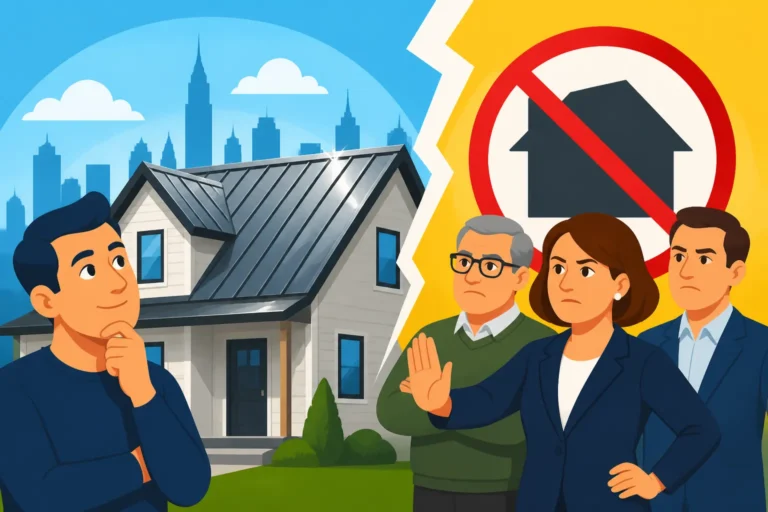
Homeowners in Florida face unique challenges when it comes to roofing, often grappling with the aftermath of severe weather and the complexities of building codes designed to protect against it. Understanding the specific requirements for your metal roof, especially concerning product approvals, can feel like navigating a maze. This comprehensive guide will demystify Florida Product Approval and the rigorous Miami-Dade Notice of Acceptance (NOA), explaining what they are, why they're crucial for your peace of mind and property value, and how to ensure your new metal roof meets these critical standards.
Understanding Florida's Unique Roofing Landscape and Regulations
Living in the Sunshine State is a dream for many, but it comes with a significant caveat: hurricanes and tropical storms. These powerful weather events aren't just an occasional inconvenience; they pose a very real, existential threat to our homes. When you're considering a new roof, especially something as long-lasting as a metal roof, you're not just choosing a color or a style; you're investing in a critical line of defense for your entire property. This reality is why Florida has some of the most stringent and complex building codes in the nation, particularly concerning roofing.
The Ever-Present Threat of Hurricanes and Extreme Weather
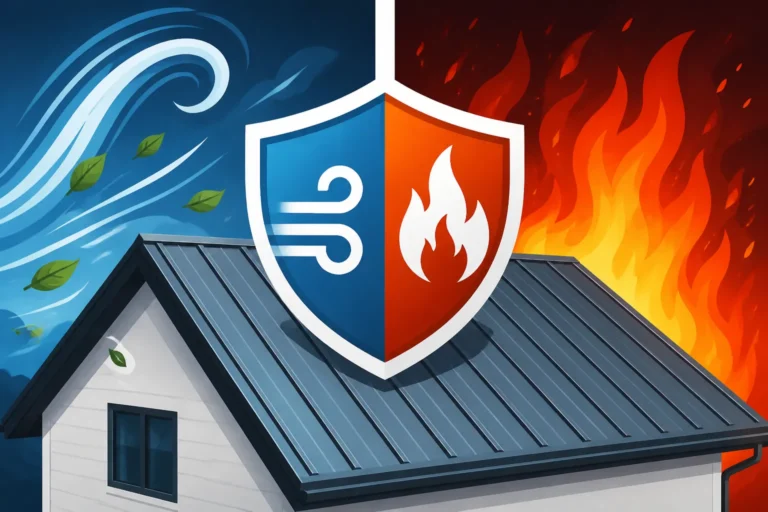
It's not just the direct hit of a hurricane that causes damage; it's the sustained high winds, the torrential rain, and the flying debris that can tear apart a lesser roof. Think about Hurricane Andrew in 1992, which devastated South Florida. The sheer force of that Category 5 storm exposed critical weaknesses in construction practices and building materials, leading to widespread destruction. Even a less severe tropical storm can bring wind gusts strong enough to peel back shingles or compromise an improperly installed roof. For a homeowner, this translates to anxiety every hurricane season, wondering if their roof will hold up.
Beyond hurricanes, Florida's climate presents other challenges. Intense UV radiation can degrade materials, and heavy, frequent rainfall demands excellent water shedding and sealing capabilities. Humidity can contribute to issues like mold and mildew if ventilation isn't properly addressed. A metal roof is a fantastic choice for these conditions due to its durability and resistance to many of these environmental factors, but only if it meets the appropriate standards for installation and product quality.
The Evolution of Florida Building Codes for Resilience
Following Hurricane Andrew, Florida underwent a radical transformation in its approach to construction. The Florida Building Code (FBC) was established, becoming a unified, statewide standard designed to enhance the structural integrity of homes against severe weather. This wasn't just a tweak; it was a complete overhaul, setting higher benchmarks for everything from foundations to, crucially, roofing systems. The goal was to ensure that homes could better withstand future storms, protecting lives and property.
These codes are constantly updated, usually every three years, to incorporate new research, technologies, and lessons learned from subsequent storms. This means what was acceptable a decade ago might not meet current requirements. For metal roofing, this evolution often means stricter guidelines for panel attachment, fastener types, substrate requirements, and overall system performance. It’s an ongoing effort to make Florida homes as resilient as possible, which, while sometimes complex for homeowners, ultimately serves to safeguard their most significant investment.
The Overarching Goal: Protecting Homes, Not Just Replacing Roofs
At its core, the Florida Building Code, along with its specific product approval mandates, isn't just about ensuring your roof doesn't fly off; it's about preserving the entire building envelope. If a roof fails, it exposes the interior of your home to wind, rain, and debris, leading to catastrophic damage to structural components, personal belongings, and interior finishes. The goal is to keep your home intact and habitable, not just to make it easier to file an insurance claim after it's been destroyed.
This emphasis on comprehensive protection is a key reason why understanding Metal Roof Building Codes Explained is so vital. It's about proactive defense rather than reactive repair. For a metal roof, this means ensuring every component—from the panels themselves to the fasteners, underlayment, and flashing—is engineered to work together as a high-performance system capable of enduring Florida's harshest weather. This resilience directly contributes to the safety of your family and the longevity of your home.
Florida Product Approval: The Statewide Standard
When you’re looking at a metal roof for your Florida home, one of the first terms you'll encounter is "Florida Product Approval." This isn't just a suggestion; it's a legal requirement for most building materials, including roofing components, used within the state. It’s a unified system designed to ensure that products sold and installed in Florida meet the rigorous standards of the Florida Building Code, providing a foundational layer of protection for every structure.
Defining the Comprehensive System for Building Materials
Florida Product Approval is a centralized system administered by the Florida Department of Business and Professional Regulation (DBPR), through the Florida Building Commission. Essentially, it's a process where manufacturers submit their products for extensive testing and evaluation to demonstrate compliance with the FBC. This isn't just a rubber stamp; it involves engineering analyses, laboratory tests, and often, independent third-party evaluations. The approval ensures that specific products, when installed correctly, will perform as intended under Florida's unique environmental conditions.
The system aims to create consistency across the state, ensuring that a product approved in Pensacola is also deemed suitable for use in Naples or Jacksonville, as long as the local conditions and specific code requirements are met. It simplifies the permitting process for local building departments because they can readily verify that a product has met statewide standards, reducing the need for individual local approvals for every material. This streamlines construction while maintaining high safety benchmarks.
Rigorous Testing and Approval Categories for Roofing Products
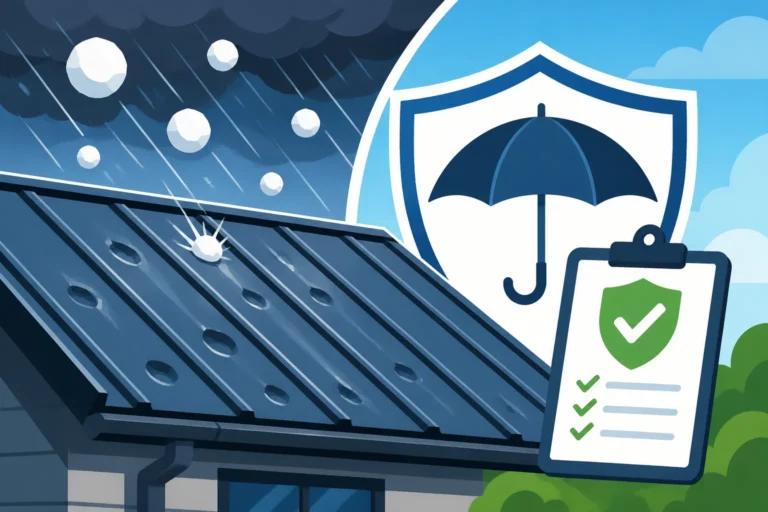
For roofing products, the testing is particularly stringent. Manufacturers must demonstrate that their metal roofing panels, along with critical components like fasteners, clips, and even underlayment, can withstand specified wind pressures, impact resistance (for hail, though Florida is less prone to severe hail than other states, it's still a factor), and fire resistance. These tests often simulate extreme conditions, pushing products to their limits to ensure they won't fail prematurely.
The approval categories cover various aspects, including structural performance, wind resistance, fire classification, and material durability. For instance, metal roofing panels will be tested for their ability to resist uplift forces in high winds, which is a common failure point for roofs during hurricanes. The testing protocols are detailed and prescriptive, leaving little room for ambiguity. This thorough vetting process is precisely what gives homeowners confidence that a "Florida Approved" metal roof isn't just good, but specifically engineered for their challenging climate.
How to Verify a Product's Statewide Approval
Verifying a product’s Florida Product Approval is thankfully quite straightforward thanks to the state's online database. You can visit the Florida Building Commission’s website and search for specific manufacturers, product types, or even approval numbers. Each approved product will have a unique Florida Product Approval number (often starting with "FL#"), along with detailed documentation outlining its scope of use, tested components, and installation instructions. This documentation is crucial because it often specifies the conditions under which the product is approved – for example, a particular panel might only be approved when used with specific clips or fasteners.
When your contractor provides a quote or specifies materials, always ask for the Florida Product Approval numbers for the metal roofing system components. Cross-referencing these numbers with the online database allows you to ensure that the products proposed for your home are indeed compliant. This step is a vital part of your due diligence, helping you avoid issues down the road during inspections or with insurance claims. This also ties into understanding How to Read and Compare Metal Roof Quotes effectively, as reputable contractors will readily provide this information.
Miami-Dade Notice of Acceptance NOA: The Gold Standard
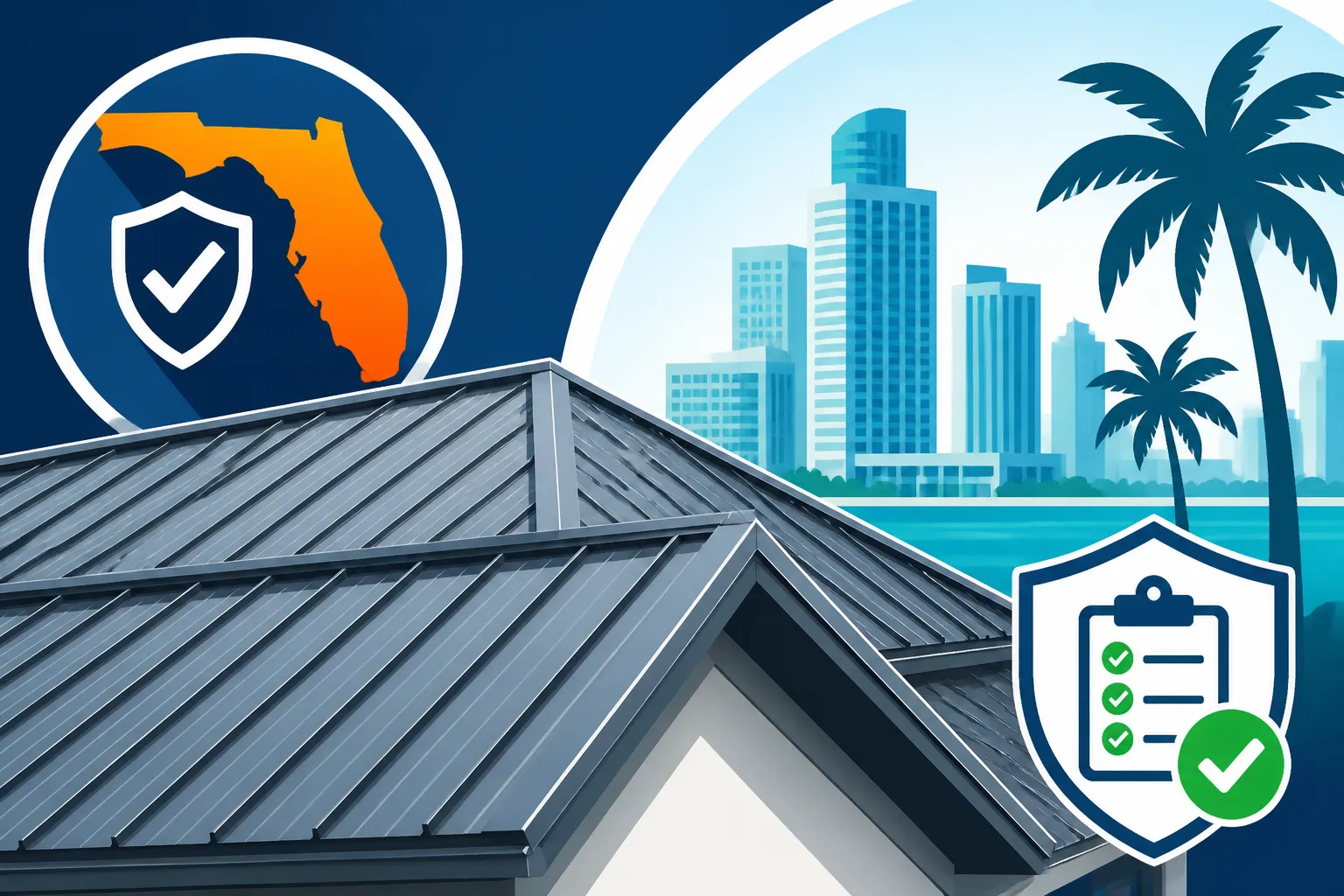
While Florida Product Approval sets a statewide benchmark, the Miami-Dade Notice of Acceptance (NOA) takes things a step further, particularly for those living in the High-Velocity Hurricane Zone (HVHZ) of Miami-Dade and Broward counties. Historically, Miami-Dade County has been at the forefront of hurricane preparedness and building code innovation, often setting a standard that other regions eventually adopt. The NOA designation is widely recognized as the most rigorous and demanding approval a roofing product can achieve in the United States.
Why Miami-Dade County Leads in Hurricane-Resistant Building
The legacy of Hurricane Andrew cannot be overstated when discussing Miami-Dade County’s building codes. The sheer scale of destruction spurred the county to develop building standards that far exceeded national norms, making them arguably the toughest in the world for hurricane resistance. The goal wasn't just to rebuild, but to build back stronger, ensuring that future storms, no matter how severe, would meet a formidable opponent in the form of resilient construction.
This commitment led to the creation of the Miami-Dade Building Code, which has since been largely integrated into the Florida Building Code but retains its distinct, more stringent requirements for products used in the HVHZ. Manufacturers who aim for Miami-Dade NOA know they are submitting their products to the ultimate test of durability and performance. It’s a testament to Miami-Dade’s proactive stance on public safety and property protection in the face of nature’s most destructive forces.
Unpacking the Intense Testing Protocols for NOA
The testing for a Miami-Dade NOA is legendary for its intensity. Products undergo exhaustive procedures that simulate hurricane-force winds, flying debris, and extreme pressure differentials. For metal roofing, this might involve tests for cyclic loading (repeatedly applying and releasing wind pressure), static uplift pressure (sustained strong winds trying to lift the roof), and large missile impact tests (firing heavy objects like 2x4s at high speeds to simulate wind-borne debris).
Consider the impact test: a 9-pound 2×4 missile is shot at over 50 feet per second at various points on a roof system. This extreme test is designed to ensure that a metal roof can withstand the kind of debris that a Category 5 hurricane might throw at it. If a metal panel or system holds up under these conditions, it truly is built for resilience. The specific details of these tests are incredibly complex, often outlined in Miami-Dade County Protocol (TAS) documents, and they demand exceptional engineering and material quality from manufacturers.
The Far-Reaching Influence of Miami-Dade NOA Across Florida
While strictly mandatory only in Miami-Dade and Broward counties (the HVHZ), the Miami-Dade NOA holds significant prestige and influence across the entire state of Florida, and even beyond. Many homeowners and builders in other counties often prefer products with a Miami-Dade NOA, even when not explicitly required by local code. Why? Because it offers an extra layer of assurance. If a product can withstand the HVHZ requirements, it’s certainly capable of performing well in areas with slightly less stringent wind load requirements.
Choosing an NOA-approved metal roof outside the HVHZ can be a smart move, providing superior protection and potentially offering benefits like lower insurance premiums. It signals to insurers and future buyers that your home is exceptionally resilient. This focus on superior wind resistance is also why it's beneficial to understand What Wind Rating Do You Need in Florida? for your specific location.
The Critical Impact of Product Approval on Your Metal Roof
It’s easy to get caught up in the aesthetics or the initial cost of a new metal roof, but overlooking product approvals can lead to significant headaches down the line. For Florida homeowners, these approvals are not just bureaucratic hurdles; they are fundamental safeguards that ensure the longevity, performance, and legality of your roofing investment. A metal roof is designed to last for decades, and its ability to do so depends heavily on its compliance with these crucial standards.
Specific Compliance Requirements for Metal Roofing Systems
Metal roofing, while inherently durable, is a complex system, not just a collection of panels. Every component, from the base metal (steel, aluminum, copper, zinc) and its coating (like Galvalume or PVDF paint) to the gauge of the metal, the profile (standing seam, corrugated, metal shingle), the fasteners, clips, and even the underlayment, must be part of an approved system. For example, a beautiful standing seam panel might be approved, but only if installed with specific manufacturer-approved clips and a particular type of underlayment to achieve its rated wind resistance.
The approval dictates the minimum gauge, the fastening pattern, and the structural support required. It’s not uncommon for different gauges of the same panel to have separate approvals. A 29-gauge panel, commonly used in agricultural buildings, might not meet the wind uplift requirements for residential use without specific reinforcement, whereas a 24-gauge standing seam panel designed for homes would have its own comprehensive approval. This level of detail ensures that every part of the roof contributes to its overall strength and weather resistance.
Tangible Benefits of Installing Approved Metal Roofing
The most immediate benefit of an approved metal roof is peace of mind. You know that the system installed on your home has been independently verified to withstand Florida’s demanding climate. This translates to superior storm performance, reducing the likelihood of catastrophic damage during hurricanes and high winds. Your home is better protected, and so is your family.
Beyond direct protection, approved metal roofing often qualifies for significant insurance discounts. Many insurance carriers offer reductions in premiums for homes with wind-resistant features, especially those with roofs meeting higher code standards or possessing Miami-Dade NOA. This is a direct financial benefit that can save you hundreds, if not thousands, of dollars over the lifespan of your roof. Additionally, an approved metal roof significantly contributes to your home's resale value, signaling to potential buyers that the property is built to last and requires less future maintenance. This demonstrates that Is a Metal Roof Worth It ROI Resale & Payback isn't just about initial cost.
The Risks and Consequences of Non-Compliant Installations
Opting for an unapproved metal roofing product or an installation that deviates from the approved methods carries substantial risks. Firstly, it's illegal. Your local building department will likely flag it during inspection, leading to costly delays, remediation, or even outright refusal to issue a Certificate of Occupancy or final permit approval. Imagine having to tear off a newly installed roof because it didn’t meet code – a homeowner’s nightmare!
Secondly, a non-compliant roof is inherently unsafe and unreliable. It may fail prematurely during a storm, leading to extensive property damage that your insurance company might refuse to cover. Many homeowners policies contain clauses requiring roofs to be installed to code. If your roof fails and it's found to be non-compliant, you could be left with a destroyed home and no financial recourse. Lastly, it severely diminishes your home's value and makes it difficult to sell, as potential buyers will be wary of a roof that doesn't meet critical safety standards. This underscores the importance of choosing a contractor who understands and adheres to these requirements, a topic covered well in How to Hire a Metal Roofing Contractor.
Navigating the Approval and Installation Process
Understanding Florida Product Approval and Miami-Dade NOA is one thing, but ensuring your actual metal roof project adheres to these standards is another. This requires a collaborative effort between the manufacturer, your roofing contractor, and diligent oversight during the permitting and inspection phases. It's a journey from product selection to final installation, with each step playing a crucial role in validating compliance.
The Manufacturer's Role in Product Certification
Manufacturers bear the primary responsibility for getting their metal roofing products and systems approved. They invest significant resources in research, development, engineering, and testing to ensure their products meet the stringent requirements of the Florida Building Code, and often, the even higher bar of Miami-Dade NOA. When a manufacturer achieves an approval, they are essentially certifying that their product, when installed according to their specific instructions, will perform as tested.
They provide detailed documentation, often referred to as installation guides or product data sheets, which are critical for contractors and building officials. These documents specify everything from the type of fasteners and clips to use, the spacing of purlins or decking, acceptable underlayment, and flashing details. Reputable manufacturers like Drexel Metals, McElroy Metal, or Englert will make their approval documents readily accessible on their websites, giving transparency to their products' capabilities.
Your Contractor's Responsibility for Verified Products
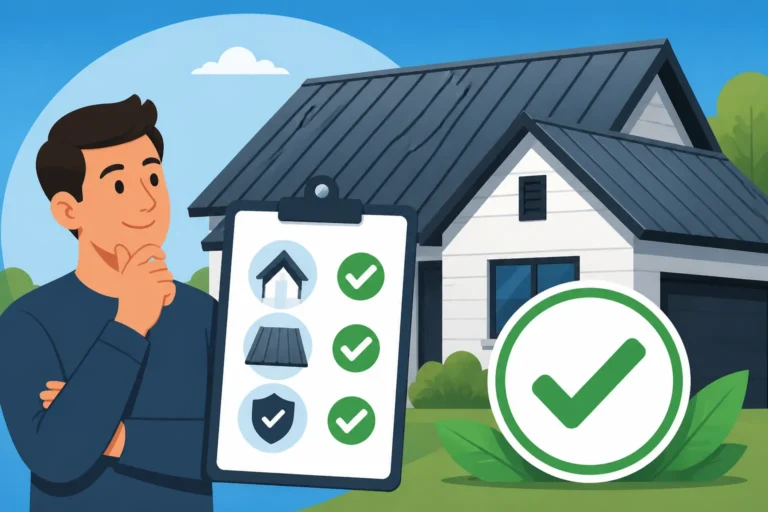
This is where your choice of roofing contractor becomes paramount. A competent and ethical metal roofing contractor in Florida will not only be familiar with the various product approvals but will also exclusively specify and install approved materials according to the manufacturer's precise instructions. They understand that deviating from these instructions voids the approval and creates a non-compliant installation. Before you sign any contract, ask your potential contractor to provide the specific Florida Product Approval or Miami-Dade NOA numbers for all the roofing components they plan to use.
A good contractor will integrate this into their proposal, making it easy for you to verify. They should also be able to explain why certain products and installation methods are necessary for your specific roof and location, especially if you're in a high wind zone. If a contractor tries to cut corners or suggests using materials without clear approval documentation, that's a massive red flag. Always verify their licensing, insurance, and track record.
Essential Documentation for Permits, Inspections, and Warranties
Throughout your metal roof project, documentation is your best friend. When you apply for a permit, the building department will require proof that the proposed roofing materials are Florida Approved or Miami-Dade NOA compliant. Your contractor should handle the permit application, including providing the necessary product approval documents. It's a key part of Do You Need a Permit for a Metal Roof?.
During the installation process, inspectors will visit your site to ensure that the materials being installed match the approved plans and that the installation methods adhere to the manufacturer's approved instructions and building codes. Having the product approval documents on site can help answer any questions from inspectors. Finally, for warranty purposes, both the manufacturer’s product warranty and the contractor’s workmanship warranty will often be contingent on the correct use of approved products and installation methods. Keep all these documents in a safe place, as they're essential for future insurance claims or if you decide to sell your home.
Why Product Approval is Your Best Defense as a Homeowner
Choosing to install a metal roof is a significant investment in your home's future. By ensuring that your chosen metal roofing system carries the necessary Florida Product Approval or Miami-Dade NOA, you're not just adhering to regulations; you're actively safeguarding your property, your financial stability, and your peace of mind. These approvals are designed to protect you, the homeowner, from the severe consequences of inadequate roofing.
Ensuring Uncompromised Safety and Long-Term Durability
The most fundamental reason for these rigorous product approvals is safety. A metal roof that is properly approved and installed acts as a robust shield, protecting your home's inhabitants and its interior from severe weather. When high winds hit, an approved metal roof is far less likely to suffer catastrophic failure, preventing water intrusion and structural damage that can render your home uninhabitable. It means your family has a safe haven during a storm, rather than a vulnerable structure.
Furthermore, these approvals contribute directly to the long-term durability of your metal roof. Products that undergo such stringent testing are inherently built to a higher standard, designed to resist the specific challenges of Florida's climate for decades. This means less worry about premature failure, fewer repairs, and a roof that truly lives up to the metal roofing promise of a 50+ year lifespan. It's an investment in a durable future for your home.
Unlocking Potential Insurance Savings and Protection
This is a huge benefit for Florida homeowners. Insurance companies recognize the reduced risk associated with approved, high-performance roofing systems. Many offer substantial discounts on homeowners insurance premiums for roofs that meet the Florida Building Code's wind resistance standards, and even greater discounts for those with a Miami-Dade NOA or other enhanced wind mitigation features. A wind mitigation inspection performed after your metal roof installation can document these features and save you a considerable amount each year.
The protection extends beyond discounts. Should your roof sustain damage during a storm, having a fully approved and code-compliant installation means your insurance claim is far more likely to be processed smoothly. You've met your end of the bargain by installing a resilient roof, and the insurer will be less likely to deny or reduce your claim based on non-compliance. This is a critical financial safeguard, and why exploring Metal Roof Insurance Discounts: How to Save is so important.
Enhancing Your Home's Resale Value and Investment Security
When it comes time to sell your home, a fully approved and code-compliant metal roof is a massive asset. Buyers in Florida are acutely aware of hurricane risks and building code requirements. A relatively new metal roof with clear documentation of Florida Product Approval or Miami-Dade NOA signals to them that the home is well-maintained, safe, and built to withstand the elements. This can significantly increase your home's appeal and command a higher resale price.
Think of it as a stamp of quality and reliability. It removes a major unknown for potential buyers and reassures them that they won't be inheriting a costly roofing problem or struggling with insurance companies. In a market where roofing integrity is paramount, this level of certification solidifies your home as a sound, secure investment. It reinforces the wisdom of considering Metal Roof Cost vs Lifespan Value in your initial decision-making.
Comparing Florida Product Approval and Miami-Dade NOA
While both Florida Product Approval and Miami-Dade NOA are designed to ensure roofing product quality and compliance, they operate with distinct scopes and levels of stringency. Understanding these differences is key for any Florida homeowner.
| Feature | Florida Product Approval | Miami-Dade Notice of Acceptance (NOA) |
|---|---|---|
| Scope | Statewide for most building products | Primarily for High-Velocity Hurricane Zone (HVHZ) – Miami-Dade & Broward Counties |
| Authority | Florida Building Commission (DBPR) | Miami-Dade County Regulatory and Economic Resources (RER) |
| Stringency | Meets minimum Florida Building Code (FBC) requirements | Exceeds FBC requirements, considered the most stringent |
| Testing | Rigorous, but less extreme than NOA (e.g., standard wind uplift, basic impact) | Extremely rigorous: large missile impact, extreme cyclic & static uplift |
| Purpose | Standardized product compliance across FL | Ensures exceptional hurricane resistance in HVHZ |
| Documentation | FL# followed by numbers (e.g., FL12345) | NOA# followed by numbers (e.g., NOA 12-0123.04) |
| Widespread Use | Mandatory statewide | Mandatory in HVHZ; highly sought after/preferred elsewhere in FL |
| Insurance Benefit | Often qualifies for discounts (wind mitigation) | Often qualifies for higher discounts; highly valued by insurers |
Disclaimer
Please remember that building codes, product approvals, and insurance policies can change. This guide provides general information based on current knowledge and practices. Always consult with a licensed, experienced metal roofing contractor, your local building department, and your insurance provider to confirm specific requirements and current regulations applicable to your property and project. Relying solely on general information without local verification is not recommended.