FORTIFIED Roof Program Explained
The thought of your home's roof standing strong against a relentless storm can be a source of constant worry, especially when extreme weather events seem to be increasing. Traditional roofing methods often fall short when faced with hurricane-force winds, golf-ball-sized hail, or torrential downpours. This comprehensive guide will explain the FORTIFIED Roof program, revealing how it offers superior protection for your metal roof and ultimately brings a profound sense of security to your home and family.
What Exactly is the FORTIFIED Roof Program?
When you hear about a "strong" roof, you might picture heavy-duty materials or extra nails. But the truth is, a truly resilient roof system, one that can really stand up to nature's worst, goes far beyond just the visible surface. That's where the FORTIFIED Roof program comes in, offering a gold standard for home protection that addresses the entire roofing system.
More Than Just a "Strong" Roof
The FORTIFIED Roof program isn't just about using a specific material; it's a comprehensive, system-based approach to building or upgrading your roof to significantly resist damage from severe weather like hurricanes, high winds, and hail. Developed by the Insurance Institute for Business & Home Safety (IBHS), FORTIFIED standards are scientifically proven to reduce property damage and are often far more rigorous than standard local building codes. While typical codes might ensure a roof is structurally sound for everyday conditions, FORTIFIED takes it to the next level, focusing on vulnerabilities exposed during extreme events. It looks at the roof as a complete system, ensuring every component — from the decking to the fasteners, the underlayment to the edge details — works together to keep water out and the roof attached, even when the wind howls and the rain pours sideways.
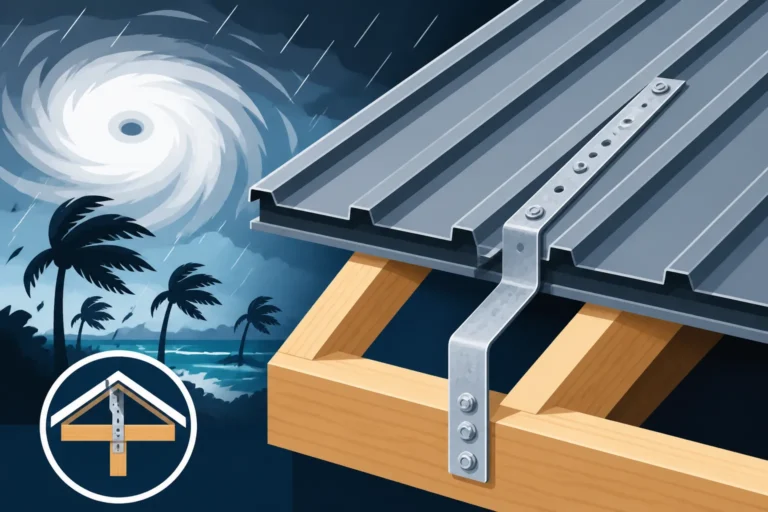
For example, standard building codes might specify a certain number of nails for attaching sheathing. However, FORTIFIED standards often require a tighter nail pattern or specialized fasteners to enhance the connection between the roof deck and the trusses or rafters, making it much harder for high winds to lift the roof right off your house. Think of it as the difference between building a house that can withstand a strong breeze versus one engineered to shrug off a Category 3 hurricane. It’s about creating redundancy and superior connections throughout the system, anticipating failure points, and strengthening them proactively. This systematic approach is what truly differentiates a FORTIFIED roof from one that merely meets minimum code requirements.
The Three Levels of FORTIFIED
The FORTIFIED program offers distinct levels of certification, each building upon the last to provide increasing levels of protection. While the "FORTIFIED Roof" certification specifically addresses the roof system's resilience, it's part of a broader framework.
The first level, and the focus for many homeowners looking to upgrade their existing roof, is FORTIFIED Roof. This certification specifically targets the roof system itself, ensuring it has been designed and installed to resist damage from high winds, hail, and intense rain. This includes strengthening the roof deck attachment, using a sealed roof deck to prevent water intrusion even if the primary roofing material is compromised, and reinforcing vulnerable areas like eaves and gables. For metal roofs, this means making sure panels are properly fastened and sealed to prevent uplift and leaks. Achieving this certification often means your roof can withstand winds up to 130 mph, which is a game-changer for homes in storm-prone regions.
Beyond the roof, there's FORTIFIED Home, which expands the protective measures to the entire building envelope. This level includes everything covered by FORTIFIED Roof, plus additional elements like reinforced windows, doors, and garage doors, and ensuring a continuous load path that ties the roof, walls, and foundation together. This creates a much stronger structure capable of resisting significant wind forces and flying debris. Finally, for those in areas highly susceptible to hurricanes, there's the FORTIFIED Home High Wind & Hail / Hurricane certification. This is the most comprehensive level, incorporating all previous requirements and adding specific protections designed for the extreme forces of a hurricane, including pressure equalization and even more stringent material and installation requirements. While our focus here is primarily on the roof, understanding these levels helps homeowners grasp the full spectrum of protection available through the FORTIFIED program.
Why Homeowners Are Turning to FORTIFIED Roofs
In an era of increasingly unpredictable weather, homeowners are actively seeking ways to safeguard their most valuable asset – their home. The FORTIFIED Roof program has emerged as a leading solution, offering a robust defense against nature's fury and providing tangible benefits that go beyond mere structural integrity.
Enhanced Protection Against Extreme Weather
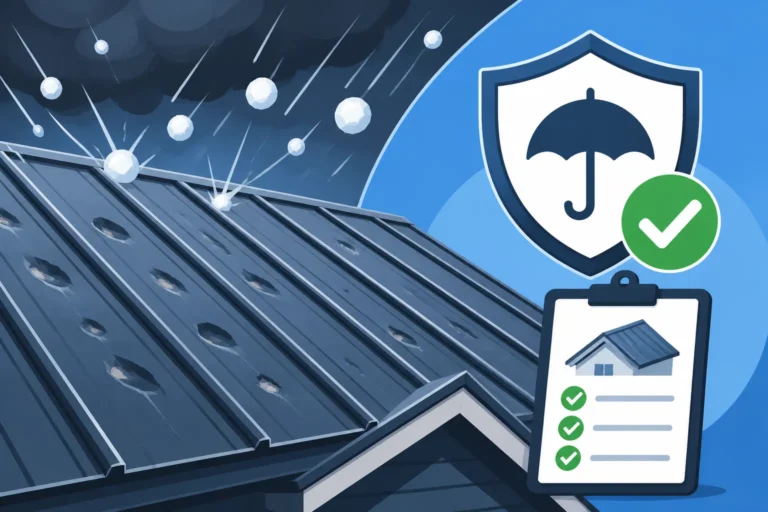
The primary driver behind the FORTIFIED Roof program's growing popularity is its unparalleled ability to protect homes from the most damaging elements of severe weather. Imagine a massive hailstorm, like the one that recently swept through parts of North Texas, leaving conventional asphalt shingle roofs looking like they'd been shot by a cannon. A metal roof built to FORTIFIED standards is designed to resist such impacts, often preventing the kind of widespread damage that sends neighbors scrambling for emergency tarp services. This enhanced resilience comes from a combination of factors, including superior roof deck attachment, which dramatically reduces the chance of the entire roof being lifted off in hurricane-force winds. We're talking about winds that can reach up to 130 mph or more, far exceeding what many standard building codes account for.
Moreover, a critical aspect of FORTIFIED certification, especially beneficial for metal roofs, is the sealed roof deck. Even if a tree branch punctures a metal panel during a storm, or fasteners somehow become compromised, the sealed underlayment acts as a secondary water barrier, preventing water from pouring into your attic and causing devastating interior damage. This innovative approach provides a vital layer of redundancy. The program also specifies robust flashing and edge details, common points of failure in traditional roofs, ensuring that vulnerable areas are secured against wind-driven rain. For homeowners in coastal regions like Florida or the Gulf Coast, or in tornado alley states like Oklahoma and Kansas, having a roof that can genuinely protect against these threats offers immense peace of mind. It’s not just about minimizing repair costs; it’s about protecting your home and family when it matters most. For those interested in how these factors contribute to overall longevity, check out our guide on Metal Roof Wind and Fire Ratings Explained.
Potential Insurance Savings and Added Home Value
Beyond the invaluable protection, a FORTIFIED Roof can offer significant financial incentives. Insurance companies are increasingly recognizing the reduced risk associated with these resilient roofs, often translating into substantial savings on homeowners' insurance premiums. For instance, in states like Florida and Texas, where catastrophic weather events are common, many insurers offer specific discounts for homes with FORTIFIED certifications. This isn't just a small token discount; these savings can be quite considerable over the lifespan of your roof, making the initial investment in a FORTIFIED system pay off over time. It's a win-win: your home is safer, and your wallet benefits. You can explore this further in our article on Metal Roof Insurance Savings & Discounts.
Furthermore, upgrading to a FORTIFIED metal roof can noticeably increase your home's resale value. In regions where extreme weather is a concern, prospective buyers are increasingly willing to pay a premium for homes that offer proven protection and lower insurance costs. A FORTIFIED certification acts as a visible seal of approval, signaling to buyers that the home is built to a higher standard of resilience. This translates into a competitive advantage in the real estate market. When you compare the upfront cost of a FORTIFIED roof against the long-term benefits of reduced insurance premiums, fewer repair claims, and enhanced marketability, the return on investment becomes clear. Many homeowners find that the added value and savings make the initial expenditure well worth it in the long run. We delve deeper into this topic in our analysis of Is a Metal Roof Worth It? ROI, Resale & Payback.
Key Components of a FORTIFIED Metal Roof
Achieving a FORTIFIED certification for your metal roof involves a detailed focus on several critical components. It’s not just about slapping metal panels on; it’s about a meticulous, interconnected system designed for maximum resilience. Each element plays a crucial role in safeguarding your home against severe weather.
A Strong Deck Attachment
One of the most fundamental aspects of a FORTIFIED metal roof, and often overlooked in standard installations, is the superior attachment of the roof deck itself. The roof deck, typically plywood or oriented strand board (OSB), is the very foundation upon which your metal panels rest. In high winds, a poorly attached roof deck can delaminate or even be ripped from the rafters, leading to catastrophic failure. FORTIFIED standards address this by requiring a much more robust fastening schedule than conventional building codes. Instead of the typical 6-inch spacing for nails along the edges and 12-inch spacing in the field, FORTIFIED often mandates a tighter pattern, such as 4-inch or 6-inch spacing everywhere, and sometimes even calls for ring-shank nails or screws that offer significantly higher pull-out resistance.
This enhanced deck attachment ensures that the decking stays firmly in place, providing a solid substrate for your metal roofing. Without a properly secured deck, even the strongest metal panels can be compromised if the base they are attached to fails. Imagine a sturdy tent trying to stand firm on shifting sand—it simply won't work. The roof deck is the "sand" here, and FORTIFIED ensures it's bedrock. This meticulous attention to detail at the substructure level is a cornerstone of the FORTIFIED approach and a primary reason why these roofs perform so much better under stress.
Sealed Roof Deck and Continuous Load Path
Another crucial element of a FORTIFIED metal roof is the sealed roof deck, acting as a critical secondary water barrier. In a severe storm, even the most durable metal panels can experience some damage – a flying debris impact, a loose seam, or a compromised fastener point. If water gets past the primary metal roofing material, a standard roof deck would simply allow it to seep into your attic, leading to mold, damaged insulation, and ruined ceilings. A FORTIFIED sealed roof deck, however, uses a continuous layer of self-adhering modified bitumen membrane or a combination of tape and synthetic underlayment to create a watertight seal over the entire deck. This means that even if your metal panels are damaged, the sealed deck underneath prevents water intrusion, keeping your home dry and intact. Our guide on Metal Roof Underlayment and Ventilation Guide offers more insights into these materials.
Beyond the sealed deck, the concept of a "continuous load path" is vital for overall structural integrity. While more broadly applied to the full FORTIFIED Home certification, it's a principle that reinforces the roof's connection to the rest of the house. It's about ensuring that all structural elements—from the roof, through the walls, to the foundation—are securely connected. This might involve hurricane straps, strong connectors, and specific anchoring methods that ensure the immense forces exerted by high winds are transferred safely through the structure and into the ground, rather than causing components to separate or lift off. For a metal roof, this means the panels are secured to the deck, the deck to the trusses, the trusses to the walls, and the walls to the foundation, creating an unbroken chain of strength that can resist powerful uplift and lateral forces.
Impact-Resistant Metal Roofing Materials and Installation
Metal roofing naturally possesses many characteristics that make it ideal for FORTIFIED certification, particularly its inherent durability and longevity. However, even within metal roofing, specific materials and installation techniques are required to meet the stringent FORTIFIED standards, especially when it comes to impact resistance from hail and wind. For example, while many metal profiles offer excellent wind resistance, a standing seam metal roof, with its concealed fasteners and interlocking panels, often inherently meets higher wind uplift ratings than an exposed fastener system. Other materials like Stone-Coated Steel Roof Cost are specifically engineered for exceptional impact resistance, mimicking traditional tile or shake while offering superior resilience to hail.
FORTIFIED standards will often specify not just the material, but also the gauge (thickness) of the metal—often recommending 24-gauge or 26-gauge steel or aluminum for optimal performance. Crucially, the installation process is also scrutinized. This includes the number and type of fasteners used, the correct application of sealants at seams and penetrations, and proper crimping or seaming techniques for standing seam panels to ensure they remain watertight and attached even under extreme stress. The precise installation of flashings around chimneys, skylights, and valleys, and robust drip edge and gable trim details are all part of the FORTIFIED requirements, ensuring every edge and transition point is fortified against wind and water intrusion. Understanding the nuances of these systems can be explored further in our guide to Metal Roofing Types Explained: Profiles & Panels.
The FORTIFIED Certification Process for Your Metal Roof
Embarking on a FORTIFIED roof project means navigating a specific certification process that ensures every aspect of the installation meets the rigorous IBHS standards. It’s a multi-step journey, but one that provides confidence in the quality and resilience of your new roof.
Finding a Qualified Contractor and Evaluator
The first, and perhaps most critical, step in getting a FORTIFIED metal roof is selecting the right team for the job. You can't just pick any roofer off the street; you need a contractor with specific training and experience in FORTIFIED installations. These contractors have often undergone special training from the IBHS or a FORTIFIED program partner, ensuring they understand the exacting standards and proper methodologies. It's not enough for them to just install metal roofs; they must know the FORTIFIED playbook inside and out. When interviewing potential contractors, don't hesitate to ask about their FORTIFIED experience and certifications. You can get more tips on finding the right professional by reading our guide on Questions to Ask a Metal Roofing Contractor Before You Hire.
Equally important is engaging a FORTIFIED Evaluator. This is an independent, third-party professional who acts as the quality control expert throughout your project. They are not affiliated with your roofing contractor and are crucial for the certification process. The Evaluator will review your project plans, conduct multiple on-site inspections during key phases of construction (before, during, and after the roof is installed), and verify that all FORTIFIED standards are being met. Their role is to ensure impartiality and adherence to the program's guidelines, providing an essential layer of oversight that traditional roofing projects often lack. Think of them as the rigorous inspector who ensures every detail is perfect, from the spacing of roof deck fasteners to the sealing of the underlayment and the final attachment of your metal panels.
Documentation, Inspections, and the Final Certificate
Once your qualified contractor and FORTIFIED Evaluator are on board, the process moves into active construction and verification. This isn't a "set it and forget it" kind of project. It involves a systematic approach to documentation and multiple inspections to ensure every critical step is performed correctly. Your contractor will be responsible for documenting specific stages of the installation with photographs, which the Evaluator will review. For instance, photos will be taken of the roof deck attachment before the underlayment goes down, and then of the sealed deck before the metal panels are installed. The Evaluator will also perform physical inspections at these key junctures to personally verify compliance with FORTIFIED standards. This might mean climbing on your roof to check nail patterns, ensuring the underlayment is properly sealed, and verifying that the metal panels are installed according to manufacturer and FORTIFIED specifications.
After all work is completed and the Evaluator has verified that every requirement has been met and properly documented, they will submit a final report to the IBHS. Upon review, and if all standards are satisfied, your home will officially receive its FORTIFIED designation – often a "FORTIFIED Roof" certificate. This certificate is your official proof that your roof has been built to the highest standards of resilience, offering superior protection against severe weather. This document is not only a source of pride but also a crucial piece of paper for potential insurance discounts and when you eventually sell your home. It’s also vital to understand how this certification interacts with your Metal Roof Warranties: Workmanship vs Manufacturer, as a certified installation often enhances the validity of both.
Cost Implications of a FORTIFIED Metal Roof
Let's be realistic: investing in a FORTIFIED metal roof often means a higher upfront cost compared to a conventional roofing system. But before that number gives you sticker shock, it’s crucial to understand where that extra expense comes from and, more importantly, the significant long-term savings and benefits it unlocks.
Understanding the Upfront Investment
It’s true that a FORTIFIED metal roof typically costs more than a standard metal roof, and certainly more than a basic asphalt shingle roof. On average, you can expect a FORTIFIED certified metal roof to cost anywhere from 10% to 20% more than a non-certified equivalent. This isn't just arbitrary; these additional costs stem from several key factors. First, the materials used might be more specialized, such as thicker gauge metal or specific self-adhering underlayments that exceed standard requirements. Second, the labor involved is often more meticulous and time-consuming. Contractors must adhere to stricter fastening schedules for the roof deck and metal panels, ensure precise sealing, and perform additional steps that aren't part of a conventional installation. This specialized labor, performed by trained professionals, naturally comes at a higher rate.
Third, there's the cost of the FORTIFIED Evaluator. As an independent third party, their services—including plan review, multiple site inspections, and final documentation—are an essential part of the certification process and contribute to the overall project expense. Finally, factors like your roof's pitch, complexity, and whether a tear-off of an existing roof is needed will also influence the overall price. For example, a home requiring a Cost to Replace Shingles With a Metal Roof will naturally be higher than a new build. All these elements combined result in a higher initial outlay. For a detailed breakdown of what contributes to your roofing bill, you might find our article on What Affects Metal Roof Cost: Gauge, Pitch, Complexity & Tear-Off insightful.
Long-Term Savings and ROI
While the upfront cost might seem daunting, the long-term savings and return on investment (ROI) of a FORTIFIED metal roof are compelling. As mentioned earlier, significant insurance discounts are often available in storm-prone regions. These savings, accumulated year after year over the several-decade lifespan of a metal roof, can significantly offset the initial added cost. For many homeowners, the insurance premium reduction alone makes the FORTIFIED investment a smart financial decision. Beyond insurance, the enhanced durability of a FORTIFIED roof means fewer repairs and less maintenance over its lifetime. Imagine avoiding costly repairs after a major hail event or preventing devastating interior water damage that could lead to mold remediation and extensive reconstruction. This reduction in potential repair costs offers substantial savings that might not be immediately visible but are very real over decades. Our guide on Metal Roof Repair vs Replacement: How to Decide often highlights the benefit of avoiding major repairs through initial quality.
Furthermore, a FORTIFIED certification acts as a strong selling point if you decide to move. Homes with this designation often command higher resale values because prospective buyers recognize the tangible benefits of reduced insurance premiums, superior protection, and the peace of mind that comes with it. In competitive markets, a FORTIFIED roof can set your home apart. The following table provides a simplified comparison of potential costs and benefits:
| Feature/Cost | Standard Metal Roof | FORTIFIED Metal Roof |
|---|---|---|
| Upfront Cost (Material & Labor) | Moderate to High | Higher (10-20% above standard metal) |
| Insurance Premiums | Standard rates, some metal roof discounts | Potentially significant discounts (15-35% or more in some regions) due to reduced risk. |
| Hail Damage Resistance | Excellent for most profiles | Superior due to enhanced deck attachment, sealed deck, and sometimes specialized materials; often Class 4 rated. |
| Wind Uplift Resistance | Excellent (up to 120 mph for some) | Exceptional (often tested to 130 mph or higher) due to rigorous fastening, sealed deck, and edge details. |
| Water Intrusion Protection | Primary barrier from metal panels | Secondary barrier from sealed deck prevents leaks even if panels are breached. |
| Longevity | 40-70+ years | 40-70+ years (enhanced protection likely extends effective life in severe weather conditions). |
| Resale Value | Good | Excellent (recognized value to buyers, especially in high-risk zones). |
| Peace of Mind | High | Extremely High (assurance against catastrophic damage and reduced insurance hassle). |
| Maintenance/Repair Costs | Low to Moderate | Very Low (fewer major repairs expected after storms). |
| Certification Process | None | Required (involves a FORTIFIED Evaluator and specific documentation/inspections). |
This table illustrates that while the initial outlay for a FORTIFIED roof is higher, the investment in enhanced protection, reduced future costs, and increased home value makes it a compelling option for many homeowners, especially those living in areas prone to severe weather. Considering the full Metal Roof Cost vs Lifespan Value, the FORTIFIED option truly shines.
Is a FORTIFIED Metal Roof Right for Your Home?
Deciding whether a FORTIFIED metal roof is the right investment for your home involves weighing several factors, from your geographic location and risk exposure to your long-term financial goals and peace of mind.
Assessing Your Risk and Location
The need for a FORTIFIED roof often correlates directly with your home's exposure to severe weather. If you live in a hurricane-prone area along the coast, like many communities in Florida, Louisiana, or the Carolinas, the benefits of a FORTIFIED system are almost undeniable. These regions regularly experience high winds and torrential rain that can devastate conventionally built roofs. Similarly, if your home is in "Tornado Alley" or areas frequently impacted by severe thunderstorms and large hail, such as parts of Texas, Oklahoma, or the Midwest, the enhanced impact resistance and secure deck attachment of a FORTIFIED metal roof offer critical protection. Our guide on Hurricane and Coastal Metal Roof Requirements delves into specifics for those high-risk zones.
Consider the historical weather patterns in your area and the potential for future climate events. Even if you haven't experienced severe damage recently, climate change is leading to more intense and frequent storms in many regions. Investing in a FORTIFIED roof is a proactive measure against these evolving threats. Beyond external forces, also consider the age and condition of your existing roof structure. If you’re already planning a full roof replacement, it's the ideal time to upgrade to FORTIFIED standards, as it leverages existing construction processes and minimizes additional disruption. If you're pondering a How Much Does a Standing Seam Metal Roof Cost, remember to factor in the FORTIFIED premium for maximum resilience.
Weighing the Pros and Cons
Like any significant home improvement, choosing a FORTIFIED metal roof comes with its own set of advantages and considerations.
Pros:
- Unrivaled Protection: This is the big one. Your home will be significantly more resilient against high winds, hail, and wind-driven rain, reducing the risk of catastrophic damage.
- Significant Insurance Savings: In many high-risk states, the long-term savings on homeowners insurance premiums can be substantial, often offsetting a portion of the upfront cost.
- Increased Home Value: A FORTIFIED certification is a powerful selling point, increasing your home's market appeal and resale value, especially in areas prone to severe weather.
- Enhanced Peace of Mind: Knowing your roof is built to withstand extreme conditions provides invaluable psychological comfort during storm season.
- Reduced Repair Costs: With superior resilience, you're less likely to face costly repairs or major replacements after a storm.
- Durable and Long-Lasting: Metal roofs are already known for their longevity, and FORTIFIED standards enhance this further by ensuring optimal installation.
Cons:
- Higher Upfront Cost: The primary drawback is the initial investment, which is generally 10-20% more than a standard metal roof installation.
- More Involved Process: The certification process requires working with a FORTIFIED-trained contractor and an independent Evaluator, involving more steps and documentation than a typical roof replacement.
- Limited Contractor Availability: While growing, the pool of FORTIFIED-trained and certified contractors may be smaller in some regions, potentially limiting your options or requiring you to wait longer for a project to begin. This is why it's important to know How to Hire a Metal Roofing Contractor with these specific qualifications.
- Geographic Relevance: While beneficial everywhere, the financial incentives (insurance discounts) are most pronounced in areas with frequent severe weather.
Ultimately, the decision hinges on your specific situation. If you live in a high-risk area, plan to stay in your home for many years, and value superior protection and potential long-term savings, a FORTIFIED metal roof is likely an exceptionally wise investment that offers peace of mind far beyond its monetary cost.
Disclaimer
Please remember that the information provided in this article is intended for general guidance and informational purposes only. Building codes, regulations, and insurance policies related to the FORTIFIED program can vary significantly by location and are subject to change. Always consult with a certified FORTIFIED Evaluator, a qualified roofing contractor, and your insurance provider to understand the specific requirements, costs, and benefits applicable to your home and region before making any decisions.