Wind Mitigation Inspection for Metal Roofs
It's incredibly frustrating when you're trying to do everything right for your home, investing in durable upgrades like a metal roof, only to see your insurance premiums still climbing or not getting the recognition you feel you deserve. Many homeowners feel trapped by ever-increasing costs, wondering if their big investment truly pays off in the long run. This guide is here to shed light on exactly how a wind mitigation inspection can turn that frustration into real savings and peace of mind for those with metal roofs, ensuring your home's strength translates into tangible benefits.
Understanding Wind Mitigation Inspections
When you hear "wind mitigation inspection," it might sound like another bureaucratic hurdle, but for homeowners, especially those who've made the smart move to a metal roof, it's actually a golden ticket to potential savings. Think of it as a detailed assessment of your home's ability to withstand high winds, designed specifically to identify features that reduce the risk of damage during a storm. This isn't just about ticking boxes; it's about showcasing the robust construction choices you've made, particularly with a resilient roof like metal.
What Exactly Is a Wind Mitigation Inspection?
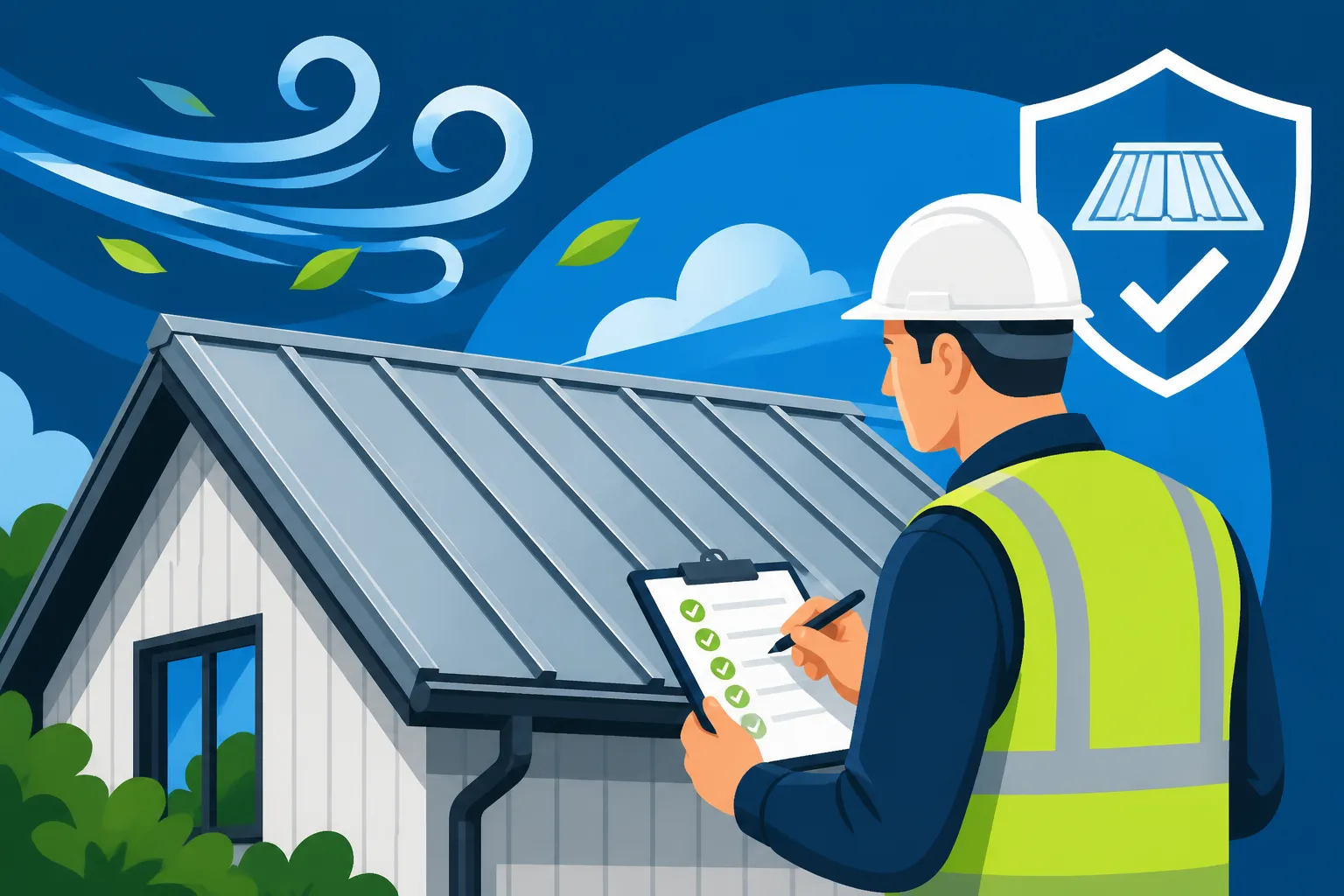
At its core, a wind mitigation inspection is a specialized assessment conducted by a certified inspector. Unlike a general home inspection that looks at everything from plumbing to electrical systems, a wind mitigation inspection zeroes in exclusively on features that make your home more resistant to wind damage. The inspector meticulously examines several key areas of your home's construction, providing documentation that proves its wind-resistant characteristics. This report then gets submitted to your homeowners insurance provider, who, by law in many states, must offer discounts for qualifying wind-resistant features.
For metal roof owners, this inspection is particularly relevant because metal roofing inherently offers superior wind resistance compared to many traditional materials. An inspector will look at the specific type of metal roof you have – perhaps a sleek standing seam system or a more traditional corrugated metal roof – and how it’s attached. They'll also verify the roof deck attachment, roof-to-wall connections, and any secondary water resistance. It’s about more than just having a metal roof; it’s about proving that your specific installation meets the criteria for reducing hurricane and wind-related risks, validating your investment in a resilient roofing material. The inspector is essentially building a case for your insurance company, proving that your home is less of a risk in a storm.
The Benefits for Metal Roof Owners
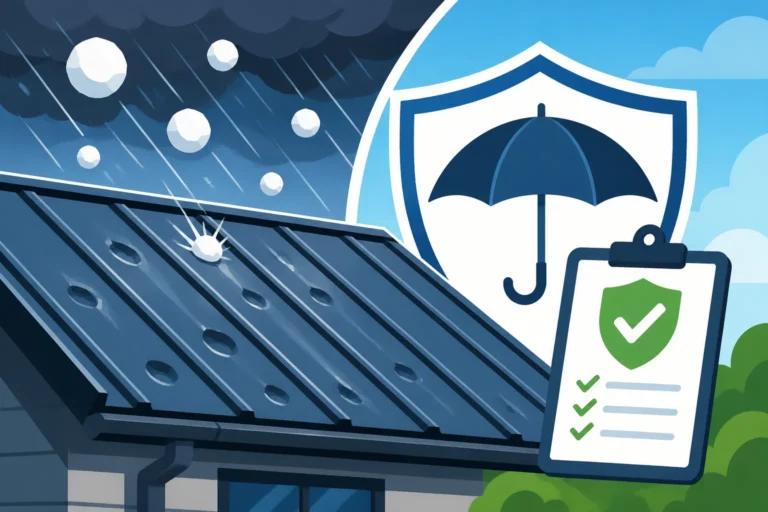
The most immediate and appealing benefit of a successful wind mitigation inspection for a metal roof owner is the potential for significant savings on homeowners insurance premiums. Insurance companies recognize that homes with robust wind-resistant features are less likely to file costly claims after a storm, and they pass those savings on to you in the form of discounts. In high-wind areas, these savings can be substantial, often making the cost of the inspection itself a small, worthwhile investment that pays for itself quickly.
Beyond the financial advantages, there's an undeniable peace of mind that comes with knowing your home is genuinely more secure against extreme weather. A metal roof already offers excellent protection, but having it formally recognized through an inspection confirms that your entire roofing system is prepared. This enhanced safety not only protects your family and belongings but can also contribute to the overall value of your home. When it comes time to sell, a documented wind mitigation report demonstrating a durable metal roof can be a powerful selling point, reassuring potential buyers about the home's long-term resilience and lower insurance costs. It’s a win-win, really: you save money, you gain peace of mind, and your home becomes a more attractive asset. To learn more about how this translates to value, check out our guide on Metal Roof Insurance Savings & Discounts.
Key Elements of a Metal Roof Wind Mitigation Inspection
When an inspector comes to assess your metal roof for wind mitigation, they're not just glancing at the shiny new panels. They're delving deep into the very structure and installation methods that make your roof a fortress against high winds. Understanding these key elements can help you appreciate the thoroughness of the process and even give you a heads-up on what aspects of your metal roof installation are most critical for securing those valuable insurance credits.
Roof Covering The Metal Itself
The type of metal roof you've chosen is a major factor in a wind mitigation inspection. Different metal roof profiles offer varying degrees of wind resistance, and the inspector will document exactly what you have. For example, a standing seam metal roof, with its concealed fasteners and interlocking panels, is often considered among the best for wind resistance, typically qualifying for excellent credits. Its design minimizes points of vulnerability where wind can lift panels. Other popular options like stone-coated steel roof or metal shingles also offer significant wind resistance, especially when properly installed.
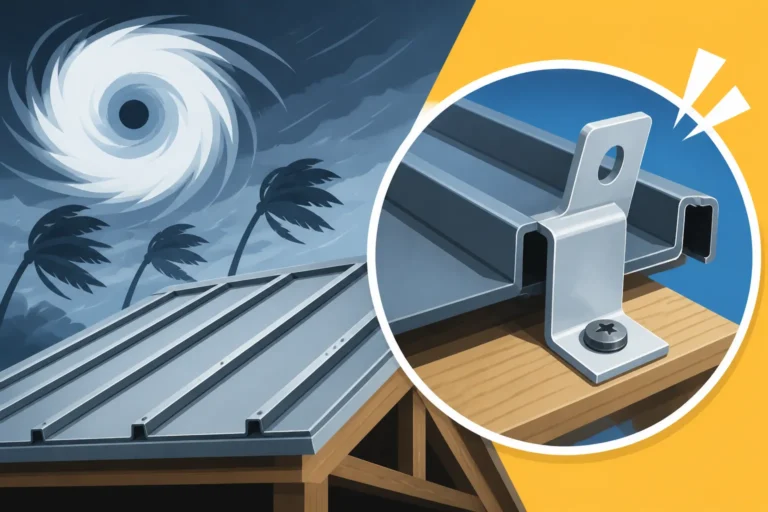
The way these panels are attached is equally important. Exposed fastener systems, like those often found on corrugated metal roofs or R-panel roofs, rely on screws drilled through the panels into the roof deck. The number and type of fasteners, and their spacing, are crucial for uplift resistance. Concealed fastener systems, by contrast, hide their clips and fasteners beneath the panels, offering a smoother, less vulnerable surface to the wind. An inspector will meticulously record the specific type of metal panel, its thickness (gauge), and the method of attachment, all of which directly influence its ability to withstand extreme winds and contribute to the overall Metal Roof Wind and Fire Ratings Explained.
Roof Deck Attachment
Beneath your beautiful metal panels lies the roof deck, typically made of plywood or oriented strand board (OSB). The way this deck is attached to the roof trusses or rafters is absolutely fundamental to your home's wind resistance. Even the strongest metal roof won't protect your home if the underlying deck can be ripped away by powerful winds. Inspectors will often go into your attic (if accessible) to verify the type and thickness of your roof sheathing, as well as the length, type, and spacing of the nails or screws used to fasten it.
For instance, a roof deck attached with 8d nails spaced every 6 inches along the perimeter and in the field (the middle of the panel) offers significantly better uplift resistance than one with longer spacing or shorter nails. In high-wind zones, building codes often mandate specific, tighter nailing patterns. The inspector will document these details, which are critical for earning wind mitigation credits. This often means carefully examining exposed sheathing in the attic or looking for documentation from the original installation. This component is a big one, as a properly secured roof deck prevents the entire roof system from detaching from the house.
Roof-to-Wall Attachment
This section of the inspection focuses on how your roof structure is connected to the exterior walls of your home. It’s a vital link in the chain of wind resistance, preventing the roof from literally lifting off the house during a severe storm. There are several common types of roof-to-wall attachments, and the inspector will look for evidence of each, typically from within the attic.
The most basic form is toe-nailing, where rafters are nailed at an angle to the wall top plate. While better than nothing, it offers minimal resistance. Stronger options include clips, which are metal connectors that reinforce the toe-nail connection, and single or double straps, which are heavy-duty metal straps that connect the roof truss or rafter to the wall structure. Double straps, providing a continuous connection, offer the highest level of wind resistance. The inspector will count the number of nails in each strap or clip, as this directly impacts its strength. Homes built in the last few decades, especially in hurricane-prone regions, are often constructed with these stronger strapping methods, which are crucial for qualifying for maximum wind mitigation credits. Ensuring these connections are robust is a fundamental part of Hurricane and Coastal Metal Roof Requirements.
Secondary Water Resistance SWR
A secondary water resistance (SWR) barrier, sometimes referred to as a "sealed roof deck" or "underlayment," is a critical layer of protection that often goes unnoticed because it's underneath your metal roof panels. Its purpose is simple: even if the primary roof covering (your metal panels) is damaged or blown off during a severe wind event, the SWR acts as a last line of defense, preventing water from entering your home. This is particularly valuable because water damage can often be more extensive and costly than the structural damage itself.
The inspector will look for evidence of an SWR, which is typically a self-adhering modified bitumen peel-and-stick membrane applied directly to the roof deck. This material essentially seals the entire roof deck, preventing water intrusion through nail holes or gaps if panels are compromised. Other types of underlayment, such as felt paper or synthetic underlayments, while providing some protection, typically do not qualify as a full SWR for wind mitigation credits unless they are specifically designed and applied to create a sealed deck. Having a true SWR can significantly increase your wind mitigation credits, reflecting the added protection it provides against devastating water intrusion during a storm. For more details on this crucial layer, check out our Metal Roof Underlayment and Ventilation Guide.
Here's a quick overview of common wind mitigation features and their potential impact:
| Wind Mitigation Feature | Description | Typical Insurance Credit Impact (Example) | Inspector's Verification |
|---|---|---|---|
| Roof Covering | Type of roof material (e.g., metal, asphalt shingles) and installation | Moderate to High Credits (Metal generally higher) | Visual inspection of material, fastener type, and installation quality |
| Roof Deck Attachment | How roof sheathing is fastened to trusses/rafters | High Credits | Attic inspection for nail spacing, size, and sheathing thickness |
| Roof-to-Wall Attachment | How roof structure is connected to exterior walls | High Credits | Attic inspection for hurricane clips, straps, or toe-nails |
| Secondary Water Resistance | Underlayment that prevents water intrusion if primary roof fails | Moderate Credits | Visual confirmation of self-adhering membrane, or documentation |
| Gable End Bracing | Reinforcement for gable walls in attic | Low to Moderate Credits | Attic inspection for bracing, especially in older homes |
| Opening Protection | Shutters or impact-rated windows/doors | Moderate to High Credits | Visual inspection of protection systems, labels, or documentation |
The Inspection Process and What to Expect
Embarking on a wind mitigation inspection might feel a bit daunting, especially if it's your first time. You might be wondering, "Who do I call?" or "What do I need to do to get ready?" The truth is, it's a relatively straightforward process once you know the steps. Understanding what to expect can help ease any anxieties and ensure you get the most out of your inspection, translating into those coveted insurance savings.
Finding a Qualified Inspector
The first and arguably most crucial step is finding a qualified and reputable inspector. This isn't a job for just any home inspector; you need someone specifically certified to perform wind mitigation inspections. They must possess the necessary licenses and expertise to accurately assess your home's wind-resistant features. In many states, this means they'll be a licensed general contractor, building contractor, home inspector, or architect/engineer. You can often find reputable inspectors through recommendations from your insurance agent, local building associations, or even by searching online directories for certified wind mitigation inspectors in your area.
Don't hesitate to ask about their specific experience with metal roofs. While the principles are the same, an inspector familiar with various metal roofing systems – from standing seam to metal shingle – will be better equipped to identify and document all the valuable features of your installation. Always confirm their licensing and ask for references. A good inspector will be transparent about their credentials and happy to answer any questions you have about the process and what they'll be looking for. It's an investment, so make sure you're hiring a true professional. For broader advice on selecting professionals, you might find our guide on How to Hire a Metal Roofing Contractor helpful.
Preparing Your Home for Inspection
Once you've scheduled your inspection, a little preparation on your part can make the process smoother and ensure the inspector has access to everything they need. The goal is to make it easy for them to do their job thoroughly, which ultimately benefits you.
Start by gathering any relevant documentation related to your roof. This might include building plans, permits from the installation of your metal roof, or even receipts from the roofing contractor. If you had a new roof installed recently, the contractor might have provided you with details on the specific materials used, gauge of the metal, and installation methods – all of which can be incredibly useful. Next, ensure easy access to your attic. The inspector will need to go up there to check the roof deck attachment and roof-to-wall connections, so make sure the attic entrance isn't blocked by stored items. If there's an attic ladder, ensure it's safe and stable. Finally, on the exterior, make sure the roof itself is clear of any debris or obstructions that might hinder the inspector's visual assessment. A tidy environment allows the inspector to focus solely on the structural elements, speeding up the process and minimizing any potential overlooked details.
Receiving and Understanding the Report
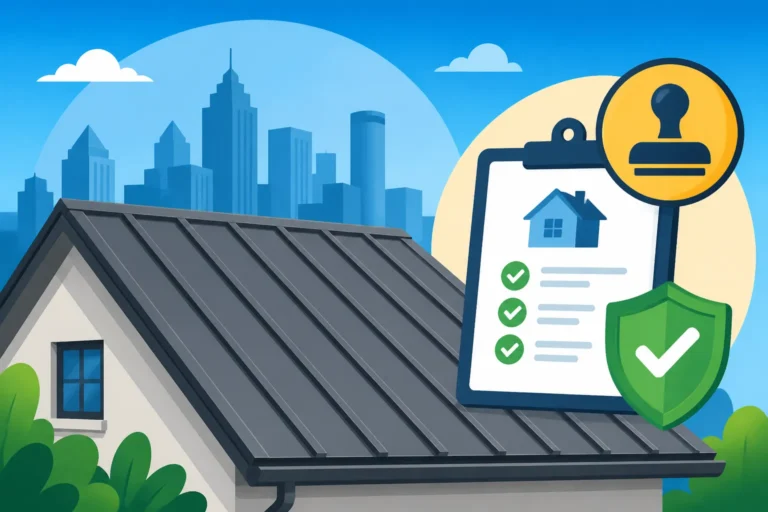
After the inspection is complete, you'll receive a formal report, often on a standardized form. In Florida, for instance, this is typically the OIR-B1-1802 form. This document will detail all the findings, categorizing your home's wind-resistant features and providing scores or grades for each section (e.g., roof covering, roof deck attachment, roof-to-wall attachment, SWR, opening protection). It's crucial to review this report carefully. Each section will have a corresponding checkmark or rating indicating the level of protection identified.
The report will clearly state whether certain features meet the criteria for insurance discounts. For example, it might indicate that your metal roof is rated for winds up to 150 MPH, or that your roof deck has an "enhanced" attachment. Don't be afraid to ask your inspector for clarification if any part of the report is unclear. They should be able to walk you through the findings and explain how each element contributes to your overall wind mitigation credits. Once you understand the report, you'll submit it directly to your homeowners insurance company. They will then review it and apply any eligible discounts to your policy, often reflected in your next billing cycle. This report is your proof, your documentation that your investment in a metal roof truly pays off in reduced risk and lower premiums.
Maximizing Your Metal Roof's Wind Mitigation Potential
You've got a metal roof, which is already a huge step in the right direction for wind mitigation. But how do you ensure you're getting every possible credit and truly maximizing its potential to save you money and protect your home? It’s not just about having a metal roof; it’s about having the right metal roof, installed correctly, and then effectively communicating that to your insurance provider.
Choosing the Right Metal Roof System
When you initially decided on a metal roof, you likely considered aesthetics, budget, and durability. For optimal wind mitigation, the specific system you choose and its installation are paramount. Not all metal roofs are created equal in the eyes of an insurance adjuster. A standing seam metal roof, for instance, is often considered the gold standard for wind resistance due to its concealed fasteners and robust panel interlocking system, making it incredibly resistant to uplift. This often translates to higher wind mitigation credits. In contrast, an exposed fastener system, while still offering good protection, might receive fewer credits if the fastener density and type aren't top-tier.
Consider the gauge of the metal as well. While a 29-gauge metal roof might be economical, a thicker 24 or 26 gauge metal roof offers superior rigidity and impact resistance, which can also contribute to better wind performance and longevity. Discuss these options with your installer during the planning phase. They can guide you on the best profiles and materials to meet high-wind requirements in your area and maximize future insurance savings. Investing a bit more upfront in a highly wind-resistant system like a heavy-gauge standing seam can yield significant long-term returns in both protection and reduced premiums. Our guide on 24 vs 26 Gauge Metal Roof: Cost Difference offers more insights into gauge considerations.
Reinforcing Your Existing Metal Roof
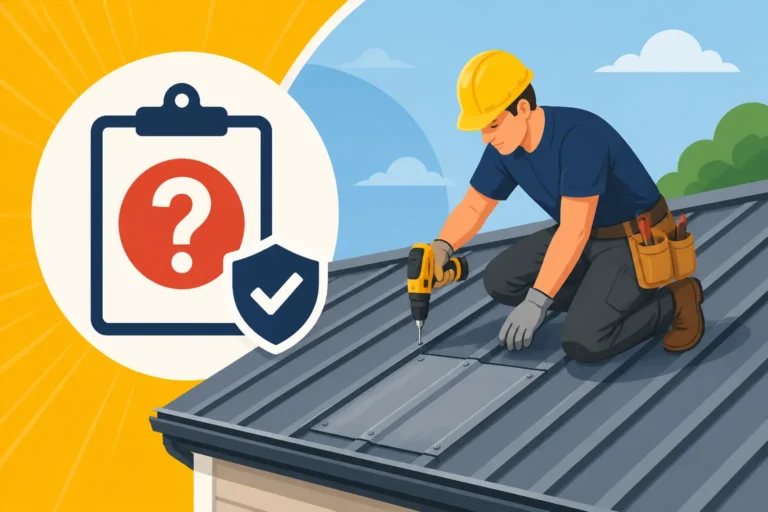
What if you already have a metal roof but didn't initially consider wind mitigation credits during installation? All hope isn't lost! Depending on the type and age of your roof, there might be options to reinforce it and improve its wind resistance characteristics. For exposed fastener roofs, a qualified roofing contractor might be able to add additional screws or replace existing fasteners with stronger, longer ones, increasing the density of attachment to the roof deck. This simple act can sometimes significantly enhance uplift resistance.
Another area to investigate is the roof-to-wall attachment in your attic. If your home has older construction with only toe-nailed rafters, a contractor may be able to install hurricane clips or straps to strengthen these connections. While it might be challenging to add a full secondary water resistance barrier without a complete re-roof, sometimes sealing specific areas or improving flashing can help. It's crucial to consult with a reputable metal roofing contractor who understands wind mitigation. They can assess your current roof and advise on cost-effective reinforcements that could improve your wind mitigation report. Just be aware that extensive retrofits can be costly, and the return on investment for insurance credits should be carefully weighed against the expense.
Working with Your Insurance Company
Once you have your comprehensive wind mitigation report in hand, the next critical step is submitting it to your homeowners insurance company. Don't assume they'll automatically know about your fantastic metal roof and its stellar wind-resistant features; you have to provide the proof. Send the report to them directly and follow up to ensure it's been received and processed.
It's also a good idea to understand the timeline for premium adjustments. Some insurance companies may apply the discounts immediately to your next bill, while others might wait until your policy renewal date. Don't hesitate to ask your agent for a revised quote reflecting the new credits. Furthermore, wind mitigation reports often have an expiration date, typically five years in many states. Make a note to schedule a periodic re-inspection before your report expires to continue receiving those valuable discounts. Staying proactive and engaged with your insurance company ensures you consistently reap the financial benefits of your robust metal roof. This diligence is key to truly benefiting from a Metal Roof Insurance Savings & Discounts.
Common Myths and Misconceptions
When it comes to something as specific as wind mitigation inspections for metal roofs, it's easy for myths and misunderstandings to take root. These misconceptions can sometimes deter homeowners from pursuing an inspection or lead to unrealistic expectations about the benefits. Let's clear the air and address some of the most common tall tales.
"All Metal Roofs Get Maximum Discounts Automatically"
This is one of the biggest myths out there, and it's a frustrating one because it can lead to disappointment. While it's absolutely true that metal roofs generally offer superior wind resistance compared to many other roofing materials, and therefore qualify for better insurance discounts, it's not an automatic "max credits" button. The reality is that the specific type of metal roof, its installation method, and the underlying structural components all play a critical role.
An inspector isn't just checking "Is it metal?" They're looking at details like the gauge of the metal, the fastening system (exposed vs. concealed), the spacing and type of fasteners, the roof deck attachment, and the roof-to-wall connections. A metal roof installed over existing shingles, for instance, might not perform as well in extreme winds as one installed directly onto a reinforced roof deck. Similarly, a professionally installed standing seam roof with robust hurricane clips will likely earn more credits than a more basic exposed fastener panel system. So, while your metal roof is a fantastic investment, don't assume maximum credits. The inspection is vital to document its actual wind resistance and ensure you get all the discounts your specific setup deserves. To understand more about these differences, consider our resource on Metal Roof Installation Process: Step by Step.
"A Wind Mitigation Inspection is Just Another Fee"
Another common misconception is that a wind mitigation inspection is just another expense tacked onto homeownership, with uncertain benefits. This perspective often comes from the frustration of seeing various fees and inspections for a home. However, viewing a wind mitigation inspection as "just another fee" misses the crucial point: it's an investment with a clear and often rapid return.
While there is an upfront cost for the inspection, the potential savings on your homeowners insurance premiums can easily outweigh this cost, often within the first year or two. In high-wind areas, especially states like Florida or along the Gulf Coast, the discounts can be hundreds, sometimes even thousands, of dollars annually. It’s not just about spending money; it's about strategically spending a little to save a lot. Think of it like an energy audit that helps you lower your utility bills. This inspection actively demonstrates to your insurance company that your metal roof makes your home a lower risk, and they reward you for it. It's a proactive step that directly benefits your wallet and reinforces the value of your metal roofing investment. For a deeper dive into the numbers, exploring the long-term cost benefits, check out Is a Metal Roof Worth It? ROI, Resale & Payback.
Regional Differences in Wind Mitigation
The world of wind mitigation isn't a one-size-fits-all scenario. What's considered standard or even excellent in one part of the country might barely meet minimum requirements in another, especially when dealing with the unique demands placed on homes with metal roofs in specific regions. Understanding these regional differences is crucial for any homeowner looking to get the most out of their metal roof investment and wind mitigation efforts.
Focus on High-Wind Zones e.g., Florida, Gulf Coast
If you live in a state like Florida, along the Texas Gulf Coast, or in other hurricane-prone regions, wind mitigation isn't just a suggestion; it's a way of life, baked into everything from building codes to insurance policies. In these high-wind zones, the requirements for metal roofs to earn significant wind mitigation credits are typically much more stringent. For instance, the Florida Building Code (FBC) has some of the most robust and detailed stipulations for roof construction, including specific wind-load calculations and approved fastening methods. Homeowners in Florida often rely on Florida Product Approval and Miami-Dade NOA (Notice of Acceptance) documents, which certify that specific metal roofing systems have been rigorously tested to withstand extreme winds, sometimes up to 180 MPH or more.
An inspector in these areas will look for clear evidence of these higher standards: tighter nail spacing on roof decking, specific types of hurricane straps or clips with a documented number of fasteners, and often a full secondary water resistance (SWR) layer. They'll also verify that the metal roofing system itself carries appropriate wind ratings and has been installed by a certified professional in accordance with the latest building codes. These regions understand that every layer of protection counts, and your metal roof is a key player in that defense. Our guide on Florida Metal Roof Codes: FBC, HVHZ & Approvals can provide specific insights if you're in the Sunshine State.
How Building Codes Play a Role
Building codes are the bedrock upon which wind mitigation requirements are built. These codes, established at state and local levels, dictate minimum construction standards designed to ensure public safety and property protection. For metal roofs, building codes specify everything from the required gauge and material strength to the methods of attachment, flashing details, and ventilation systems. In areas with a high risk of wind damage, these codes are continuously updated and strengthened, often directly influencing what qualifies for insurance discounts.
For example, a metal roof installed 20 years ago might have met the building codes of its time, but those codes might be significantly less stringent than today's requirements. When an inspector performs a wind mitigation assessment, they often compare your home's features against the current building codes or the codes in effect at the time of construction (if the feature predates newer, stricter codes). A metal roof that meets or exceeds current, more robust codes will undoubtedly earn more significant wind mitigation credits. Conversely, a roof that barely meets older, less demanding codes might receive fewer credits, even if it's a metal roof. This interplay between historical and current building codes is why a detailed inspection is so important – it translates compliance into tangible savings. It's not just about having a strong roof, but having one that meets recognized, documented standards of strength.
Disclaimer
Please remember that the information provided in this article is intended for general guidance and informational purposes only, and does not constitute professional advice. Roofing projects and insurance claims are complex and require the expertise of licensed professionals. Always consult with a qualified metal roofing contractor, a certified wind mitigation inspector, and your insurance provider to discuss your specific needs, obtain accurate quotes, and ensure compliance with all local building codes and insurance policy requirements. Do not undertake any DIY repairs or installations without proper knowledge and safety precautions.