Is a Permit Required to Repair a Metal Roof?
The world of home renovations, especially when it comes to your roof, often feels like navigating a maze of confusing rules and regulations. One of the most common head-scratchers for homeowners is whether a permit is required just to repair a metal roof, especially if it feels like a small fix. This guide aims to clear up that confusion, diving deep into the specifics, local variations, and the potential pitfalls of overlooking permit requirements for your metal roof repairs.
The Nuance of "Repair" vs. "Replacement" in Permitting
When you're dealing with your roof, the distinction between a "repair" and a "replacement" can seem pretty straightforward in your mind. A repair is fixing a problem, a replacement is putting on a whole new roof, right? Well, from a building department's perspective, it's often far more nuanced, and that nuance can have significant implications for whether or not you need a permit. It's not just about the type of work, but the extent of it.
Defining "Minor Repair" for Metal Roofs
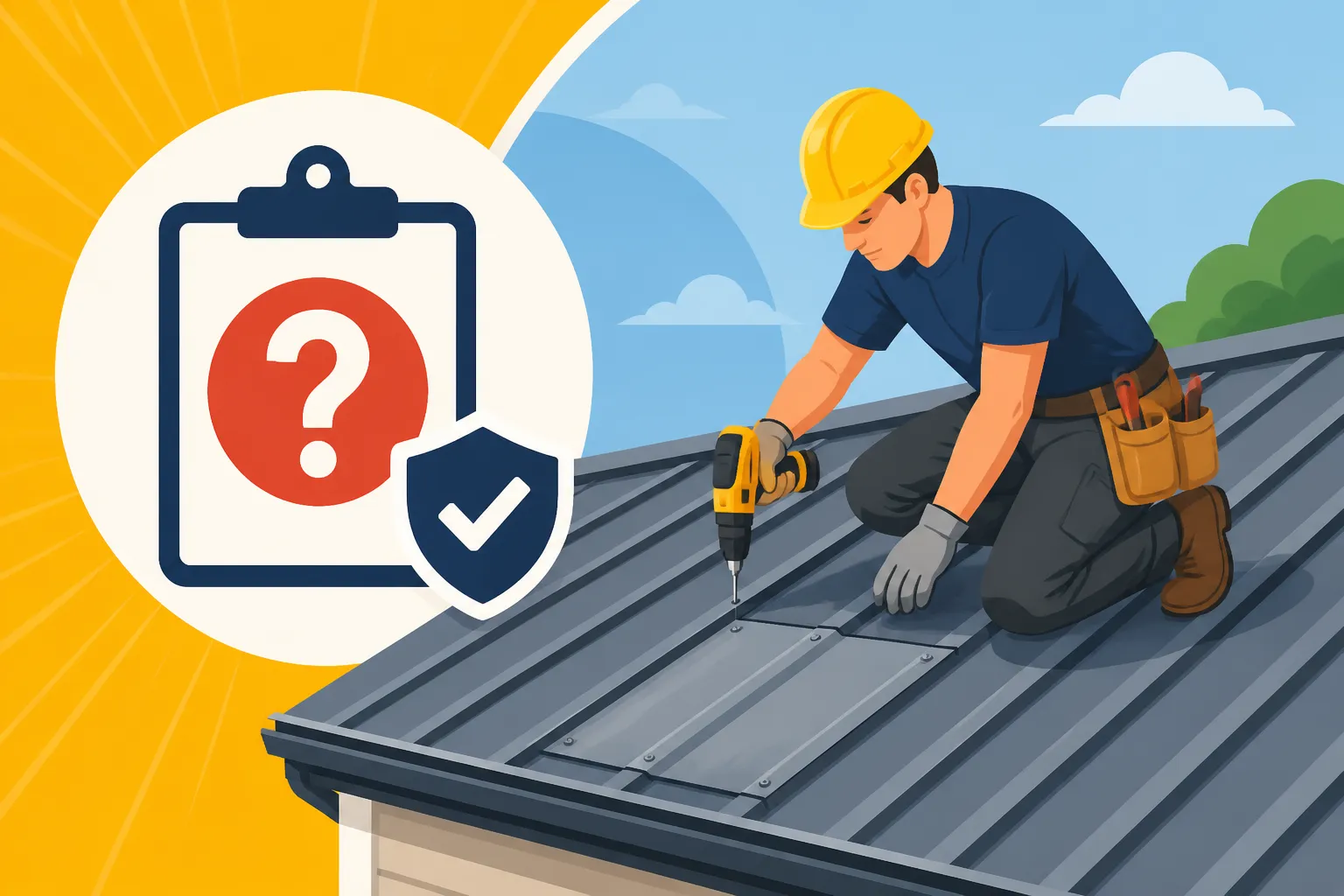
Many local building codes have a provision for what's considered a "minor repair" that might not require a permit. For metal roofs, this usually involves very localized, limited work. Think about replacing a single damaged panel that's been dented by a falling branch or fixing a small section of flashing that has come loose around a chimney. If you're simply tightening a few screws that have backed out, or applying a sealant to a minor leak around a fastener, these tasks typically fall under the umbrella of routine maintenance or minor repairs. The key here is that the structural integrity of the roof isn't being altered, and the scope of work affects a very small percentage of the total roof surface.
For instance, if you have a standing seam metal roof and just one or two panels have suffered superficial damage that doesn't compromise the underlying structure or weatherproofing, replacing those specific panels might not trigger a permit requirement. Similarly, if your issue is simply with the aesthetic coating or a minor surface scratch that needs a touch-up, that's almost certainly not a permit-worthy project. However, these are general guidelines, and it’s always best to err on the side of caution and verify with your local municipality. The definition of "minor" can be surprisingly subjective from one county to the next, or even between different inspectors within the same city.
When a "Repair" Actually Becomes a "Replacement"
Here's where it gets tricky. What starts as a seemingly small repair can quickly cross the line into requiring a permit if the scope expands. Many jurisdictions define a "repair" as work that affects less than a certain percentage of the roof's total surface area—often 25% or sometimes 50%. If your "repair" involves removing and replacing more than that threshold of panels, even if it's not the entire roof, it can be reclassified as a significant repair or even a partial replacement. At that point, you're almost certainly going to need a permit.
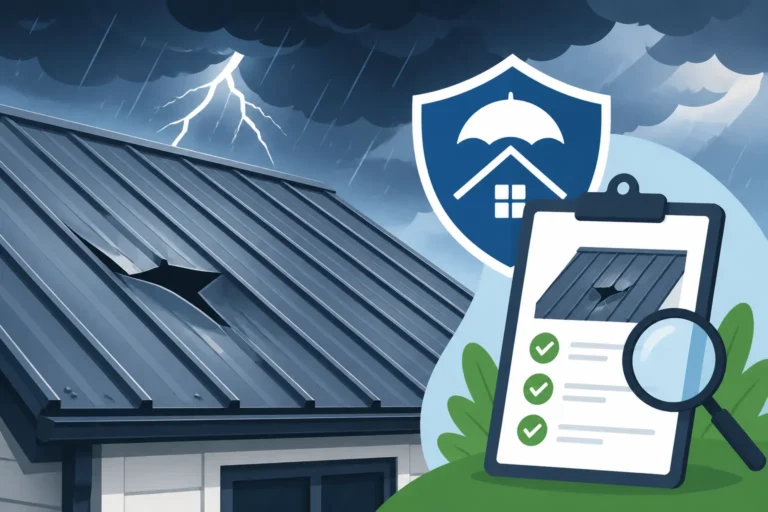
Consider a scenario: a severe hailstorm hits, causing widespread damage to dozens of panels across your metal roof. Even if you're not replacing every single panel, if you're replacing a substantial portion, let's say 40% of the roof surface, the local building department will likely consider that a reroofing project requiring a permit and inspection. This is because significant work like that needs to adhere to current building codes, especially related to structural integrity, wind resistance, and proper installation techniques. These codes are in place to protect your home and everyone in it. You can learn more about these requirements in our comprehensive guide on Metal Roof Building Codes Explained.
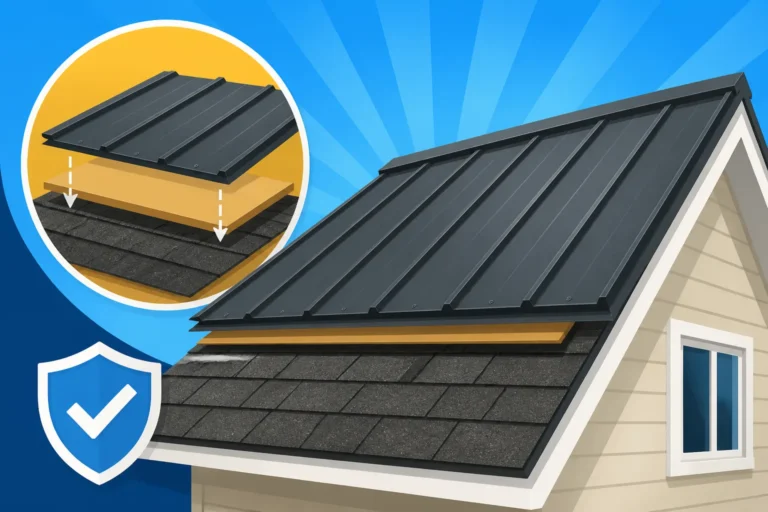
Furthermore, if your repair involves any changes to the roof's underlying structure, such as replacing damaged decking or rafters, or if it impacts the ventilation system in a significant way, it almost always escalates beyond a simple repair and into permit territory. This is particularly true if you're also considering installing a metal roof over existing shingles, as this process introduces new structural load considerations and typically requires careful planning and permits.
State and Local Variations: Why Location Matters So Much
One of the most frustrating aspects of home improvement is the sheer variability of regulations across different locations. What's perfectly fine to do without a permit in one state or even one city, might land you in hot water just a few miles down the road. This makes providing a single, definitive answer almost impossible, but we can explore the general landscape.
General Trends in Major Metro Areas
Many major metropolitan areas, especially those in regions prone to severe weather like hurricanes (e.g., Florida, Texas, certain coastal areas of California), tend to have stricter building codes and permit requirements. This is for good reason: to ensure homes are built or repaired to withstand harsh environmental conditions. In places like Miami or Houston, where wind uplift is a serious concern, even significant repairs to a metal roof might require a permit to ensure the new installation meets the latest wind mitigation standards.
For example, in Florida, the Florida Building Code (FBC) is notoriously strict, especially in High-Velocity Hurricane Zones (HVHZ). Even seemingly minor roof repairs might need a permit to ensure compliance with specific fastening schedules, material approvals, and secondary water resistance measures. Similarly, in areas like California, seismic activity and wildfire concerns often lead to stringent codes for roofing materials and installation, which can extend to repairs. In contrast, some less densely populated or less hazard-prone areas might have more relaxed rules for minor repairs. The best practice is always to assume a permit is needed until you've confirmed otherwise.
The Role of Building Departments and Code Enforcement
The local building department is your go-to authority for all things permitting. These departments are responsible for enforcing local and state building codes, which are designed to ensure the safety, health, and general welfare of the public. Their interpretation of "repair" versus "replacement" and what constitutes permit-worthy work is the final word for your specific property.
When you contact them, they’ll want to know the exact nature and scope of your metal roof repair project. Be prepared to describe:
- What materials you’re using.
- The area of the roof affected.
- Whether any structural components are being altered.
- How the work will tie into existing systems like flashing and ventilation.
These departments often have online resources or dedicated permit desks to assist homeowners. Engaging with them early can save you a lot of headaches, fines, and potential rework down the line. Keep in mind that their primary goal is safety and compliance, not to make your life difficult. They want to ensure your repaired roof is sound and won't pose a risk. If you're wondering about the overall permit process for a larger project, our guide on the Roof Permit Process: Step by Step can offer a broader perspective.
The Risks of Skipping a Permit (Even for Seemingly Minor Work)
It might seem like a hassle to get a permit for a small repair, and the temptation to just "get it done" without the red tape can be strong. However, bypassing the permitting process, even for work you believe is minor, carries significant risks that can far outweigh the perceived convenience. It's simply not worth the gamble when it comes to something as crucial as your home's protection.
Financial Penalties and Stop-Work Orders
The most immediate and tangible risk is facing financial penalties. If your local building department discovers unpermitted work, they can issue a "stop-work order," immediately halting any ongoing construction. This means your project is on hold until you rectify the situation, which usually involves applying for the proper permits retroactively, paying a fine (which can be significantly higher than the original permit fee), and potentially having to expose parts of the work for inspection. Imagine your roof halfway done, then suddenly everything stops and you're staring at an open structure while you deal with bureaucracy and fines.
In many jurisdictions, the fines for unpermitted work can range from hundreds to thousands of dollars, often doubling or tripling the standard permit fees. On top of that, you might be required to undo work that doesn't meet code, which means additional costs for demolition and rebuilding. This is a common issue with larger projects, but even a substantial metal roof repair found to be non-compliant can trigger these penalties.
Impact on Home Sale and Insurance Claims
Another critical, though often delayed, consequence of unpermitted work comes into play when you decide to sell your home. During a home inspection, an experienced inspector will often look for signs of major repairs or renovations. If they identify significant work that doesn't have a corresponding permit on file with the city or county, it can raise a major red flag for potential buyers. Most buyers and their lenders will require proof that all major work was performed legally and to code.
Without proper permits and inspections, you might be forced to obtain them retroactively, which can delay the sale, incur fines, or even lead to the buyer backing out or demanding a significant price reduction. In some extreme cases, you might even have to tear out and redo the work to meet current codes, all at your own expense.
Furthermore, unpermitted work can severely impact your homeowners insurance coverage. If your metal roof, which had unpermitted repairs, sustains damage in a storm, your insurance company could deny your claim. They might argue that the damage resulted from non-compliant repairs or installations. While metal roofs often qualify for insurance savings and discounts due to their durability, these benefits can be negated if the installation or repair isn't properly documented and approved. Always ensure your work is compliant to maintain your coverage and peace of mind.
How to Determine If Your Metal Roof Repair Needs a Permit
Given the complexities and varied regulations, it's crucial to approach any metal roof repair with a clear understanding of the permit requirements. You don't want to get caught off guard, so knowing where to look and who to ask is your best defense.
Checking with Your Local Building Authority
The single most reliable source of information regarding permit requirements for your metal roof repair is your local building department or planning department. This could be at the city, county, or sometimes even state level, depending on where you live. Don't rely on advice from neighbors, forums, or even general contractors without direct confirmation from the authority having jurisdiction over your property.
Here's how to go about it:
- Visit their website: Most city and county building departments have extensive websites with sections dedicated to permits, building codes, and FAQs. Look for information specifically related to roofing, repairs, and minor alterations. You might find downloadable forms, checklists, or even online permit application portals.
- Call them directly: If the website isn't clear or you have specific questions, pick up the phone. Be prepared to provide your property address, describe the nature and scope of your intended metal roof repair in detail, including the type of metal roofing (e.g., standing seam, corrugated), the approximate percentage of the roof surface affected, and whether any structural work is involved.
- In-person visit: For particularly complex situations or if you prefer face-to-face interaction, visiting the building department in person can be helpful. Bring any diagrams or photos of the damage to help explain your project.
It’s always a good idea to document your communication—note down the date, time, who you spoke with, and what advice they provided. This record can be invaluable if any questions arise later.
Consulting with a Reputable Metal Roofing Contractor
While your local building authority is the ultimate source, a reputable metal roofing contractor can be an invaluable asset in navigating the permitting landscape. Experienced contractors work with these regulations daily and are generally well-versed in what does and doesn't require a permit in your specific area. When you're looking for someone to help with your roof, knowing how to hire a metal roofing contractor is crucial.
A good contractor will:
- Know the local codes: They should be familiar with the permit thresholds for repairs versus replacements and the specific requirements for metal roofing materials and installation methods in your city or county.
- Help with the permit application: If a permit is needed, many contractors will handle the permit application process on your behalf, including submitting plans and scheduling inspections. This saves you a lot of time and potential headaches.
- Advise on project scope: They can help you assess the extent of your metal roof damage and advise whether it truly qualifies as a minor repair or if it crosses the line into a permit-required project. They'll know the difference between simply replacing a few screws and needing a full Metal Roof Leak Repair Guide.
- Ensure compliance: By handling the permit, they ensure the work is performed to code, protecting you from future issues during inspections or home sales.
When getting quotes, one of the questions to ask a metal roofing contractor before you hire is about their experience with permitting for similar repair projects in your area. Their response will tell you a lot about their professionalism and understanding of local regulations. Ultimately, a good contractor will guide you through the process, making sure your metal roof repair is not only done correctly but also legally.
| Repair Scope/Type | Typical Permit Requirement | Rationale |
|---|---|---|
| Replacing 1-2 damaged panels | Likely No (Minor Repair) | Minimal impact on structural integrity or overall roof system. |
| Tightening loose fasteners, applying sealant | No (Routine Maintenance) | Basic upkeep, not altering structural elements. |
| Replacing flashing around a vent or chimney | May or May Not (Check Local Code) | Can vary; if extensive or involves structural tie-ins, a permit may be needed. |
| Replacing 25% or more of roof panels | Yes (Significant Repair/Partial Replacement) | Exceeds "minor repair" threshold, requires adherence to current codes. |
| Repairing/replacing damaged roof decking | Yes (Structural Work) | Alters the underlying structure of the roof. |
| Changing roof profile during repair | Yes (Major Alteration) | Implies a significant change to the roof system. |
Disclaimer
Please note: This article provides general information and recommendations. Building codes and permit requirements are highly specific to your location and can change frequently. Always consult with your local building department or a qualified, licensed metal roofing contractor in your area to confirm the exact requirements for your specific project before starting any work.