What Is the 25% Rule for Roof Replacement?
It's incredibly frustrating when your roof suffers damage, whether from a sudden storm or simply the wear and tear of time, and you're left wondering how to even begin the process of repair or replacement. Adding to that stress is the confusing maze of insurance policies and local building codes, like the "25% Rule," which can feel like a curveball thrown into an already overwhelming situation. This guide is here to demystify the 25% Rule for roof replacement, explaining what it means, how it impacts your metal roofing project, and what steps you can take to navigate it effectively.
What Exactly is the 25% Rule for Roof Replacement?
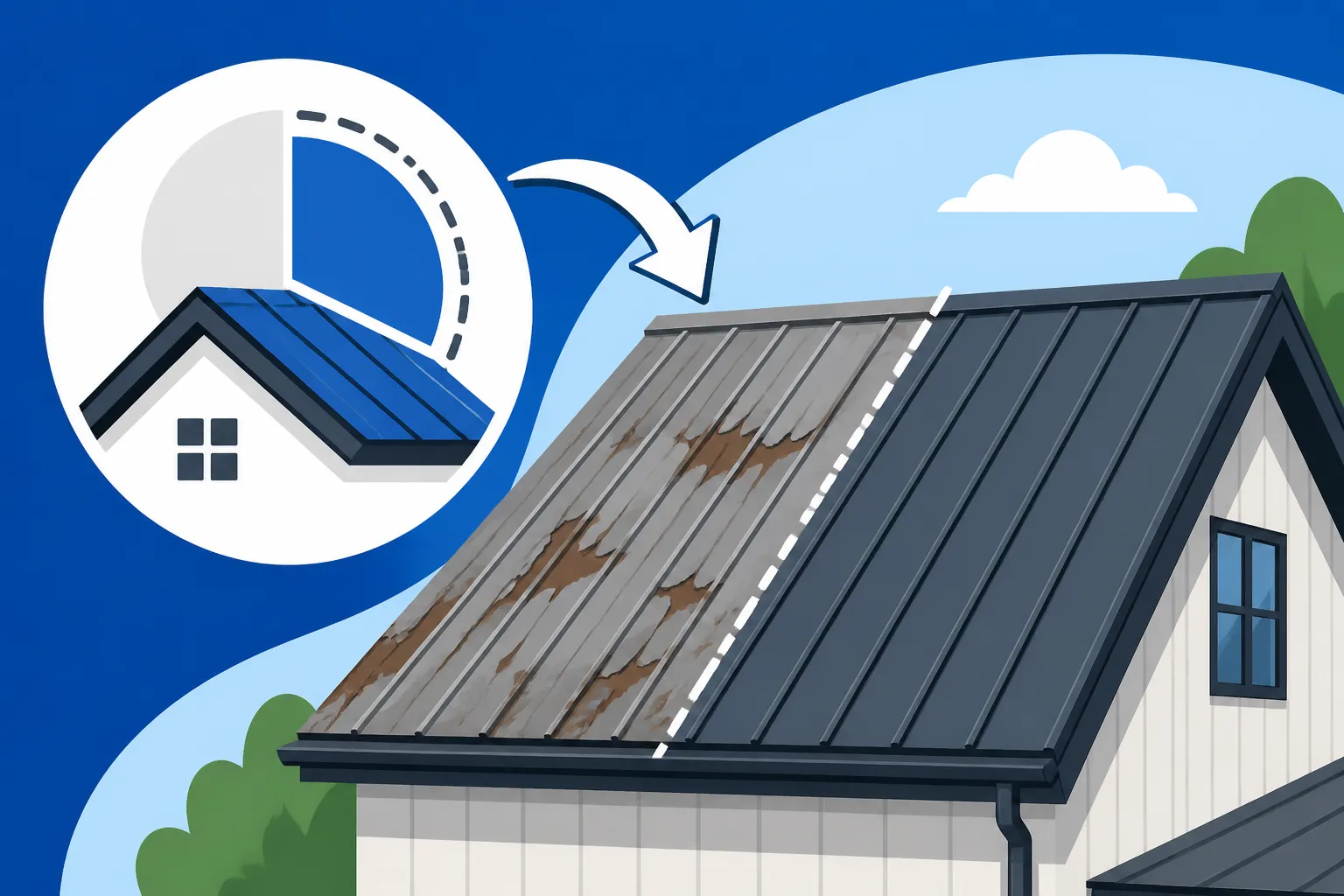
The "25% Rule" is one of those specific regulations that can really catch homeowners off guard, primarily because it's not a universal federal law but rather a component of certain state and local building codes, most notably the Florida Building Code. At its heart, this rule dictates that if more than 25% of your roof system, or a specific roof section, is damaged and requires replacement, then the entire roof system must be brought up to current building codes. It's a critical piece of legislation designed to improve the overall resilience and safety of homes, especially in areas prone to severe weather events like hurricanes or intense thunderstorms.
Think of it this way: if a tree falls on your roof and damages a significant portion, say 30% of one side, this rule doesn't just allow you to fix that 30%. Instead, it mandates that your entire roof must be replaced to meet the latest safety standards. This often means upgrading materials, enhancing fastening methods, and ensuring everything is up to the current structural requirements. The intention is sound – to incrementally improve the housing stock and protect properties against future disasters. However, it can certainly complicate insurance claims and budget planning for homeowners.
How the 25% Rule Impacts Your Metal Roof Project
For homeowners considering or already having a metal roof, understanding the 25% rule is paramount. Metal roofs are renowned for their durability and longevity, often outlasting asphalt shingles by decades. However, even the most robust metal roof can sustain damage, and when it does, this rule can significantly influence your repair or replacement strategy.
Repair Versus Full Replacement Decisions
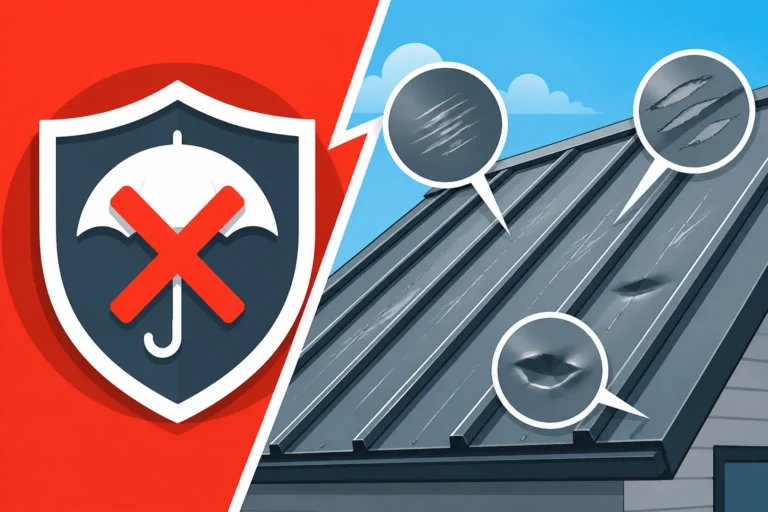
The threshold of 25% is where the decision-making process shifts dramatically. If you have minor damage, perhaps a few panels dented by hail or a localized leak from a loose fastener, and that damage affects less than 25% of the total roof surface, you're generally free to proceed with targeted repairs. This could mean replacing a few individual panels, sealing specific seams, or simply performing routine maintenance. For instance, if you're dealing with a singular issue like a leak around a skylight or chimney flashing, and the rest of your roof is sound, a focused repair would likely be the appropriate and most cost-effective solution. Our guide on Metal Roof Repair vs Replacement: How to Decide delves deeper into these considerations.
However, once a qualified inspection determines that the damage exceeds that 25% threshold, the game changes. You can no longer simply patch up the damaged section. The code now requires a full roof replacement. This mandate means ripping off the old roofing entirely, inspecting the decking, and installing a brand-new roof system that complies with all current building codes. For a metal roof, this might mean upgrading to a heavier gauge metal, installing new clips and fasteners designed for higher wind loads, or incorporating a more advanced underlayment. It’s a move from simple repair to a complete overhaul, ensuring that the entire roof offers enhanced protection.
Insurance Implications and Coverage
This is where the 25% rule often causes the most headaches for homeowners. While metal roofs are excellent for insurance purposes, sometimes qualifying for significant discounts due to their superior resistance to wind, fire, and hail, the payout for a claim involving the 25% rule can vary wildly depending on your specific policy. Many standard homeowner's insurance policies are designed to cover the cost of repairs or replacements due to covered perils, such as storm damage. However, the extent of coverage for code upgrades can be a contentious point.
Some modern insurance policies include specific "Ordinance or Law" coverage, which is designed to help cover the increased costs associated with bringing your home up to current building codes during a repair or rebuild. If your policy has this, it could be a lifesaver when the 25% rule kicks in, as it will help cover the additional expenses of a full roof replacement that meets today's standards, rather than just the cost of restoring the damaged 25% to its previous, potentially outdated, condition. Without this coverage, you might be responsible for the difference out of pocket, which can be substantial. It's crucial to review your policy details carefully, ideally before a disaster strikes, to understand your coverage for such scenarios. Our article on Metal Roof Insurance Discounts: How to Save provides more insights into how metal roofs can benefit you.
Code Compliance and System Upgrades
When the 25% rule triggers a full roof replacement, it's not just about replacing old with new; it's about upgrading to better. This is especially true for metal roofing. Building codes, particularly in areas like Florida, are continuously updated to reflect the latest engineering knowledge and climate challenges. For instance, the Florida Building Code (FBC) has some of the most stringent requirements in the nation, especially in high-velocity hurricane zones (HVHZ). If your roof needs replacement under the 25% rule, it means adhering to these current, more robust codes.
This can include:
- Enhanced Fastening Systems: New requirements for the type, spacing, and embedment depth of fasteners to resist higher wind uplift pressures. This is particularly relevant for panelized metal roofs.
- Improved Underlayment: Mandates for higher-quality underlayment materials, such as self-adhering modified bitumen products, which provide a critical secondary water barrier. This is a significant upgrade from older felt paper underlayments. Understanding Metal Roof Underlayment and Ventilation Guide can give you a better idea of these crucial layers.
- Structural Decking Reinforcement: In some cases, the underlying roof decking might need reinforcement or replacement to meet current structural load requirements.
- Drip Edge and Flashing Details: Updated specifications for drip edges, eaves, and valley flashings to ensure superior water shedding and wind resistance.
These upgrades, while adding to the upfront cost, contribute significantly to the long-term durability and safety of your home. It’s a forced upgrade that ultimately increases your home's resilience against future extreme weather, making your property more robust and potentially lowering future insurance premiums.
Here’s a simplified breakdown of typical repair vs. replacement scenarios:
| Scenario | Extent of Damage | 25% Rule Triggered? | Typical Outcome |
|---|---|---|---|
| Minor Localized Leak | < 10% | No | Targeted repair of specific section (e.g., flashing, few panels) to original condition. |
| Hail Dents on Isolated Area | 15% | No | Repair or replace only the damaged panels or sections. May involve cosmetic repairs. |
| Significant Storm Damage | 30% | Yes | Full roof replacement mandated to current building codes. All aspects of the roof must be updated. |
| Large Tree Fall | > 25% | Yes | Full roof replacement mandated to current building codes, even if part of the roof was untouched. |
| Widespread Wear/Aging | Overall deterioration | Varies by inspection | If identified as "damage" exceeding 25% by an adjuster, rule applies. Often leads to voluntary full replacement. |
Navigating the Rule: Practical Steps for Homeowners
Dealing with roof damage and the complexities of the 25% rule can feel like a full-time job. But with the right approach and knowledge, you can navigate this process more smoothly.
Getting a Professional Assessment
The absolute first step after any significant roof damage is to get a thorough, professional assessment from a reputable metal roofing contractor. This isn't just about identifying the damage; it's about accurately quantifying it in relation to your entire roof system. A qualified contractor will be able to tell you if the damage is indeed approaching or exceeding the 25% threshold.
Look for a contractor who specializes in metal roofs and has a deep understanding of local building codes. They should be able to provide a detailed report, including measurements, photos, and a clear explanation of their findings. This report is invaluable when you communicate with your insurance company. Don't just settle for one opinion; getting How Many Metal Roof Quotes Should You Get can provide you with comparative insights. Ask them explicitly about the 25% rule and how it might apply to your situation, and if they recommend specific upgrades to meet current codes. They can help you understand the true cost to replace shingles with a metal roof, factoring in these potential code-related expenses.
Working with Your Insurance Company
Once you have a professional assessment, it's time to engage with your insurance provider. Be prepared with all documentation, including your contractor's report, photos of the damage, and a copy of your policy.
- File a Claim Promptly: Report the damage as soon as possible.
- Understand Your Policy: Re-read your policy, specifically looking for "Ordinance or Law" coverage and any clauses related to building code upgrades. This knowledge empowers you during discussions with your adjuster.
- Be Present for Adjuster Inspection: When the insurance adjuster comes, make sure your contractor is also present. This allows for direct communication between the professionals and ensures that all damage, especially that which triggers the 25% rule, is properly noted and assessed.
- Document Everything: Keep a meticulous record of all communications – dates, times, names of people you spoke with, and a summary of the conversation. Save all emails and letters. This paper trail is invaluable if disputes arise.
- Don't Rush: Don't feel pressured to accept the first offer if it doesn't seem to cover the full cost of code-compliant replacement as dictated by the 25% rule. Negotiate, present your contractor's findings, and be persistent. If necessary, consider hiring a public adjuster, who works on your behalf to negotiate with the insurance company, especially in complex cases involving significant code upgrades. Our guide on Metal Roof Insurance Claim After a Storm offers more detailed advice.
Understanding Local Variations and Permits
While Florida is the most well-known state for the 25% rule, similar provisions or interpretations of code compliance exist in other regions, particularly those prone to severe weather. States like Texas, Louisiana, and coastal areas in North and South Carolina often have stringent building codes that mandate upgrades when a certain percentage of a roof is replaced.
It's essential to check with your local building department or a knowledgeable contractor in your area to understand the specific rules that apply to you. Even if your state doesn't have a direct "25% rule," most jurisdictions require that any significant repair or replacement project meets current codes. This often involves pulling a permit. For instance, our article on Do You Need a Permit for a Metal Roof? can shed light on this crucial step. Neglecting local permits and code requirements can lead to serious legal and financial repercussions, including fines and the forced removal of non-compliant work. A reputable contractor will always handle the permit process on your behalf, ensuring your project is fully compliant from start to finish.
This focus on code compliance isn't just bureaucratic red tape; it's about making your home safer, more energy-efficient, and more resilient. A new metal roof installed to the latest standards will offer superior protection and likely last for many decades to come.
Disclaimer
Please note that this article provides general information and is not a substitute for professional advice. Building codes, insurance policies, and local regulations can vary significantly. Always consult with a qualified metal roofing contractor and your insurance provider to understand the specific requirements and coverage applicable to your situation.