Metal Roof Wind and Fire Ratings Explained
Picking a new roof for your home is a huge decision, and let's be honest, it can feel like you're trying to navigate a maze of technical jargon, especially when it comes to things like wind and fire ratings. You just want to know your family and your biggest investment are safe, right? It's frustrating to sift through dense codes and numbers, wondering what they actually mean for your house when the next big storm rolls through, or if a nearby brush fire becomes a real threat. This comprehensive guide is here to demystify metal roof wind and fire ratings, explaining what these numbers and classifications mean, why they're so crucial, and how they contribute to your peace of mind and home's longevity.
Understanding the Basics of Roof Ratings
When you start looking into roof replacements, you quickly realize it's not just about aesthetics or cost. There's a whole world of safety standards and performance metrics that can feel overwhelming. These ratings are designed to give homeowners a clear understanding of how a roofing material will perform under specific conditions, primarily concerning resistance to extreme weather and fire. It's not just bureaucratic red tape; these standards are born from decades of research and real-world disaster experiences, aiming to protect lives and property.
Why Roof Ratings Matter for Your Home
Imagine a scenario: a severe thunderstorm is brewing, the kind that whips through your neighborhood with alarming intensity, or perhaps it's a dry season, and wildfires are a constant worry. In these moments, your roof is your home's primary shield. Without proper ratings, you'd be guessing how well it might hold up. This uncertainty is a major source of anxiety for many homeowners, and rightly so. Roof ratings provide a level of assurance, a scientific prediction of how a particular roofing system will perform.
For example, a metal roof with a high wind uplift rating means it's been engineered and tested to resist the pulling forces of hurricane-force winds. This isn't just about preventing your roof from blowing off; it's about protecting the entire structure of your home from secondary damage once the roof is compromised. Similarly, a top-tier fire rating means your roof is highly resistant to ignition from embers or direct flame, a critical feature, especially in wildfire-prone regions. Beyond the immediate safety, these ratings also influence everything from your home's resale value to your homeowner's insurance premiums. Knowing your roof meets or exceeds these benchmarks can save you significant money and stress in the long run.
The Agencies and Standards Behind the Ratings
It's easy to get lost in the alphabet soup of organizations and standards when looking at roof ratings. The good news is that these bodies exist to standardize testing and ensure consistency across the industry. In North America, some of the most prominent organizations you'll encounter include Underwriters Laboratories (UL), the American Society for Testing and Materials (ASTM), and the Florida Building Code (FBC) for specific high-wind regions. Each plays a crucial role in evaluating and certifying roofing materials.
UL, for instance, is an independent safety science company that conducts rigorous tests on a wide range of products, including roofing. When you see a UL listing on a metal roofing product, it means it has passed specific safety and performance criteria. ASTM develops and publishes voluntary consensus technical standards for a wide range of materials, products, systems, and services. For roofing, their standards often dictate the testing methodologies for wind resistance, fire performance, and even material durability. Beyond these national bodies, regional codes like the Florida Building Code have their own specific requirements, especially for areas susceptible to hurricanes, often requiring enhanced testing and product approvals like Miami-Dade NOA (Notice of Acceptance) or Florida Product Approval. These robust, location-specific requirements ensure that materials can stand up to the unique environmental challenges of a given area.
Deciphering Metal Roof Wind Resistance Ratings
When strong winds hit, your roof is subjected to a complex interplay of forces – uplift, suction, and shear. Wind resistance ratings are designed to measure a roof's ability to withstand these forces without failing. Understanding these ratings is vital, particularly if you live in an area prone to high winds, severe thunderstorms, or even hurricanes. It's about more than just aesthetics; it's about structural integrity.
ASTM and UL Standards for Wind Uplift
The two heavy hitters when it comes to setting wind uplift standards for roofing are ASTM and UL. These organizations put roofing materials through demanding tests to simulate the stresses of high winds.
- ASTM E1592: This standard specifies a test method for determining the structural capacity of metal panel roof systems to resist uniform static uplift loads. Essentially, it checks how much pressure a metal panel can handle before it deforms or fails. This is crucial for understanding the overall strength of the panel itself.
- ASTM E330: This one is about structural performance and focuses on how the roofing system performs under static air pressure difference. It's a key standard for curtain walls, windows, and doors, but it also applies to how entire roof systems respond to wind pressure.
- UL 580: This is a test method for uplift resistance of roof assemblies. It subjects entire roof sections, including the decking, insulation, fasteners, and roofing panels, to simulated wind uplift pressures. This is a comprehensive test that assesses the entire system, not just the individual components. A UL 580 Class 90 rating, for example, is highly sought after and signifies exceptional uplift resistance.
- UL 1897: This standard focuses specifically on wind uplift resistance for prepared roof covering materials. While UL 580 looks at the whole assembly, UL 1897 assesses the specific roof covering material's ability to stay attached.
The frustration often lies in these numbers not being intuitive. What does "Class 90" truly mean for your home? It signifies a robust system that can endure sustained uplift pressures common in severe weather events, offering superior protection compared to lower-rated systems. Knowing that a system has passed these rigorous tests provides a tangible sense of security against the unpredictable nature of storms.
How Wind Speed Ratings Translate to Real-World Performance
While the UL and ASTM standards measure pressure and uplift, what homeowners often want to know is: "How much wind can my roof handle?" This is where understanding how these tests translate into approximate wind speed resistance becomes critical. While there isn't a direct one-to-one conversion from test pressure to specific wind speed (too many variables like roof shape, building height, and surrounding terrain come into play), manufacturers and building codes often provide guidelines based on these ratings.
For instance, a metal roof system with a UL 580 Class 90 rating is generally considered capable of withstanding winds of 110-150 mph, depending on the specific profile and installation. Some advanced standing seam metal roof systems, especially those engineered for high-velocity hurricane zones (HVHZ), can exceed 180 mph wind resistance. In areas like Florida, where hurricane codes are particularly stringent, you'll often see specific wind speed requirements that necessitate these higher-rated systems. For example, in coastal regions, local codes might mandate roofs capable of handling sustained winds of 140 mph or more, with higher ratings for critical facilities. It's these specific numbers that offer real comfort, knowing your roof is built to endure the severe weather common to your location. You can dive deeper into specific regional needs by looking at topics like Hurricane and Coastal Metal Roof Requirements.
Factors That Influence a Metal Roof's Wind Performance
It's not just the panel itself that determines a metal roof's wind resistance. Several other factors play a crucial role in how well your roof will stand up to a gale. Homeowners often overlook these details, which can lead to costly vulnerabilities down the road.
- Panel Profile and Fastening System: This is a huge one. Standing seam metal roofs, with their hidden fasteners and interlocking panels, generally offer superior wind resistance compared to exposed fastener corrugated metal roof panels. The way the panels connect and are secured to the roof deck is paramount. Hidden fasteners reduce points of vulnerability where wind can catch and peel back panels.
- Gauge of Metal: The thickness of the metal, or its gauge, directly impacts its strength and rigidity. Thicker metal (lower gauge numbers like 24-gauge steel) is more resistant to bending and deformation under high wind loads than thinner metal (higher gauge numbers like 29-gauge steel). You can learn more about this difference by exploring 24 vs 26 Gauge Metal Roof: Cost Difference.
- Installation Quality: Even the best-rated materials can fail if installed incorrectly. A shoddy installation with insufficient fasteners, improper sealant application, or panels that aren't properly engaged in their locking mechanisms will drastically compromise the roof's ability to resist wind uplift. This is why selecting a reputable, experienced metal roofing contractor is non-negotiable. The number of screws per sheet of metal roofing and the type of fasteners used are all critical elements.
- Roof Decking and Substrate: The strength of the underlying roof deck (e.g., plywood or oriented strand board) and the attachment of the roofing system to it are just as important as the roofing material itself. A weak deck can lead to failure even if the metal panels themselves are strong. The type of underlayment also plays a role in creating a secondary water barrier, which becomes critical if the primary roof system is compromised during extreme wind events. Learn more about your options in our Metal Roof Underlayment and Ventilation Guide.
These factors highlight that a metal roof's wind resistance is a holistic system, not just a single component. When considering a metal roof, make sure to discuss these elements with your contractor and verify they align with the necessary wind ratings for your area.
Exploring Metal Roof Fire Resistance Ratings
The thought of a house fire is terrifying for any homeowner. Whether it's a structural fire starting internally or an external threat from wildfires, the roof plays a vital role in preventing the spread of flames. Metal roofs stand out for their exceptional fire resistance, offering a significant safety advantage.
The ASTM E108/UL 790 Test and Classes A, B, C
When it comes to fire ratings for roofing materials, the gold standard is the ASTM E108/UL 790 test. These tests are comprehensive and designed to simulate real-world fire conditions that a roof might encounter. They evaluate a roofing material's ability to resist ignition, limit flame spread, and prevent burning embers from penetrating the roof deck. Based on these tests, roofing materials are assigned one of three classes:
- Class A: This is the highest fire resistance rating a roofing material can achieve. Class A roofs are highly resistant to fire penetration from external sources and are effective against severe exposure to fire. They show no flame propagation to the underside of the roof deck, no flying brands, and minimal surface flame spread. Most metal roofing materials, especially those made from steel or aluminum, easily achieve this rating.
- Class B: This rating indicates that a roofing material is effective against moderate exposure to fire. While still offering good protection, it's not as robust as Class A. Materials might show some flame propagation, but they still prevent penetration of the roof deck for a specified period.
- Class C: This is the lowest fire resistance rating, effective against light fire exposure. Materials in this class offer minimal protection, showing greater flame propagation and potential for fire penetration compared to Class A or B. Traditional asphalt shingles often fall into this category, though some high-end asphalt products can reach Class A.
The significance of these ratings cannot be overstated. In a wildfire scenario, for example, embers can travel for miles, landing on roofs and igniting them. A Class A metal roof acts as a critical barrier, preventing these embers from igniting your home. This distinction is particularly important for homes in wildfire-prone regions, where every protective measure counts.
Why Metal Roofs Excel in Fire Safety
It's no secret that metal roofs are exceptional when it comes to fire safety, and there's a straightforward reason for it: metal simply doesn't burn. Unlike organic materials like wood shakes or even asphalt, metal is non-combustible. This inherent property gives metal roofing a natural advantage over many other roofing materials.
When exposed to flames or flying embers, a metal roof won't catch fire, won't fuel the fire, and won't contribute to its spread. This makes it a fantastic choice for areas susceptible to wildfires or even just for homeowners who want the absolute best in fire protection for their property. Imagine a scenario in a dry, windy climate where a wildfire is approaching your neighborhood. Homes with combustible roofs are at a much higher risk of ignition from wind-blown embers landing on the roof surface. A metal roof, typically boasting a Class A fire rating, acts as a highly effective barrier, significantly reducing this risk. This isn't just theory; firefighters often note the superior performance of metal roofs in containing or preventing fire spread during wildfire events. The peace of mind that comes with knowing your roof won't be a fuel source is invaluable.
Important Considerations for Wildfire-Prone Areas
For those living in regions designated as wildfire-prone, fire resistance isn't just a bonus; it's a critical safety requirement. In these areas, building codes often mandate specific fire ratings for roofing materials, and metal roofs consistently meet or exceed these stringent requirements. California, for instance, has very strict regulations for roofs in its Wildland-Urban Interface (WUI) zones, often requiring Class A fire-rated materials.
However, a fire-resistant roof is only one part of a comprehensive wildfire protection strategy. While your metal roof won't ignite, embers can still collect in gutters, valleys, or around other roof penetrations if not properly maintained. Therefore, it's essential to pair a Class A metal roof with other fire-wise landscaping and building practices. This includes regular gutter cleaning, ensuring defensible space around your home, and sealing any potential entry points for embers. Even vents need to be designed to prevent ember intrusion. So, while a metal roof provides excellent passive fire protection, active maintenance and a holistic approach to home hardening are crucial for maximum safety in these high-risk zones.
Navigating Local Building Codes and Regulations
Understanding universal ratings is one thing, but knowing how they apply to your specific location can be a whole different ballgame. Building codes are locally enforced regulations that ensure structures are built to minimum safety standards, including those related to roofing. Failing to comply can lead to fines, project delays, or even the requirement to redo work. This can be one of the most frustrating aspects of home improvement, as codes vary so much from one county or state to another.
State and Local Requirements for Wind Resistance
Wind resistance requirements are heavily influenced by geographic location and the historical prevalence of severe weather events. Coastal states, especially those in hurricane alleys like Florida, Texas, and the Carolinas, have exceptionally rigorous wind uplift requirements. These often go beyond national standards, sometimes requiring specific product approvals or engineered designs to withstand extreme wind speeds.
For example, the Florida Building Code (FBC) includes a High-Velocity Hurricane Zone (HVHZ) designation for regions like Miami-Dade and Broward counties, which have some of the toughest wind codes in the country. Roofs in these areas often require specialized metal roofing systems with enhanced fastening methods and certifications like Miami-Dade NOA. Moving inland, while still important, wind resistance requirements might be less stringent but still significant, especially in areas prone to tornadoes or strong thunderstorms. It's critical to check with your local building department or a knowledgeable contractor to understand the specific wind load requirements for your address. Neglecting this could result in a roof that isn't adequately prepared for local weather challenges, leaving your home vulnerable. This can be confusing, which is why we have resources like Florida Metal Roof Codes: FBC, HVHZ & Approvals to help.
Fire Code Compliance in Different Regions
Fire code requirements also vary significantly depending on local risks, particularly in areas designated as Wildland-Urban Interface (WUI) zones. These are areas where homes and communities are built close to or within wildland vegetation, making them highly susceptible to wildfires. States like California, Arizona, Colorado, and parts of the Pacific Northwest have adopted strict fire codes for roofing materials in these WUI zones, often mandating Class A rated materials.
In more urban or suburban areas without direct wildfire threat, fire codes for roofing might focus more on preventing the spread of fire from one structure to another, or from an internal source. Even here, the non-combustible nature of metal roofing makes it an excellent choice for meeting or exceeding these standards, often providing a higher level of safety than the minimum required. It's important to remember that codes are minimums; exceeding them, especially with a Class A metal roof, offers enhanced protection. Always consult your local fire department or building code enforcement office to determine the specific fire resistance requirements for your property, especially if you're in a high-risk wildfire area.
The Role of Permits and Inspections in Ensuring Compliance
Navigating permits and inspections can feel like a bureaucratic hurdle, but they are essential safeguards. They ensure that your metal roof installation adheres to all local building and safety codes, including those for wind and fire resistance. Trying to bypass this process can lead to significant problems down the road.
Before any work begins, you or your contractor will typically need to pull a roofing permit from your local municipality. This permit serves as official permission to start the project and signals that the work will be subject to inspection. During installation, local building inspectors will often perform one or more site visits. They'll check things like the integrity of the roof decking, the type of underlayment used, the fastening methods for the metal panels, and overall adherence to the approved plans and relevant codes. For instance, they might verify that the correct number and type of fasteners are being used to achieve the required wind uplift resistance. They'll also ensure that all materials used, especially the metal panels themselves, are properly rated for fire and wind according to local regulations. If the work doesn't pass inspection, you'll be required to make corrections, which can delay the project and add to costs. It's a hassle, yes, but ultimately, it protects you and ensures your new metal roof provides the safety and performance it promises. Our guide on Do You Need a Permit for a Metal Roof? can offer more insights into this process.
The Impact of Wind and Fire Ratings on Homeowner's Insurance
One of the often-overlooked benefits of investing in a high-rated metal roof is its positive impact on your homeowner's insurance. Insurance companies are all about risk assessment, and a roof that can better withstand common perils like wind and fire represents a lower risk for them, and potentially a lower premium for you. It's a win-win, really, especially when you consider the long-term savings.
Potential Discounts for High-Rated Metal Roofs
Many insurance providers recognize the superior durability and safety features of metal roofs and offer significant discounts as a result. While the exact discount varies widely by insurer, location, and the specific ratings of your roof, it's not uncommon to see savings of 5% to 20% or even more on your annual premiums. This is particularly true for roofs with Class A fire ratings and high wind uplift ratings, especially those that meet stringent certifications for hurricane or severe weather zones.
For example, a metal roof with a UL 580 Class 90 rating or a Class 4 impact resistance rating (often achieved by stone-coated steel or certain standing seam profiles) can qualify for substantial wind mitigation credits. Similarly, in areas prone to wildfires, having a Class A fire-rated metal roof can lead to noticeable reductions in the fire portion of your premium. These discounts acknowledge that your home is less likely to suffer severe damage, thereby reducing the insurer's payout risk. It's always a good idea to inform your insurance agent about your new metal roof and its specific ratings to ensure you're getting all the eligible discounts. You can learn more about how to save in our guide on Metal Roof Insurance Discounts: How to Save.
Understanding Wind Mitigation Credits
Wind mitigation credits are a special type of insurance discount offered in states vulnerable to hurricanes and high winds, most notably Florida. These credits are designed to incentivize homeowners to fortify their homes against wind damage, and a properly installed, high-rated metal roof is a prime candidate for earning them. A qualified wind mitigation inspection typically assesses several features of your home, including your roof's age, shape, decking attachment, and, crucially, its wind resistance rating.
A metal roof's robust construction and secure fastening systems often score very well on these inspections. For instance, a standing seam metal roof that is rated for high winds and installed according to specific code requirements (e.g., proper secondary water barrier, enhanced fasteners) can lead to substantial discounts. These credits aren't just a minor perk; they can sometimes result in hundreds of dollars in annual savings, effectively shortening the payback period for your metal roof investment. This is where researching topics like Wind Mitigation and Roof Premium Credits becomes really beneficial, as understanding these specific programs can translate directly into tangible savings on your policy.
Navigating Insurance Claims with Rated Roofs
Even the most durable metal roof can experience damage in extreme circumstances, but having a high wind and fire rating can significantly streamline the insurance claims process. When you file a claim for storm damage or fire-related issues, your insurer will look at the type of roof you have and its documented ratings.
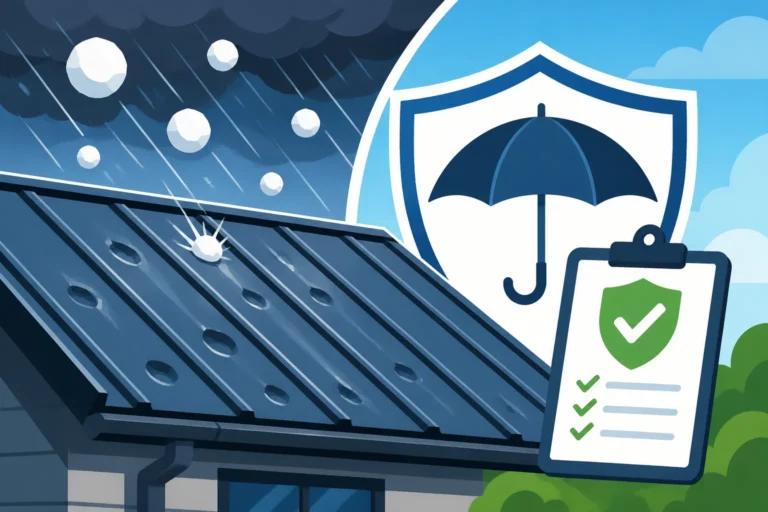
For example, if a severe hail storm hits and your Class 4 impact-resistant metal roof sustains minimal cosmetic damage (which might be excluded from coverage depending on your policy), your claim might be processed differently than if you had a less resistant material with structural damage. Similarly, after a wind event, a highly rated metal roof might show less structural damage, making the repair or replacement process smoother and potentially faster. However, it's essential to understand your policy's specifics, particularly regarding cosmetic damage exclusions that some insurers apply to metal roofs. Always document your roof's ratings and installation details meticulously. Take photos before and after installation, keep all warranties and invoices, and understand how your specific policy handles different types of damage. This proactive approach ensures that if you ever need to file a claim, you're well-prepared and can leverage your metal roof's superior ratings to your advantage.
Installation Best Practices for Optimal Protection
A metal roof's ability to live up to its impressive wind and fire ratings hinges entirely on the quality of its installation. You could buy the most robust, highest-rated materials on the market, but if they're not installed correctly, their performance will be severely compromised. This is a common pitfall homeowners encounter, leading to frustrating and costly issues down the line. It's why hiring the right professionals and understanding key installation steps are paramount.
The Critical Role of Proper Fastening and Sealing
The way your metal roof panels are fastened to the underlying structure is absolutely critical for achieving its advertised wind resistance. It's not just about putting screws in; it's about using the right type of fasteners, spacing them correctly, and ensuring they are properly secured.
- Fastener Type: Different metal roofing systems require specific fasteners. Exposed fastener systems use screws with neoprene washers that seal against water penetration. Standing seam systems, however, use hidden clips and fasteners that are concealed beneath the panels, offering superior protection against wind uplift and moisture. The choice of fastener material (e.g., stainless steel, galvanized) is also important for corrosion resistance, especially in coastal environments.
- Fastener Density and Placement: Building codes and manufacturer specifications dictate the number and placement of fasteners per panel. In high-wind zones, more fasteners may be required, or they may need to be placed closer together, especially along the edges and eaves of the roof where uplift forces are highest. Skipping fasteners or improper spacing can create weak points where wind can peel back panels.
- Sealing and Flashing: Proper sealing at panel overlaps, transitions, and around penetrations (like chimneys, skylights, and vents) is essential for both wind and water resistance. High-quality sealants and correctly installed flashing prevent wind-driven rain from infiltrating the roof system and reinforce connections against uplift. For example, edge flashing along the eaves and rakes needs to be securely attached to prevent wind from getting underneath the panels.
A well-fastened and meticulously sealed metal roof will perform as intended, locking panels down and preventing water intrusion, even in the face of severe weather. This often requires specialized tools and expertise, emphasizing why the Metal Roof Installation Process: Step by Step isn't a DIY job for most.
Underlayment and Substrate for Enhanced Performance
Beneath your shiny new metal panels lies a hidden but incredibly important layer: the underlayment. This material, along with the roof deck (the substrate), forms the foundation of your roof system and plays a vital role in both wind and fire resistance. Many homeowners might think of the underlayment as a minor detail, but its contribution to the overall roof system is immense.
- Secondary Water Barrier: The primary function of the underlayment is to act as a secondary water barrier. In extreme wind events, if a panel were to shift or fasteners were compromised, the underlayment prevents water from immediately entering your home. Products like high-temperature synthetic underlayments or self-adhering ice and water shield membranes are often recommended for metal roofs, particularly in areas prone to heavy rains or ice dams. These create a watertight seal directly to the roof deck, offering an extra layer of protection.
- Fire Protection: While the metal panels themselves are non-combustible, the underlayment and roof deck can contribute to the overall fire rating of the assembly. Some underlayments are specifically designed with fire-resistant properties that further enhance the Class A rating of the metal roof system by preventing fire from penetrating the deck.
- Substrate (Roof Deck) Integrity: The roof deck, usually plywood or OSB, must be sound and securely fastened to the rafters or trusses. A weak or damaged deck cannot properly support the metal roofing system, compromising its ability to withstand wind uplift and maintain its integrity during a fire. Inspectors will often check the condition and fastening of the roof deck before approving a metal roof installation.
Investing in a high-quality underlayment and ensuring a robust roof deck adds an extra layer of resilience to your metal roof, supporting its wind and fire ratings and prolonging its overall lifespan.
Choosing the Right Contractor for Code Compliance
This point cannot be stressed enough: the contractor you choose is arguably the most critical factor in ensuring your metal roof achieves its advertised wind and fire ratings and complies with all local codes. Even the best materials can fail if installed by an inexperienced or negligent team. It's a frustrating reality when homeowners choose a low bid only to face costly repairs later due to improper installation.
A reputable metal roofing contractor will possess several key attributes:
- Experience with Metal: Metal roofing is a specialized skill. An experienced contractor will understand the nuances of different panel profiles, fastening systems, expansion and contraction of metal, and proper flashing details specific to metal. They won't treat it like just another asphalt shingle job.
- Licensing, Bonding, and Insurance: Always verify that your contractor is properly licensed, bonded, and insured. Licensing ensures they meet state or local competency standards. Bonding offers financial protection if they fail to complete the work. Insurance (liability and workers' compensation) protects you from financial responsibility if there are accidents or damage during the project. You can check out our guide on Metal Roof Contractor Licensing, Bonding & Insurance for more information.
- Knowledge of Local Codes: The best contractors stay up-to-date with specific state and local building codes, including those for wind and fire resistance in your particular area. They should be able to explain how their proposed system meets or exceeds these requirements and handle the permitting process for you.
- Manufacturer Certifications: Many metal roofing manufacturers offer certification programs for installers. Choosing a contractor who is manufacturer-certified means they've received specialized training directly from the product maker, ensuring they know the best practices for installing that specific brand's products to maintain warranty and performance standards.
- References and Reviews: Always check references and read reviews. Look for contractors with a strong track record of successful metal roof installations and positive customer feedback regarding their professionalism and adherence to quality.
By thoroughly vetting your contractor, you're not just buying a roof; you're investing in peace of mind, knowing that your metal roof's superior wind and fire ratings will be fully realized through expert installation. Our guide on How to Hire a Metal Roofing Contractor provides a detailed roadmap to finding the right professional.
Comparing Metal Roofs to Other Materials for Wind and Fire
When homeowners are weighing their roofing options, the performance of different materials against wind and fire is often a major deciding factor. While initial cost might steer some towards traditional choices, the long-term benefits and safety provided by metal roofing in these critical areas often make it the superior investment.
Metal Roof vs Asphalt Shingles for Durability
Let's talk about the big one: how metal stacks up against the ubiquitous asphalt shingle. Asphalt shingles are by far the most common roofing material in North America, largely due to their lower upfront cost. However, when it comes to battling the elements, there are significant differences.
- Wind Resistance: Standard asphalt shingles are typically rated to withstand winds of 60 to 90 mph. While some higher-grade architectural or designer shingles can reach 110-130 mph, they generally don't match the robust performance of a well-installed metal roof, especially a standing seam system that can resist winds of 150 mph or more. Asphalt shingles are prone to "lifting" and tearing off in high winds, which not only exposes the underlayment to water but can also lead to cascading damage across the entire roof. Metal panels, securely fastened and interlocked, are much less susceptible to being peeled back.
- Fire Resistance: While many modern asphalt shingles carry a Class A fire rating, it's achieved through the addition of fiberglass mats and mineral granules that help resist the spread of flames. However, asphalt itself is a petroleum-based product and is combustible. In extreme heat or direct flame exposure, asphalt shingles can melt, blister, and contribute fuel to a fire, even if they initially resist ignition. Metal, being non-combustible, fundamentally eliminates this risk. It simply does not burn or contribute fuel to a fire, making it inherently superior in fire safety.
The difference isn't just in the numbers; it's in the fundamental properties of the materials. Metal offers an inherent resilience that asphalt struggles to match, especially as shingles age and become brittle. We have a full comparison in Metal Roof vs Asphalt Shingle Cost that you might find helpful.
How Metal Stacks Up Against Tile and Wood Shakes
Beyond asphalt, other common roofing materials present their own unique challenges and benefits concerning wind and fire, but metal often emerges as the top performer.
- Tile Roofs (Clay, Concrete):
- Wind Resistance: Tile roofs can be quite heavy and, when properly installed, offer good wind resistance. However, individual tiles can be dislodged in very high winds, especially if not correctly fastened or if the underlayment beneath is compromised. Once a tile blows off, the exposed area is vulnerable.
- Fire Resistance: Clay and concrete tiles are inherently non-combustible, similar to metal, giving them excellent Class A fire ratings. They are a great choice for fire-prone areas in this regard.
- Comparison to Metal: While tiles offer similar fire protection, their installation is more complex and their weight often requires reinforced roof structures. Metal, particularly lighter aluminum or steel systems, offers comparable fire resistance with less structural strain and often superior wind uplift performance due to interlocking systems rather than individual, overlapping components. The cost can also be a significant differentiator, as discussed in Metal Roof vs Tile Roof Cost.
- Wood Shakes and Shingles:
- Wind Resistance: Wood shakes and shingles offer moderate wind resistance, but they are susceptible to splitting, cracking, and lifting in high winds, particularly as they age and dry out.
- Fire Resistance: This is where wood shakes struggle significantly. Unless treated with fire-retardant chemicals (which require maintenance and may leach out over time), wood is highly combustible. Untreated wood shakes typically have a Class C or even no fire rating and are a major fire hazard in wildfire-prone regions, easily igniting from embers.
- Comparison to Metal: There's really no comparison in terms of fire safety. Metal roofs are vastly superior. For wind, metal also generally outperforms wood, offering a much more durable and long-lasting solution against severe weather.
Here's a quick comparison table to summarize:
| Roofing Material | Typical Wind Rating (MPH) | Typical Fire Rating | Key Wind/Fire Performance Notes |
|---|---|---|---|
| Metal (Standing Seam) | 110-180+ | Class A | Excellent uplift resistance, non-combustible, durable fasteners. |
| Metal (Exposed Fastener) | 90-140 | Class A | Good uplift resistance, non-combustible, fasteners are visible. |
| Asphalt Shingles | 60-130 | Class A, B, or C | Prone to lifting/tearing in high winds, combustible material (but rated). |
| Clay/Concrete Tile | 90-150 | Class A | Heavy, individual tiles can dislodge, non-combustible. |
| Wood Shakes/Shingles | 70-90 | Class C or Unrated | Prone to splitting/lifting, highly combustible (fire risk). |
Note: Ratings can vary significantly based on specific product, gauge, installation method, and local building codes.
As you can see, metal roofing consistently offers top-tier performance in both wind and fire resistance, providing a level of protection that many other materials simply cannot match. This makes it an incredibly appealing choice for homeowners prioritizing safety and durability.
Maintenance and Longevity of Rated Metal Roofs
Investing in a metal roof with superior wind and fire ratings is a long-term decision, and like any significant investment, it benefits from proper care. The good news is that metal roofs are renowned for their low maintenance requirements and exceptional longevity. However, a little attention goes a long way in ensuring your roof maintains its protective qualities for decades.
Regular Inspections to Preserve Ratings
While metal roofs are incredibly durable, they're not entirely maintenance-free. Regular, even annual, inspections are key to preserving their wind and fire ratings and extending their impressive lifespan. Think of it like a check-up for your most important home defense system.
What should these inspections cover?
- Fastener Check: For exposed fastener systems, check that screws are still tight and that the neoprene washers beneath them are in good condition. Over time, UV exposure can degrade these washers, leading to leaks and compromised uplift resistance. Replace any worn or loose fasteners promptly. Even with standing seam roofs, ensure no clips or seams have been damaged or loosened.
- Sealant and Flashing Integrity: Inspect all areas where sealants have been used, such as around skylights, vents, and along ridge caps and valleys. Look for cracks, shrinkage, or signs of deterioration. Reapply high-quality, compatible sealants as needed. Also, ensure all flashing components are securely in place and free from damage, as compromised flashing can be a major source of leaks and wind vulnerability. Our Metal Roof Leak Repair Guide covers these issues in depth.
- Panel Condition: Look for any signs of damage to the metal panels themselves, such as dents from hail, scratches that expose the metal underneath, or areas where coatings might be fading or peeling. While small cosmetic issues might not affect wind or fire ratings directly, significant damage could compromise the panel's integrity over time.
- Debris and Gutter Cleaning: Clear leaves, branches, and other debris from the roof surface, especially from valleys and gutters. Accumulated debris can trap moisture, lead to corrosion, and, critically, provide fuel for embers in a wildfire scenario, even on a Class A rated roof. Clean gutters ensure proper drainage and prevent water from backing up under the panels.
These regular checks, whether performed by you or a professional, can catch small issues before they become major problems, ensuring your metal roof continues to provide the superior wind and fire protection it was designed for.
Addressing Damage Without Compromising Protection
Even with the best ratings and regular maintenance, unforeseen events can sometimes cause damage to a metal roof. When this happens, it's crucial to address it promptly and correctly to avoid compromising the roof's protective capabilities.
- Hail Damage: While many metal roofs, especially stone-coated steel and some standing seam profiles, boast excellent impact resistance (often a Class 4 rating), severe hail can still cause dents. Minor dents might be cosmetic, but deeper dents or punctures could affect the panel's integrity and its ability to resist wind uplift or maintain a watertight seal. If a panel is significantly dented or punctured, it's usually best to have a professional inspect and potentially replace the damaged panel. For more insights, refer to our guide on Metal Roof Hail Damage and Insurance Claims.
- Storm Damage (Non-Hail): High winds can sometimes lift edges, loosen fasteners, or even cause larger debris to strike and damage panels. Any sign of a lifted panel or loose fasteners must be addressed immediately by re-securing or replacing them. Neglecting this could lead to cascading damage in the next wind event.
- Corrosion/Rust: While modern metal roofs are treated to resist rust and corrosion, deep scratches or improper maintenance can sometimes lead to localized issues, especially in specific environments. Small areas of surface rust should be treated promptly to prevent spread. This might involve cleaning, applying a rust-inhibiting primer, and touching up the coating. Significant corrosion that compromises the metal's thickness will require panel replacement.
- Repair Expertise: For any significant damage, always call a professional metal roofing contractor. Attempting DIY repairs without the right knowledge, tools, or materials can inadvertently compromise the roof's ratings, void warranties, and potentially lead to bigger problems. An experienced contractor knows how to seamlessly replace panels, re-flash penetrations, and ensure the repair maintains the original wind and fire resistance standards. This is essential for ensuring the full Metal Roof Lifespan: How Long Do They Last? is achieved.
By being proactive in inspections and diligent in addressing any damage with professional help, you can ensure your metal roof continues to perform at its peak, providing your home with the superior wind and fire protection you invested in.
Disclaimer
The information provided in this article is intended for general informational purposes only and does not constitute professional advice. Roofing projects, especially those involving metal roofing, are complex and require specialized knowledge. Always consult with a qualified and licensed metal roofing contractor and your local building authorities to ensure compliance with all applicable building codes, regulations, and manufacturer specifications for your specific location and project. Insurance policies and coverage for metal roofs vary; consult your insurance provider directly to understand how metal roof ratings may impact your premiums or claims.