Metal Roof Permit Cost in Los Angeles
Replacing your roof with durable, long-lasting metal roofing is a fantastic investment, but the thought of navigating local bureaucracy and understanding all the associated costs can feel incredibly overwhelming, especially in a sprawling metropolis like Los Angeles. Homeowners often feel lost trying to figure out permit requirements and what kind of budget they need just for the paperwork. This guide is here to demystify the metal roof permit cost in Los Angeles, breaking down the fees, the process, and everything you need to know to budget effectively and avoid unwelcome surprises.
Understanding the Necessity of a Metal Roof Permit in Los Angeles
It might feel like just another hoop to jump through, but pulling a permit for a metal roof replacement or installation in Los Angeles isn't just a suggestion—it's a critical legal requirement. The City of Los Angeles, through its Department of Building and Safety (LADBS), mandates permits for nearly all significant home improvement projects, and re-roofing is definitely on that list. This isn't just about collecting fees; it's fundamentally about public safety and ensuring that all construction meets stringent building codes designed to protect your home and everyone in it from potential hazards.
Imagine a scenario where a strong Santa Ana wind whips through your neighborhood, or a rare seismic event shakes the ground. Without proper installation and adherence to structural guidelines, a poorly installed roof could become a significant danger. The permit process ensures that your metal roof installation, from the structural integrity of the decking to the fasteners and flashing, complies with the latest California Building Codes and local amendments. This includes specific requirements for materials, installation methods, and even considerations for energy efficiency. Trying to skirt this process might seem like a way to save a few bucks upfront, but it can lead to massive headaches down the line, including hefty fines, stop-work orders, difficulty selling your home, and even issues with your homeowner's insurance if an unpermitted modification is discovered. It's a risk simply not worth taking, especially when you consider the long-term peace of mind that comes with a compliant, professionally installed metal roof. You can learn more about if you even need a permit for a metal roof in our in-depth guide.
Why Permits Are Non-Negotiable in the City of Angels
In a densely populated area like Los Angeles, with its diverse geography ranging from coastal regions to fire-prone hillsides, building codes are particularly robust. These codes aren't static; they evolve to address new construction challenges, material innovations, and lessons learned from natural disasters. For instance, after the devastating wildfires, there's an increased emphasis on fire-resistant materials and construction practices, which directly impacts roofing choices and installation methods. A permit ensures your contractor is aware of and adheres to these updated regulations.
Beyond safety, permits also protect you as a homeowner. When an inspector reviews the work, they are essentially a third-party vérifier that the job is done right and according to the approved plans. This oversight helps prevent shoddy workmanship, which, unfortunately, can be a real concern in any construction market. It acts as a safeguard, ensuring that the substantial investment you’re making in a metal roof actually delivers the promised durability and longevity. If a contractor tries to tell you a permit isn't necessary, consider that a major red flag—it often means they're either unqualified, planning to cut corners, or both. Understanding these regulations can also give you a better grasp of Metal Roof Building Codes Explained to ask your potential contractors.
Typical Permit Fees for Roofing in Los Angeles
Now, let's talk numbers, which is often the part that causes the most anxiety. The cost of a metal roof permit in Los Angeles isn't a single, flat fee. Instead, it's typically a combination of various charges assessed by the LADBS. These fees are based on the scope of work, the valuation of the project, and sometimes even specific district requirements. While I can’t give you an exact, real-time quote without knowing your specific project details, I can give you a clear picture of what to expect.
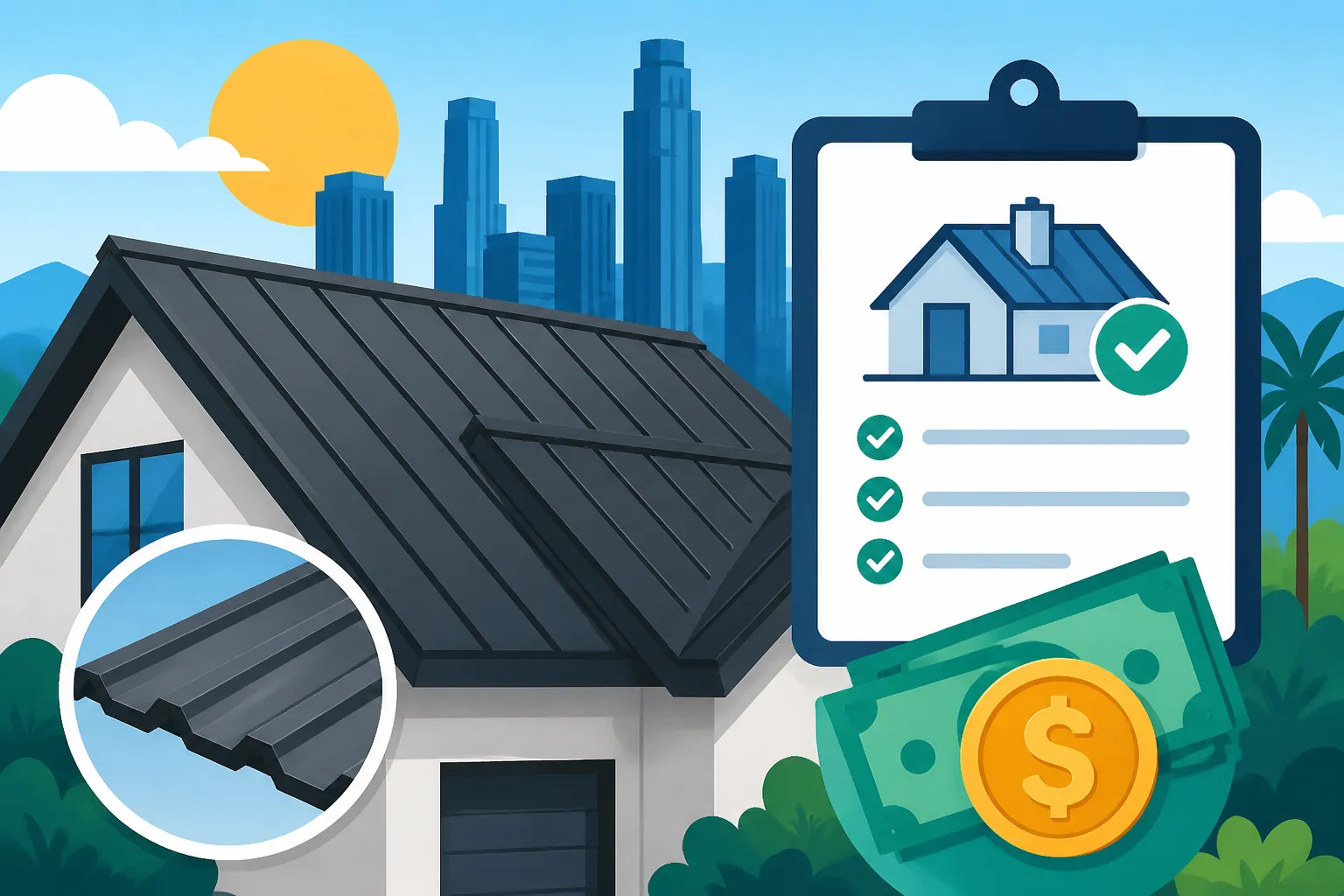
Generally, for a residential re-roofing project, you'll encounter a base permit fee, which covers the administrative costs of processing your application. Then there are additional plan check fees, inspection fees, and sometimes even technology surcharges or Green Building surcharges, reflecting Los Angeles's commitment to sustainability. The total cost often falls into a range, rather than a fixed price. For a typical residential metal roof replacement, homeowners in Los Angeles might see permit fees ranging anywhere from $250 to $700 or even more, depending on the complexity and value of the job.
For a comprehensive understanding of what contributes to your overall project expenses, it's worth exploring our guide on the Metal Roof Cost: Complete 2026 Guide.
Let's look at a typical breakdown of potential fees you might encounter:
| Fee Type | Description | Estimated Range (Residential Roofing) |
|---|---|---|
| Base Permit Fee | Covers initial application processing and overhead. | $100 – $250 |
| Plan Check Fee | For reviewing submitted plans to ensure compliance with building codes. | $50 – $150 |
| Inspection Fee | Covers the cost of city inspectors visiting your property. Often tied to the number of required inspections. | $75 – $200 |
| Technology Surcharge | A common administrative fee for system maintenance and upgrades. | $10 – $30 |
| Green Building Surcharge | Applicable for certain projects aligning with sustainability initiatives. | $10 – $50 |
| School Fees/Other Assessments | Depending on the project's valuation and location, other small fees may apply. | $0 – $100 |
Note: These ranges are estimates and can fluctuate. Always consult the official LADBS fee schedule or your contractor for the most current and accurate pricing for your specific project.
Factors Influencing Your Metal Roof Permit Cost in LA
It’s easy to get frustrated when you see that permit costs aren't static. Why does your neighbor's roof permit cost something different than yours? The reality is, several factors come into play that can influence the final price tag of your metal roof permit in Los Angeles. Understanding these variables can help you better anticipate expenses and ensure you’re not caught off guard. This is part of the broader conversation about What Affects Metal Roof Cost: Gauge, Pitch, Complexity & Tear-Off, but specifically focuses on the permit side.
Project Valuation and Scope of Work
One of the biggest drivers of permit costs is the overall valuation of your roofing project. The LADBS often calculates permit fees as a percentage of the estimated construction value. A larger, more complex metal roof installation on a sprawling Beverly Hills estate, for instance, will naturally have a higher project valuation than a smaller, simpler re-roof on a bungalow in Silver Lake. This means the permit fee, being tied to that value, will also be higher.
The scope of work also plays a significant role. Are you just replacing existing shingles with metal panels, or are you also doing a complete tear-off of multiple layers, structural repairs to the roof deck, or adding new skylights or dormers? Any additional work beyond a straightforward re-roof will increase the project's complexity and, consequently, the permit fees. For example, if your existing roof structure needs reinforcement to support the new metal panels, that might involve additional structural engineering review and associated fees.
Specific Los Angeles Jurisdictional Nuances
While the LADBS covers the City of Los Angeles, it's crucial to remember that the greater Los Angeles area includes numerous other independent cities and unincorporated county areas, each with their own building departments and fee structures. For instance, if you live in Santa Monica, Pasadena, Long Beach, or an unincorporated area of Los Angeles County, your permit issuer and fee schedule will be different from those managed directly by the City of Los Angeles.
This is where the "hyper-local" aspect truly comes into play. Even within the City of LA, certain areas might have additional overlays, such as historic preservation zones or specific hillside construction regulations, which could add layers of review or require specialized reports, increasing administrative costs. Always verify which specific jurisdiction your property falls under and consult their respective building department websites for their exact fee schedules. It's not uncommon for contractors to operate across multiple jurisdictions, so ensure they are familiar with the specific rules for your exact address. This is why it's so helpful to understand Metal Roof Cost by State and City and how local regulations can impact your overall budget.
Emergency Permits and Expedited Processing
In rare cases, such as significant storm damage that compromises your home's safety, you might need an emergency permit to begin repairs quickly. While the LADBS does have provisions for emergency work, these processes can sometimes involve different fee structures or require additional documentation after the fact. Similarly, while not always an option for standard re-roofing, some jurisdictions offer expedited permit processing for an additional fee.
However, for a typical metal roof replacement that isn't an emergency, you'll generally go through the standard permitting channels. Planning ahead and submitting your application well in advance is always the best strategy to avoid any rush fees or delays that could impact your project timeline and budget. An experienced contractor who specializes in metal roofing will usually handle the permit application process for you, streamlining these steps. However, it’s good to know who pulls the permit: Who Pulls the Permit: Contractor or Homeowner?.
The Permit Application Process in Los Angeles: Step-by-Step
Navigating the permit process can feel like a maze, but breaking it down into manageable steps makes it much less daunting. Most reputable metal roofing contractors in Los Angeles will handle the permit application on your behalf, as they are familiar with the local requirements and processes. However, as the homeowner, it's always wise to understand the general flow.
Gathering Required Documentation
Before anyone can even think about filling out forms, the building department needs to know what exactly is being done. This usually means compiling a set of documents. For a typical residential re-roof, you'll generally need:
- Application Form: The official LADBS permit application.
- Scope of Work/Plans: A detailed description of the proposed work, including the type of metal roofing material (e.g., standing seam, corrugated, metal shingles), the existing roofing material, tear-off details, proposed underlayment, and any structural modifications. Simple re-roofs might only need a brief scope, while more complex projects require detailed drawings.
- Site Plan: A basic drawing showing your property boundaries, the house footprint, and sometimes the roof area.
- Material Specifications: Information about the specific metal panels, coatings, and accessories you plan to use, including their fire ratings and wind resistance ratings, which are particularly important in LA.
- Contractor Information: Details of your licensed contractor, including their license number and insurance information.
- Property Owner Authorization: If the contractor is applying, they'll need your written consent.
Your chosen metal roofing contractor should be well-versed in preparing these documents. This is where vetting your contractor becomes crucial, as their experience with local permitting can significantly smooth the process. You can learn more about how to vet them in our guide on Metal Roof Contractor Licensing, Bonding & Insurance.
Submitting Your Application and Awaiting Review
Once all the necessary documents are gathered, the application is submitted to the LADBS. In Los Angeles, much of this process can now be handled online through the LADBS "Accela Citizen Access" portal, which is a blessing for homeowners and contractors alike, reducing trips to the physical office. You (or your contractor) will create an account, upload the documents, and pay the initial application fees.
After submission, your application enters the "plan check" phase. This is where LADBS staff review your plans to ensure they comply with all applicable building codes, zoning regulations, and local ordinances. This review can take anywhere from a few days to several weeks, depending on the complexity of the project and the current workload of the department. During this time, the LADBS might issue "corrections" or requests for additional information if anything is unclear or doesn't meet code. Promptly addressing these corrections is key to avoiding further delays.
The Inspection Process
Once your permit is approved and issued, you'll typically be required to post it visibly at your job site. This signals to neighbors and inspectors that the work is legitimate. The work can then begin! However, the permit process isn't over until the final inspections are passed. For a metal roof installation, there are usually a couple of key inspection points:
- Mid-Roof or Sheathing Inspection: This often happens after the old roof has been torn off (if applicable) and any necessary structural repairs or new decking has been installed, but before the new metal panels or underlayment are fully laid down. The inspector will check the roof sheathing, any flashing details, and the quality of the underlayment to ensure it meets code.
- Final Inspection: This occurs after the entire metal roof system has been installed and all work is complete. The inspector will verify that the installation matches the approved plans, that all components (panels, fasteners, vents, flashing) are properly installed, and that the site is clean and safe.
Your contractor is responsible for scheduling these inspections. It's crucial not to cover up work that needs to be inspected (like the underlayment) until the inspector has given the green light. Passing these inspections is what ultimately "closes" your permit and officially certifies that your new metal roof meets all Los Angeles building standards. Our detailed guide on the Roof Permit Process: Step by Step provides a broader overview of this journey.
Navigating Potential Hurdles and Saving Money on Your LA Metal Roof Permit
Let's be real, anything involving permits and city bureaucracy can feel like a minefield. While a good contractor will handle most of the heavy lifting, understanding potential pitfalls and smart strategies can save you headaches, time, and even money in the long run.
Avoiding Common Permit Application Mistakes
One of the biggest reasons for delays in the permit process is incomplete or incorrect applications. This often leads to "rejection comments" or requests for more information from the LADBS, pushing back your project start date. Here are some common mistakes to look out for:
- Missing Information: Forgetting to fill out a section, or providing outdated contractor license numbers. Ensure every field is addressed.
- Inaccurate Project Scope: If the submitted plans don't accurately reflect the work being done, it will raise red flags during the plan check or inspection. Be precise!
- Non-Compliant Plans: Submitting plans that don't meet current building codes, especially regarding fire resistance or wind uplift requirements specific to Los Angeles. Your contractor should be up-to-date on these.
- Unlicensed Contractor Information: The LADBS will quickly flag any application submitted with an unlicensed or improperly licensed contractor. Always verify your contractor's credentials.
A professional metal roofing contractor, particularly one with extensive experience in the Los Angeles area, will be invaluable here. They know the local codes like the back of their hand and can navigate the digital submission portal efficiently, minimizing the chances of these costly errors. It's worth learning How to Read and Compare Metal Roof Quotes to ensure your contractor has included all these permit-related steps.
What to Do If Your Permit is Denied or Requires Corrections
It’s disheartening to receive a denial or a lengthy list of corrections, but it’s not the end of the world. It’s part of the process designed to ensure safety and compliance. If your permit requires corrections, the LADBS will provide specific details on what needs to be changed or added.
Your contractor should review these comments carefully and make the necessary revisions to the plans or application. This might involve adjusting material specifications, altering structural details, or providing additional documentation. Once the corrections are made, the revised application is resubmitted for another review. While this adds time to the overall project timeline, it’s far better than proceeding with non-compliant work. Don't be shy about asking your contractor to clearly explain the corrections and how they plan to address them. Open communication during this phase is key to keeping the project moving forward.
Leveraging an Experienced Local Contractor
This really can't be stressed enough: the single best way to navigate the Los Angeles permit process smoothly and potentially save on unforeseen costs is to hire a truly experienced, reputable local metal roofing contractor. They will:
- Know the System: They are familiar with the LADBS portal, current fee schedules, and the specific nuances of LA’s building codes.
- Prevent Mistakes: Their expertise minimizes errors in the application, leading to fewer delays.
- Streamline Communication: They can effectively communicate with LADBS plan checkers and inspectors, speaking their language.
- Accurate Estimates: They can provide a more accurate estimate for permit costs because they’ve done it countless times before.
- Ensure Compliance: They understand the specific requirements for different types of metal roofs, from Standing Seam Metal Roof Cost considerations to more intricate designs.
When getting quotes, always confirm that the permit acquisition and associated fees are included in their proposal. While you’ll ultimately bear the cost, having the contractor manage the process is a huge convenience and often a critical success factor. For a truly smooth experience, look for contractors who have a long track record of successful metal roof installations and satisfied clients right here in Los Angeles.
Disclaimer
Please remember that the information provided in this guide is for general informational purposes only and does not constitute professional advice. Building codes, permit requirements, and fee schedules for metal roofing can change frequently and vary based on your specific location within Los Angeles County or its independent cities. Always consult with the official Los Angeles Department of Building and Safety (LADBS) or the relevant local building department, and a licensed, experienced metal roofing contractor, for the most accurate and up-to-date information pertaining to your specific project. Relying solely on general information without professional verification could lead to costly errors or non-compliance.