What Wind Speed Can a Metal Roof Withstand?
It's incredibly frustrating when you're trying to make a major home improvement decision like replacing your roof, and all you hear are vague promises about how "strong" a material is without any real numbers. You live in an area that gets its fair share of gusty winds, maybe even the occasional serious storm, and you need to know if a metal roof can truly stand up to what nature throws at it. This guide is here to cut through the jargon and explain exactly what wind speeds metal roofs are designed to withstand, and more importantly, what factors contribute to that resilience, helping you make an informed decision for your home's ultimate protection.
Understanding Metal Roof Wind Ratings
When you're researching roofing materials, you'll often hear terms like "wind resistance" or "wind uplift rating," but what do those truly mean for your home? It’s not just about a single number; it's a complex interplay of design, testing, and installation standards. Getting to grips with these concepts is crucial for homeowners looking to invest in a durable metal roof, especially if you live in a region prone to high winds.
What Do Wind Ratings Mean?
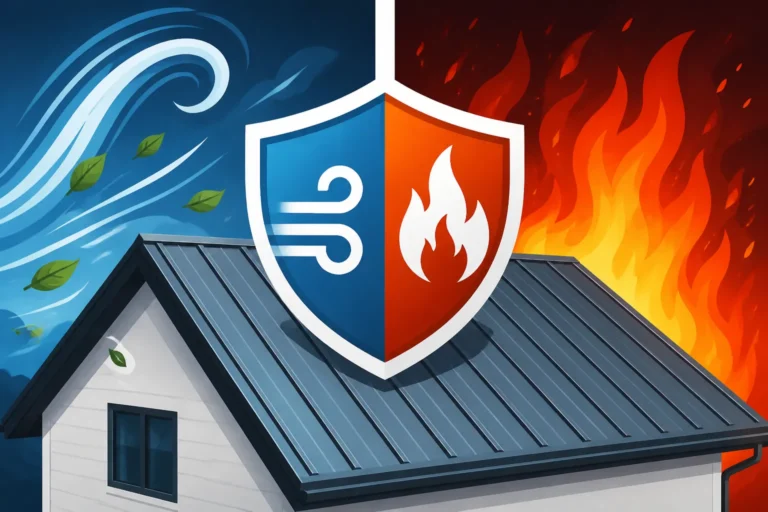
Wind ratings for metal roofs are essentially a measure of how much uplift pressure a roof system can endure before failure. Think of it like a giant vacuum trying to pull your roof off your house – wind creates a negative pressure that wants to lift the panels. These ratings aren't just arbitrary numbers; they come from rigorous testing designed to simulate extreme wind events.
One of the most common standards you'll encounter is UL 580, an industry-recognized test for roof uplift resistance. During UL 580 testing, a full-scale roof assembly is subjected to alternating positive and negative pressures, mimicking the fluctuating forces of wind. The roof is rated based on the maximum pressure it can withstand without significant damage or dislodgement. Another key standard is ASTM E1592, which specifically measures the structural performance of metal roof panels under uniform static air pressure difference. This helps determine the panel's strength and ability to resist buckling or tearing under stress. Different classes within these standards (e.g., Class 90 for UL 580) indicate varying levels of resistance, with higher numbers signifying greater durability. These ratings are critical, particularly for homes in hurricane or high-wind zones, as they demonstrate a roof's proven ability to perform under stress.
Key Factors Influencing Wind Resistance
The actual wind resistance of a metal roof isn't just about the panels themselves; it’s a holistic system. Many elements come together to create a roof that can withstand powerful gusts. From the way it's attached to the type of metal used, every detail matters.
The installation method is perhaps the most critical factor. A poorly installed roof, even with top-tier materials, won't perform as expected. This means ensuring every fastener is correctly applied, seams are properly sealed, and all flashings are meticulously integrated. The type and spacing of fasteners play an enormous role. For instance, concealed fastener systems, like standing seam roofs, tend to offer superior wind resistance because the fasteners are protected from direct wind exposure and leverage. On the other hand, exposed fastener systems, while often more budget-friendly, rely on the integrity of hundreds, if not thousands, of exposed screws, which can be points of weakness if not installed correctly or if the washers degrade over time. The gauge or thickness of the metal panels also contributes significantly; generally, a thicker gauge (lower number, like 24-gauge) will be more rigid and less prone to flexing or tearing under wind pressure than a thinner gauge (higher number, like 29-gauge). Furthermore, the panel type or profile itself is a huge determinant. A deeply ribbed panel offers different aerodynamic properties than a flat panel, affecting how wind interacts with its surface. Finally, the roof design—its pitch, shape, and overhangs—also impacts wind resistance. Steeper pitches often handle uplift better than low-slope roofs, and securely fastened eaves and rakes prevent wind from getting under the roof's edge and peeling it back. Understanding what Affects Metal Roof Cost: Gauge, Pitch, Complexity & Tear-Off can shed more light on these variables.
Typical Wind Speeds Metal Roofs Can Withstand
So, what kind of wind speeds are we actually talking about? It's the question on everyone's mind. While there's no single universal answer, we can explore the general capabilities of residential metal roofs and then zero in on what's expected in the most extreme weather environments.
General Capabilities of Residential Metal Roofs
For the average residential application, a properly installed metal roof can typically withstand wind speeds ranging from 110 mph to 160 mph. This range comfortably exceeds the resistance of many conventional asphalt shingle roofs, which often begin to show signs of damage at sustained winds of 70-90 mph. The exact number for your specific metal roof will depend heavily on the factors we just discussed: the panel profile (e.g., standing seam, corrugated, metal shingles), the gauge of the metal, the type and frequency of fasteners used, and the quality of the installation.
For example, a high-quality standing seam metal roof, installed by an experienced crew according to manufacturer specifications and local building codes, could easily meet or exceed a 150 mph wind rating. This level of resistance is akin to a strong Category 4 hurricane. Even more economical exposed fastener systems, like R-panels or corrugated metal, when installed correctly, can often handle winds in the 110-130 mph range. This is why many homeowners in areas that regularly experience strong storms, but perhaps aren't in direct hurricane paths, opt for metal roofing. They get peace of mind knowing their investment is built to last through most severe weather events. Remember, the key here is "properly installed"; even the best materials can fail if the installation is substandard.
Special Considerations for High-Wind Zones
If you live in a region frequently battered by hurricanes, tornadoes, or other extreme weather, such as coastal Florida, parts of Texas, or the Midwest, the expectations for your roof's wind resistance are, rightly so, much higher. Building codes in these areas are often incredibly stringent, demanding superior performance from all building materials, especially roofing.
For instance, the Florida Metal Roof Codes: FBC, HVHZ & Approvals are among the most rigorous in the nation, particularly in the High-Velocity Hurricane Zone (HVHZ) areas like Miami-Dade and Broward counties. Here, roofs must be engineered and tested to withstand sustained winds well over 180 mph, with specific requirements for uplift resistance and impact ratings. This often necessitates standing seam metal roofs, heavy-gauge materials, and specialized fastening systems to meet these demanding standards. You might also hear about "Miami-Dade NOA" (Notice of Acceptance) or "Florida Product Approval," which are certifications that a specific roofing system has passed these extreme tests. The Hurricane and Coastal Metal Roof Requirements are designed not just to keep the roof on, but to prevent a chain reaction where roof failure leads to structural damage from water intrusion.
Programs like the FORTIFIED Roof™ certification also play a significant role. This third-party verification program goes beyond minimum building codes, focusing on making homes more resilient to severe weather. A FORTIFIED metal roof, for example, will have enhanced fastening, reinforced edges, and superior underlayment, aiming for maximum protection against winds that can exceed 150-180 mph, depending on the specific designation (e.g., FORTIFIED Home™–Hurricane). These extra steps might increase the upfront Metal Roof Cost, but they offer unparalleled protection and often come with significant Metal Roof Insurance Savings & Discounts. When considering a metal roof in these zones, always ensure your contractor is intimately familiar with local codes and can provide products with the necessary certifications.
How Different Metal Roof Types Perform Against Wind
The world of metal roofing isn't a one-size-fits-all solution; there's a huge variety in panel styles and fastening methods. Each type has its own characteristics when it comes to resisting high winds, and understanding these differences is crucial for choosing the right roof for your home and local climate.
Standing Seam vs. Exposed Fastener Systems
This is often one of the first distinctions homeowners encounter, and it's a big one for wind resistance.
Standing Seam Metal Roofs: These systems feature panels that connect with vertical seams that stand up from the roof deck, concealing the fasteners underneath. This hidden fastening method is a major advantage in high-wind scenarios. Because the screws aren't directly exposed to the elements, they are protected from UV degradation and moisture, which can weaken the connection over time. More importantly, the interlocking seams themselves create a robust, continuous surface that is incredibly resistant to wind uplift. The clips used to attach standing seam panels allow for thermal expansion and contraction, which is important for longevity, while still maintaining a very secure connection. A high-quality standing seam system can often withstand winds upwards of 160 mph, making it a top choice for hurricane-prone areas. However, this superior performance typically comes with a higher Standing Seam Metal Roof Cost.
Exposed Fastener Metal Roofs: These roofs, which include profiles like corrugated, R-panel, and 5V Crimp, are characterized by fasteners (screws with washers) that go directly through the metal panel and into the roof deck or purlins. While generally more affordable and quicker to install, their wind resistance can be a point of concern if not properly addressed. The exposed fasteners are susceptible to wear, and the rubber washers can degrade over time, potentially leading to leaks or loosened connections. In high winds, the panels themselves can experience "fluttering" which can widen the screw holes, further compromising their hold. However, modern exposed fastener systems, with proper screw selection (e.g., high-quality, long-life screws with EPDM washers) and appropriate spacing, can still offer very good wind resistance, often in the 110-130 mph range. For many homes not in extreme wind zones, these systems offer a cost-effective and durable solution. The key is ensuring the installer adheres strictly to manufacturer specifications for fastener type and pattern.
Metal Shingles and Tile Profiles
Beyond the long panel systems, metal roofing also offers options that mimic traditional shingles, slate, or clay tiles. These profiles, often made from steel or aluminum, are an excellent choice for homeowners who want the aesthetic appeal of conventional roofing materials with the superior durability and wind resistance of metal.
Metal Shingles, Slate, and Tile Systems: These are typically individual, interlocking panels that are much smaller than standing seam or corrugated sheets. Their unique design contributes significantly to their wind resistance. Unlike asphalt shingles that rely on adhesive strips that can fail in high winds, metal shingles often interlock on all four sides, creating a tight, continuous matrix over the roof deck. This interlocking design distributes wind uplift forces across multiple panels, making it extremely difficult for individual pieces to lift or peel away. Many of these systems are engineered to meet stringent wind ratings, often exceeding 130-150 mph. For example, some stone-coated steel shingles, designed to look like heavy tile or wood shake, are incredibly robust and have excellent wind and impact resistance. Brands like DECRA and Gerard are well-known for producing these types of roofing systems that hold up exceptionally well in severe weather. The intricate fastening methods, often involving clips and overlapping panels, ensure a secure hold. While the upfront Metal Shingle Cost can be higher than exposed fastener systems, their longevity and superior wind performance are compelling benefits.
Corrugated and R-Panel Systems
These are two of the most recognizable and widely used types of metal roofing, especially in agricultural, commercial, and increasingly, residential applications. Their performance in wind is good, but depends heavily on proper installation.
Corrugated Metal Roofs: Characterized by their wavy, repeating pattern, corrugated panels are a classic choice. The corrugations themselves add rigidity to the panels, helping them resist bending and buckling. When installed with appropriate fasteners and sufficient overlap, a corrugated roof can offer solid wind resistance. However, as an exposed fastener system, the reliance on screws penetrating the panel means that installation quality is paramount. In residential settings, you'll often see these used on cabins, sheds, or as accent roofs, but with increasing advancements, they are also finding their way onto full residential homes, offering a rustic yet durable aesthetic.
R-Panel Metal Roofs: Similar to corrugated but with more defined, squarer ribs, R-panels are known for their strength and clean lines. They are extremely popular in commercial and industrial buildings but are gaining traction in modern residential design. Like corrugated, R-panels are typically exposed fastener systems. Their deep ribs provide excellent structural integrity, making them quite resistant to flexing under wind pressure. When paired with high-quality, properly spaced fasteners, R-panel roofs can handle significant wind loads. Both corrugated and R-panel systems, while being on the more economical side of metal roofing, provide a substantial upgrade in wind resistance compared to traditional asphalt shingles, often rated for winds in the 110-130 mph range when correctly installed. You can learn more about how to estimate costs in our Corrugated Metal Roof Cost guide or for R-panels specifically, our guide on How Much Does a R-Panel Metal Roof Cost.
Here’s a quick overview of typical wind resistance ranges for common residential metal roof types:
| Metal Roof Type | Fastener Type | Typical Wind Resistance Range (MPH) | Key Wind Resistance Feature(s) |
|---|---|---|---|
| Standing Seam | Concealed | 140 – 180+ | Hidden fasteners, interlocking seams, continuous panels, allows for thermal movement. |
| Metal Shingles/Tiles | Concealed/Interlocking | 130 – 160+ | Interlocking design on all four sides, distributes uplift, often thicker gauge. |
| Corrugated (Exposed Fastener) | Exposed | 110 – 130 | Panel rigidity from corrugations, relies on fastener integrity. |
| R-Panel (Exposed Fastener) | Exposed | 110 – 140 | Deep ribs for strength, requires proper fastener type and spacing. |
| Stone-Coated Steel | Concealed/Interlocking | 140 – 170+ | Heavy, interlocking panels, often Class 4 impact rated, excellent hail and wind resistance. |
Note: These ranges are estimates and actual performance depends heavily on specific product design, gauge, and, critically, quality of installation and local building code adherence.
Maximizing Your Metal Roof's Wind Resistance
Investing in a metal roof is a significant decision, and you want to be sure it offers the best possible protection against severe weather. While the material itself is inherently strong, its ultimate wind resistance is a culmination of several factors beyond just the panel type. Thinking about these aspects from the outset can help ensure your metal roof lives up to its legendary durability.
Importance of Professional Installation and Proper Fastening
Let's be blunt: even the most expensive, top-of-the-line metal roofing material can fail in moderate winds if it's not installed correctly. This is where the old adage "a chain is only as strong as its weakest link" truly applies. Choosing an experienced, reputable metal roofing contractor is not just a recommendation; it's a necessity. A professional installer understands the nuances of different metal roof systems, the critical importance of proper fastening patterns, and the specifics of local building codes.
For example, a knowledgeable contractor will know the exact type, length, and quantity of fasteners required per panel for your specific region's wind loads, not just a generic estimate. They understand how to correctly "panelize" a roof, ensuring seams are properly interlocked and sealed, and that flashings around chimneys, vents, and valleys are watertight and securely attached. They'll also ensure your roof deck is solid and free of defects, providing a strong substrate for the new roofing system. Shortcuts in installation, like using fewer fasteners than recommended, choosing cheaper, lower-quality screws, or improperly aligning panels, can drastically reduce the roof's wind resistance, turning what should be a fortress into a vulnerability. It's not worth saving a few dollars upfront if it means your roof won't protect your home when a major storm hits. Don't hesitate to ask a potential contractor about their experience with metal roofing and their installation procedures, especially regarding fasteners and wind-specific reinforcements. Our guide on Questions to Ask a Metal Roofing Contractor Before You Hire can help you vet potential installers.
Underlayment and Substrate Role in Wind Performance
While often hidden beneath the metal panels, the underlayment and the roof's substrate (like plywood decking) play an absolutely vital role in the overall wind resistance of your roofing system. They are the unsung heroes that provide a critical layer of defense.
A high-quality underlayment, particularly synthetic or self-adhering ice and water shield membranes, does much more than just provide temporary water resistance during installation. In a severe wind event, if somehow water breaches the primary metal roof surface—perhaps through a compromised flashing or a small opening—the underlayment acts as a secondary water barrier, preventing water from reaching your home's interior. This is crucial because wind-driven rain can wreak havoc once it gets inside. Moreover, a robust underlayment can add an extra layer of adhesion between the metal panels and the roof deck, helping to resist uplift forces. Some high-performance underlayments are even designed to add shear strength to the overall roof assembly. The substrate itself, typically plywood or OSB, needs to be in excellent condition, securely fastened to the rafters, and of adequate thickness to hold the fasteners firmly. A rotten or delaminated roof deck simply won't provide the necessary grip for your metal roof's fasteners, compromising its ability to withstand wind uplift. Ensuring a solid foundation is part of the Metal Roof Installation Process: Step by Step that often gets overlooked by homeowners but is critical for long-term performance.
Regular Maintenance and Inspections
Even the most robust metal roof benefits from regular care and attention. Think of it like a high-performance vehicle; it needs routine check-ups to keep running at its best. Maintenance isn't just about prolonging the life of your roof, it's about ensuring it remains fully capable of withstanding the wind speeds it was designed for.
Annual or biennial inspections are highly recommended, especially after any significant storm. During an inspection, look for any signs of loose fasteners, particularly on exposed fastener systems, and address them promptly. Check for damaged or missing washers, which can compromise the watertight seal and the panel's attachment. Inspect all flashings around penetrations (chimneys, skylights, vents) to ensure they haven't been dislodged or developed cracks that could allow wind and water ingress. Keep an eye out for any panels that appear to be bowing, fluttering, or showing signs of "oil canning" (a wavy distortion) under wind, as this could indicate improper fastening or an issue with the panel's rigidity. Clearing gutters and ensuring proper drainage also helps prevent ice dams in colder climates, which can put undue stress on roof edges and fasteners. A proactive approach to Metal Roof Maintenance Guide can identify minor issues before they escalate into major vulnerabilities, ensuring your roof is always prepared for the next gusty storm. Remember, a well-maintained metal roof is a wind-resistant roof, providing decades of reliable protection for your home.
Disclaimer
Please note that the information provided in this article is for general informational purposes only and does not constitute professional advice. Specific wind resistance ratings and requirements for metal roofs can vary significantly based on local building codes, product specifications, installation methods, and geographic location. Always consult with a qualified, licensed metal roofing contractor and local building authorities to determine the appropriate roofing system and installation for your property.