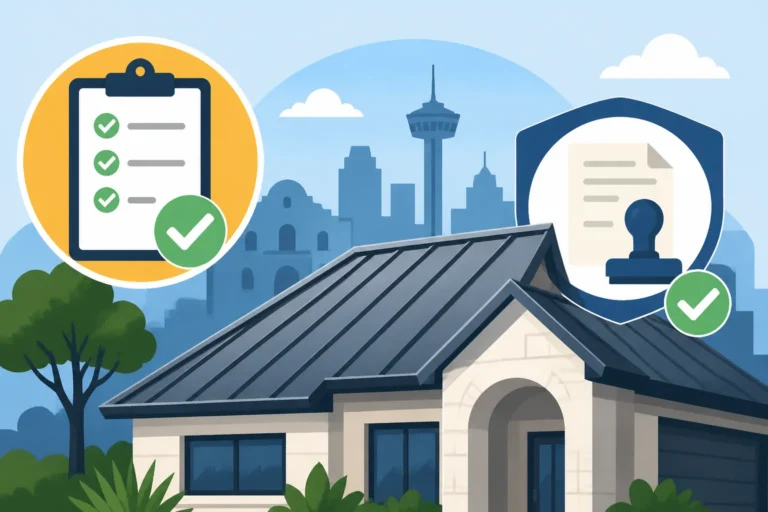
Metal Roof Permit Cost in Denver
Navigating the labyrinth of permits and regulations can feel like a daunting task when you're planning a significant home improvement project, especially something as substantial as a new metal roof. Homeowners often feel overwhelmed by the paperwork, the city departments, and the question of how much these necessary steps will add to their overall budget. This comprehensive guide is here to shed light on the metal roof permit cost in Denver, walking you through everything you need to know to ensure your project is compliant, safe, and budgeted correctly.
Understanding Denver's Roofing Permit Requirements
Let's be honest, nobody wants to deal with permits. It feels like an extra hoop to jump through, an added expense, and more red tape. But when it comes to a major structural component like your roof, especially a durable, long-lasting metal roof, permits are absolutely non-negotiable in Denver. They're there for your protection, even if it doesn't always feel that way.
Why Permits Are Essential for Metal Roofs in Denver
Think of a permit as your official stamp of approval from the City and County of Denver. It's confirmation that your roofing project, whether it's a full tear-off and replacement or installing a new metal system over existing shingles, meets the stringent local building codes and safety standards. Without it, you’re not just risking fines; you're potentially compromising the safety and structural integrity of your home.
For a metal roof, which often involves different installation techniques and materials compared to traditional asphalt shingles, these codes ensure proper attachment, ventilation, and adherence to wind uplift requirements specific to Denver’s climate. Imagine investing thousands in a beautiful new roof only to find out it wasn't installed correctly because shortcuts were taken, and no professional inspections ever took place. That's a nightmare scenario that a permit helps you avoid. It also protects you in the long run. If you ever decide to sell your home, an unpermitted major renovation like a roof replacement can cause significant headaches and even devalue your property, as potential buyers or their lenders will require proof of compliance.
When a Permit Is Required vs. Minor Repairs
This is a common point of confusion for many homeowners. Generally, if you're undertaking a complete roof replacement, installing a new roof on a new structure, or making any significant changes to the roof's structure or type of material, a permit is required. This definitely includes putting on a new metal roof. The City and County of Denver's Community Planning and Development agency oversees these regulations, and their guidelines are pretty clear: if you’re doing more than just patching a small area or replacing a few shingles, you’ll likely need a permit.
However, minor repairs, like replacing a handful of damaged metal panels or fixing a small leak, typically do not require a permit. The key distinction lies in the scope of the work. If the repair involves less than 100 square feet of roofing, and it doesn't impact the structural integrity or change the existing roof assembly, you're usually in the clear. But for anything larger or more comprehensive, especially when moving to a material like metal, always assume a permit is needed. It's better to make a quick call to the Denver permitting office or ask your contractor to confirm than to proceed without one and face potential penalties later.
The City and County of Denver's Specific Rules
Denver has its own set of building codes, primarily based on the International Building Code (IBC) and International Residential Code (IRC), with local amendments. For roofing, this means specific requirements for things like wind resistance, material fire ratings, and snow load capacity. Given Denver's variable weather, from heavy snowfalls to strong winds, these codes are critical.
When considering a metal roof, the city will want to ensure the chosen material and installation method meet these standards. For instance, different metal roofing types, such as a standing seam metal roof versus a corrugated metal roof, might have slightly different installation nuances that need to be compliant. Your contractor, who should be well-versed in Denver's codes, will be instrumental here. They typically handle the entire permit application process, ensuring all necessary documentation, like plans for the new roof and details about the specific materials being used, are submitted correctly. This helps streamline the process significantly, as they know exactly what the city expects to see.
Breaking Down the Costs: What to Expect for a Denver Metal Roof Permit
Now, for the question on everyone's mind: how much is this permit actually going to cost? There's no single flat fee for every metal roof permit in Denver, which can be frustrating. The total cost is influenced by several factors, including the scope of your project, the size of your roof, and whether any additional reviews are needed.
Typical Permit Fee Structures
In Denver, permit fees for residential roofing projects are often calculated based on a combination of factors, including the estimated cost of the project and its square footage, though specific fee schedules can change. For a metal roof, which is generally a higher-value project than an asphalt shingle roof, the permit fee might reflect that. For a standard residential re-roofing project, the base permit fee could range from a couple of hundred dollars to several hundred dollars, depending on the complexity and scope.
For instance, the City and County of Denver's fee schedule, which is publicly available through their Community Planning and Development department, details these charges. While they don't typically differentiate between "metal roof" and "shingle roof" in the base fee, the higher material and labor costs associated with a metal roof often place the project in a higher valuation bracket, which can subtly increase the permit cost if it's tied to project value. Always confirm the current fee schedule directly with the city or your contractor.
Additional Fees and Surcharges
Unfortunately, the base permit fee is rarely the only fee you'll encounter. There are often various surcharges and additional fees that get tacked on, which can surprise homeowners if they're not prepared. These might include:
- Plan Review Fees: If your project requires a more in-depth review of architectural or engineering plans, there might be an additional fee. This is more common for complex structural changes but can sometimes apply if a metal roof installation involves significant modifications.
- Technology Surcharges: Many municipalities, including Denver, impose a small fee to cover the costs of their online permitting systems and other technological infrastructure.
- State Surcharges: Colorado also has state-level construction services and permit surcharges that local jurisdictions are required to collect.
- Inspection Fees: While inspections are typically part of the permit process, sometimes re-inspection fees are charged if the initial inspection fails due to non-compliance, necessitating a return visit from the inspector.
These extra costs might seem small individually, but they can add up, pushing the total permit expenditure higher than just the base fee. It's crucial for your contractor to provide a detailed breakdown of all expected permit-related costs in your Metal Roof Cost Calculator How to Estimate or bid.
How Project Complexity Influences Permit Costs
The complexity of your roofing project plays a significant role in the final permit cost. A straightforward "rip and replace" of an existing roof with a similar metal profile will generally be simpler and less expensive to permit than a project that involves structural modifications or a complete change in roof design.
Consider these factors:
- Tear-Off vs. Overlay: If your project involves a complete tear-off of old roofing materials down to the deck, this might require specific disposal plans and inspections. If you're installing a metal roof over shingles, there are particular guidelines to follow, such as checking the existing deck's condition and ensuring no more than two layers of roofing exist. This process will be outlined in your Tear-Off vs Metal Over Shingles Cost Difference discussion with your contractor.
- Roof Pitch and Accessibility: Extremely steep roofs or those with difficult access might require specialized equipment and safety measures, which, while not directly increasing the permit fee, can lead to more stringent review processes or additional checks during inspections.
- Structural Changes: If your metal roof installation requires any modifications to the roof's underlying structure – for example, adding new trusses or significantly altering the roofline – this will trigger more complex structural reviews and potentially higher permit fees. This means more paperwork, more detailed drawings, and potentially an engineer's stamp, all of which add to the administrative burden and associated costs.
- Historical Districts: If your home is in a historic district within Denver, there might be additional design review processes and aesthetic requirements that could indirectly add to the permit complexity and cost.
A contractor familiar with Denver's permitting specificities, such as those that might be required for Metal Roof Building Codes Explained, will be invaluable in accurately estimating these costs and ensuring a smooth process.
Navigating the Denver Permit Application Process
Successfully obtaining a permit for your metal roof in Denver isn't just about paying fees; it's about following a clear process. Understanding the steps involved can help you avoid unnecessary delays and ensure your project stays on track.
Step-by-Step Application Guide
In Denver, like many modern cities, much of the permit application process has moved online. The City and County of Denver's Community Planning and Development department typically manages this through an online portal. While your chosen metal roofing contractor will generally handle the heavy lifting, it's good to know the general flow:
- Contractor Selection: First and foremost, you need a reputable and licensed roofing contractor. They will be the ones interacting with the city on your behalf. Ensure they are licensed to work in Denver and have experience with metal roofing. This is a critical step, as a knowledgeable contractor is your best advocate.
- Application Submission: Your contractor will typically submit the permit application electronically through the city's online portal. This involves filling out forms detailing the project, property information, contractor licenses, and estimated project value.
- Plan Review: Once submitted, the application and any accompanying plans (like roof drawings or material specifications) will undergo a review by city officials to ensure compliance with Denver's building codes. This can take several days or even weeks, depending on the complexity of the project and the city's current workload.
- Fee Payment: After the plans are approved, you (or your contractor, on your behalf) will be notified of the total permit fees due. These are typically paid online.
- Permit Issuance: Once fees are paid, the permit is issued. It's then typically posted prominently on the job site for inspectors to see.
It sounds straightforward, but any missing information or discrepancies in the application can lead to delays. That's why having an experienced contractor is so important for the Metal Roof Installation Process Step by Step.
Essential Documentation for Your Metal Roof Permit
When applying for a metal roof permit in Denver, your contractor will need to provide a suite of documents to the city. This isn't just busywork; it's how the city verifies that your project meets all safety and structural requirements.
Common documents and information include:
- Detailed Project Description: A clear explanation of the work to be done, including whether it's a full tear-off, an overlay, and the type of metal roofing system being installed (e.g., Standing Seam Metal Roof Cost).
- Site Plan: A basic diagram showing the property, the location of the house, and the roof area to be worked on.
- Roof Plan/Drawings: Specific drawings of the roof, indicating measurements, pitch, and the proposed layout of the new metal panels or shingles. These often need to be to scale.
- Material Specifications: Details about the specific metal roofing material you’ve chosen, including gauge, coating, and manufacturer's installation instructions. This ensures the materials meet Denver's fire, wind, and impact resistance requirements.
- Contractor's Information: Proof of the contractor's valid license and insurance, ensuring they are qualified to perform the work.
- Structural Calculations (if applicable): For unusually heavy metal systems, or if structural modifications are being made, stamped engineering plans might be required to ensure the existing structure can support the new roof.
Gathering all this can be a huge undertaking, which is why when you're thinking about How to Hire a Metal Roofing Contractor, one of the key questions to ask is how they handle the permitting process.
The Inspection Process and What to Expect
Getting the permit isn't the finish line; it's just the starting gun. Throughout the installation of your metal roof, the City of Denver will require inspections to ensure the work is proceeding according to the approved plans and local codes. This is a crucial step to safeguard your investment and ensure compliance.
Typically, for a metal roof replacement, you can expect at least two inspections:
- Sheathing/Decking Inspection (Pre-Roof Inspection): This inspection usually occurs after the old roofing materials have been torn off and before the new underlayment and metal panels are installed. The inspector will check the condition of the roof deck (sheathing), ensuring it's free of damage, properly fastened, and structurally sound. They'll also verify proper flashing and any ventilation work. This is a critical point where any underlying issues with your roof's structure can be identified and addressed before being covered up.
- Final Inspection: Once the entire metal roof installation is complete, a final inspection will be conducted. The inspector will check the finished product for proper installation of the metal panels, flashing around chimneys and vents, secure fasteners, correct drip edge, and overall workmanship. They’ll verify that everything aligns with the approved permit plans and Denver's building codes.
Your contractor is responsible for scheduling these inspections. If an inspection fails, the contractor will need to correct the identified deficiencies and then schedule a re-inspection, which can sometimes incur additional fees and definitely causes project delays. This is another reason why vetting your contractor thoroughly, perhaps asking about How Many Metal Roof Quotes Should You Get and how they handle failed inspections, is so important.
Strategies to Manage and Potentially Reduce Permit-Related Expenses
While permit costs are generally a fixed part of your metal roof budget in Denver, there are ways to manage these expenses efficiently and avoid unnecessary costs. It's all about preparation, communication, and working with the right professionals.
The Role of Your Contractor in Permit Handling
Your roofing contractor is your most valuable asset when it comes to permits. In Denver, it's almost always the contractor who pulls the permit, not the homeowner. They are experienced in the process, understand the local codes, and know what documentation the city requires. They'll also typically bake the permit fees into their overall quote, so you're not hit with surprise charges.
Here's why their role is crucial:
- Expertise in Denver Codes: A good local contractor, particularly one specializing in metal roofing, will be intimately familiar with Denver's specific building codes and any recent amendments. This means they're less likely to submit incomplete or incorrect applications, which can lead to delays and additional fees.
- Streamlined Process: They have existing relationships with the permitting office and understand the most efficient way to navigate the system, whether it's through online portals or direct communication.
- Accurate Cost Estimation: An experienced contractor can give you a very accurate estimate of the permit cost, including all potential surcharges, as part of their How to Read and Compare Metal Roof Quotes.
- Handling Inspections: They schedule and manage all required inspections, ensuring the site is ready and that work complies with the approved plans.
Always confirm that your contractor will handle the permit process from start to finish and ensure this is clearly outlined in your contract. Do not hire a contractor who suggests you, the homeowner, should pull the permit, as this is often a red flag that they are not properly licensed or insured.
Avoiding Costly Delays and Rejection Fees
Time is money, especially in construction. Delays in the permitting process can push back your entire roofing project, potentially affecting material delivery schedules, labor availability, and even exposing your home to the elements for longer than necessary.
Here’s how to minimize potential issues:
- Thorough Application: The most common cause of permit delays is an incomplete or inaccurate application. Ensure your contractor provides all required documentation, detailed plans, and material specifications upfront. Don't skimp on details like your chosen metal roof gauge or specific fastening methods; these details matter.
- Clear Communication: Maintain open lines of communication with your contractor. If they have questions or need additional information from you, provide it promptly.
- Pre-Application Meeting (if complex): For very complex projects, sometimes a contractor might suggest a pre-application meeting with city planners to discuss the project before formal submission. This can identify potential issues early on.
- Be Patient, But Proactive: While the city's review process takes time, a good contractor will keep an eye on the application status and follow up if there are unusual delays.
Avoiding a rejected application or failed inspection saves you from potential re-inspection fees and keeps your project moving forward, reducing overall project stress and costs. When thinking about What Affects Metal Roof Cost Gauge Pitch Complexity & Tear-Off, remember that administrative complexities also contribute to the overall expenditure.
Long-Term Savings and the Value of a Proper Permit
While the immediate cost of a permit might feel like another expense to bear, it’s a small price for significant long-term benefits. A properly permitted and inspected metal roof enhances your home’s value, ensures its safety, and protects your investment.
- Resale Value: When you sell your home, a properly permitted roof replacement adds to its documented value and avoids issues with home inspectors or appraisers. Buyers will appreciate the peace of mind knowing the work was done to code. This can directly impact your Does a Metal Roof Increase Home Value discussion.
- Insurance Protection: Many insurance companies offer discounts for homes with metal roofs, especially those that meet specific wind or hail resistance ratings. A permitted installation provides official proof that your roof meets these standards, potentially qualifying you for Metal Roof Insurance Savings & Discounts. Furthermore, if you ever need to file a claim due to storm damage, an unpermitted roof could jeopardize your coverage.
- Peace of Mind: Knowing your roof was installed to the highest safety and quality standards, independently verified by city inspectors, gives you invaluable peace of mind. It also protects your Metal Roof Warranties Workmanship vs Manufacturer by ensuring the installation process follows guidelines, which is often a condition of manufacturer warranties.
Ultimately, the permit cost for a metal roof in Denver is an investment in your home's future, ensuring its structural integrity, legal compliance, and long-term value.
Estimated Denver Metal Roof Permit Costs
To give you a clearer picture, here's a general table of estimated permit costs in Denver for a residential metal roof project. Keep in mind these are estimates and can vary based on the specific scope of work, current fee schedules, and additional city surcharges. Always get a detailed quote from your contractor.
| Permit Component | Estimated Cost Range (Residential) | Notes |
|---|---|---|
| Base Roofing Permit Fee | $150 – $400 | Varies by project value, square footage, or fixed rate. |
| Plan Review Fee | $50 – $150 | May apply for complex projects or structural changes. |
| Technology Surcharge | $20 – $50 | Covers online portal and administrative costs. |
| State Surcharge | $10 – $30 | Colorado state-mandated construction permit fee. |
| Re-inspection Fee | $75 – $150 (per instance) | Charged if an inspection fails and requires a return visit. |
| Total Estimated Permit | $250 – $700+ | For a typical residential metal roof, excluding re-inspection fees. |
(Note: These figures are estimates based on general permitting fee structures in comparable metropolitan areas and publicly available information from the City and County of Denver. Actual costs can and do vary. Always consult with a licensed contractor and the Denver Department of Community Planning and Development for the most current and accurate fee schedules.)
Disclaimer
The information provided in this article is intended for general informational purposes only and does not constitute professional advice. Building codes, permit requirements, and fee schedules for metal roofing projects in Denver are subject to change and can vary based on the specific nature of your project and local regulations. Always consult with a licensed and insured metal roofing contractor and the City and County of Denver's Community Planning and Development department to obtain accurate and up-to-date information for your specific project. Relying solely on the information presented here without professional verification is not recommended.