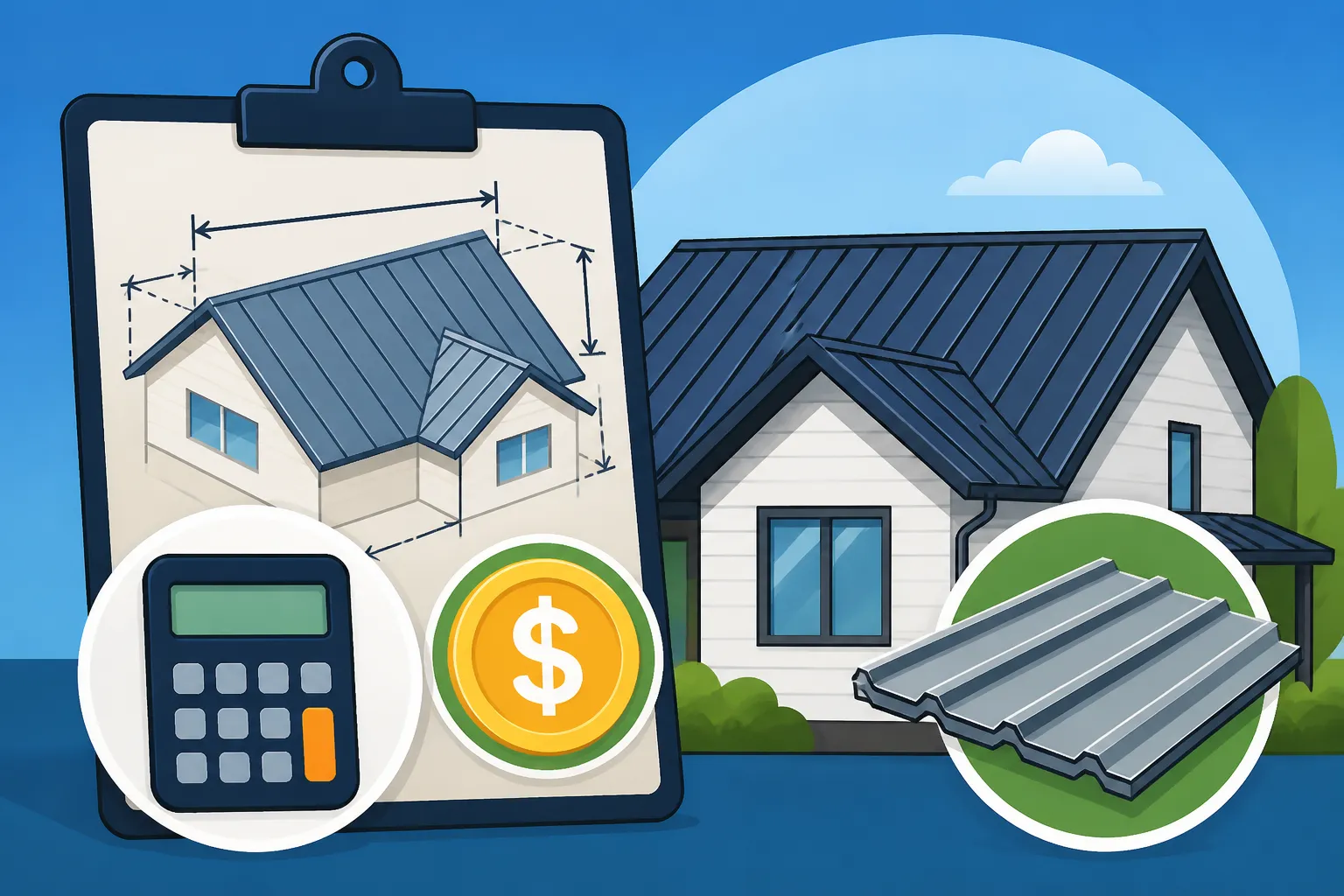
Metal Roof Cost Calculator: How to Estimate
Trying to figure out how much a new metal roof will truly set you back can feel like navigating a maze blindfolded. You've heard amazing things about their durability and longevity, but the thought of getting an accurate estimate without endless calls and confusing quotes often stops people in their tracks. It's frustrating when you just want a ballpark figure to start your budgeting, and that's exactly what a good metal roof cost calculator aims to provide, giving you the power to start your planning with confidence.
Why a Metal Roof Cost Calculator is Essential
Let's be honest, dreaming about a new metal roof is one thing, but figuring out the finances is often where the rubber meets the road. Many homeowners get overwhelmed by the sheer number of variables involved, making it tough to even get a rough idea of the investment. A metal roof cost calculator isn't just a fancy tool; it's a vital first step in demystifying the financial journey, helping you understand the potential scale of your project before you ever pick up the phone to a contractor.
The Frustration of Unpredictable Pricing
It's a common story: you ask three different people for a roofing estimate, and you get three wildly different numbers. This isn't necessarily because someone's trying to pull a fast one; it's often due to the vast array of choices in metal roofing materials, profiles, and installation methods. One contractor might be thinking about a premium standing seam system, while another has a basic corrugated panel in mind. Without a baseline understanding, it’s incredibly difficult to compare apples to apples, leading to confusion, distrust, and often, analysis paralysis. You might even find yourself wondering if a metal roof is truly worth it given the fluctuating figures.
This unpredictability can be incredibly frustrating, especially when you're trying to set a realistic budget for a major home improvement project. You need a way to cut through the noise and get a preliminary estimate that considers your specific home and preferences. This initial insight allows you to approach contractors with more informed questions and a better understanding of what you're willing to invest, making the entire process smoother and less stressful.
Beyond Just Square Footage: What Affects Metal Roof Cost
You might think that knowing your roof's square footage is all you need for an estimate, but that's just the tip of the iceberg. While size is a major player, it's far from the only factor. The type of metal, its gauge, the complexity of your roofline, the pitch, and even regional labor costs all play significant roles in the final price tag. For instance, a simple rectangular roof with a low pitch will cost significantly less to install than a multi-faceted roof with numerous dormers and a steep incline, even if the total square footage is similar.
These additional variables are precisely why a good calculator goes beyond a simple per-square-foot calculation. It tries to account for these intricacies, giving you a more nuanced estimate. Understanding What Affects Metal Roof Cost: Gauge, Pitch, Complexity & Tear-Off is key to appreciating why these calculators ask for more than just a single number and why a thorough assessment is always necessary.
Key Factors Influencing Your Metal Roof Estimate
When you're looking at that shiny new metal roof, there's a lot more going on beneath the surface that dictates the price. It's not just the metal itself, but the entire system and the expertise required to put it all together. Every decision, from the material you choose to the style of the panels, will have a ripple effect on your total investment.
Material Choices and Their Impact on Cost
The material of your metal roof is perhaps the single largest driver of cost. Each metal offers unique benefits in terms of durability, aesthetics, and, of course, price. Steel and aluminum are generally the most common and cost-effective options for residential use, while premium materials like copper and zinc represent a significant investment due to their inherent value and specialized installation requirements.
- Steel: Often galvanized or Galvalume (a zinc and aluminum alloy coating), steel is robust, fire-resistant, and comes in various gauges. It's a popular choice for its balance of durability and affordability. Within steel, you'll find different finishes and coatings, like PVDF or SMP, which can also influence the price and longevity of the color. You can find more details on how these materials stack up in our guide on Metal Roof Cost by Material: Steel vs Aluminum vs Copper vs Zinc.
- Aluminum: Lighter than steel and naturally rust-resistant, aluminum is an excellent choice for coastal areas where salt spray is a concern. Its malleability also makes it suitable for complex roof shapes. However, it typically costs a bit more than steel.
- Copper: The Cadillac of metal roofing, copper is renowned for its stunning appearance, developing a beautiful green patina over time. It's incredibly durable and lasts for centuries, but its material cost is significantly higher, and installation requires highly specialized skills.
- Zinc: Another premium material, zinc is self-healing, incredibly long-lasting, and offers a unique aesthetic. Like copper, it's a considerable investment but provides exceptional durability and a distinct look that ages gracefully.
Profile and Panel Type Considerations
Beyond the raw material, the style or profile of your metal roof panels significantly affects both the material cost and the labor involved in installation. This is where the aesthetic choices you make really start to influence the budget.
- Standing Seam: This is often considered the gold standard for residential metal roofing. Standing seam panels feature concealed fasteners, giving a clean, sleek look and offering superior weather resistance. The panels lock together or are mechanically seamed, creating a tight, durable roof. While the upfront Standing Seam Metal Roof Cost is higher, many homeowners find it worthwhile for its aesthetic appeal and long-term performance.
- Corrugated or Exposed Fastener Panels: These are often the most economical metal roofing options. Panels like R-panel, PBR-panel, or 5V Crimp feature ribs and valleys, with fasteners driven directly through the panel into the roof deck. They are durable and excellent for barns, sheds, and even some homes where a more industrial look is desired. The Corrugated Metal Roof Cost is generally lower due to simpler installation and less material per square foot.
- Metal Shingles, Tiles, and Slates: These options mimic the look of traditional asphalt shingles, clay tiles, or natural slate, but with the benefits of metal. They are often stamped or formed from steel or aluminum. While they offer fantastic curb appeal and a sophisticated look, their intricate design and installation can place them in a higher price bracket compared to standard panels. For a deeper dive into these options, you might want to look at a detailed guide like Metal Roofing Types Explained: Profiles & Panels.
Roof Size and Complexity
It might seem obvious, but the larger your roof, the more materials and labor it will require, directly increasing the total cost. However, it's not just about the raw square footage. The complexity of your roof design plays a massive role in how much time and specialized effort are needed for installation.
- Square Footage: This is the most basic metric. Roofing contractors typically quote per square (100 square feet) or per square foot. Understanding your roof's total area is the first step in any estimation. You can get a general idea by calculating Metal Roof Cost Per Square Foot.
- Roof Pitch: A steeper roof requires more safety equipment, more intricate maneuvering, and often takes longer to install, driving up labor costs. Lower pitches, while easier to work on, might require specific metal roofing systems designed for minimal slopes.
- Roof Geometry and Features: A simple gable roof (two flat slopes) is far less complex than a hip roof with multiple valleys, dormers, chimneys, skylights, or intricate angles. Each penetration or change in direction requires careful flashing and sealing to prevent leaks, adding both material and labor costs. If your home has multiple levels or sections, that also adds to the complexity.
Labor and Installation Nuances
The cost of labor is a significant portion of any roofing project, and metal roofing is no exception. It's not just about the hours spent on your roof; it's about the specialized skills, equipment, and local market conditions.
- Skill and Experience: Installing a metal roof, especially a standing seam system, requires highly skilled and experienced installers. It's not the same as nailing down asphalt shingles. Poor installation can lead to leaks, oil canning, and voided warranties. This expertise comes at a price, and it's an area where you definitely don't want to cut corners. For more on labor, see our article on Metal Roof Labor Cost.
- Tear-Off and Disposal: If you're replacing an existing roof, the old material (shingles, tile, etc.) needs to be removed and disposed of. This "tear-off" process adds significant labor, dump fees, and time to the project. The cost can vary based on the type and number of existing layers. Sometimes, it's possible to install a metal roof over existing shingles, which can save on tear-off costs, but this depends on local codes and the condition of the existing roof. Check out Cost to Replace Shingles With a Metal Roof for more information.
- Regional Labor Rates: Labor costs fluctuate significantly based on your geographic location. A metal roof installation in a major metropolitan area like Los Angeles or Miami will likely be more expensive than in a rural area in the Midwest. Even within a state, prices can vary from city to city. Our guide on Metal Roof Cost by State and City can shed more light on these regional differences.
How to Use a Metal Roof Cost Calculator Effectively
An online metal roof cost calculator can be a fantastic starting point, but it's important to approach it with realistic expectations. Think of it as a preliminary budgeting tool, not a final quote. To get the most accurate estimate from these tools, you'll need to gather some basic information about your home and understand what the results truly mean.
Gathering Your Home's Data
The more accurate the information you feed into a calculator, the more accurate its output will be. While you won't need blueprints, having some key details on hand will make the process much smoother.
- Roof Measurements: The most crucial piece of information is your roof's total square footage. If you don't have this from an old inspection report or appraisal, you can often estimate it by measuring the footprint of your house and calculating for overhangs and pitch. Some advanced calculators might even let you input individual roof section dimensions or leverage satellite imagery. Aim for as precise a number as possible.
- Roof Complexity: Consider the shape of your roof. Is it a simple rectangle or does it have multiple valleys, dormers, chimneys, or skylights? These features increase complexity and will often be a factor in the calculator's algorithm. Be honest about your roof's design; underestimating complexity will lead to a lowball estimate.
- Material Preference: Have a general idea of the type of metal you're leaning towards (steel, aluminum, copper, zinc) and the panel style (standing seam, corrugated, metal shingle). Calculators usually have dropdown menus or checkboxes for these selections. If you're unsure, try a few different options to see the cost range.
- Current Roofing Type: If you're replacing an existing roof, identify what's currently on there (e.g., asphalt shingles, tile). This helps the calculator factor in potential tear-off and disposal costs. Some calculators will also ask about the number of existing layers.
- Location: Your zip code or city is essential for most calculators as it helps them factor in regional labor costs and material availability. Different areas have different building codes and permit requirements, which can also subtly impact the cost.
Understanding the Output: What Do the Numbers Mean?
Once you hit that "calculate" button, you'll likely get a range of numbers. It's vital to interpret these correctly to avoid disappointment or sticker shock down the line.
- Estimated Cost Range: Most calculators provide a low-end and a high-end estimate. The lower number typically represents a basic, exposed fastener system with common materials and a straightforward installation. The higher end reflects more premium materials, concealed fastener systems, and a more complex roofline. This range is your initial budget guideline.
- Material vs. Labor Breakdown (if provided): Some sophisticated calculators might give you a rough breakdown of material costs versus labor costs. This is incredibly helpful for understanding where your money is going. Generally, for metal roofs, labor can account for 40-60% of the total project cost due to the specialized nature of the work.
- Exclusions: Pay close attention to any disclaimers or listed exclusions. Online calculators typically don't include costs for unforeseen repairs to the roof decking, upgraded insulation, permits, or disposal fees for hazardous materials. These are things that can only be accurately assessed during an on-site inspection.
- Not a Binding Quote: Remember, this is an estimate. It's a tool for preliminary budgeting, not a contractual offer. The actual price will depend on a detailed assessment by a professional contractor who can see your roof in person, identify any hidden issues, and factor in current market prices for materials and labor.
Limitations of Online Calculators
While incredibly helpful for getting started, online metal roof cost calculators have inherent limitations. They can't see the full picture, and relying solely on them for your final budget would be a mistake.
Firstly, they can't account for hidden damage. What if there's significant rot in your decking under those old shingles? Or structural issues that need addressing before new panels can be installed? These unexpected costs can only be discovered during a thorough physical inspection. Secondly, material prices fluctuate constantly due to supply chain issues, fuel costs, and demand. A calculator's database might be updated regularly, but it can't capture real-time, day-to-day market shifts as accurately as a local contractor providing a current bid.
Finally, a calculator doesn't know the nuances of local building codes or specific challenges your home might present, such as difficult access or unique architectural details that require custom fabrication. These factors can significantly impact both the time and cost involved. So, use the calculator to guide your initial thinking, but always follow up with professional quotes.
Beyond the Calculator: Getting Accurate Quotes
While a calculator gives you a fantastic starting point, nothing beats the personalized, detailed assessment from a professional metal roofing contractor. This is where your preliminary research translates into actionable plans and solid numbers. The transition from an online estimate to a real-world quote is a critical step in your metal roofing journey.
The Importance of On-Site Inspections
You simply cannot get an accurate quote without an expert physically inspecting your roof. An on-site inspection allows a contractor to:
- Verify Measurements and Pitch: They'll use specialized tools to get precise measurements, including factoring in complex roof planes and pitch changes that online tools might miss.
- Assess Roof Decking and Structure: This is vital. A contractor will check the condition of your existing roof deck for signs of rot, mold, or structural weaknesses. Any necessary repairs here are an additional cost that a calculator can't predict.
- Identify Specific Challenges: Are there difficult access points for equipment? Steep slopes requiring specialized safety gear? Unique flashing requirements around chimneys, skylights, or valleys? These nuances directly impact labor hours and material needs.
- Local Code Compliance: Contractors are familiar with local building codes, permit requirements, and wind uplift specifications in your area (e.g., hurricane zones in Florida or high-snow areas in the Northeast). Ensuring compliance from the start avoids costly issues down the road.
- Discuss Options: An in-person visit allows you to discuss specific material options, colors, and profiles, and get personalized recommendations based on your home's architecture and your budget.
This comprehensive evaluation is why getting multiple, in-person quotes is always recommended. It ensures you're comparing bids based on a true understanding of your unique project.
Comparing Multiple Bids
Once you've had a few contractors out for inspections, you'll receive several detailed bids. This is where your initial calculator estimates come in handy, giving you a baseline for comparison. Don't just look at the bottom line. It's crucial to understand what each quote includes and excludes.
Create a spreadsheet to compare:
- Material Type and Gauge: Ensure all bids specify the exact same metal type (e.g., Galvalume steel), gauge (e.g., 24 gauge vs. 26 gauge), and coating (e.g., PVDF vs. SMP). A 24 vs 26 Gauge Metal Roof: Cost Difference can be substantial, so make sure you're comparing like for like.
- Panel Profile: Standing seam, corrugated, metal shingle – confirm the profile is consistent across quotes.
- Scope of Work: Does it include tear-off and disposal? Decking repairs? Underlayment? Ventilation? Flashing for all penetrations? Make sure everything you expect is explicitly listed.
- Warranties: What kind of warranty is offered on materials and workmanship? A strong warranty offers peace of mind. Our guide on Metal Roof Warranties: Workmanship vs Manufacturer delves into this.
- Timeline: When can they start? How long will the project take?
- Payment Schedule: Understand the deposit required and the payment milestones.
- Permits: Who is responsible for pulling the necessary permits? Usually, it's the contractor.
For a detailed walkthrough on how to scrutinize these documents, check out How to Read and Compare Metal Roof Quotes. This diligence ensures you're not caught off guard by hidden costs or discrepancies.
Questions to Ask Your Contractor
Beyond comparing the written quotes, a face-to-face conversation with your prospective contractor is invaluable. This is your chance to gauge their expertise, professionalism, and whether they're a good fit for your project. Don't be shy; reputable contractors welcome thorough questions.
Here are some critical questions to ask:
- "How long have you been installing metal roofs specifically, and how many have you completed that are similar to my project?"
- "Are you licensed, bonded, and insured? Can you provide proof of all three?" (This is non-negotiable!)
- "What type of underlayment do you use for metal roofs, and why?"
- "How do you handle flashing around chimneys, vents, and skylights to prevent leaks?"
- "What is your process for managing unexpected issues, such as discovering rotten decking during tear-off?"
- "Can you provide references from previous metal roofing clients?"
- "What safety measures do you have in place for your crew?"
- "Do your installers have manufacturer certifications for the specific metal roofing products you're recommending?"
- "What is the expected lifespan of the proposed metal roof system?"
Asking these questions helps you understand their experience, their process, and ultimately, whether they're the right team for your significant investment. Choosing a qualified contractor is just as important as choosing the right materials.
Long-Term Value and ROI of a Metal Roof Investment
While the upfront cost of a metal roof can be a bit higher than traditional asphalt shingles, it's crucial to look beyond the initial price tag. The true value of a metal roof shines brightest over its long lifespan, offering significant returns on investment through various benefits that impact your wallet and your home's appeal for decades to come. This perspective is what makes many homeowners ultimately decide that a metal roof is truly a savvy investment.
Energy Savings and Insurance Discounts
One of the most immediate and tangible ways a metal roof pays you back is through reduced home operating costs.
- Energy Efficiency: Many metal roofs, especially those with lighter colors or specialized coatings, are highly reflective. They bounce a significant portion of the sun's radiant heat away from your home, rather than absorbing it like darker asphalt shingles. This can lead to substantial reductions in your air conditioning costs during hot summer months. In fact, studies show reflective metal roofs can reduce attic temperatures by up to 50 degrees Fahrenheit, translating to noticeable savings on your utility bills.
- Insurance Savings: Because metal roofs are incredibly durable and resistant to many common perils, insurance companies often offer discounts on homeowners' premiums. Their high wind resistance, Class A fire rating (the highest possible), and Class 4 impact resistance (meaning they can withstand significant hail) make them a safer bet for insurers. These discounts can add up year after year, further offsetting the initial investment. Learning about Metal Roof Insurance Savings & Discounts can give you a better idea of how much you might save.
Durability and Longevity
The cornerstone of a metal roof's value proposition is its incredible durability and lifespan. Unlike asphalt shingles that might need replacement every 15-20 years, a properly installed metal roof is built to last for half a century or more, often outliving the homeowner.
- Exceptional Lifespan: While the exact lifespan varies by material and climate, it's not uncommon for steel or aluminum roofs to last 40-70 years, while copper and zinc roofs can exceed 100 years. This means fewer roof replacements over the life of your home, saving you thousands of dollars and the hassle of repeated projects. When you compare Metal Roof vs Asphalt Shingle Cost over several decades, the metal roof often comes out ahead.
- Low Maintenance: Metal roofs are remarkably low maintenance. They resist moss and algae growth, don't crack or warp, and are generally impervious to pests. Regular inspections and occasional cleaning are typically all that's needed to keep them in top condition, further reducing long-term ownership costs.
- Increased Home Value: Beyond the practical savings, a metal roof is a significant selling point. Its durability, modern aesthetic, and energy efficiency can increase your home's resale value and appeal to potential buyers. Many buyers recognize the long-term benefits and are willing to pay a premium for a home with a roof that won't need replacing for decades. For a detailed breakdown of this aspect, check out Is a Metal Roof Worth It? ROI, Resale & Payback.
Metal Roofing Material Cost Comparison
To give you a clearer picture of how different materials stack up, here's a general cost comparison for common residential metal roofing options. Keep in mind these are averages for materials only and actual installed costs will be higher due to labor, accessories, and complexity.
| Metal Roofing Material | Average Material Cost Per Square Foot (2026) | Typical Lifespan (Years) | Key Advantages |
|---|---|---|---|
| Galvanized Steel | $2.50 – $4.50 | 40-70 | Cost-effective, strong, wide color range |
| Galvalume Steel | $3.00 – $5.50 | 50-70+ | Excellent corrosion resistance, good value |
| Aluminum | $4.00 – $8.00 | 50-100 | Rust-proof, lightweight, good for coastal areas |
| Stone-Coated Steel | $3.50 – $7.00 | 40-70 | Mimics traditional styles, durable, impact-resistant |
| Copper | $15.00 – $30.00+ | 100-200+ | Premium aesthetic, ultimate longevity, patina |
| Zinc | $10.00 – $25.00+ | 80-150+ | Self-healing, unique look, extreme durability |
Please note that these figures are approximate material costs and can fluctuate based on market conditions, gauge, finish, and supplier. Installation costs will add significantly to these numbers.
Disclaimer
The information provided in this article is intended for general informational purposes only, and does not constitute professional advice. Roofing costs are subject to wide variation based on material availability, labor rates, geographical location, specific project complexity, and unforeseen circumstances. Always consult with qualified, licensed, and insured metal roofing contractors for accurate quotes and professional recommendations tailored to your specific property and needs.