What Drives Metal Roof Cost in Texas
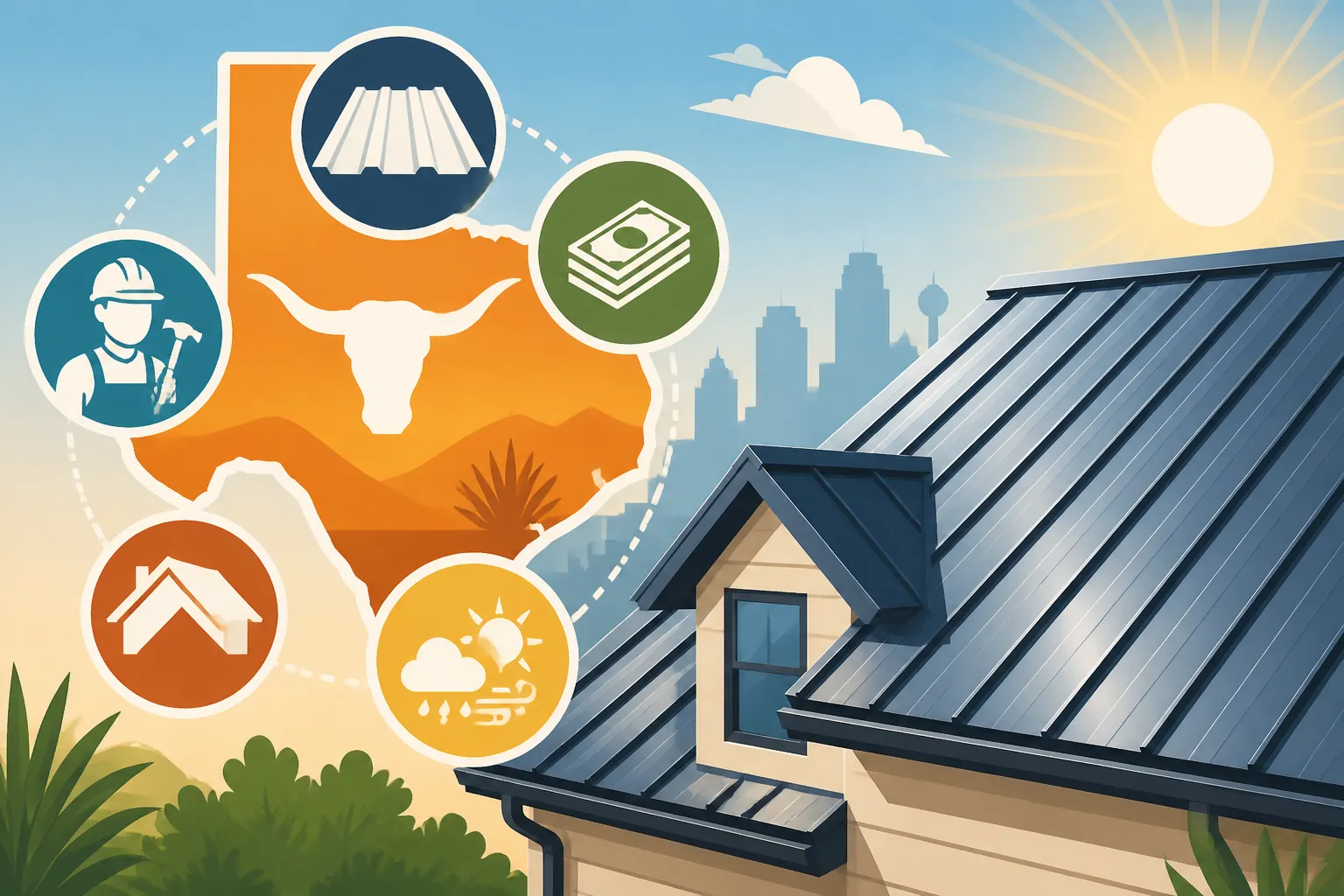
If you have ever lived through a North Texas hailstorm or a sweltering Houston summer, you know that your roof is the only thing standing between you and a very expensive disaster. Many Texas homeowners are ditching asphalt for metal, but the wide range of quotes can be overwhelming and confusing. This guide breaks down the specific factors that drive metal roof cost in Texas to help you navigate the local market with confidence.
The Influence of Material Choice and Profile Selection
In Texas, the material you choose isn't just about aesthetics; it is about survival. The sheer diversity of the Texas landscape—from the humid Gulf Coast to the arid panhandle—means that a "one-size-fits-all" approach to metal roofing simply doesn't exist. When you start looking at quotes, the material and the profile (the shape and installation method of the metal) will be the primary drivers of your total investment.
Steel vs. Aluminum vs. Exotic Metals
Most Texans opt for steel, specifically Galvalume or galvanized steel. Galvalume is a favorite in inland areas like Dallas or San Antonio because of its incredible corrosion resistance and affordability. However, if you are living in Galveston or Corpus Christi, steel is often a risky bet due to the salt spray. In those coastal zones, you will likely be pushed toward aluminum, which naturally resists salt-air corrosion. Aluminum comes with a premium price tag, often 20% to 30% higher than steel. If you are looking for the absolute top of the line, you might even consider copper or zinc, but these are rare in residential Texas neighborhoods due to their astronomical costs. You can learn more about these specific differences in our guide on Metal Roof Cost by Material: Steel vs Aluminum vs Copper vs Zinc.
Standing Seam vs. Corrugated vs. Stone-Coated
The profile of the roof is where the "labor vs. material" balance really shifts. A standing seam roof is the gold standard for Texas residential properties. It features concealed fasteners, which means the screws are hidden under the metal. This is crucial because Texas heat causes metal to expand and contract significantly; hidden fasteners allow for this movement without creating leak points.
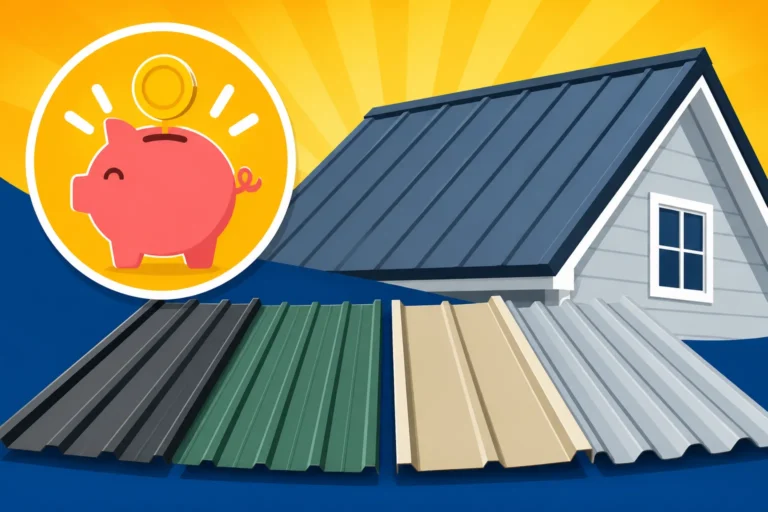
On the other hand, corrugated metal (exposed fastener) is the most budget-friendly option. While it’s great for a barn in the Hill Country, it requires more maintenance over time as those thousands of exposed screws can back out or the washers can dry rot in the Texas sun. Finally, stone-coated steel is gaining massive popularity in suburbs like Plano and Round Rock because it looks like traditional shingles or tile but offers the durability of metal. For a deeper dive into these options, check out our Metal Roof Cost by Profile: Standing Seam vs Corrugated vs Stone-Coated comparison.
Understanding Gauge and Thickness
In the roofing world, the gauge of the metal refers to its thickness. Interestingly, the higher the number, the thinner the metal. In Texas, where hail is a constant threat, the gauge you choose directly impacts your roof's lifespan and your insurance premiums. Most residential installations use 24-gauge or 26-gauge steel. A 24-gauge roof is thicker and much more resistant to denting from hail, making it the preferred choice for areas in "Hail Alley." While it costs more upfront, the long-term protection it offers is usually worth the extra spend. For a cost breakdown of these thicknesses, see 24 vs 26 Gauge Metal Roof: Cost Difference.
Labor Dynamics and Installation Complexity in the Lone Star State
Labor isn't just a line item; it's often the largest portion of your quote. In Texas, the labor market is highly regional. What you pay a crew in El Paso is going to look very different from what a specialized standing seam crew charges in the heart of Austin or the Park Cities in Dallas.
Regional Labor Rates and Market Demand
The cost of living and the demand for skilled trades vary wildly across the state. In booming metros like Houston or the Dallas-Fort Worth area, the sheer volume of construction can drive up Metal Roof Labor Cost. When a major hailstorm hits a city like McAllen or Amarillo, labor rates often spike as contractors from across the state rush to the area. If you are hiring during a "storm chase" period, expect to pay a premium. Conversely, if you can schedule your installation during the "off-season" (if such a thing exists in Texas), you might find more competitive bidding. You can find more details on local pricing in our guide on Metal Roof Cost by State and City.
Roof Geometry and Pitch Challenges
Not all roofs are created equal. If you have a simple "up and over" gable roof on a ranch-style house in Lubbock, your labor costs will be relatively low. However, if your home is a multi-story Victorian in the Houston Heights or a modern masterpiece in the Austin hills with multiple dormers, valleys, and a steep pitch, the price will climb. Steep roofs require more safety equipment and slow down the installation process significantly. Every "break" in the roofline requires custom flashing and more intricate detail work, which adds hours of specialized labor to the project. This is a major factor in What Affects Metal Roof Cost: Gauge, Pitch, Complexity & Tear-Off.
The Cost of Removing the Old Roof
One of the most common questions Texas homeowners ask is whether they can just put the metal roof over their existing shingles. While Texas building codes sometimes allow for this, most reputable contractors will advise against it. Tearing off the old shingles allows the crew to inspect the wooden decking for rot—a common issue in the humid Texas climate. If your decking is soft, those new metal panels won't have a secure grip, leading to major problems down the road. While a full tear-off adds to the initial Cost to Replace Shingles With a Metal Roof, it is usually the safest bet for the longevity of your home.
Climate Resilience and Regulatory Compliance
In Texas, the "drivers" of cost aren't always found in the physical materials on your lawn. Sometimes they are found in the fine print of your insurance policy or your local building department's requirements.
Impact Resistance and Insurance Discounts
Texas insurance companies are increasingly wary of roofing claims. To combat this, many offer significant discounts for roofs that have a Class 4 Impact Resistance rating. Most stone-coated steel and heavy-gauge standing seam roofs meet this criteria. While a Class 4 roof might cost an extra $2,000 to $5,000 to install, the annual savings on your homeowners' insurance can be 20% to 35%. Over the 40- to 50-year life of the roof, this effectively pays for the upgrade. It’s one of the primary reasons Metal Roof Insurance Savings & Discounts are a hot topic for Texas property owners.
Permitting and Local Code Requirements
Depending on where you live, the "hidden" cost of a permit can vary. In some rural counties, you might not even need a permit. However, in cities like Austin or Dallas, the permitting process is rigorous and can add several hundred (or even thousands) of dollars to the project. Furthermore, if you live in a coastal area, you must comply with Texas Department of Insurance (TDI) windstorm requirements to remain eligible for windstorm insurance. This often means using specific fasteners, thicker underlayment, and having a third-party inspection during the installation. For those wondering about the financial impact of these rules, it's worth checking out How Much Does a Metal Roof Lower Insurance in Texas? to see the long-term ROI.
HOA Restrictions and Aesthetic Choices
If you live in a master-planned community in The Woodlands or a high-end development in Southlake, your Homeowners Association (HOA) likely has a say in what your roof looks like. Many HOAs in Texas historically banned metal roofs, but state laws have made it harder for them to do so, provided the roof is energy-efficient and high-quality. Still, they can often dictate the color and profile. If your HOA requires a specific "look"—like metal shingles that mimic wood shakes—your costs will be higher than a standard ribbed panel. Always ask: Can My HOA Stop Me From Getting a Metal Roof in Texas? before you sign a contract.
Texas Metal Roofing Cost Comparison Table
To give you a better idea of the numbers, here is a breakdown of what you might expect to see in a typical Texas quote for a 2,000-square-foot roof.
| Component | Lower-End (Corrugated) | Mid-Range (Standing Seam) | High-End (Stone-Coated/Exotic) |
|---|---|---|---|
| Material Cost | $2.50 – $4.00 per sq. ft. | $5.00 – $8.00 per sq. ft. | $9.00 – $14.00 per sq. ft. |
| Labor (Texas Avg) | $3.00 – $5.00 per sq. ft. | $6.00 – $10.00 per sq. ft. | $8.00 – $12.00 per sq. ft. |
| Estimated Total | $11,000 – $18,000 | $22,000 – $36,000 | $34,000 – $52,000 |
| Typical Lifespan | 20-30 Years | 50+ Years | 50+ Years |
| Hail Resistance | Moderate | High | Very High |
Hidden Costs and Long-Term Value
When evaluating what drives the cost, don't forget the components that you don't see. These "hidden" items are often where corners are cut to make a quote look cheaper.
Underlayment and Ventilation
In the Texas heat, your roof needs to breathe. A standard felt underlayment is rarely sufficient for a metal roof. High-temperature synthetic underlayments are the standard because they won't degrade under the intense heat trapped beneath the metal panels. Furthermore, proper ridge venting is essential. If your roofer doesn't account for a robust ventilation strategy, your attic will turn into an oven, driving up your cooling costs and potentially damaging your HVAC system. These components are part of the Hidden Costs of a Metal Roof that many people overlook until it's too late.
Trim, Flashing, and Accessories
A metal roof is a system, not just a series of panels. The trim and flashing—the pieces that go around chimneys, valleys, and eaves—are often where leaks occur if not handled correctly. In Texas, where we get torrential downpours, high-quality flashing is non-negotiable. Additionally, many homeowners in the Panhandle or North Texas are now opting for snow guards or specialized rain gutters designed to handle the unique shedding patterns of a metal roof.
The True ROI in the Texas Market
Finally, consider the resale value. Texas is a hot real estate market, and a metal roof is a major selling point. Prospective buyers know they won't have to worry about a roof replacement for decades, which can significantly increase your home's "curb appeal" and closing price. When you compare the Metal Roof vs Asphalt Shingle Cost over a 30-year period, the metal roof almost always wins in Texas because you would likely have to replace an asphalt roof 2 to 3 times due to heat and hail damage in that same timeframe.
Metal Roof Cost in Texas Disclaimer
The pricing information and cost drivers discussed in this article are based on regional averages and market trends within the state of Texas as of mid-2026. Actual quotes can vary significantly based on your specific location, the current price of raw materials, and the unique characteristics of your property. Always obtain multiple quotes from licensed and insured local contractors before making a final decision. This guide is for informational purposes and does not constitute a legal or financial binding estimate for roofing services.