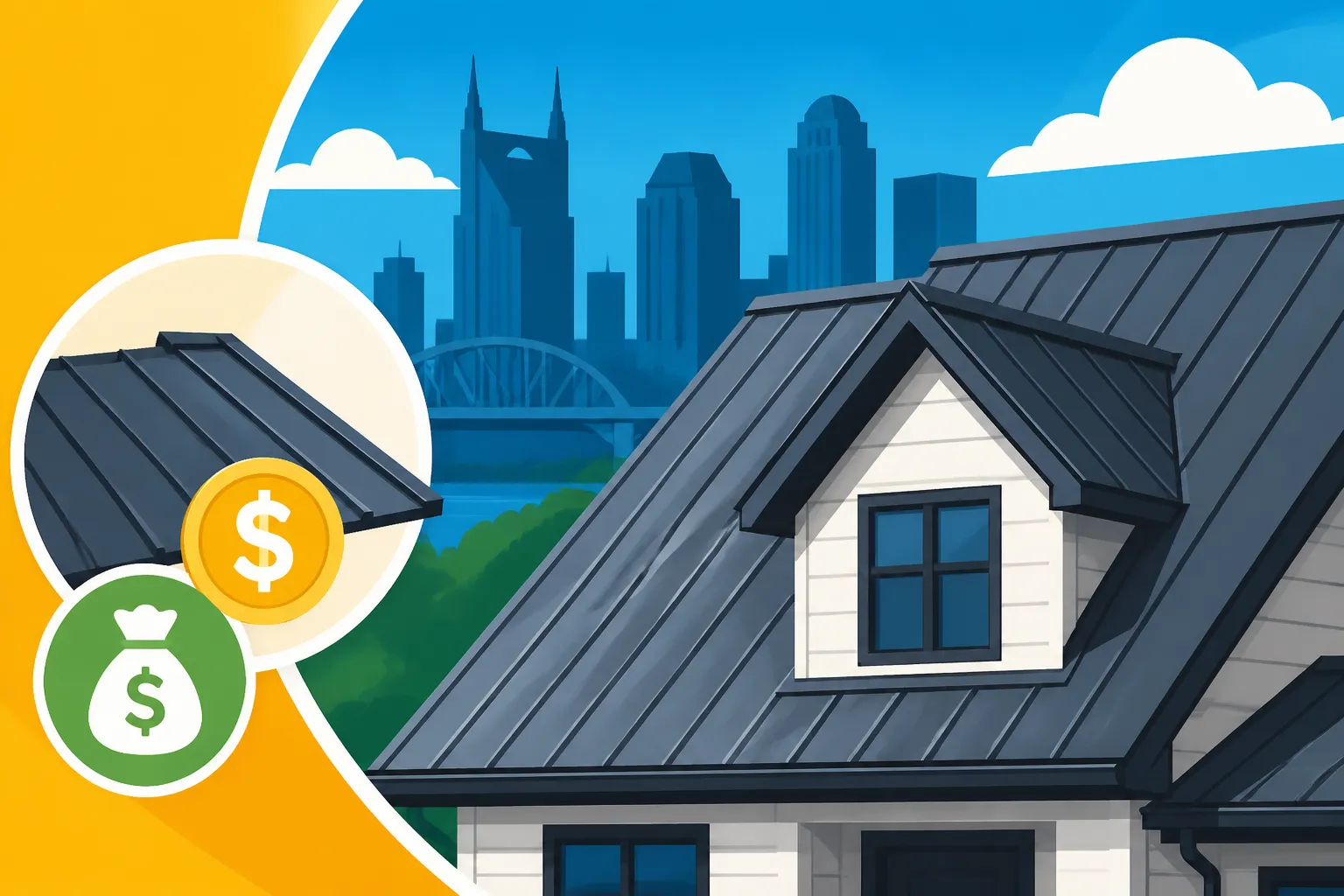
Metal Roof Cost in Nashville
Figuring out the exact metal roof cost in Nashville can feel like trying to catch fireflies in a jar – a bit elusive and frustrating. You're not just buying a roof; you're investing in your home's future, its curb appeal, and its ability to stand up to Tennessee's unpredictable weather, from scorching summers to sudden winter storms. This comprehensive guide is here to demystify those costs, breaking down everything from material choices to installation nuances right here in the Music City, so you can make an informed decision for your Nashville home.
Understanding the Factors Influencing Metal Roof Cost in Nashville
When you start looking into a metal roof for your Nashville home, it quickly becomes clear that there isn't one single price tag. Instead, the final cost is a mosaic of different factors, each playing a significant role. It's not just about the square footage; it's about what you put on that square footage and who puts it there.
Material Choices and Their Impact
The type of metal you choose for your roof is arguably the biggest driver of cost. Each material has its own characteristics, aesthetic appeal, and, of course, price point. Nashville homeowners have a few excellent options, and understanding them is key to budgeting effectively.
Steel, particularly Galvalume or galvanized steel, is often the most common and budget-friendly entry point into metal roofing. Galvalume, which is steel coated with a mixture of aluminum and zinc, offers excellent corrosion resistance, making it a robust choice for our humid Tennessee climate. Galvanized steel, with its zinc coating, is also durable and widely available. These materials provide a fantastic balance of durability and cost-effectiveness. You might find steel panels in various profiles, like corrugated or R-panel, which are popular for their industrial look and straightforward installation. While the initial cost is lower than some other metals, the long-term performance is still exceptional, often lasting 40-70 years with proper maintenance. For a deeper dive, check out our guide on Metal Roof Cost by Material: Steel vs Aluminum vs Copper vs Zinc.
Aluminum is another strong contender, especially if you're concerned about rust or live near a body of water (though Nashville isn't coastal, local lakes and humidity can still be factors). It's naturally rust-proof, lightweight, and incredibly durable. The downside? It typically costs more than steel. However, its superior corrosion resistance means it can be an even longer-lasting option, often exceeding 50 years. Aluminum is often preferred for more intricate profiles like standing seam or metal shingles, which can further elevate its price. For homeowners prioritizing longevity and minimal maintenance above all else, aluminum is a compelling option.
Then we get into the luxury metals: copper and zinc. These are at the higher end of the spectrum, and you’ll see them less frequently on typical Nashville homes, but they offer unparalleled aesthetics and lifespan. Copper develops a beautiful patina over time, changing from a shiny bronze to a distinctive blue-green, adding incredible character and value to a home. Zinc shares a similar high-end appeal and develops a subtle, sophisticated patina. Both copper and zinc roofs can last a century or more, truly a "once in a lifetime" investment. Their initial cost is significantly higher, but their timeless beauty and extreme longevity can justify the splurge for certain architectural styles or high-end properties. These are not just roofs; they are architectural statements.
Profile and Panel Types
Beyond the metal itself, the way that metal is shaped into panels or shingles dramatically impacts both the appearance and the installation complexity, which directly translates to cost. Nashville homes see a variety of profiles, each with its own advantages.
Standing seam is the darling of modern metal roofing, and for good reason. It features raised interlocking seams that run vertically up the roof, effectively hiding fasteners and creating a sleek, clean look. This hidden fastener system makes it incredibly resistant to leaks and offers superior wind resistance. However, standing seam panels require specialized equipment and skilled installers, which drives up the labor cost. You'll typically pay more for standing seam than for exposed fastener systems, but many homeowners find the aesthetic and long-term performance well worth the investment. It’s a popular choice for contemporary homes or those seeking a premium, durable finish. Learn more about Standing Seam Metal Roof Cost.
Corrugated panels, R-panels, and 5V Crimp are all examples of exposed fastener systems. These are characterized by their wavy or ribbed profiles and the fact that the screws are visible on the surface of the roof. They are generally less expensive to manufacture and install because they require less specialized labor and equipment. The installation process is often quicker, reducing labor hours. While very durable, the exposed fasteners can be a point of maintenance over time, as the neoprene washers on the screws can degrade and need replacement after several decades. These profiles are often chosen for their economic value, durability, and a more rustic or industrial aesthetic, fitting well on barns, sheds, or even some residential properties in Nashville looking for a specific look. For instance, an R-panel metal roof is a robust and cost-effective solution often seen on commercial buildings but increasingly adopted for residential uses.
Metal shingles, shakes, and tiles offer the look of traditional roofing materials like asphalt shingles, cedar shakes, or clay tiles, but with the superior durability and longevity of metal. These are typically stamped from steel or aluminum and often coated with stone granules (like a Stone-Coated Steel Roof Cost) for added texture and protection. Because they mimic conventional roofing, they can be a fantastic option for homeowners who want the benefits of metal but need to adhere to specific aesthetic guidelines, perhaps from an HOA in areas like Franklin or Belle Meade. Their manufacturing process is more complex, and installation can be more labor-intensive than large panel systems, placing them in a mid-to-high price range.
Gauge and Coating Considerations
The thickness of the metal, known as its "gauge," and the quality of its protective coating are critical factors that influence both cost and performance. These details might seem minor, but they significantly impact how your roof withstands Nashville’s climate.
Gauge refers to the thickness of the metal. Counterintuitively, a lower gauge number means a thicker metal. So, 24-gauge steel is thicker and stronger than 26-gauge steel. Thicker gauges (like 22 or 24 gauge) offer superior rigidity, impact resistance, and durability, making them more expensive. They are less prone to "oil canning" (a wavy distortion in flat metal panels) and can better withstand hail and heavy foot traffic. For most residential metal roofs in Nashville, 24- or 26-gauge steel or aluminum is common. A thicker gauge usually means a longer-lasting, more robust roof, particularly beneficial in areas prone to severe weather events. If you're pondering the difference, our article on 24 vs 26 Gauge Metal Roof: Cost Difference can offer more clarity.
Coatings are the unsung heroes of a metal roof's longevity and appearance. Most steel and aluminum panels come with high-performance paint systems that protect against UV degradation, fading, and corrosion. The most common types are PVDF (Kynar 500 or Hylar 5000) and SMP (Silicone Modified Polyester). PVDF coatings are considered the gold standard, offering exceptional color retention and chalk resistance, making them ideal for the intense Nashville sun. They come with longer warranties against fading and chalking, but also come at a higher cost. SMP coatings are a more economical choice, offering good performance but typically with slightly shorter warranties and a higher likelihood of fading over several decades compared to PVDF. The quality of the coating is paramount for maintaining your roof's aesthetic appeal and protective qualities over its long lifespan.
Average Metal Roof Costs in Nashville
Now, let's talk numbers. Giving an exact figure for a metal roof in Nashville is like trying to price out a custom-built home without knowing any of the details – it's impossible. However, we can look at averages and ranges to help you get a clearer picture of what to expect.
Breakdown by Square Foot
The cost of a metal roof is most commonly quoted per square foot, and this figure generally includes both materials and installation. In Nashville, you can expect a wide range depending heavily on the material and profile you select.
For exposed fastener systems, like corrugated or R-panel steel, you might see prices ranging from $6.00 to $12.00 per square foot installed. This is often the most economical choice for those looking for the benefits of metal roofing without the premium price tag. For a typical 1,500 square foot home, this could mean a total cost between $9,000 and $18,000.
Stepping up to a standing seam metal roof, the costs typically range from $10.00 to $18.00 per square foot installed. This jump reflects the higher material cost for the more intricate panels and the specialized labor required for installation. So, for that same 1,500 square foot home, you'd be looking at a range of $15,000 to $27,000. High-end standing seam aluminum or specialty coatings could push this even higher.
If you're considering metal shingles or tiles that mimic traditional roofing, these often fall in the $8.00 to $16.00 per square foot range. The cost here is influenced by the complexity of the stamping and coating processes, as well as the slightly more involved installation compared to exposed fastener panels. This could bring a 1,500 square foot roof to between $12,000 and $24,000.
And for the truly premium options like copper or zinc, you’re looking at significantly higher prices, often starting at $25.00 per square foot and going upwards of $50.00 or more, depending on the complexity and current market prices for these precious metals. These are rare but magnificent choices for discerning homeowners in areas like Oak Hill or Green Hills.
Labor and Installation Costs
Labor is a significant portion of any roofing project, and metal roofs are no exception. In Nashville, like in many growing cities, skilled labor can command a premium. The complexity of the installation directly correlates to the labor cost.
A simple, straightforward roof with a low pitch and few penetrations (like skylights or chimneys) will naturally have lower labor costs. Exposed fastener systems, because they are often installed more quickly, will also have lower labor expenses. For these, labor might account for 40-50% of the total project cost.
However, standing seam roofs, with their intricate panel bending, seaming, and flashing details, require highly experienced and specialized roofing crews. This specialized expertise means higher hourly rates and potentially longer installation times, pushing labor to 50-60% or even more of the total project cost. The installation of a metal roof can typically take anywhere from 3 to 7 days for an average-sized residential project, but complex designs or very large homes could take longer. This doesn't include the time for tear-off if your existing roof needs to be removed.
It's also important to remember that local factors, such as the demand for skilled roofers in the booming Nashville housing market, can influence labor rates. Experienced metal roofers who are certified by manufacturers often charge more, but their expertise can save you money in the long run by ensuring a flawless installation and protecting your warranty. You can delve into this further by exploring Metal Roof Labor Cost.
Additional Cost Factors Specific to Nashville Homes
Beyond materials and basic labor, several other elements can add to the total cost of your metal roof in Nashville. It’s crucial to consider these during your budgeting phase to avoid any unpleasant surprises.
- Tear-off and Disposal: If you currently have an asphalt shingle roof, it will likely need to be removed before the metal roof can be installed. This "tear-off" process involves labor for removal, landfill fees for disposal, and potentially plywood repairs if the decking beneath is damaged. This can add anywhere from $1.50 to $4.00 per square foot. While it is sometimes possible to install metal over existing shingles, it's not always recommended or compliant with local codes, and can impact your warranty. Our article on Tear-Off vs Metal Over Shingles: Cost Difference offers a good comparison.
- Roof Pitch and Complexity: Nashville homes, particularly older ones or those with more modern architectural designs, can have varying roof pitches and intricate layouts. A very steep roof (think 8/12 pitch or higher) or a roof with numerous dormers, valleys, and hips will require more scaffolding, safety equipment, and precision cutting, all of which increase labor time and thus cost. Simple gable roofs are the most cost-effective to install.
- Permitting Fees: Before any major roof work begins in Nashville or Davidson County, you’ll need a permit. The Metropolitan Nashville Department of Codes Administration handles these. Permit fees vary but typically depend on the project's valuation. While usually a smaller percentage of the total cost, it's a necessary step that ensures your roof meets local building codes and safety standards. Always ensure your contractor pulls the necessary permits. You can learn more about Who Pulls the Permit: Contractor or Homeowner?.
- Flashing and Trim: These essential components protect vulnerable areas of your roof, such as around chimneys, skylights, vents, and roof edges. High-quality flashing and trim made from the same durable metal as your roof are crucial for preventing leaks and ensuring a cohesive aesthetic. The more complex your roofline, the more flashing and trim will be required, adding to material and labor costs.
- Underlayment: While often overlooked, the underlayment beneath your metal panels is vital. It provides an extra layer of protection against moisture. High-quality synthetic underlayments, or even ice and water shield in vulnerable areas, are recommended and will add to the material cost but are a small price to pay for enhanced leak protection. Our guide on Metal Roof Underlayment Cost provides more detail.
Getting Accurate Metal Roof Quotes in Nashville
Securing a new metal roof is a significant investment, and getting accurate, transparent quotes is paramount. You don't want to get halfway through the project only to discover hidden costs or miscommunications. Here’s how to navigate the quoting process like a pro in Nashville.
The Importance of Multiple Bids
Just like you wouldn't buy the first car you test drove, you shouldn't commit to the first roofing quote you receive. Getting at least three detailed quotes from different reputable Nashville metal roofing contractors is absolutely essential. This isn't just about finding the cheapest price; it's about understanding the range of services, materials, and warranties offered.
One contractor might quote a 26-gauge exposed fastener system, while another offers a 24-gauge standing seam. Without multiple bids, you won't fully grasp the options available or the reasoning behind different price points. Comparing quotes allows you to identify outliers (either too high or suspiciously low) and helps you ask more informed questions. It also gives you leverage for negotiation and ensures you're getting a fair market price for the scope of work you desire. Sometimes, a slightly higher quote might include superior materials, a longer warranty, or a more experienced installation crew, which could be a better value in the long run. We always recommend reading our guide on How Many Metal Roof Quotes Should You Get.
What to Look for in a Quote
A comprehensive metal roof quote should be more than just a single number. It needs to clearly itemize all aspects of the project, leaving no room for ambiguity. When reviewing quotes from Nashville roofers, make sure to check for the following:
- Detailed Material Specification: This should include the exact type of metal (e.g., Galvalume steel), its gauge (e.g., 24-gauge), the profile (e.g., standing seam), and the specific paint system and color (e.g., Kynar 500 in Charcoal Gray). Don't just accept "metal roof."
- Scope of Work: A clear description of everything included in the installation process. Does it include tear-off and disposal of the old roof? What type of underlayment will be used? Are new flashing and trim included? Will any repairs to the roof decking be performed?
- Labor Costs: While often grouped, a breakdown can be helpful. What's the estimated timeline? Who will be on the crew?
- Permit Fees: Confirm that the contractor will pull all necessary permits with the Metropolitan Nashville Department of Codes Administration. This ensures compliance and often means the work will be inspected.
- Warranty Information: This is critical. You should expect both a manufacturer's warranty on the materials (often 25-50 years, sometimes non-prorated) and a contractor's workmanship warranty (typically 5-10 years). Understand what each warranty covers and for how long.
- Payment Schedule: Reputable contractors usually ask for a reasonable down payment (10-30%) and then progress payments, with the final payment due upon satisfactory completion. Be wary of contractors demanding a very large upfront payment.
- Proof of Insurance and Licensing: Verify that the contractor carries general liability and workers' compensation insurance. While Tennessee doesn't have a statewide roofing license, specific city or county licenses might apply, and contractors should be registered to do business in Nashville. This protects you in case of accidents or damage during the project.
Navigating Local Regulations and HOAs
Nashville is a diverse city with a mix of historic districts, established neighborhoods, and rapidly developing communities, all of which can have different rules when it comes to home improvements.
- Building Codes: The Metropolitan Nashville Department of Codes Administration enforces local building codes. These codes specify requirements for roof materials, installation methods, and even wind resistance, especially important given the severe weather events that can occur in Middle Tennessee. Your contractor should be well-versed in these codes and ensure your new metal roof meets or exceeds them. They should also be familiar with any specific requirements for flashing, ventilation, and underlayment.
- Permits: As mentioned, a permit is typically required for a full roof replacement in Nashville. This ensures that the work is performed to code and inspected for quality and safety. Your contractor should handle this process for you.
- Homeowners Associations (HOAs): If your Nashville home is part of an HOA, you absolutely must check their Covenants, Conditions, and Restrictions (CC&Rs) before committing to a metal roof. Many HOAs have strict rules regarding exterior modifications, including roofing materials, colors, and even profiles. Some might have approved vendor lists or require architectural review board approval. While some states have laws protecting homeowners' rights to install certain energy-efficient or resilient roofing, it's best to verify with your specific HOA in areas like Brentwood or Franklin, which are known for active HOAs. A conversation with your HOA early in the process can save you a lot of headaches later. For those dealing with HOAs, our article Can an HOA Deny a Metal Roof? might be a helpful read.
Long-Term Value and ROI in Nashville's Market
While the initial cost of a metal roof might give you pause, it's crucial to look beyond the upfront investment and consider the long-term value and return on investment (ROI), especially in a dynamic real estate market like Nashville's.
Energy Efficiency and Insurance Savings
One of the most appealing aspects of metal roofing, particularly in Nashville's hot summers, is its superior energy efficiency. Metal roofs reflect a significant amount of solar radiant heat, rather than absorbing it like asphalt shingles do. This can lead to substantial savings on your air conditioning bills. Many metal roofs feature "cool roof" coatings that enhance this reflectivity, and some even qualify for energy tax credits (though these can change annually, so always check current federal and local programs). These energy savings accumulate year after year, effectively paying you back for your investment.
Beyond energy, a metal roof can also lead to savings on your homeowners' insurance premiums. Because metal roofs are incredibly durable and highly resistant to fire, high winds, and hail—common concerns in Tennessee—many insurance companies offer discounts. A Class 4 impact resistance rating, common for many metal roofs, can lead to significant savings. It's always a good idea to speak with your insurance provider in Nashville to see what discounts might apply to your specific policy and metal roof installation. You can learn more about Metal Roof Insurance Savings & Discounts.
Durability and Lifespan
Let's be real: one of the biggest frustrations with asphalt shingle roofs is their relatively short lifespan. In Nashville, where we see everything from intense UV exposure to strong thunderstorms and occasional hail, asphalt roofs often need replacement every 15-20 years. A metal roof, by contrast, is a vastly different beast.
A properly installed metal roof can easily last 40 to 70 years, and some materials like copper and zinc can last for a century or more. This incredible longevity means that while your neighbors are replacing their asphalt roofs two or three times, you'll still be enjoying your robust metal roof. This durability translates into fewer repair costs, less maintenance hassle, and ultimately, peace of mind. Over a 30-year period, the lifecycle cost of a metal roof can often be lower than that of multiple asphalt shingle roofs, even with a higher initial investment. Our article on Metal Roof Lifespan: How Long Do They Last? provides deeper insights.
Resale Value and Curb Appeal
In a competitive real estate market like Nashville, anything that helps your home stand out is a huge plus. A metal roof significantly enhances both the aesthetic appeal and the perceived value of your property. The clean lines of a standing seam roof, the rustic charm of a corrugated panel, or the traditional look of metal shingles can dramatically improve your home's curb appeal.
Buyers in Nashville are increasingly aware of long-term costs and sustainability. A metal roof signals a high-quality, low-maintenance home component that will protect their investment for decades. This can be a major selling point, often leading to a higher resale value and potentially a quicker sale. Studies have shown that homeowners can recoup a significant portion, often 85% or more, of their metal roof investment upon sale. It's not just a roof; it's an upgrade that tells prospective buyers your home is built to last. For more details on the financial benefits, read our post, Does a Metal Roof Increase Home Value?.
Here’s a quick glance at typical metal roof costs in Nashville:
| Metal Roof Type (Material & Profile) | Estimated Cost Per Square Foot (Installed) | Average Cost for 1,500 Sq Ft Home | Key Benefit |
|---|---|---|---|
| Galvalume Steel (Corrugated/R-Panel) | $6.00 – $12.00 | $9,000 – $18,000 | Most economical entry into metal roofing, durable. |
| Steel (Metal Shingles/Tiles) | $8.00 – $16.00 | $12,000 – $24,000 | Mimics traditional roofs, good durability, aesthetic variety. |
| Steel (Standing Seam) | $10.00 – $18.00 | $15,000 – $27,000 | Premium look, hidden fasteners, excellent weather resistance, long lifespan. |
| Aluminum (Standing Seam) | $12.00 – $22.00 | $18,000 – $33,000 | Rust-proof, lightweight, exceptional longevity, ideal for varied climates. |
| Copper / Zinc (Standing Seam/Specialty) | $25.00 – $50.00+ | $37,500 – $75,000+ | Unparalleled lifespan (100+ years), unique patinas, ultimate luxury and curb appeal. |
Note: These are estimated ranges for Nashville and can vary based on roof complexity, contractor, specific product, and current market conditions.
Disclaimer
Please remember that all cost estimates and figures provided in this guide are general averages for the Nashville area and are subject to change. The actual cost of your metal roof project will depend on numerous specific factors, including the precise materials chosen, the complexity of your roof, local labor rates at the time of installation, and any unforeseen challenges. It is always recommended to obtain multiple detailed quotes from qualified, local metal roofing contractors to get the most accurate estimate for your individual project.