Stone-Coated Steel Roof Cost
Trying to figure out the cost of a new roof can feel like solving a complex puzzle, especially when you're eyeing something as distinctive as stone-coated steel. I remember when I first looked into it, the numbers seemed to jump all over the place, making it hard to get a clear picture. This guide is here to break down the costs associated with stone-coated steel roofing, helping you understand what to expect and why.
Understanding Stone-Coated Steel Roofing
Stone-coated steel roofing is a marvel of modern roofing technology, offering a unique blend of durability, aesthetic appeal, and performance. It's not your grandma's tin roof, that's for sure. This is a premium product designed to last and look good doing it.
What Is Stone-Coated Steel Roofing?
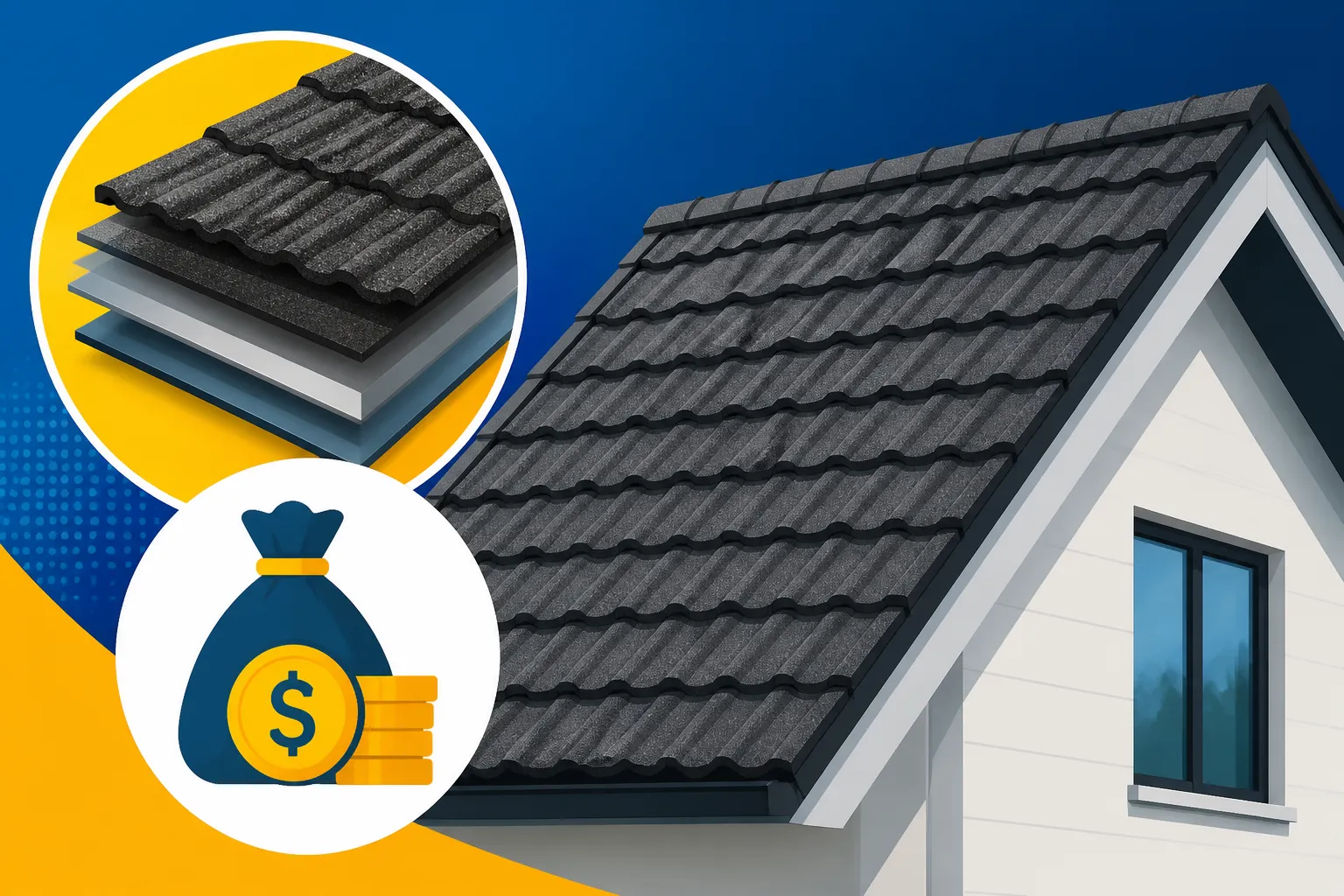
At its core, stone-coated steel roofing is made from high-quality steel panels, typically G-90 galvanized steel or Galvalume steel, which is then coated with a layer of acrylic or epoxy primer. On top of this, tiny stone granules are embedded into the surface, creating a beautiful, textured finish that mimics traditional roofing materials like clay tiles, wood shakes, or even asphalt shingles. Finally, a clear acrylic overglaze seals everything in, protecting the granules and ensuring longevity.
The construction is quite clever. Each panel is typically lightweight, yet incredibly strong due to the steel base. The stone coating isn't just for looks; it adds another layer of protection against the elements, UV radiation, and even helps to dampen sound. These panels interlock or overlap, creating a robust, weather-tight barrier for your home.
Why Choose Stone-Coated Steel?
There are several compelling reasons why homeowners are increasingly turning to stone-coated steel for their roofing needs. First and foremost is its exceptional durability. These roofs are known to withstand extreme weather conditions, including heavy rain, hail, high winds, and even fire. Unlike traditional shingles that can be torn off in a strong storm, stone-coated steel panels are securely fastened and designed to resist uplift.
Beyond resilience, aesthetics play a huge role. You get the classic look of a shake, tile, or shingle roof, but with the superior performance of metal. This means you can achieve a sophisticated, traditional appearance without the maintenance drawbacks or weight issues of actual clay tiles or wood shakes. Many homeowners love that they can get the charm of an old-world roof with modern, long-lasting materials. Plus, these roofs often come with impressive warranties, sometimes extending 50 years or more, giving you peace of mind for decades to come.
Another significant benefit is energy efficiency. The reflective properties of the stone coating, particularly lighter colors, can help reduce your home's cooling costs by deflecting solar radiation. This isn't just a comfort thing; it can translate into tangible savings on your utility bills, especially in warmer climates.
Factors Influencing Stone-Coated Steel Roof Cost
Understanding the cost of a stone-coated steel roof isn't as simple as looking up a single price tag. Several variables come into play, from the materials themselves to the intricacies of your specific roof.
Material Quality and Gauge
The type of steel used, its gauge, and the quality of the stone coating all impact the material cost. Stone-coated steel roofs are often made from 24-gauge or 26-gauge steel, with lower gauge numbers indicating thicker, stronger metal. Thicker gauges will naturally cost more but offer enhanced durability and resistance to denting. The specific panel profile also matters. For example, a "tile" profile might use more material or require more complex manufacturing than a simpler "shake" or "shingle" profile, thus affecting its price point.
The quality and type of the stone granule coating itself can also vary. Some manufacturers use natural stone granules, while others might use more refined, higher-quality pigments and binders to ensure color retention and adhesion over time. A superior coating not only looks better but also contributes to the roof's overall longevity and resistance to fading or chipping. For a deeper dive into material types, you might want to read about Metal Roofing Materials Compared: Steel, Aluminum, Copper & Zinc.
Roof Size and Complexity
It probably goes without saying, but a larger roof will require more materials and more labor, leading to a higher overall cost. However, it's not just about square footage. The complexity of your roofline plays an enormous role. A simple gable roof with few interruptions will be far less expensive to install than a multi-faceted roof with numerous valleys, dormers, skylights, and chimneys. Each cut, bend, and custom flashing required for these features adds both material waste and significant labor time.
Consider the pitch of your roof as well. A very steep roof requires more safety equipment, specialized staging, and takes longer for installers to work on, driving up labor costs. If you have unique architectural elements, these will also contribute to the final price.
Installation Labor and Location
The cost of labor is a significant component of any roofing project, and stone-coated steel is no exception. Because it's a specialized product requiring specific installation techniques, you'll need experienced, skilled roofers. These aren't your average shingle crews. The expertise required means that labor costs can be higher than for simpler roofing materials. The going rate for labor will also vary considerably depending on your geographic location. For instance, installation costs in a metropolitan area like Los Angeles or Miami might be higher than in a more rural part of the country.
Beyond the general cost of living, local market demand for skilled metal roof installers also influences pricing. If there are only a few certified installers in your area, their rates might be at the higher end. Always get multiple quotes from reputable contractors to ensure you're getting a fair price and that they have specific experience with How to Find a Standing Seam Roof Specialist or stone-coated steel installations.
Average Stone-Coated Steel Roof Cost Breakdown
Let's get down to the numbers. While prices can fluctuate, having a general understanding of the breakdown can help you budget effectively.
Material Costs Per Square Foot
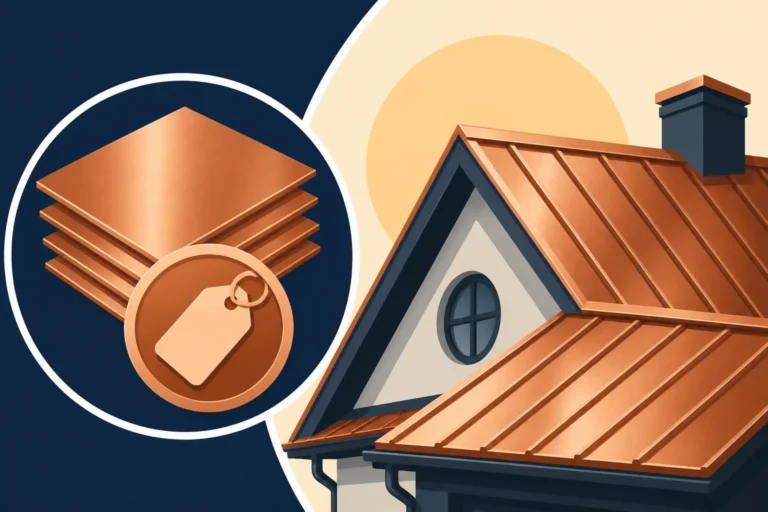
The material cost for stone-coated steel roofing typically ranges from $3.50 to $7.00 per square foot, but this can climb higher for premium profiles or custom colors. This figure usually includes the panels themselves, but often excludes accessories like underlayment, fasteners, and flashing, which we'll discuss shortly.
Here's a general idea of how different profiles might influence material costs:
| Profile Type | Mimics | Typical Material Cost Per Square Foot |
|---|---|---|
| Stone-Coated Steel Shingle | Asphalt Shingles | $3.50 – $6.00 |
| Stone-Coated Steel Shake | Wood Shakes | $4.00 – $6.50 |
| Stone-Coated Steel Tile | Clay/Concrete Tiles | $4.50 – $7.00 |
| Stone-Coated Steel Slate | Natural Slate | $5.00 – $8.00+ |
Keep in mind that these are just averages, and actual costs can vary by manufacturer, supplier, and the specific region. Brands like DECRA, Gerard, and Metro are well-known in the stone-coated steel market, and their specific product lines might fall within or slightly above these ranges depending on their features.
Installation Labor Costs
Labor is a significant portion of the total project cost. For stone-coated steel, installation labor can range from $4.00 to $9.00 per square foot, often depending heavily on the complexity of your roof and your geographical location. This brings the total installed cost for a stone-coated steel roof to generally between $7.50 and $16.00 per square foot.
For a typical 2,000 square foot house, this could mean an installed cost anywhere from $15,000 to $32,000. It's a substantial investment, but one that offers significant long-term benefits. When considering Metal Roof Cost for a 2,000 Sq Ft House, you'll see how stone-coated steel fits into the broader spectrum of metal roofing options.
Additional Costs
Beyond the primary material and labor, there are several other costs that often get overlooked but are crucial to the overall project budget.
- Underlayment: A high-quality underlayment is essential for any metal roof, providing an extra layer of protection against moisture. Synthetic underlayments are commonly used and can add $0.50 to $1.50 per square foot to your material costs. You can learn more about this in our guide on Metal Roof Underlayment Cost.
- Fasteners and Accessories: These include specialized screws, clips, sealants, and edge metal. While often included in the contractor's quote, they can add several hundred to over a thousand dollars to the overall material cost.
- Flashing and Trim: This is vital for sealing vulnerable areas like chimneys, skylights, and roof edges. Custom flashing work can significantly add to both material and labor costs. Our article on Metal Roof Trim and Flashing Cost goes into greater detail.
- Old Roof Tear-Off and Disposal: If you have an existing roof that needs to be removed, this will incur additional labor and disposal fees. This can range from $1.00 to $5.00 per square foot, depending on the number of layers and the type of material being removed. This is a crucial line item to get clarity on in any quote. For more on this, check out Tear-Off vs Metal Over Shingles: Cost Difference.
- Permits and Inspections: Almost all major roofing projects require a permit from your local municipality. The cost of permits varies widely but can range from a few hundred to over a thousand dollars, depending on your location and the scope of work. Don't skip this step! It ensures your roof meets local building codes and passes necessary inspections. For more information, read our guide on Do You Need a Permit for a Metal Roof?.
- Soffit and Fascia Repair/Replacement: Often, when replacing a roof, it's a good time to inspect and potentially repair or replace damaged soffit and fascia, which can add to the project's complexity and cost.
Stone-Coated Steel Roof vs. Other Roofing Materials (Cost Comparison)
It's helpful to put the cost of stone-coated steel into perspective by comparing it with other popular roofing materials. While the initial investment might seem higher, the long-term value often tells a different story.
Stone-Coated Steel vs. Traditional Asphalt Shingles
When you look at upfront costs, asphalt shingles are almost always the cheapest option. A new asphalt shingle roof can cost anywhere from $4.00 to $8.00 per square foot installed. Compare that to the $7.50 to $16.00 per square foot for stone-coated steel, and shingles appear to be the budget-friendly choice.
However, the lifespan tells a crucial part of the story. Asphalt shingles typically last 15-30 years, while a stone-coated steel roof can easily last 50-70 years or more. This means you might replace an asphalt shingle roof two or even three times before a stone-coated steel roof needs attention. When you factor in multiple replacements, tear-offs, and rising material/labor costs over the decades, the long-term cost of asphalt shingles often far exceeds that of stone-coated steel. You can explore this comparison further in our article Metal Roof vs Asphalt Shingle Cost.
Stone-Coated Steel vs. Standing Seam Metal
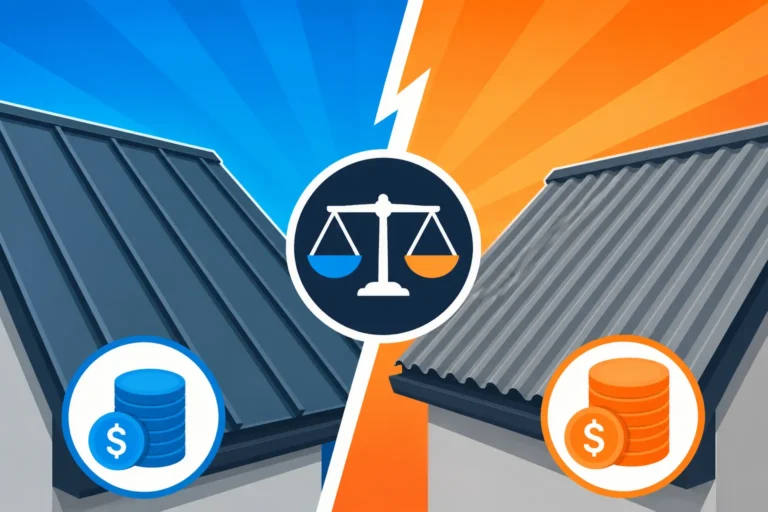
Standing seam metal roofing is another premium metal roofing option, known for its clean lines and exceptional durability. The initial installed cost for standing seam typically ranges from $10.00 to $18.00 per square foot, placing it generally at the higher end compared to stone-coated steel.
While both are excellent choices for longevity and weather resistance, they offer different aesthetics and installation methods. Standing seam features concealed fasteners and raised seams, providing a very modern, often commercial look. Stone-coated steel, as discussed, mimics traditional materials. The choice often comes down to desired appearance and budget. While standing seam is generally more expensive upfront, its sleek design and often lower maintenance needs due to hidden fasteners might justify the cost for some homeowners. For more on this, see Standing Seam Metal Roof Cost.
Stone-Coated Steel vs. Tile and Slate
If you're considering tile (clay or concrete) or natural slate, you're already looking at the higher end of roofing materials. Real clay tile roofs can range from $10.00 to $25.00 per square foot installed, and natural slate can be even more, often $15.00 to $40.00 per square foot or higher.
Stone-coated steel tile or slate profiles offer a fantastic alternative. They provide the highly desired aesthetic of these traditional, heavy materials without the immense weight, fragility, or extremely high cost. The weight reduction alone can save on structural reinforcement costs that might be necessary for genuine tile or slate. You get the beauty and durability at a fraction of the cost and with much simpler installation requirements. For a deeper dive, check out Metal Roof vs Tile Roof Cost.
Is a Stone-Coated Steel Roof Worth the Investment?
When looking at the initial price tag, a stone-coated steel roof is undoubtedly a significant investment. However, its value often becomes clear when you consider the long-term benefits and overall return on investment.
Long-Term Value and ROI
The lifespan of a stone-coated steel roof is one of its most compelling advantages. With proper installation and minimal maintenance, these roofs can last 50 to 70 years, or even longer. This longevity means you're unlikely to ever need another roof replacement in your lifetime, saving you the future expenses and hassle of multiple re-roofing projects.
Beyond simply avoiding future costs, a stone-coated steel roof can also significantly increase your home's value. Its durability, aesthetic appeal, and energy efficiency are attractive features to potential buyers, often providing a strong return on investment. Our guide on Does a Metal Roof Increase Home Value? elaborates on this. Furthermore, many insurance companies offer discounts for homes with metal roofs due to their superior resistance to hail, wind, and fire. These savings can add up over the years, further offsetting the initial cost. For more details, explore Metal Roof Insurance Savings & Discounts.
Maintenance and Longevity
One of the often-unsung heroes of stone-coated steel is its low maintenance. Unlike wood shakes that require regular treatment or asphalt shingles that need frequent inspection for damage, stone-coated steel roofs generally only require occasional cleaning to remove debris and ensure proper drainage. The robust nature of the materials means fewer repairs over its lifetime, translating into more savings and less stress for you.
Of course, no roof is entirely maintenance-free. It's always a good idea to have your roof inspected periodically, perhaps every few years, to catch any minor issues before they become major problems. Checking for debris in valleys or gutters and ensuring proper ventilation are standard maintenance tasks for any roof. The superior longevity and minimal upkeep of stone-coated steel truly make it a "set it and forget it" solution for decades, allowing you to enjoy your home without constant worry about your roof.
Disclaimer
Please note that all cost estimates provided in this guide are general averages based on current market data and can vary significantly depending on your specific location, the complexity of your roofing project, the chosen materials, and the contractor you hire. Always obtain multiple detailed quotes from licensed and insured roofing professionals before making any decisions.