How Much Does a Copper Roof Cost Per Square Foot
Deciding to upgrade your home with a copper roof is an exciting prospect, but the big question looming over most homeowners' heads is always, "How much is this truly going to cost me?" It's not just about the sticker price of the materials; you're looking at a significant investment that includes specialized labor, unique components, and the sheer value of such a long-lasting, beautiful material. This guide will meticulously break down the typical cost per square foot for a copper roof, helping you understand every variable so you can budget wisely and confidently.
The Allure and Investment of Copper Roofing
There’s just something undeniably captivating about a copper roof. It's more than just a covering for your home; it’s a statement, a piece of art that evolves with time. Homeowners often grapple with the initial sticker shock, but once they dig into the details, the long-term value proposition of copper roofing becomes incredibly clear. It’s an investment, yes, but one that pays dividends in durability, aesthetics, and often, peace of mind.
Why Copper Stands Apart
When you think about roofing materials, copper might conjure images of grand cathedrals or historic landmarks, and for good reason. It offers an unparalleled combination of durability, longevity, and timeless beauty. Unlike other materials that degrade over time, copper develops a unique patina – a protective layer that shifts from a shiny penny-bright hue to a deep, earthy brown, and eventually to the iconic verdigris green. This isn't just a cosmetic change; it's a natural oxidation process that shields the metal, making it incredibly resistant to corrosion, rust, and the harshest weather conditions. We're talking about a roof that can easily last 100 years or more, far outliving most other roofing options. You can read more about the incredible endurance of this material in our guide on [How Long Does a Copper Roof Last?].
Beyond its remarkable lifespan, copper is surprisingly lightweight, which can be a huge benefit for your home's structural integrity, especially if you're replacing a much heavier material. It's also an eco-friendly choice, being 100% recyclable. From an energy efficiency standpoint, copper is a fantastic conductor, but when installed correctly with proper ventilation and a radiant barrier, it reflects a significant amount of solar heat, helping to keep your home cooler in warm climates.
Understanding the "Per Square Foot" Jargon
When you start getting quotes for a copper roof, you'll almost exclusively hear costs discussed in terms of "per square foot." But what does this really mean in the context of roofing? It’s not simply the flat area of your roof. For roofing purposes, a "square" is actually a unit of measurement equal to 100 square feet. So, when a contractor talks about a price per square foot, it's typically an average cost that bundles together not just the raw material, but also the labor to install it, and often, the associated components like underlayment, flashing, and fasteners.
This "per square foot" figure is a useful benchmark because it helps standardize pricing across different projects, allowing for easier comparison. However, it’s crucial to understand that this figure is an average and can fluctuate widely based on the specific type of copper roof system you choose, the complexity of your roofline, and even your geographic location. For a more general overview of how these units are calculated across various materials, check out our comprehensive article on Metal Roof Cost Per Square Foot.
Breaking Down the Copper Roof Cost Per Square Foot
Let's get down to the brass tacks – or should I say, copper tacks? The cost of a copper roof isn't a single, static number. It's a dynamic figure influenced by a confluence of factors, with material and labor being the two heaviest hitters. Understanding these individual components will empower you to better interpret quotes and make informed decisions.
Material Costs: The Core of Copper Pricing
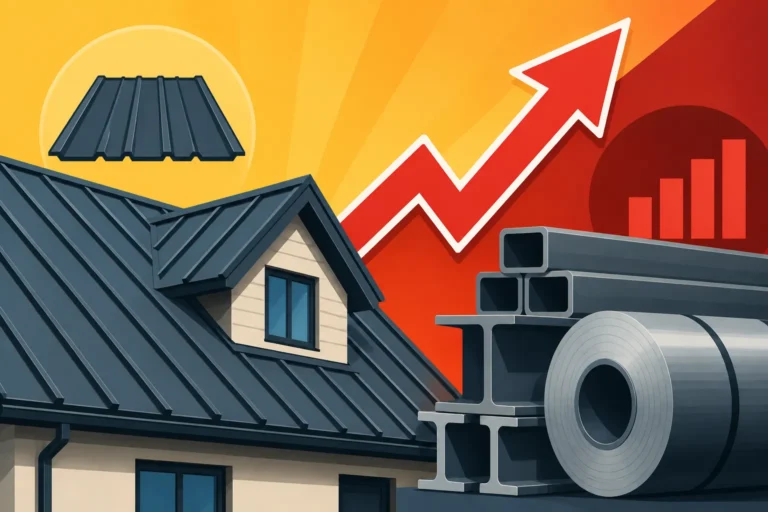
The raw copper material itself is, unsurprisingly, the most significant driver of the overall cost. Copper is a commodity, which means its price is tied to global market fluctuations. Just like gas prices, copper prices can go up or down based on supply and demand, economic conditions, and even geopolitical events. This inherent volatility means that quotes can sometimes have a limited validity period, so it's always wise to get fresh estimates when you're serious about moving forward.
Beyond market forces, the type and thickness of the copper material play a huge role. Copper roofing typically comes in rolls or sheets, which are then custom-fabricated into panels or shingles on-site or in a shop. Common thicknesses range from 16 oz to 20 oz, referring to the weight per square foot of the copper sheet. A 16 oz copper is standard for many residential applications, while 20 oz or even thicker material offers enhanced durability and can sometimes command a higher price point due to its increased material content. The specific profile you choose (standing seam, flat seam, shingles) also influences the amount of raw material needed and the complexity of its fabrication, indirectly affecting the material cost per square foot.
Installation Labor: A Specialized Skill Set
This is where a significant chunk of the copper roof cost per square foot comes in. Installing a copper roof is not a job for your average roofer. It requires highly specialized skills, meticulous craftsmanship, and an understanding of copper's unique properties, like its thermal expansion and contraction. Copper is a soft metal, meaning it can be easily scratched or dented if not handled with extreme care. Seams need to be soldered expertly, and panels formed precisely to ensure a watertight and aesthetically pleasing finish.
Experienced copper roof installers, often referred to as artisans or master craftsmen, command higher labor rates because of their expertise and the time-intensive nature of the work. They understand how to properly vent a copper roof, how to incorporate flashing that will last as long as the roof itself, and how to minimize the chances of oil canning, a wavy distortion sometimes seen in flat metal panels. When considering a metal roof project, especially with a premium material like copper, don't skimp on labor; it's a critical component of the roof's longevity and performance. For more insights on the human element of your roofing project, be sure to read our detailed guide on Metal Roof Labor Cost.
Additional Cost Factors to Consider
While material and labor are primary, several other elements contribute to the final cost per square foot:
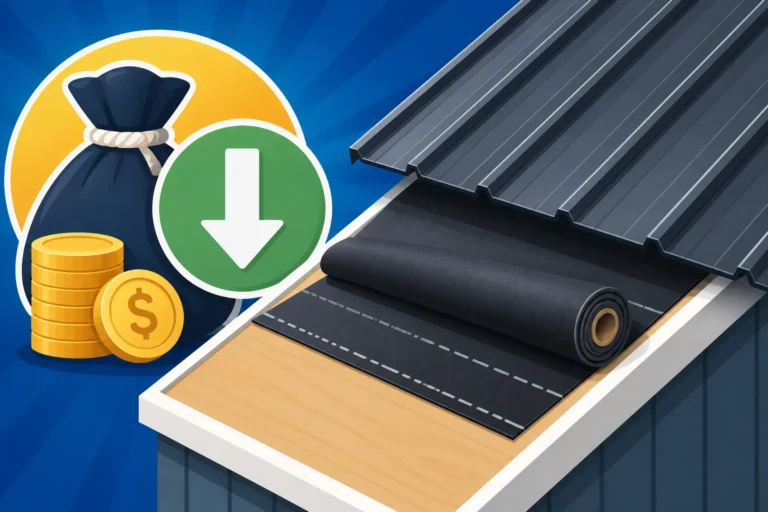
- Underlayment: Even the most durable metal roofs need a robust underlayment. High-quality synthetic underlayments or ice and water shield membranes are often recommended for copper roofs to provide an extra layer of protection and ensure the roof assembly performs optimally for decades. This adds a small but vital cost per square foot. We discuss this in more detail in our Metal Roof Underlayment and Ventilation Guide.
- Flashing and Trim: Copper flashing around chimneys, skylights, valleys, and eaves is essential for waterproofing and aesthetics. Using matching copper for trim and flashing ensures consistency and durability, but it naturally adds to the material and fabrication costs. This is often a significant line item, and understanding the nuances can save you headaches later. Check out Metal Roof Trim and Flashing Cost for a deeper dive into this.
- Roof Complexity: A simple gable roof will be significantly less expensive to install per square foot than a multi-faceted roof with dormers, skylights, chimneys, and varying pitches. Each angle, valley, hip, and penetration requires intricate custom cutting, bending, and soldering of copper, which dramatically increases labor time and material waste.
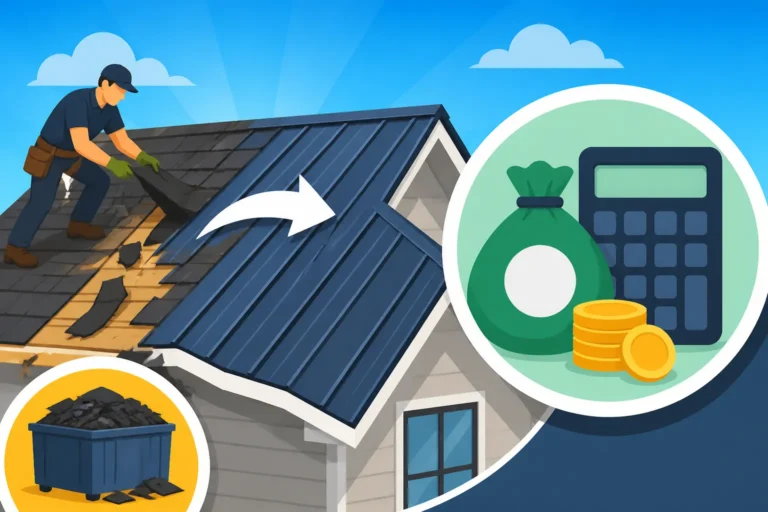
- Tear-off of Old Roof: If you're replacing an existing roof, the cost of removing and disposing of the old material (e.g., asphalt shingles) will be factored in. This can range from a few hundred to a couple of thousand dollars depending on the size of the roof and the material being removed. Our What Affects Metal Roof Cost: Gauge, Pitch, Complexity & Tear-Off guide provides a broader perspective on these variables.
- Location, Location, Location: Just like real estate, roofing costs vary by geographic region. Labor rates, material availability, and even local building codes can influence the price. A copper roof in a bustling metropolitan area like Los Angeles or New York City will likely cost more than in a rural part of the Midwest.
Here's a general breakdown of average copper roof costs per square foot:
| Component | Low End (per sq ft) | High End (per sq ft) | Notes |
|---|---|---|---|
| Material (Copper) | $10 | $25 | Varies by market price, gauge (16 oz – 20 oz), and panel/shingle type. |
| Labor (Installation) | $12 | $30 | Reflects specialized skills, roof complexity, and geographic location. |
| Underlayment | $1 | $3 | High-quality synthetic or ice and water shield. |
| Flashing & Trim | $2 | $8 | Custom copper pieces for eaves, gables, valleys, chimneys, etc. Can be highly variable. |
| Old Roof Tear-Off | $1 | $3 | If applicable. Includes disposal. |
| Total Estimated Cost | $26 | $69 | This is a wide range due to the many variables. Complex projects can exceed $70/sq ft. |
Please note: These figures are estimates and can fluctuate significantly based on current material costs, labor rates in your specific area, and the specific details of your project. Always get multiple detailed quotes from reputable contractors.
Copper Roof Costs by Profile and Type
The "look" you desire for your copper roof isn't just an aesthetic choice; it significantly impacts the cost per square foot. Different profiles and panel types require varying amounts of material, different fabrication processes, and distinct installation techniques, all of which affect the final price.
Standing Seam Copper Roofing
When most people envision a modern copper roof, they often picture standing seam. This profile features vertical panels with raised seams that interlock, creating a sleek, contemporary, and incredibly durable surface. The hidden fasteners mean that the metal is allowed to expand and contract freely, reducing stress and extending the roof's lifespan even further. This also makes for a very clean, continuous look.
Standing seam copper is typically at the higher end of the cost spectrum, primarily due to the precision manufacturing of the panels (often custom-rolled on-site) and the skilled labor required for installation. Each panel must be cut to length, perfectly aligned, and then seamed together using specialized tools. The material itself is often thicker (16 oz to 20 oz) for these systems, contributing to the higher material cost. Expect standing seam copper to be in the upper range of the per-square-foot estimates, often starting around $30 and easily going upwards of $60 to $70 per square foot installed for complex projects.
Copper Shingles and Tiles
For homeowners who love the look of traditional shingles but want the unmatched durability of copper, copper shingles or tiles offer a beautiful alternative. These are smaller, individual pieces, often stamped with patterns like slate, shake, or traditional architectural shingles. They offer a textured, dimensional appearance that can complement various architectural styles, from classic to rustic.
The cost per square foot for copper shingles can vary widely. While the individual pieces might seem smaller, the manufacturing process to stamp and form them, combined with the increased number of pieces to install, often puts them in a similar or slightly lower range than standing seam. They can range from $25 to $55 per square foot installed. Brands like Classic Metal Roofing Systems or DECRA Roofing Systems offer beautiful copper shingle options, providing both aesthetic appeal and exceptional performance. The installation, while different from standing seam, still requires specialized knowledge to ensure proper interlocking and waterproofing.
Flat Seam and Batten Seam Copper
While less common for residential applications today, flat seam and batten seam copper roofs are traditional styles often found on historic buildings or specialized architectural projects.
- Flat Seam Copper: This involves small, flat copper sheets joined together with soldered seams, creating a virtually flat, watertight surface. It's incredibly labor-intensive and requires exceptional soldering skills, making it one of the most expensive copper roofing options. The cost per square foot can easily reach the higher end of the spectrum, often exceeding $60 per square foot.
- Batten Seam Copper: This style uses strips of wood (battens) to create raised seams between copper panels, offering a distinctive, bold look. Like flat seam, it's a highly specialized installation, demanding significant labor and precision. It generally falls into the premium price range, similar to or even above standing seam, depending on the specifics.
These specialized profiles truly showcase the artistry involved in copper roofing and are typically reserved for those seeking a specific historical aesthetic or custom design.
Is the Investment in a Copper Roof Worth It?
After seeing the per-square-foot costs, you might be wondering if a copper roof is truly worth the significant upfront investment. It's a valid question, and the answer, for many, is a resounding yes. When you look beyond the initial price tag and consider the lifecycle of the product, the benefits often outweigh the costs over the long run. Our comprehensive guide, Is a Metal Roof Worth It? ROI, Resale & Payback, delves into this topic in more detail, but let's touch upon the key aspects for copper specifically.
Longevity and Durability
The most compelling argument for a copper roof is its almost unparalleled lifespan. Unlike asphalt shingles that might need replacing every 15-30 years, a properly installed copper roof can last 70, 80, 100 years, or even longer. This means that for many homeowners, a copper roof will be the last roof they ever need to purchase. When you factor in the cost of multiple asphalt shingle replacements over a century, the long-term cost of ownership for copper often becomes much more favorable. Think about avoiding the hassle, disruption, and material costs of re-roofing every couple of decades. The durability against severe weather – hail, strong winds, heavy snow – further cements its value, often leading to reduced insurance premiums.
Resale Value and Curb Appeal
A copper roof is not just a functional component; it's a significant aesthetic upgrade that instantly boosts your home's curb appeal and, consequently, its resale value. The distinctive, evolving patina of copper is often considered a premium feature by potential buyers. It signals quality, permanence, and a thoughtful investment in the property. In a competitive housing market, a copper roof can be a standout feature that differentiates your home, attracting more interested buyers and potentially commanding a higher sale price. It’s an investment that keeps giving back, not just in protection but in property appreciation.
Energy Efficiency and Maintenance
While copper is a thermal conductor, a well-ventilated copper roof with appropriate underlayment helps reflect solar radiant heat, contributing to cooler indoor temperatures and potentially lowering your air conditioning costs in warmer months. The lighter color of a new copper roof or the eventual patina can also play a role in this reflectivity.
In terms of maintenance, copper roofs are incredibly low-fuss. They don't absorb water, they're resistant to mold, mildew, and moss growth, and they don't typically require frequent cleaning or repairs like some other roofing materials. The patina acts as its own protective layer, eliminating the need for painting or coating. Occasional visual inspections for debris or minor issues are usually all that's needed to ensure it continues to perform optimally for generations. This minimal maintenance requirement translates into significant savings in time and money over the roof's incredibly long lifespan.
Disclaimer
Please remember that all cost estimates provided in this article are approximate and subject to change based on market fluctuations, specific material choices, geographic location, and the unique characteristics of your individual roofing project. Always obtain multiple, detailed quotes from qualified and reputable metal roofing contractors in your area to get the most accurate pricing for your specific needs.