Metal Roof Fire Rating for Wildfire Areas
The anxiety that comes with living in or near a wildfire-prone area is immense, isn't it? Every summer, or even year-round in some places, the threat of fire looms, and homeowners are constantly looking for ways to fortify their homes against this devastating force. This comprehensive guide is here to shed light on how metal roofing stands as a crucial line of defense, explaining fire ratings, material choices, and essential mitigation strategies to help protect your most valuable asset.
Understanding Fire Ratings: What Do They Mean for Your Roof?
When you're trying to protect your home from the ever-present danger of wildfires, understanding fire ratings isn't just technical jargon; it's absolutely vital information. These ratings give you a clear picture of how well a roofing material will perform when confronted with flames, sparks, and radiant heat – the exact elements that pose the biggest threat during a wildfire event. It’s not enough to just hope your roof will hold up; you need to know it has been rigorously tested and proven to offer a specific level of protection.
The Different Classes of Fire Resistance
Roofing materials are put through their paces and assigned one of three classes: Class A, Class B, or Class C. Think of these as a grading system, where Class A is the gold standard for fire resistance. For anyone living in a wildfire-prone region, anything less than Class A is simply not cutting it. It's about buying peace of mind, knowing your roof is engineered to resist ignition and prevent the spread of fire.
- Class A Rated Roofs: These are the champions of fire resistance. Materials like metal, concrete tile, and fiber cement fall into this category. A Class A roof is designed to withstand severe fire exposure, meaning it can resist ignition from even large burning brands (think embers the size of a charcoal briquette!) and won't allow the fire to spread across the roof surface or penetrate into the attic space for an extended period. This level of protection is often required by building codes in designated Wildland-Urban Interface (WUI) zones. When you're considering a metal roof, you'll find that most quality systems inherently achieve this top rating, which is a huge advantage.
- Class B Rated Roofs: These offer moderate fire resistance. They can withstand moderate fire exposure but are not as robust as Class A materials. While they might resist ignition from smaller brands, they wouldn't offer the same level of protection against the intense, prolonged exposure that a serious wildfire can present. You'll often find some treated wood shakes or heavier composition shingles in this category.
- Class C Rated Roofs: These provide the lowest level of fire resistance, designed for light fire exposure. Many standard asphalt shingles, especially older or basic varieties, might fall into this class. They offer minimal protection against airborne embers, which are often the primary cause of home ignition during wildfires, making them unsuitable and often prohibited in high-risk areas.
How Roofs Are Tested for Fire Resistance
It's not just a guess! Roofing materials earn their fire ratings through a series of standardized tests conducted by independent organizations like Underwriters Laboratories (UL). These aren't just simple flame tests; they simulate real-world wildfire conditions to ensure the material performs when it counts. The tests look at several critical factors to determine a roof's ability to resist fire.
One key test involves exposing the roofing material to a controlled flame spread, measuring how far and fast a flame travels across the surface. Another crucial component is the "burning brand" test, where different-sized flaming wooden brands (simulating wind-blown embers) are placed on the roof surface. The researchers observe whether the roof ignites, if it allows fire to spread or penetrate, and how long it resists. The goal is to see if the roof can contain the fire on its surface without allowing it to enter the attic or other parts of the home structure. Then there's the "intermittent flame" test, which mimics the fluctuating nature of wildfire flames, exposing the roof to repeated bursts of fire. For roofs in wildfire-prone areas, a high radiant heat resistance is also critical, as heat can ignite materials even without direct flame contact.
Why Metal Excels in Fire Resistance
This is where metal roofing truly shines, giving homeowners in high-risk areas a significant edge. The inherent properties of metal make it an exceptionally fire-resistant material, often effortlessly achieving that coveted Class A rating without any special treatments or coatings. It's a fundamental aspect of its design, offering a peace of mind that many other roofing materials just can't match.
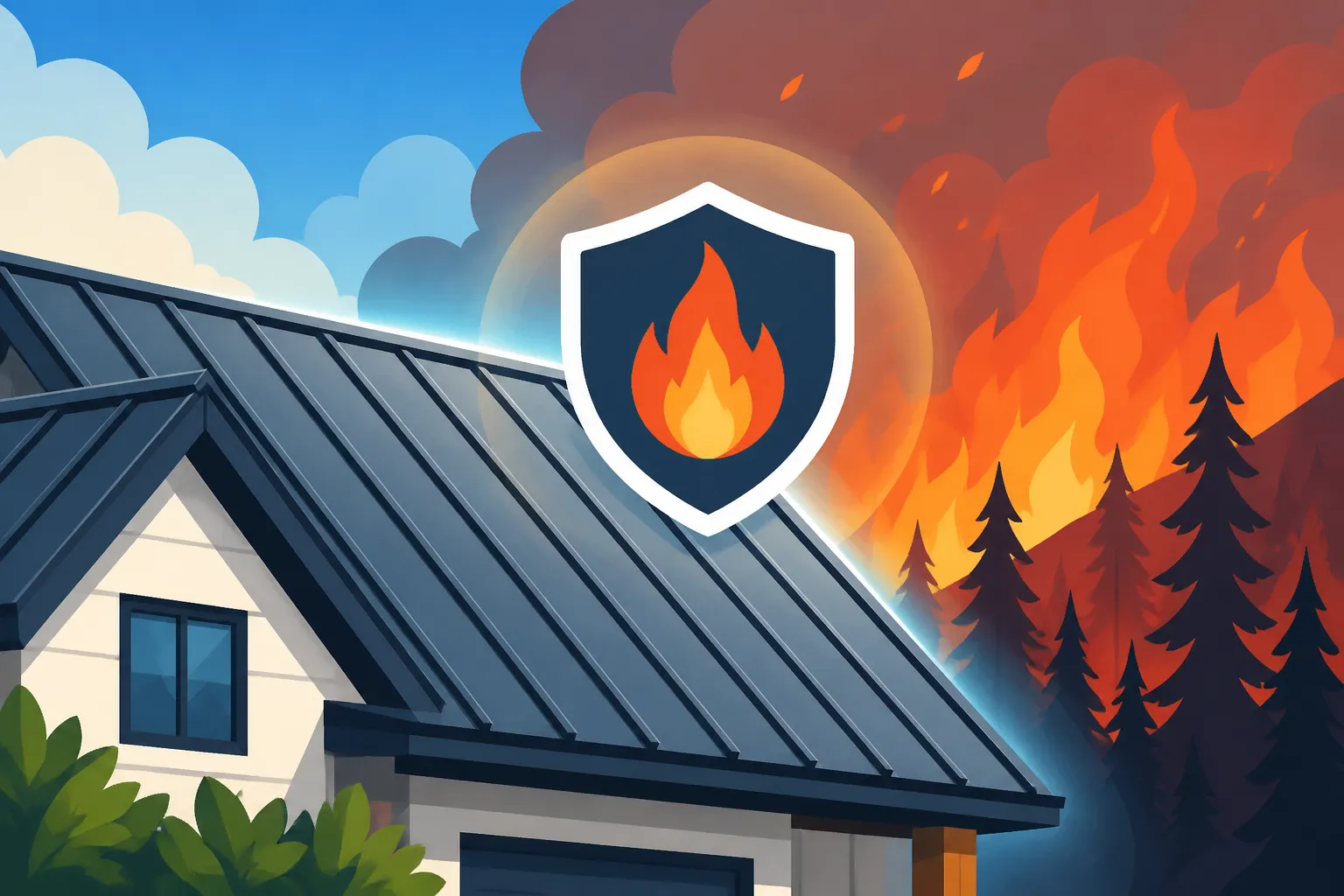
Unlike materials such as wood shakes or even some types of asphalt shingles, metal is non-combustible. This means it simply won't ignite, burn, or contribute fuel to a fire. When embers land on a metal roof, they either cool down and die out, or they simply slide off, unable to catch hold and spread. Furthermore, metal roofs are excellent at deflecting radiant heat, which can be a major cause of ignition for less resistant materials. This ability to resist heat transfer helps keep the underlying structure of your home cooler, further reducing the risk of internal ignition. The way metal panels interlock or are seamed together also creates a tight, continuous surface that largely prevents sparks and embers from finding their way into vulnerable attic spaces, a common entry point for wildfire spread. This combination of non-combustibility, heat deflection, and tight construction makes metal roofing an outstanding choice for safeguarding your home against fire. For a deeper dive into the specific characteristics, check out our guide on Metal Roofing Materials Compared: Steel, Aluminum, Copper & Zinc.
The Threat of Wildfires and How Metal Roofs Respond
Wildfires are a force of nature that we've all become far too familiar with, especially in states like California, Oregon, and Colorado. The images of homes reduced to ashes while others, seemingly untouched, stand defiant are stark reminders of how critical every single decision about home construction materials can be. The roof, being the largest surface exposed to the sky, is often the first and most vulnerable point of attack during a wildfire. Understanding how wildfires damage homes allows us to appreciate why a metal roof is such a powerful defense.
How Wildfires Damage Homes
It's not just one big inferno sweeping through. Wildfires destroy homes through a combination of mechanisms, and each one needs to be addressed in your home hardening strategy. Many homeowners mistakenly believe that if the main flame front doesn't directly hit their house, they're safe. Unfortunately, that's often not the case. The real threat, and the reason many homes ignite, comes from sources that can travel far ahead of the fire itself.
- Wind-Blown Embers: This is arguably the biggest culprit in home ignitions during a wildfire. Imagine tiny, glowing fragments of burning vegetation being carried for miles by high winds. These embers can land in gutters, on decks, or, most critically, on your roof. If your roof material is combustible (like wood shakes or some asphalt shingles), these embers can smolder, ignite, and eventually spread fire to your home. Even small gaps in your roofing system can allow embers to enter the attic, igniting insulation or other materials within the structure.
- Radiant Heat: As a wildfire approaches, it generates intense radiant heat. This heat can be so extreme that it can ignite combustible materials from a distance, even without direct flame contact. Think of standing too close to a roaring bonfire; you feel the heat, even if you're not touching the flames. Your roof, especially if it's dark-colored, can absorb this radiant heat, increasing the likelihood of ignition.
- Direct Flame Impingement: While less common than ember attacks, direct flame impingement happens when the main body of the fire reaches your home. This is the most destructive form of attack, and few materials can withstand it indefinitely. However, a highly fire-resistant roof can buy precious time, slowing the spread and potentially allowing firefighters to save the structure.
Metal Roofing as a Non-Combustible Barrier
Here's where metal roofs truly become the hero in the fight against wildfires. Their fundamental nature makes them intrinsically resistant to the primary modes of wildfire attack. It’s not about slowing the burn; it’s about preventing it from ever starting on the roof surface.
Because metal is non-combustible, wind-blown embers, those insidious little fire starters, simply can't find purchase on its surface. When embers land on a metal roof, they don't ignite, they don't smolder, and they don't provide a pathway for fire to spread. Instead, they cool down and blow away or simply sit harmlessly until extinguished. This is a monumental advantage over traditional roofing materials that can act like kindling. Furthermore, metal's reflective properties, especially lighter colors or those with specialized coatings, help deflect radiant heat rather than absorbing it. This keeps the roof surface and the attic space below cooler, further reducing the risk of ignition from intense heat generated by an approaching fire. The robust installation methods for most metal roofs, especially standing seam panels, create a continuous, tightly sealed surface that minimizes gaps where embers could enter, safeguarding the vulnerable attic space below.
Protecting Your Entire Home, Not Just the Roof
It’s easy to focus solely on the roof, but a truly fire-resistant home is a system, and your metal roof is the most critical component in that system. While a metal roof provides unparalleled protection for the top of your home, it works best when integrated into a larger strategy. Think of it as your primary shield, but you still need to protect your flanks.
Having a Class A metal roof significantly reduces the chance of roof ignition, but embers can still land in vulnerable areas like gutters filled with dry leaves, on unprotected eaves, or even be drawn into improperly screened attic vents. This is why you need to consider the whole "envelope" of your home. A metal roof gives you a massive advantage by eliminating a huge ignition point. It buys you time and drastically improves your home's survivability. For example, if your neighbors have a less resistant roof that ignites, your metal roof will be less likely to catch fire from direct exposure or flying embers, helping to prevent a chain reaction. Pairing your metal roof with other fire-resistant building materials and thoughtful landscaping choices creates a robust defense against wildfire devastation. It’s about building a fortress, and the metal roof is the strongest part of that wall. You might also find value in our post about Metal Roof Underlayment and Ventilation Guide to understand how other components work together.
Choosing the Right Metal Roof for Wildfire Protection
Okay, so you're convinced that a metal roof is the way to go for wildfire protection. Fantastic! But the world of metal roofing isn't a one-size-fits-all situation. There are different materials, profiles, and gauges, and each choice can subtly impact its overall performance, especially when facing the extreme conditions of a wildfire. Making an informed decision here means understanding the nuances that will give your home the best possible defense.
Material Considerations: Steel, Aluminum, and Coatings
While all metal roofs offer superior fire resistance compared to many traditional materials, the specific type of metal and its finish can play a role in optimal performance, particularly in terms of heat reflection and durability over time. The good news is that whether you opt for steel or aluminum, you're starting from a strong, non-combustible foundation.
- Steel: This is the most common material for residential metal roofing. Steel panels are incredibly strong and, when coated with a metallic alloy like Galvalume or a paint finish (like PVDF or SMP), they gain excellent corrosion resistance and color retention. For wildfire protection, the non-combustibility of steel is paramount. The coatings also contribute to reflectivity, helping to bounce radiant heat away from your home. The durability of steel means it won't easily warp or distort under extreme heat, maintaining its integrity as a fire barrier. Most steel panels will carry a Class A fire rating.
- Aluminum: Lighter than steel, aluminum is naturally corrosion-resistant, making it an excellent choice for coastal areas. While not quite as strong as steel, it still provides a robust, non-combustible surface. Its natural reflectivity is a plus in heat deflection. Aluminum panels are also inherently Class A fire rated. The choice between steel and aluminum often comes down to budget and specific environmental factors beyond fire, like proximity to saltwater.
- Coatings and Colors: The finish on your metal roof isn't just for aesthetics; it plays a functional role in wildfire resistance. PVDF (Kynar 500 or Hylar 5000) and SMP coatings offer excellent long-term durability and color retention. Lighter colors, in particular, are fantastic for reflecting solar radiation, which helps keep your home cooler and further reduces the thermal load on the roof during a fire event. Many manufacturers, like McElroy Metal or Metal Sales, offer a wide range of colors specifically designed with high solar reflectivity in mind.
Profile and Installation: Minimizing Vulnerabilities
The type of metal roof panel and how it’s installed are almost as important as the material itself. A poorly installed, open-seamed system can still create vulnerabilities, even if the material is non-combustible. The goal is to create a continuous, sealed envelope that leaves no room for embers to enter.
- Standing Seam Metal Roofs: This profile is often considered the gold standard for residential metal roofing, and it's particularly effective in wildfire zones. Standing seam panels feature concealed fasteners, meaning the screws or clips that hold the panels down are hidden beneath the raised seams. This creates a smooth, uninterrupted surface with minimal penetration points for embers to exploit. The interlocking seams also form a very tight barrier, significantly reducing the chances of embers or sparks finding their way into the attic space. Because of their robust design and installation, standing seam roofs are often the preferred choice in high-wind and wildfire-prone areas. If you're looking for specifics, you'll want to read up on How Much Does a Standing Seam Metal Roof Cost as it's an investment, but a worthwhile one for safety.
- Corrugated and Exposed Fastener Panels: While still made of non-combustible metal, profiles like corrugated or R-panels that use exposed fasteners require more careful consideration. The screws that attach these panels to the roof deck are visible and have rubber washers to create a seal. Over time, these washers can degrade, potentially creating tiny gaps where embers could enter. While they are still Class A fire rated, a vigilant maintenance schedule to check and replace fasteners is crucial to ensure their long-term effectiveness in a wildfire scenario. However, for sheer security, a concealed fastener system like standing seam offers greater inherent protection against ember intrusion.
- Installation Quality: No matter the material or profile, the quality of installation is paramount. Even the best metal roof material can fail if not installed correctly. Proper flashing around chimneys, skylights, and valleys, as well as tightly sealed panel seams, are critical. Professional installers, especially those certified by manufacturers, understand the specific requirements for creating a truly fire-resistant roofing system. They'll also ensure that the underlayment used beneath the metal panels is also fire-resistant, adding another layer of defense.
Gauge and Durability in Extreme Heat
When we talk about metal roofing, gauge refers to the thickness of the metal. The lower the gauge number, the thicker the metal. While all gauges typically carry the same fire rating because they are non-combustible, a thicker gauge can offer enhanced durability in extreme conditions, including sustained heat or falling debris.
- 24-Gauge and 26-Gauge Steel: These are the most common gauges for residential standing seam metal roofs. A 24-gauge panel is thicker and more rigid than a 26-gauge panel. While both will resist fire equally well, the added thickness of 24-gauge steel can provide superior resistance to dents from hail or falling branches, which might be a concern in some areas. In the context of fire, thicker metal can potentially withstand prolonged radiant heat exposure with less chance of warping, maintaining its structural integrity and ensuring no gaps open up over time. It's often favored in areas with extreme weather, not just fire risk. You can learn more by comparing 24 vs 26 Gauge Metal Roof: Cost Difference.
- 29-Gauge Steel: This is a thinner gauge, commonly used for exposed fastener systems like agricultural panels or some residential corrugated roofs. While still non-combustible and fire-rated, its thinner profile means it’s more susceptible to denting or minor distortion under extreme stress, including very high radiant heat or direct flame exposure from a nearby burning structure. For maximum peace of mind in a wildfire zone, opting for the thicker 24- or 26-gauge panels for residential applications is generally recommended. The added cost is often a small price to pay for enhanced resilience.
Beyond the Roof: Comprehensive Wildfire Mitigation Strategies
Having a Class A metal roof is an incredible start, a fundamental shield against wildfire. But here's the honest truth: a roof is just one component of your home. To truly fortify your property against the devastating force of a wildfire, you need a holistic, multi-layered approach. It’s about creating a "hardened home" from the ground up, recognizing that every part of your property, from your landscaping to your attic vents, plays a role in its survivability. This integrated strategy is often referred to as "defensible space" and "home hardening."
Creating Defensible Space Around Your Home
Defensible space isn't just a buzzword; it's a critical concept for wildfire survival. This is the buffer you create between your home and the wildland or vegetation that surrounds it. It's about reducing the fuel available for a fire, making it less intense as it approaches your home and giving firefighters a safer area to work. Many areas, especially in states like California and Florida, have strict regulations regarding defensible space, and rightfully so.
- Zone 1: The Immediate Zone (0-5 feet from the home): This is the most critical area. It should be entirely free of combustible materials. Think "lean, clean, and green." This means no mulch (especially wood mulch), no combustible plants, no firewood stacks, and no outdoor furniture that can catch fire. The goal here is to prevent any direct flame contact with your home. The ground cover should be non-combustible, like gravel, concrete, or even meticulously maintained, very short, irrigated green grass. Even a small shrub in this zone can act as a wick, bringing fire right up to your foundation or siding.
- Zone 2: The Intermediate Zone (5-30 feet from the home): This zone requires more careful landscaping. Plants here should be spaced out, low-growing, and well-maintained. Remove dead branches, dried leaves, and other combustible debris. Trees should have their lower limbs pruned up (often 6-10 feet off the ground) to prevent fire from "laddering" up into the canopy. Keep grass mowed to a maximum of 4 inches. The idea is to reduce the continuity of fuel, making it harder for fire to spread rapidly.
- Zone 3: The Extended Zone (30-100 feet from the home): While less intensely managed, this zone still requires attention. Reduce heavy fuel loads, remove highly flammable trees and shrubs, and create horizontal and vertical spacing between remaining plants. The goal is to interrupt the path of a wildfire and diminish its intensity before it reaches your other defensible zones. For specific regional guidelines, understanding your local Metal Roof Building Codes Explained will be helpful.
Vents, Eaves, and Other Vulnerable Points
While your metal roof is an excellent shield, other parts of your home's exterior can still be critically vulnerable to wind-blown embers. These often-overlooked areas can provide entry points for fire, even if your roof is perfectly protected. Addressing these weak spots is crucial for a comprehensive defense.
- Vents: Attic, foundation, and gable vents are prime entry points for embers. Standard mesh screens (like insect screens) are often not fine enough to stop embers. You need vents with metal mesh screening that is 1/8 inch or smaller to prevent embers from entering while still allowing adequate airflow. Some building codes, especially in WUI zones, now mandate specific fire-resistant vent designs that resist ember intrusion.
- Eaves and Soffits: Open eaves, where the rafters are exposed, can accumulate embers. Enclosed soffits made of non-combustible materials like fiber cement or stucco are much safer. If you have existing open eaves, consider boxing them in or installing non-combustible material to close off these spaces.
- Windows and Doors: While not directly part of the roof, single-pane windows can shatter from radiant heat, allowing embers to enter. Consider upgrading to multi-pane, tempered glass windows, especially on the side of your home facing the greatest wildfire risk. Solid core, fire-rated doors are also a good investment.
- Decks and Patios: Wooden decks, especially those with gaps between boards or areas where leaves accumulate, are significant fire hazards. Consider replacing them with non-combustible materials or regularly clearing them of debris. Enclosing the underside of your deck with fire-resistant material can also prevent embers from accumulating there.
Fire-Resistant Landscaping and Materials
The choices you make for your yard and the exterior of your home can dramatically impact its survivability. Beyond just spacing out plants, selecting species that are naturally more fire-resistant and using non-combustible materials for hardscaping and siding can create an impressive barrier. It’s about being strategic with every element you introduce to your property.
- Plant Selection: Some plants are naturally more fire-resistant because they have higher moisture content, less sap, or don't accumulate large amounts of dead material. Drought-tolerant, succulent plants, certain hardwoods, and low-growing groundcovers are generally better choices than highly resinous conifers or plants with fine, dry leaves that act as fuel. Avoid "fire ladders" – tall shrubs or trees that grow close to your home and could carry flames up to your roofline.
- Hardscaping Materials: For pathways, patios, and retaining walls, opt for non-combustible materials like concrete, stone, pavers, or gravel. These materials not only won't burn but also create valuable fire breaks that embers cannot cross.
- Siding and Gutters: If your home's siding is combustible (like wood), consider upgrading to fire-resistant options such as stucco, fiber cement (like James Hardie siding), or metal siding. For gutters, traditional plastic or vinyl gutters can melt or ignite, trapping embers. Metal gutters are a far safer choice, especially when paired with a metal roof. Regular cleaning of gutters is also critical, as even metal gutters can act as a receptacle for burning debris if they're full of dry leaves.
Navigating Codes, Permits, and Insurance in Wildfire Zones
Living in a wildfire-prone area means more than just being fire-smart; it means being code-smart and insurance-savvy. There are specific regulations, especially in designated Wildland-Urban Interface (WUI) zones, designed to protect communities. Understanding these requirements, the necessary permits, and how your choices can impact your insurance premiums is a crucial part of fortifying your home against fire. It can feel like a maze, but knowing what to expect can save you headaches and money down the line.
Local Building Codes and Wildland-Urban Interface (WUI) Zones
Building codes aren't just suggestions; they are legally mandated requirements to ensure the safety and structural integrity of your home. In areas prone to wildfires, these codes become even more stringent, specifically targeting materials and construction methods that reduce fire risk. These are particularly critical in Wildland-Urban Interface (WUI) zones, where human development meets undeveloped wildland.
Many counties and cities in high-risk states have adopted specific WUI building codes, often based on the International Wildland-Urban Interface Code (IWUIC) or state-specific amendments, such as the California Building Code (CBC) Chapter 7A. These codes will often mandate Class A fire-rated roofing materials, like metal. They may also specify requirements for fire-resistant siding, tempered glass windows, ember-resistant vents, and even defensible space requirements around the property. Before undertaking any roofing project, it is absolutely essential to check with your local planning department or building authority. Ignoring these codes can lead to costly fines, forced modifications, and even difficulties with insurance claims down the road. For example, in parts of California, a new roof in a WUI zone must be Class A. Our guide on Metal Roof Building Codes Explained can give you a broad overview, but local specifics are key.
Insurance Benefits and Discounts for Fire-Rated Roofs
Here’s some good news! Investing in a fire-resistant metal roof can often translate into tangible savings on your homeowner's insurance premiums. Insurance companies recognize the reduced risk associated with these durable, non-combustible roofs, and they often reward homeowners who proactively protect their properties. It's not just about the upfront cost; it's about the long-term value and peace of mind.
Many insurance providers offer discounts for homes that have installed Class A fire-rated roofing materials. These discounts can vary significantly depending on your insurer and your specific location, so it's always best to inquire directly with your agent. Beyond specific fire-resistant roof discounts, some companies also offer broader "home hardening" or "wildfire mitigation" credits if you implement a suite of protective measures, including defensible space. For instance, in Florida, homeowners can often get significant savings through wind mitigation credits, and while focused on wind, many of the same robust construction standards apply to fire resistance. Having documentation of your metal roof's Class A rating and details of its installation can be crucial when applying for these discounts. This is not just about saving money, though; it’s about increasing your home's insurability in an era where some insurers are pulling out of high-risk areas altogether. Take a look at Metal Roof Insurance Savings & Discounts for more detail.
Essential Permits for Roof Replacement in High-Risk Areas
Embarking on a roof replacement project, especially with a metal roof, almost always requires a building permit, and this is even more true in wildfire-prone regions. Permits ensure that your project adheres to local building codes, including those specific to fire resistance and WUI zones. Skipping the permit process can lead to significant problems, from fines to needing to remove and re-install your roof, costing you a fortune in time and money.
The permit application process typically involves submitting detailed plans of your proposed roofing project to your local building department. They will review these plans to ensure they comply with all relevant codes, including material specifications (like the Class A fire rating for your metal roof), attachment methods, and potentially even color restrictions if your HOA or local aesthetic guidelines are in play. Once approved, the work will be inspected at various stages to ensure proper installation. This isn't just bureaucratic red tape; it's a vital step to confirm your new metal roof provides the protection it's designed for and meets the safety standards required by your community. Always make sure your contractor handles the permitting process, as they are typically more familiar with the local regulations. Our article on Do You Need a Permit for a Metal Roof? can give you a head start on what to expect.
Comparing Fire Resistance of Different Roofing Types
Understanding how different roofing materials stack up against fire is critical, especially when considering a metal roof for wildfire protection. While metal is a clear leader, it’s helpful to see how it compares to other common options you might encounter. This comparison highlights why metal is often the mandated choice in high-risk areas.
| Roofing Material | Fire Resistance Class | Key Fire Protection Feature(s) | Vulnerabilities in Wildfire Zones |
|---|---|---|---|
| Metal (Steel, Aluminum) | Class A | Non-combustible; deflects radiant heat; tight seams prevent ember intrusion. | None inherent to the material; poor installation or gaps can create issues. |
| Asphalt Shingles | Class A (often) | Granular surface can resist small embers; fiberglass mat core. | Bitumen can melt/ignite under extreme heat; gaps between shingles can trap embers. |
| Concrete/Clay Tile | Class A | Non-combustible; heavy mass resists heat; large gaps under tiles can trap embers if not sealed. | Gaps and open ends can allow embers into the attic if not properly netted/sealed; heavy. |
| Fiber Cement | Class A | Non-combustible; composite material resists heat and flame. | Brittleness (can crack under impact); installation details matter for ember sealing. |
| Wood Shakes/Shingles | Class C (untreated) | Natural wood can be highly combustible; can ignite and spread quickly. | Highly flammable; easily ignites from embers; provides fuel for fire; can ignite under radiant heat. |
| Synthetic/Rubber | Varies (A, B, C) | Designed to mimic other materials; fire rating depends on specific composition and additives. | Some can melt, degrade, or produce toxic smoke under heat; must verify specific product rating. |
It's clear from this table that for wildfire protection, Class A is the only responsible choice, and metal roofing consistently delivers this level of performance due to its fundamental non-combustible nature. While some asphalt shingles or tiles can achieve Class A, their performance under ember attack or radiant heat can sometimes be compromised by their specific composition or installation details. Metal, on the other hand, provides a robust, seamless, and unyielding barrier.
Disclaimer
Please remember that this article provides general information and recommendations regarding metal roof fire ratings for wildfire areas. Local building codes, regulations, and environmental conditions can vary significantly by location. Always consult with local building authorities, fire departments, and qualified metal roofing professionals to ensure compliance with specific requirements in your area and to make the best decisions for your property's unique needs. This information should not be taken as professional engineering or legal advice.