Do Metal Roofs Qualify for Insurance Discounts in Texas?
It's completely understandable to wonder if installing a metal roof, which is often a significant investment, will translate into savings on your homeowners insurance, especially here in Texas. Many homeowners are looking for any advantage they can get against the ever-rising cost of coverage, and a roof built to last seems like a logical place to start. This guide will deep dive into whether metal roofs actually qualify for insurance discounts in Texas, exploring the specific factors that influence potential savings and how to navigate the process.
The Texas Insurance Landscape and Metal Roofs
Texas is a state known for its unpredictable and often severe weather. From searing summer heat to sudden, violent hailstorms and powerful tornadic winds, our homes face a lot of abuse from the elements. This unique environment directly impacts the homeowners insurance market, making it one of the most challenging and expensive in the nation.
Why Texas is Unique for Home Insurance
Living in Texas means living with a constant threat of natural disasters, and our roofs bear the brunt of it. We regularly experience hailstorms that can shatter shingles and damage decking, sustained high winds from thunderstorms and hurricanes that rip off entire sections of roofing, and even the occasional full-blown tornado. These events lead to a high volume of insurance claims, which, in turn, drives up premiums for everyone. Insurers are understandably cautious and are constantly looking for ways to mitigate their risks in such a volatile climate. For a homeowner, this means that anything you can do to make your home more resilient to these common perils can potentially catch an insurer's eye.
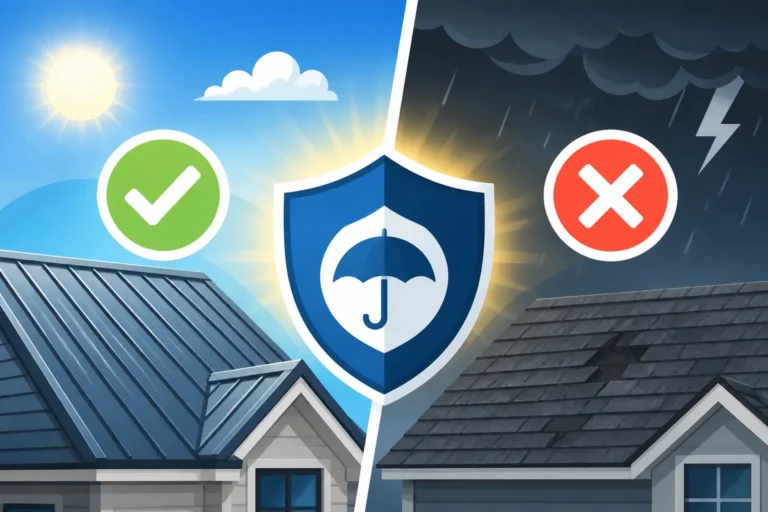
When it comes to your roof, the most vulnerable part of your home to weather damage, insurers are particularly interested in its ability to withstand these threats. A traditional asphalt shingle roof, while cost-effective upfront, often requires repair or replacement after a severe hail or wind event, leading to frequent claims. This is where the inherent advantages of a metal roof start to become very appealing, not just to homeowners seeking durability, but also to insurance providers looking to reduce their long-term payouts.
General Benefits of Metal Roofs for Insurers
From an insurance company's perspective, a metal roof brings a host of attractive qualities that can translate into reduced risk. First and foremost is their incredible durability. Unlike asphalt shingles that can be easily torn off by high winds or shattered by hail, many metal roofing systems are engineered to resist extreme weather conditions. They are typically installed with robust fastening systems that keep panels securely in place, even in the face of hurricane-force winds.
Furthermore, metal roofs boast superior impact resistance. This is a massive factor in Texas, given our frequent hail events. Many metal profiles are designed to withstand large hail stones without denting or puncturing, which means fewer claims for roof damage. Beyond weather resilience, metal roofs are also non-combustible, earning them excellent fire resistance ratings, usually a Class A. While fire isn't the primary concern for Texas roofs in the same way hail and wind are, it's still a significant benefit that contributes to overall home safety and reduces another potential claim risk. This combination of durability, impact resistance, and fire safety can certainly pique an insurer's interest in offering some form of discount, recognizing the reduced likelihood of costly repairs or replacements over the roof's extended lifespan.
Specific Qualifiers for Metal Roof Insurance Discounts in Texas
It's not enough to simply have a metal roof to automatically qualify for a discount. Texas insurers, much like those in other high-risk states, are looking for very specific characteristics that prove your metal roof goes above and beyond standard protection. These qualifications are typically tied to recognized industry standards and certifications that demonstrate superior performance against the elements.
Class 4 Impact Resistance (Hail)
Perhaps the most significant factor for insurance discounts in Texas, particularly in hail-prone regions like Dallas-Fort Worth or San Antonio, is a roof's Class 4 Impact Resistance rating. This rating comes from the Underwriters Laboratories (UL) 2218 test, which assesses a roofing material's ability to withstand the impact of steel balls dropped from varying heights. A Class 4 rating means the material successfully resisted the impact of a 2-inch steel ball dropped from 20 feet twice in the same spot without cracking or splitting.
For homeowners, achieving this Class 4 designation can be a game-changer for your insurance premiums. Insurers recognize that a Class 4 roof is far less likely to be damaged by even large hail, drastically reducing their exposure to expensive roof replacement claims. Certain types of metal roofs, such as stone-coated steel and some heavier gauge standing seam panels, are excellent candidates for achieving this rating. When considering your options, always ask your contractor for products that carry the UL 2218 Class 4 rating. This certification is a concrete piece of evidence you can provide to your insurance company. You can learn more about this crucial rating in our guide on Class 4 Impact-Resistant Roof Insurance Discount.
Wind Mitigation Features
Beyond hail, wind is another major culprit for roof damage across Texas, from coastal hurricanes to inland tornadoes and severe thunderstorms. To qualify for wind-related discounts, your metal roof system needs to demonstrate superior wind resistance. This often comes down to the quality of installation and the specific components used. Insurers look for roofs that are designed and installed to withstand high wind speeds, preventing uplift and panel detachment.
Key features include robust fastening systems, such as concealed fasteners used in standing seam roofs, or high-quality screws with sealing washers for exposed fastener systems. The type of underlayment, the method of attachment to the decking, and the use of supplemental components like hurricane clips or straps can all contribute to a roof's overall wind resistance. A wind mitigation inspection performed by a certified professional can document these features and provide an official report for your insurer. This report often details the roof-to-wall attachment, roof deck attachment, and the overall integrity of the roofing system. Understanding your roof's wind rating is crucial, and you can delve deeper into this topic in our article, Metal Roof Wind Rating: How Many MPH?. Additionally, a detailed Wind Mitigation Inspection for Metal Roofs can sometimes unlock further savings.
Fire Resistance Ratings
While not as common a driver for discounts in Texas as hail or wind resistance, the inherent fire resistance of metal roofs is another benefit appreciated by insurers. Metal is non-combustible, meaning it won't ignite or spread flames in the event of a fire. This typically earns metal roofing a Class A fire rating, the highest classification available.
This rating is particularly valuable in areas prone to wildfires, though it still offers a general reduction in risk for any home. A Class A fire rating means that if embers or flames land on your roof, the material itself will not contribute to the fire's spread. While the direct premium discount for fire resistance might be smaller compared to impact or wind resistance in Texas, it contributes to the overall safety profile of your home, making it a more attractive risk for insurance companies. Always ensure your chosen metal roofing product comes with documentation of its fire rating, which your contractor should be able to provide.
Navigating Insurance Companies and Discounts in Texas
So, you've got a fantastic metal roof with all the bells and whistles—Class 4 impact resistance, excellent wind mitigation, and a Class A fire rating. Now comes the trickier part: actually securing those discounts from your insurance provider. It's not always a straightforward process, and what one company offers, another might not.
Insurers That May Offer Discounts for Metal Roofs
The reality is that not all insurance companies offer the same discounts, and even within the same company, offerings can vary by policy, region, and underwriter. It's a common frustration for homeowners to feel like they're navigating a labyrinth when trying to compare insurance policies. While there's no single list of "guaranteed discount" providers, many national carriers and even some regional ones in Texas have programs or considerations for metal roofs that exhibit superior protective qualities.
Companies like State Farm, Allstate, Farmers Insurance, and USAA (for eligible members) are often cited as having provisions for impact-resistant roofing. Smaller, Texas-specific insurers such as Texas Farm Bureau Insurance or Germania Insurance might also recognize the benefits, given their localized understanding of the weather risks. However, the key takeaway here is never assume. You absolutely must engage directly with your current insurer and shop around with others. Ask specific questions about discounts for UL 2218 Class 4 impact-resistant roofs and roofs with documented wind mitigation features. Be persistent and prepared to provide detailed information about your specific metal roofing system. Our article, Insurance Companies That Discount Metal Roofs, provides a broader overview of companies known to offer such incentives.
How to Prove Your Metal Roof Qualifies
Getting a discount isn't just about having the right roof; it's about proving to your insurance company that you have one. This means gathering and presenting the right documentation. Without solid proof, even the most robust metal roof might not earn you those coveted savings.
Start by collecting all records related to your metal roof installation. This includes the original invoice from your contractor, which should detail the specific type of metal roofing material installed (e.g., 24-gauge standing seam, stone-coated steel), the manufacturer, and the date of installation. Crucially, you'll need documentation proving any specific ratings, especially the UL 2218 Class 4 impact resistance. This often comes directly from the roofing manufacturer in the form of a product specification sheet or a certification letter. Your metal roofing contractor should be able to provide these documents readily.
For wind mitigation, a certified wind mitigation inspection report is invaluable. This is a formal assessment by a qualified inspector that details the wind-resistant features of your home, including your roof. Once you have all your documentation, contact your insurance agent. They will likely ask for copies and may even schedule their own inspection of your property. Being proactive and having everything ready will streamline the process. For a comprehensive guide on proving your roof's qualifications, check out How Do I Prove My Metal Roof for an Insurance Discount?.
The Reality of Metal Roof Insurance Savings in Texas
While the potential for insurance discounts with a metal roof in Texas is real, it’s important to approach this topic with realistic expectations. The savings, while beneficial, might not always be as dramatic as some hope, and various factors can influence their magnitude.
Potential Savings and ROI
Many homeowners hear about insurance discounts for metal roofs and envision significant reductions in their annual premiums. The truth is, while discounts exist, they are often a percentage rather than a fixed dollar amount, and that percentage can vary widely. For a UL 2218 Class 4 impact-resistant metal roof, you might see anywhere from a 5% to 20% discount on the comprehensive portion of your homeowners insurance premium, which covers hail and wind damage. Additional discounts for wind mitigation features might be added on top of that.
While these percentages may not immediately cover the higher upfront cost of a metal roof compared to asphalt shingles, they contribute significantly to the overall long-term return on investment. A metal roof often comes with a 40-70 year lifespan, far outlasting traditional materials. Over decades, these annual savings compound, making the initial investment more palatable. When you factor in the reduced likelihood of costly repairs or full replacements after severe weather events, the financial benefits extend far beyond just the direct premium discount. It’s part of a larger calculation, as explored in Is a Metal Roof Worth It? ROI, Resale & Payback, which looks at ROI, resale value, and payback period.
Here’s a simplified table illustrating potential discount factors:
| Feature/Rating | Description | Typical Impact on Texas Premium (Estimate) | Documentation Required |
|---|---|---|---|
| UL 2218 Class 4 | Resistance to 2-inch steel ball impact (hail) without damage. | 5-20% off comprehensive portion | Manufacturer certificate, contractor invoice |
| Wind Mitigation | Superior fastening, roof-to-wall attachment, secondary water barrier. | 2-10% off wind portion | Wind mitigation inspection report |
| Class A Fire Rating | Non-combustible material, highest fire resistance. | Minimal (1-3%) or bundled | Manufacturer specs |
| New Roof Installation | Replacing an older, less resilient roof with a new, strong metal system. | Varies; may trigger other discounts | Contractor invoice, permit records |
Note: These are estimates and actual discounts vary significantly by insurer, policy, property, and region within Texas.
Factors That Can Limit or Negate Discounts
Just as there are factors that qualify you for discounts, there are also aspects that can limit or even negate them. One common hurdle is if your metal roof is older or doesn't meet the current stringent standards for impact or wind resistance. While all metal roofs are durable, the technology and testing for ratings have evolved, and an older installation might not have the specific certifications insurers are looking for today.
Another significant consideration, particularly prevalent in hail-prone states like Texas, is the "cosmetic damage" exclusion. Some insurance policies, especially for metal roofs, may include language that excludes coverage for purely cosmetic damage like minor dents that don't compromise the roof's structural integrity or weatherproofing. If your policy has this clause, your insurer might argue that a hailstorm that leaves minor dents doesn't warrant a claim, thereby reducing their payout risk and, in turn, their incentive to offer a substantial discount. It's vital to read your policy carefully and discuss this with your agent. You can find more detailed information on this topic in our discussion on Metal Roof Cosmetic Damage Insurance Exclusion.
Finally, your property's overall risk profile plays a huge role. If your home is in a high-risk zone for hurricanes, floods (even if your roof isn't directly impacted by floodwater, the overall risk environment is considered), or has a history of multiple claims, these factors can overshadow the benefits of your metal roof, limiting the discounts offered. The type of policy you have, whether it's Actual Cash Value (ACV) or Replacement Cost Value (RCV), also affects how claims are handled and can indirectly influence discount eligibility.
Steps to Take Before and After Installation
Getting a metal roof is a significant home improvement project. To maximize your chances of securing insurance discounts, a strategic approach both before and after installation is paramount. Don't wait until the panels are on your roof to start thinking about your insurance; planning ahead can save you headaches and money down the line.
Before Installation: Ask the Right Questions
The most critical time to address insurance discounts is before you even commit to a specific metal roofing system or contractor. Your first step should be to contact your current homeowners insurance provider. Explain that you are considering installing a new metal roof and ask them explicitly what types of metal roofs or specific features qualify for discounts on their policies. Be specific: ask about UL 2218 Class 4 impact resistance, wind mitigation features (like specific fastening methods or secondary water barriers), and any other certifications they value.
While talking to your current insurer, it’s also a smart move to get quotes from other reputable insurance companies. Different insurers have different underwriting guidelines and discount structures, especially in a complex market like Texas. You might find that another provider offers more substantial savings for the same metal roof. Once you understand what your insurance options are looking for, you can then communicate these requirements to your potential metal roofing contractors. This allows them to recommend materials and installation methods that not only meet your needs but also align with insurance discount criteria. For a list of essential inquiries, consult our guide on Questions to Ask a Metal Roofing Contractor Before You Hire. This proactive approach ensures you're making an informed decision that benefits both your home's protection and your wallet.
After Installation: Secure Your Discounts
Once your beautiful new metal roof is installed, your work isn't quite done. Now it's time to gather all the necessary proof and formally apply for those hard-earned discounts. The first thing you should do is collect all relevant documentation from your contractor. This includes the final invoice, product specifications from the manufacturer (highlighting features like gauge, material, coating, and crucially, any Class 4 impact ratings), and any warranty information. If you had a separate wind mitigation inspection, ensure you have the official report.
Next, contact your insurance agent again to inform them the installation is complete and you're ready to submit your documentation for a discount review. They will likely guide you on how to submit these documents. In many cases, your insurer will want to send out an inspector to verify the new roof and its features. Be cooperative and ensure the inspector has easy access to the roof and any attic spaces if needed. Once the inspection is done and all documentation is reviewed, your policy should be updated with any applicable discounts. It's a good practice to then review your updated policy declarations page to ensure the discounts have been applied correctly. Remember, diligence at this stage is what truly locks in those savings.
Understanding Your Policy and Future Considerations
Getting a metal roof is a long-term investment, and understanding how it interacts with your insurance policy goes beyond just the initial discounts. It's about securing peace of mind for decades to come, especially in a state like Texas where weather is a constant concern.
Deductibles and Claims for Metal Roofs
Even with a metal roof and its superior durability, understanding your policy's deductibles and the claims process is crucial. In Texas, it's common for homeowners insurance policies to have separate deductibles for wind and hail damage, which are often higher than your standard "all perils" deductible. For example, you might have a $2,000 all-peril deductible, but a 1% or 2% deductible for wind and hail, which on a $300,000 home could be $3,000 or $6,000.
Even if your metal roof is highly resistant, it's not entirely impervious. Extreme hail, debris from tornadoes, or falling trees can still cause damage. If you do need to file a claim, the fact that you have a metal roof can streamline the process because adjusters often recognize their inherent resilience. However, be aware of the "cosmetic damage" exclusions we discussed earlier, as these can affect how minor dents are handled. Documenting your roof's condition before a storm with photos can be incredibly helpful if you ever need to file a claim. Being prepared for the claims process, even if you hope never to use it, is part of being a responsible homeowner. Our guide on Metal Roof Hail Damage and Insurance Claims provides further insights into navigating these situations.
Long-Term Value Beyond Discounts
While insurance discounts are a welcome bonus, the true value of a metal roof, especially in Texas, extends far beyond the annual savings on your premium. A metal roof is an investment in the long-term protection and stability of your home. They are renowned for their exceptional lifespan, often lasting 40 to 70 years, significantly outperforming traditional asphalt shingles that typically need replacement every 15-30 years. This longevity means fewer disruptions, less waste, and reduced replacement costs over the decades you own your home.
Beyond durability, a metal roof can also increase your home's resale value. Prospective buyers in Texas are increasingly aware of the climate challenges and appreciate a roof that offers superior protection and low maintenance. The aesthetic appeal of modern metal roofing options, from sleek standing seam to charming metal shingles or shakes, also adds to curb appeal. Furthermore, metal roofs can contribute to energy efficiency by reflecting solar radiant heat, which can lead to lower cooling costs during those scorching Texas summers. So, while you're enjoying those insurance discounts, remember you're also benefiting from enhanced home value, energy savings, and most importantly, unparalleled peace of mind knowing your home is exceptionally well-protected. For a deeper look at this aspect, check out Metal Roof Cost vs Lifespan Value and our general Metal Roof Cost: Complete 2026 Guide. Understanding the various Metal Roofing Types Explained: Profiles & Panels can also help in choosing the best option for long-term value.
Disclaimer
Please note that insurance policies and discount offerings can change frequently. The information provided in this article is for general informational purposes only and does not constitute financial or insurance advice. Always consult with a licensed insurance professional to understand your specific policy, available discounts, and how a metal roof may impact your individual homeowners insurance premiums in Texas.