Metal Roof Insurance Premium Increase or Decrease?
One of the biggest worries homeowners face when considering a significant upgrade like a new roof is how it will impact their wallet beyond the installation cost, particularly their home insurance premiums. It's frustrating to invest in something durable only to wonder if your monthly outgoings will surprisingly go up. This guide aims to thoroughly explore whether installing a metal roof is likely to increase or decrease your insurance premiums, giving you the clarity you need to make an informed decision.
The Truth About Metal Roofs and Home Insurance Premiums
It’s a common misconception that because metal roofs are a premium product with a higher upfront cost, your insurance premiums will automatically climb. In reality, the opposite is often true. Insurance companies assess risk, and metal roofs, with their inherent durability and longevity, significantly reduce many common roofing risks. This reduced risk often translates into tangible savings for you, the homeowner.
Why Metal Roofs Often Lead to Lower Premiums
Metal roofs bring a host of benefits that make them incredibly attractive from an insurance perspective. Unlike traditional roofing materials that might require replacement every 15-20 years, a metal roof can last 40-70 years, sometimes even longer, which means fewer claims over its lifetime. This extended lifespan is a huge factor.
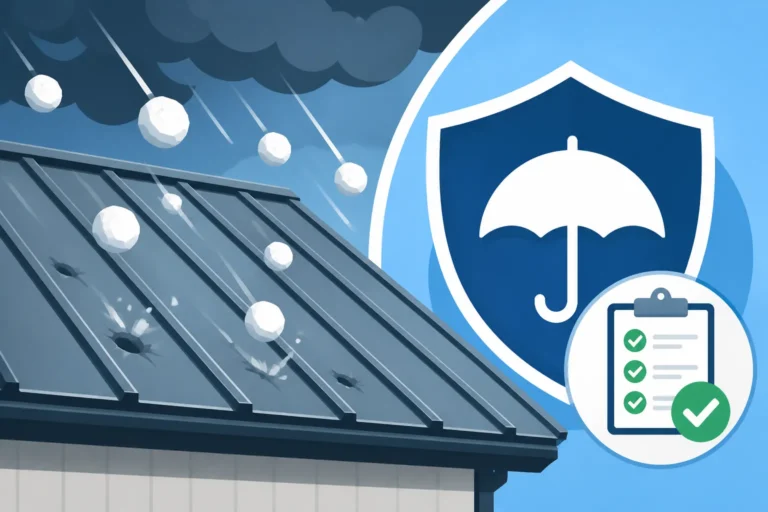
Firstly, their superior durability is key. Metal roofs are designed to withstand extreme weather conditions far better than asphalt shingles. Think about hail: a common culprit for roof damage claims. Many metal roofs, especially stone-coated steel or thicker gauge standing seam panels, are rated Class 4 for impact resistance, meaning they can resist significant hail damage that would completely decimate a shingle roof. This robustness directly translates to fewer costly repairs and claims for the insurance provider. If you're wondering about the overall investment, our comprehensive guide on Metal Roof Cost: Complete 2026 Guide can offer more insights into the initial expenditure versus long-term value.
Secondly, fire resistance is another major advantage. Metal is non-combustible, giving metal roofs an excellent Class A fire rating. This is a huge deal, especially in areas prone to wildfires or even just reducing the risk of fire from stray embers or fireworks. Insurance companies view this as a significant reduction in a catastrophic risk, which can lead to notable premium reductions.
Thirdly, metal roofs offer exceptional wind resistance. When properly installed, with robust fastening systems, metal panels can withstand incredibly high wind speeds, often exceeding 140-160 mph, depending on the specific profile and installation method. This makes them a prime choice in hurricane-prone regions or areas known for strong storms. A shingle roof can start losing shingles in winds as low as 60-70 mph, leading to immediate exposure and water damage. The ability of a metal roof to stay put during a severe storm reduces the likelihood of wind damage claims, which are historically very expensive for insurers. We detail these benefits in depth in our article on Metal Roof Wind and Fire Ratings Explained.
Factors That Can Influence Your Savings
While the general trend is towards lower premiums, it's not a universal guarantee. Several factors can influence the exact amount you save, or in rare cases, even prevent a reduction.
Your geographic location plays a huge role. If you live in a state like Florida, Texas, or Colorado, where severe weather (hurricanes, hail, high winds) is common, the benefits of a metal roof are more pronounced, and insurance companies are more eager to offer discounts. These regions see a high volume of roof-related claims, so any feature that mitigates that risk is highly valued. Conversely, in a milder climate with less extreme weather, the insurance savings might be less dramatic simply because the baseline risk for any roof type is lower.
The specific type of metal roof you choose also matters. A high-end standing seam metal roof, known for its concealed fasteners and superior weather resistance, might qualify for greater discounts than a basic corrugated metal panel roof. Materials like aluminum or zinc, which are naturally more resistant to corrosion and salt air, might garner better rates in coastal areas. It's crucial to understand the nuances of different types of metal roofing when making your selection.
Lastly, the quality of installation and the installer's certification are vital. Insurance companies trust roofs installed by reputable, certified contractors who follow manufacturer guidelines and local building codes. A shoddy installation, even of a premium product, can undermine its protective qualities and lead to claims, negating any potential savings. This is why learning How to Hire a Metal Roofing Contractor is paramount. Some insurers might require a certified installer for you to be eligible for certain discounts, especially for high-wind or impact-resistant certifications.
Understanding Insurance Discounts and Eligibility
The process of getting those sweet insurance discounts often feels like navigating a maze. But with a metal roof, you’ve already laid a strong foundation. The key is knowing what discounts to ask for and how to provide the necessary proof.
Key Discounts to Look For
When you call your insurance provider, don't just ask, "Will my premium go down?" Ask specifically about discounts related to the features of your new metal roof.
The most sought-after discount for many metal homeowners is the Class 4 Impact-Resistant Roof Insurance Discount. This discount is available for roofs that have passed rigorous testing to withstand impacts from hail, often simulating hail up to 2 inches in diameter without sustaining damage that would lead to leaks. Most quality metal roofs, particularly stone-coated steel or heavier gauge standing seam, achieve this rating. This can lead to substantial savings, sometimes 20-30% or more on the roof portion of your premium, especially in hail-prone areas.
Next up is the Wind Mitigation discount. This is huge, particularly in hurricane and severe storm zones. It's not just about the roof itself, but also how it's attached to your home's structure. Metal roofs, with their strong fastening systems, inherently contribute to better wind resistance. A formal wind mitigation inspection will assess features like your roof-to-wall attachment, roof deck attachment, and secondary water resistance. Even if your metal roof isn't specifically designed for extreme winds, its overall construction will likely improve your home's wind resistance profile, potentially earning you this valuable discount. Our article on Metal Roof Insurance Savings & Discounts delves deeper into these financial advantages.
Finally, don't forget the Fire Resistance discount. As mentioned, metal roofs are non-combustible and often carry a Class A fire rating, the highest possible. If you live in an area with a high risk of wildfires, or even just in a densely populated neighborhood, this can be a significant factor for insurers, as it reduces the spread of fire from external sources.
How to Prove Your Metal Roof's Worth
Getting these discounts isn't just about having the roof; it's about proving to your insurance company that you have it and that it meets their specific criteria.
Documentation is paramount. When your contractor installs your metal roof, make sure you receive all relevant documentation. This includes:
- Manufacturer specifications: These documents will detail the specific metal type, gauge, coating, and crucially, any ratings for fire, wind, and impact resistance (e.g., UL 2218 Class 4 rating for impact).
- Proof of purchase and installation invoice: This verifies that the roof was professionally installed and typically includes details about the materials used.
- Warranty information: A robust manufacturer warranty and a contractor's workmanship warranty can also indirectly signal quality to an insurer. Knowing about Metal Roof Warranties: Workmanship vs Manufacturer can guide you in securing these vital documents.
Inspections are often required. For wind mitigation and impact resistance discounts, your insurer will likely require a specialized inspection. This is usually performed by a certified home inspector or a licensed roofing professional. They will examine the roof installation, fasteners, underlayment, and other structural components to verify compliance with the standards required for discounts. For example, a Wind Mitigation Inspection for Metal Roofs report is specifically designed to identify and document features that reduce wind damage, directly influencing your premium.
Certifications matter. If your contractor is certified by a specific metal roofing manufacturer (like standing seam specialists) or if the product itself carries specific industry certifications (e.g., Florida Product Approval, Miami-Dade NOA for high-velocity hurricane zones), these can be crucial pieces of evidence. Ensure your contractor provides these.
It’s your responsibility to inform your insurance company about your new metal roof and to provide them with the necessary documentation. Don't assume they'll automatically know. A proactive approach can help you unlock those savings faster.
Potential Scenarios Where Premiums Might Not Drop (or Even Increase)
While the general trend points to premium reductions with a metal roof, it's essential to be realistic. There are a few scenarios where your premiums might not decrease as much as you hoped, or in rare cases, could even see a slight increase. This isn't a reflection on the quality of your metal roof, but rather other underwriting considerations.
Older Homes and Structural Considerations
Sometimes, older homes present unique challenges that can temper insurance savings. If your home has an older, less robust framing or roof decking structure, installing a heavier metal roof (though most metal roofs are lighter than asphalt shingles, some styles can add weight) might require structural reinforcement. While modern metal roofing is often much lighter than multiple layers of shingles or tile, your insurer might factor in the overall age and integrity of the home's original construction.
For example, if the initial roof decking is found to be inadequate during the Metal Roof Installation Process: Step by Step, additional work might be needed to bring it up to code for a new metal roof. While this ensures a safer, more durable roof, the insurer might view it as an overall increase in the "quality" or "value" of the home's components, which could slightly adjust the baseline premium. However, this is more of an indirect effect, and the benefits of the metal roof itself usually outweigh these minor considerations. In most cases, the structural integrity improvements would be seen as a positive, reducing overall risk.
The Cost vs. Coverage Calculation
Another less common, but possible, scenario involves the overall replacement value of your home. A metal roof is a significant upgrade, often seen as a premium feature that increases your home's resale value and the cost to rebuild it. If your home's "dwelling coverage" (Coverage A) on your policy is tied directly to the estimated replacement cost, then a substantial upgrade like a metal roof could lead to a slight increase in that coverage amount.
For instance, if you replaced a basic 3-tab shingle roof with an exquisite copper roof, the cost difference is immense. While the copper roof offers superior durability and longevity, its sheer replacement value is much higher. Your insurer might adjust your dwelling coverage to reflect this new, higher cost to rebuild your home with that specific type of roof. This adjustment could, in turn, lead to a slight increase in the overall premium. However, it's crucial to remember that this isn't due to the metal roof being "more risky," but rather because the value of the asset being insured has increased. The reduction in risk due to the metal roof's inherent qualities (fire, wind, impact resistance) will still likely lead to significant discounts that often offset, or more than offset, this increase in dwelling coverage value.
It's a balance: the higher replacement cost of a premium metal roof might slightly elevate your dwelling coverage, but the numerous risk-mitigating factors typically provide discounts that bring your overall premium down. It's always a good idea to discuss these nuances with your insurance agent, providing them with the actual cost of your new metal roof to get the most accurate assessment.
Navigating the Insurance Process and Maximizing Your Savings
Getting a metal roof is a smart move for your home's longevity and protection. But to truly maximize the financial benefits, especially on your insurance premiums, you need to be proactive and informed when dealing with your insurance company.
Getting Multiple Quotes and Asking the Right Questions
This is arguably one of the most crucial steps. Don't just stick with your current insurer without exploring your options. Different insurance companies have varying underwriting guidelines, discount structures, and risk assessments for metal roofs. What one company offers in terms of savings, another might exceed or fall short of.
When you contact insurers, whether your current one or new prospective providers, here are some specific questions to ask:
- "What discounts do you offer for Class 4 impact-resistant roofing materials?"
- "Do you provide wind mitigation credits for metal roofs, and what documentation or inspection is required?"
- "Are there any specific fire rating discounts for non-combustible roofs like metal?"
- "Will the installation of a metal roof trigger a re-evaluation of my home's dwelling coverage, and if so, how might that impact my overall premium?"
- "What specific documentation from my contractor or manufacturer do you need to process these discounts?"
- "Does the installer need to be manufacturer-certified for these discounts to apply?"
Being armed with these questions will not only help you get accurate quotes but also demonstrate that you're an informed homeowner, which can sometimes even lead to better service. Consider getting at least three different quotes to compare not just premiums, but also coverage details and available discounts. You might find a company that specializes in insuring homes with advanced roofing systems.
Here’s a simplified comparison table of how different roof types might impact insurance premiums:
| Roof Type | Durability / Lifespan | Fire Rating | Wind Resistance | Hail/Impact Rating | Typical Insurance Premium Impact |
|---|---|---|---|---|---|
| Metal (Standing Seam) | Excellent (40-70+ years) | Class A | Excellent | Class 4 (often) | Significant Decrease |
| Metal (Stone-Coated) | Excellent (30-50 years) | Class A | Excellent | Class 4 (often) | Significant Decrease |
| Asphalt Shingles | Good (15-30 years) | Class A | Moderate | Class 1-3 (usually) | Standard / Moderate Decrease (if new) |
| Clay/Concrete Tile | Very Good (50-100 years) | Class A | Good | Moderate | Moderate Decrease |
| Wood Shake/Shingle | Fair (20-40 years) | Class C/D | Moderate | Low | Standard / Potential Increase |
Note: This table provides general guidance. Actual impacts vary based on specific product, installation, location, and insurer.
Maintaining Your Roof for Continued Benefits
Once your beautiful new metal roof is installed and you're enjoying those lower premiums, don't just forget about it! Regular maintenance isn't just good for the longevity of your roof, it can also ensure you continue to reap those insurance benefits.
While metal roofs are famously low-maintenance, they're not entirely maintenance-free. Simple tasks like keeping gutters clear, inspecting for any loose fasteners after severe storms, and promptly addressing any minor issues can prevent small problems from becoming large, costly claims. A well-maintained roof is less likely to suffer unexpected damage, which in turn keeps your claims history clean. A good guide to follow is our Metal Roof Maintenance Guide.
Some insurance policies might even have clauses about maintaining the integrity of your roof to retain certain discounts. By demonstrating that you are actively caring for your metal roof, you reinforce your home as a lower risk to your insurer, helping to lock in those savings for years to come. Remember, the goal is not just to get the discount, but to keep it by preserving the excellent condition and protective qualities of your metal roof.
Ultimately, a metal roof is an investment that typically pays dividends, not only in terms of durability and lifespan but also in reduced ongoing costs like insurance premiums. With a little diligent research and proactive communication, you can ensure your metal roof provides you with the peace of mind and financial savings you deserve.
Disclaimer
Please note that this information is intended for general guidance and informational purposes only. Insurance policies and their associated discounts can vary significantly based on your specific location, insurance provider, the exact specifications of your metal roof, and individual underwriting criteria. Always consult directly with your insurance agent or company to understand your specific coverage options, eligibility for discounts, and how a metal roof will impact your personal home insurance premiums. Building codes and regulations also vary by jurisdiction and can affect insurance considerations.