What Is Secondary Water Resistance for Roofs?
There’s nothing quite as gut-wrenching as discovering a leak in your roof, especially after a heavy storm or a long, snowy winter. You've invested good money in your roof, whether it's sturdy metal or traditional shingles, and you expect it to keep your home dry and safe. But what happens when the primary roofing material, that first line of defense, gets compromised? That's where the unsung hero, secondary water resistance, steps in. This guide will walk you through what secondary water resistance is, why it's absolutely crucial for protecting your home, and how it works to give you peace of mind.
Understanding Primary vs. Secondary Water Resistance
When we talk about your roof, it's easy to just think about the visible layer – the shingles, tiles, or metal panels. That's your primary water resistance. But just like a good football team needs a strong defense and a backup plan, your roof needs more than just what meets the eye.
The Role of Primary Water Resistance
Your primary roofing material, be it a sleek standing seam metal roof or classic asphalt shingles, is designed to shed water efficiently. Its main job is to prevent rain, snow, and ice from even touching the underlying structure of your home. It’s laid out in a specific pattern, often overlapping, to guide water down and off your roof into the gutters. This system works incredibly well under normal conditions, creating a barrier against the elements.
However, no primary roofing system is completely impenetrable forever. Wind-driven rain can get forced under seams or shingles. Hailstorms can cause dents or cracks. Old age can lead to fasteners loosening or materials degrading. Even a tiny pinhole leak, if it goes unnoticed, can lead to significant damage over time. Think of it like a raincoat; it keeps most of the water out, but if you're caught in a hurricane, some moisture might still seep through, or a strong gust could flip up a flap, exposing you to the downpour.
Why Secondary Water Resistance Matters So Much
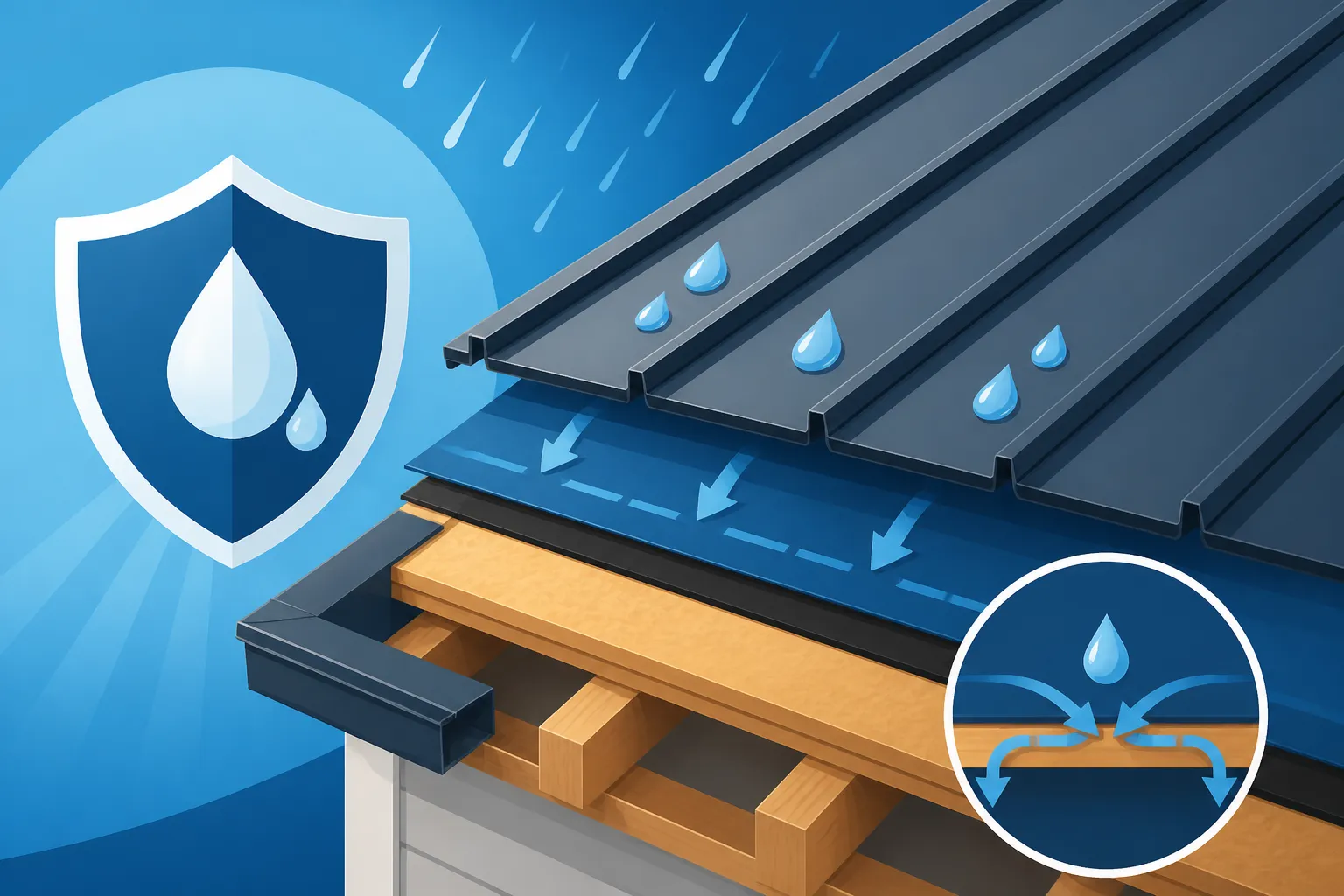
Secondary water resistance (SWR), often referred to as your roof’s "backup plan," is a crucial layer installed underneath your primary roofing material, directly on the roof deck. Its purpose is to catch any water that manages to bypass the primary roofing system before it can reach your home's interior, attic, or structural components. In essence, it acts as a last line of defense against leaks. This layer is particularly vital for metal roofs, which, despite their durability, can still experience water intrusion at seams, fasteners, or penetrations (like skylights or vents) during extreme weather events.
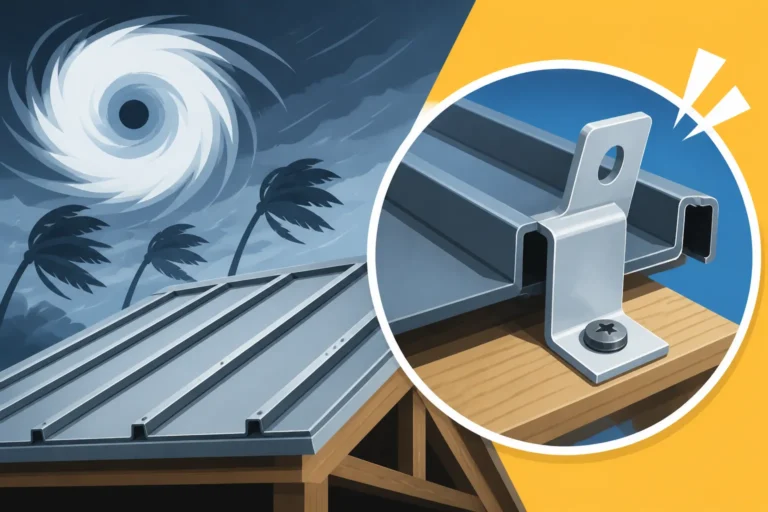
Without SWR, any small breach in your metal panels or compromised flashing around a chimney could allow water directly onto your roof sheathing, leading to rot, mold, mildew, and costly interior damage. In hurricane-prone regions like Florida, for instance, a robust SWR system is not just recommended, it's often a mandatory requirement under strict building codes, providing critical protection when the primary roof might sustain damage from high winds or flying debris. Understanding the nuances of Florida metal roof codes can save homeowners significant headaches and expense.
Common Types of Secondary Water Resistance Systems
There isn't a one-size-fits-all solution for secondary water resistance. Various materials and methods are employed, each with its own advantages, designed to meet different needs and budgets.
Self-Adhering Membranes Ice and Water Shield
One of the most effective and widely used secondary water resistance systems is the self-adhering membrane, commonly known as "ice and water shield." This product is a sticky, rubberized asphalt membrane with a peel-and-stick backing. It's designed to be completely waterproof and, crucially, self-sealing around fasteners. When a nail or screw penetrates it, the rubberized asphalt flows around the shank, creating a watertight seal that prevents water from seeping through the fastener holes. This is particularly important in areas prone to ice dams, where melting snow refreezes at the eaves, backing up water under the primary roofing material.
These membranes are typically installed along the eaves, rake edges, valleys, and around roof penetrations like skylights, chimneys, and vent pipes – essentially, all the most vulnerable spots on your roof. In regions with harsh winters, a proper ice and water shield installation can be the difference between a dry home and significant water damage from ice dams. While it's a more expensive material than traditional felt paper, its superior performance and self-sealing properties make it an invaluable investment for critical areas, especially with a long-lasting roof like metal.
Synthetic Underlayments
Beyond the specialized ice and water shield, synthetic underlayments represent a significant upgrade from the old asphalt-saturated felt paper. These are woven polypropylene or polyester fabrics, often coated, that are much more durable, tear-resistant, and moisture-resistant than felt. They act as a protective layer, allowing some vapor to escape from the attic while still preventing bulk water from penetrating the roof deck.
Synthetic underlayments like those from brands such as RhinoRoof or Titanium are lighter, easier to install, and can withstand exposure to UV rays for longer periods during installation, which is a huge plus when the roofing process takes a few days or weeks. While not self-sealing around fasteners in the same way an ice and water shield is, their robust water resistance still offers excellent backup protection across the entire roof deck. This forms a vital component of the overall metal roof underlayment system, ensuring comprehensive protection against moisture.
Deck Sealants and Sealant Strips
In some metal roofing systems, especially standing seam panels, additional sealants or sealant strips are used as part of the secondary water resistance strategy. These might include butyl or silicone sealants applied at panel laps, seams, or around custom flashing components. For instance, a continuous bead of sealant might be run along the roof deck where panels meet, or specialized tapes might be applied to ensure a completely sealed deck.
While not a full-coverage underlayment like membranes or synthetics, these sealants play a critical role in creating a watertight envelope, especially in low-slope applications or areas where wind-driven rain is a constant threat. They are often used in conjunction with a full underlayment system, providing extra reinforcement at points of potential vulnerability.
How Secondary Water Resistance Protects Your Home
The benefits of a robust secondary water resistance system extend far beyond simply catching leaks. It’s an investment in your home’s structural integrity, indoor air quality, and overall value.
Preventing Leaks from Storm Damage
Let’s face it, Mother Nature can be unpredictable. A severe hailstorm can dent even the toughest metal panels, potentially compromising the integrity of seams or coatings. High winds can lift or peel back sections of roofing, allowing torrential rain to pour in. In a scenario where your primary metal roof suffers damage during a hurricane – maybe a tree branch falls, or extreme uplift causes a panel to loosen – the SWR layer is your home’s last line of defense. It prevents that water from reaching your attic and living spaces, giving you precious time to assess the damage and arrange for metal roof leak repair.
This isn't just about minor drips; it's about preventing catastrophic interior damage that could affect insulation, drywall, electrical systems, and personal belongings. Many insurance policies actually offer discounts for homes with superior roof protection, recognizing the reduced risk of claims from major storm events. Knowing your home has this added layer of protection can be a huge comfort during severe weather.
Mitigating Condensation and Moisture Issues
It’s not just external water we need to worry about. Condensation can be a silent enemy, especially in climates with significant temperature swings. Warm, moist air from inside your home can rise into the attic. If it meets a cold roof deck, that moisture can condense, leading to water droplets forming and dripping down. Over time, this can cause the same kind of damage as a leak: mold growth, wood rot, and compromised insulation.
A high-quality synthetic underlayment or ice and water shield can act as a vapor barrier or a breathable membrane, depending on its specific design. Breathable synthetics allow moisture vapor from the attic to escape, preventing condensation buildup, while still preventing liquid water intrusion from above. This dual function is critical for maintaining healthy indoor air quality and preventing long-term structural issues that often go unnoticed until it's too late. When considering a metal roof underlayment and ventilation guide, the SWR component plays a significant role in managing internal moisture.
Enhancing Overall Roof System Longevity
Think of secondary water resistance as an extension of your roof’s lifespan. By protecting the underlying roof deck from moisture, you're preserving the very foundation upon which your metal roof sits. A dry, stable roof deck means your fasteners have a solid substrate to hold onto, reducing the likelihood of uplift or panel detachment. It also prevents the decay of sheathing, which can lead to costly structural repairs down the road.
A metal roof itself is known for its incredible durability, often lasting 40-70 years. But its longevity is inextricably linked to the integrity of the layers beneath it. By installing a robust SWR system during the metal roof installation process, you're not just safeguarding against immediate leaks; you're ensuring that the entire roof system, from the deck up, can perform optimally for decades to come. This greatly contributes to the overall metal roof lifespan and its long-term value.
Key Considerations for Metal Roofs and SWR
When you’re thinking about a metal roof, the secondary water resistance system isn't an afterthought – it's an integral part of the planning and installation process.
Compatibility with Metal Roofing Materials
It's crucial to select SWR materials that are compatible with your chosen metal roofing. For instance, some self-adhering membranes contain asphalt, which can interact poorly with certain types of metal, especially copper or zinc, potentially leading to corrosion. This interaction is usually due to chemical reactions or galvanic corrosion, where dissimilar metals or materials cause an electrochemical reaction when moisture is present. Always check the manufacturer's specifications for both your metal panels and the underlayment to ensure they are designed to work together without adverse effects.
For most steel and aluminum metal roofs, a high-quality synthetic underlayment or a non-asphaltic self-adhering membrane is generally suitable. However, for specialized metals, you might need specific types of SWR to avoid voiding warranties or causing premature degradation of your expensive roofing material. This attention to detail is part of ensuring your roof lives up to its expected lifespan.
Installation Best Practices
The performance of any secondary water resistance system relies heavily on proper installation. Even the best materials won't protect your home if they're not installed correctly. This means ensuring a clean, dry roof deck before application, proper overlapping of underlayment layers, and meticulous sealing around all penetrations and edges. For self-adhering membranes, this involves firm rolling to ensure complete adhesion and no air pockets. For synthetic underlayments, it means adhering to the manufacturer's nailing patterns and overlap requirements.
Working with experienced professionals who understand the nuances of metal roof installation is paramount. They will know the local building codes, manufacturer-specific requirements, and best practices for installing SWR effectively. Skipping steps or cutting corners during underlayment installation can compromise the entire roofing system, negating the benefits of your investment.
Impact on Warranties and Insurance
A properly installed SWR system can have a significant impact on both your roof's warranty and your homeowners insurance premiums. Many metal roofing manufacturers specify the type and installation method of underlayment required to maintain their material warranty. Failing to meet these requirements could void your warranty, leaving you unprotected if an issue arises.
Furthermore, a robust SWR system often qualifies your home for insurance discounts, particularly in regions prone to high winds, hurricanes, or heavy snow. Insurers recognize that a roof with secondary water resistance is less likely to sustain severe damage or lead to extensive interior claims. For example, homes with certified "FORTIFIED Roof" status, which includes enhanced SWR, often see considerable savings. It’s worth asking your insurance provider about potential metal roof insurance savings and discounts related to superior underlayment and SWR.
A wind mitigation inspection, common in coastal states, specifically looks for features like SWR to determine eligibility for discounts. Always keep detailed records of your SWR products and installation, as these documents can be crucial for insurance claims or warranty validation down the line.
Here's a quick look at common SWR options:
| SWR Type | Primary Material | Self-Sealing? | Typical Application | Cost (Relative) | Key Benefit |
|---|---|---|---|---|---|
| Self-Adhering Membrane | Rubberized asphalt | Yes | Eaves, valleys, penetrations | Higher | Superior watertight seal, prevents ice dams |
| Synthetic Underlayment | Polypropylene/Polyester | No (mostly) | Full deck coverage | Moderate | High tear resistance, moisture barrier, breathable |
| Sealant Strips/Caulking | Butyl, Silicone | Varies | Seams, flashing joints | Lower | Fills gaps, reinforces vulnerable points |
In conclusion, secondary water resistance is more than just an extra layer; it's a critical component of a resilient, long-lasting metal roof. It safeguards your home against the unexpected, extends the life of your roof, and can even save you money on insurance. When you're planning your metal roofing project, make sure to discuss SWR options thoroughly with your contractor and understand the protections it offers. It's truly a small investment for massive peace of mind.
Disclaimer
Please remember that the information provided in this article is for general guidance and informational purposes only. Building codes, regulations, and best practices for roofing and secondary water resistance can vary significantly by location and change over time. Always consult with a qualified, licensed roofing professional and your local building authorities to ensure compliance with all applicable codes and to get advice tailored to your specific situation and property.