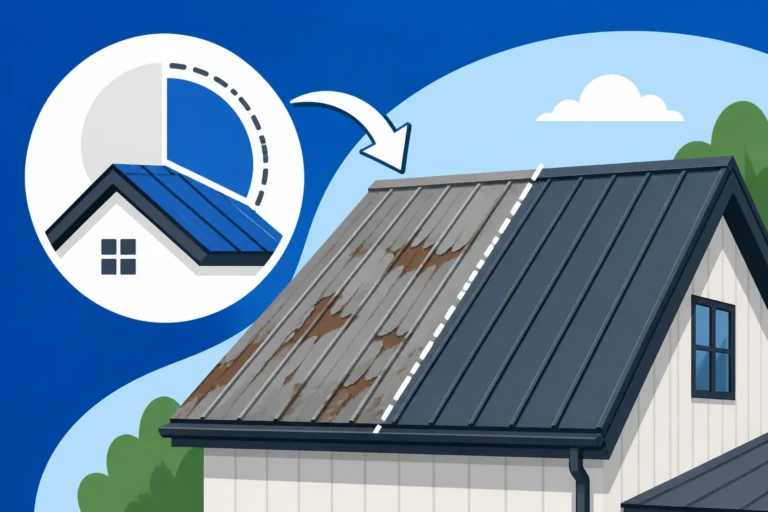
Insurance Companies That Discount Metal Roofs
Deciding to invest in a metal roof for your home is a big step, and often, homeowners wonder if that significant upfront cost will ever pay off, especially when it comes to their monthly expenses. One of the biggest questions I hear is whether a metal roof will actually lower insurance premiums. It's a valid concern, because let's be honest, we're all looking for ways to save money without sacrificing quality, especially on something as crucial as our roof and its insurance coverage.
Understanding Why Metal Roofs Earn Insurance Discounts
It’s not just wishful thinking; there’s a solid, practical reason why many insurance companies look favorably upon homes protected by a metal roof. Insurers are all about risk assessment. The less likely your home is to suffer damage from common perils like hail, high winds, or fire, the lower your risk profile becomes. A lower risk profile often translates directly into more attractive insurance rates. It’s a win-win: you get a durable, long-lasting roof, and potentially, some relief on your wallet.
Superior Durability and Longevity
Think about the average asphalt shingle roof. It’s designed to last maybe 15-20 years, and that's often in ideal conditions. Extreme weather, prolonged sun exposure, or even just heavy foot traffic can significantly shorten that lifespan. Metal roofs, on the other hand, are engineered for the long haul. We're talking 40-70 years, sometimes even longer, depending on the material and installation. This extended lifespan means fewer replacements, less waste, and ultimately, less risk for your insurance provider over many decades.
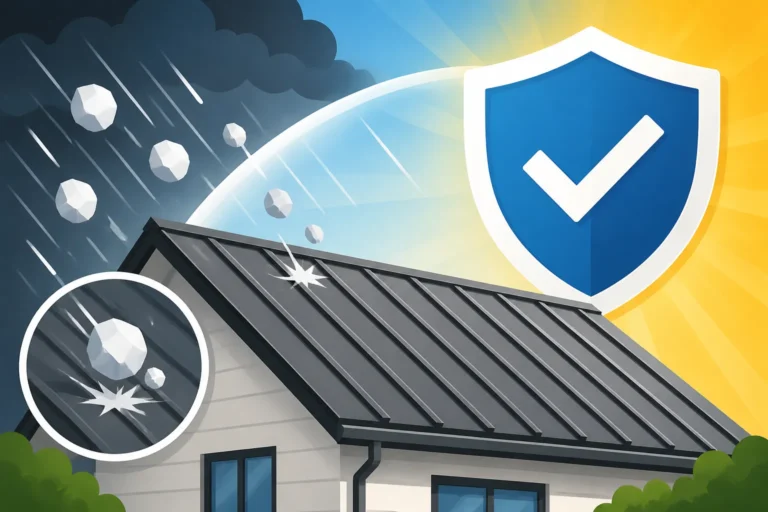
Consider a fierce hailstorm, like the ones that regularly pummel parts of Texas or Oklahoma. A conventional asphalt shingle roof can be shredded, leading to immediate leaks and costly repairs. A robust metal roof, however, is far more resistant. While extremely large hail can still cause cosmetic dents, the structural integrity of a metal roof is far less likely to be compromised, meaning your home stays protected, and your insurer isn't facing a total roof replacement claim every few years. This inherent toughness is a huge selling point for both homeowners and the companies that insure them.
Enhanced Protection Against Specific Perils
Metal roofs aren't just generally tough; they offer specific, measurable advantages against the very hazards that keep insurance actuaries up at night. This isn't just marketing speak; these are features that have been tested and often rated by independent organizations.
When it comes to wind, metal roofs are designed to withstand incredibly high speeds. Many systems, particularly standing seam metal roofs, can endure gusts of 140 mph or more, often equivalent to a Category 4 hurricane. Unlike shingles that can peel, lift, and scatter in powerful winds, metal panels are securely fastened, either with exposed fasteners or, in the case of standing seam, with clips hidden beneath the panels. This drastically reduces the chance of catastrophic roof failure during severe weather events. In regions prone to hurricanes, like Florida, this is a monumental advantage. Understanding your specific needs and how different metal roofing types perform can be helpful when considering a new roof. For a deeper dive into how well these roofs stand up, you might want to read our guide on Metal Roof Wind and Fire Ratings Explained.
Then there's hail. We touched on it briefly, but it's worth expanding. Many metal roofing systems carry a Class 4 impact resistance rating, the highest available from organizations like UL (Underwriters Laboratories). This rating means the roof can withstand the impact of a 2-inch steel ball dropped from 20 feet without cracking or puncturing. While severe hail can still cause cosmetic dents on some metal profiles, the roof's primary function—keeping water out—remains intact. This is a huge differentiator from asphalt, which often gets compromised after even moderate hail. The ability to resist hail damage directly translates to fewer claims, which insurers love. You can learn more about how this impacts your policy by checking out our article on Class 4 Impact-Resistant Roof Insurance Discount.
Finally, fire. Metal is non-combustible. It won't ignite from flying embers during a wildfire, or from a stray spark from a chimney. This is a critical advantage, especially for homes in areas prone to wildfires. Most metal roofs achieve a Class A fire rating, which is the highest possible. This means the roof material itself will not contribute to the spread of a fire. For insurance companies, this dramatically lowers the risk of total loss due to fire, making a metal roof a very attractive proposition for underwriting.
The Role of Building Codes and Certifications
It's not enough for a roof to be tough; it also needs to prove it. This is where building codes and certifications come into play. These are the objective standards that insurance companies rely on to quantify the risk reduction offered by a metal roof.
Every state and often every municipality has its own set of building codes that dictate how roofs must be constructed, especially in regions susceptible to natural disasters. For example, in Florida, the Florida Building Code (FBC) has some of the most stringent requirements in the nation, especially for homes in High-Velocity Hurricane Zones (HVHZ). A metal roof that meets or exceeds these codes, often evidenced by specific product approvals or Miami-Dade NOAs (Notice of Acceptance), signals to insurers that the roof is built to withstand extreme conditions. This compliance isn't just about legality; it's about proven resilience, which directly impacts your insurance premium. You can dive deeper into these specific requirements with our guide on Florida Metal Roof Codes: FBC, HVHZ & Approvals.
Beyond basic code compliance, various certifications exist. We already mentioned the UL Class 4 impact resistance rating for hail. There's also ASTM International standards for wind uplift resistance, and FM Approvals (Factory Mutual) which sets rigorous standards for property loss prevention. When a metal roof system carries these certifications, it’s not just a claim; it’s a verified performance standard. Insurance providers actively look for these certifications because they provide a clear, independent validation of the roof’s protective qualities. A certified installation by a qualified contractor also plays a role in upholding these standards.
Major Insurance Carriers and Their Stance on Metal Roofs
The good news is that many of the big names in the insurance world recognize the benefits of metal roofs and offer discounts. However, it's not a one-size-fits-all situation, and the exact savings can vary widely based on your location, the specific policy, and even the type of metal roof you install. It always pays to do your homework and ask direct questions.
National Providers with Known Metal Roof Incentives
While policies can change and vary by state, several major national insurance carriers are generally known for offering some form of discount or preferential rate for homes with metal roofs. These companies understand the actuarial data that supports the superior performance of metal roofing.
- State Farm: Often provides discounts for impact-resistant roofing, including metal. Their emphasis is frequently on structures that can withstand high winds and hail, making metal roofs a good fit. They also tend to favor homes with updated building materials that reduce overall risk.
- Allstate: Similar to State Farm, Allstate frequently offers credits for roofs with certain wind and hail ratings. They promote what they call "fortified homes," and a well-installed metal roof often aligns with those standards.
- Farmers Insurance: Known for offering discounts on impact-resistant roofs. Farmers often look at the specific materials and their resilience to local weather perils when calculating premiums.
- Liberty Mutual: This carrier also often has incentives for homeowners who install protective roofing materials, including metal, particularly those with high wind and hail ratings.
- Travelers: They typically offer various credits for protective devices and construction features, and a metal roof with its inherent durability often qualifies for these.
It's crucial to remember that these are general tendencies. The availability and percentage of discounts will depend on your specific policy, location, and the details of your metal roof installation. Always confirm directly with an agent. What might be a significant discount in a hail-prone state like Colorado might be different in a less storm-impacted area.
Regional and Local Insurers to Consider
Don't limit your search to just the national giants. Sometimes, regional and local insurance companies, or even specialized carriers, can offer some of the best deals for metal roof owners. They often have a deeper understanding of specific local weather patterns and building codes, allowing them to tailor policies and discounts more precisely.
For example, in coastal regions, particularly along the Gulf Coast or the Atlantic seaboard, you might find carriers that specialize in high-wind coverage. These companies are intimately familiar with the benefits of robust roofing materials like metal, which meet stringent hurricane-resistant building codes. Companies like Universal Property & Casualty or Citizens Property Insurance Corporation (Florida's state-backed insurer of last resort, which still offers wind mitigation credits) often have specific programs tied to fortified construction. Similarly, in wildfire-prone areas of California or the Pacific Northwest, local carriers might heavily discount for non-combustible roofing materials.
The key is to explore your options. A smaller local broker might have access to a wider range of specialized policies or regional underwriters who are more aggressive in offering metal roof discounts. They often have a more personal touch and can walk you through the nuances of local regulations and incentives. Don't be afraid to How Many Metal Roof Quotes Should You Get for your insurance as well, not just your roofing project!
How Policy Types and Coverage Affect Discounts
It's not just about having a metal roof; it's also about the kind of insurance policy you have and the specific coverage limits and deductibles you choose. These factors play a significant role in how much of a discount you can actually realize.
First, consider the type of coverage. Some policies differentiate between actual cash value (ACV) and replacement cost value (RCV). An ACV policy will pay out the depreciated value of your roof at the time of a claim, which means you'll likely receive less. An RCV policy, on the other hand, will cover the cost to replace your roof with new materials, up to your policy limits. While ACV policies might have lower premiums upfront, an RCV policy provides much better protection for a long-lasting asset like a metal roof. Discounts for metal roofs are generally more impactful on RCV policies because the insurer knows they're covering a high-value, durable asset.
Secondly, deductibles matter. A higher deductible means you pay more out-of-pocket before your insurance kicks in. While opting for a higher deductible can lower your premium, it might also lessen the impact of a metal roof discount. You need to find a balance between a manageable deductible and a premium that reflects your roof's protective qualities.
Finally, specific endorsements or riders can also influence your savings. For example, some policies might offer additional coverage for cosmetic damage to metal roofs from hail, while others might explicitly exclude it. If you choose to add such an endorsement, your premium might be slightly higher, but the underlying discount for the metal roof's general durability could still apply. Always review your policy's declarations page and speak with your agent to understand exactly what your metal roof savings entail.
Specific Discounts and Premium Reductions You Might Find
Knowing that discounts exist is one thing; understanding what kind of discounts and why they are offered for metal roofs is another. Insurance companies aren't just giving you a break out of generosity; they're responding to specific risk reductions that metal roofs provide.
Hail and Impact Resistance Discounts
This is one of the most common and often significant discounts available for metal roofs, especially in hail-prone regions across the country. As we discussed, many metal roofing materials achieve a UL 2218 Class 4 impact resistance rating. This is the highest rating for impact resistance and means the roof can withstand severe hail without puncturing.
Insurance companies are highly motivated to incentivize Class 4 rated roofs because hail damage is incredibly common and costly. In states like Colorado, Texas, or Kansas, where hailstorms are frequent, replacing an asphalt shingle roof after every major storm can cost insurers millions. By offering a discount, they encourage homeowners to install roofs that are less likely to lead to a claim. These discounts can be substantial, sometimes ranging from 10% to 30% off your comprehensive portion of your premium. It's a direct reflection of the reduced risk of damage and, consequently, reduced payouts for the insurance company. If you're considering a metal roof, make sure your contractor provides documentation of its Class 4 rating. For more details on this, our article on Metal Roof Hail Damage and Insurance Claims can be quite informative.
Wind Mitigation Credits and Hurricane Straps
For homeowners in hurricane-prone zones, wind mitigation credits are a game-changer. These credits are offered for features that make your home more resistant to high winds, and a properly installed metal roof is a prime candidate. Wind mitigation inspections, conducted by certified professionals, assess various aspects of your home's construction, including the roof's shape, decking attachment, and its connection to the walls.
Metal roofs, especially standing seam systems with hidden fasteners, offer superior wind uplift resistance compared to other roofing materials. When installed correctly, with appropriate underlayment and reinforced connections, they can significantly reduce the risk of your roof being peeled off during a hurricane. In states like Florida, having a metal roof, combined with features like hurricane clips or straps that secure the roof trusses to the walls, can lead to substantial discounts on the windstorm portion of your insurance premium. These savings can be significant, especially in coastal areas where windstorm coverage is a major component of your overall insurance cost. Don't underestimate the value of a wind mitigation inspection; it can literally save you thousands over the lifespan of your policy. You can learn more about these credits by reading our guide on Wind Mitigation and Roof Premium Credits.
Fire Resistance and Wildfire Zone Savings
The non-combustible nature of metal roofing is a massive advantage when it comes to fire safety, and insurance companies recognize this by offering fire resistance discounts, particularly in high-risk areas. As mentioned, most metal roofs achieve a Class A fire rating. This means the roof material itself will not catch fire or contribute to the spread of flames from external sources, such as embers from a wildfire or sparks from a nearby fire.
For homeowners living in areas designated as wildfire-prone zones, these discounts can be particularly impactful. Insurance companies in these regions are increasingly strict about requiring fire-resistant building materials. A metal roof can not only make your home safer but can also make it insurable where other homes might struggle to get coverage, or face prohibitively high premiums. Even outside of designated wildfire zones, the Class A fire rating is still a significant risk reducer for any home, leading to potential savings on the fire portion of your homeowner's insurance policy. It's another testament to the comprehensive protection a metal roof offers.
Here's a quick overview of potential discounts you might find based on different perils:
| Discount Type | Peril Addressed | Metal Roof Advantage | Typical Savings Range (Estimate) | Common Requirements |
|---|---|---|---|---|
| Impact Resistance Discount | Hail | Class 4 impact rating (highest) | 10% – 30% | UL 2218 Class 4 rating documentation |
| Wind Mitigation Credit | High Winds, Hurricanes | High wind uplift resistance (140+ mph), secure fastening | 5% – 25% (often higher in coastal zones) | Certified wind mitigation inspection, proper installation |
| Fire Resistance Discount | Wildfire, External Fires | Non-combustible, Class A fire rating | 5% – 15% | Class A fire rating documentation |
| Longevity/Durability Credit | General Wear & Tear | 40-70+ year lifespan, low maintenance | Varies (often integrated into base premium) | High-quality material, professional installation |
| "Fortified Home" Programs | Multiple Perils | Meets specific building standards for resilience | 15% – 35% | Specific certification from recognized program |
Note: Savings are estimates and can vary significantly by insurer, location, policy type, and specific roof system.
Navigating the Process of Claiming Your Discount
Getting a metal roof is a significant investment, and you'll want to make sure you reap all the financial benefits, including those elusive insurance discounts. The process isn't always automatic, and it often requires proactive steps on your part. Don't worry, it's usually straightforward, but a little preparation goes a long way.
Gathering Necessary Documentation
To claim your metal roof insurance discounts, proof is paramount. Your insurance company isn't just going to take your word for it. They need official documentation that verifies the specifications and protective qualities of your new roof.
First and foremost, you'll need all the paperwork from your roofing contractor. This includes the contract detailing the type of metal roof installed (e.g., standing seam, stone-coated steel), the material specifications (gauge, coating, brand), and crucially, any certifications related to its performance. For instance, if your roof has a Class 4 impact resistance rating, you'll need a document from the manufacturer or a certified lab (like UL or FM Approvals) that attests to this. Similarly, for wind resistance, manufacturer data sheets or engineering reports indicating the roof's wind uplift ratings are essential. Don't forget the invoice and proof of payment, as these confirm the project's completion and cost.
Secondly, if you're in a high-wind zone, a wind mitigation inspection report is non-negotiable. This report, typically conducted by a licensed inspector, details all the wind-resistant features of your home, including your roof. It's often specifically designed to provide the insurer with the information they need to apply wind credits. Make sure the report explicitly mentions your metal roof and its attachment methods. Having a comprehensive understanding of your Metal Roof Cost: Complete 2026 Guide can also help you discuss the value with your insurer.
The Importance of a Professional Inspection
While your contractor's documentation is critical, an independent, third-party inspection can often seal the deal when it comes to insurance discounts. This is particularly true for specialized assessments like wind mitigation inspections or roof certifications.
A wind mitigation inspection, as mentioned, is performed by a licensed inspector who evaluates specific features of your home that reduce the risk of damage during a hurricane or high-wind event. They look at roof geometry, roof deck attachment, roof-to-wall attachment (like hurricane straps), and the presence of a secondary water resistance layer. For metal roofs, they'll verify the panel type, gauge, and fastening methods, confirming that they meet relevant building codes and industry standards. This inspection report is directly submitted to your insurer and serves as objective proof for wind credits.
Similarly, a roof certification can sometimes be required by an insurer, especially if the home is older or there's any ambiguity about the roof's condition. This certification, typically from a licensed roofer or inspector, confirms the roof's current state, expected remaining lifespan, and adherence to structural requirements. While a new metal roof should easily pass, having this independent verification provides an added layer of assurance to your insurance provider, potentially unlocking additional longevity-based discounts. Remember, insurers are looking to minimize risk, and professional inspections provide the credible data they need to assess that risk accurately.
Communicating Effectively with Your Insurer
Once you have all your documentation in hand, it's time to talk to your insurance provider. This isn't just a quick phone call; it's a conversation where you advocate for your home and the investment you've made.
Start by contacting your current agent or the customer service department. Clearly state that you've installed a new metal roof and are looking to update your policy for potential discounts. Be prepared to provide the exact date of installation, the type of metal roof, and any specific ratings (like Class 4 impact resistance or Class A fire rating). Have all your contractor's paperwork, manufacturer certifications, and any inspection reports ready to email or upload.
Don't be afraid to ask direct questions. Inquire specifically about:
- "What discounts do you offer for Class 4 impact-resistant roofs?"
- "Are there any wind mitigation credits available for homes with metal roofs in my area?"
- "Do you offer discounts for Class A fire-rated roofing materials?"
- "What documentation do you require to apply these discounts?"
If your current insurer isn't offering what you expect, don't hesitate to shop around. Different companies have different appetites for risk and varying discount structures. This is where getting quotes from other carriers, especially those known to favor metal roofs, can be highly beneficial. Be ready to share all your information with new potential insurers. Comparing apples to apples is crucial; make sure you're comparing similar coverage limits and deductibles across different quotes. Think of it like comparing bids for the roofing job itself – you'd check out How to Read and Compare Metal Roof Quotes carefully, and it's no different for your insurance!
Factors That Can Influence or Limit Your Savings
While metal roofs offer clear advantages for insurance discounts, it’s important to have a realistic understanding of factors that might influence or even limit the savings you see. It's not always a straightforward reduction, and various elements can play a role.
Your Geographic Location and Local Risk Factors
Where your home is located dramatically impacts your insurance premiums and the types of discounts available. Insurance is highly localized, with rates and regulations varying significantly by state, county, and even zip code.
If you live in a region prone to specific natural disasters, such as hurricanes in Florida or Texas, wildfires in California, or severe hailstorms in the Midwest, a metal roof is likely to yield more substantial insurance discounts. Insurers in these high-risk areas are keenly aware of the protective qualities of metal roofing and are more eager to incentivize its installation. For example, in coastal Florida, specific wind mitigation credits are legislated and widely available, making a metal roof a particularly smart financial move. However, if your home is in a region with very mild weather and low exposure to severe perils, the insurance savings might be less pronounced because the inherent risk is already lower.
State-specific building codes also play a significant role. Some states mandate certain levels of wind or fire resistance for new construction or roof replacements, and a metal roof might simply meet these baseline requirements rather than exceeding them to a degree that triggers massive additional discounts. Always research the local building codes and insurance regulations specific to your area.
Age and Condition of Your Existing Roof
The starting point of your roofing project also influences the perceived value by insurers. If you're replacing an old, dilapidated asphalt shingle roof that was already on its last legs, the switch to metal will likely be seen as a huge upgrade, leading to more significant savings. This is because you're moving from a high-risk asset to a low-risk one.
However, if you're replacing a relatively new roof that was in good condition but perhaps just not as resilient as metal, the percentage of the discount might be less dramatic. Insurers assess the delta in risk. A massive improvement in resilience often leads to a larger discount. It's also important to consider if you're doing a full tear-off or installing the Metal Roof Over Shingles. While installing over existing shingles can be a cost-saving measure for the installation itself, some insurers might view a full tear-off and inspection of the decking as a more complete risk reduction, potentially influencing the discount. The overall Metal Roof Installation Process: Step by Step can play a part in how insurers view the quality and longevity of the investment.
Specific Policy Exclusions or Limitations
Even with a metal roof, certain policy exclusions or limitations can impact your overall coverage and how "beneficial" the discounts truly are. It's crucial to read the fine print of your policy and understand what is and isn't covered.
One of the most common limitations for metal roofs is the cosmetic damage exclusion. In hail-prone areas, some insurance policies now include an endorsement that excludes coverage for purely cosmetic dents or dings on metal roofs caused by hail. This means if your metal roof performs its function perfectly (i.e., doesn't leak) but has visible dents, the insurer might not cover the cost of replacing the panels just for aesthetic reasons. While your premium might still be lower due to the metal roof's superior functional resistance, this exclusion can be a significant point of frustration for homeowners who expect a pristine roof after a storm. Always ask your agent about cosmetic damage coverage for metal roofs.
Additionally, certain types of damage, such as those resulting from poor installation or lack of maintenance, are almost universally excluded. While metal roofs are low maintenance, they aren't no-maintenance. Neglecting issues can void portions of your warranty and, consequently, impact your insurance claims. Ensure you choose a reputable contractor and understand your Metal Roof Warranties: Workmanship vs Manufacturer.
Beyond Discounts: The Broader Financial Picture of a Metal Roof
While insurance discounts are a fantastic incentive, it’s essential to remember that they are just one piece of the puzzle. A metal roof offers a host of other financial benefits that contribute to its overall value proposition, far beyond the annual premium savings.
Long-Term ROI and Energy Efficiency
The return on investment (ROI) of a metal roof often extends far beyond direct insurance savings. One of the most significant factors is its unparalleled lifespan. A metal roof can easily last 40 to 70 years, sometimes even longer, which means you might never have to replace your roof again in your lifetime. Compare that to asphalt shingles, which typically need replacement every 15-20 years. Over a 50-year period, you could replace an asphalt roof two or three times, incurring significant costs each time, whereas a metal roof stands strong. This long-term durability significantly reduces your overall cost of ownership. For a complete picture, exploring the Metal Roof Lifespan: How Long Do They Last? can provide valuable insights.
Beyond longevity, energy efficiency is a major financial perk. Many metal roofs feature "cool roof" coatings that reflect solar radiant heat, rather than absorbing it. This means less heat is transferred into your attic and home, leading to lower air conditioning costs during hot summer months. In fact, studies show that cool metal roofs can reduce energy consumption for cooling by 10-25%. While these energy savings might not appear as a direct "discount" on your insurance bill, they are a tangible, ongoing reduction in your household expenses that contributes significantly to the long-term ROI of your metal roof. It's a prime example of how a higher upfront investment in a metal roof can pay dividends over decades. This is often a significant point in the Is a Metal Roof Worth It? ROI, Resale & Payback discussion.
Potential Impact on Home Resale Value
When it comes time to sell your home, a metal roof can be a powerful selling point and often contributes positively to its resale value. While the exact increase can vary based on your local market, many real estate professionals agree that a new metal roof is viewed as a significant asset.
Buyers are increasingly savvy about home improvements and appreciate features that offer long-term value and low maintenance. A metal roof signals to potential buyers that they won't have to worry about a costly roof replacement for decades. This peace of mind is invaluable, especially in competitive housing markets. The aesthetic appeal of modern metal roofing, available in a vast array of colors and profiles (from sleek standing seam to charming metal shingles), also enhances curb appeal, which can attract more buyers and potentially higher offers. You can explore this further in our article on How Much Does a Metal Roof Increase Home Value?
Furthermore, the energy efficiency and insurance benefits we've discussed are also attractive to potential buyers. A home with lower utility bills and potentially lower insurance premiums is more affordable to own in the long run. This tangible financial advantage can give your home an edge over comparable properties with less durable, less efficient roofing materials. While the upfront cost of a metal roof is higher than, say, an asphalt shingle roof, the combination of extended lifespan, energy savings, insurance discounts, and enhanced resale value makes it a smart financial choice over the life of your home. If you want to compare the upfront costs directly, our guide on Metal Roof vs Asphalt Shingle Cost might be useful.
Disclaimer
Please note that this content is intended for informational purposes only and does not constitute financial, insurance, or legal advice. Insurance policies, discounts, and eligibility requirements vary significantly by provider, location, and individual circumstances. Always consult directly with a licensed insurance professional to obtain accurate quotes, understand specific policy terms, and verify any potential discounts for your metal roof installation. Building codes and regulations are also subject to change and vary by jurisdiction.