Class 4 Impact-Resistant Roof Insurance Discount
In an age where rising home insurance premiums feel like a never-ending battle, especially with the increasing severity of weather events, finding ways to protect your home and your wallet is more critical than ever. One significant avenue many homeowners overlook is the potential savings offered by a Class 4 impact-resistant metal roof. This guide will walk you through exactly what a Class 4 rating means, how metal roofs achieve it, and how you can leverage this knowledge to secure substantial insurance discounts, saving you money while providing superior protection.
Understanding Class 4 Impact Resistance
The phrase "Class 4 impact-resistant" gets thrown around a lot when discussing roofing, and for good reason. It's the gold standard in terms of a roof's ability to withstand harsh impacts, primarily from hail. But what does it truly signify, and why is it such a game-changer for metal roofing? It's not just a marketing term; it represents rigorous testing and superior protection.
What is a Class 4 Rating?
A Class 4 rating isn't something a manufacturer just slaps on a product. It's earned through stringent testing protocols established by independent organizations. The most recognized standard for impact resistance is UL 2218, though you might also hear about ASTM D3161 or FM 4473. These tests simulate real-world hail impacts using steel balls dropped from specific heights onto roofing materials.
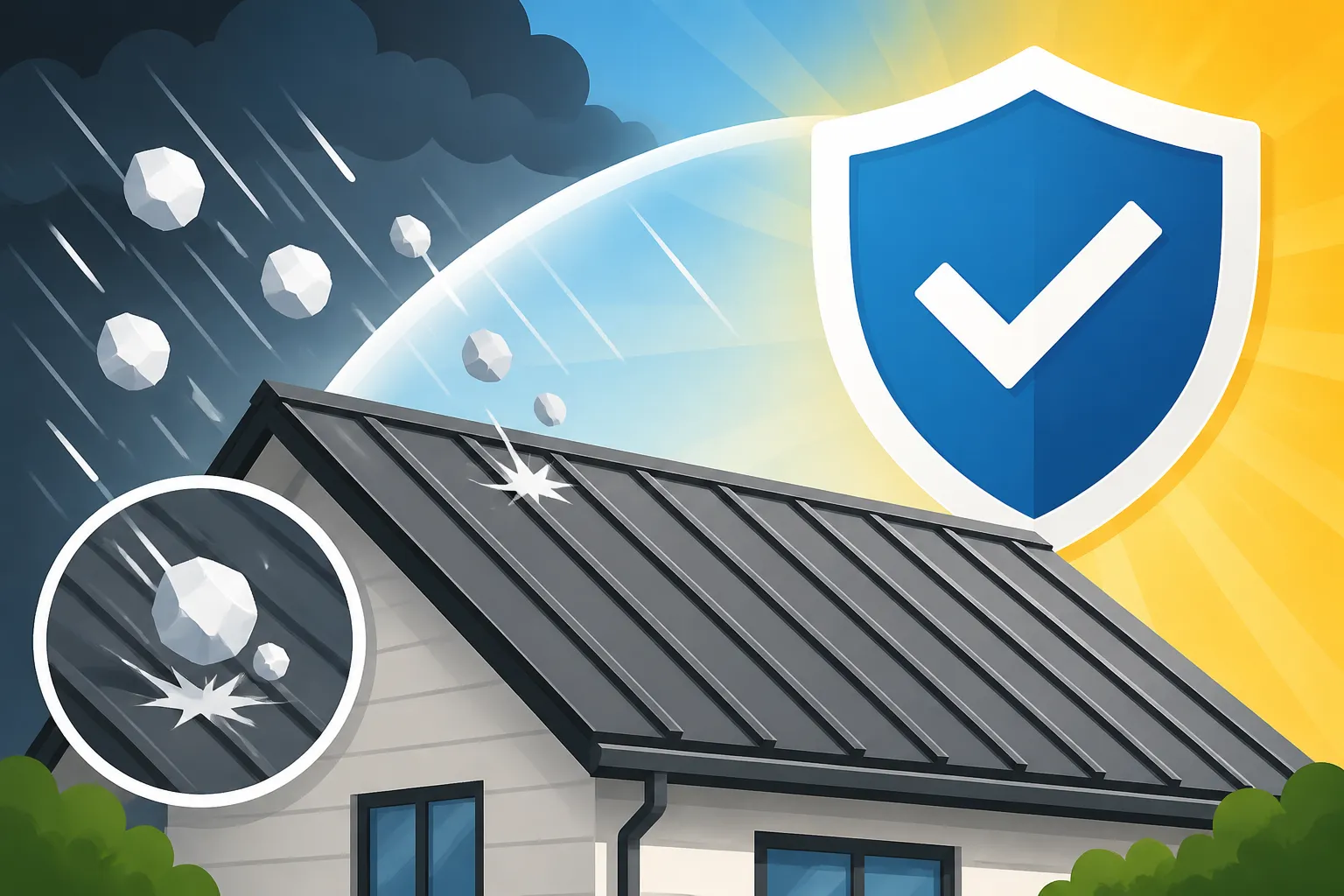
The UL 2218 test, for example, involves dropping steel balls of varying sizes from heights designed to mimic the kinetic energy of hail. To achieve a Class 4 rating, a roofing material must withstand two impacts from a 2-inch steel ball dropped from 20 feet, on the same spot, without fracturing, tearing, or cracking. Imagine a hailstone the size of a hen's egg smashing into your roof – a Class 4 rated roof is designed to shrug off that kind of punishment. This is a crucial distinction, as lower class ratings (Class 1, 2, or 3) are tested with smaller balls dropped from lesser heights, offering progressively less protection. For homeowners in areas prone to severe weather, like many parts of Texas, Colorado, or Oklahoma, understanding this rating is paramount to protecting their investment.
Why Metal Roofs Excel in Impact Resistance
When you think about a roof's ability to withstand impacts, metal might not be the first material that springs to mind for some, but it absolutely should be. Modern metal roofing systems, particularly those made from thicker gauges of steel or aluminum, are inherently designed to resist impact damage. Unlike brittle materials like asphalt shingles or even some tile roofs that can crack, shatter, or lose granules upon impact, metal panels are remarkably resilient.
Consider a standing seam metal roof, for instance. The interlocking panels and concealed fasteners create a robust, continuous surface that distributes impact forces effectively. While a direct, extremely heavy impact might cause a dent, the structural integrity of the panel typically remains intact, preventing leaks and functional damage. This is a stark contrast to asphalt shingles, where hail can strip away protective granules, expose the asphalt, and significantly shorten the roof's lifespan, even if no immediate leaks occur. The strength-to-weight ratio of metals like steel and aluminum, often coated with durable finishes like PVDF (Kynar 500) or SMP, provides a tough exterior that resists punctures and cracking far better than many traditional roofing materials. This inherent durability is a key reason why they're so effective at achieving and maintaining their Class 4 certification.
The Benefits Beyond Discounts
While the prospect of significant insurance discounts is certainly a powerful motivator, the advantages of a Class 4 impact-resistant metal roof extend far beyond your monthly premium statement. Investing in such a roof is truly investing in the long-term health and stability of your home.
Firstly, there's the unparalleled durability. A metal roof, especially one rated Class 4, offers superior protection against not just hail, but also high winds and flying debris. This means fewer worries during severe weather events and less chance of costly repairs or premature replacement. Think about how many times you’ve heard of neighbors needing roof repairs after a summer storm; with a Class 4 metal roof, those worries become much less frequent. This resilience often translates to a much longer lifespan compared to conventional roofing. A well-installed metal roof can easily last 40 to 70 years, sometimes even longer, which means you might never have to replace your roof again in your lifetime. If you're looking for a detailed guide on how long these roofs last, check out our article on Metal Roof Lifespan: How Long Do They Last?.
Secondly, there's peace of mind. Knowing that your home is protected by a roof designed to withstand extreme conditions can significantly reduce stress during storm season. You're not just buying a roof; you're buying security and reliability. This robust protection also contributes to the overall value of your home. A Class 4 metal roof is a significant upgrade that appeals to potential buyers, signaling a well-maintained, resilient property. It's an investment that pays dividends, both in immediate savings and future equity. To learn more about the overall value, take a look at our Is a Metal Roof Worth It? ROI, Resale & Payback guide.
The Insurance Discount Landscape
It’s no secret that insurance companies are in the business of assessing and managing risk. A roof that is less likely to sustain damage from common perils like hail means less risk for them, and ideally, lower premiums for you. Understanding how these discounts work and what to expect is crucial for maximizing your savings.
How Insurance Companies View Class 4 Roofs
Insurance companies operate on actuarial data – they crunch numbers to determine the likelihood of a claim. When a roof has a Class 4 impact-resistant rating, it tells them that the likelihood of hail damage claims is significantly reduced. Hail damage can be incredibly expensive to repair or replace, and in hail-prone regions, it's a primary driver of high homeowner insurance costs. By installing a Class 4 metal roof, you are actively mitigating that risk, and insurance providers recognize this.
This isn't just about small dents or cosmetic issues; it's about preventing functional damage that could lead to leaks and extensive interior damage. For instance, a Class 4 rated roof might only sustain minor cosmetic dents from a severe hail storm, whereas a standard asphalt shingle roof could be completely compromised, requiring a full replacement. Insurance companies often offer substantial discounts, sometimes ranging from 15% to 30% or even more on the premium portion related to your dwelling, because they know they're far less likely to pay out for a major hail claim on your property. It's a win-win: you get a tougher roof and save money, and they reduce their exposure to costly claims. This symbiotic relationship is why these discounts are so widely available.
Typical Discount Percentages
The exact discount you'll receive for a Class 4 impact-resistant metal roof isn't a one-size-fits-all number. It varies based on several factors, including your specific insurance provider, your geographic location, the age of your home, and even the specific type of metal roof you've chosen. However, it's not uncommon to see discounts in the range of 10-30% on the portion of your premium that covers your dwelling. In some areas known for severe weather, these savings can be even more substantial.
For example, homeowners in states like Texas, Oklahoma, and Colorado, which frequently experience significant hail storms, often see some of the highest discounts for Class 4 roofs. An insurer might offer a 20% discount on the dwelling coverage for a homeowner in Dallas with a certified Class 4 standing seam roof, whereas a homeowner in a less hail-prone region of California might see a 10% discount. It's important to remember that these discounts apply to the roofing component of your insurance, which is often a significant chunk of your overall premium. While it won't cut your entire bill in half, these savings can add up to hundreds, if not thousands, of dollars over the lifespan of your roof. It's always best to shop around and get quotes from multiple providers to see who offers the most competitive rates for Class 4 roofs. You can find more comprehensive information on this topic in our article on Metal Roof Insurance Savings & Discounts.
State-Specific Considerations
Insurance regulations and practices can vary significantly from one state to another, especially concerning roof impact resistance and associated discounts. States frequently impacted by severe weather often have specific programs or mandates that encourage homeowners to install more resilient roofing.
Texas: Texas is a prime example of a state where Class 4 impact resistance is highly valued. Given the frequency of large hail events across the state, many insurance carriers actively promote and provide generous discounts for Class 4 rated roofs. Some insurers might even offer different deductibles for hail damage compared to other perils, and a Class 4 roof can lead to lower hail deductibles. Homeowners in cities like Dallas, Fort Worth, and San Antonio are particularly incentivized to upgrade their roofs.
Florida: While Florida is more known for hurricanes, wind resistance, and specific building codes like the Florida Building Code (FBC) and High-Velocity Hurricane Zones (HVHZ), hail isn't unheard of. Even so, robust metal roofs that meet stringent wind mitigation standards and may also carry a Class 4 rating can lead to significant savings. Florida's emphasis on wind mitigation inspections often includes factors related to roof integrity, and a strong, impact-resistant metal roof contributes positively to these inspections, potentially leading to additional premium credits. For more on this, check out Wind Mitigation and Roof Premium Credits.
Oklahoma: Similar to Texas, Oklahoma is part of "Hail Alley" and sees frequent and severe hail. Insurance discounts for Class 4 roofs are commonplace here, and often substantial. Insurers recognize the immense cost-saving potential of avoiding numerous hail claims, making a Class 4 metal roof a very attractive option for homeowners looking to reduce their long-term costs.
It's crucial for homeowners to not only research national insurance carriers but also local and regional providers, as they often have a deeper understanding of specific local weather patterns and may offer specialized policies or discounts tailored to their area's risks.
| State | Common Discount Range (Estimates) | Key Considerations |
|---|---|---|
| Texas | 15-30%+ | High hail frequency, lower hail deductibles possible |
| Florida | 10-20% (often combined with wind) | Focus on wind mitigation, FBC compliance is key |
| Oklahoma | 15-25%+ | Part of "Hail Alley", significant hail claim reduction |
| Colorado | 15-25% | High hail frequency in front range, severe storms |
| Georgia | 5-15% | Varies by insurer, less frequent but still present hail |
| Arizona | 5-15% | Less common, but some areas prone to monsoon hail |
Note: These are estimated ranges and can vary widely based on individual policies, insurers, and specific locations within each state.
Navigating the Certification Process
So you're convinced a Class 4 metal roof is the way to go – fantastic! But how do you ensure you're getting a truly certified product and that your insurance company will honor the discount? The process involves selecting the right materials, ensuring professional installation, and getting the necessary inspections. It's not just about picking a nice-looking roof; it's about meeting specific criteria that validate its protective qualities.
Identifying Certified Metal Roofing Products
The first step in securing your Class 4 insurance discount is to choose a metal roofing product that actually holds the certification. Not all metal roofs are created equal, and not every metal panel or shingle automatically qualifies as Class 4 impact-resistant. Manufacturers must submit their specific roofing systems to independent testing laboratories like Underwriters Laboratories (UL). Once a product passes the rigorous UL 2218 test, it receives a Class 4 rating.
When you're shopping for metal roofing materials, always look for clear documentation and labeling that confirms the UL 2218 Class 4 rating. Reputable manufacturers will openly provide this information, often on their product specification sheets or directly on the packaging. Brands like DECRA, Gerard, and Metro are well-known for producing stone-coated steel roofing systems that often carry Class 4 ratings, blending the aesthetics of traditional shingles or tiles with the superior impact resistance of steel. Similarly, some standing seam panels from manufacturers like McElroy Metal or Sheffield Metals can also achieve this rating, especially in thicker gauges. Don't just take a contractor's word for it; ask to see the official certification documents or product specifications directly from the manufacturer. This due diligence ensures that the materials you're paying for truly meet the necessary standards for the insurance discount.
The Role of the Installer
Even the best Class 4 rated metal roofing material won't perform as expected or qualify for discounts if it's not installed correctly. The installer plays a pivotal role in ensuring that the roof's impact resistance is maintained and that it meets all necessary building codes and manufacturer specifications. Poor installation can compromise the integrity of the roof, void warranties, and potentially lead to issues down the line that negate any insurance benefits.
You absolutely need to hire a contractor experienced specifically in metal roofing installation, and ideally, one who is certified by the manufacturer of the product you choose. Manufacturer-certified installers have undergone specialized training directly from the roofing material producer, ensuring they understand the nuances of the specific system, including proper fastening techniques, flashing details, and handling procedures critical for maintaining the Class 4 rating. For example, a standing seam roof, with its hidden fasteners, requires precision to ensure panels are properly seamed and watertight, and an experienced installer knows how to prevent common issues like oil canning or improper expansion and contraction. Be sure to ask your potential contractor about their experience with Class 4 rated metal roofs, their manufacturer certifications, and to see proof of their licensing and insurance. You can find more tips on vetting contractors in our guide on How to Hire a Metal Roofing Contractor.
Getting Your Roof Inspected for Certification
Once your Class 4 impact-resistant metal roof is installed, the final crucial step to unlock your insurance discounts is to get it properly inspected. This isn't just a standard building code inspection, though that's important too; it's specifically about verifying the roof's characteristics for insurance purposes.
The primary document you'll need is often a "wind mitigation inspection" report or a similar certification from a qualified, independent inspector. In many states, especially those prone to severe weather, these inspections are designed to assess various features of your home that reduce the risk of damage, and a Class 4 roof is a major factor. The inspector will verify the type of roof material, its impact rating (often by reviewing manufacturer documentation and installation photos), and other elements like roof-to-wall attachments and secondary water resistance.
You'll need to provide the inspection report, along with proof of the Class 4 rating (e.g., manufacturer's certificate, invoice from the contractor specifying the Class 4 material), to your insurance provider. They will then process these documents and apply the eligible discounts to your premium. It's wise to discuss this process with your insurance agent before installation to ensure you meet all their specific requirements for documentation and inspections.
Maximizing Your Savings and Protecting Your Investment
You've made the smart choice to invest in a Class 4 impact-resistant metal roof. Now, let's make sure you reap all the financial benefits and protect that significant investment for decades to come. This isn't just a one-time transaction; it's a long-term strategy for home protection and savings.
Essential Documentation for Insurance Claims
Having a Class 4 impact-resistant metal roof can significantly reduce the likelihood of damage, but no roof is entirely impervious to all extreme events. In the rare instance you do need to file an insurance claim, having all your ducks in a row with proper documentation will be invaluable. This preparation can make the difference between a smooth claim process and a frustrating, drawn-out battle.
First and foremost, keep all manufacturer's certifications for your specific Class 4 rated metal roofing product. This includes the UL 2218 Class 4 rating certificate or similar documentation. Next, retain all invoices and contracts from your roofing contractor, clearly detailing the purchase and installation of the Class 4 materials. This should include the specific brand, product name, and gauge of the metal panels. You'll also want to keep records of your permits and any post-installation inspection reports, such as wind mitigation inspections, which verify the roof's characteristics. Finally, consider taking "before" photos of your old roof (if applicable) and "after" photos of your newly installed metal roof. High-resolution photos from various angles can serve as visual proof of the roof's condition prior to any potential damage. Store these documents digitally and in a safe physical location. This comprehensive file will serve as undeniable evidence of your roof's superior capabilities, especially if there's any dispute regarding the extent of damage or the applicability of your policy. For more about handling damage and claims, refer to Metal Roof Hail Damage and Insurance Claims.
Comparing Insurance Providers
One of the biggest mistakes homeowners make after installing a Class 4 roof is simply notifying their current insurance provider without exploring other options. While your existing insurer should offer a discount, they might not offer the best discount. Insurance markets are competitive, and different companies have varying appetites for risk and different underwriting models for high-performance roofing.
After your Class 4 metal roof is installed and you have all your documentation, it's time to shop around. Don't be afraid to get quotes from several different insurance carriers. Provide each potential insurer with the same detailed information: the type of metal roof, its Class 4 impact rating, installation date, and a copy of your wind mitigation report or other relevant inspection certificates. Be specific about asking for Class 4 impact-resistant roof discounts. You might be surprised at the range of savings offered. Some companies might specialize in homes with resilient features and offer more substantial breaks. Remember that while a lower premium is attractive, you also want to ensure the policy offers comprehensive coverage, including a clear understanding of how cosmetic damage (minor dents that don't affect function) to a metal roof is handled, as some policies might exclude it. This competitive bidding process ensures you truly maximize your ongoing savings.
Long-Term ROI of a Class 4 Metal Roof
While the upfront cost of a metal roof can be higher than traditional asphalt shingles, especially for a premium Class 4 rated system, the long-term Return on Investment (ROI) is compelling. This isn't just about the immediate gratification of a discount; it's about building lasting value.
Firstly, there are the cumulative insurance savings. Over the typical 40-70 year lifespan of a metal roof, those annual premium discounts add up to a significant sum, effectively offsetting a portion of the initial investment. Secondly, factor in the reduced maintenance and repair costs. A Class 4 metal roof is inherently more durable and resistant to common damage, meaning you'll spend less on repairs over its lifetime compared to a less resilient roofing material that might need patching or even early replacement after a severe storm. Thirdly, consider energy efficiency. Many metal roofs, especially those with reflective coatings, can reduce your home's cooling costs, leading to further savings over time. Finally, and perhaps most importantly, a Class 4 metal roof significantly enhances your home's resale value. It's a major upgrade that future buyers will appreciate, both for its aesthetics and its long-term performance and low maintenance needs. Many buyers are willing to pay a premium for a home with a durable, long-lasting roof that offers insurance advantages. When you combine these factors—insurance discounts, lower maintenance, energy savings, and increased home value—the higher initial cost of a Class 4 metal roof becomes a very shrewd financial decision.
Common Questions and Misconceptions
Despite their growing popularity, metal roofs, and especially the concept of Class 4 impact resistance, still generate a lot of questions. Let's tackle some of the most common myths and misunderstandings to help you make the most informed decision.
Do All Metal Roofs Qualify for Class 4?
This is a common and critical misconception: no, not all metal roofs automatically qualify for a Class 4 impact resistance rating. Just because a roof is made of metal does not mean it has undergone or passed the rigorous UL 2218 testing protocol. There's a wide range of metal roofing types, profiles, and gauges, and each specific product needs to be independently tested and certified.
For example, a thin-gauge corrugated metal roof might not pass the Class 4 test because it could dent or deform significantly, potentially compromising its integrity. On the other hand, thicker gauge standing seam panels or stone-coated steel shingles are much more likely to achieve the rating due to their inherent strength and design. The key is in the specific product certification. When a manufacturer submits a roofing system for Class 4 testing, it's a specific configuration of material, gauge, profile, and sometimes even coating. Therefore, if you're aiming for that insurance discount, you must verify that the exact metal roofing product you choose holds the Class 4 impact-resistant certification. Always ask for documentation, as we discussed earlier. To understand the different types of metal roofs, you can explore our guide on Metal Roofing Types Explained: Profiles & Panels.
What About Cosmetic Damage?
This is a particularly thorny issue that often catches homeowners off guard: the distinction between functional damage and cosmetic damage when it comes to metal roofs and insurance claims. While a Class 4 metal roof is designed to withstand hail impacts without functional damage (i.e., damage that compromises the roof's ability to shed water and protect your home), it's still possible for severe hail to leave behind cosmetic damage in the form of dents or dings.
Many standard homeowner's insurance policies, especially in hail-prone regions, now include "cosmetic damage exclusions" for metal roofs. This means that if a hail storm causes only dents to your metal roof but does not affect its watertight integrity, the insurance company may not cover the cost of replacing the roof for aesthetic reasons alone. They are fulfilling their obligation to protect your home from functional harm, but not necessarily to maintain its pristine appearance. This can be a rude awakening for homeowners who expect their insurance to cover all damage. It's absolutely crucial to discuss this with your insurance agent before purchasing your policy. Ask specific questions about their cosmetic damage exclusion clauses for metal roofs and whether you can purchase additional coverage (often called an "actual cash value" endorsement for cosmetic damage, whereas functional damage might be covered at "replacement cost value"). Understanding this nuance can prevent significant disappointment down the road.
Is it Worth the Extra Upfront Cost?
The initial cost of a Class 4 impact-resistant metal roof is almost always higher than a standard asphalt shingle roof, and often even higher than a basic metal roof that doesn't carry the Class 4 rating. This upfront investment can be a deterrent for some homeowners. However, when you look at the bigger picture, the "extra" cost often proves to be a wise and worthwhile investment.
Consider the lifespan: a metal roof can last two to four times longer than an asphalt shingle roof. This means you'll likely replace your roof far less frequently, saving you the future cost and hassle of multiple roof replacements. Then there are the cumulative insurance premium savings, which, as we discussed, can be substantial over decades. Factor in the reduced risk of major hail damage claims, which saves you from potential deductibles and the stress of dealing with repairs. Add to that the increased resale value of your home, and the potential energy savings from a reflective metal roof. When you amortize that "extra" upfront cost over the entire lifespan of the roof, and consider all the benefits, a Class 4 metal roof frequently offers a superior overall value. It's a long-term investment in your home's protection, your financial well-being, and your peace of mind, making the initial outlay a smart financial decision for most homeowners.
Disclaimer
Please note that this article is intended for informational purposes only and should not be considered professional financial, insurance, or legal advice. Insurance policies and regulations vary significantly by state, provider, and individual circumstances. Always consult directly with a licensed insurance agent, roofing contractor, and relevant local authorities to understand specific policy terms, discounts, building codes, and permit requirements applicable to your property.