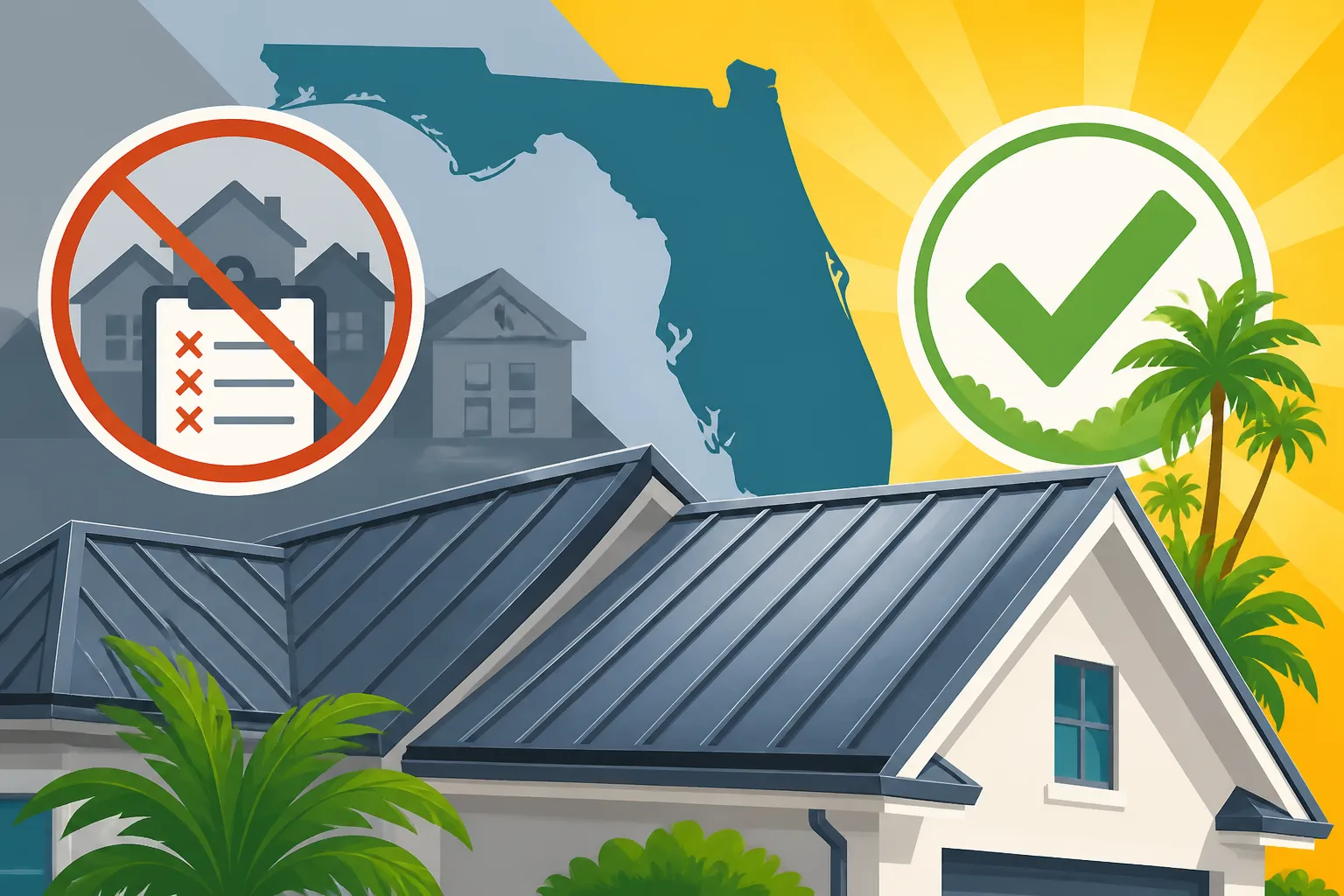
Florida HB 293 and Metal Roof HOA Rights
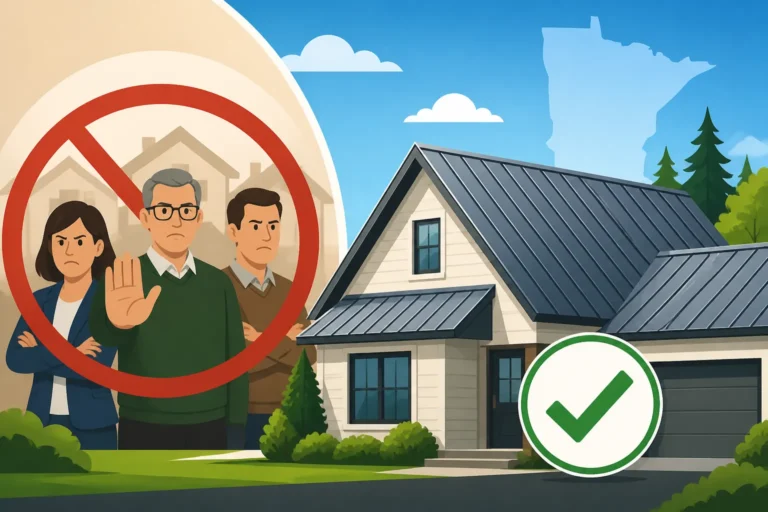
For years, Florida homeowners looking to upgrade to a durable, energy-efficient metal roof often hit a brick wall: their Homeowners Associations (HOAs). The frustration of being denied a long-lasting, hurricane-resistant roofing option due to outdated aesthetic preferences was a common headache. This comprehensive guide will deep-dive into Florida House Bill 293, explaining how this pivotal legislation changed the game for metal roof HOA rights across the Sunshine State and what it means for you.
The Long-Standing Struggle for Metal Roofs in HOAs
Before the advent of Florida HB 293, the path to installing a metal roof in an HOA-governed community was often fraught with difficulty, if not outright impossible. Many homeowners found themselves in a bind, eager to invest in a superior roofing solution only to be met with staunch resistance from their community associations. This wasn't just a minor inconvenience; it represented a significant barrier to homeowners' ability to make choices that would protect their property and enhance its value.
Why HOAs Historically Resisted Metal Roofs
Historically, HOAs harbored several misconceptions and aesthetic concerns about metal roofs that fueled their resistance. Many community covenants were drafted decades ago, long before modern metal roofing systems became sophisticated, stylish, and readily available in a vast array of colors and profiles.
For instance, there was a widespread belief that metal roofs were inherently industrial or agricultural in appearance, conjuring images of corrugated tin barns rather than sleek, residential elegance. Concerns about noise, especially during rain or hail, were also prevalent, despite advancements in underlayment and installation techniques that significantly mitigate sound. Furthermore, some HOAs worried that the "look" of a metal roof, which was often perceived as stark or untraditional, would detract from the uniform aesthetic of the neighborhood and potentially lower property values. These concerns, while often unfounded in the context of modern metal roofing, were deeply ingrained and led to blanket prohibitions in many communities' governing documents. The initial higher cost of metal roofing compared to asphalt shingles also played a role, making HOAs wary of what they saw as an unconventional and expensive choice that might set a precedent.
The Frustration of Homeowners and Limited Options
For homeowners, this resistance translated into immense frustration. Imagine wanting to install a roof that could last 50 years or more, withstand hurricane-force winds, and potentially lower your energy bills, only to be told "no" because "it doesn't fit the aesthetic." Homeowners understood the tangible benefits of metal roofing – its incredible durability, minimal maintenance needs, and reflective properties that can reduce attic temperatures and lead to energy savings. They saw it as a wise, long-term investment that offered superior protection against Florida's often brutal weather conditions.
Prior to HB 293, their options were severely limited. They could try to appeal to their HOA, often a lengthy and emotionally draining process with no guarantee of success. They might attempt to amend the community's governing documents, which typically requires a supermajority vote and is notoriously difficult to achieve. For many, the only real choice was to either abandon their metal roof dreams or seek a property outside an HOA, neither of which was a palatable solution. This often meant settling for less durable, less efficient roofing materials, knowing they would face more frequent replacements and higher long-term costs. The feeling of being dictated to, rather than having the freedom to choose the best for their home, was a significant point of contention.
Understanding Florida House Bill 293 (2023)
The legislative landscape for Florida HOAs and metal roofs underwent a significant transformation with the passage of House Bill 293 in 2023. This bill was a direct response to the growing frustration among homeowners and the clear benefits that modern metal roofing offers, particularly in a state prone to severe weather events like hurricanes.
What HB 293 Actually Does
At its core, Florida HB 293 (now codified as Florida Statute 720.3075) explicitly prohibits a homeowners' association from denying the installation, maintenance, repair, or replacement of a metal roof system. This is a monumental shift. Before this law, many HOAs had the power to issue blanket bans on metal roofs, citing aesthetic concerns or perceived inconsistencies with community standards. With HB 293, that power is largely stripped away. The bill ensures that homeowners can choose a metal roof without facing an outright veto from their HOA, provided certain conditions are met. This means HOAs cannot simply say "no metal roofs" anymore. They must now engage with homeowners' applications and justify any denial based on specific, reasonable criteria.
The law aims to strike a balance: protecting homeowners' rights to choose resilient and energy-efficient roofing materials while still allowing HOAs to maintain reasonable architectural guidelines. It acknowledges the evolution of metal roofing technology and its increasingly important role in sustainable and resilient home construction, especially in hurricane-prone regions like Florida. It empowers homeowners to invest in their property's long-term protection and efficiency.
Key Provisions and Legal Language
To truly understand the impact of HB 293, it's essential to look at its specific legal language. The law states that an HOA “may not prohibit a property owner from installing a metal roof system on a property owner’s parcel, so long as the roof system is substantially similar to the aesthetics of other roof systems approved within the community.” This phrase, "substantially similar to the aesthetics of other roof systems approved within the community," is crucial. It means HOAs can still impose reasonable rules and regulations regarding the appearance of the metal roof, such as color, profile, and finish, but they cannot ban the material itself.
For example, an HOA might still be able to deny a bright blue corrugated metal roof if the existing homes in the community feature muted, earth-toned asphalt shingles or terra cotta tiles. However, they would likely not be able to deny a charcoal gray standing seam metal roof or a stone-coated steel roof designed to mimic traditional shingles, as these options can often be "substantially similar" in aesthetic. The bill ensures that a homeowner's ability to choose a metal roof, whether it's a Standing Seam Metal Roof Cost or a more traditional looking Metal Shingle Cost, cannot be arbitrarily denied simply because it's metal. This legal wording places the burden on the HOA to prove that a proposed metal roof is not substantially similar, rather than on the homeowner to prove that it is.
When HB 293 Went Into Effect
Florida House Bill 293 was signed into law by Governor Ron DeSantis and became effective on July 1, 2023. This date marked a significant turning point for homeowners throughout Florida, immediately impacting how HOAs could address requests for metal roof installations. From this date forward, any HOA covenant, restriction, or rule that prohibits or unreasonably restricts the installation of a metal roof system became unenforceable to the extent it conflicts with the new statute. This means that even if your HOA's decades-old documents explicitly state "no metal roofs," that specific prohibition is now void under state law. It's important for homeowners to be aware of this effective date when submitting applications or challenging previous denials, as the law applies to all residential property owners' associations regulated under Chapter 720, Florida Statutes.
How HB 293 Empowers Florida Homeowners
Florida House Bill 293 represents a significant win for homeowners, shifting the balance of power and allowing for greater freedom in choosing roofing materials. This legislative change isn't just about a material; it's about homeowner autonomy and the ability to make sound investments in their property's future.
Overcoming Blanket Prohibitions
Before HB 293, homeowners often faced an uphill battle. If an HOA's covenants contained a blanket prohibition against metal roofs, there was very little recourse. Homeowners who desired the superior benefits of metal roofing were essentially out of luck, regardless of how modern, aesthetically pleasing, or high-performing their chosen metal roof system might be. This was incredibly frustrating, forcing many to compromise on a less desirable roofing material.
With HB 293, those blanket prohibitions are now legally unenforceable. This means an HOA cannot simply point to a line in their decades-old rulebook and say "no" to a metal roof application. Instead, they must evaluate the proposal based on whether the metal roof is "substantially similar to the aesthetics of other roof systems approved within the community." This subtle but critical shift requires HOAs to be far more flexible and objective in their decision-making. For homeowners, this means they can now confidently pursue metal roofing options, knowing that an outright denial based solely on the material is no longer permissible. It truly levels the playing field, ensuring that the material itself is not a barrier. Homeowners now have a strong legal backing when approaching their HOA, making it much easier to get their metal roof plans approved. This directly addresses the common problem homeowners faced, where previously, the answer to Can an HOA Deny a Metal Roof? was often "yes."
Advocating for Durable and Energy-Efficient Roofing
One of the most powerful aspects of HB 293 is that it empowers homeowners to choose roofing materials that offer superior durability and energy efficiency, which are particularly vital in Florida's challenging climate. Metal roofs are renowned for their longevity, often lasting 40-70 years, significantly outperforming traditional asphalt shingles that typically need replacement every 15-30 years. This long lifespan means fewer replacements over the home's lifetime, reducing costs and environmental waste. You can dive deeper into this aspect in our guide on Metal Roof Lifespan: How Long Do They Last?.
Beyond durability, metal roofs excel in energy efficiency. Many metal roofing products feature highly reflective coatings, such as cool roof pigments, that can reflect a significant portion of the sun's radiant energy away from the home. This reduces heat absorption, which in turn can lead to a cooler attic and lower air conditioning costs – a substantial benefit during Florida's long, hot summers. Homeowners can now confidently advocate for these features without fear of an arbitrary HOA veto. The ability to install such a roof not only protects the home from extreme weather, including hurricane-force winds, but also contributes to long-term savings on utility bills and potentially offers Metal Roof Insurance Savings & Discounts due to its resilience. This makes a strong case for why Is a Metal Roof Worth It? ROI, Resale & Payback is a question many Floridians are now free to answer for themselves.
Navigating HOA Rules Under the New Law
Even with the protections afforded by Florida HB 293, homeowners still need to understand that HOAs retain some power to regulate the appearance of metal roofs. The law wasn't intended to create a free-for-all where any type of metal roof can be installed without consideration for community aesthetics. Instead, it shifts the focus from outright prohibition to reasonable regulation.
"Substantially Similar" and Aesthetic Guidelines
The core of an HOA's remaining regulatory power lies in the phrase "substantially similar to the aesthetics of other roof systems approved within the community." This means that while an HOA cannot ban metal roofs outright, they can still enforce design guidelines related to color, profile, and finish to ensure the new roof blends with the existing architectural style of the neighborhood. For instance, if your community predominantly features traditional dark asphalt shingles, an HOA might reasonably object to a bright red or highly reflective silver metal roof, arguing it doesn't meet the "substantially similar" clause.
However, many modern metal roofing options are specifically designed to mimic traditional materials. You can find metal shingles that look just like asphalt, slate, or wood shakes, and standing seam panels come in a vast array of colors, including muted tones that blend seamlessly. If you're considering different options, understanding the nuances between Standing Seam vs Corrugated Metal Roof can be critical when presenting your case to the HOA. The key for homeowners is to choose a metal roof system that aligns as closely as possible with the general aesthetic of the community while still reaping the benefits of metal. Bringing samples, color swatches, and images of similar metal roof installations in comparable neighborhoods can be very helpful in demonstrating this "substantial similarity" to your HOA.
The Role of "Reasonable Rules"
Beyond aesthetic similarity, HOAs are still permitted to enforce "reasonable rules" regarding the installation, maintenance, and materials of metal roofs. What constitutes "reasonable" can sometimes be a gray area, but generally, these rules are intended to ensure structural integrity, safety, and proper installation practices that protect both the homeowner and the community.
For example, an HOA might require that your metal roof installation adheres to specific local building codes, or that the contractor is licensed and insured. They might also have rules about the gauge of the metal, or the type of finish (e.g., Kynar 500/PVDF coatings which offer superior fade and chalk resistance compared to SMP finishes). These types of requirements are generally considered reasonable as they contribute to the quality and longevity of the roof, and the overall safety and appearance of the community. What they cannot do is impose rules that effectively act as a de facto ban, such as requiring a specific type of metal roof that is exorbitantly expensive or practically unavailable. The goal of "reasonable rules" is to maintain community standards without undermining the homeowner's right to install a metal roof. Homeowners should always check their HOA's specific architectural guidelines and any updated rules post-HB 293.
The Application and Approval Process
Navigating the application and approval process with your HOA after HB 293 requires a strategic approach. While the law has curtailed outright prohibitions, you still need to follow your HOA's established procedures for architectural changes.
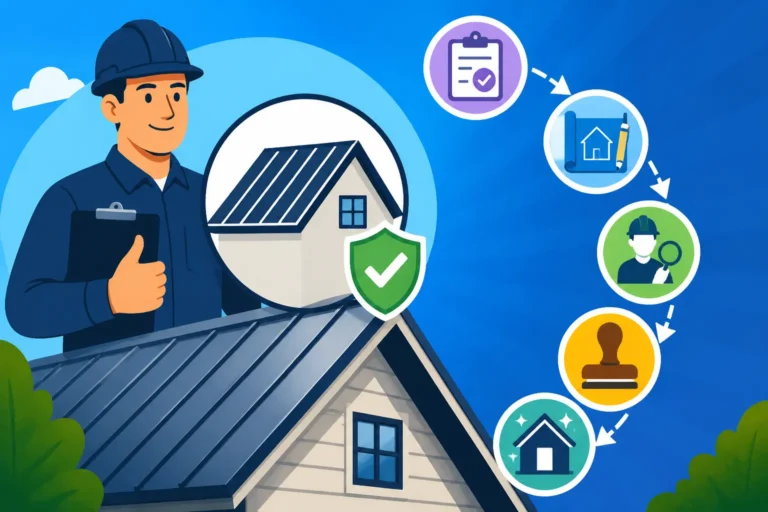
First and foremost, review your HOA's current Declaration of Covenants, Conditions, and Restrictions (CC&Rs) and any specific architectural guidelines. Look for any updated language regarding roofing materials. Even if the old documents had a blanket ban, understand that HB 293 now supersedes it. When preparing your application, be as thorough as possible. This should include detailed specifications of the proposed metal roof system: the material (e.g., steel, aluminum), profile (e.g., standing seam, metal shingle, corrugated), color, finish (e.g., Kynar, SMP), and manufacturer. Include product brochures, color samples, and high-quality images of the proposed roof on a similar style home, if available. Crucially, obtain a detailed proposal from your roofing contractor that outlines the installation process, materials, and confirms compliance with Florida Metal Roof Codes: FBC, HVHZ & Approvals and any other relevant local regulations. Submit all documents well in advance of any deadlines, keeping copies of everything for your records. Open communication with your HOA board or architectural review committee can also be beneficial. Presenting your choice not just as a right, but as a beneficial upgrade for your home and community, emphasizing its durability, energy efficiency, and storm resistance, can help smooth the approval process. For more comprehensive guidance, our article on How to Get HOA Approval for a Metal Roof can offer additional tips.
What to Do If Your HOA Still Resists
Despite the clear mandates of Florida HB 293, some HOAs may still attempt to resist or unreasonably deny metal roof installations. If you find yourself in this situation, don't despair. There are concrete steps you can take to assert your rights and move forward with your desired roofing project.
Gathering Documentation and Evidence
The first and most critical step when facing HOA resistance is to meticulously gather all relevant documentation and evidence. This forms the foundation of your case. Start by obtaining a copy of your HOA's complete governing documents, including the Declaration of Covenants, Conditions, and Restrictions (CC&Rs), bylaws, and any specific architectural guidelines or rules. Pay close attention to any sections related to roofing materials, design standards, and the architectural review process.
Next, compile all communications between you and the HOA regarding your metal roof application. This includes your initial application, any requests for additional information, and all responses from the HOA, especially any denial letters. Ensure these communications are in writing and clearly document dates and who sent/received them. You'll also need comprehensive documentation from your chosen roofing contractor, including detailed product specifications (material, profile, color, finish), manufacturer's warranties, and proof that the proposed roof meets all relevant building codes and is "substantially similar" to other approved roofs in the community. Photos of other metal roofs in your area, particularly those that blend well with traditional aesthetics, can also serve as powerful evidence. Lastly, have a copy of Florida Statute 720.3075 (the codified HB 293) readily available to reference its specific language.
Communication and Negotiation Strategies
Once you have your documentation in order, the next step is to engage in clear, firm, and professional communication with your HOA. Schedule a meeting with the architectural review committee or the HOA board to discuss their denial. Approach this as an opportunity to educate them about modern metal roofing and the provisions of HB 293. Clearly state that you understand their role in maintaining community standards, but also firmly articulate your rights under state law.
Present your collected evidence, demonstrating how your proposed metal roof is "substantially similar" to other approved roofs in the community and highlighting the benefits of metal roofing, such as its longevity, storm resistance, and energy efficiency. Be prepared to discuss potential compromises, such as selecting a slightly different color or profile that still meets your needs while addressing their concerns. For example, if they rejected a corrugated panel, suggest a Standing Seam vs Snap-Lock Metal Roof option that might have a cleaner, more traditional aesthetic. If direct communication fails, consider suggesting a formal mediation process. Many communities offer this as a way to resolve disputes without resorting to litigation, providing a neutral third party to facilitate discussions and help find common ground. Document all discussions, agreements, or disagreements during this phase.
Seeking Legal Counsel When and Why
If all attempts at communication, negotiation, and mediation fail to resolve the dispute, seeking legal counsel becomes a necessary, albeit often a last resort. An attorney specializing in HOA law can review your case, assess the strength of your evidence, and advise you on the best course of action. This is particularly crucial if the HOA continues to issue an unreasonable denial despite clear compliance with HB 293's provisions.
Legal action might involve sending a formal demand letter to the HOA, outlining their legal obligations under Florida Statute 720.3075 and threatening litigation if they continue to violate the law. In some cases, an attorney may recommend filing a lawsuit to compel the HOA to approve your application. While this path can be costly and time-consuming, it might be the only way to enforce your rights. Remember, the law is on your side when it comes to the material itself, provided you adhere to the "substantially similar" aesthetic clause and other reasonable rules. An attorney can help you navigate the complexities of civil litigation and ensure your rights as a homeowner are fully protected under Florida law.
Benefits of Metal Roofing that Florida HOAs Can No Longer Easily Deny
The shift in Florida law means that homeowners can now more easily access the myriad benefits that metal roofing offers. These advantages are particularly significant in a state like Florida, where homes are routinely subjected to harsh weather conditions, including intense sun, heavy rains, and the constant threat of hurricanes.
Enhanced Durability and Longevity
One of the most compelling reasons homeowners choose metal roofs is their unparalleled durability and lifespan. Unlike traditional asphalt shingles, which often require replacement every 15-30 years, a properly installed metal roof can last 40-70 years, or even longer, depending on the material and coating. Materials like steel, aluminum, and copper are inherently tough, designed to withstand the elements year after year without significant degradation.
This robust construction means metal roofs are highly resistant to common forms of wear and tear that plague other roofing materials. They don't crack, rot, split, or curl like shingles. They are also incredibly resilient against severe weather events. Florida's hurricane season is a significant concern for homeowners, and metal roofs offer superior protection against high winds, hail, and torrential rain. Many metal roofing systems carry high wind ratings, often capable of resisting winds up to 150 mph or more, which is a critical factor in coastal and storm-prone areas. This exceptional resilience not only protects your home but also provides peace of mind that your investment will endure for decades. For more on how metal roofs stand up to the elements, explore our guide on Metal Roof Wind and Fire Ratings Explained.
Energy Efficiency and Cost Savings
Beyond their durability, metal roofs are champions of energy efficiency, leading to tangible cost savings for homeowners, especially in Florida's hot climate. Many metal roofing products are considered "cool roofs" due to their ability to reflect solar radiant heat rather than absorbing it. This is achieved through special reflective pigments and finishes, often light colors or those with high emissivity.
By reflecting a significant portion of the sun's UV and infrared light, metal roofs can dramatically reduce the amount of heat absorbed by your roof and attic. This means your air conditioning system doesn't have to work as hard to keep your home cool, leading to lower energy consumption and noticeable reductions in your monthly utility bills. Over the lifespan of a metal roof, these energy savings can amount to thousands of dollars, making the initial investment even more attractive. Furthermore, the enhanced durability and storm resistance of metal roofs can sometimes lead to Metal Roof Insurance Savings & Discounts, further contributing to overall cost savings. When you factor in the reduced need for repairs and replacements compared to asphalt, the long-term financial benefits become undeniable, making the comparison to alternatives like Metal Roof vs Asphalt Shingle Cost particularly striking.
Environmental Impact and Sustainability
Choosing a metal roof is also a highly sustainable and environmentally friendly decision, a factor that HOAs can no longer easily dismiss. The environmental benefits stem primarily from two key aspects: longevity and recyclability.
As we've discussed, metal roofs boast an exceptionally long lifespan, often outlasting two or even three asphalt shingle roofs. This extended life cycle means significantly less waste ends up in landfills. Each year, millions of tons of asphalt shingles are disposed of, contributing to a substantial waste problem. By opting for a metal roof, homeowners are choosing a product that drastically reduces this waste over the decades. Moreover, metal roofing materials, such as steel and aluminum, contain a high percentage of recycled content, and at the end of their long service life, they are 100% recyclable. This closed-loop system of production and recycling minimizes the demand for virgin resources and reduces the overall carbon footprint associated with roofing. This commitment to sustainability aligns with growing environmental awareness and offers homeowners a way to reduce their ecological impact, a benefit that modern HOAs should ideally encourage rather than impede.
HOA Powers Before and After HB 293
To fully grasp the significance of Florida HB 293, it’s helpful to see a clear comparison of an HOA's powers regarding metal roofs before and after the law's effective date.
| Feature / Power | Before Florida HB 293 (Pre-July 1, 2023) | After Florida HB 293 (Post-July 1, 2023) |
|---|---|---|
| Outright Prohibition | HOAs could implement blanket bans on all metal roof systems. | HOAs cannot prohibit the installation of a metal roof system. |
| Aesthetic Regulation | HOAs had broad discretion; often used to justify outright bans. | HOAs can only regulate aesthetics if the metal roof is not "substantially similar" to others. |
| Material Choice | Homeowners had very limited choice if metal was prohibited. | Homeowners have the right to choose metal as a roofing material. |
| "Reasonable Rules" | Could be interpreted broadly, sometimes leading to de facto bans. | Rules must be truly "reasonable" (e.g., installation standards, building codes), not prohibitive. |
| Burden of Proof | On homeowner to argue for an exception or covenant amendment. | On HOA to prove a proposed metal roof is not "substantially similar" or violates reasonable rules. |
| Homeowner Autonomy | Highly restricted regarding metal roof selection. | Significantly increased; homeowners have legal backing for their choice. |
| Dispute Resolution | Challenging HOA was often an uphill, costly battle with low success rates. | Strong legal precedent for homeowners, making challenges more viable. |
Disclaimer
The information provided in this guide is for general informational purposes only and does not constitute legal advice. While we strive to provide accurate and up-to-date information, laws and regulations can change. Homeowners should consult with a qualified legal professional and their specific HOA governing documents to understand their rights and obligations under Florida House Bill 293 and local ordinances.