Metal Roof Inspection: What to Check
It can be incredibly disheartening to realize your sturdy metal roof, the one you invested in for its longevity, might be showing signs of wear or damage. The truth is, even the most durable metal roofs aren't set-it-and-forget-it propositions; they need a little attention to live up to their full potential. This comprehensive guide will walk you through exactly what to check during a metal roof inspection, empowering you to spot potential issues early and protect your valuable investment.
Why Regular Metal Roof Inspections Matter Beyond Just Leaks
Let's face it, most homeowners only think about their roof when something goes wrong – usually a leak. But with a metal roof, being proactive can save you a world of trouble and expense down the line. A regular inspection isn't just about finding existing problems; it's about preventing them and ensuring your roof continues to perform as it should for decades.
Catching Small Issues Before They Become Big Problems
Think of your metal roof inspection like a routine check-up for your car. You're not waiting for the engine to seize up; you're looking for early warning signs: a slightly loose bolt, a hairline crack, or a bit of rust beginning to form. These minor issues, left unaddressed, can rapidly escalate. For instance, a single loose fastener might seem insignificant, but it can create a tiny entry point for water. Over time, that tiny drip can lead to rot in your underlayment, damage to your roof deck, and even compromised structural integrity – all from something that could have been easily tightened or sealed if caught early. It's truly astonishing how quickly a small, manageable repair can balloon into something that requires significant intervention, potentially shortening your metal roof's impressive lifespan.
Protecting Your Investment and Extending Lifespan
You chose a metal roof for its incredible durability and long life, right? Metal roofs are often advertised with lifespans of 40 to 70 years, a far cry from the 15-30 years you might get from traditional asphalt shingles. But that longevity isn't just magic; it's also a result of proper installation and diligent maintenance, which absolutely includes regular inspections. By identifying and addressing minor wear and tear, you're actively safeguarding that long-term investment. Consider a high-quality standing seam metal roof; these roofs are built to last, but even they benefit from periodic checks to ensure the panels are still securely fastened and the seams are intact. Neglecting these routine checks can inadvertently shave years off your roof's expected life, turning a multi-decade asset into a premature replacement project. Think of the peace of mind knowing you're doing everything you can to ensure your roof is solid for the long haul.
Essential Tools and Safety Gear for Your Inspection
Before you even think about stepping foot on your roof or staring up at it with a critical eye, you need to ensure you have the right equipment. Safety is paramount when dealing with heights, and having the correct tools will make your inspection more thorough and effective.
Prioritizing Personal Safety
Safety should always be your number one concern. Metal roofs, especially when wet or if they have a steep pitch, can be incredibly slippery. If you’re not comfortable with heights or don’t have the right safety gear, it's always best to call a professional. For those who choose to do a DIY inspection, here’s what you absolutely need:
- Sturdy Ladder: Make sure it’s tall enough to comfortably reach your eaves, and always follow the "four-to-one" rule (for every four feet of height, the base should be one foot away from the wall).
- Non-Slip Shoes: Shoes with soft, rubber soles provide the best grip on metal panels. Avoid hard-soled boots or slick sneakers.
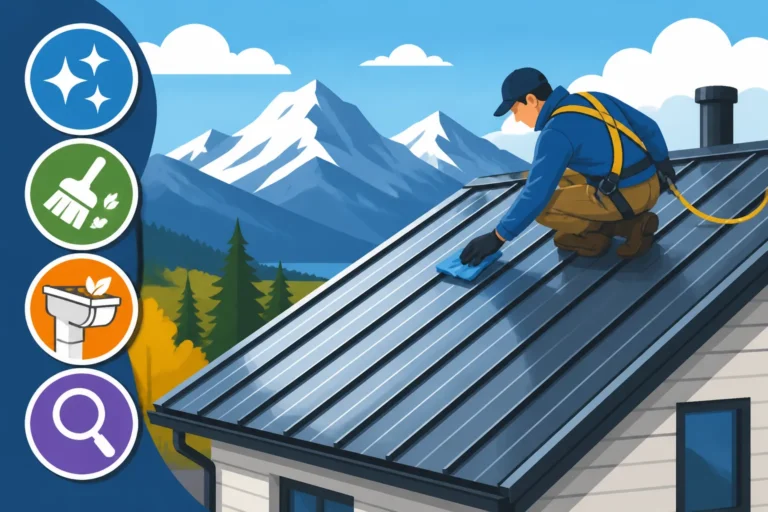
- Safety Harness and Rope: If you plan on walking on the roof, especially a steep one, a fall protection system is non-negotiable. Anchor points should be secure and tested.
- Gloves: Protect your hands from sharp edges and potential grime.
- Helper: Never inspect your roof alone. Have someone on the ground to steady the ladder, pass tools, and call for help if needed.
- Weather Awareness: Only inspect on a clear, dry day. High winds, rain, or even heavy dew can make a metal roof treacherous.
Must-Have Inspection Tools
Beyond personal safety, a few simple tools will significantly aid your inspection process. You don't need a full contractor's kit, but these items will help you see and assess potential problems.
- Binoculars: For your initial ground-level assessment, good binoculars are invaluable. They allow you to get a close look at the ridge, valleys, and flashing without climbing up. This is especially helpful if you're inspecting a tall or steeply pitched roof.
- Notebook and Camera/Phone: Document everything! Take photos of any areas of concern, noting their location and what you observe. A notebook helps you keep track of areas that need a closer look or professional attention.
- Small Pry Bar/Screwdriver: For gently testing the security of flashing or fasteners, but use with extreme caution to avoid damage. This isn't for prying things up, but for checking if they're already loose.
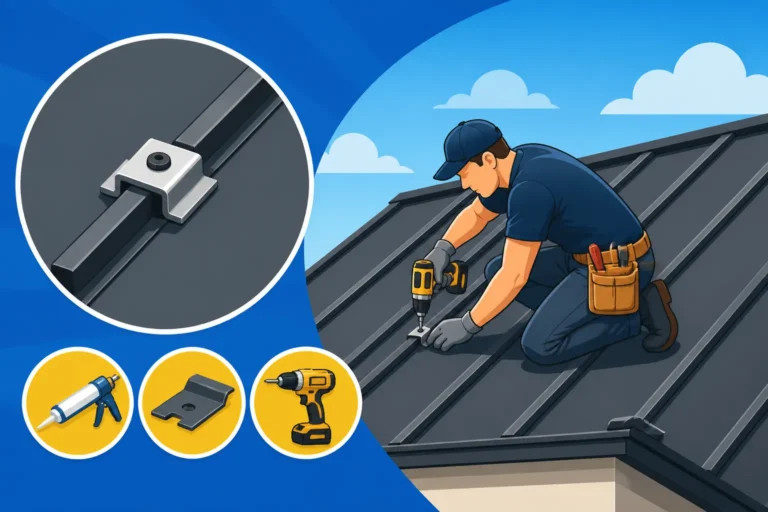
- Caulk Gun and Sealant (Emergency Kit): While not for the inspection itself, having a high-quality, metal-compatible sealant on hand can be a lifesaver for a quick, temporary fix if you discover a small, active leak during your check. Just remember, temporary fixes aren't permanent solutions.
- Flashlight: Even on a bright day, a flashlight can help you illuminate shadowed areas, especially under overhangs, near vents, or in attic spaces if you're checking for leaks from inside.
Using these tools judiciously, and always prioritizing safety, will allow you to conduct a much more effective inspection.
What to Look for from the Ground: Your Initial Assessment
Before you even think about grabbing a ladder, the safest and smartest first step is to conduct a thorough inspection from the ground. Many common issues can be spotted without ever leaving terra firma, giving you a good overview of your roof's overall condition and helping you decide if further, closer inspection is necessary or if it’s time to call in the pros.
Visual Cues of Trouble
Grab your binoculars and take a slow, methodical walk around your home. Look at your metal roof from every angle possible. What you're trying to spot are any obvious irregularities, changes in color, or signs of wear that stick out.
- Dents or Hail Damage: Is the surface of your metal roof smooth, or do you see any dimples or pockmarks? Hail damage can be subtle, especially on certain panel types, but significant impact will be visible. Large dents can compromise the protective coating and even the integrity of the metal itself, leading to future issues. If you live in an area prone to severe weather, this is a critical check.
- Rust or Discoloration: Are there any orange, red, or dark brown streaks or patches? Rust is a clear indicator that the protective coating on your metal panels has been compromised, allowing moisture to react with the steel or other metal underneath. Discoloration could also point to algae, moss, or mildew growth, especially in shaded areas, which can trap moisture against the roof surface. Uneven fading of the paint finish can also be a cosmetic concern and, in some cases, indicates the coating is nearing the end of its effective life.
- Panel Misalignment or Warping: Do any panels appear to be bowing, buckling, or not lying perfectly flat? This could be due to improper installation, thermal expansion and contraction issues, or even structural problems with the roof deck. Even slight warping can create stress points, potentially leading to loose fasteners or compromised seams.
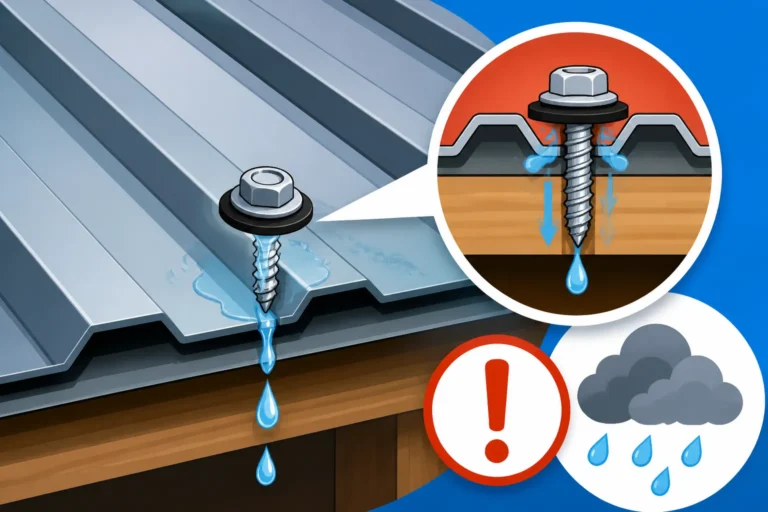
- Loose or Missing Fasteners (Exposed Fastener Systems): For roofs with exposed fasteners, can you see any screws that appear raised, tilted, or are missing their rubber washers? This is a very common source of leaks for these types of metal roofs. Even from the ground, a keen eye with binoculars can often spot these tell-tale signs of trouble. This kind of issue could easily be overlooked without a dedicated inspection and can be a precursor to a Metal Roof Leak Repair Guide.
Gutter and Downspout Health
While not strictly part of the metal roof itself, your gutters and downspouts are crucial to your roof system's overall health. They divert water away from your home's foundation, and if they're not functioning correctly, it can lead to water backing up onto your roof, potentially causing accelerated wear or even leaks.
- Clogs and Debris: Are your gutters overflowing with leaves, twigs, or other debris? Clogged gutters prevent water from draining properly, allowing it to pool on the eaves and potentially seep under the edge of your metal panels. This standing water can encourage rust, algae growth, and put unnecessary stress on your fascia and soffits. During heavy rain, watch how your gutters handle the flow – any spilling over is a red flag.
- Sagging or Detached Gutters: Do your gutters appear to be pulling away from the fascia board or sagging in certain sections? This indicates that the hangers are failing or that the gutters are overloaded. Sagging gutters won't drain efficiently and can also put strain on the roof edge. Detached sections, of course, mean water isn't being diverted at all.
- Downspout Functionality: Are your downspouts channeling water away from your home's foundation as intended? If they're blocked or direct water too close to the house, it can lead to erosion, basement leaks, and foundation damage. Look for signs of water pooling around the foundation after a rainstorm. Ensuring clear and functional gutters is a fundamental part of a comprehensive Metal Roof Maintenance Guide.
Up Close and Personal: Key Areas to Scrutinize on the Roof
Once you've completed your ground-level assessment and determined it's safe to proceed, a closer inspection on the roof itself is crucial for identifying less obvious problems. This is where you’ll get detailed with the components that really make your metal roof tick.
Fasteners, Seams, and Flashing
These are often the most vulnerable points on any roof, and metal roofs are no exception. They require particular attention during an inspection.
- Fasteners (Exposed Fastener Systems): For metal roofs where screws are visible, such as corrugated or R-panel systems, examine every single screw. Are the rubber washers still intact, pliable, and properly sealing around the screw head? Over time, UV exposure and temperature fluctuations can cause these washers to degrade, crack, or even disappear, creating direct pathways for water. Look for rust stains around screw heads, which also indicate a failing seal. Any screws that appear loose, stripped, or backed out need immediate attention. Replacing these is a common maintenance task that prevents leaks. You can learn more about how to fix these issues in our guide on How to Replace Metal Roof Screws and Fasteners.
- Seams (Standing Seam Systems): For standing seam metal roofs, the seams are the critical connection points where panels are joined. These are designed to be watertight and allow for thermal expansion and contraction. Inspect the entire length of each seam for any signs of separation, lifting, or damage. Are the mechanical seams still crimped tightly, or do they show signs of loosening? Even minor distortions can indicate underlying issues or potential leak points. A compromised seam can allow wind-driven rain to infiltrate, causing significant damage.
- Flashing: This is the metal work that protects transitions, such as around chimneys, skylights, vents, and along wall intersections. Flashing is meticulously custom-fitted and sealed. Look for any gaps, cracks in sealant, bent or lifted sections, or signs of corrosion. The edges of flashing, where it meets other surfaces, are often areas where sealants can degrade over time. Pay close attention to the base of chimneys, the perimeter of skylights, and along any dormers or walls where the roof terminates. Issues with flashing are a leading cause of leaks. For detailed solutions, check out our Metal Roof Flashing Repair guide.
Panel Condition and Coatings
The large expanse of your metal panels is what defines your roof, and its condition is key to its longevity and aesthetic appeal.
- Coating Integrity: Most metal roofs have a factory-applied paint or protective coating (like Kynar 500® or SMP). This coating is vital for protecting the underlying metal from UV radiation, corrosion, and providing color. Look for areas where the coating is dulling excessively, chalking (a powdery residue), peeling, or blistering. While some fading is normal over decades, significant breakdown of the coating exposes the metal to the elements, accelerating rust and shortening the roof's life.
- Scratches and Abrasion: Inspect the panels for any deep scratches, gouges, or areas where the coating has been worn away. This can happen from falling branches, foot traffic, or even abrasive cleaning methods. Exposed bare metal is highly susceptible to rust, especially if it's steel. Even small scratches can be a starting point for corrosion if not addressed.
- Oil Canning: While largely an aesthetic issue, oil canning (a wavy or dimpled appearance in flat metal panels) can sometimes indicate stress or improper installation. Note any severe oil canning, especially if it appears to be worsening or localized, as it might suggest issues with the roof deck or panel fastening, even if it doesn't directly cause leaks.
Penetrations and Vents
Anywhere something comes through your roof is a potential weak point. These penetrations and vents are critical areas to inspect closely.
- Pipes and Stacks: All plumbing vents, exhaust stacks, and other pipes penetrating the roof need careful examination. Check the boots (the rubber or metal collars around the pipes) for cracks, deterioration, or signs of lifting. The sealant around the base of these boots is crucial. Over time, UV rays can cause rubber to crack and sealants to dry out and pull away, creating openings for water.
- Roof Vents: Whether they are ridge vents, box vents, or turbine vents, ensure they are securely attached and that their flashing and seals are intact. Look inside the vent openings (if safely possible) for any signs of moisture or rust. Ensure there isn't any debris blocking airflow, which can lead to moisture buildup in your attic.
- Skylights: If you have skylights, inspect the entire perimeter where the skylight frame meets the metal roof panels. Look for cracks in the glass or acrylic, degraded seals around the frame, and most importantly, the condition of the flashing kit around the skylight itself. Any sealant around the edges should be flexible and firmly adhered. Skylights are notorious for developing leaks if not properly installed and maintained.
Common Metal Roof Issues to Detect During an Inspection
Understanding the specific types of problems that metal roofs are prone to can sharpen your inspection focus. While they are incredibly durable, they aren't immune to certain environmental factors and wear patterns. Knowing what you're looking for will help you pinpoint potential trouble spots more effectively.
Rust, Corrosion, and Fading
These issues are often the most visually apparent and can significantly impact both the performance and aesthetics of your metal roof.
- Spotting Rust and Corrosion: Rust, particularly on steel-based metal roofs like Galvalume or galvanized steel, typically appears as reddish-brown streaks or patches. It’s crucial to distinguish between surface rust on fasteners or exposed edges, and larger areas of panel corrosion. Pay close attention to cut edges, screw heads, areas around penetrations, and where dissimilar metals might meet (a common cause of galvanic corrosion). While a minor rust spot on a fastener might be an easy fix, widespread panel rust suggests a deeper problem, potentially with the coating or the material itself. Addressing these early with a Metal Roof Rust and Corrosion Treatment can prevent further damage.
- Understanding Fading and Chalking: All exterior paint finishes, including those on metal roofs, will fade over time due to UV exposure. This is a natural process. However, excessive or uneven fading, or the presence of "chalking" (a fine, powdery residue that comes off when you wipe the surface), indicates that the protective top layer of the paint is breaking down. While not an immediate structural threat, it means the roof's aesthetic appeal is diminishing, and the underlying metal is becoming less protected. Modern high-performance coatings like PVDF (Kynar 500®) are designed to resist fading and chalking far better than older or lower-quality silicone-modified polyester (SMP) finishes, but even they have limits.
Dents, Scratches, and Impact Damage
Metal roofs are tough, but they're not indestructible. Various forms of impact can cause cosmetic and, in some cases, structural damage.
- Hail Damage: Living in a hail-prone region means you should always check your roof after a severe storm. Hail damage on a metal roof often appears as small, circular dents, dings, or pockmarks on the panels. The severity depends on the size and density of the hailstones and the gauge of your metal. While smaller dents might be purely cosmetic, larger or deeper dents can compromise the protective coating, potentially leading to rust. Sometimes, the real issue isn't the dent itself but the "crease" or "stress point" it creates, which can weaken the panel over time or cause coating adhesion issues. Our guide on Metal Roof Dent Repair From Hail offers more insights.
- Wind Damage: Strong winds can lift, bend, or tear metal panels, especially along the edges or at ridge lines. Look for panels that are visibly loose, warped, or have uplifted edges. Exposed fastener systems are more susceptible to wind uplift if fasteners are loose. Even hidden fastener systems can suffer if the clips or seams are compromised. Wind damage can also result from flying debris impacting the roof, causing scratches or dents.
- Falling Debris (Branches, etc.): Larger impacts from falling tree branches or other heavy objects can cause significant dents, punctures, or tears in metal panels. These kinds of impacts are usually quite obvious and demand immediate attention, as they often create direct entry points for water.
Oil Canning and Thermal Movement Issues
These are characteristics unique to metal, and while often not critical, they are important to understand.
- Understanding Oil Canning: Oil canning refers to the visible waviness or distortion in the flat sections of metal roofing panels. It’s often an aesthetic issue rather than a structural one, caused by stresses in the metal during manufacturing, shipping, or installation. While some degree of oil canning is inherent to large, flat metal panels and accepted within industry standards, severe or progressive oil canning might indicate issues with the sub-structure, fastening, or thermal expansion not being properly accommodated. It's generally not a leak source itself, but if it's extreme or develops suddenly, it's worth noting.
- Thermal Expansion and Contraction: Metal expands when heated and contracts when cooled. A properly designed and installed metal roof accounts for this movement. However, if clips, fasteners, or seams are installed too tightly or improperly, the metal cannot move freely. This can lead to buckling, bowing, or excessive stress on fasteners and seams, potentially causing them to fail over time. Look for signs of stress around fasteners or panel ends, or unusual noises (popping or creaking) that might indicate the roof is struggling with thermal movement. This is a subtle issue that often requires professional diagnosis.
When to Call in the Professionals: Recognizing Your Limits
While a DIY metal roof inspection can be incredibly empowering and save you money, it's crucial to know your limits. There are times when the safety risks are too high, the issues too complex, or the need for a professional diagnosis is simply undeniable. Don't hesitate to bring in the experts when necessary.
Signs You Need Expert Eyes
Sometimes, the writing is on the wall – or, in this case, on the roof. Certain situations scream for professional intervention to ensure your safety and the integrity of your metal roof.
- Steep Pitches or Extreme Heights: If your roof has a steep pitch (anything over a 6/12 slope) or is excessively high, the risk of a fall increases dramatically. Professional roofers have specialized safety equipment, training, and experience working at heights. Attempting to navigate such a roof yourself, even with a safety harness, might be beyond your comfort or skill level, and that’s perfectly okay. Don’t take unnecessary risks.
- Structural Concerns: If your ground-level or attic inspection reveals sagging roof lines, significant warping of panels that appears to affect the underlying structure, or signs of water damage inside the attic, these are red flags that require a structural assessment. These aren’t just surface-level fixes but could indicate compromised trusses, decking, or foundational issues, which are well beyond the scope of a homeowner’s DIY inspection.
- Complex Roof Designs: Roofs with multiple valleys, dormers, skylights, chimneys, or intricate flashing details are more challenging to inspect and repair. These areas are prone to complex water flow patterns, and identifying the source of a leak can be like finding a needle in a haystack for an untrained eye. Professional roofers specialize in these intricacies and have the experience to spot subtle defects.
- Persistent Leaks or Undetermined Sources: If you're experiencing a leak and can't pinpoint its source, or if repairs you've made haven't resolved the issue, it’s definitely time to call a professional. Water can travel indirectly, and what appears to be a leak in one spot might originate many feet away. A professional will use diagnostic tools and their extensive experience to trace the leak to its true origin. When in doubt about whether to repair or replace, consulting an expert is always the best move. They can help you evaluate if it's just a matter of How Much Does Metal Roof Repair Cost? or a bigger issue.
The Value of a Professional Metal Roof Inspection
Hiring a certified and experienced metal roofing contractor for an inspection offers numerous benefits that extend beyond just identifying problems.
- Expert Knowledge and Experience: Professionals bring a wealth of knowledge about different metal roof profiles, materials, and common failure points specific to your region. They can spot subtle signs of wear, installation errors, or manufacturing defects that a homeowner might easily overlook. Their trained eyes understand how thermal expansion, wind uplift, and precipitation interact with your specific roof system.
- Specialized Tools and Safety Gear: A professional will arrive with all the necessary safety equipment and specialized tools for a thorough inspection, including moisture meters, drones for aerial views, and sometimes even thermal imaging cameras to detect hidden water intrusion or insulation issues. This allows for a much more comprehensive and accurate assessment than a DIY approach.
- Detailed Reporting and Recommendations: A reputable contractor will provide a detailed report of their findings, often including photos, a clear explanation of any issues, and prioritized recommendations for repair or maintenance. They can offer insights into Metal Roof Warranties: Workmanship vs Manufacturer and help you understand how any existing issues might affect your coverage.
- Cost-Effectiveness in the Long Run: While there's a cost associated with a professional inspection, it often pays for itself by preventing expensive repairs down the road. Catching a small issue before it becomes a major problem, or accurately diagnosing a complex leak, saves you from repeated, ineffective DIY attempts or catastrophic damage. When you're ready to seek out qualified help, services like Modernize can be a valuable resource for connecting with reputable metal roofing contractors in your area. They streamline the process of getting multiple quotes, ensuring you find the right expertise for your specific needs.
- Peace of Mind: Knowing that your roof has been thoroughly inspected by a qualified expert provides invaluable peace of mind. It assures you that your most important home protection system is in good working order or that you have a clear action plan to address any vulnerabilities. This comprehensive understanding of your roof's condition is essential for informed decision-making regarding maintenance, repair, or even assessing if it’s time to consider Metal Roof Repair vs Replacement: How to Decide.
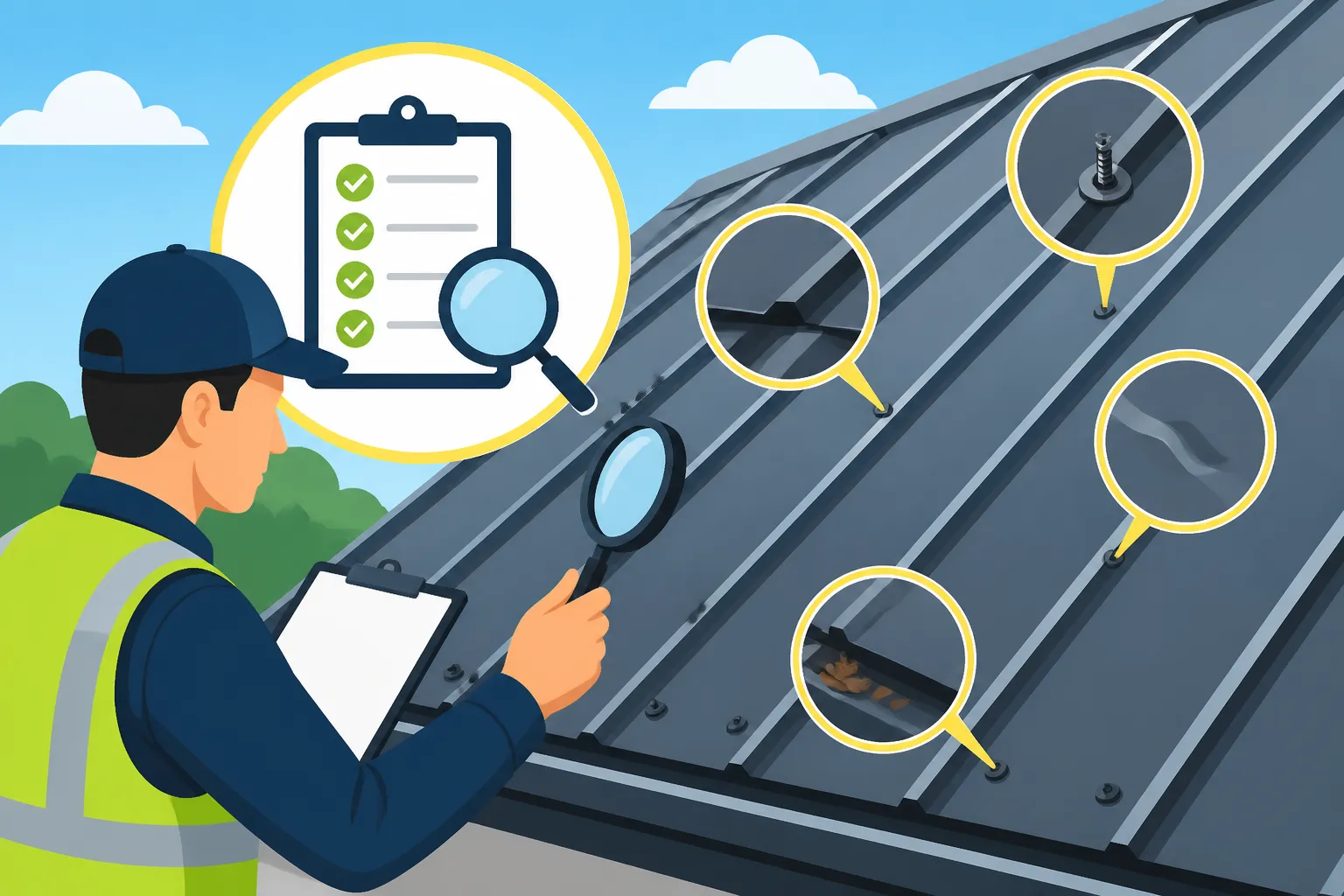
Here's a quick checklist to guide your own visual inspection:
| Inspection Area | What to Look For (DIY) | Severity Level | Action Needed (DIY/Pro) |
|---|---|---|---|
| From the Ground | |||
| Overall Roof Surface | Dents, severe discoloration, uneven fading, sagging areas | Medium to High | Note for closer look, consider pro for significant issues |
| Gutters & Downspouts | Clogs, sagging, detached sections, improper drainage | Low to Medium | Clean gutters, re-secure loose sections |
| Up Close (On Roof/Ladder) | |||
| Fasteners (exposed) | Loose, rusty, missing rubber washers | Medium | Tighten/replace screws, apply sealant |
| Seams (standing seam) | Separation, lifting, crimp damage, signs of stress | Medium to High | Pro assessment likely needed |
| Flashing (chimneys, skylights) | Cracks in sealant, bent/lifted metal, rust, gaps | High | Minor sealant repair, pro for complex flashing damage |
| Panels | Deep scratches, peeling/blistering coating, punctures, rust | Medium to High | Clean rust, touch-up paint, pro for punctures/coating fail |
| Pipe Boots & Vents | Cracked rubber, degraded sealant, loose fittings, debris | Medium | Replace cracked boots, re-seal, clear debris |
| Underlayment (visible tears) | Visible tears or damage (if panels removed or edge exposed) | High | Pro repair or replacement |
| Attic Interior (optional) | Water stains on decking, mold/mildew, drafts, signs of leaks | Medium to High | Pinpoint source, pro for active leaks/mold |
Remember, this table is a guide. Always err on the side of caution and consult a qualified professional if you are unsure or uncomfortable.
Disclaimer
This article is intended for informational purposes only and does not constitute professional roofing advice. Always consult with a qualified and licensed metal roofing contractor for specific recommendations regarding your property's needs, safety, and local building codes. Performing DIY roof inspections or repairs carries inherent risks, including personal injury and property damage.