How to Maintain a Metal Roof in Colorado
Living in Colorado means enjoying incredible mountain views and vibrant seasons, but it also means your home's exterior, especially your roof, takes a beating. Metal roofs are fantastic for our climate, known for their resilience and longevity, but they still need some love and attention to perform their best. This comprehensive guide will walk you through everything you need to know about how to maintain a metal roof in Colorado, ensuring it stands strong against our unique weather challenges for decades to come.
Understanding Colorado's Climate and Its Impact on Metal Roofs
Colorado's climate is a beautiful but formidable opponent for any exterior building material, and metal roofs are no exception. From scorching summer sun to brutal winter blizzards, your roof in Denver, Colorado Springs, or even up in the high country near Aspen experiences extremes that demand specific maintenance considerations. Ignoring these factors can significantly reduce your roof's lifespan and performance.
High Altitude and Intense UV Radiation
One of the most defining characteristics of Colorado's climate is its high altitude. Even in places like Boulder, you're significantly higher than sea level, which translates to thinner air and less atmospheric filtering of ultraviolet (UV) rays. This intense UV exposure can be surprisingly harsh on roofing materials. For metal roofs, it primarily affects the protective coatings and paint finishes. Over time, relentless UV radiation can cause colors to fade, chalk, and even degrade, compromising the roof's aesthetic appeal and its ability to protect the underlying metal. This is why choosing a high-quality paint system like Kynar 500 (PVDF) is crucial when first installing your metal roof.
Extreme Temperature Swings and Freeze-Thaw Cycles
If you've lived in Colorado for any length of time, you know that a sunny, 60-degree day can quickly turn into a snowy, 20-degree evening. These dramatic temperature fluctuations, often occurring within a single day, create constant expansion and contraction in your metal roof panels. While metal roofs are designed to handle this movement, issues can arise if installation isn't perfect, or if fasteners aren't properly maintained. Repeated thermal cycling can stress seams, fasteners, and flashing points, potentially leading to loose components or seal failures. When temperatures dip below freezing, any trapped moisture can freeze and expand, putting additional stress on the roof system in a phenomenon known as the freeze-thaw cycle. This is especially problematic in areas where snow melt and refreeze are common.
Severe Weather: Hail, Heavy Snow, and High Winds
Colorado is no stranger to severe weather. Hailstorms, particularly in regions like the "Hail Alley" that stretches from Fort Collins down to Colorado Springs, can be devastating. While metal roofs are highly impact-resistant, especially compared to asphalt shingles, large hailstones can still cause dents, dings, and in rare cases, compromise the protective coating. Heavy snowfall, especially in the mountains and foothills, brings significant weight loads and the potential for ice damming if ventilation and insulation aren't adequate. Then there are the notorious Colorado winds, which can reach impressive speeds, testing the integrity of fasteners, edge details, and overall panel attachment. A robust, properly installed metal roof, like a standing seam system, is generally excellent at resisting these wind forces, but maintenance is key to keeping it that way.
Essential Routine Maintenance for Colorado Metal Roofs
Proactive maintenance is your best defense against the unique stresses Colorado's climate puts on your metal roof. Think of it not as a chore, but as an investment that protects your primary investment and extends the life of your roof.
Regular Inspections: What to Look For
Regular roof inspections are paramount, especially after severe weather events. Ideally, you should inspect your metal roof at least twice a year – once in the spring after the winter snow has melted, and again in the fall before the first heavy snow. It’s important to remember that walking on a metal roof can be risky and potentially damaging if not done correctly. If you're not comfortable or experienced, it's always best to hire a professional. You can use platforms like Modernize to find qualified local roofers who can conduct thorough inspections.
During an inspection, here’s what to pay close attention to:
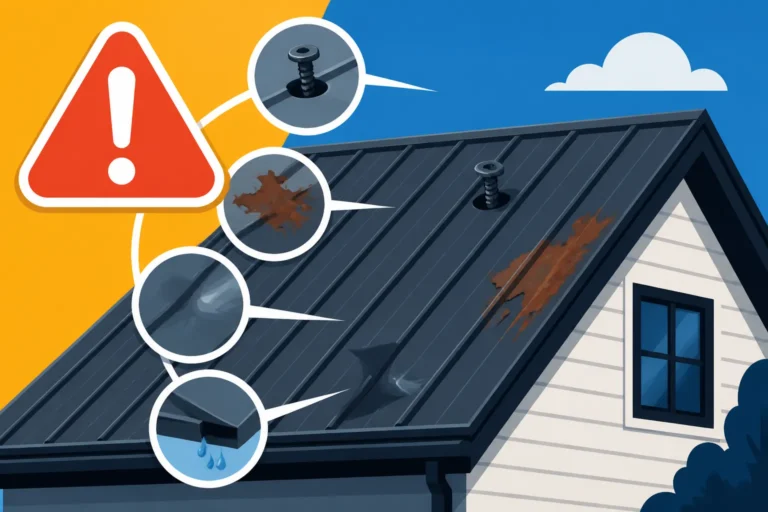
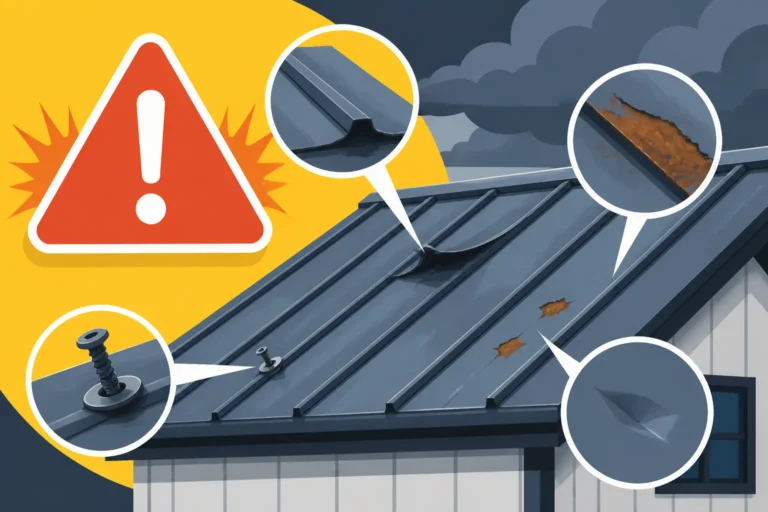
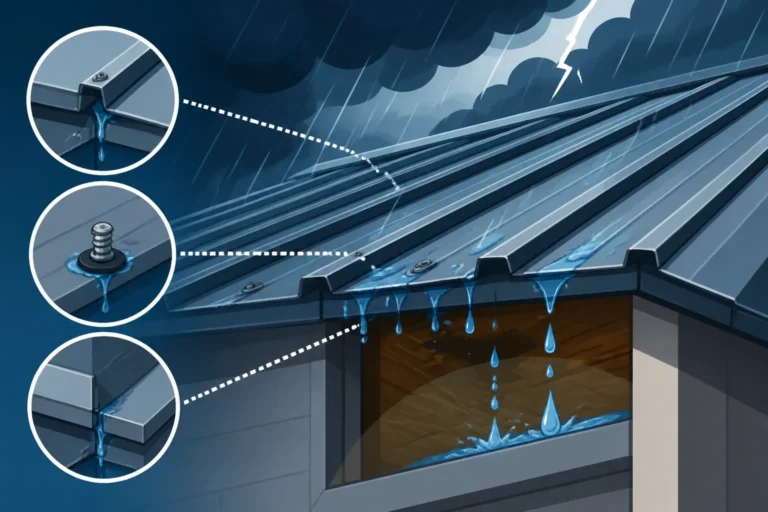
- Fasteners and Seams: For exposed fastener roofs, check if any screws are loose, backed out, or if their rubber washers appear cracked or degraded. For standing seam systems, look for any signs of separation or distortion along the panel seams. These are common culprits for leaks.
- Flashing and Sealants: Inspect flashing around chimneys, vents, skylights, and valleys. Look for cracks, gaps, or deterioration in any sealant or caulk. These transition points are prime areas for water intrusion. You can learn more about how to prevent leaks on a metal roof by addressing these common issues.
- Panel Condition: Look for any signs of dents, scratches, or areas where the paint coating might be chipping, peeling, or showing excessive chalking. While small scratches might not be immediately alarming, any area where the base metal is exposed could be vulnerable to rust over time, especially with consistent moisture.
- Gutters and Downspouts: Ensure they are clear of debris and properly attached. Clogged gutters can lead to water backing up onto the roof, encouraging ice dam formation in winter, or overflowing and causing damage to fascias and soffits.
- Debris Accumulation: Check for leaves, branches, or other organic matter that might have collected on the roof, especially in valleys or behind chimneys. Debris can trap moisture, promote biological growth, and potentially scratch the roof surface.
Cleaning Your Metal Roof Effectively
Cleaning a metal roof in Colorado primarily involves removing organic debris and preventing the build-up of dirt or mildew. While metal roofs are inherently low-maintenance, a periodic cleaning can keep them looking great and prevent minor issues from escalating.
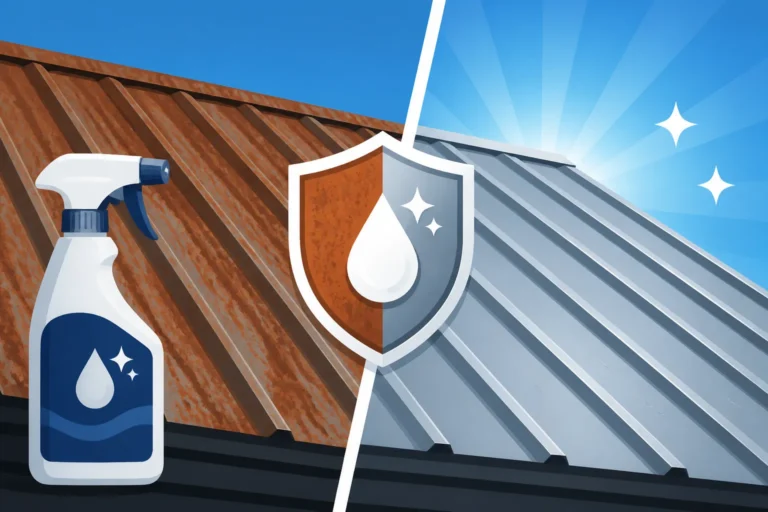
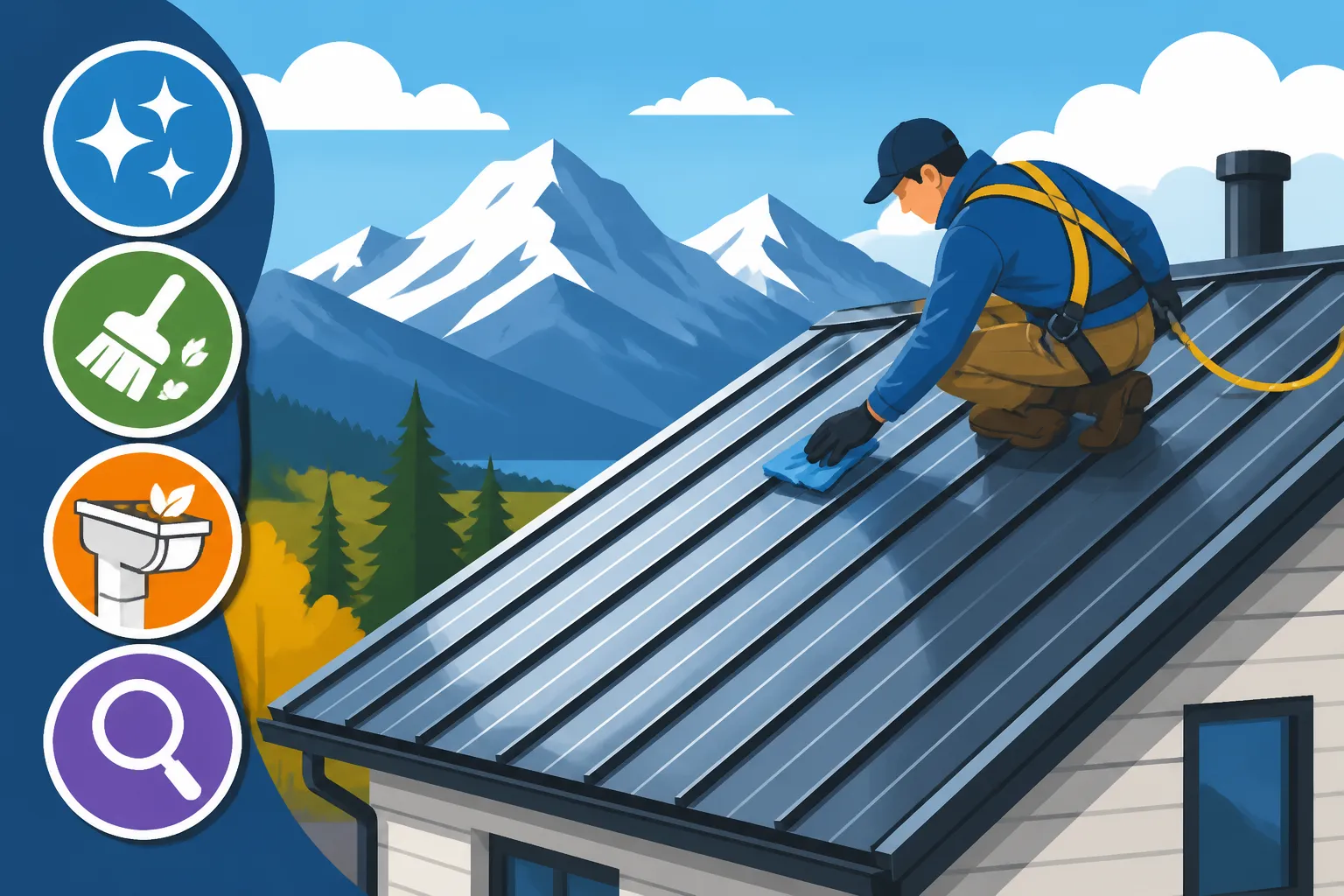
- Gentle Cleaning: For general dirt and grime, a soft-bristle brush, a garden hose, and a mild detergent (like dish soap) are usually sufficient. Avoid harsh chemicals, abrasive cleaners, or high-pressure washers, as these can damage the paint finish and void warranties. Always rinse thoroughly to remove all soap residue.
- Addressing Mildew or Algae: In shaded areas, particularly in parts of Colorado with more moisture, you might see mildew or algae growth. A diluted solution of household bleach (e.g., one part bleach to three parts water) can be effective. Apply with a soft brush, let it sit for a few minutes, then rinse thoroughly. Again, proceed with caution and consider professional help.
- Removing Tough Stains: For stubborn stains from tree sap or bird droppings, specialized roof cleaners designed for metal surfaces can be used, but always test them in an inconspicuous area first.
Remember to always prioritize safety when cleaning your roof. If your roof has a steep pitch or if you're uncomfortable with heights, hiring a professional is a smart move.
Managing Debris and Drainage Systems
Effective drainage is critical for the longevity of any roof, and metal roofs are no exception. Colorado's trees and strong winds can quickly deposit leaves, pine needles, and small branches onto your roof.
- Clear Valleys and Gutters: Regularly clear any debris from roof valleys and gutters. Blocked valleys can trap water, leading to standing water issues and potential leaks. Clogged gutters can cause water to overflow, damaging siding, landscaping, and leading to problematic ice dams in winter.
- Trim Overhanging Branches: Trees overhanging your roof can drop debris, scratch the roof surface during windy conditions, and create shaded areas where moisture might linger longer, encouraging moss or algae growth. Consider trimming branches back to at least 6-10 feet from your roof.
- Downspout Maintenance: Ensure downspouts are clear and direct water away from your home's foundation. If your soil frequently shifts due to Colorado's dry spells and sudden downpours, proper water diversion is even more crucial.
Tackling Specific Colorado Metal Roof Challenges
Colorado throws some unique curveballs at homeowners. Knowing how to deal with specific issues can save you significant repair costs and stress down the line.
Snow and Ice Management: Preventing Damage
Heavy snowfall is a fact of life in much of Colorado. While metal roofs shed snow efficiently, which is a major benefit, proper management is still essential.
- Snow Guards: For areas over walkways, entryways, or landscaping, snow guards are highly recommended. These small devices are strategically installed to prevent large sheets of snow and ice from suddenly sliding off the roof, which can be dangerous to people and damaging to property below. Think about the safety of anyone walking near your home or valuable shrubs you want to protect. Installing snow guards on a metal roof is a common practice in snowy regions.
- Ice Dams: Even with a metal roof, ice dams can form if there's inadequate attic ventilation and insulation, allowing heat to escape and melt snow from underneath. The melted water then refreezes at the colder eaves, creating a dam that can force water back up under the roof panels and into your home. A proper Metal Roof Underlayment and Ventilation Guide is crucial to prevent this. Ensure your attic is well-ventilated and insulated to maintain a consistent roof temperature.
- Professional Snow Removal: While metal roofs can handle significant snow loads, if you live in an area with extreme snowfall, or if your roof pitch and structure warrant it, consider professional snow removal. Never attempt to remove heavy snow or ice from a metal roof yourself without proper training and equipment, as it can be incredibly dangerous and cause damage to the roof panels.
Dealing with Hail Damage
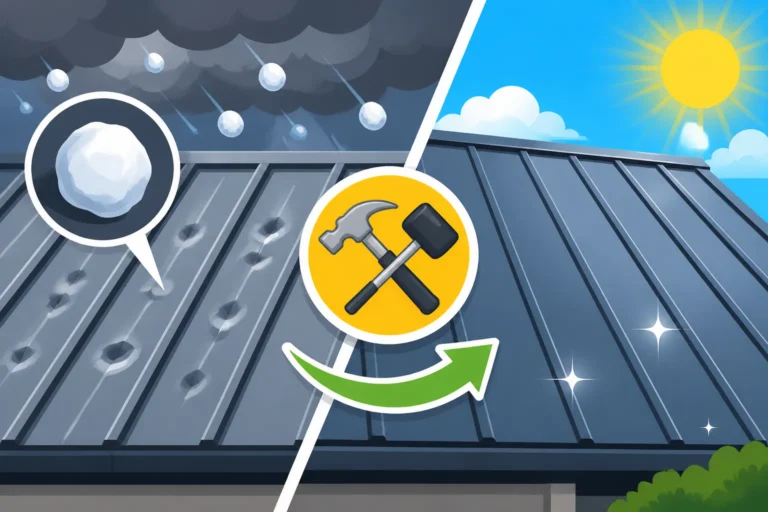
Colorado's hail can range from pea-sized to golf-ball-sized, or even larger. While metal roofs are known for their resilience, large hailstones can leave noticeable dents.
- Post-Hail Inspection: After any significant hailstorm, conduct a thorough inspection of your roof. Look for dents, scuffs, or any areas where the coating might have been compromised. Even if the damage seems cosmetic, underlying issues could develop over time.
- Assessing Damage: Most often, hail damage to metal roofs is cosmetic, meaning the roof's integrity isn't immediately compromised. However, severe impacts could potentially compromise the paint finish, leading to future rust or corrosion. It's crucial to understand the difference between cosmetic damage and structural damage.
- Insurance Claims: If you suspect significant hail damage, contact your insurance company promptly. Many policies cover hail damage, but be aware of "cosmetic damage exclusions" that some insurers might apply to metal roofs. You'll want to understand Metal Roof Hail Damage and Insurance Claims thoroughly. If needed, you might need to hire a professional who can expertly assess and help How to Fix Hail Dents in a Metal Roof. Platforms like Modernize can help you find experienced roofers who are familiar with insurance claims processes for metal roofs.
Addressing UV Fading and Paint Integrity
The intense UV radiation in Colorado can be tough on any exterior paint, and metal roof coatings are no different.
- Chalking and Fading: Over years, even high-quality coatings like Kynar 500 (PVDF) may show signs of chalking (a powdery residue on the surface) or gradual fading. While mostly cosmetic, severe chalking can indicate degradation of the paint film.
- Recoating Options: If your roof is extensively chalked or faded, and you're not ready for a full replacement, consider a professional recoating. This involves cleaning the roof, making any necessary repairs, and applying a new, high-performance coating. This can restore the roof's appearance and add another layer of protection. This can be a cost-effective way to extend the aesthetic and protective life of your roof, rather than replacing it. Consider researching Repainting and Recoating a Metal Roof to understand the process and benefits.
Mitigating Expansion, Contraction, and Oil Canning
The constant expansion and contraction of metal panels due to Colorado's temperature swings can sometimes lead to issues, though quality installation minimizes these.
- Fastener Issues: For exposed fastener systems, the thermal movement can sometimes cause screws to loosen or back out over many years. This is why checking fasteners during inspections is so important. Tightening or replacing screws with new, oversized washers can prevent leaks.
- Oil Canning: This term refers to the visible waviness or distortion in flat metal panels. While not a structural defect, it can be an aesthetic concern. It's often caused by manufacturing tolerances, improper handling, or installation stresses rather than strictly maintenance issues. However, ensuring proper fastening and allowing for thermal movement during installation is key to minimizing it. If you're noticing new or worsening oil canning, it might be a sign of underlying issues that a professional should evaluate.
Long-Term Protection and Professional Guidance
While DIY maintenance is great for routine tasks, certain aspects of metal roof care, especially in a challenging climate like Colorado's, truly benefit from professional expertise.
Scheduling Professional Inspections and Maintenance
Even if you're diligent with your own inspections, a professional can spot subtle issues that an untrained eye might miss. They have the specialized tools and experience to assess the entire roof system, including areas that are difficult to access.
- Annual Check-ups: Consider an annual professional inspection, especially as your roof ages. A qualified metal roofing contractor can identify potential leak sources, assess the condition of coatings, flashing, and fasteners, and recommend preventative measures.
- Pre- and Post-Storm Checks: After particularly severe hailstorms, blizzards, or high-wind events, a professional inspection can provide peace of mind and help with any insurance claims.
- Choosing the Right Professional: When looking for help, it's vital to find a contractor experienced with metal roofing. Not all roofers are equally skilled with metal. You can use resources like Modernize to connect with local, vetted metal roofing contractors who understand Colorado's specific building codes and environmental challenges. Understanding How to Hire a Metal Roofing Contractor is a critical step in this process.
Understanding Your Warranty and Insurance
Your metal roof is a significant investment, and its warranty and your homeowner's insurance policy are crucial aspects of its long-term protection.
- Manufacturer Warranties: Most metal roof materials come with long-term manufacturer warranties, often covering the material itself and the paint finish for 20-50 years or even a lifetime. These warranties usually require proper installation and maintenance.
- Workmanship Warranties: The contractor who installs your roof should also provide a workmanship warranty, covering their installation quality for a certain period. Make sure you understand the terms of both your Metal Roof Warranties: Workmanship vs Manufacturer.
- Homeowner's Insurance: As mentioned with hail, understand your policy's coverage for metal roofs, especially regarding cosmetic damage. Some insurance companies offer Metal Roof Insurance Savings & Discounts due to their durability and fire resistance. It's always a good idea to confirm with your insurer about potential savings and specific coverage details in Colorado.
When to Consider Repair Versus Replacement
Even with the best maintenance, all roofs eventually reach the end of their functional life. While metal roofs last a very long time—often 40-70 years or more, as detailed in How Long Do Metal Roofs Last?—deciding between repair and replacement can be a tough call.
- Minor Issues: Small leaks, a few loose fasteners, or minor cosmetic damage are typically good candidates for repair. The How Much Does Metal Roof Repair Cost? is usually significantly less than a full replacement.
- Extensive Damage: If you're seeing widespread rust, numerous panel distortions, continuous leaks in multiple areas, or significant coating failure across the entire roof, it might be time to consider a replacement. For older roofs, especially those approaching their projected lifespan, major repairs might only postpone the inevitable.
- Cost-Benefit Analysis: When facing substantial repair costs, compare them to the cost of a new roof, factoring in the added lifespan, potential energy savings, and improved curb appeal a new metal roof would bring. Sometimes, the long-term value of a replacement outweighs the repeated expense of patching up an aging system.
Colorado Metal Roof Maintenance Checklist
To help you keep track, here's a handy checklist of maintenance tasks, tailored for the Colorado homeowner.
| Maintenance Task | Frequency | Key Considerations for Colorado |
|---|---|---|
| Visual Inspection | Bi-Annually (Spring & Fall) | After hail/snow events. Check fasteners, flashing, overall panel condition. |
| Gutter/Downspout Cleaning | Bi-Annually & As Needed | Especially after autumn leaf drop and before winter. Prevent ice dams. |
| Debris Removal | Bi-Annually & As Needed | Clear valleys, behind chimneys. Prevents moisture traps. |
| Panel Cleaning | Annually (or as needed) | Use mild soap & water. Address mildew in shaded areas. Avoid harsh chemicals. |
| Snow Guard Inspection | Annually (Fall) | Ensure all guards are secure before winter snowfall. |
| Flashing/Sealant Check | Annually | Look for cracks or separation due to extreme temperature swings. |
| Professional Inspection | Every 3-5 Years (or Annually after 20 years) | Highly recommended to catch subtle issues and provide expert assessment. |
| Tree Trimming | As Needed | Keep branches 6-10 feet from roof to reduce debris and scratching. |
Taking care of your metal roof in Colorado means being mindful of the state's incredible yet demanding environment. By following these maintenance steps and knowing when to call in the professionals, your metal roof will continue to be a durable, beautiful, and valuable asset to your home for many years to come.
Disclaimer
Please note that this guide provides general information and recommendations. Always consult with a qualified and licensed metal roofing professional for specific advice regarding your roof's condition, local building codes, and warranty requirements. Roofing work can be dangerous, and safety should always be your top priority.