Metal Roof Repair Cost in Miami
Dealing with a metal roof that needs repair can feel like a punch to the gut, especially when you live in a place like Miami where the weather can be, shall we say, enthusiastic. From the scorching sun to the relentless humidity and the ever-present threat of tropical storms and hurricanes, your roof endures a lot. This comprehensive guide is here to walk you through everything you need to know about metal roof repair costs in Miami, helping you understand what drives expenses and how to approach fixing your roof with confidence.
What Influences Metal Roof Repair Costs in Miami?
When you’re staring up at a leaky ceiling or noticing a bent panel on your beautiful metal roof, the first question is always, "How much is this going to set me back?" In Miami, the answer isn't always straightforward. Several factors unique to our vibrant city and the nature of metal roofing itself play a huge role in determining the final bill. Understanding these can help you better prepare and negotiate.
Type and Severity of Damage
Not all damage is created equal, and this is perhaps the biggest factor in the cost of your metal roof repair. A small, isolated issue is a world away from widespread destruction.
Imagine a scenario where a rogue palm frond, dislodged by a strong gust of wind, creates a minor scratch or a small puncture on one of your metal panels. This kind of damage is usually superficial, might only require a sealant application or a small patch, and can be relatively inexpensive to fix. The repair might just involve a quick visit from a roofing professional to clean the area, apply a specialized metal roof sealant, and ensure no further compromise. It’s an easy fix, akin to patching a small hole in a tire before it becomes a flat. If you're wondering how small issues escalate, our guide on How Much Does Metal Roof Repair Cost? breaks down general pricing.
Now, consider the aftermath of a stronger event, like a direct hit from a severe tropical storm or a Category 1 hurricane. We've all seen the news reports and experienced the chaos. In such cases, you might be dealing with multiple panels ripped off by wind uplift, widespread denting from flying debris, or even structural damage beneath the metal. This kind of extensive harm often necessitates large-scale panel replacements, potentially structural repairs, and certainly more labor. The severity of the damage directly correlates to the amount of material needed, the complexity of the repair, and the specialized skills required, all of which drive costs significantly higher. For more on this, our article on Metal Roof Storm, Hail & Wind Damage provides a detailed look at common issues.
Metal Roof Material and Profile
The very composition and style of your metal roof also dictate repair costs. Metal roofs come in various materials and profiles, each with its own characteristics, durability, and, yes, repair price tag.
If your home boasts a sleek standing seam metal roof, known for its hidden fasteners and clean lines, repairs can sometimes be more intricate. While these roofs are incredibly durable and resist leaks well, if a panel is damaged, it often requires specialized tools and expertise to unclip or unseam the affected section, replace it, and then meticulously re-seam it without compromising the system's integrity. The panels themselves can be more expensive to fabricate or source, especially if they are custom-cut for your specific roof. This specialized installation means specialized repair, and that often comes with a higher labor cost.
On the other hand, a more common corrugated metal roof, with its exposed fasteners, might be simpler to repair in some instances. Individual panels can often be unscrewed and replaced with less fuss. However, the availability of an exact match in terms of color, profile, and gauge is still crucial for both aesthetics and proper functionality. Materials like copper or zinc, while incredibly long-lasting and beautiful, are significantly more expensive to purchase for replacement parts, and finding a roofer experienced in working with these specialty metals in Miami might also add to your labor costs. Understanding these material differences is key, and our guide on Metal Roofing Materials Compared: Steel, Aluminum, Copper & Zinc delves deeper into each type.
Accessibility and Roof Complexity
Believe it or not, how easy it is for a roofer to get to and work on your roof can drastically affect repair costs. Miami homes often feature diverse architectural styles, from sprawling ranch houses to multi-story modern designs with unique rooflines.
Consider a single-story ranch house with a relatively low-slope roof. Accessing this type of roof is usually straightforward, requiring standard ladders and basic safety equipment. The labor involved in moving materials and workers around is minimal, keeping costs down. The work can proceed quickly and efficiently, as the crew isn't battling difficult angles or dangerous heights. This is often the most cost-effective scenario for metal roof repairs.
However, many Miami homes, especially those closer to the coast or in newer developments, feature steep pitches, multiple gables, intricate valleys, numerous skylights, or even integrated solar panels. These complexities increase the inherent risks for roofers and demand specialized safety gear, scaffolding, and more time for setup and execution. Working on a steep pitch in Miami's humid climate, where surfaces can be slippery, requires extra caution and specialized training. Furthermore, if your roof has obstructions like large trees that need to be carefully trimmed or worked around, or if access to your property is limited, these factors can also add to the overall labor time and expense. Each additional challenge translates directly into more hours and specialized equipment, driving up the repair cost.
Typical Repair Scenarios and Their Costs in Miami
Miami's weather patterns, with intense sun, heavy rainfall, and hurricane-force winds, often lead to specific types of metal roof damage. Knowing the most common repair scenarios can help you anticipate potential costs and understand what your contractor is addressing.
Fixing Leaks and Fastener Issues
Leaks are, without a doubt, the most frustrating and common issue homeowners face with any roof, and metal roofs are no exception. In Miami, the constant thermal expansion and contraction caused by our intense heat, coupled with heavy rains, can put a strain on even the best installed metal roofing systems.
One of the most frequent culprits for leaks on exposed fastener metal roofs is the fasteners themselves. Over time, the neoprene washers under the screw heads can degrade from relentless UV exposure and temperature fluctuations. When these washers fail, water can seep directly through the screw holes, leading to interior leaks. Fixing this typically involves replacing the old, failing screws with new, larger ones that have fresh, high-quality washers, often paired with a dab of specialized sealant for extra protection. This is a relatively minor repair if caught early and usually costs a few hundred dollars to address localized areas. Our guide on Why Is My Metal Roof Leaking Where the Screws Are offers deeper insights into this problem.
Another common leak source is compromised seams or flashing. Even with properly installed concealed fastener systems, extreme weather can sometimes put stress on panel interlocks or the flashing around chimneys, vents, and skylights. For minor seam separation, a high-quality, durable sealant designed for metal roofs can often do the trick, sealing the gap and preventing water intrusion. This type of repair involves meticulous cleaning, proper application of the sealant, and ensuring it adheres correctly to the metal surface. The cost for these smaller, isolated leak repairs can typically range from a few hundred to over a thousand dollars, depending on the number of leaks and their accessibility. For the best defense, consider using a quality product; our article on Best Sealant for Metal Roof Leaks lists top recommendations.
Panel Replacement and Dent Repair
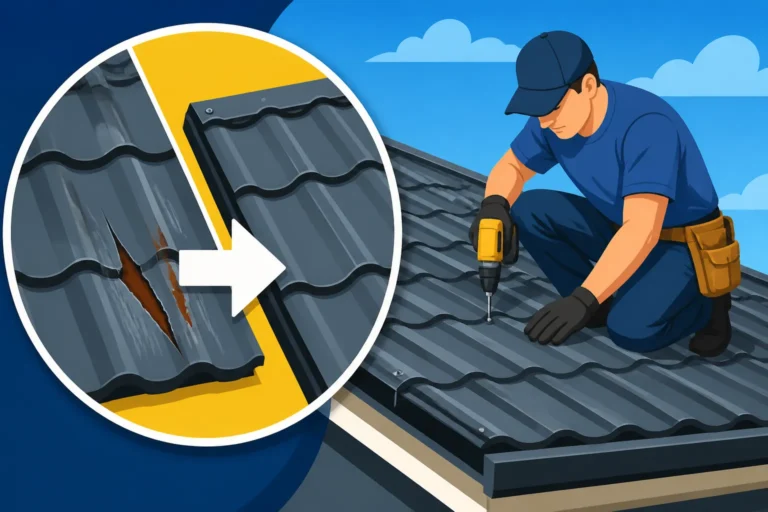
Sometimes, a simple patch or sealant won't cut it, and a full panel replacement is necessary. This is especially true after impact damage, which is a real concern in Miami with its strong winds and potential for flying debris.
Imagine a scenario where a tree branch falls onto your roof during a thunderstorm, or perhaps even a misplaced ladder during a home project causes a significant dent or tear in a metal panel. If the damage is extensive enough to compromise the panel's integrity or lead to recurring leaks, replacing the entire panel or a section of it becomes the most viable solution. This involves carefully removing the damaged section, ensuring the underlying structure is sound, and then installing a new, perfectly matched panel. The cost here can vary wildly. Replacing a single, standard corrugated panel might be more affordable, perhaps in the range of $500 to $1,500, especially if the panel material is readily available.
However, if you have a less common panel type, like a standing seam panel with a unique profile, or a specialized material like copper or zinc, the costs can escalate. Finding an exact match in color and profile is paramount for aesthetic continuity and structural integrity. Sometimes, ordering custom-fabricated panels can lead to higher material costs and longer lead times. Dents that are purely cosmetic might not require replacement, but if you're keen on maintaining your home's curb appeal, even aesthetic dent repair can be considered. While some minor dents might be carefully coaxed out, significant dents often mean panel replacement, pushing costs from $1,000 to $3,000 or more per panel, depending on size, material, and complexity. For a detailed walkthrough, our guide on How to Replace a Metal Roof Panel offers practical advice.
Flashing and Trim Repairs
Flashing and trim pieces are the unsung heroes of your metal roof, critical for diverting water away from vulnerable areas like chimneys, vents, skylights, and roof edges. When these components fail, leaks are almost inevitable, and in Miami's rainy season, that's a problem you don't want.
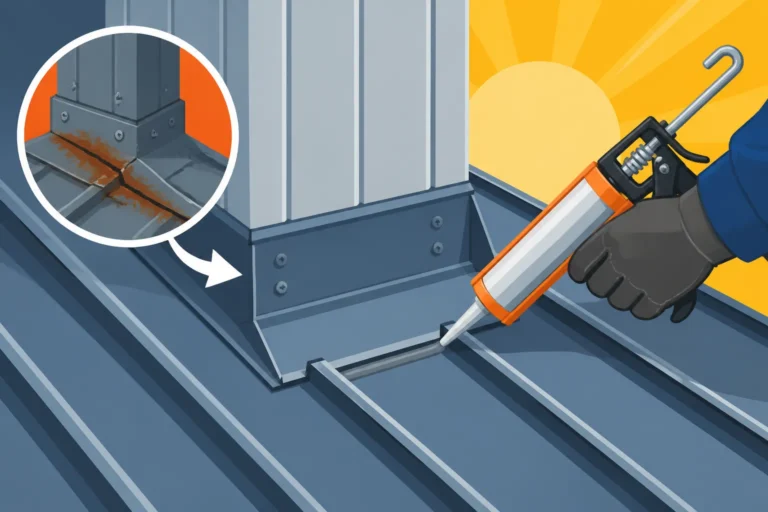
Flashings are essentially thin pieces of impervious material, typically metal, installed to prevent water penetration at junctions or intersections on your roof. These are often made of the same material as your roof panels or a compatible metal like aluminum or galvanized steel. Due to constant exposure to the elements and their critical role in water management, flashing can become corroded, bent, or loosened over time. The sealant around flashing can also degrade. If you notice water stains around your fireplace, attic vents, or skylights, damaged flashing is a prime suspect. Repairing flashing can involve resealing joints, replacing damaged sections, or even completely reinstalling new flashing pieces if the old ones are beyond repair. This can be a labor-intensive process, as it requires careful removal of surrounding materials, precise fitting, and proper sealing to ensure a watertight finish.
The cost for flashing and trim repairs can range widely, depending on the location and extent of the damage. A small repair around a plumbing vent might cost a few hundred dollars, whereas rebuilding flashing around a large, complex chimney or multiple skylights could easily run into the thousands. The critical nature of flashing means it's not a repair to skimp on; poor flashing work is a direct invitation for water damage. Given Miami's propensity for heavy rain, ensuring your flashing is in top condition is non-negotiable for the longevity of your metal roof. Our article on Metal Roof Flashing Repair delves into how these repairs are typically performed.
Average Metal Roof Repair Costs in Miami
Let's talk numbers. Giving an exact figure for metal roof repair in Miami is like trying to guess the winning lottery numbers – it varies so much based on specific circumstances. However, we can look at average ranges to give you a clearer picture of what to expect when you get that dreaded repair quote.
It’s important to remember that these are general estimates. Labor rates in Miami tend to be on the higher side compared to national averages due to the cost of living, demand for skilled trades, and the complexities of working in our unique climate (think hurricane-rated installations and strict building codes). Materials can also fluctuate based on availability and supplier pricing, which can be impacted by local demand after a storm or supply chain issues.
Here's a general table outlining estimated metal roof repair costs in Miami for common issues:
| Type of Repair | Estimated Cost Range (Miami) | Description |
|---|---|---|
| Minor Leak (Sealant/Fastener) | $300 – $800 | Addressing a single, isolated leak from a loose fastener, small puncture, or minor seam separation using sealant and/or fastener replacement. |
| Multiple Leak Points | $800 – $2,000 | Fixing several small leaks across different areas of the roof, often involving multiple fastener replacements or seam resealing. |
| Single Panel Replacement | $1,000 – $3,500 | Replacing one standard metal panel (e.g., corrugated steel or aluminum). Costs vary significantly by panel material, profile (standing seam will be higher), and matching requirements. Includes labor and material. |
| Multiple Panel Replacement | $2,500 – $7,000+ | Replacing several damaged panels. Price depends heavily on the number of panels, their type, and the complexity of accessing/installing them. |
| Flashing Repair (Minor) | $500 – $1,500 | Repairing or resealing flashing around a single vent pipe or a small section of a chimney or skylight. |
| Flashing Repair (Extensive) | $1,500 – $4,000+ | Overhauling or replacing flashing around complex areas like multiple skylights, large chimneys, or significant roof-to-wall transitions. |
| Minor Dent Removal | $400 – $1,000 | Addressing small, superficial dents that don't compromise the roof's integrity, often for aesthetic reasons. May involve specialized tools or techniques, or simply touching up paint. |
| Emergency Tarping/Temporary | $300 – $1,000 | Immediate temporary protection after significant storm damage to prevent further water intrusion, often necessary before permanent repairs can begin. (Note: this is usually a separate, upfront cost). |
Cost Breakdown: Materials, Labor, and Permits
When you receive a quote for your metal roof repair, it typically includes several components: materials, labor, and sometimes permits. Understanding what each part covers is crucial.
Material costs refer to the actual metal panels, fasteners, sealants, underlayment (if affected), and any other components needed for the repair. In Miami, the proximity to various suppliers can sometimes help with material availability, but specific or custom metal roofing panels might need to be ordered, potentially adding to both cost and lead time. For instance, if you have a specialized stone-coated steel roof, the cost of individual tile panels will be significantly higher than a standard ribbed panel. The type of coating on your metal roof, such as a high-performance PVDF (Kynar 500) finish, also impacts material costs, as these are designed for superior durability against Miami's sun and salt air. These high-quality materials are often worth the investment for their longevity and aesthetic retention, but they certainly affect the immediate repair bill.
Labor costs encompass the wages of the roofing crew, their expertise, and the time spent on your project. In a busy metropolitan area like Miami, skilled labor for metal roofing tends to be at a premium. Factors like the complexity of your roof (steep pitch, multiple levels), accessibility, and the specialized nature of metal roof work all contribute to labor expenses. Furthermore, if the repair requires multiple days, or if the contractor needs to bring in specialized equipment like cranes or lifts, these costs will be factored in. For any significant structural repair or replacement, permits are often required by the city of Miami or Miami-Dade County. This permit ensures that the work complies with local building codes, which are particularly stringent here due to hurricane risks. The permit cost itself might be a few hundred dollars, but it's a necessary step to ensure safety and avoid future complications. To ensure you’re getting fair and competitive bids from qualified local companies, platforms like Modernize can be incredibly helpful in connecting you with vetted contractors who understand Miami’s specific requirements. Our article on Do You Need a Permit for a Metal Roof in Miami? further explains these regulations.
Comparing Repair vs. Replacement Considerations in Miami
It's the age-old question: repair or replace? Especially with metal roofs known for their longevity, making this decision can be tough, and Miami's climate adds another layer of complexity.
If your metal roof is relatively young (say, under 20 years old), and the damage is localized and minor, repair is almost always the more cost-effective and sensible option. For example, if you have a standing seam roof that’s only 10 years old and a single panel is damaged by falling debris, a targeted repair will preserve the remaining lifespan of your roof, which could easily be another 30-50 years. This approach maximizes your initial investment and prevents premature replacement. Our guide on Metal Roof Repair vs Replacement: How to Decide provides a comprehensive framework for this decision.
However, if your metal roof is significantly older (approaching 30-40+ years), has widespread damage across multiple panels, or is showing signs of extensive corrosion, pitting, or failing coatings, then the repair costs can quickly add up and begin to approach the cost of a full replacement. In Miami, the constant exposure to salt air and intense UV radiation can accelerate the aging process for some materials or coatings if they weren't initially chosen for these harsh conditions. If you're looking at multiple, costly repairs that address symptoms rather than the underlying problem (e.g., an aging roof nearing the end of its functional life), then replacing the entire roof might offer better long-term value. A new metal roof provides a fresh start, improved energy efficiency with modern coatings, and renewed peace of mind against Miami's weather. It's also an excellent investment that often increases home value and offers a significant Is a Metal Roof Worth It? ROI, Resale & Payback over its lifespan.
Finding a Reliable Metal Roof Repair Contractor in Miami
Finding the right contractor for your metal roof repair in Miami is just as important as understanding the costs. A shoddy repair can lead to more expensive problems down the line, especially with our challenging weather conditions. You want someone experienced, trustworthy, and knowledgeable about local requirements.
What to Look for in a Miami Roofing Company
In a city as bustling and diverse as Miami, there are countless roofing companies, but not all are created equal, especially when it comes to the specialized nature of metal roofing. Here's what you should prioritize.
First and foremost, verify their licensing and insurance. In Florida, roofing contractors must be licensed by the state (e.g., Certified Roofing Contractor) and carry robust general liability and workers' compensation insurance. Never hire an unlicensed contractor, no matter how good the deal sounds. An uninsured contractor can leave you liable for accidents on your property. Our article on Metal Roof Contractor Licensing, Bonding & Insurance details what to look for. Beyond the basics, look for a company with a proven track record specifically in metal roofing. Ask to see examples of their past metal roof repair projects in Miami. Metal roofing requires different tools, techniques, and expertise than traditional asphalt shingles, and you want someone who specializes in it. Companies with experience working with various metal types like standing seam, corrugated, or metal shingles will be better equipped to handle your specific repair.
Local experience is invaluable in Miami. A reputable contractor will be familiar with the Florida Building Code, specific Miami-Dade County requirements, and local permitting processes. They should also understand the unique challenges our climate presents, such as high winds, intense UV exposure, and salt air corrosion. Look at their online reviews on platforms like Google, Yelp, and the Better Business Bureau. Pay attention to comments regarding their professionalism, communication, quality of work, and adherence to timelines. A good contractor will have predominantly positive reviews, respond professionally to any negative feedback, and ideally, boast certifications from major metal roofing manufacturers, indicating they've been trained to install and repair specific products correctly. Platforms like Modernize can be a great starting point, as they can help connect you with several pre-vetted, licensed, and insured contractors in the Miami area who specialize in metal roofing. To help you screen candidates, our guide on How to Hire a Metal Roofing Contractor provides essential questions to ask.
Getting and Comparing Quotes
Once you've identified a few promising contractors, the next crucial step is to get detailed quotes. Don't settle for just one; aim for at least three comprehensive bids to compare services and pricing effectively.
When requesting quotes, be as specific as possible about the damage you've observed and any areas of concern. A good contractor will perform a thorough inspection, often taking photos, and then provide a detailed, written estimate. This estimate should clearly break down the costs for materials, labor, and any required permits. It should also specify the exact type of metal panels or components that will be used for the repair, their gauge, finish, and color. Clarify if the quote includes debris removal and site cleanup. Be wary of quotes that are vague, lack detail, or seem significantly lower than the others; this can be a red flag for hidden costs, substandard materials, or uninsured labor. Always ask about the warranty on the repair work itself – reputable contractors will typically offer a workmanship warranty.
Take your time to review each quote carefully. Don't be afraid to ask questions if something isn't clear or if you spot discrepancies between bids. For instance, if one contractor suggests a full panel replacement while another proposes a patch for the same issue, ask them to explain their reasoning. Sometimes, the cheapest bid isn't the best value in the long run. Consider the contractor's reputation, their communication style, and the completeness of their proposal alongside the price. Remember, a metal roof is a significant investment, and its repair should be treated with the same level of due diligence. Utilizing a service like Modernize can streamline this process by providing access to multiple reputable local companies, allowing you to easily compare their detailed bids and find the best fit for your metal roof repair needs in Miami. Our article on How to Read and Compare Metal Roof Quotes offers practical advice on evaluating different proposals.
Preventing Future Metal Roof Repair Costs in Miami
The best repair is often the one you don't need! While you can't prevent every unforeseen event, especially in hurricane-prone Miami, there are many proactive steps you can take to minimize the likelihood and severity of future metal roof repair costs. Investing a little time and effort now can save you a lot of headaches and money later.
Regular Maintenance and Inspections
Consistent care and periodic check-ups are paramount to extending the life of your metal roof and catching small issues before they become major, costly repairs. This is especially true in Miami's demanding climate.
Start with regular visual inspections from the ground. Look for any loose fasteners, bent panels, or areas where the coating might be fading or peeling. After any significant weather event, whether it's a heavy downpour or a strong windstorm, take a moment to scan your roof for potential damage. Also, make sure your gutters are clear of debris, as clogged gutters can lead to water pooling on your roof or overflowing and causing damage to fascia boards and landscaping. Regular cleaning of your roof can also prevent the buildup of corrosive elements, particularly important in our coastal environment where salt residue can accumulate. While you can do basic visual checks, it's always wise to schedule a professional roof inspection at least once every one to three years, or immediately after a severe storm. A trained eye can spot subtle signs of wear, compromised flashing, or early signs of rust that you might miss. They can also safely access the roof to inspect fasteners, sealants, and valleys more closely. Our Metal Roof Maintenance Guide offers a seasonal checklist you can follow, and for specific areas to focus on, check out Metal Roof Inspection: What to Check.
Protecting Your Metal Roof from Miami's Climate
Miami's unique climate presents specific challenges that your metal roof must contend with. Proactive protection against these elements can significantly reduce your repair bills over time.
One of the biggest concerns in South Florida is the relentless sun and its powerful UV rays. These can degrade coatings and sealants over time, leading to fading, chalking, and eventually, compromised weather protection. When choosing a metal roof or considering recoating, opt for high-quality paint systems like PVDF (often known by the brand name Kynar 500 or Hylar 5000). These coatings offer superior UV resistance and color retention, meaning your roof will look better and last longer, delaying the need for repairs related to coating failure. For insights into choosing the best roof for our region, our guide on the Best Metal Roof for Coastal and Salt Air provides excellent recommendations. Furthermore, salt air, prevalent in many parts of Miami, can accelerate corrosion on certain types of metal if they are not adequately protected. Aluminum or specific alloys of steel with enhanced corrosion resistance are often recommended for coastal areas.
Proper ventilation is also key in Miami's humid environment. Good attic ventilation prevents heat buildup and moisture condensation underneath your metal roof, which can lead to issues like "roof sweating," where moisture drips down and can damage insulation or ceiling materials. Ensure your roofing system includes adequate intake and exhaust vents to allow for continuous airflow. Finally, manage your landscaping. While lush trees are beautiful, overhanging branches pose a significant risk during strong winds. Regularly trim branches away from your roof to prevent them from rubbing, scratching, or falling onto the panels during a storm, causing impact damage. These preventative measures, while requiring a bit of foresight and maintenance, are far less expensive than emergency repairs after the fact.
Disclaimer
Please note that this article provides general information and estimated costs for metal roof repair in Miami. Actual costs can vary significantly based on specific material types, the extent of damage, labor rates at the time of repair, and individual contractor pricing. It is always recommended to obtain multiple detailed quotes from licensed and insured local professionals for an accurate assessment of your specific repair needs.