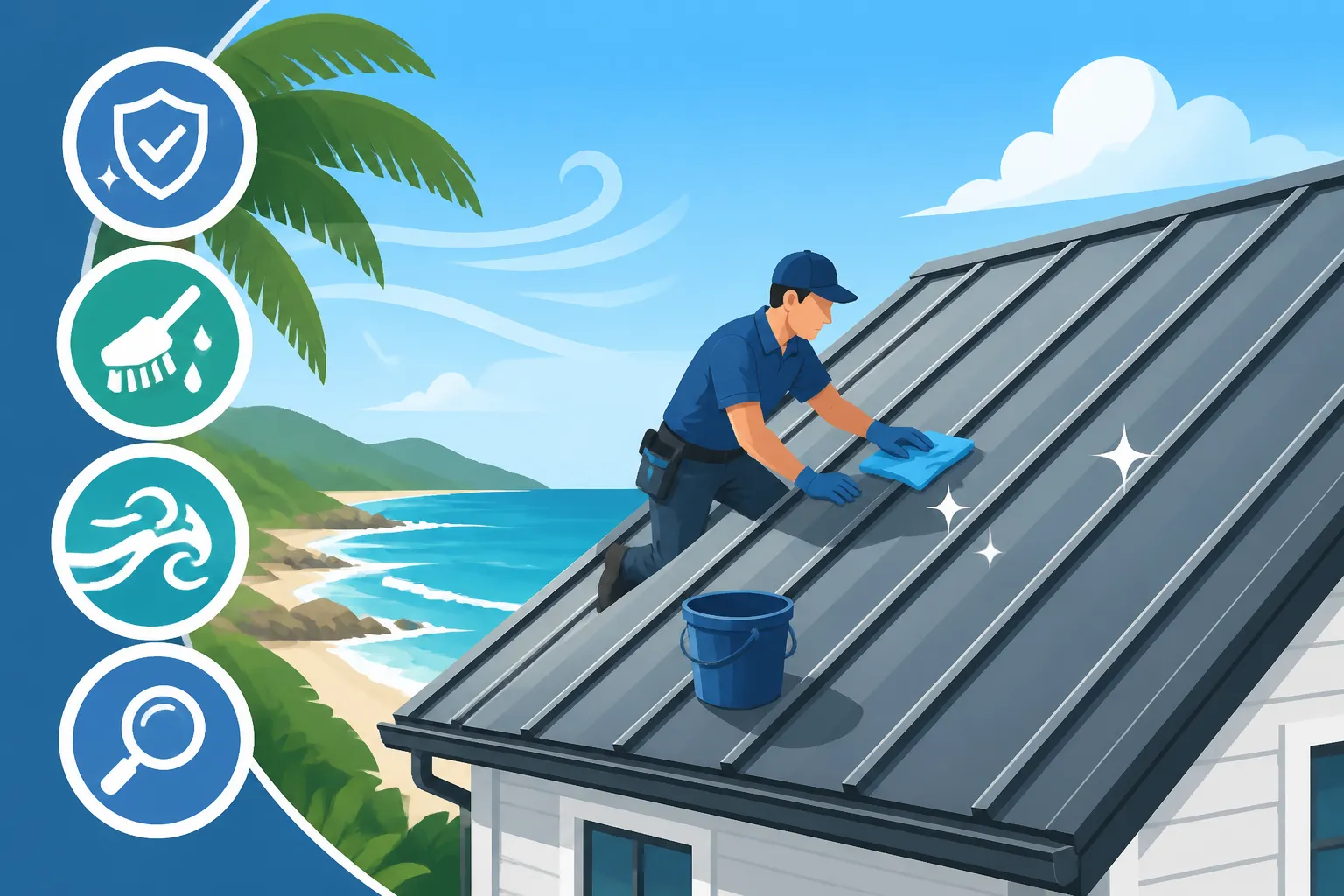
How to Maintain a Metal Roof in Coastal Areas
Living in a coastal area offers breathtaking views and a refreshing breeze, but it also brings a relentless challenge to your home, especially your roof. The constant assault of salt spray, high humidity, intense UV radiation, and the threat of severe storms can dramatically accelerate wear and tear on even the most durable materials. If you’ve invested in a metal roof, you know it’s a robust choice, but it's not invincible. This comprehensive guide will walk you through the essential maintenance strategies needed to protect your metal roof from the unique rigors of a coastal environment, ensuring its longevity and performance for decades to come.
Why Coastal Areas Are So Tough on Metal Roofs
Coastal environments are beautiful, but they are undeniably brutal on building materials, particularly metal roofs. It's not just the dramatic storms; it's the insidious, day-to-day exposure that truly takes its toll. Understanding these specific challenges is the first step in formulating an effective maintenance plan.
The Relentless Attack of Salt and Humidity
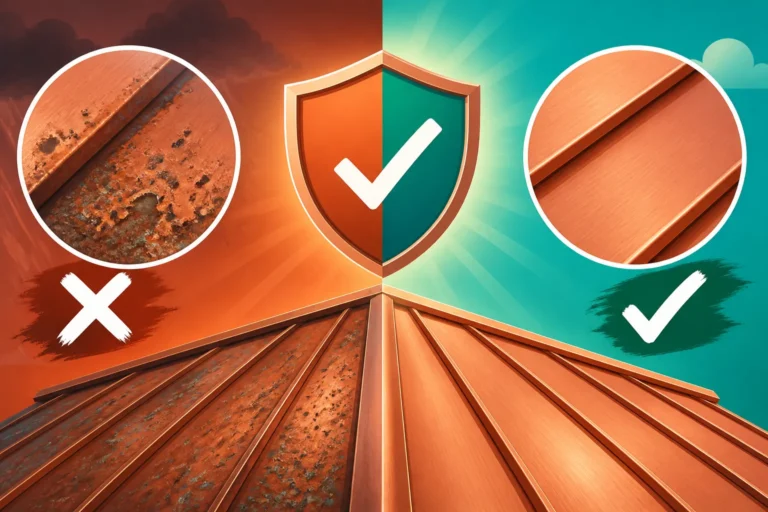
The most pervasive and damaging factor for metal roofs in coastal regions is the combination of salt and humidity. When you’re near the ocean, every gust of wind carries microscopic salt particles that settle on your roof. This isn't just a surface-level issue; these chloride ions are highly corrosive. When combined with the high moisture content in coastal air, they create an electrolyte solution that rapidly accelerates the oxidation process, leading to rust and material degradation.
Think about it this way: normal rust takes time, but salt acts like a catalyst, speeding up the chemical reaction exponentially. On steel roofs, this leads to visible red rust, pitting, and eventually, structural weakening. Even seemingly resistant materials like aluminum can suffer from "white rust," a form of aluminum oxide that, while not as structurally damaging as red rust, can mar the aesthetic and compromise protective coatings over time. The constant dampness also fosters the growth of mildew, algae, and lichens, which can trap moisture against the roof surface and further contribute to material breakdown, especially on roofs with a lower pitch where water might sit longer. This relentless exposure demands a proactive approach to cleaning and protection that inland roofs simply don't require.
Battling High Winds and Storm Surges
Beyond the chemical assault, coastal regions are synonymous with strong winds, ranging from persistent breezes to hurricane-force gusts. These winds exert immense uplift pressure on roof panels, flashing, and fasteners. Over time, this constant mechanical stress can loosen screws, compromise seams, and even lead to entire panels detaching – a homeowner's worst nightmare during a major storm.
Then there's the added threat of storm surges during hurricanes or powerful nor'easters. While metal roofs are generally excellent at handling high winds, the combination of wind-driven rain, especially with debris carried by the wind or water, can test the limits of even the best installations. Flashing around chimneys, skylights, and valleys becomes particularly vulnerable, as even a tiny gap can allow water infiltration, leading to interior damage that often goes unnoticed until it's severe. A roof that might shrug off a strong thunderstorm inland could be severely challenged by the sustained, destructive forces found along the coast. It’s why selecting the Best Metal Roof for Coastal and Salt Air is so crucial from the start.
Essential Routine Maintenance for Coastal Metal Roofs
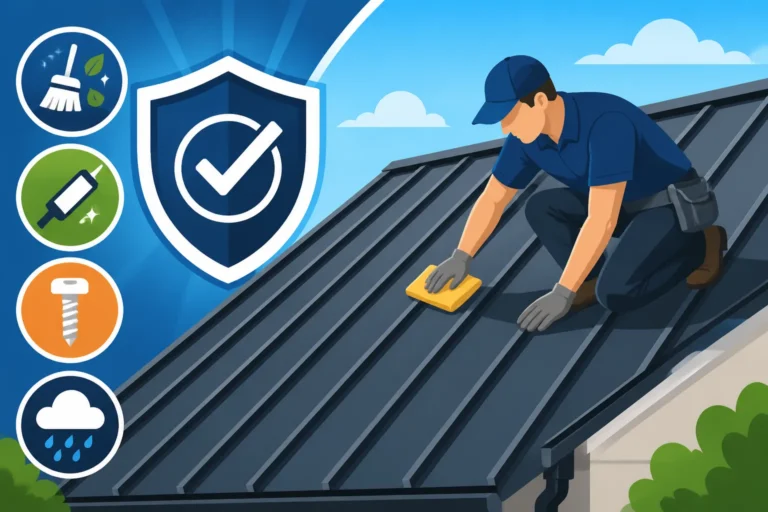
Knowing the enemy is half the battle; the other half is implementing a consistent defense. Routine maintenance for a metal roof in a coastal environment isn't just a suggestion; it's a necessity for preserving your investment. It requires a more diligent schedule than roofs in less aggressive climates, but the payoff in longevity and avoiding costly repairs is immeasurable.
Regular Cleaning Rituals
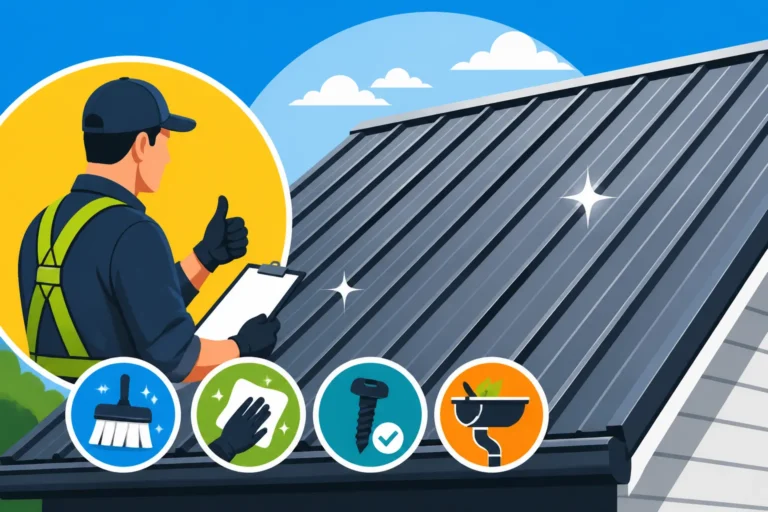
The most fundamental maintenance task for any coastal metal roof is regular cleaning. This isn't just about curb appeal; it's about actively removing the corrosive salt particles that accumulate daily. For most homeowners, this means a thorough rinse with fresh water at least quarterly, if not monthly, especially after periods of particularly windy weather. Think of it like washing your car after a trip to the beach – you wouldn't let the salt sit there and corrode the finish.
For areas with heavier buildup or visible grime, a mild, non-abrasive detergent mixed with water can be applied using a soft-bristle brush or a low-pressure sprayer. It’s absolutely critical to avoid harsh chemicals, abrasive cleaners, or high-pressure washers, as these can strip away protective coatings, scratch the metal, and compromise the integrity of the panels. Always rinse thoroughly with clean water afterward to ensure no soap residue is left behind. This proactive removal of salt and organic growth will significantly slow down the corrosive process, keeping your roof looking better and lasting longer. Regularly tending to these cleaning rituals is a core component of a comprehensive Metal Roof Maintenance Guide.
Proactive Inspections and What to Look For
Beyond cleaning, regular, detailed inspections are your early warning system. Many small issues on a metal roof can escalate quickly in a coastal environment if not caught in time. Ideally, you should conduct a visual inspection from the ground at least twice a year, and if safely possible, a closer inspection on the roof every year or after any significant storm.
During these inspections, pay close attention to several key areas. First, check all fasteners. Are any screws backing out? Are the rubber washers under exposed fasteners still intact and supple, or are they cracked and deteriorated by UV exposure? Loose or failing fasteners are prime entry points for water and weak spots against wind uplift. Next, examine all sealant lines around flashing, vents, and transitions. Look for cracks, peeling, or gaps where the sealant might have dried out or separated. Also, inspect the metal panels themselves for any signs of rust spots, pitting, discoloration, or scratches that might have penetrated the protective coating. Even a small scratch can become a major corrosion point in a salty environment. Look for any signs of oil canning, which, while usually aesthetic, can sometimes indicate panel stress. If you notice any of these red flags, addressing them promptly can prevent them from turning into costly Metal Roof Leak Repair Guide emergencies down the line.
Here’s a helpful table summarizing key maintenance tasks:
| Maintenance Task | Frequency (Coastal Areas) | What to Look For | Why It's Important |
|---|---|---|---|
| Freshwater Rinse | Monthly/Quarterly | Salt residue, grime, airborne particles | Prevents corrosive salt buildup, preserves coatings. |
| Gentle Cleaning | Annually/As needed | Algae, mildew, stubborn dirt | Removes organic growth, maintains aesthetic, prevents moisture trapping. |
| Fastener Check | Bi-Annually/Post-Storm | Loose screws, cracked washers, rust around fasteners | Prevents leaks, ensures panels are secure against wind. |
| Sealant Inspection | Bi-Annually/Post-Storm | Cracks, peeling, gaps around flashing/penetrations | Maintains watertight seals, prevents water ingress. |
| Panel Surface Check | Bi-Annually/Post-Storm | Rust spots, scratches, dents, coating degradation | Identifies early signs of corrosion, protects underlying metal. |
| Gutter Cleaning | Quarterly/As needed | Debris, blockages | Ensures proper drainage, prevents water overflow and fascia damage. |
| Vegetation Trimming | Annually/As needed | Branches rubbing roof, overhanging limbs | Prevents scratches, debris accumulation, and pest access. |
Addressing Specific Coastal Challenges
While routine maintenance keeps the worst at bay, coastal environments also present unique challenges that require targeted interventions. Dealing with rust, securing against wind, and understanding the nuances of material resilience are paramount for your metal roof's survival.
Mitigating Rust and Corrosion
Rust and corrosion are the arch-nemeses of metal roofs, and in coastal areas, they are particularly aggressive. Steel roofs, while durable, are highly susceptible to "red rust" if their protective coatings are compromised. Even galvanized or Galvalume steel, which have zinc or aluminum-zinc coatings, can develop surface rust if the coating is scratched or aged. Aluminum roofs, often considered highly resistant, can still develop "white rust" or pitting in areas of standing water or where dissimilar metals create galvanic corrosion.
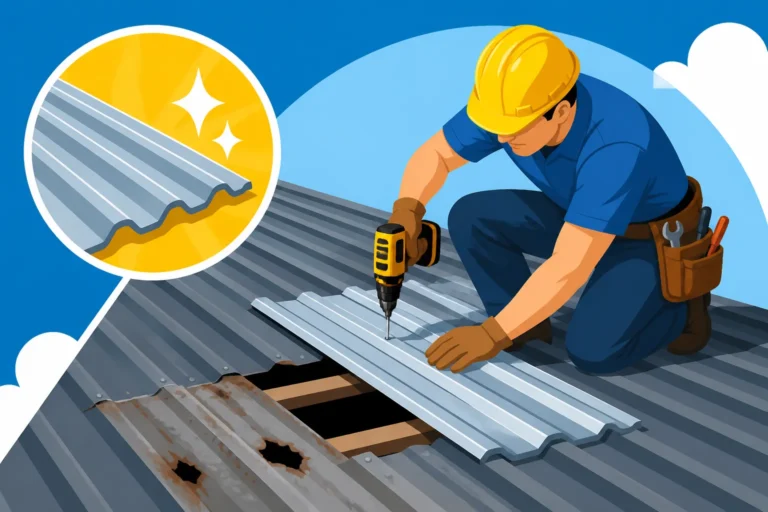
If you spot rust, prompt treatment is essential. For minor surface rust on steel, gentle cleaning followed by a rust-inhibiting primer and a high-quality, color-matched paint designed for metal roofs can often suffice. Products like Rust-Oleum or Sherwin-Williams offer excellent options for these types of repairs. However, if the rust is extensive, deeply pitted, or has compromised the metal's thickness, the affected panel might need replacement. For aluminum, white rust can often be removed with a mild abrasive pad and then protected with a clear coat designed for aluminum. Understanding the specifics of Metal Roof Rust and Corrosion Treatment is vital, as applying the wrong product can exacerbate the problem. It’s a good idea to consult with a roofing expert, perhaps found through a platform like Modernize, to ensure the right treatment approach for your specific roof material and corrosion type.
Securing Against Wind Damage
Coastal homeowners know that strong winds aren't an "if," but a "when." While metal roofs are inherently more wind-resistant than many other roofing materials, localized damage can occur, especially around edges, eaves, and penetrations. The constant buffeting can loosen fasteners, causing panels to lift, buckle, or even tear free.
A critical part of coastal metal roof maintenance is ensuring all fasteners are tight and properly sealed. For exposed fastener systems (like corrugated or R-panel roofs), regularly checking the integrity of the screws and their neoprene washers is non-negotiable. If washers are cracked or brittle, they should be replaced. For standing seam roofs, which use concealed fasteners, the concerns shift to the integrity of the panel seams themselves. Look for any signs of separation or uplift along the seams, as these indicate potential weaknesses. If you live in a hurricane-prone zone, consider enhanced fastening systems or additional clips during installation, and always ensure your roof was installed to meet local wind load requirements, such as Florida's High-Velocity Hurricane Zone (HVHZ) standards. Proactive measures, including professional inspections after major storm events, can prevent minor wind damage from escalating into catastrophic failure, tying directly into the need for understanding Metal Roof Storm, Hail & Wind Damage.
Protective Coatings and Treatments
Even the best metal roofs benefit from an extra layer of defense, especially in the harsh coastal environment. High-performance coatings and proper sealant care are critical proactive measures that can significantly extend your roof's life and reduce maintenance headaches.
The Power of High-Performance Coatings
The factory-applied finish on your metal roof is its first and most important line of defense against the elements. For coastal homes, selecting a roof with a superior coating is paramount. Finishes like PVDF (Polyvinylidene Fluoride), often branded as Kynar 500 or Hylar 5000, are highly recommended. These coatings offer exceptional resistance to UV radiation, chalking, fading, and, most importantly, corrosion from salt spray. While they come at a higher initial cost, their performance in harsh environments justifies the investment. Silicone Modified Polyester (SMP) coatings are another option, offering good durability and cost-effectiveness, though generally not quite matching the extreme performance of PVDF in the most aggressive coastal conditions.
Over decades, even these robust coatings can begin to degrade. When you start noticing significant fading, chalking, or minor rust appearing on panels, it might be time for a recoating. This process involves thoroughly cleaning and preparing the existing roof surface, then applying a new, high-performance liquid coating designed for metal roofs. This can rejuvenate your roof's appearance and restore its protective qualities, potentially adding many more years to its lifespan. Choosing to invest in Repainting and Recoating a Metal Roof is a smart economic decision that delays a full replacement and protects the underlying metal structure.
Sealants and Fastener Care
Beyond the broad surface coatings, the specific points of vulnerability on a metal roof are where panels meet, around penetrations, and where fasteners are used. High-quality sealants are critical at these junctures. In a coastal environment, regular caulking and sealing with marine-grade or specialized metal roofing sealants are essential. These sealants are formulated to withstand extreme UV exposure, temperature fluctuations, and the corrosive effects of salt and moisture.
When inspecting your roof, pay close attention to the sealants around vent pipes, skylights, chimney flashing, and ridge caps. Look for any signs of cracking, shrinking, or separation. A small bead of new sealant can prevent significant water damage. Similarly, for exposed fastener metal roofs, the integrity of the screws and their sealing washers is vital. The neoprene washers under each screw are designed to create a watertight seal and allow for thermal expansion and contraction. Over time, UV radiation and environmental exposure can cause these washers to degrade, crack, and fail, allowing water to seep in and potentially cause rust at the screw penetration point. Replacing these washers, or even the entire screw if rust is visible, is a straightforward but critical maintenance task that can prevent widespread leaks and premature panel failure.
When to Call in the Pros for Your Coastal Metal Roof
While diligent DIY maintenance goes a long way, there are times when a metal roof in a coastal environment demands the specialized expertise of a professional. Knowing when to step back and call in the experts can save you from costly mistakes and ensure your roof gets the care it truly needs.
Recognizing Signs of Professional Help Needed
There are clear indicators that your metal roof issues have moved beyond routine homeowner maintenance. If you observe widespread or severe rust, especially on multiple panels or across a large section of the roof, it’s time to call a professional. This level of corrosion often indicates a deeper issue with the coating or the metal itself that requires expert assessment and treatment, potentially leading to panel replacement or specialized restoration services. Similarly, if you’re experiencing persistent leaks that you can’t locate or seal yourself, or if water stains are appearing inside your home, a professional Metal Roof Leak Repair Guide is absolutely necessary. Leaks can be tricky, originating far from where they manifest inside, and often require specialized equipment or a keen eye to trace.
Major storm damage, such as significant dents from hail, uplifted or torn panels from high winds, or compromised flashing, also falls squarely into the professional realm. Attempting complex repairs on a damaged metal roof, especially one that has been structurally compromised, can be dangerous and could void your manufacturer's warranty. Additionally, if you notice significant oil canning that impacts the roof's structural integrity or creates water pooling, an expert can assess whether it's merely cosmetic or indicative of an installation flaw that needs addressing.
Finding the Right Coastal Roofing Specialist
When your metal roof demands professional attention, choosing the right contractor is paramount, especially in a specialized environment like the coast. You can't just pick any roofer; you need someone with specific experience in metal roofing in coastal regions. Start by looking for contractors who explicitly mention metal roofing expertise and experience with coastal building codes and materials. Websites like Modernize can be a valuable tool to find pre-vetted local contractors who understand these specific challenges.
Ask prospective contractors about their experience with various metal types (steel, aluminum, copper) and coating systems (PVDF, SMP). Inquire about their knowledge of local building codes, especially related to wind mitigation and hurricane preparedness, which are often more stringent in coastal areas. Always verify their licensing, bonding, and insurance. A reputable contractor will carry general liability and workers' compensation insurance to protect you from any accidents or damage during the job. Ask for references from other homeowners in coastal areas where they've installed or repaired metal roofs. A good contractor will be transparent about their process, provide a detailed written estimate, and clearly explain the scope of work and any warranty considerations for both labor and materials. This due diligence ensures you're hiring a skilled professional who can effectively tackle the unique demands of your coastal metal roof.
Long-Term Investment: Extending Your Coastal Metal Roof's Lifespan
A metal roof is a significant investment, often chosen for its incredible durability and lifespan. In a coastal area, maximizing that return on investment requires understanding how diligent maintenance, material choices, and proper installation translate into decades of protection and value.
Maximizing Your Roof's Value and Longevity
The impressive Metal Roof Lifespan: How Long Do They Last? is one of the primary reasons homeowners choose this material, especially in challenging environments. While a metal roof can last 40-70 years, that longevity is not guaranteed without proper care, particularly in coastal regions. Consistent maintenance, including regular cleaning and inspections, directly combats the accelerated wear caused by salt, humidity, and wind. By staying on top of small issues like loose fasteners or minor rust spots, you prevent them from becoming major problems that compromise the entire roof system.
Choosing the right material from the outset, such as marine-grade aluminum or a heavily coated Galvalume steel, plays a huge role. These materials are inherently more resistant to corrosion in saltwater environments. A well-maintained metal roof not only serves you for decades but also significantly contributes to your home's resale value. Homebuyers in coastal areas often view a robust, well-cared-for metal roof as a major asset, understanding the protection it offers against the elements. It’s a testament to the home's long-term resilience, making your property more attractive and often commanding a higher price.
Understanding Warranties and Insurance
When you invest in a metal roof, you're typically receiving several types of warranties: the manufacturer's warranty on the materials and the contractor's warranty on the installation workmanship. In coastal areas, understanding the nuances of these warranties is critical. Manufacturer warranties for coatings, for instance, often have specific provisions or exclusions related to severe coastal exposure, so it's vital to read the fine print. Many warranties require proof of regular maintenance to remain valid. Ignoring cleaning and inspection schedules could potentially void your coverage if a claim arises.
Furthermore, a properly installed and maintained metal roof can offer significant advantages when it comes to homeowners insurance. Many insurance companies offer discounts for metal roofs due to their superior resistance to wind, fire, and hail. In hurricane-prone coastal states, a metal roof that meets stringent building codes and includes features like hurricane straps can often lead to substantial Metal Roof Insurance Savings & Discounts through wind mitigation credits. Always consult your insurance provider to understand specific requirements for discounts and to ensure your policy adequately covers potential damage in a coastal environment. Having a clear understanding of your Metal Roof Warranties: Workmanship vs Manufacturer and communicating openly with both your installer and insurer will help protect your investment for years to come.
Disclaimer
The information provided in this guide is intended for general informational purposes only and does not constitute professional roofing advice. Coastal roofing conditions can vary significantly, and specific recommendations may differ based on your precise location, local building codes, roof type, and material. Always consult with a qualified, licensed, and insured metal roofing professional experienced in coastal installations for specific advice regarding your property. Regular professional inspections are recommended to ensure the safety and longevity of your metal roof.