How Long Does a Metal Shingle Metal Roof Last?
When you're considering a new roof for your home, one of the biggest questions swirling in your mind is, "How long will this thing actually last?" It's a completely valid concern, especially with the significant investment involved in a durable roofing solution like metal shingles. This guide is here to cut through the guesswork and provide you with a clear, realistic picture of the lifespan you can expect from a metal shingle roof, breaking down all the critical factors that contribute to its longevity.
The Enduring Promise of Metal Shingle Roofs
Let's get right to it: metal shingle roofs are renowned for their exceptional durability and long service life, far surpassing traditional asphalt shingles. While asphalt roofs typically last 15-30 years, you can realistically expect a well-installed metal shingle roof to protect your home for 40 to 70 years, or even longer. Many homeowners consider them a "forever roof" because they often outlast the homeowners themselves, potentially lasting 50 years or more with proper care. This incredible longevity isn't just a marketing claim; it's a testament to the inherent strength and resilience of the materials used.
Imagine installing a roof and knowing that, for decades, you won't have to worry about the cyclical, costly replacement process that plagues homeowners with less durable options. This long-term peace of mind is one of the most compelling advantages of metal shingles. They're designed to stand up to the elements year after year, offering a robust shield against sun, rain, snow, and wind, making the initial investment a worthwhile one when you look at the total cost of ownership over time.
Why Metal Shingles Last So Long
The secret behind the impressive longevity of metal shingle roofs lies in their fundamental characteristics. Unlike large panel systems, metal shingles are typically smaller, interlocking pieces that offer a unique combination of strength and flexibility. They are generally crafted from robust materials such as steel or aluminum, each treated and coated to withstand environmental stressors. Steel shingles often feature a galvanized or Galvalume coating for enhanced rust protection, while aluminum naturally resists corrosion, making it an excellent choice for coastal areas.
Beyond the base material, advanced paint systems, such as Kynar 500 (PVDF) or SMP (Siliconized Modified Polyester) coatings, play a crucial role. These coatings not only provide vibrant, fade-resistant colors but also offer an additional layer of defense against UV radiation, acid rain, and other corrosive agents. This multi-layered protection is engineered to ensure the roof maintains its structural integrity and aesthetic appeal for decades, minimizing the need for frequent repairs or premature replacement.
Comparing Lifespans to Other Roofing Materials
When you stack a metal shingle roof against other common roofing materials, its superior lifespan truly shines. Asphalt shingles, while initially cheaper, have a significantly shorter lifespan, often requiring replacement every 15 to 20 years, sometimes even sooner in harsh climates. This means you might replace an asphalt roof two or three times over the course of a single metal shingle roof's life.
Other options like wood shakes might offer a rustic charm but are prone to rot, insects, and fire hazards, lasting perhaps 20-30 years with diligent maintenance. Tile roofs, whether clay or concrete, can last 50-100 years, similar to metal, but they are considerably heavier and often require a more robust structural framework for support, adding to the overall cost and complexity of installation. Ultimately, for a balance of durability, aesthetics, and relatively low weight compared to tile, metal shingles often present a superior long-term value. This is a key consideration when you're weighing your options and trying to understand if a metal roof is worth the investment.
Key Factors Influencing Metal Shingle Roof Longevity
While metal shingle roofs boast impressive lifespans, it's not a one-size-fits-all guarantee. Several critical factors can significantly influence how long your particular metal shingle roof will genuinely last. Understanding these elements can help you make informed decisions during the selection and installation process, ultimately maximizing your investment.
Material Quality and Coatings
The type of metal used and its protective coatings are arguably the most important determinants of longevity. Steel, typically galvanized or Galvalume steel, is very popular and highly durable, but its lifespan heavily relies on the quality of its protective zinc or aluminum-zinc alloy coating. Higher quality steel with robust coatings, often referred to as a heavier gauge, will naturally last longer by resisting rust and corrosion.
Aluminum shingles, while usually a bit more expensive, offer excellent corrosion resistance, especially in coastal areas where salt spray can be an issue for steel. Copper and zinc shingles represent the premium end of the spectrum, known for their incredible durability and ability to form a protective patina over time, lasting 80 to 100 years or even more. Additionally, the quality of the paint system, such as a Kynar 500 (PVDF) finish, offers superior fade and chalk resistance compared to less expensive options like SMP, directly impacting the roof's aesthetic life and protection against UV degradation. When considering your options, asking about the specific coatings and their warranties is crucial. You might also want to explore more about Metal Roofing Materials Compared: Steel, Aluminum, Copper & Zinc to understand these choices better.
Installation Expertise and Precision
Even the highest quality metal shingles will fail prematurely if not installed correctly. This is where the skill and experience of your roofing contractor become paramount. Metal shingle installation is a specialized trade that requires meticulous attention to detail, particularly with flashing, sealants, and fastener application. Improperly installed fasteners can create points of entry for moisture, leading to leaks and corrosion. Incorrect flashing around chimneys, skylights, and valleys can also compromise the roof's watertight integrity.
A reputable, experienced contractor understands the nuances of metal roofing, including thermal expansion and contraction, which is vital for preventing issues like oil canning or fastener back-out. They will ensure proper underlayment is used, that panels are securely fastened, and that all seals are watertight. Shortcuts or inexperienced installers can shave decades off your roof's potential lifespan. This is why it's so important to learn How to Hire a Metal Roofing Contractor who truly knows their stuff. When you're looking for professionals, platforms like Modernize can be a great resource to connect you with experienced contractors in your area who specialize in metal shingle installations, ensuring you find someone qualified for the job.
Climate and Environmental Conditions
Your home's location and the specific environmental conditions it faces will inevitably impact your metal shingle roof's lifespan.
- Coastal Areas: Homes near the ocean are exposed to salt-laden air, which can accelerate corrosion on certain metals, particularly unprotected steel. Aluminum or zinc shingles are often recommended here due to their natural resistance to saltwater corrosion.
- Heavy Snow Loads: Regions with significant snowfall require a roof designed to handle the weight and potential for ice dams. Metal shingles are excellent at shedding snow, but proper installation with adequate underlayment and potential snow guards is important.
- Extreme UV Exposure: Intense sunlight can degrade paint coatings over time, leading to fading and chalking. High-quality PVDF coatings are engineered to resist UV degradation for longer periods.
- Hail and High Winds: While highly durable, metal roofs can sustain damage from severe hail or extreme wind events. Impact-resistant Class 4 metal shingles offer superior protection against hail, and proper fastening methods are essential for wind uplift resistance.
Understanding your local climate's demands allows you to select the most appropriate material and installation specifications for maximum longevity.
Maintenance and Regular Inspections
Just like any part of your home, a metal shingle roof benefits immensely from regular maintenance and periodic inspections. While metal roofs are often considered low-maintenance, "low" doesn't mean "no" maintenance.
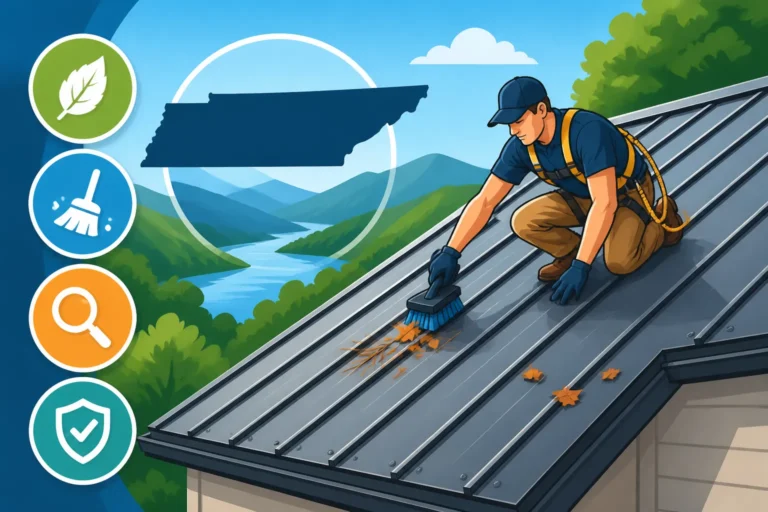
- Debris Removal: Leaves, branches, and other organic debris can accumulate in valleys and gutters, trapping moisture and potentially leading to surface degradation or rust in vulnerable spots. Regular cleaning prevents this.
- Gutter Cleaning: Clogged gutters can cause water to back up, leading to fascia damage or even water intrusion under the roof edge.
- Fastener Checks: Over time, fasteners can sometimes loosen or their washers can degrade. Catching and replacing these early prevents leaks.
- Sealant Inspection: Check the integrity of sealants around flashing and penetrations (vents, pipes, skylights).
- Surface Cleaning: Periodically cleaning the roof surface can remove dirt, pollen, and mildew, which not only improves appearance but can also prevent certain types of staining or biological growth that could affect the coating.
A simple annual inspection, either by yourself from the ground or by a professional, can identify minor issues before they escalate into costly problems, helping your roof reach the upper end of its expected lifespan. For more detailed guidance, take a look at our Metal Roof Maintenance Guide.
Here's a quick comparison of general lifespan expectations for different metal shingle types, assuming proper installation and maintenance:
| Metal Shingle Material | General Lifespan Expectation | Key Characteristics | Best Suited For |
|---|---|---|---|
| Galvanized Steel | 40-60 years | Durable, affordable, prone to rust if coating compromised | Most climates, budget-conscious |
| Galvalume Steel | 50-70 years | Excellent corrosion resistance, strong, good value | Most climates, especially with heavy rainfall |
| Aluminum | 50-70+ years | Lightweight, naturally corrosion resistant, great for coastal | Coastal, hail-prone, energy efficiency |
| Copper | 80-100+ years | Premium, develops beautiful patina, highly durable | Luxury homes, historic preservation, extreme longevity |
| Zinc | 80-100+ years | Premium, self-healing patina, extremely long-lasting | High-end homes, unique aesthetics, maximum longevity |
Note: These are general estimates. Actual lifespan can vary based on all factors discussed above.
Maximizing Your Metal Shingle Roof's Lifespan
You've made a smart choice by opting for a metal shingle roof, which already sets you up for exceptional longevity. But don't just set it and forget it! There are proactive steps you can take to ensure your investment truly delivers on its promise, extending its life as much as possible and keeping it looking great.
Choosing the Right Installer
This cannot be stressed enough: the quality of the installation is paramount. A flawless product can be ruined by a shoddy install. When you're looking for a contractor, prioritize experience and specialization in metal roofing, specifically metal shingles. Don't be afraid to ask tough questions:
- Certifications: Do they have manufacturer certifications for the specific metal shingle product you're considering? This often means they've undergone specialized training.
- Insurance and Bonding: Ensure they are fully licensed, insured, and bonded in your state or locality. This protects you from liability in case of accidents or poor workmanship.
- References and Portfolio: Ask for references from past metal shingle jobs and actually follow up. Look at examples of their work, if possible, to assess the quality of their craftsmanship.
- Detailed Quotes: A good quote will be transparent, breaking down costs for materials, labor, tear-off (if needed), and any unexpected contingencies. Be wary of quotes that seem too good to be true, as they often hide future problems.
Finding a reputable contractor might seem daunting, but resources exist to help. Many homeowners find it helpful to use platforms like Modernize, which can connect you with pre-vetted metal roofing contractors in your local area. This can streamline the process of getting multiple, competitive quotes from qualified professionals. Remember, hiring the cheapest contractor is almost never the best long-term decision when it comes to roofing. Taking the time to properly vet your installer will pay dividends over the decades.
Implementing a Regular Maintenance Schedule
While metal roofs are low-maintenance, they aren't maintenance-free. A simple, consistent maintenance schedule can drastically extend your roof's life.
- Annual Visual Inspections: Twice a year (spring and fall) or after severe weather, walk around your house and visually inspect the roof from the ground with binoculars. Look for:
- Loose or missing fasteners.
- Any signs of corrosion, especially around edges or penetrations.
- Accumulations of leaves, pine needles, or branches.
- Damage to flashing around chimneys, vents, and skylights.
- Clogged gutters and downspouts.
- Clear Debris: Regularly clear leaves, branches, and other organic matter from the roof surface, especially in valleys and around dormers. Debris can trap moisture, leading to premature wear or even surface staining if left unchecked.
- Clean Gutters: Ensure your gutters and downspouts are free-flowing. Blocked gutters can cause water to pool and overflow, leading to rot in fascia boards or water infiltration.
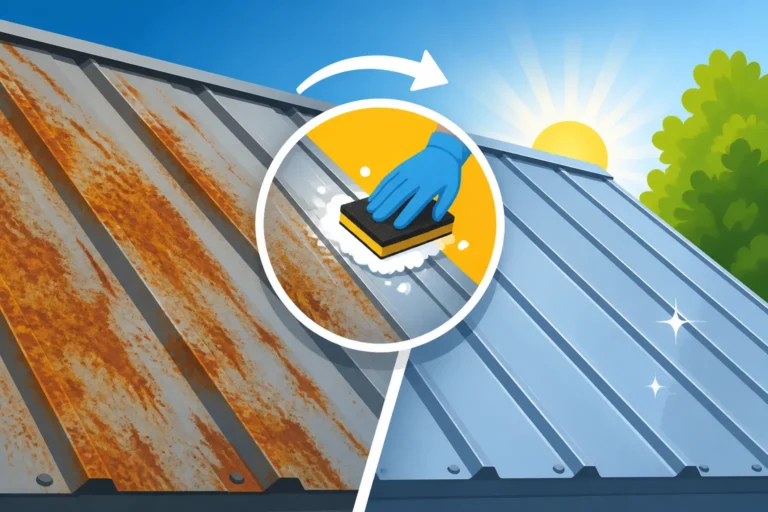
- Wash the Roof (If Needed): If you notice a buildup of dirt, pollen, or mildew, a gentle cleaning with a soft brush and a mild, non-abrasive detergent can restore its appearance and prevent biological growth from impacting the coating. Always check with the manufacturer for recommended cleaning methods to avoid damaging the finish.
Promptly Addressing Minor Repairs
One of the biggest mistakes homeowners make is ignoring small issues. A tiny leak today can become a major structural problem tomorrow. Metal shingle roofs are designed to be repaired, not just replaced.
- Leaking Fasteners: If you see rust streaks or notice a loose screw, it's often a simple fix for a professional to replace the fastener and seal the area. This issue is particularly common with exposed fastener systems. You might be interested in our guide on Why Is My Metal Roof Leaking at the Screws?.
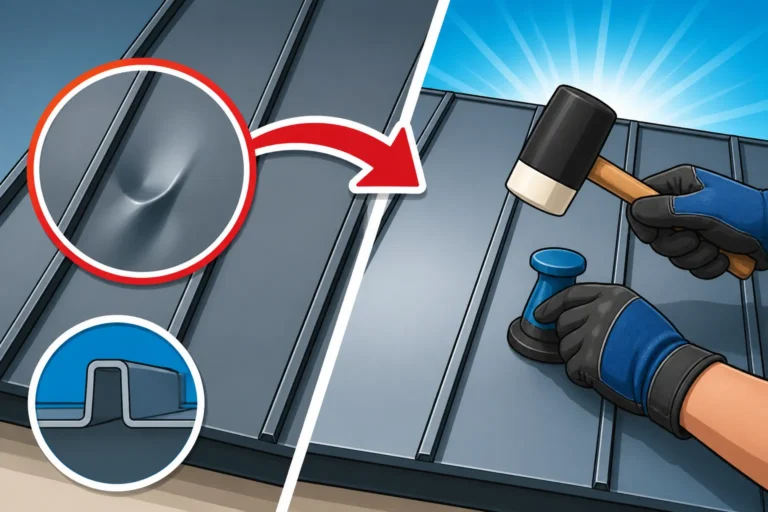
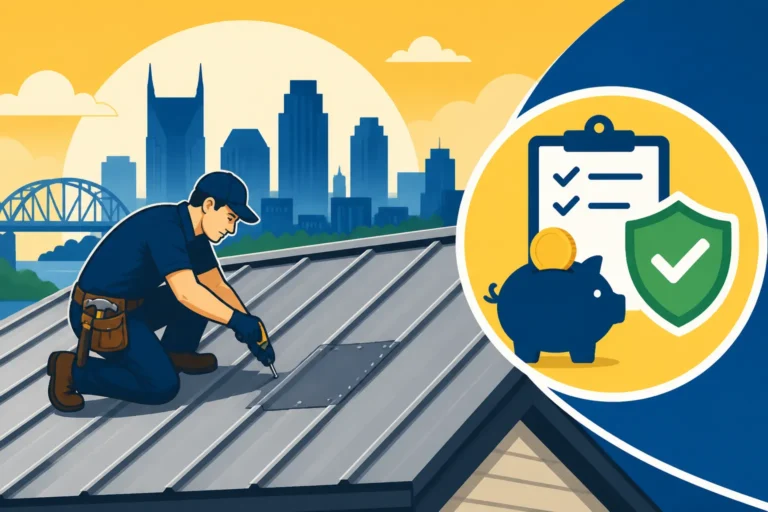
- Damaged Shingles: Individual metal shingles can sometimes get bent or damaged by falling debris. Many systems allow for the replacement of individual panels rather than an entire section of the roof.
- Compromised Sealants: Over time, sealants around flashing and roof penetrations can dry out and crack. Re-applying a high-quality, compatible sealant can prevent leaks.
- Minor Corrosion: If you spot isolated areas of surface rust, especially on steel panels, addressing them quickly with a rust converter and a compatible paint touch-up can prevent it from spreading.
By being proactive and addressing these minor issues as they arise, you can prevent them from snowballing into more significant, costly repairs or shortening the overall lifespan of your beautiful metal shingle roof. Early intervention is key to ensuring your roof lives up to its 50-year-plus potential.
When It's Time to Consider Replacement
Even the most robust metal shingle roof, with the best materials and meticulous maintenance, won't last forever. While these roofs are famous for their extreme longevity, there will come a point where repair is no longer the most cost-effective or practical solution. Recognizing the signs that your metal shingle roof might be nearing the end of its functional life can save you from unexpected headaches and costly emergency repairs.
Widespread Corrosion or Panel Degradation
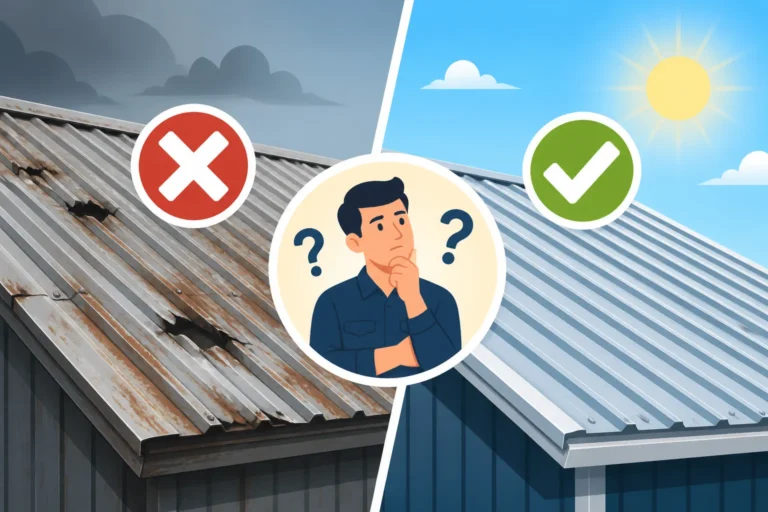
If you start seeing widespread rust, particularly on steel-based metal shingles, it's a significant red flag. While isolated surface rust can often be treated, extensive corrosion indicates that the protective coatings have failed over large areas, exposing the base metal to the elements. This can lead to holes, weakened panels, and persistent leaks. Similarly, if the paint coating is extensively chalking, fading, or peeling across a large portion of the roof, it suggests the protective barrier against UV and weathering is compromised, which can accelerate the degradation of the underlying metal.
Another indicator is if the panels themselves are beginning to show signs of warping, significant denting from cumulative hail events, or structural fatigue. While individual damaged panels can be replaced, if a large percentage of your roof panels are exhibiting these issues, it may signal that the entire system is nearing its end-of-life, making a full replacement a more sensible option than endless patch repairs.
Frequent and Costly Repairs
One or two minor repairs over the decades are a normal part of owning a metal roof. However, if you find yourself constantly calling a roofing contractor for new leaks, fastener issues, or recurring damage in different sections of the roof, it's time to step back and evaluate the situation. The cost of frequent repairs can quickly add up, sometimes approaching the cost of a new roof over a short period.
For example, if you're fixing leaks around multiple penetrations, replacing numerous loose fasteners every year, or patching several areas of corrosion, the cumulative expense can become overwhelming. At this point, it often makes more financial sense to invest in a completely new, warrantied roof system that will give you another 40-70 years of trouble-free protection, rather than throwing good money after bad. Our guide on Metal Roof Repair vs Replacement: How to Decide can offer a deeper dive into this cost-benefit analysis.
Major Storm Damage Beyond Repair
While metal roofs are highly resistant to extreme weather, catastrophic events like hurricanes, tornados, or exceptionally severe hail storms can inflict damage beyond economical repair. If your metal shingle roof has suffered widespread panel deformation, significant areas of missing panels, or severe structural compromise due to storm forces, even if the individual panels are durable, the integrity of the overall system might be compromised.
In such scenarios, an insurance adjuster and a reputable metal roofing contractor will typically assess the damage. If the extent of the damage is so severe that repairing it would not restore the roof to its original, protective condition or if the repair costs exceed a certain percentage of replacement value, then replacement will be recommended and often covered by your homeowner's insurance. This is a situation where getting a professional opinion from someone who deals with Metal Roof Storm, Hail & Wind Damage regularly is crucial.
Ultimately, deciding to replace your metal shingle roof is a big decision, but by paying attention to these signs, you can approach it proactively, ensuring your home remains protected and your investment continues to pay off.
Disclaimer
Please note that the information provided in this article is intended for general guidance and informational purposes only. While we strive to provide accurate and up-to-date content, actual results and recommendations may vary based on your specific location, climate, chosen materials, local building codes, and the expertise of your chosen contractor. Always consult with qualified and licensed roofing professionals for advice tailored to your individual project and circumstances.