Is It Worth Repairing an Old Corrugated Metal Roof?
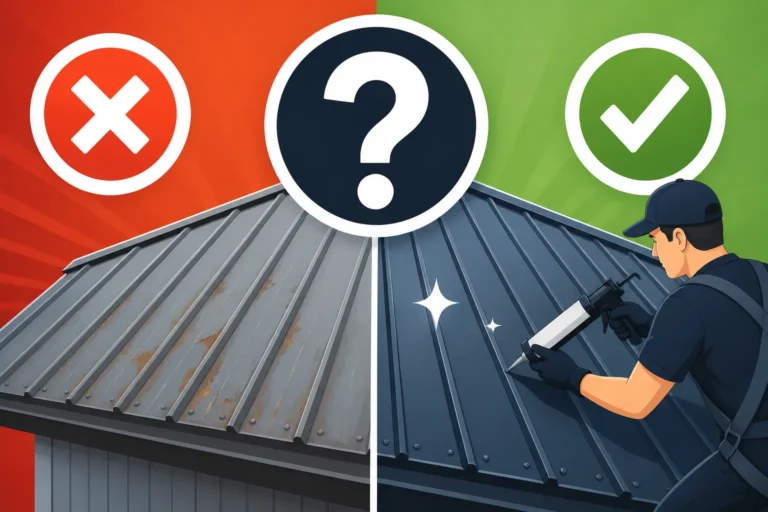
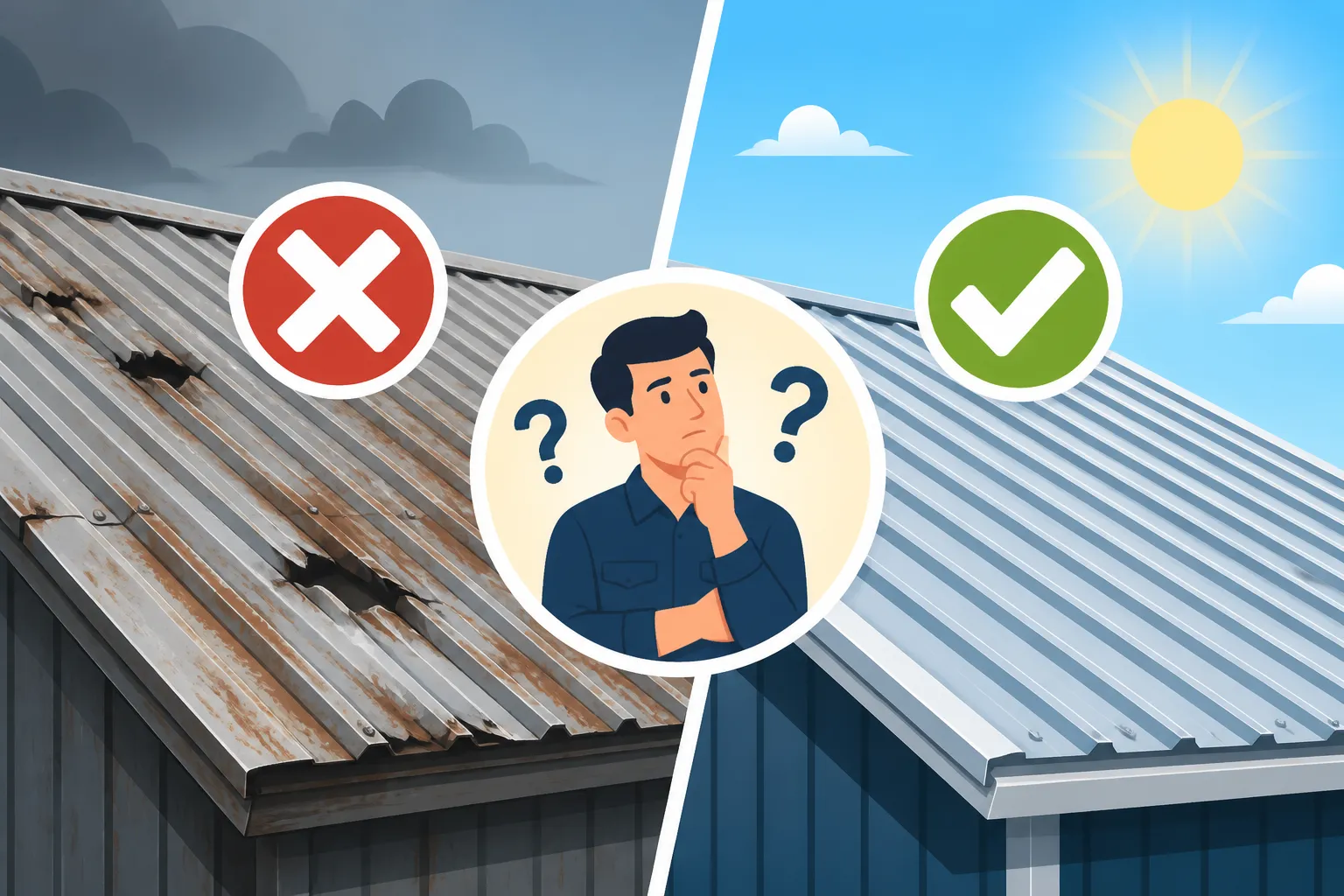
It’s a familiar scenario: you look up at your home, and there it is – that corrugated metal roof you’ve counted on for years, now showing its age. Maybe you’ve noticed a few more drips during a downpour, or patches of rust are becoming harder to ignore. Deciding whether to simply repair these visible signs of wear and tear or go for a full replacement can feel like a massive undertaking, fraught with financial worries and uncertainty. This guide is here to walk you through that tough decision, offering a realistic perspective on evaluating your old corrugated metal roof and figuring out the best path forward for your home and your wallet.
The Real Talk About Your Old Corrugated Metal Roof
When you're staring at an aging corrugated metal roof, it's easy to feel overwhelmed. Is it just a few minor touch-ups, or is this the beginning of the end? The truth is, there's no single answer that fits every situation, but understanding what to look for can empower you to make an informed choice. It all starts with a thorough, honest assessment of your roof's current condition, taking into account its history and the environment it's been protecting your home from.
What Age Does to a Corrugated Roof
Corrugated metal roofs are known for their longevity, often outlasting traditional asphalt shingles by decades. However, even the toughest materials succumb to time, weather, and wear. An old corrugated metal roof might have been installed 20, 30, or even 40 years ago. Its age isn't just a number; it tells a story about the materials used, the installation quality of its era, and the cumulative impact of sun, rain, wind, and temperature fluctuations.
Over the years, the protective coating on your corrugated panels might have begun to chalk, fade, or even flake. The fasteners, especially if they are exposed-fastener screws, will have endured countless cycles of expansion and contraction, potentially leading to the degradation of their rubber washers. The metal itself, while robust, can develop areas of surface rust or even more serious corrosion if the coating has been compromised. Understanding the typical lifespan of different metal roofing types, including corrugated panels, can help set realistic expectations. If you’re unsure about how long your roof should last, diving into resources like our guide on Metal Roof Lifespan: How Long Do They Last? can provide valuable context.
The Critical Eye: Self-Inspection Basics
Before you even think about calling in the pros, a safe and thorough self-inspection can give you a preliminary understanding of your roof's health. Of course, safety first – only undertake this if you have the proper equipment and feel comfortable on a ladder. Start by looking for the obvious:
- Rust: Are there small, isolated spots of surface rust, or are there larger areas where the metal seems to be actively corroding and flaking? Pay close attention to cut edges, seams, and areas around penetrations like chimneys or vents.
- Loose or Missing Fasteners: This is a huge one for corrugated roofs. Look for screws that have backed out, appear loose, or where the rubber washer has dried out, cracked, or simply disintegrated. These are prime suspects for leaks.
- Panel Damage: Are there any dented or bent panels, perhaps from falling branches or severe weather? What about signs of oil canning, which, while not a structural issue, can affect appearance and indicate stress.
- Flashing Issues: Check the flashing around chimneys, skylights, and vents. Is it still tightly sealed and free of cracks or gaps? Flashing is a common failure point on any roof system.
- Paint Fading or Chalking: While primarily cosmetic, extreme fading can indicate the protective coating is nearing the end of its functional life, leaving the underlying metal more vulnerable.
After a visual check from the ground, if possible and safe, get a closer look. A simple pair of binoculars can often reveal details you’d miss with the naked eye. Also, don't forget the interior. Check your attic or the underside of your roof decking for water stains, mold, or mildew, which are undeniable signs of a leak.
When to Call in the Experts
Even if you’ve done a stellar job with your self-inspection, a professional assessment is almost always a necessary step before making a final decision. Roofing contractors have the experience, tools, and safety gear to thoroughly evaluate your roof's structural integrity, identify subtle issues, and determine the root cause of any problems. They can tell you if the problems are superficial or indicative of deeper, systemic issues.
A reputable contractor will provide a detailed report, often with photos, explaining their findings. They can also provide insights into local building codes and specific challenges your roof might face, like extreme weather in your area. They might even suggest contacting services like Modernize to find vetted local roofing professionals to get multiple, comparative opinions. When they assess your roof, they’ll factor in things like roof pitch, complexity, and the overall condition of the roof deck, all of which influence repairability and cost.
Pinpointing the Problems: What's Ailing Your Corrugated Roof?
Corrugated metal roofs, while incredibly durable, aren't immortal. Over decades, specific issues tend to emerge, and understanding what these are – and whether they're truly fixable – is key to deciding between repair and replacement. It’s not just about patching a hole; it’s about understanding the longevity of that patch.
Leaks: The Most Common Culprit
Leaks are often the first sign that your corrugated metal roof needs attention, and they can be incredibly frustrating to track down. With corrugated panels, leaks typically stem from a few key areas:
Fastener Failure
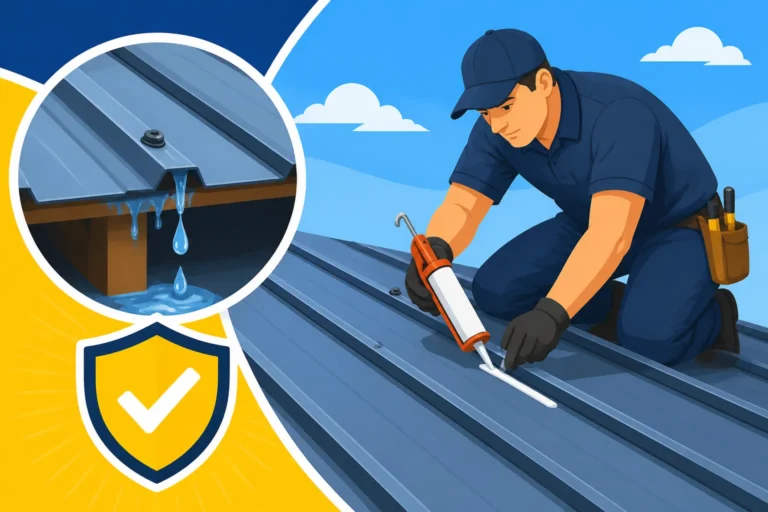
Corrugated metal roofs often use exposed fasteners – screws driven directly through the metal panels and into the purlins or roof decking. Each screw head has a small rubber or neoprene washer designed to create a watertight seal. Over time, these washers are subjected to intense UV radiation, extreme temperature fluctuations, and constant compression from the screw. This causes them to dry out, crack, and lose their elasticity, allowing water to seep through the fastener hole. You might notice your metal roof leaking at the screws, a common and vexing issue.
- Repairability: Often, individual faulty fasteners can be replaced with new, larger screws that have fresh, high-quality washers. Sometimes, a dab of high-grade sealant over the old screw head before installing a new one can also help. This is generally a straightforward repair, but if a large percentage of screws are failing, it can become a time-consuming and costly endeavor, possibly signaling a need for more extensive intervention.
Seam and Lap Joint Breaches
Corrugated panels overlap at their edges, creating seams. These overlaps are typically fastened together, and sometimes a sealant is applied between the layers. If the fasteners fail here, or if the sealant degrades, water can wick into these areas. Additionally, panels can subtly shift over decades due to thermal expansion and contraction, slowly pulling apart previously tight seams.
- Repairability: Minor seam leaks can often be addressed by applying specialized metal roofing sealant along the seam, and potentially adding more fasteners to secure the overlap. However, if the panels have significantly warped or separated, merely sealing the top might be a temporary fix, as the underlying stress could cause the sealant to fail again. In such cases, replacing sections of panels might be necessary, which can quickly add up.
Rust and Corrosion: A Deeper Concern
Surface rust on a metal roof can look alarming, but its severity depends on the extent and depth of the corrosion.
Surface Rust vs. Pervasive Corrosion
Many modern corrugated metal roofs use galvanized steel (zinc coating) or Galvalume (zinc and aluminum coating), which offer excellent rust resistance. However, if the coating is scratched, chipped, or wears away over time, the exposed steel can begin to rust. Small, superficial rust spots might just be a cosmetic issue.
- Repairability: Minor surface rust can sometimes be treated by cleaning the area, applying a rust converter, priming, and then painting with a high-quality, corrosion-resistant paint. This can extend the life of the panel, especially if the rust hasn't eaten through the metal. However, if the rust is widespread, has caused perforations, or is affecting the structural integrity of the panels, repair becomes much more challenging and less effective. You can learn more about managing this with a guide on Metal Roof Rust and Corrosion Treatment.
Red Rust and Perforations
Red rust, or iron oxide, is what happens when steel is exposed to oxygen and moisture. If the rust has progressed to the point where it’s created small holes (perforations) in the panels, or if the panels feel soft and brittle in rusted areas, the problem is beyond simple treatment.
- Repairability: Perforated panels usually need to be replaced. Patching small holes can be done with specialized repair kits, but these are often temporary fixes and can look unsightly. If multiple panels are perforated, replacement of entire sections, or the whole roof, becomes the only viable long-term solution.
Dents and Dings: Hail and Impact Damage
Corrugated metal is robust, but it's not impervious to impact. Hailstorms, falling tree branches, or even tools dropped during previous maintenance can cause dents.
- Repairability: Small, isolated dents that haven't compromised the panel's coating or created weak points are often just cosmetic. They don't typically cause leaks. Larger, sharper dents, however, can stress the metal, crack the protective coating, and even create pathways for water or future corrosion. Repairing dents in metal roofing is difficult and often involves replacing the damaged panel. Unlike car bodywork, roofing panels aren't usually designed for seamless dent removal, especially if the corrugated profile is affected. Our article on Metal Roof Dent Repair From Hail goes into more detail on this topic.
Fading and Aesthetic Degradation
While not a functional problem, a severely faded or chalky roof can detract significantly from your home's curb appeal. The vibrant color you once had can become dull and patchy.
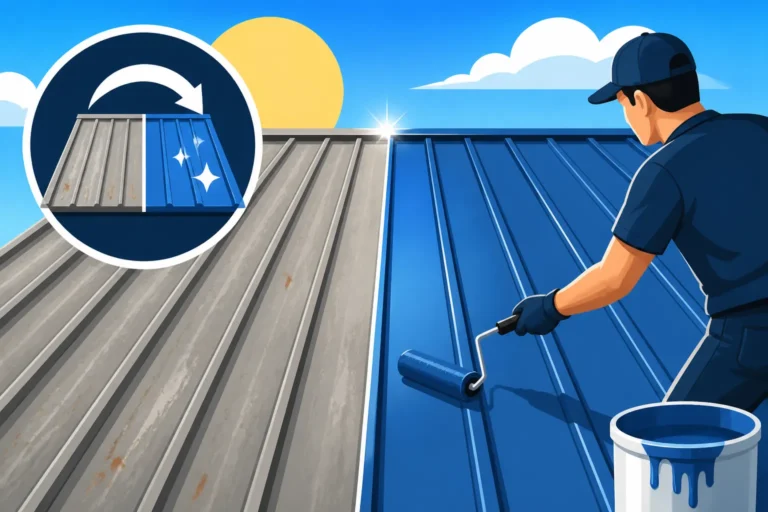
- Repairability: Repainting or recoating a metal roof is a viable option for aesthetic improvement and can add a new layer of protection. This involves thorough cleaning, possibly light sanding, and then applying a high-quality metal roofing paint or elastomeric coating. It's a significant project, but it can refresh your roof's appearance and add years to its protective life without the cost of a full replacement.
Ultimately, the decision to repair or replace hinges on whether the problems are isolated and treatable, or widespread and indicative of the roof system reaching the end of its useful life.
Crunching the Numbers: Repair Costs vs. Replacement Investment
This is often where the rubber meets the road. Nobody wants to spend more than they have to, but investing wisely now can save you a bundle down the line. Understanding the financial implications of repairing versus fully replacing your old corrugated metal roof is paramount.
The Cost of Patching Things Up
Repairing an old corrugated metal roof can seem like the cheaper option upfront, and in many cases, it is. However, the costs can escalate quickly if the issues are widespread or recurring.
Materials and Labor for Repairs
Minor repairs, such as replacing a handful of loose screws, sealing a few small seams, or treating isolated rust spots, might cost a few hundred to a couple of thousand dollars. This would typically involve:
- Fasteners and Sealants: High-quality metal roofing screws, specialized sealants (like urethane or silicone-based sealants), and potentially rust converters or primers. These materials are relatively inexpensive per unit but add up.
- Labor: Even small repairs require a skilled professional, especially for safe roof access and proper application techniques. Labor rates can vary significantly by region and the complexity of the work. For example, a roofer in Austin might charge a different rate than one in Orlando.
- Panel Replacement: If entire corrugated panels need to be replaced due to severe damage or widespread rust, the cost jumps. Sourcing matching corrugated panels for an older roof can sometimes be a challenge, potentially increasing material costs. Cutting and installing individual panels is also more labor-intensive than simply replacing screws. Our guide on How Much Does Metal Roof Repair Cost? provides a deeper dive into these figures.
The "Band-Aid" Effect
The biggest risk with frequent repairs is the "band-aid" effect. You fix one leak, and another pops up somewhere else a few months later. You address rust on one panel, and then another area starts corroding. These recurring costs can quickly add up, and eventually, you might spend a significant portion of what a new roof would cost, without getting the benefit of a fresh, long-lasting system. It becomes a frustrating cycle that drains your budget and your peace of mind.
The Investment in a New Corrugated Metal Roof
Replacing your old corrugated metal roof with a brand-new one is undeniably a larger upfront investment, but it comes with a host of long-term benefits and a fresh start.
Breaking Down Replacement Costs
The total cost of a new corrugated metal roof depends on several factors, including:
- Roof Size and Complexity: Larger roofs and those with multiple valleys, dormers, or skylights will naturally cost more due to increased material and labor needs.
- Material Type and Gauge: While corrugated metal is generally more affordable than standing seam, prices can still vary based on the specific metal (e.g., steel vs. aluminum), coating (Galvalume, galvanized), and gauge (thickness). You can explore specific costs in our article on Corrugated Metal Roof Cost.
- Tear-off vs. Overlay: If your existing corrugated roof needs to be removed, that adds to labor and disposal costs. Sometimes, if the decking is sound and local codes allow, a new metal roof can be installed directly over an existing asphalt shingle roof, potentially saving on tear-off costs, though this isn't always recommended for old metal roofs. Our guide on Tear-Off vs Metal Over Shingles: Cost Difference offers more insight.
- Labor: Installation of a new roof is a significant undertaking, and labor will be a substantial portion of the total cost. Reputable contractors, found through services like Modernize, ensure proper installation, which is crucial for warranty validation.
- Accessories: Don’t forget things like new underlayment, flashing, fasteners, and ventilation components. These are essential for a robust, long-lasting system.
On average, a new corrugated metal roof can range from $6,000 to $20,000 or more for a typical residential home, depending on all these variables. For a full breakdown, our comprehensive Metal Roof Cost: Complete 2026 Guide can be a very helpful resource.
Return on Investment and Long-Term Savings
While the upfront cost is higher, a new metal roof offers a significant return on investment (ROI) in the long run.
- Longevity: A new metal roof can last 40-70 years, meaning you might never need to replace it again in your lifetime. This eliminates future repair and replacement costs.
- Energy Efficiency: Modern metal roofs, especially those with reflective coatings (like cool roof colors), can significantly reduce your home's cooling costs, leading to tangible savings on utility bills over decades.
- Increased Home Value: A new metal roof is a major selling point and often increases your home's resale value, sometimes recouping 85% or more of its cost. Delving into Is a Metal Roof Worth It? ROI, Resale & Payback can give you more confidence in this investment.
- Insurance Savings: Many insurance companies offer discounts for durable metal roofs, especially those with high wind and fire ratings. This can lead to ongoing savings on your homeowners insurance premiums. Our article on Metal Roof Insurance Savings & Discounts is worth a read if you’re looking to explore this benefit.
- Warranty: A new metal roof comes with robust manufacturer warranties on the materials (often 20-50 years or more) and a workmanship warranty from the installer. This provides invaluable peace of mind.
Ultimately, while repairs offer immediate relief, they often defer the inevitable. A new roof is an investment in your home's future, its energy efficiency, and your long-term comfort.
Cost Comparison Table: Repair vs. Replace
To help visualize the financial considerations, here's a general comparison:
| Feature | Repairing an Old Corrugated Metal Roof | Replacing with a New Corrugated Metal Roof |
|---|---|---|
| Upfront Cost | Lower (typically hundreds to a few thousand per issue) | Higher (typically $6,000 – $20,000+ for a full roof) |
| Longevity | Extends life incrementally, but system remains old; "band-aid" fixes | Provides 40-70 years of life; a fresh start |
| Warranty | Limited to no warranty on patches; original warranty likely expired | Comprehensive manufacturer and workmanship warranties (20-50+ years) |
| Aesthetics | Patches may be visible; overall roof may still look aged/faded | Uniform, modern appearance; wide range of colors |
| Energy Savings | Minimal to none | Significant due to reflective coatings and proper installation |
| Home Value Add | Minimal, mainly maintains existing value by preventing decline | Significant increase in curb appeal and resale value |
| Peace of Mind | Temporary; worries about future leaks/issues may persist | High; long-term protection and reliability |
| Future Costs | Likely ongoing, recurring repair costs; eventual replacement still needed | Very low maintenance, minimal repair needs for decades |
Beyond the Dollars: Long-Term Value and Practicalities
While cost is a huge factor, it's not the only factor. When deciding what to do with your old corrugated metal roof, it's essential to look beyond the immediate price tag and consider the long-term implications for your home, your lifestyle, and your future.
The True Cost of Peace of Mind
Think about the psychological impact of a failing roof. Constantly worrying about leaks every time it rains, having to scramble with buckets, or seeing new rust spots can be incredibly stressful. Opting for a full replacement, though a larger investment, often brings an unparalleled sense of relief and security. You know your home is protected by a brand-new, properly installed system, backed by a strong warranty.
Conversely, a series of ongoing repairs, while seemingly saving money, can become a chronic source of stress and unexpected expenses. Each repair might solve one issue, but if the overall system is failing due to age or widespread degradation, it feels like you're constantly playing whack-a-mole with your roof. Sometimes, paying more upfront for a lasting solution is the best way to buy yourself peace of mind for decades to come.
Curb Appeal and Home Value
An old, visibly worn, or patched corrugated metal roof can significantly detract from your home's curb appeal. Faded colors, rust stains, and mismatched repair patches can make your house look neglected, even if the interior is pristine. If you're planning to sell your home in the next 5-10 years, the condition of your roof is a major factor for potential buyers. A roof that clearly needs extensive work can be a deal-breaker or lead to significant deductions in your asking price.
A new corrugated metal roof, especially one with a modern finish or a cool roof color, can instantly revitalize your home's exterior. It gives a powerful impression of durability and low maintenance, which is highly attractive to buyers. This isn’t just about aesthetics; it translates directly into higher resale value. Buyers are often willing to pay more for a home with a brand-new, long-lasting roof because they know they won't have to face that major expense themselves for decades. Our guide, Does a Metal Roof Increase Home Value? explores this benefit in depth.
Energy Efficiency and Environmental Impact
Older corrugated metal roofs, especially those without specialized coatings, might not be as energy-efficient as newer options. Modern metal roofing often incorporates highly reflective paint systems (like ENERGY STAR certified coatings) that bounce sunlight away from your home, significantly reducing heat absorption. This can lead to noticeable savings on your air conditioning bills, particularly in warmer climates.
Beyond your utility bills, consider the environmental aspect. Replacing an old roof means diverting materials from landfills. However, metal roofing is one of the most sustainable options available. Steel and aluminum panels often contain a high percentage of recycled content and are 100% recyclable at the end of their exceptionally long life. If you're environmentally conscious, investing in a new, energy-efficient, and recyclable metal roof aligns with sustainable living practices.
Warranties and Accountability
An old roof, by definition, means an expired or nearly expired manufacturer warranty. Any repairs you undertake will likely not be covered, and if subsequent issues arise, you're on the hook financially.
A new metal roof, installed by a certified professional, comes with comprehensive warranties:
- Manufacturer Warranty: This covers the materials themselves, protecting against defects, severe fading, and sometimes even chalking for 20-50 years or more. Brands like McElroy Metal or Metal Sales are known for their strong product warranties.
- Workmanship Warranty: A reputable installer will provide a warranty on their labor, typically for 5-10 years, ensuring the roof is installed correctly and addressing any issues arising from installation errors.
These warranties offer invaluable protection for your investment. If something goes wrong years down the line, you have a clear path to recourse, rather than facing potentially thousands of dollars in unexpected costs. When you're gathering quotes, make sure to ask about both the manufacturer and workmanship warranties, and understand their terms. Our article on Metal Roof Warranties: Workmanship vs Manufacturer can help you know what questions to ask.
Making the Smart Move: Repair, Replace, or Renovate?
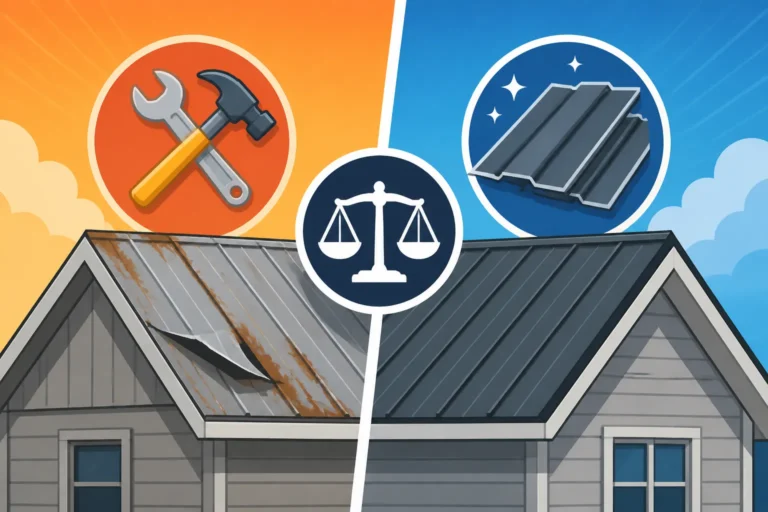
The decision between repairing and replacing an old corrugated metal roof is deeply personal, influenced by your budget, the condition of your home, and your long-term plans. Let's weigh these factors to help you make the smartest move.
When Repairing Makes Sense
Repairing your old corrugated metal roof can be the right choice in specific circumstances:
- Isolated Damage: If your roof's issues are truly minor and localized – a handful of loose fasteners, a small, easily accessible leak point, or a single damaged panel – repairs can be a cost-effective solution. For instance, if you're experiencing a leak purely due to failed screw washers, simply replacing those screws with new ones and sealing them properly might buy you several more years.
- Budget Constraints: Sometimes, a full roof replacement simply isn't financially feasible right now. If your budget is tight, strategically repairing the most critical issues can prevent further damage and give you time to save for a future replacement.
- Short-Term Plans: If you plan to sell your home within a year or two and the existing roof is functional but just needs a little TLC to pass inspection, a targeted repair might be sufficient. You're addressing immediate concerns without over-investing in a property you won't own long-term.
- Remaining Lifespan: If a professional assessment determines that your corrugated metal roof, despite its age, has a good 5-10 years of functional life left in it, and the current problems are easily fixable, then targeted repairs could be a wise choice to maximize its remaining utility.
Remember, even when repairing, ensure you're using high-quality materials and, if possible, hiring a professional. A shoddy repair can quickly lead to bigger problems and more expense. If you're just looking for how to fix a leaking metal roof, that’s an entirely different conversation than considering a full replacement.
When Replacement is the Clear Winner
In many cases, replacing an old corrugated metal roof isn't just an expense; it's a necessary and beneficial investment.
- Widespread or Systemic Issues: If your roof is riddled with multiple leaks, widespread rust, significant hail damage, or if the panels are warping and degrading across large sections, continuous repairs will be a losing battle. These are clear Warning Signs Your Metal Roof Needs Attention. You’ll be constantly spending money on patches that don't address the underlying systemic failure.
- Major Structural Concerns: If a professional inspection reveals compromised structural integrity, such as damaged purlins or extensive rot in the roof deck, a full replacement is almost certainly required. A repair won't fix what's beneath the surface.
- Desire for Long-Term Peace of Mind: If you plan to stay in your home for many years to come, investing in a new roof now eliminates future worries. You get a robust, warrantied system that will protect your family for decades, free from the stress of recurring problems.
- Enhancing Home Value and Aesthetics: If you're looking to significantly boost your home's curb appeal, increase its market value, or improve its energy efficiency, a new roof is a powerful upgrade. It transforms the look of your home and adds tangible value.
- End-of-Life Indicators: If your corrugated metal roof is well past its estimated lifespan (e.g., 40+ years for galvanized, 50+ for Galvalume) and showing pervasive signs of wear, it's simply reaching the end of its useful life. Further repairs are just delaying the inevitable.
When you decide to replace, it’s crucial to find a reliable contractor. You can utilize platforms like Modernize to find experienced metal roofing contractors in your area who can provide accurate quotes and ensure quality installation. Don't be afraid to get multiple quotes and compare them thoroughly, asking tough questions about materials, warranties, and the installation process.
Considering Renovation: Combining Aesthetics and Function
Sometimes, you might be looking for more than just a repair or a like-for-like replacement. This is where "renovation" comes in, offering a chance to upgrade beyond the basic.
- Material Upgrade: Instead of just putting another corrugated roof, you might consider upgrading to a standing seam metal roof, which offers even greater durability, fewer exposed fasteners, and a sleek, modern look. The Standing Seam Metal Roof Cost is higher, but so are the benefits. Or perhaps a stone-coated steel roof for a different aesthetic.
- Improved Coatings: Even if you stick with corrugated, you can opt for panels with advanced paint systems (like Kynar 500/PVDF) that offer superior fade resistance and longevity compared to older coatings, and are more energy-efficient.
- Enhanced Ventilation: A full roof replacement is the perfect opportunity to upgrade your roof's ventilation system, which is crucial for prolonging roof life and improving attic energy efficiency.
- Solar Integration: If you're considering solar panels, installing a new metal roof at the same time can streamline the process and ensure a stable, long-lasting platform for your solar investment.
Whether you choose to repair, replace, or renovate, taking the time to thoroughly assess your situation, understand the costs, and consider the long-term implications will lead to the best decision for your home and your peace of mind.
Disclaimer
Please remember that the information provided in this guide is for general educational purposes only. It is not a substitute for professional advice. Always consult with a qualified metal roofing contractor and obtain multiple quotes before making any decisions about repairing or replacing your roof. Local building codes and specific roof conditions can vary significantly.