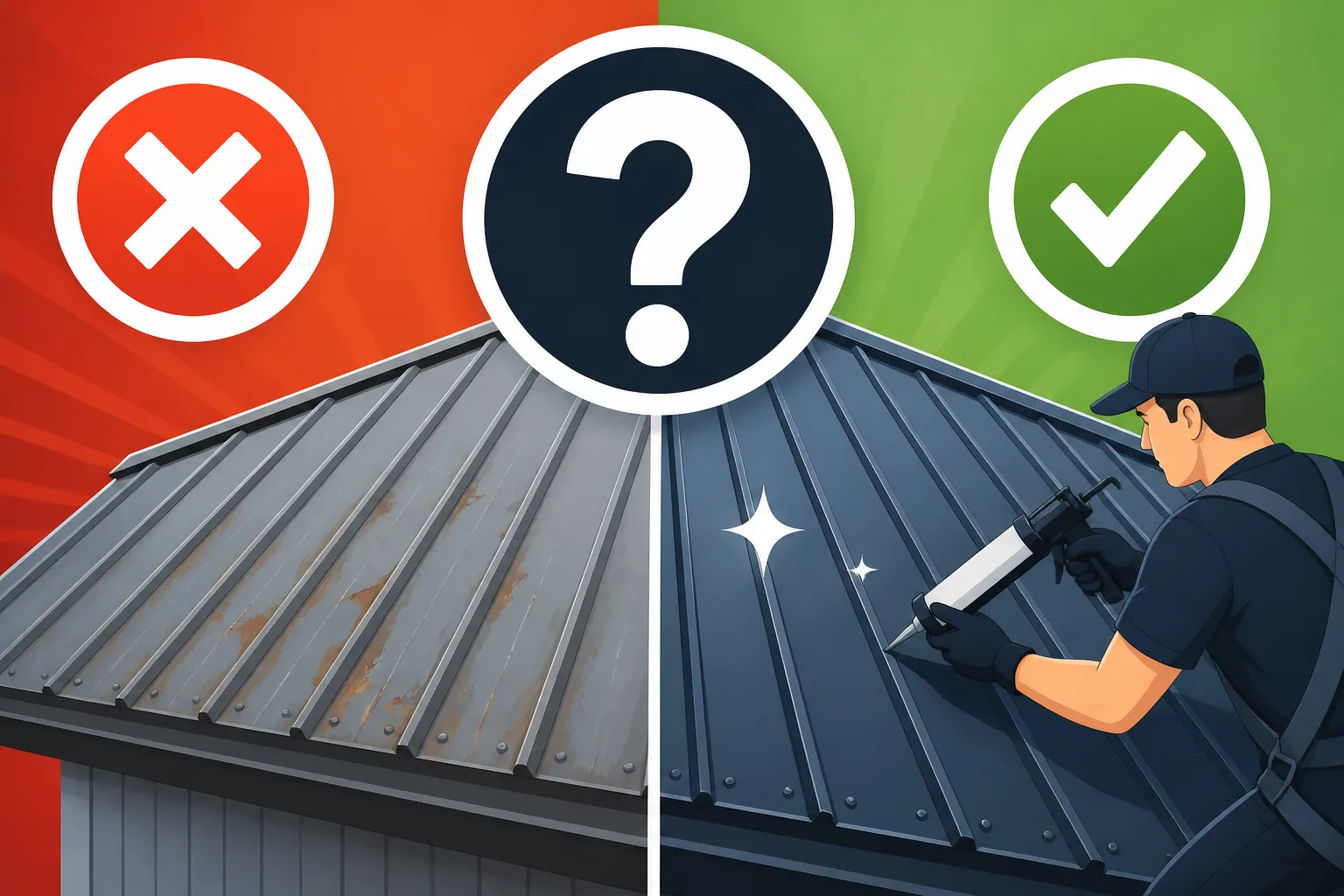
Do Metal Roofs Need to Be Resealed?
It’s a common worry among homeowners, especially those new to metal roofing: "Does my beautiful, durable metal roof need to be resealed every few years like some other roofing materials?" This question often stems from past experiences with asphalt shingles or even flat roofs that require regular coating applications to maintain their integrity. The good news is, for the vast majority of modern metal roofs, the answer isn't a simple "yes" or "no" but leans heavily towards no when it comes to a full, routine resealing process. This guide will dive deep into what sealing means for metal roofs, what to expect, and when specific interventions might actually be necessary.
Understanding Metal Roof Sealants and Coatings
When we talk about "sealing" a roof, it can mean a few different things depending on the roofing material. For many traditional roofs, a sealant might be a liquid applied over the entire surface to create a waterproof barrier. With metal roofs, the concept is a bit different.
What Sealants Are Used in Metal Roofing?
During the initial installation of a metal roof, sealants are used, but they are typically very specific, highly durable products applied in critical areas rather than as a broad, topcoat application. Think of it as strategic sealing, not general resealing.
Often, you'll find specialized butyl tape or mastic sealants applied beneath panels at overlaps, around fasteners in exposed fastener systems, or at flashing details where different components meet. These are not just any old caulk from the hardware store; they are industrial-grade materials designed to withstand extreme temperatures, UV radiation, and constant expansion and contraction that metal roofs naturally undergo. For example, a hidden fastener standing seam metal roof relies heavily on the precision of its panel design and the quality of its locking seams to prevent water intrusion. Any sealants used in these systems are integrated into the initial installation to protect vulnerable points, like where panels meet the edge trim or around pipe boots. These aren't meant to be regularly reapplied.
The Role of Factory Coatings and Finishes
One of the main reasons modern metal roofs generally don't require routine "resealing" is because their primary protective barrier comes from incredibly advanced factory-applied coatings. These aren't just paint; they are high-performance finishes engineered to last for decades.
The gold standard in metal roofing coatings is often Kynar 500 (also known as PVDF), a fluoropolymer resin coating that offers exceptional fade resistance, chalk resistance, and durability against harsh weather. Other high-quality options include Silicone Modified Polyester (SMP) coatings, which provide good color retention and scratch resistance. These coatings are applied in controlled factory environments, ensuring a consistent, robust layer that protects the metal substrate from UV degradation, corrosion, and general wear and tear. A typical warranty for a Kynar 500 finish can range from 25 to 40 years against fading, chalking, and delamination, demonstrating the confidence manufacturers have in their longevity. This factory finish is essentially the "seal" that protects the entire roof surface, making external resealing redundant and, in many cases, potentially harmful if an incompatible product is used. If you're looking into what affects metal roof cost, understanding the quality of these coatings is key.
Do Metal Roofs Need Routine Resealing? The Verdict
Let's cut right to the chase: most modern residential metal roofs, particularly those with high-quality factory finishes like Kynar 500 or SMP, do not require routine, full-surface resealing. This is a common misconception, often stemming from practices used for other roofing materials or older, less sophisticated metal roofing systems.
When Resealing Isn't Necessary
A properly installed metal roof, especially a standing seam system with concealed fasteners, is designed to be a monolithic, weather-tight barrier without the need for periodic whole-surface sealant applications. The interlocking panels and robust factory coatings are its primary defense. Think of it like a modern car's paint job; you wash it, wax it occasionally for extra shine, but you don't "reseal" the entire body annually.
When a reputable contractor installs a high-quality metal roof, they use specialized techniques and materials that are meant to last. The flashing, trim, and panel connections are designed to shed water effectively without relying on an external, perishable sealant layer. Attempting to apply a generic sealant over the entire roof surface could actually create more problems than it solves, potentially trapping moisture, blistering the factory finish, or attracting dirt. Focusing on quality installation from the start, understanding Metal Roof Installation Process: Step by Step, is far more important than planning for future resealing efforts.
Why the Perception of "Resealing" Exists
The idea that metal roofs need resealing often comes from a few places. Firstly, it might be a carryover from experiences with older "tin" roofs or agricultural metal panels that weren't pre-coated or might have been painted on-site with less durable paints. These older systems often did benefit from regular painting or coating to prevent rust and extend their life.
Secondly, some commercial or industrial metal roofs, particularly those with low slopes or exposed fastener systems, do sometimes benefit from elastomeric coatings as a restorative measure if they're aging or experiencing widespread leaks. This is more of a restoration or repair strategy than routine maintenance. Lastly, homeowners might confuse the periodic cleaning and inspection a metal roof benefits from with a need for a full resealing. While cleaning debris and ensuring proper drainage is crucial for longevity, it’s not the same as applying a new protective layer across the entire surface. When you're comparing Metal Roof vs Asphalt Shingles: Full Comparison, the maintenance differences really stand out.
When and Why Specific Areas Might Need Sealing Maintenance
While a full-surface reseal isn't necessary, specific areas of a metal roof can and do require attention over their long lifespan. These are usually localized issues, not a systemic failure of the entire roof.
Common Areas Prone to Wear or Failure
Even the best metal roofs have areas that are more vulnerable to wear and potential leaks. These include:
- Fastener Points: For exposed fastener systems, the washers on the screws can degrade over time due to UV exposure, leading to leaks. Even if the screw itself holds, the rubber or neoprene washer that creates the seal can crack, dry out, or detach. This is a classic point of failure.
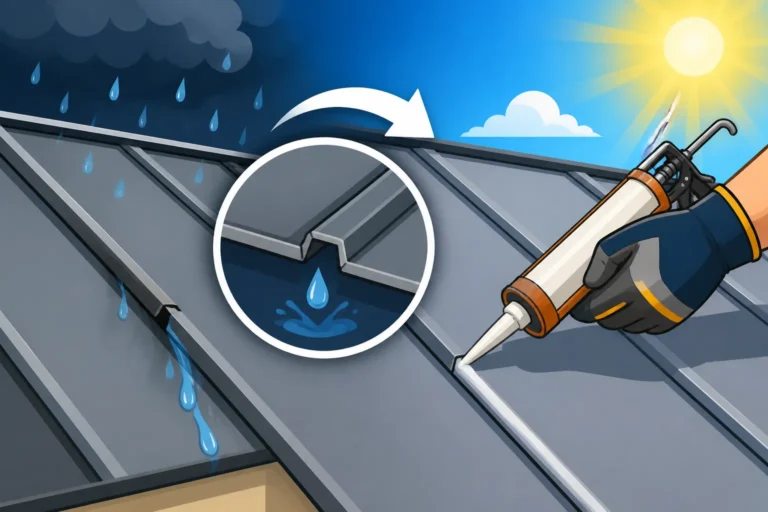
- Flashings and Penetrations: Areas around chimneys, skylights, vent pipes, and wall flashings are complex intersections where multiple materials meet. These points are often sealed with caulk or mastic during installation. Over years of thermal expansion and contraction, as well as UV exposure, these sealants can dry out, crack, or pull away, creating pathways for water. If you notice a leak around your chimney, it's often a flashing issue, not a panel problem. Understanding Metal Roof Flashing Repair is critical here.
- Seams and Overlaps: While standing seam roofs are designed with robust seams, certain panel profiles, especially those with exposed fasteners or lower slopes, might have areas where panels overlap. These overlaps often rely on butyl tape or lap sealant applied during installation. If these sealants were improperly applied or have aged significantly, they can begin to fail.
- Edges and Trim: The perimeter of the roof, including drip edges, rake trims, and ridge caps, are often sealed at their connections to prevent wind-driven rain from entering. These areas are also susceptible to sealant degradation.
Regular inspection, perhaps once a year or after a major storm, is the best way to catch these issues early. You might even consider hiring a professional for a Metal Roof Inspection: What to Check.
Identifying Signs Your Metal Roof Needs Attention
Being observant can save you a lot of headache and expense down the road. Here are some clear indicators that specific areas of your metal roof might need sealing or other maintenance:
- Visible Leaks Inside: This is the most obvious sign. If you see water spots on your ceiling, dripping from light fixtures, or running down walls, it's time to investigate immediately. Trace the leak's path carefully, as water can travel a fair distance horizontally before showing itself.
- Cracked, Dried, or Missing Sealant: A visual inspection from the ground or, if safe, on the roof itself, might reveal old caulk around flashings that looks brittle, cracked, or has pulled away from the metal surface. On exposed fastener roofs, look for degradation of the rubber washers under the screw heads.
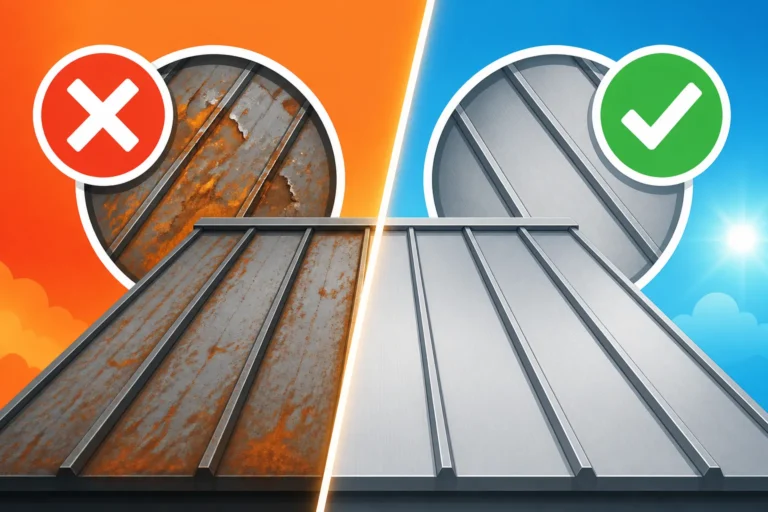
- Rust or Corrosion Around Fasteners/Penetrations: While a good metal roof resists rust, if you see rust streaks emanating from screw heads or around a pipe boot, it indicates water penetration, likely due to a failed seal.
- Excessive Chalking or Fading in Localized Areas: While factory coatings are incredibly durable, extreme localized exposure or minor manufacturing defects could lead to premature degradation in small spots. If the surface is excessively chalking (a powdery residue) or fading unevenly, it might indicate the protective coating is breaking down, potentially requiring a targeted repair or recoating, not a full reseal.
- Oil Canning (Waviness): While primarily an aesthetic issue and often unavoidable to some degree, severe oil canning can sometimes exacerbate issues at seams or fasteners if it causes undue stress on those points. Though not directly a sealant issue, it’s a sign of panel stress that might lead to future sealant failures.
If you’re unsure what to look for or how to assess damage, reaching out to a local roofing specialist through a platform like Modernize can connect you with experienced professionals who can provide an accurate assessment.
The Process of Targeted Sealing and Repair
When you identify an area needing attention, the process isn't about slapping on more caulk. It involves careful preparation and the right materials.
First, preparation is paramount. The old, failing sealant must be completely removed. This often involves scraping, brushing, and sometimes using a solvent to ensure the surface is clean, dry, and free of any loose debris, grease, or rust. Trying to seal over old, compromised sealant is like putting a band-aid on a broken bone – it won’t hold.
Next, choosing the right product is crucial. Not all sealants are compatible with metal roofing or with the existing coatings. You need a high-quality, 100% silicone, urethane, or elastomeric sealant specifically formulated for metal roofs and exterior use. These sealants are designed to maintain flexibility, resist UV degradation, and adhere properly to metal surfaces. Avoid cheap acrylic latex caulks that will quickly crack and fail.
Finally, proper application is key. The sealant needs to be applied in a smooth, continuous bead, ensuring it completely bridges the gap or covers the fastener. Tooling the sealant (smoothing it with a finger or tool) helps it adhere better and creates a clean, weather-tight seal. For exposed fasteners, you might even replace the screws with new ones that have integral oversized washers, or apply a dab of specialized sealant over the existing screw head after cleaning the old washer. This targeted approach is much more effective and cost-efficient than a generalized "resealing" of the entire roof.
Choosing the Right Sealants and Maintenance Practices
When it comes to maintaining your metal roof, especially if you're tackling small, localized issues, understanding your sealant options and adopting smart maintenance practices can make all the difference.
Types of Sealants for Metal Roof Repair
For those times when a specific area on your metal roof needs attention, it's important to use the correct type of sealant. Here are the most common and effective choices for spot repairs:
- 100% Silicone Sealants: These are highly flexible, durable, and offer excellent UV resistance. They adhere well to metal, glass, and many other roofing materials. Silicone sealants maintain their elasticity over a wide temperature range, which is critical for metal roofs that expand and contract. They don't typically degrade or crack quickly, making them a long-lasting solution for flashing, penetrations, and sometimes around fasteners. However, it's worth noting that once silicone is applied, it's very difficult to paint over. Brands like GE and Tremco offer high-quality silicone options suitable for metal roofing.
- Urethane Sealants: Urethane-based sealants are also very durable and flexible, providing strong adhesion. A key advantage of urethanes is that many are paintable, which can be important if you need to match the color of your roof or surrounding trim. They stand up well to abrasion and offer good resistance to chemicals and moisture. They are often a top choice for sealing seams and structural elements where strong, permanent adhesion is needed.
- Elastomeric Mastics/Coatings: While not always a "sealant" in the caulk-tube sense, elastomeric mastics are thick, rubberized coatings that are highly flexible and waterproof. They are excellent for sealing larger gaps, complex flashing details, or for repairing areas where a more substantial, flexible barrier is needed. They can often be applied with a brush or trowel and are designed to stretch and move with the roof. Some manufacturers, like those using materials from PPG or Sherwin-Williams, incorporate elastomeric properties into their repair coatings for optimal performance.
Comparison of Common Sealants for Metal Roof Repair
| Sealant Type | Key Characteristics | Best Use Cases | Pros | Cons |
|---|---|---|---|---|
| 100% Silicone | Highly flexible, UV resistant, waterproof | Flashing, pipe boots, vent seals, small gaps around penetrations | Excellent durability, maintains flexibility, wide temperature range | Not paintable, can be difficult to remove if misapplied |
| Urethane | Flexible, strong adhesion, paintable (many types) | Seams, structural details, areas needing color match | Very strong bond, good abrasion resistance, often paintable | Can be messier to work with, may require specific primers |
| Elastomeric Mastics | Thick, rubberized, highly flexible coatings | Larger gaps, complex flashing, repair of minor existing leaks | Excellent waterproofing, stretches with movement, good gap-filling | Thicker application, not for fine detail work, longer cure times |
| Butyl Tape/Mastic | Non-drying, sticky, forms a gasket-like seal | Underlap seams, panel overlaps, concealed fastener areas | Permanent seal, good compression, long-lasting if undisturbed | Difficult to apply cleanly, not for exposed areas, generally factory-applied |
When in doubt about which sealant to use, always check with your metal roof manufacturer's recommendations or consult with a qualified metal roofing contractor.
Best Practices for Proactive Maintenance
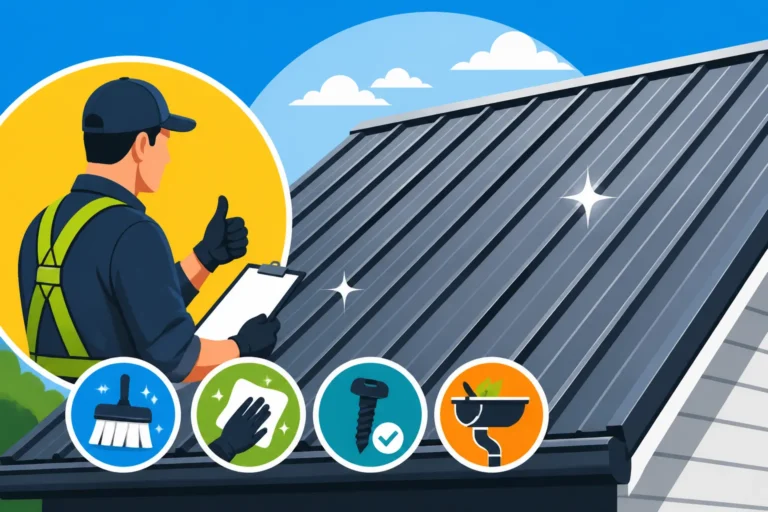
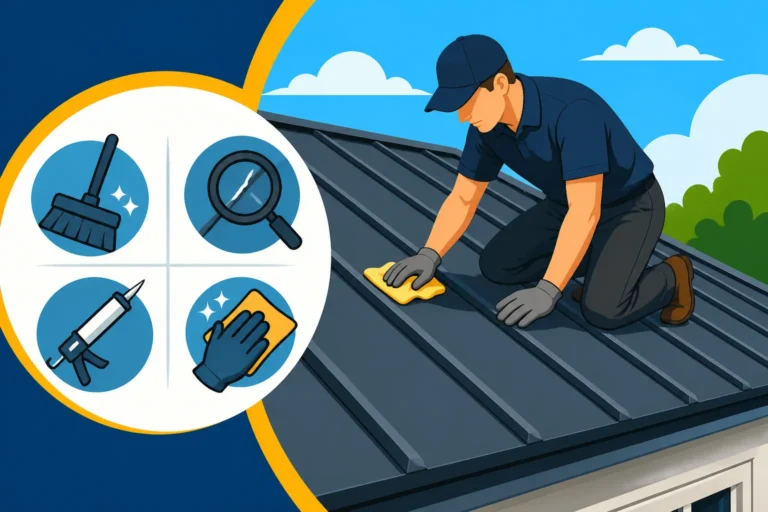
The real key to a long-lasting metal roof isn't routine resealing, but rather a regimen of proactive maintenance that focuses on inspection and timely, targeted repairs.
- Regular Inspections: Make it a habit to visually inspect your roof twice a year – once in the spring after winter's freeze-thaw cycles, and again in the fall before winter hits. Look for any debris, signs of loose fasteners, compromised sealants around penetrations, or damaged flashing. From the ground, use binoculars to check the entire surface. If you see something concerning, and it's safe to do so, carefully examine it up close. A regular inspection can help you catch small issues before they become major problems, preventing costly Metal Roof Leak Repair Guide scenarios.
- Keep it Clean: While metal roofs are low-maintenance, they're not no-maintenance. Remove leaves, twigs, and other debris that can accumulate in valleys, around chimneys, or in gutters. Clogged gutters can cause water to back up onto the roof, potentially leading to issues even with the best sealing. A simple rinse with a garden hose can often keep the surface clean. For tougher stains, use a soft brush and a mild, non-abrasive cleaner. Avoid harsh chemicals or pressure washers, as these can damage the factory finish.
- Address Issues Promptly: Don't put off small repairs. A tiny crack in the caulk around a vent pipe might seem minor, but it can lead to significant water damage if left unaddressed. As soon as you identify a problem area, gather your supplies and tackle it or call a professional. Many homeowners find that using a service like Modernize to find local, vetted professionals for these tasks is a huge time-saver.
- Trim Overhanging Branches: Trees provide shade, but overhanging branches can drop debris, scratch the roof surface, and allow pests easy access. Trim them back to prevent these issues.
- Avoid Walking on the Roof Unnecessarily: While you can walk on most metal roofs, it’s best to minimize foot traffic. If you do need to access the roof, wear soft-soled shoes and step carefully, ideally on the flat parts of standing seam panels or over purlins on exposed fastener roofs, to avoid dents or damaging fasteners. For more guidance, see How to Walk on a Metal Roof Without Damage.
By focusing on these proactive measures, you'll ensure your metal roof lives up to its legendary lifespan and continues to protect your home without the need for frequent, costly, and often unnecessary full-surface resealing.
Disclaimer
Please remember that the information provided in this guide is for general informational purposes only and does not constitute professional advice. Roofing work can be dangerous and should ideally be performed by qualified professionals. Always consult with a licensed and insured metal roofing contractor for specific recommendations regarding your roof's condition, materials, and local building codes. Safety should always be your top priority.