Does a Zinc Roof Rust or Corrode?
It’s a valid question, and one that homeowners often grapple with when considering a metal roof: "Does a zinc roof rust or corrode?" You’re likely envisioning the ugly orange-brown stains that plague traditional steel and thinking, "Please, not on my beautiful new roof!" The good news is that zinc is a truly remarkable material, and understanding its unique properties is key to appreciating why it stands apart from many other metals in the face of the elements. This guide will walk you through the fascinating science behind zinc, distinguish between rust and corrosion, and explain exactly what you can expect from a zinc roof over its incredibly long lifetime.
Understanding Zinc's Unique Nature for Roofing
When you start researching metal roofing, you quickly learn that not all metals are created equal. Zinc, specifically, has a fascinating relationship with its environment, one that actually protects it rather than degrades it in the destructive ways we often associate with metal and moisture. It’s not just a durable material; it's a living, breathing component of your home that evolves with time.
What Exactly is Zinc and How Does it Protect?
Zinc is a natural, non-ferrous metal, meaning it doesn't contain iron. This distinction is crucial right off the bat because iron is the primary ingredient that, when exposed to oxygen and moisture, creates what we commonly know as rust. Zinc, on the other hand, reacts with its environment in a profoundly different and beneficial way. When zinc is installed on your roof and exposed to the atmosphere – think rain, humidity, and the air itself – it undergoes a natural process called passivation.
This passivation involves a chemical reaction where the zinc surface slowly forms a protective layer, often referred to as a "patina." This isn't some weak, superficial coating that chips away; it's an integral part of the metal itself. Imagine your roof literally growing its own armor against the elements. This process makes zinc incredibly resilient. You can learn more about different types of metal roofing materials compared, including steel, aluminum, copper, and zinc, to understand their individual strengths. This self-healing characteristic is why many architects and homeowners are drawn to zinc for its longevity and low maintenance.
The Patina: Zinc's Built-In Armor
The patina is truly the star of the show when it comes to zinc roofing. It’s what gives zinc its incredible durability and distinctive aesthetic. When your new zinc roof is first installed, it will likely have a bright, shiny, almost reflective appearance. It's a striking look, but it's also temporary. Over time, usually within a few weeks to a few months depending on environmental conditions, you’ll start to notice subtle changes.
The first stage of patina formation often results in a dulling of the surface, moving from that initial bright sheen to a matte gray. As the process continues, this protective layer thickens and deepens, eventually developing into a beautiful blue-gray tone that is characteristic of aged zinc. This color isn't just for aesthetics; it's a sign that the zinc is doing its job. This robust, self-repairing layer effectively shields the underlying zinc from further degradation. It’s like the metal is constantly regenerating its protective skin. Environmental factors play a big role here; a roof in a rainy, humid climate will typically develop its patina faster and more evenly than one in a dry, arid region. Pollutants in the air can also influence the speed and shade of the patina, sometimes leading to subtle variations in color, adding to the roof's unique character.
Rust vs. Corrosion: Defining the Terms
To properly answer the question "Does a zinc roof rust or corrode?", we need to clear up some common terminology. These words are often used interchangeably, but in the world of metals, they have distinct meanings that are critical to understanding why zinc behaves the way it does.
The Truth About Rust and Iron-Based Metals
Let's talk about rust. When people ask if a metal roof rusts, they're usually picturing that reddish-brown, flaky material that appears on old car fenders, neglected tools, or poorly maintained steel structures. That specific phenomenon is called rust, and it's a form of corrosion that only occurs in iron and its alloys, like steel. Scientifically, rust is hydrated iron(III) oxides, formed when iron reacts with oxygen and water. It's a destructive process because rust expands, flakes off, and exposes fresh metal to further oxidation, leading to eventual structural failure.
This is precisely why traditional steel roofs require robust protective coatings like galvanization (zinc coating) or Galvalume (a zinc-aluminum alloy coating). Without these sacrificial layers, a plain steel roof would quickly succumb to rust, especially in humid or rainy climates. If you're curious about the difference in cost, you might want to look into topics like Steel Roof Cost Per Square Foot or Galvalume Roof Cost Per Square Foot. The bottom line here is simple: because zinc itself is not iron, a solid zinc roof cannot rust in the way steel does.
How Corrosion Differs for Non-Ferrous Metals like Zinc
Now, let's talk about corrosion. Corrosion is a much broader term that refers to the gradual destruction of materials (usually metals) by chemical or electrochemical reaction with their environment. While rust is a type of corrosion, not all corrosion is rust. For non-ferrous metals like zinc, corrosion manifests differently, and in the case of zinc, it's actually a beneficial process, as we discussed with the patina.
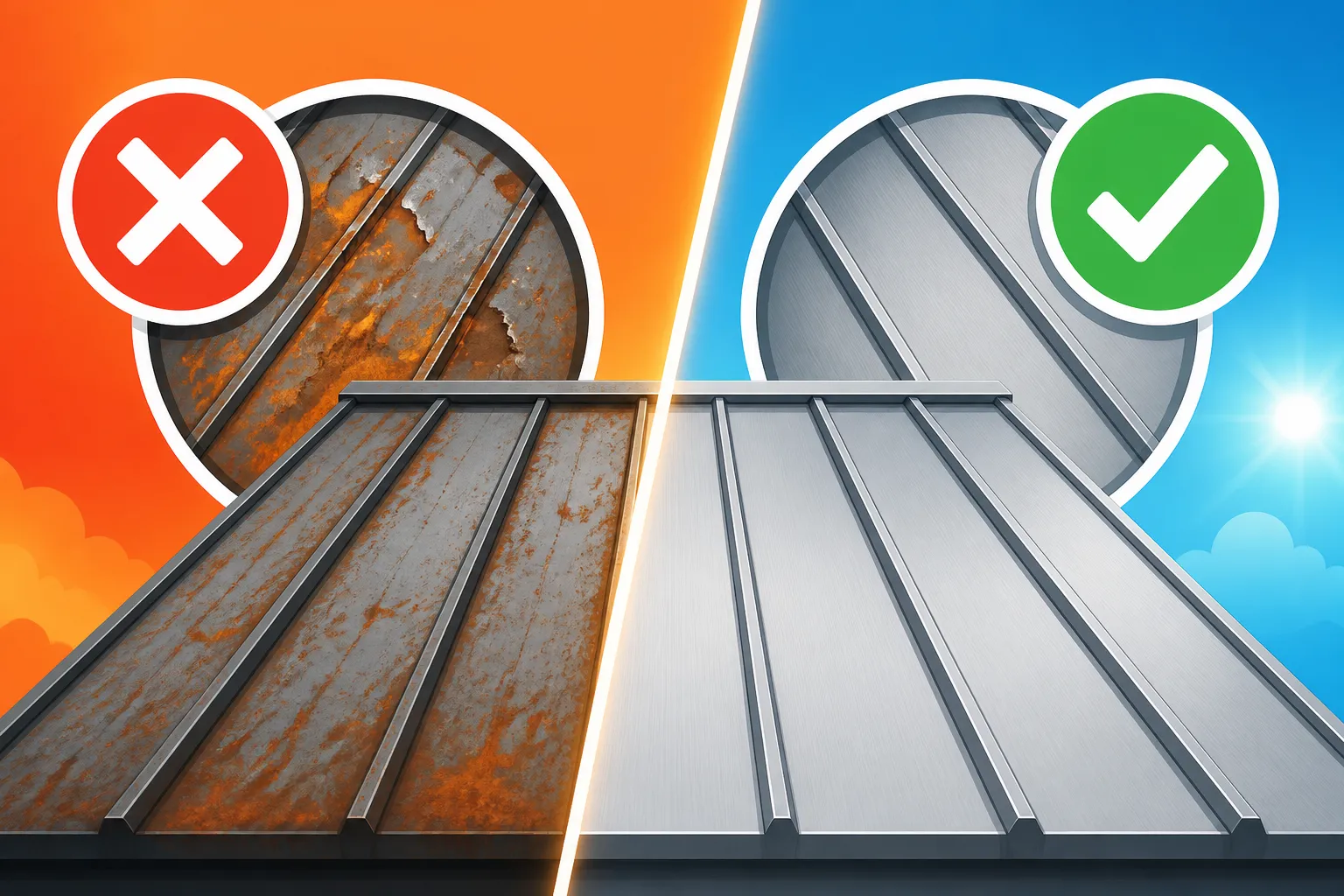
When zinc "corrodes," it forms that stable, protective zinc carbonate hydroxide layer – the patina. This layer is non-porous and adheres tightly to the metal's surface, acting as a permanent shield. Unlike rust, which destroys the metal underneath, the patina prevents further significant corrosion. It's a self-limiting process. Once the patina forms, the rate of corrosion slows down dramatically, allowing the zinc roof to achieve its remarkable lifespan of 80 to 100 years or even more. So, while it technically "corrodes" by forming this protective layer, it does not suffer from destructive rust. This means that a zinc roof won't develop those unsightly, degrading red-brown stains you might fear.
Factors That Can Impact Zinc Roof Longevity and Appearance
Even with zinc's incredible natural protection, certain factors can influence how your roof looks and performs over its lifespan. Understanding these elements can help you maintain its integrity and appreciate its unique characteristics.
Environmental Exposure and the Patina Process
The environment your home is in plays a significant role in the development and appearance of your zinc roof's patina. Think about it: a house in a bustling urban center like New York will experience different atmospheric conditions than one nestled in a serene, rural landscape. High levels of humidity, frequent rainfall, and proximity to coastal areas with salt-laden air tend to accelerate the patina formation process, often leading to a more uniform and deeper blue-gray hue relatively quickly. On the flip side, in very dry, arid climates or under large overhangs where the zinc rarely gets wet, the patina might form unevenly or take a much longer time to fully develop, sometimes resulting in lighter, less consistent coloring.
Atmospheric pollutants, such as sulfur dioxide in industrial areas, can also subtly alter the chemical composition of the patina, sometimes resulting in slightly different shades or surface textures. It's important to remember, however, that these variations are primarily aesthetic. The protective qualities of the patina remain intact, regardless of these minor color nuances. The roof is still doing its job, just with a bit of local flair!
Galvanic Corrosion: The Real Threat to Zinc
While zinc doesn't rust, it's not entirely immune to all forms of degradation. The most significant threat to a zinc roof, and indeed many metal roofs, is galvanic corrosion. This occurs when two dissimilar metals come into direct contact with each other in the presence of an electrolyte, which is typically moisture (rain, dew). One metal acts as an anode and corrodes preferentially, while the other acts as a cathode and is protected. Zinc is a relatively active metal, meaning it tends to be the anode in most pairings, making it susceptible to accelerated corrosion if it comes into contact with more noble (less reactive) metals.
The classic example is copper. If copper flashing, copper gutters, or even copper runoff comes into contact with a zinc roof, the zinc will rapidly corrode and deteriorate. Other problematic metals include lead and even certain types of untreated steel fasteners. This is why careful planning and precise material selection during installation are absolutely critical for a zinc roof. A reputable contractor will understand these principles implicitly and ensure that all compatible materials are used, from fasteners to flashing. For projects in areas prone to specific weather events, like those covered in Hurricane and Coastal Metal Roof Requirements, these material compatibility considerations become even more paramount. Always ensure your installer knows the intricacies of metal roofs and avoids these common galvanic pitfalls.
Chemical Exposure and Aggressive Cleaners
The beautiful, self-healing patina of a zinc roof is remarkably durable, but it's not invincible against harsh chemical attacks. Exposure to strong acids, suchases found in certain brick cleaners or even highly acidic runoff from specific types of roof materials above it, can damage or strip away the protective patina layer. Similarly, abrasive cleaners or those containing harsh chemicals (like bleach) can mar the surface, leaving unsightly streaks or even compromising the protective layer.
Think about it like this: your skin protects you, but if you expose it to highly corrosive chemicals, it will get damaged. The same goes for the zinc patina. When cleaning your zinc roof, it's essential to use only mild, non-abrasive methods, typically just soft water and a gentle brush. Avoid pressure washing, as it can be too aggressive for the patina and potentially force water into seams. If you need to remove stubborn debris, consult with a metal roofing specialist who can recommend appropriate, zinc-safe cleaning solutions. This attention to care helps preserve both the aesthetic and protective qualities of your long-lasting roof.
Practical Considerations for Zinc Roof Owners
Owning a zinc roof is a fantastic investment, offering unparalleled longevity and a distinct aesthetic. But like any premium home component, a little understanding and care go a long way in ensuring it lives up to its full potential.
Maintenance Tips for Your Zinc Roof
One of the big draws of zinc roofing is its low maintenance profile, but "low maintenance" doesn't mean "no maintenance." Here are a few straightforward tips to keep your zinc roof happy and healthy:
- Regular Visual Inspections: Twice a year, or after any major storm, take a good look at your roof (from the ground or with binoculars for safety). Look for any debris accumulation, standing water, or unusual discoloration. Pay particular attention around chimneys, vents, and other penetrations, as these are common areas for issues.
- Keep it Clean, Gently: The best cleaning method for a zinc roof is usually just plain water and a soft-bristle brush, if needed, to remove loose dirt, leaves, or moss. Ensure good drainage and clear gutters regularly. Avoid harsh chemicals, abrasive scrubbers, or high-pressure washers, as these can damage the delicate patina that protects the metal.
- Beware of Dissimilar Metals: This is crucial. Always make sure that any new installations on or near your roof—like satellite dishes, HVAC units, or even temporary festive decorations—do not involve direct contact between zinc and incompatible metals like copper or untreated steel. If you suspect an issue, address it immediately.
- Ensure Good Drainage: Zinc performs best when water can run off freely. Any areas where water might pool could lead to localized, uneven patina development, though it's unlikely to cause structural issues with the zinc itself.
Following these simple practices will ensure your zinc roof continues to provide decades of beauty and protection without requiring extensive upkeep, a stark contrast to the more frequent attention asphalt shingles often demand.
What to Expect: Lifespan and Appearance Evolution
When you choose a zinc roof, you're not just getting a roof; you're getting a legacy. The lifespan of a properly installed zinc roof is truly remarkable, often exceeding 80 to 100 years, and sometimes even longer. This is significantly longer than most other roofing materials, offering a multi-generational solution for your home. You can explore Metal Roof Lifespan: How Long Do They Last? to see how zinc compares to other options. This incredible durability is largely due to that self-healing patina we discussed, which continuously renews its protective shield.
In terms of appearance, expect an evolution. As we've mentioned, the initial bright, shiny finish will gradually transform. The time it takes for the full, characteristic blue-gray patina to develop varies depending on climate and exposure, but it's a gradual, beautiful process. Many homeowners find this natural aging process incredibly appealing, as it gives the roof a unique character that synthetic materials simply can't replicate. Small scratches or superficial damage will often "heal" as the patina reforms over the affected area, further adding to the roof's low-maintenance appeal. It's a roof that gracefully ages with your home, rather than deteriorating.
When to Call a Professional for Zinc Roof Issues
While zinc roofs are incredibly robust, there are times when calling in a professional is not just advisable, but essential. Attempting complex repairs on a specialized material like zinc without the right expertise can do more harm than good, potentially compromising the roof's integrity and voiding warranties. If you notice any of these signs, it's time to reach out to a qualified metal roofing contractor:
- Unusual Discoloration or Uneven Patina: While some variation is normal, if large sections of your roof are showing persistent, non-uniform discoloration that doesn't seem to be part of the natural aging process, it could indicate an underlying issue, such as sustained exposure to a problematic chemical or galvanic corrosion from an unnoticed source.
- Signs of Destructive Corrosion: Although zinc doesn't rust, severe and widespread pitting, or significant thinning of the metal in localized areas, especially around penetrations or edges, could be a red flag. This might suggest a severe galvanic reaction or prolonged exposure to highly aggressive substances.
- Persistent Leaks: Even with a metal roof, leaks can happen, often originating from improper flashing details around chimneys, skylights, or vent pipes. If you're experiencing drips or water stains inside your home, it's critical to have a professional diagnose and fix the source promptly. Metal roof leak repair guide might offer some initial insights, but ultimately, expert hands are needed for zinc.
- Physical Damage: While hail dents are rare with the right gauge zinc, extreme weather events or falling objects can cause significant damage. If panels are visibly bent, torn, or dislodged, professional intervention is necessary to ensure proper repair or replacement and maintain the roof's weatherproofing.
Finding a specialist familiar with zinc can be a challenge. Resources like Modernize can help you connect with qualified contractors who have experience with these unique materials. They understand the nuances of working with zinc and can provide expert assessments and repairs, ensuring your investment is protected.
Comparing Zinc's Performance to Other Metal Roofing Materials
Choosing a metal roof involves understanding how different metals perform. While zinc shines in its rust and corrosion resistance, it's helpful to see how it stacks up against other popular choices.
Zinc vs. Steel Roofing
The most common comparison often involves steel roofing, particularly galvanized or Galvalume steel. Steel, at its core, is an iron alloy, and as we've established, raw iron will rust when exposed to oxygen and moisture. This is why steel roofing panels are always coated.
- Galvanized Steel: This involves coating steel with a layer of zinc. The zinc acts as a sacrificial anode, corroding away slowly to protect the underlying steel. However, once this zinc coating is compromised (e.g., by deep scratches or age), the steel beneath is exposed and will begin to rust.
- Galvalume Steel: This coating is a blend of zinc, aluminum, and silicon. It offers excellent corrosion resistance, often superior to standard galvanized steel, due to the barrier protection of aluminum and the sacrificial protection of zinc. Still, it's a coating, and its integrity is vital for rust prevention.
- Solid Zinc: Unlike steel, which relies on a coating for rust prevention, zinc itself is the material. Its protection is inherent, not a superficial layer that can be scratched or worn away. The patina is an integral part of the metal. This means that a solid zinc roof offers a level of intrinsic, self-healing protection against destructive rust that coated steel simply cannot match. While the initial cost of a Metal Roof Cost by Material: Steel vs Aluminum vs Copper vs Zinc might be higher for solid zinc, its lifespan and unique properties often justify the investment.
Zinc vs. Copper and Aluminum
Beyond steel, copper and aluminum are other popular non-ferrous metal roofing options, each with their own distinct characteristics regarding corrosion.
- Copper: Like zinc, copper is a non-ferrous metal that does not rust. Instead, it develops its own beautiful, distinctive patina, typically turning a vibrant green (verdigris) over many years. This patina also acts as a protective layer, giving copper roofs an incredibly long lifespan, often exceeding 100 years. The main differences between copper and zinc lie in their aesthetic (green vs. blue-gray patina) and cost, with copper generally being more expensive. However, remember the galvanic corrosion warning: copper and zinc are highly incompatible and should never be in direct contact or have runoff from copper onto zinc. This is a critical consideration for those interested in Copper Roof Cost.
- Aluminum: Aluminum is another excellent choice for corrosion resistance. It forms a thin, dense, and naturally occurring oxide layer almost instantly when exposed to air. This oxide layer provides outstanding protection against corrosion, making aluminum ideal for coastal environments where salt spray is a concern. Aluminum doesn't typically develop the dramatic color-changing patina seen with zinc or copper; it generally maintains its original color or slightly dulls over time. While highly corrosion-resistant, aluminum is softer than zinc, making it more susceptible to denting. Both zinc and aluminum offer superior performance to many other roofing materials, but their appearance and specific handling characteristics differ.
Here's a quick comparison of how these materials manage "corrosion":
| Metal Roofing Material | Does it Rust (Iron Oxidation)? | How Does it Corrode? | Patina Development | Self-Healing Properties | Typical Lifespan |
|---|---|---|---|---|---|
| Solid Zinc | No | Forms a stable, protective zinc carbonate hydroxide patina. | Yes, from shiny to blue-gray. | Excellent (patina regenerates over minor scratches). | 80-100+ years |
| Coated Steel | No (due to coating) | Coating protects steel; if coating fails, steel rusts. | No (maintains coating color). | Limited (scratches expose underlying steel). | 40-70 years |
| Copper | No | Forms a stable, protective copper carbonate patina. | Yes, from shiny to green. | Good (patina regenerates over minor scratches). | 100+ years |
| Aluminum | No | Forms a stable, thin aluminum oxide layer. | No (maintains original color, may dull). | Limited (oxide layer is always present). | 50-80 years |
This table highlights that while "rust" is specific to iron-based metals, various forms of "corrosion" exist, and for materials like zinc and copper, this process is actually what grants them their exceptional longevity and character.
Disclaimer
Please remember that the information provided in this article is intended for general guidance and informational purposes only. While we strive to offer accurate and up-to-date content based on industry knowledge and common practices, individual roofing projects can be complex and unique. Local building codes, environmental factors, and specific product specifications can vary significantly. Always consult with a qualified, licensed, and insured metal roofing professional before making any decisions regarding your roof, especially for installation, repair, or maintenance. They can provide tailored advice and ensure compliance with all relevant regulations for your specific situation.