Metal Roof vs Asphalt Shingles: Full Comparison
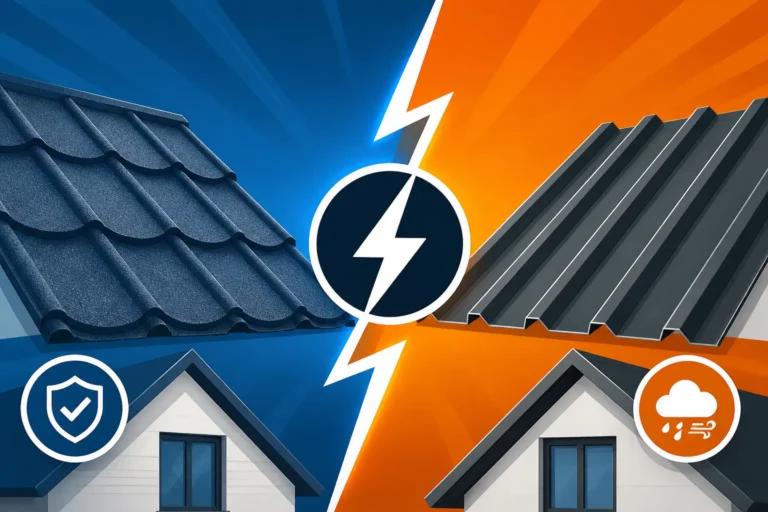
Choosing a new roof for your home can feel like a monumental decision, especially when you're caught between the familiar comfort of asphalt shingles and the rising popularity of sleek metal roofing. It's not just about aesthetics; it's about cost, durability, long-term value, and how well your home will stand up to whatever Mother Nature throws its way. This comprehensive guide is here to unravel that conundrum, offering a detailed, side-by-side comparison of metal roofs and asphalt shingles to help you make the best choice for your unique home and budget.
Understanding Asphalt Shingles: The Traditional Choice
For decades, asphalt shingles have been the undisputed reigning champion of residential roofing across North America, and it's easy to see why they've held that title for so long. They’re a go-to for many homeowners, often seen as the default option, partly because they're so widely available and most roofers are incredibly familiar with installing them. But like any popular choice, there's a reason behind its prominence, as well as some inherent limitations that might make you consider alternatives.
Pros of Asphalt Shingles
When you look at the immediate benefits, asphalt shingles offer a compelling package, particularly for those on a tighter budget or who appreciate a classic look. They’ve been around forever, and for good reason—they hit a sweet spot for many residential applications.
One of the biggest draws is cost-effectiveness, particularly in terms of the initial outlay. When you're first purchasing materials and hiring a crew, asphalt shingles almost always present a lower upfront price point compared to metal roofing. This makes them highly accessible for a vast number of homeowners, and it's often the primary factor that steers people in their direction. You can find them at virtually any home improvement store, and the supply chain for asphalt products is robust, meaning fewer delays and more competitive pricing. The sheer volume of asphalt shingle production also contributes to their relative affordability, making them a practical choice if you're looking to minimize immediate expenses.
Beyond cost, the ease of installation is another significant advantage. Most roofing contractors are thoroughly trained and experienced in installing asphalt shingles. The process is straightforward, requiring standard tools and techniques that have been refined over generations. This widespread familiarity means that finding a qualified contractor for asphalt shingle installation is generally much easier than finding one specializing in metal roofing. The installation process itself tends to be quicker, which can reduce labor costs and minimize disruption to your daily life. This isn’t to say it’s a simple job, but it’s certainly less specialized than, say, a standing seam metal roof installation.
Finally, the widespread availability and familiarity play a huge role. Not only can you find shingles easily, but the aesthetic is also deeply ingrained in residential architecture. Most people associate the look of layered shingles with a "traditional" home, and there’s a comfort in that. You have a vast array of colors and styles to choose from, including architectural shingles that mimic the look of natural slate or wood shakes, allowing for significant customization to match your home's exterior and neighborhood aesthetic. This means you don't have to worry about your home sticking out or conflicting with local HOA guidelines, which can sometimes be an issue with newer, less common roofing materials.
Cons of Asphalt Shingles
While the advantages of asphalt shingles are clear, it's crucial to look beyond the immediate benefits and consider the long-term implications and environmental factors. These are often where the trade-offs become apparent, pushing homeowners to explore other options.
Perhaps the most significant downside is their shorter lifespan. On average, asphalt shingle roofs last between 15 to 30 years, depending on the quality of the shingles, the installation, and the local climate. Compare this to metal roofs, which often come with 50-year warranties and can last even longer. This shorter lifespan means you'll likely face the expense and hassle of a roof replacement two or even three times over the period you might only install one metal roof. Over the long run, those repeated replacement costs can quickly add up, potentially negating the initial cost savings that made shingles so attractive. It’s a classic example of "pay now or pay more later."
Asphalt shingles are also notably more vulnerable to weather extremes. High winds can easily lift and tear off shingles, especially if they are older or not properly fastened. Hail can cause significant cosmetic and structural damage, leading to cracks, granule loss, and bruising, which compromises their protective capabilities. Intense sun and heat, particularly in warmer climates, accelerate the aging process, causing them to dry out, crack, and lose their protective granules, which are essential for UV resistance. This granule loss not only impacts the roof's performance but also its appearance, leaving a streaky, worn look.
Lastly, there's the notable environmental impact. Asphalt shingles are petroleum-based products, and their disposal contributes significantly to landfill waste. Millions of tons of old shingles are removed and dumped into landfills each year, and they can take hundreds of years to decompose. While recycling programs for asphalt shingles exist in some areas, they are not universally available or always convenient. This environmental footprint is a growing concern for many homeowners who are trying to make more sustainable choices for their homes. Furthermore, the granular surface of shingles can promote moss and algae growth in damp climates, requiring periodic cleaning and treatment to maintain their appearance and prevent moisture damage. This means more maintenance over time than many homeowners initially anticipate, adding to the hidden costs of ownership.
Understanding Metal Roofing: The Modern Alternative
Moving away from tradition, metal roofing has emerged as a powerhouse alternative, capturing the attention of homeowners looking for durability, efficiency, and a distinctive aesthetic. It’s no longer just for barns or industrial buildings; modern metal roofing options are sophisticated, stylish, and engineered for high performance. This material offers a refreshing departure from conventional roofing, bringing with it a host of benefits that address many of the pain points associated with asphalt shingles.
Pros of Metal Roofing
The advantages of metal roofing are numerous and often speak to homeowners seeking a long-term, high-performance solution that goes beyond basic protection. This isn’t just a roof; it’s an investment in your home’s future and its resilience.
First and foremost is the exceptional durability and longevity. Metal roofs are renowned for their ability to last 40, 50, even 70 years or more with proper installation and minimal maintenance. This means that for many homeowners, a metal roof is a "once-in-a-lifetime" investment, saving them the recurring costs and disruptions of multiple roof replacements. Materials like steel, aluminum, copper, and zinc offer incredible resistance to degradation over time, standing strong against elements that would quickly break down asphalt. Thinking about the future, this longevity is a major selling point and a significant peace of mind.
Closely tied to durability is superior weather resistance. Metal roofs excel in harsh conditions. They are highly resistant to wind, often rated to withstand gusts of 140 mph or more, making them ideal for hurricane-prone areas like Florida or coastal regions. Their non-combustible nature gives them a Class A fire rating, the highest possible, offering crucial protection against wildfire risks. Unlike shingles, metal roofs won't crack or corrode under intense UV exposure, and they shed snow and ice efficiently, preventing dangerous buildup. Even hail, which can devastate asphalt, often leaves only cosmetic dents on higher-gauge metal, depending on the profile. For comprehensive details on their performance, exploring resources like Metal Roof Wind and Fire Ratings Explained can be incredibly insightful.
Another huge benefit, particularly in today's climate-conscious world, is their energy efficiency and cool roof properties. Metal roofs reflect a significant portion of solar radiant heat, keeping your attic and home cooler in the summer. This can lead to substantial savings on air conditioning costs, with some homeowners reporting reductions of up to 25% on their utility bills. Many metal panels also qualify as "cool roofs" and can even be eligible for energy tax credits. This isn't just a comfort thing; it's a tangible financial benefit that adds up year after year.
Finally, the low maintenance aspect is a huge relief for many homeowners. Once installed, a metal roof requires very little in the way of ongoing care. There's no granular loss to worry about, less susceptibility to moss or algae growth, and superior resistance to leaks if properly installed. Beyond an occasional rinse to remove debris and a check for any loose fasteners after extreme weather, you can largely forget about it. This ease of ownership contrasts sharply with the more frequent inspections and minor repairs often needed for asphalt shingle roofs. Plus, the aesthetics and variety of metal roofing have come a long way. You can choose from a vast palette of colors and an impressive range of profiles, from traditional standing seam and corrugated panels to elegant metal shingles that perfectly mimic slate, wood shake, or clay tile. For instance, Standing Seam vs Corrugated Metal Roof offers a great look at just two of the popular styles. This versatility means you can achieve almost any architectural look while gaining all the benefits of metal.
Cons of Metal Roofing
While metal roofing offers a compelling list of advantages, it's also important to have a realistic understanding of its potential drawbacks. Like any significant home improvement, there are factors that might give you pause, and being prepared for them can help you make an informed decision.
The most commonly cited disadvantage is the higher upfront cost. There's no denying it: a metal roof will almost certainly cost more initially than a comparable asphalt shingle roof. This higher price stems from the cost of the raw materials (steel, aluminum, copper, zinc are more expensive than petroleum-based asphalt), the more complex manufacturing processes, and the specialized installation required. While the long-term savings often outweigh this initial investment, that larger lump sum can be a barrier for some homeowners. However, when you consider the Metal Roof Cost: Complete 2026 Guide, you’ll find that the cost varies widely based on material, profile, and location, giving you options.
This brings us to the second point: specialized installation required. Installing a metal roof is not the same as installing shingles. It demands a higher level of skill, specialized tools, and a deep understanding of metal fabrication and roofing principles. Not all general roofers are proficient in metal roofing, especially for complex systems like standing seam. A poorly installed metal roof can lead to issues like leaks, oil canning, or reduced longevity. This means it's absolutely crucial to find a contractor with specific expertise in metal roofing, which might mean a smaller pool of available professionals and potentially higher labor costs. Sites like Modernize can help homeowners connect with qualified professionals who understand the nuances of metal roof installation.
There’s also the perennial concern about potential for noise, particularly during heavy rain or hail. It's a common misconception that metal roofs are inherently loud. While an uninsulated metal roof over an open rafter system might produce more sound, modern residential metal roofs are typically installed over a solid substrate (like plywood decking) and often include underlayment, insulation, and an attic space, all of which act as sound dampeners. The truth is, many homeowners report that a properly installed metal roof is no louder than an asphalt shingle roof during a rainstorm. For more insight, checking out articles like "Do Metal Roofs Make Noise When It Rains?" can help debunk some myths.
Lastly, there's the aesthetic phenomenon known as oil canning. This term refers to the visible waviness or distortion that can appear in flat metal panels, especially standing seam panels. It's largely an aesthetic issue, not a structural one, and it's caused by stresses within the metal itself or during installation. While it can be minimized through proper gauge selection, panel design, and careful installation techniques, it’s something to be aware of. It's important to discuss oil canning with your contractor beforehand so you understand how they plan to mitigate it and what to expect.
Head-to-Head Comparison: Key Factors to Consider
When you're weighing such a significant decision for your home, it helps to put the two contenders side-by-side on the most critical factors. It’s not just about what they are, but how they perform when stacked against each other in the real world. Let’s dive deep into the key areas that will truly influence your choice.
Cost Analysis: Initial vs. Lifetime
This is often the first and most impactful consideration for many homeowners. It’s easy to get sticker shock when comparing initial quotes, but it's vital to look beyond that immediate number and consider the long-term financial picture.
Initial Investment: Asphalt shingles typically have a much lower upfront cost. Material prices for standard architectural shingles can range from $100 to $200 per square (100 square feet), with installation costs adding another $300 to $500 per square, bringing the total installed price to roughly $400-$700 per square. A 2,000 sq ft roof might cost between $8,000 and $14,000. This affordability is undeniably attractive, especially if you're working with a tight budget or not planning to stay in the home for a very long period. On the other hand, metal roofing materials, particularly standing seam, can range from $300 to $1,000 per square, with specialized installation pushing total costs to $800-$1,800 per square or more. So, for that same 2,000 sq ft roof, you might be looking at $16,000 to $36,000+. This significant difference in initial outlay is where many homeowners pause. To get a comprehensive breakdown, you really need to look at a detailed resource like Metal Roof Cost: Complete 2026 Guide.
Long-Term Value and ROI: Here's where the script flips. While asphalt shingles are cheaper upfront, their shorter lifespan means you'll likely replace them every 15-30 years. Over a 50-year period, you might replace your asphalt roof twice or even three times. Each replacement involves not just material and labor costs but also potential tear-off fees and disposal costs. A metal roof, with its 50+ year lifespan, is often a one-time investment for most homeowners. When you factor in the avoided replacement costs, the increased energy savings (due to superior reflectivity), and potentially lower insurance premiums (many insurers offer discounts for metal roofs due to their fire and wind resistance), the lifetime cost of a metal roof can be significantly lower than that of asphalt. This long-term perspective is crucial for understanding the true value of your investment. It's often the difference between a perceived higher cost and an actual long-term saving. This is why comparing Metal Roof vs Asphalt Shingle Cost on a lifetime basis is so critical.
Durability and Lifespan
When it comes to how long your roof will protect your home and how well it will hold up to the elements, there’s a clear distinction between these two materials. This isn’t just about numbers on a page; it’s about real-world performance under pressure.
Typical Lifespans: Asphalt shingles typically have a lifespan of 15 to 30 years. Standard 3-tab shingles are on the lower end, while architectural or laminate shingles (which are thicker and more robust) can reach the 25-30 year mark. Factors like climate, installation quality, and maintenance play a huge role. In areas with extreme temperatures, high winds, or frequent hail, the lifespan can be considerably shorter. Metal roofs, by contrast, boast an impressive lifespan of 40 to 70 years, and sometimes even longer, especially for premium materials like copper or zinc. This massive difference means a metal roof will likely outlast you in your home, whereas an asphalt roof might need replacing at least once, possibly twice, during your ownership. For a deeper dive into these figures, consulting Metal Roof Lifespan: How Long Do They Last? can provide more detailed insights.
Warranties: Warranties often reflect a manufacturer's confidence in their product's durability. Asphalt shingle warranties typically cover materials for 20-30 years, though prorated coverage is common, meaning the value of the warranty decreases over time. Workmanship warranties from contractors usually last 5-10 years. Metal roof manufacturers, on the other hand, often offer robust warranties of 30-50 years on their paint finishes (which prevent fading and chalking) and 50+ years on the material itself. Many metal roof warranties are non-prorated and even transferable to a new homeowner, significantly adding to the home's resale value. These longer, stronger warranties underscore the inherent durability of metal roofing. When you are comparing quotes, especially from a service like Modernize, ensure you pay close attention to the warranty details for both materials and installation.
Weather Resistance and Performance
A roof's primary job is to protect your home from the elements. How well it performs under various weather conditions is paramount, and this is where metal roofing truly shines.
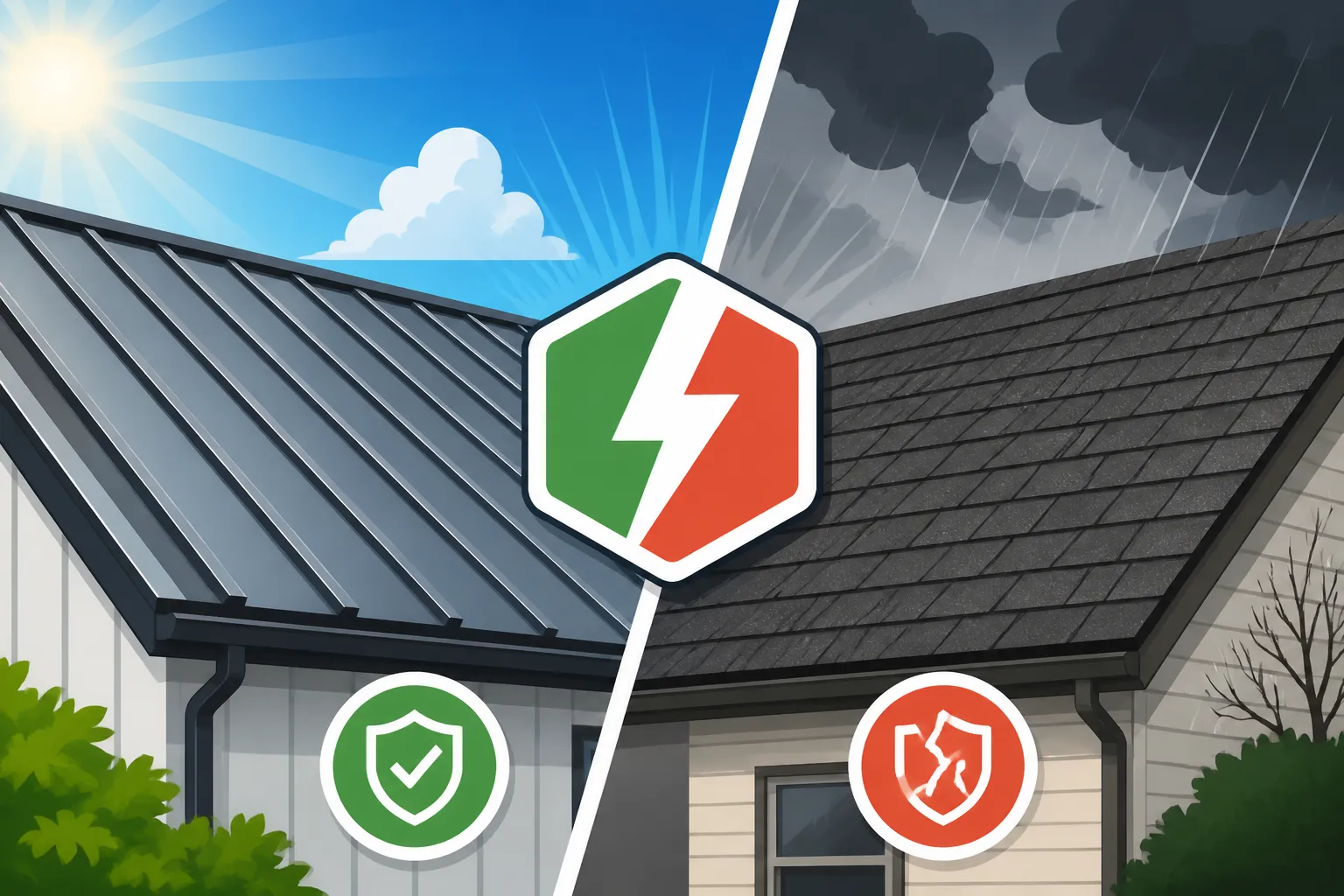
Wind, Hail, and Fire Ratings: Asphalt shingles can be vulnerable to high winds, with even architectural shingles typically rated for 110-130 mph winds, though older or poorly installed shingles can lift off at much lower speeds. Hail can cause significant damage, leading to granule loss, cracks, and soft spots, which compromise the shingle's protective barrier and can void warranties if not addressed. Their fire rating is usually Class B or C. Metal roofs, however, are engineered for extreme conditions. Many standing seam and metal shingle systems have a Class A fire rating (the highest possible) and are rated to withstand sustained winds of 140-160 mph, with some systems resisting even higher gusts. They are far more resistant to hail damage, often only sustaining cosmetic dents from large hailstones, rather than structural damage or punctures, earning them a Class 4 impact resistance rating. This can even lead to Metal Roof Insurance Savings & Discounts in some areas.
Snow and Ice Performance: In snowy climates, metal roofs are excellent. Their smooth, slick surface allows snow to shed cleanly and efficiently, reducing the heavy snow loads that can stress a roof structure. This passive snow shedding can be a huge benefit, preventing ice dams and the subsequent water infiltration that can plague shingle roofs. However, this also means that homeowners need to consider snow retention systems (snow guards) to prevent large sheets of snow and ice from sliding off suddenly and potentially injuring people or damaging property below. Asphalt shingles hold snow more readily, which can be good for insulation but also increases the risk of heavy snow loads and ice dam formation if ventilation is inadequate.
UV Degradation: The sun's ultraviolet (UV) rays are a constant enemy of roofing materials. For asphalt shingles, UV exposure causes the asphalt to dry out and the protective granules to dislodge, leading to brittleness, cracking, and a loss of aesthetic appeal over time. This process is a primary factor in their aging and eventual failure. Metal roofs, especially those with high-quality paint finishes like PVDF (Kynar 500) or SMP (Siliconized Modified Polyester), are highly resistant to UV degradation. These coatings are designed to resist fading, chalking, and corrosion for decades, maintaining their color and protective properties much longer than asphalt. This superior UV resistance contributes significantly to their longer lifespan and sustained performance.
Energy Efficiency and Environmental Impact
Beyond protection, a roof plays a crucial role in your home's energy consumption and its overall environmental footprint. These are increasingly important considerations for modern homeowners.
Cool Roof Properties of Metal: Metal roofs are inherently more reflective than most asphalt shingles. Lighter-colored metal roofs can reflect up to 70% of solar radiant heat, preventing it from being absorbed into your attic and home. Even darker-colored metal roofs, when coated with specialized reflective pigments, can achieve significant reflectivity and emissivity. This "cool roof" effect translates directly into lower air conditioning costs in hot climates. In some regions, installing an ENERGY STAR® certified metal roof can qualify you for federal tax credits or local rebates. Asphalt shingles, especially darker ones, absorb a great deal of solar heat, transferring it into the attic space and making your HVAC system work harder.
Recyclability of Metal vs. Asphalt Shingle Waste: This is where metal roofing truly stands out from an environmental perspective. Metal roofing materials like steel and aluminum are made from a high percentage of recycled content (often 25-95%) and are 100% recyclable at the end of their very long life. This means that a metal roof can be recycled into new metal products, rather than ending up in a landfill. Asphalt shingles, on the other hand, are a major contributor to landfill waste. Each year, millions of tons of old shingles are removed from roofs, and only a fraction of these are recycled, typically into asphalt pavement. The vast majority end up in landfills, where they take a very long time to decompose. For environmentally conscious homeowners, the recyclability and lower waste impact of metal roofing is a compelling argument. This commitment to sustainability is another reason why homeowners might turn to services like Modernize to find environmentally-conscious contractors who can guide them through these choices.
Installation Considerations and Process
The journey from choosing a roof to having it installed on your home involves several critical steps, and the materials you select significantly influence this process. Understanding the installation nuances for both metal and asphalt can help you set realistic expectations and choose the right contractor.
Complexity and Specialization
The installation process is a major differentiator between these two roofing types, impacting both labor costs and the expertise required from your contractor.
DIY Potential for Shingles vs. Professional for Metal: For the exceptionally handy homeowner, installing asphalt shingles might be a feasible, albeit laborious, DIY project for a simple roof. The tools are common, and the techniques are relatively straightforward, with numerous guides available. However, roofing is inherently dangerous, and most homeowners still opt for professionals. Metal roofing, especially standing seam or metal shingle systems, is almost exclusively a job for experienced professionals. It requires specialized tools for cutting, bending, and seaming panels, precise measurements, and a deep understanding of flashing details to prevent leaks. Even seemingly simple corrugated panels require careful alignment and fastening. Attempting a DIY metal roof without extensive experience can lead to costly mistakes, compromised performance, and potentially voided warranties. This is why you'll often hear advice to Should You Hire a Contractor or DIY Your Metal Roof?.
Importance of Qualified Installers for Metal: Given the complexity, finding a qualified metal roofing contractor is paramount. These aren't just general roofers; they are specialists who understand the unique properties of metal, its expansion and contraction, and the specific requirements for different panel types. A skilled installer will ensure proper fastening, watertight seams, and correct flashing around chimneys, skylights, and valleys, which are critical areas for preventing leaks. They should be familiar with local building codes and manufacturer specifications to ensure your warranty remains valid. Resources like Modernize can be invaluable in connecting you with local contractors who have proven experience and certifications in metal roofing installation, ensuring you get a quality job done right the first time.
Underlayment and Decking Requirements
Beneath the visible roofing material lies a critical layer of protection and support: the underlayment and decking. These foundational components are essential for the integrity and performance of your entire roof system.
Different Needs for Each Material: For asphalt shingles, standard felt paper or synthetic underlayment is typically used over plywood or OSB decking. The underlayment provides a secondary barrier against water penetration and helps protect the decking during installation. While good decking is always required, asphalt shingles are somewhat forgiving of minor imperfections beneath them because their flexibility allows them to conform. Metal roofs, however, demand a much more robust and carefully installed underlayment. Because metal panels expand and contract, and can get hot, the underlayment needs to be able to withstand these movements without tearing or degrading. Self-adhering ice and water shield is often recommended, especially in areas prone to ice dams or for standing seam systems, to provide superior waterproofing. The decking beneath a metal roof also needs to be in excellent condition, as any imperfections in the substrate can lead to aesthetic issues like oil canning, which become more visible through rigid metal panels. You can dive deeper into these requirements by looking at Metal Roof Underlayment and Ventilation Guide.
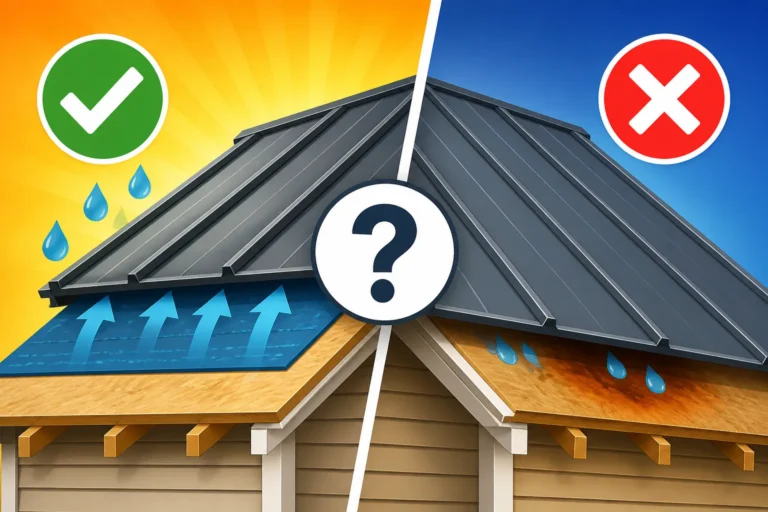
Ventilation: Proper attic ventilation is critical for both roof types to prevent heat and moisture buildup, which can lead to premature aging of the roofing material, wood rot, and increased energy bills. However, it's particularly important with metal roofs due to their excellent insulating properties and potential for temperature fluctuations. Good ventilation helps maintain a consistent temperature, reducing condensation on the underside of the metal panels and preventing heat transfer into the living space. For shingles, adequate ventilation extends their lifespan by keeping the roof deck cooler. A knowledgeable contractor will always assess your existing ventilation and recommend upgrades if necessary, ensuring your entire roofing system performs optimally.
Timeframe and Logistics
The speed and complexity of the installation process can vary dramatically between asphalt shingle and metal roofing projects, impacting your schedule and daily life. Understanding these logistical differences is crucial for planning your project effectively.
How Long Does Each Take? The installation of a new asphalt shingle roof on an average-sized home (e.g., 2,000 sq ft) typically takes a crew of experienced roofers anywhere from one to three days, assuming straightforward conditions and no major decking repairs. This quick turnaround is often appealing to homeowners who want minimal disruption. Metal roof installation, especially standing seam, generally takes longer. For the same 2,000 sq ft home, it could take a specialized crew anywhere from three to seven days, sometimes more, depending on the complexity of the roofline, the type of metal system, and the need for on-site panel fabrication. The precision required for metal roof installation, along with the specific cutting, bending, and seaming processes, means it simply cannot be rushed. For a more detailed breakdown, you might find How Long Does Metal Roof Installation Take? helpful.
Potential Disruptions: While any roofing project is disruptive, the longer duration of a metal roof installation can mean extended periods of noise, debris, and scaffolding around your home. You’ll have crew members on-site for a greater number of days. For asphalt shingle installations, the disruption is usually confined to a shorter burst of activity. Both types of projects will necessitate clearing pathways, protecting landscaping, and managing material deliveries and waste removal. However, with metal roofing, there's often more specialized equipment involved, like a roll-forming machine for standing seam panels, which might be on-site. Scheduling around weather, especially for metal roofs which generally can't be installed in wet conditions, also becomes a more significant logistical factor, potentially leading to delays if weather patterns are unpredictable.
Aesthetics and Home Value
Beyond pure functionality and cost, how a roof looks and its contribution to your home’s market appeal are significant factors. Your roof covers a substantial portion of your home’s exterior, making it a dominant feature that impacts curb appeal and potential resale value.
Style and Color Options
The visual impact of your roof is undeniable, and both asphalt shingles and metal roofing offer a wide spectrum of choices, though with distinct characteristics.
Variety in Both: Asphalt shingles offer a traditional, layered look that many homeowners find appealing. They come in a vast array of colors, from basic black and gray to various shades of brown, red, and green, allowing you to match your home's existing palette or create a fresh new look. Architectural shingles, in particular, provide depth and dimension, often mimicking the appearance of more expensive materials like natural wood shakes or slate, albeit at a fraction of the cost. The uniform yet textured appearance is a hallmark of suburban American homes, offering a safe, classic choice that appeals to a broad audience.
Metal roofing, while once limited to industrial or agricultural settings, has evolved dramatically in its aesthetic offerings. Today, you can choose from sleek, modern standing seam panels that create crisp, clean lines, to textured metal shingles and tiles that replicate the look of wood, slate, or clay with incredible fidelity. Materials like copper develop a beautiful patina over time, adding a unique character. The color options for metal are extensive, often including vibrant hues, muted earth tones, and everything in between, thanks to durable paint coatings. This allows for a contemporary, rustic, or even historical aesthetic depending on the profile chosen. For a deep dive into different looks, an article like Standing Seam vs Corrugated Metal Roof can show you how different profiles drastically change a home's appearance.
Metal's Modern Appeal, Shingle's Classic Look: The choice between metal and asphalt often comes down to the desired architectural statement. Asphalt shingles offer a timeless, classic look that blends seamlessly into most neighborhoods. They are safe, familiar, and generally enhance a home's traditional charm. Metal roofing, on the other hand, can provide a significant aesthetic upgrade. A standing seam metal roof, for instance, often gives a home a more contemporary, sophisticated, and upscale appearance. Stone-coated steel shingles provide the beauty of natural materials with the durability of metal. This modern appeal can make your home stand out in a positive way, particularly for buyers looking for something distinctive and long-lasting. The perceived quality and longevity of metal can also elevate a home’s overall presence, suggesting a higher standard of construction and maintenance.
Impact on Home Resale Value
When you invest in a new roof, you're not just protecting your current asset; you're also influencing its future marketability and value. Both roof types have an impact, but metal roofing often offers a distinct advantage.
Discuss Curb Appeal and Perceived Value: A new roof, regardless of material, significantly boosts curb appeal and signals to potential buyers that the home has been well-maintained. For asphalt shingles, a new roof is seen as a necessary refresh, preventing buyers from factoring in immediate replacement costs. It signals a well-kept home. However, it rarely adds significant premium value beyond offsetting depreciation. A metal roof, by contrast, is often perceived as a premium upgrade. Its striking aesthetics, coupled with its known durability and longevity, can dramatically enhance curb appeal. Buyers understand that a metal roof means decades of worry-free performance, lower energy bills, and superior protection. This perception often translates into a higher perceived value, making your home more attractive in the market.
Energy Savings as a Selling Point: The energy efficiency of metal roofs is a powerful selling point. As more homebuyers prioritize energy conservation and lower utility costs, a "cool roof" that demonstrably reduces air conditioning expenses becomes a major asset. This isn't just an abstract benefit; it's a measurable savings that can be highlighted during the selling process. Real estate agents often leverage these features to attract environmentally conscious buyers or those seeking long-term financial benefits. While asphalt shingles can offer some energy efficiency with lighter colors or specialized reflective granules, they generally don't compete with metal in this arena. For homeowners considering how their investment impacts their home’s ultimate worth, exploring Does a Metal Roof Increase Home Value? is a crucial step in understanding the true financial advantages of metal roofing.
Maintenance, Repair, and Warranties
After installation, the ongoing care and potential fixes for your roof become paramount. Understanding the routine maintenance, common repair scenarios, and the scope of your warranty coverage is essential for maximizing the lifespan and performance of your chosen roofing material.
Routine Maintenance Needs
The amount of effort you'll need to put into keeping your roof in top shape varies considerably between asphalt shingles and metal roofing.
Shingle Granular Loss, Moss: Asphalt shingles require more proactive maintenance. Over time, shingles will naturally shed their protective granules, especially older ones or those exposed to harsh weather. This granular loss not only diminishes their aesthetic appeal but also reduces their UV protection, leading to faster degradation. Homeowners with asphalt roofs often need to inspect regularly for missing, cracked, or curled shingles, particularly after storms. In damp or shaded areas, moss, algae, and mildew can be a persistent problem, requiring regular cleaning and treatment to prevent moisture retention and premature deterioration of the shingles. This can involve gentle cleaning solutions or specialized treatments.
Metal Roof Cleaning (Minimal): Metal roofs are incredibly low-maintenance. Their smooth, hard surface generally prevents the growth of moss, algae, and mildew, as there's little for these organisms to cling to or feed on. Beyond an occasional light rinse with a garden hose to remove accumulated dirt, leaves, or debris, very little routine cleaning is required. After major storms, it's a good idea to visually inspect your metal roof for any potential issues, like loose fasteners or damaged panels, but serious problems are rare. This hands-off approach to maintenance is a huge draw for homeowners who prefer to spend their weekends on anything but roof care. To get a full understanding of what to expect, checking out a resource like Metal Roof Maintenance Guide can provide a detailed checklist.
Repair Scenarios and Costs
Even the most durable roof can occasionally require attention. Knowing the typical repair scenarios and their associated costs for both materials can help you anticipate future expenses.
Patching Shingles: When asphalt shingles are damaged—whether by wind, hail, or falling debris—the repair usually involves replacing individual shingles or small sections. This can be a relatively straightforward and inexpensive process if matching shingles are available and the damage is localized. However, finding an exact match for older shingles can be challenging, leading to visible patches. If the damage is widespread (e.g., severe hail damage across the entire roof), a full replacement might be the only viable option, triggering a much higher cost. The granular loss from hail can also reduce the lifespan even if no immediate leaks occur.
Panel Replacement for Metal: Metal roof repairs are less common but, when needed, often involve replacing a single panel or section rather than patching. If a metal panel is severely dented, punctured, or otherwise compromised, a skilled metal roofer can often remove and replace just that specific panel. This can be more complex and costly than replacing a few shingles, as it requires specialized tools and expertise to properly unfasten and re-seal the new panel without damaging adjacent ones. However, the need for such extensive repair is rare due to metal's superior durability. For specific issues like leaks around fasteners, a simple re-sealing or replacement of individual screws might suffice. Understanding Metal Roof Leak Repair Guide can help homeowners address common problems effectively.
Leak Detection and Repair: Both roof types can develop leaks if not installed correctly or if severely damaged. For asphalt shingles, leaks often stem from cracked shingles, deteriorated flashing around penetrations (chimneys, vents), or ice damming. Pinpointing the exact source can sometimes be challenging due to the overlapping nature of shingles. For metal roofs, most leaks are usually attributed to improper flashing, loose fasteners, or damage to sealant components. Because metal panels are large and continuous, finding the source of a leak on a metal roof can often be more direct. Professional inspection is typically recommended for any leak, regardless of roof type, to ensure a lasting repair.
Warranty Coverage
A warranty is your safety net, promising protection against defects and premature failure. The type and length of warranty offered can significantly influence your peace of mind and long-term financial security.
Differences in Material and Labor Warranties: Asphalt shingle warranties typically come in two parts: a material warranty from the manufacturer and a workmanship warranty from the installer. Material warranties usually range from 20 to 30 years, but are often prorated, meaning the coverage diminishes over time. For example, after 10 years, a 30-year warranty might only cover a small percentage of the replacement cost. Workmanship warranties from contractors typically last 5 to 10 years. Metal roofing, reflecting its superior durability, generally offers much more comprehensive warranties. Manufacturer material warranties can span 30 to 50 years, with some premium products offering lifetime warranties. Crucially, many metal roof material warranties are non-prorated for a substantial period (e.g., 20-30 years), meaning you receive full coverage for defects. Paint finish warranties, which protect against fading and chalking, are also typically 20-40 years. Installer workmanship warranties for metal roofs might also be longer, reflecting the specialized skill involved. You can gain more detailed insights by reading Metal Roof Warranties: Workmanship vs Manufacturer.
Manufacturer-Certified Installers: For both types of roofing, but especially for metal, the validity of your manufacturer's warranty often hinges on proper installation by a certified contractor. Many metal roof manufacturers require that their products be installed by their approved or certified installers for the full warranty to be honored. This ensures that the intricate installation specifications are met. When selecting a contractor, it's always wise to ask about their certifications and whether they are authorized installers for the specific brand of roofing material you're considering. This is where engaging with a platform like Modernize can be extremely beneficial, as they often connect homeowners with vetted contractors who have the necessary credentials and experience to ensure your investment is protected.
The Decision Factor: Which Roof is Right for You?
After weighing all the pros and cons, the choice between a metal roof and asphalt shingles ultimately comes down to your personal priorities, budget, climate, and long-term plans for your home. There’s no single "best" answer that fits every homeowner; it's about finding the right answer for you.
Budget and Long-Term Investment
It's easy to get caught up in the initial sticker price, but understanding the financial implications over the entire lifespan of your roof is crucial.
Summary of Cost Considerations: Asphalt shingles are almost always the cheaper option upfront, making them highly attractive for those with immediate budget constraints or who plan to sell their home in the near future. If you're looking for a quick, cost-effective replacement that will last 15-30 years, shingles are a solid choice. However, if you view your roof as a long-term investment, metal roofing's higher initial cost is offset by its extended lifespan, lower maintenance requirements, energy savings, and potential insurance discounts. Over a 30- to 50-year period, a metal roof often becomes the more financially savvy option, saving you money on replacement cycles and utility bills. It's truly a "pay more now, pay less later" scenario that requires a shift in perspective from immediate expense to lifetime value.
When Initial Cost is Paramount vs. Long-Term Savings: Your decision hinges on your financial philosophy. If your primary concern is minimizing out-of-pocket expenses right now, or if you know you'll be moving within a decade or so, asphalt shingles might be the more practical choice. The immediate cost savings can free up funds for other home improvements or simply ease the financial burden. However, if you're planning to stay in your home for the long haul—15, 20, or even 30+ years—and you have the means for the higher upfront investment, a metal roof almost certainly offers a better return on investment over its lifetime. It's an investment that pays dividends in durability, energy efficiency, and peace of mind, ultimately reducing your total cost of ownership significantly.
Climate and Local Conditions
Your geographical location and the specific weather patterns it experiences should play a significant role in your roofing decision. A roof that performs well in one climate might struggle in another.
Impact of High Winds, Heavy Snow, Intense Sun: If you live in an area prone to severe weather, such as hurricane zones with high winds, regions with frequent hail storms, or places with intense, prolonged sun exposure, a metal roof offers superior protection and durability. Its Class A fire rating is invaluable in wildfire-prone areas. Metal roofs are designed to withstand these extreme conditions, offering unmatched resistance to uplift, impact, and UV degradation. For climates with heavy snowfall, metal roofs facilitate snow shedding, reducing stress on the roof structure and preventing ice dams, though they require snow guards. Asphalt shingles, while offering adequate protection in moderate climates, are more susceptible to damage from these extreme weather events, leading to a shorter lifespan and more frequent repairs.
Coastal Considerations: For homes located in coastal areas, salt air and humidity can accelerate corrosion and degradation of many building materials. In these environments, aluminum or zinc metal roofs are particularly advantageous due to their inherent resistance to corrosion. While certain steel products with high-quality coatings can also perform well, materials specifically designed for marine environments will offer the best longevity. Asphalt shingles in coastal areas can be prone to mold and mildew growth and may degrade faster due to the harsh conditions. Always consult with a local roofing expert, perhaps found through platforms like Modernize, who understands the specific building codes and material recommendations for your climate, particularly for hurricane-prone states like Florida. Understanding Florida Metal Roof Codes: FBC, HVHZ & Approvals is critical for homeowners in such regions.
Personal Preference and Future Plans
Beyond the practical considerations, your personal taste and how long you envision yourself in the home are also vital components of your decision.
Aesthetics, Noise, Environmental Concerns: Do you prefer the traditional, familiar look of asphalt shingles, or are you drawn to the modern, clean lines or the varied textures of metal roofing? Your roof is a major visual element of your home, so aesthetic appeal is a valid and important factor. While concerns about noise during rain on a metal roof are common, modern installations typically mitigate this, making it less of a factor than many assume. If environmental impact is a high priority for you, the recyclability of metal and its contribution to reducing landfill waste may sway your decision. Conversely, if the aesthetic of natural materials is paramount and you’re less concerned about longevity or cost, then asphalt shingles mimicking those materials could be appealing.
How Long Do You Plan to Stay in the Home? This is a critical question. If you anticipate moving within 5-10 years, the higher upfront cost of a metal roof might not fully pay off for you, even if it adds resale value. In this scenario, the lower initial cost of asphalt shingles could be more appealing. However, if this is your "forever home," or you plan to stay for 15-20+ years, the long-term benefits of a metal roof become overwhelmingly clear. The absence of replacement costs, the consistent energy savings, and the peace of mind knowing your roof will last for decades make the initial investment incredibly worthwhile. Think about whether you want to deal with another roof replacement in 15-20 years or if you prefer a one-and-done solution.
Quick Comparison Table
To help summarize the key differences we've discussed, here's a quick look at how metal roofs stack up against asphalt shingles on various important factors:
| Feature | Metal Roof | Asphalt Shingles |
|---|---|---|
| Initial Cost | Higher (e.g., $8-$18 per sq ft installed) | Lower (e.g., $4-$7 per sq ft installed) |
| Lifespan | 40-70+ years | 15-30 years |
| Durability | Excellent (wind, hail, fire, UV resistant) | Moderate (vulnerable to high wind, hail, UV) |
| Weather Resistance | Superior (Class A fire, high wind ratings) | Good (Class B/C fire, lower wind ratings) |
| Energy Efficiency | Excellent (high reflectivity, cool roof) | Moderate (absorbs heat, less reflective) |
| Maintenance | Very Low (minimal cleaning, occasional check) | Moderate (inspections, granule loss, moss/algae) |
| Repair | Panel replacement (less frequent) | Individual shingle replacement (more frequent) |
| Environmental | Highly recyclable (high recycled content) | Significant landfill waste (petroleum-based) |
| Aesthetics | Modern, sleek, diverse profiles/colors | Traditional, layered, wide color range |
| Resale Value | High (premium upgrade, longevity) | Moderate (expected replacement, standard) |
| Installation | Specialized, professional, longer duration | Common, can be DIY (but professional best), faster |
| Noise | Minimal with proper decking/insulation | Generally quiet |
Ultimately, the choice between a metal roof and asphalt shingles is a deeply personal one, influenced by your budget, desired aesthetics, local climate, and how long you plan to call your house a home. Both options have distinct advantages and disadvantages, and understanding these differences thoroughly is the first step toward making an informed decision that you'll be happy with for years to come.
Disclaimer
Please remember that this article provides general information and should not be considered professional advice. Building codes, product availability, and pricing can vary significantly based on your location and specific circumstances. Always consult with qualified local roofing contractors and professionals to assess your unique needs, obtain accurate quotes, and ensure compliance with all local regulations and safety standards before undertaking any roofing project.