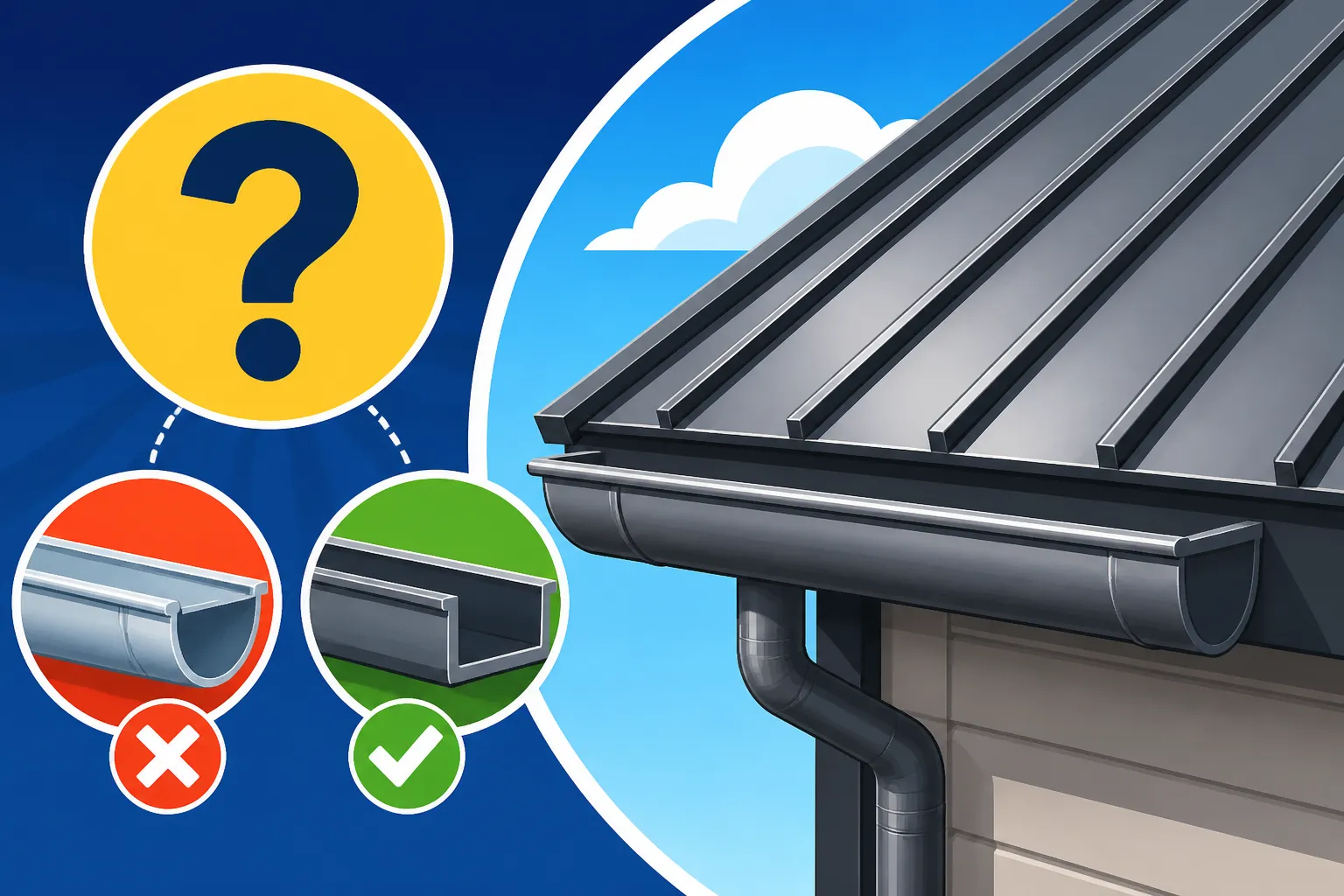
Do Metal Roofs Need Special Gutters?
One common worry homeowners face when considering a metal roof is whether their existing gutter system will be up to the task, or if they're signing up for another big expense on top of the roof itself. It's a completely valid concern because metal roofs handle water differently than traditional asphalt shingles, and getting your drainage right is crucial for protecting your home. This guide will walk you through everything you need to know about gutters for metal roofs, clarifying if "special" gutters are truly necessary and what factors you should consider to ensure effective, long-lasting water management.
Understanding Metal Roof Drainage Dynamics
When you swap out an old asphalt shingle roof for a sleek, durable metal one, you're not just changing the look of your house; you're fundamentally altering how water behaves on your roof. This change in dynamics is the root cause of many homeowners' questions about gutter compatibility.
The Unique Water Runoff of Metal Roofs
Imagine a heavy downpour on an asphalt shingle roof. The water tends to be absorbed slightly by the porous shingles, and its flow is slowed by the textured, granular surface. It cascades in a somewhat dispersed manner. Now, picture that same rain hitting a smooth, non-porous metal panel. It's like water running down a giant slide! Metal roofs are incredibly efficient at shedding water. They don't absorb any moisture, and their slick surface allows water to move at a much faster rate, often sheeting off in large volumes rather than dripping slowly.
This rapid, almost unimpeded runoff means that when the water reaches the edge of your roof, it's moving with more momentum and volume than what traditional gutters might be accustomed to. This isn't a flaw of metal roofs; it's one of their strengths, preventing water from lingering and causing damage. However, it does mean your gutter system needs to be designed to handle this increased flow effectively. If it can't, you might experience issues like overflow, where water surges over the sides of your gutters, potentially saturating landscaping, eroding soil around your foundation, or even causing water to back up into soffits.
Why Standard Gutters Might Struggle
So, why can a standard gutter system, perfectly adequate for shingles, fall short with a metal roof? It boils down to a few key points: capacity, attachment, and material.
First, capacity. Standard 5-inch K-style gutters, common on many homes, are designed for a certain volume of water flow. The rapid and concentrated discharge from a metal roof can easily overwhelm them during a heavy rain event. It's like trying to drain a bathtub with a teacup – it simply can't keep up. The water builds up, and then spills over the edges, rendering the gutter system ineffective. This is especially true for homes with larger rooflines or in areas that experience intense downpours, like the coastal regions of Florida or the storm-prone areas of Texas. If you're wondering about your specific region, it's always wise to look into local regulations and contractor recommendations for your area.
Second, attachment methods. Many traditional gutter systems are installed by nailing or screwing hangers directly into the fascia board. While this is generally fine, the increased weight of water (and potentially snow and ice in colder climates) combined with the unique expansion and contraction of metal roofs can put added stress on these attachment points. Furthermore, some older methods might not provide the rigidity needed to withstand the sheer force of water coming off a metal roof, leading to sagging or pulling away from the fascia over time. When exploring your options, understanding how your new metal roof will be installed is key, and an expert can explain the full Metal Roof Installation Process: Step by Step to you.
Third, material wear. While metal roofs are incredibly durable, they also feature very smooth, sometimes painted surfaces. Over time, friction from rapidly flowing water, especially if it carries debris like grit or leaves, could theoretically contribute to wear on certain gutter materials or coatings, particularly if they're not robust enough. More commonly, however, it's the sheer force and volume that causes issues, rather than abrasive wear. Another concern, albeit less common with modern materials, is galvanic corrosion if incompatible metals are used for the roof and gutters. This happens when two dissimilar metals come into contact in the presence of an electrolyte (like rainwater), causing one metal to corrode faster than it normally would. While most reputable installers today avoid this, it's still something to be aware of.
Essential Considerations for Metal Roof Gutters
Choosing the right gutter system for your metal roof isn't just about grabbing the first option off the shelf. It requires thoughtful consideration of capacity, material, and installation methods to ensure long-term performance and protection for your home.
Gutter Size and Capacity Requirements
Given the efficient water-shedding nature of metal roofs, the most critical factor is ensuring your gutters can handle the increased volume of runoff. This often means opting for a larger size than what might have been standard for a shingle roof.
For many homes, especially those with average-sized roofs in areas with moderate rainfall, upgrading from a 5-inch K-style gutter to a 6-inch K-style gutter is often the recommendation. That extra inch might not sound like much, but it significantly increases the cross-sectional area and, consequently, the water-carrying capacity. A 6-inch K-style gutter can handle approximately 40% more water than a 5-inch gutter, which is a substantial improvement. For very large roofs, or those in regions experiencing torrential downpours or heavy snowfall, even larger gutters, like 7-inch commercial-grade options, might be necessary.
Beyond the gutter trough itself, don't forget the downspouts. These are the critical conduits that carry water from the gutter down to the ground or drainage system. A larger gutter with inadequate downspout capacity is still a recipe for overflow. For a 6-inch gutter, it's common to see 3×4 inch rectangular downspouts or 4-inch round downspouts, which offer more flow than the standard 2×3 inch or 3-inch round options. The spacing of downspouts also plays a role; more downspouts mean water has more exit points, reducing the likelihood of overflow. A good rule of thumb is to place downspouts every 30-40 feet, but this can vary depending on roof pitch and anticipated rainfall.
Material Compatibility and Durability
Just like selecting the right material for your actual roof, whether it's Steel Roof Cost Per Square Foot or Aluminum Roof Cost Per Square Foot, choosing the right gutter material is crucial for longevity and to prevent compatibility issues.
The most common gutter materials are aluminum, steel, copper, and zinc.
- Aluminum gutters are incredibly popular due to their lightweight nature, corrosion resistance (they don't rust), and wide range of color options that can match almost any metal roof. They are also relatively affordable and easy to install. For most residential metal roofs, aluminum gutters are an excellent and compatible choice.
- Steel gutters, often galvanized or Galvalume coated, offer superior strength and durability. They can withstand heavy snow loads and impact better than aluminum. However, steel can be susceptible to rust if its protective coating is scratched or compromised, especially in coastal environments. Ensuring a high-quality coating is paramount.
- Copper gutters are a premium choice, known for their stunning aesthetic, which develops a beautiful patina over time, and exceptional longevity. They are highly resistant to corrosion and perfectly compatible with copper or other high-end metal roofs. However, they come at a significantly higher cost.
- Zinc gutters are another high-end option, offering similar longevity and corrosion resistance to copper, with a unique matte gray finish that also patinas beautifully. Like copper, they are a significant investment.
The key to material compatibility is avoiding galvanic corrosion. This occurs when two different metals come into contact, and one corrodes more rapidly due to an electrochemical reaction. For example, if you have a copper metal roof, installing standard galvanized steel gutters could lead to corrosion of the steel due to the interaction with copper runoff. It's always best practice to match your gutter material as closely as possible to your roof material or choose a universally compatible option like aluminum. Consult with your metal roofing contractor to ensure proper material selection.
Attachment Methods and Roof Protection
The way your gutters are attached to your home is more critical with a metal roof, primarily because you want to avoid puncturing the roof panels directly, which could compromise the roof's integrity and void warranties.
The most common and recommended attachment method for metal roofs is using fascia-mounted hangers. These hangers attach directly to the fascia board, the long, straight board that runs along the lower edge of your roof, just behind the gutters. This keeps any fasteners out of your actual roof decking or panels. High-quality hidden hangers, which clip into the gutter and are then screwed into the fascia, provide a clean look and strong support without being visible from the ground. They are also designed to allow for the natural expansion and contraction of your metal roof without putting undue stress on the gutter system or roof edge.
In some cases, especially where fascia boards are weak or non-existent (e.g., on a barn or shed), roof-mounted hangers might be considered. These typically involve brackets that extend up and under the first course of roofing panels. If roof-mounted hangers are used, it's absolutely crucial that they are designed specifically for metal roofs, utilize proper sealing, and are installed by experienced professionals to prevent any potential for leaks. Any penetration of your metal roof panels must be meticulously sealed and often involves specialized clips or brackets that integrate with the standing seams or panel ribs without directly piercing the water-shedding surface. Always ask your contractor about their preferred attachment method and how they ensure roof integrity.
Common Gutter Types for Metal Roofs
While the "special" requirement often boils down to size and proper installation, certain gutter profiles are more commonly seen and perform exceptionally well with metal roofing systems. Each type has its own aesthetic and functional advantages.
K-Style Gutters (The Popular Choice)
The K-style gutter is, by far, the most prevalent gutter type in North America, and it remains a popular choice for homes with metal roofs for several good reasons. Its distinctive profile, resembling the letter 'K' from the side, gives it a decorative, crown molding-like appearance that complements many architectural styles.
One of the primary advantages of K-style gutters is their high capacity. The folded design provides significant depth and volume compared to a similarly sized half-round gutter. As discussed, upgrading to a 6-inch K-style gutter from a 5-inch is a common and effective solution for managing the increased runoff from a metal roof. These gutters are typically available in aluminum, galvanized steel, and sometimes copper, offering a range of material and color choices. They are often installed using hidden hangers, which means the fasteners are tucked inside the gutter, providing a clean look and strong support that attaches securely to the fascia board, avoiding any need to penetrate your metal roof panels. This robust attachment system is particularly beneficial for the heavier water flow off a metal roof.
However, K-style gutters aren't without their considerations. Their angular design can sometimes make them slightly harder to clean thoroughly compared to smoother profiles, as debris can get caught in the corners. Also, while their flat back sits flush against the fascia, ensuring a tight seal, ensuring proper pitch during installation is vital to prevent water pooling. Despite these minor points, for the majority of homeowners transitioning to a metal roof, a properly sized and installed K-style gutter system, like those offered by Metal Sales, provides an excellent balance of aesthetics, performance, and cost-effectiveness.
Half-Round Gutters (Aesthetics and Performance)
For homeowners seeking a more classic, historical, or European aesthetic, half-round gutters are an elegant alternative that can pair beautifully with certain metal roof styles, particularly copper or zinc roofs. Their name perfectly describes their shape: a simple, semicircular trough.
The primary appeal of half-round gutters is their distinctive appearance. They offer a smoother, less obtrusive look than K-style gutters and are often chosen for historic homes or those with a very specific architectural vision. Beyond aesthetics, their smooth interior surface is less prone to trapping debris, potentially making them easier to clean. When it comes to performance with metal roofs, the rounded bottom encourages water to flow more smoothly and efficiently, reducing the chance of standing water. While a 5-inch half-round gutter has less capacity than a 5-inch K-style, larger 6-inch or even 8-inch half-round options are available, which can easily handle the rapid runoff from a metal roof.
Installation can be slightly more involved than K-style, often requiring external hangers that wrap around the gutter, or hidden hangers designed for their specific profile. They are typically made from copper, zinc, or heavy-gauge aluminum, which adds to their durability and premium feel. The cost of half-round gutters, especially in copper or zinc, can be significantly higher than K-style aluminum options, reflecting their specialized manufacturing and aesthetic appeal. If you're going for a specific look, say with a new Copper Roof Cost, half-round gutters often complete the vision perfectly.
Box Gutters (High Capacity and Integrated Look)
Box gutters are a less common but highly effective solution, particularly for commercial buildings or custom residential designs where maximum capacity and an integrated, concealed look are desired. Unlike K-style or half-round gutters, which are typically external additions, box gutters are often built directly into the roof's structure or along the eaves, creating a seamless appearance.
The most significant advantage of box gutters is their exceptionally high capacity. Because they can be custom-fabricated to precise dimensions, they can be made much wider and deeper than standard external gutters, making them ideal for handling massive volumes of water from large metal roof planes or in areas with extreme rainfall. This integrated design also means they are less visible, contributing to a clean, modern aesthetic where the roofline appears uninterrupted. They are typically constructed from heavy-gauge metals like galvanized steel, aluminum, or copper, ensuring durability that matches the metal roof itself.
However, the integrated nature of box gutters also presents their main challenge: complexity and cost. Being built into the roof structure means they require careful planning and precise installation during the initial roof construction or a major renovation. Any issues, such as leaks or clogs, can be more difficult and costly to access and repair due to their hidden location. Proper waterproofing and flashing are absolutely critical to prevent water intrusion into the building envelope. They also demand rigorous maintenance to prevent debris accumulation, which, if ignored, can lead to serious structural damage. While not a casual upgrade, for certain architectural projects or specific drainage needs, custom box gutters can be the ultimate, high-performance solution for a metal roof.
Specialized Gutter Accessories and Solutions
Beyond the primary gutter trough itself, a truly effective drainage system for a metal roof often incorporates several specialized accessories and solutions designed to enhance performance, especially in challenging environments. These components address common issues like debris accumulation, snow and ice management, and overall system longevity.
Gutter Guards and Debris Management
The fast runoff from a metal roof can, ironically, make debris management even more critical. Leaves, pine needles, and grit are swept off the roof more efficiently, meaning they land directly in your gutters. If unchecked, this can lead to frequent clogging, which completely negates the purpose of the gutters and can cause serious overflow issues, as well as premature wear or sagging. This is where gutter guards become invaluable.
Gutter guards are systems installed over or into your gutters to prevent leaves, twigs, and other debris from entering while still allowing water to flow freely. For metal roofs, where larger volumes of water are expected, choosing a high-quality, high-flow gutter guard is essential.
- Mesh or screen guards are common and cost-effective, using fine mesh to block debris. They need to be durable enough to withstand rapid water flow and potential small debris impact.
- Surface tension or reverse curve guards allow water to adhere to a curved surface and flow into the gutter while debris falls off the edge. These can be very effective but must be installed correctly to avoid splash-over with the fast runoff from a metal roof.
- Fine micro-mesh guards offer the best protection against even tiny debris like pine needles and shingle grit (though grit is less of an issue with metal roofs). They typically consist of a metal mesh over a stronger support frame.
The right gutter guard can drastically reduce the need for frequent cleaning, which is not only a chore but can also be dangerous. It helps ensure your gutters are always ready to handle the next downpour, protecting your foundation and landscaping. Many homeowners find that the investment in good gutter guards pays for itself over time in reduced maintenance and prevention of costly water damage.
Snow Guards and Ice Prevention
In colder climates, metal roofs have a unique characteristic: they shed snow and ice very rapidly, sometimes in large, heavy sheets or "avalanches." While this is beneficial for reducing snow load on the roof itself, it can be incredibly dangerous for anyone below and devastating for your gutters. A large sheet of sliding snow can rip gutters right off the fascia. This is why snow guards are a critical accessory for metal roofs in snowy regions.
Snow guards are small devices, typically made of metal or polycarbonate, that are installed on the roof surface in a pattern designed to hold snow and ice in place, allowing it to melt gradually rather than sliding off all at once. They are usually installed in rows above the gutters, but depending on the roof pitch and length, additional rows might be needed further up the roof.
- Individual pad-style snow guards are small, low-profile units that are attached to the roof panels or seams. They work by creating friction, slowing down the snow's movement.
- Pipe or fence-style snow guards consist of horizontal bars or pipes mounted on brackets, creating a barrier to hold back larger amounts of snow. These are particularly effective above entryways, walkways, and, crucially, directly above gutters.
By preventing sudden snow slides, snow guards protect your gutters from damage, ensure safe passage around your home, and prevent potential injury. They are an essential component of a metal roof system in any area that experiences significant snowfall. Consider this a crucial part of your Best Metal Roof for Snow and Cold Climates strategy.
Heat Cables and Winter Performance
Even with snow guards, some homes in very cold climates might experience chronic ice damming at the eaves, especially if there are inconsistencies in roof insulation or ventilation. Ice dams occur when heat escapes from the attic, melts snow on the upper part of the roof, and that melted water refreezes when it hits the colder eaves and gutters, forming a barrier that prevents further meltwater from draining. This can cause water to back up under the roof panels and into your home, leading to leaks and interior damage.
Heat cables, also known as heat trace cables or gutter heating systems, are designed to prevent ice dams and keep gutters and downspouts clear. These electric resistance cables are installed along the roof edge where ice dams typically form, as well as inside the gutters and downspouts. When activated (often by a thermostat that detects freezing temperatures), they warm the surfaces just enough to melt a channel through the ice, allowing water to drain properly.
While heat cables can be an effective solution for persistent ice dam issues, they do consume electricity, so operating costs are a factor. They are generally considered a last resort or for specific problem areas, rather than a universal solution. Proper attic insulation and ventilation are the first lines of defense against ice dams. However, for homes where ice damming remains a challenge despite other measures, heat cables offer a way to maintain drainage through the harshest winter conditions.
Installation Best Practices for Metal Roof Gutters
Even the highest quality gutters and accessories won't perform optimally if they aren't installed correctly. For metal roofs, precise installation is even more critical due to the unique drainage characteristics and the long lifespan expected from the roofing material itself.
Proper Pitch and Downspout Placement
One of the most fundamental aspects of effective gutter installation is establishing the correct pitch, or slope. Gutters are not installed perfectly level; they must be sloped gently towards the downspouts to ensure water drains effectively and doesn't sit stagnant. For metal roofs, where water moves rapidly, an adequate pitch is essential to keep that momentum going and prevent pooling.
The general recommendation is a pitch of at least 1/16 to 1/8 inch per foot of gutter run. This means for every 10 feet of gutter, the end closest to the downspout should be 5/8 to 1 1/4 inches lower than the starting point. Too little pitch, and water will sit in the gutters, leading to stagnant water, mosquito breeding grounds, and potentially increased corrosion or debris buildup. Too much pitch, and while water will drain quickly, it can create an unsightly appearance or be harder to install seamlessly. Professional installers use levels and precise measurements to achieve the ideal slope.
Equally important is downspout placement. As mentioned earlier, metal roofs deliver water to gutters rapidly and in higher volumes. Spreading out downspouts along the length of your gutters, typically every 30-40 feet, ensures that water has enough exit points. For longer gutter runs, or in areas with extremely heavy rainfall, even more frequent downspouts might be necessary. It's crucial to consider the roof's geometry, valleys, and dormers when planning downspout locations, as these areas concentrate water flow and may require a dedicated downspout or closer spacing. Proper downspout design, including adequate sizing, directly impacts the overall efficiency of your gutter system.
Flashing and Sealing for Watertight Connections
The interface between your metal roof and your gutters is a critical area for water management, and proper flashing and sealing are paramount to preventing leaks. Metal roofs are designed to be watertight, and any breach in that system, especially at the edges, can lead to serious problems.
Drip edge flashing is usually the first line of defense. This metal flashing is installed under the roofing material and extends slightly over the edge of the fascia board and into the gutter. Its purpose is to guide water directly from the roof into the gutter, preventing it from running down the fascia or behind the gutter. For metal roofs, ensuring the drip edge is correctly integrated with the roof panels and gutter system is vital. Some metal roofing profiles, like standing seam, have specific drip edge requirements that differ from asphalt shingles. Understanding these Metal Roof Components & Accessories Explained is a must.
Beyond drip edge, all seams, joints, and penetrations within the gutter system (e.g., end caps, downspout outlets) must be meticulously sealed using high-quality, weather-resistant sealants. For metal roofs, it's often recommended to use sealants that are compatible with the specific metal alloy of your gutters and roof to avoid any adverse chemical reactions. Many sealants are specifically formulated for metal applications, offering excellent adhesion and flexibility to accommodate the expansion and contraction of metals. When gutters meet corners, specialized corner pieces are used, which also need to be sealed properly to create a continuous, watertight channel. A poorly sealed gutter system will inevitably lead to drips and leaks, undermining its protective function and potentially causing rot in the fascia or soffit.
Professional Installation vs. DIY Considerations
Installing gutters, especially for a new metal roof, isn't a simple weekend project for most homeowners. While it might seem tempting to save money by going the DIY route, the complexities involved, particularly with metal roofing, strongly favor professional installation.
Metal roof contractors and gutter specialists have the experience and specialized tools to:
- Accurately calculate the required gutter size and downspout capacity based on your roof's square footage, pitch, and local rainfall data.
- Ensure proper material compatibility between the roof and gutters, preventing galvanic corrosion.
- Install gutters with the correct pitch and secure them using appropriate fasteners and methods (like hidden hangers attached to the fascia) that protect the integrity and warranty of your metal roof.
- Properly integrate flashing and apply sealants to create a watertight system.
- Handle large, unwieldy gutter sections safely and efficiently.
Attempting to install gutters yourself, particularly for a metal roof, carries significant risks. Incorrect sizing can lead to overflow. Improper attachment can damage your roof, compromise its warranty, or lead to gutters pulling away. Substandard sealing can result in leaks that damage fascia, soffits, and even your home's foundation. Plus, working on ladders and roofs can be dangerous.
For these reasons, it's highly recommended to hire a reputable professional. They can offer insights into the best types of gutters and accessories for your specific metal roof and climate. When looking for a contractor, don't just go for the cheapest bid. Look for one with proven experience in How to Hire a Metal Roofing Contractor and gutter installation, and always ask for references and proof of insurance. A professional installation ensures your investment in a metal roof is fully protected by a well-functioning drainage system. Services like Modernize can help you connect with qualified local contractors who specialize in metal roofing and gutter solutions.
Maintenance and Longevity of Metal Roof Gutters
Even the best-designed and installed gutter system for your metal roof needs a little love to ensure it lives up to its long-lasting potential. Regular maintenance is key to preventing problems and maximizing the lifespan of your gutters and, by extension, your entire home's protection.
Regular Cleaning and Inspection Routines
One of the biggest misconceptions about gutters, especially those paired with a low-maintenance metal roof, is that they don't need much attention. While metal roofs themselves are incredibly durable, their efficiency at shedding debris means that your gutters can become a collection point. So, regular cleaning and inspection routines are non-negotiable.
How often should you clean them? It largely depends on your surroundings. If you have a lot of mature trees overhanging your roof, you might need to clean your gutters two to four times a year – typically in late spring after tree budding, mid-summer, and again in the late fall after leaves have dropped. For homes with fewer trees, once or twice a year might suffice. However, after any significant storm, it's a good idea to quickly check for blockages or damage.
During your cleaning routine, don't just scoop out debris. Take the opportunity to inspect the entire system:
- Look for clogs: Check downspouts specifically; sometimes debris gets stuck further down, out of sight. You can run water from a hose down the gutter to verify unimpeded flow.
- Check for leaks: Look for rust stains or water marks on the fascia board directly behind or below the gutters, which indicate a leak in the gutter seam or where it meets the downspout.
- Examine hangers and fasteners: Ensure they are securely attached to the fascia board and aren't loose or pulling away. You don't want your gutters to detach during a heavy downpour.
- Inspect gutter pitch: Stand back and visually check if the gutters are still sloped correctly towards the downspouts. Sagging spots mean water will collect there.
- Look inside the gutter: Check for any peeling paint, rust spots (especially on steel gutters), or cracks. These are signs of wear that might need attention.
- Downspout discharge: Ensure that your downspouts are directing water away from your foundation. If they're simply dumping water directly onto the ground next to your house, consider adding extensions or splash blocks to divert the flow at least 5-10 feet away.
These routine checks are simple but incredibly effective at catching small issues before they escalate into costly repairs or water damage to your home. Maintaining your gutters is a crucial part of a comprehensive Metal Roof Maintenance Guide.
Addressing Common Issues: Leaks, Sags, and Damage
Despite regular cleaning and proactive measures, sometimes issues arise. Knowing how to identify and address common problems like leaks, sags, and damage can save you a lot of headache and expense.
Leaks are perhaps the most common gutter problem. They usually occur at seams, joints, or around downspout outlets.
- Minor leaks at seams: For small drips, you can often clean the area thoroughly, let it dry completely, and then apply a high-quality gutter sealant directly to the seam from the inside. Many homeowners have had success with readily available sealants designed for outdoor use and metal adhesion.
- Persistent leaks: If a leak persists or appears to be coming from behind the gutter (e.g., due to a failed drip edge or flashing), it might be a more serious issue requiring professional attention. You might need to reseal or replace sections of flashing. If you're seeing water damage inside your home, it's critical to act fast to How to Prevent Leaks on a Metal Roof and get a professional out immediately.
Sags occur when gutters lose their proper pitch and start to hold standing water.
- Loose hangers: Often, sagging is caused by loose or damaged hangers. You might be able to re-secure them yourself if you're comfortable working on a ladder and have the right tools. Ensure you're re-screwing into solid wood fascia, not just old, stripped holes.
- Overwhelmed capacity: Consistent sagging could also indicate that your gutters are simply undersized for the amount of water your metal roof is shedding, leading to persistent pooling and strain on the hangers. In this case, upgrading to larger gutters or adding more downspouts might be necessary.
Damage can range from minor dents to sections completely pulled away from the house.
- Dents and dings: Small cosmetic dents might be ignored, but significant dents can impede water flow. Depending on the material, some small dents can be carefully pushed out, but be careful not to damage the gutter further.
- Storm damage: High winds, heavy snow loads (if you don't have snow guards), or even falling branches can severely damage gutters, causing them to detach or crush. In these cases, it's often best to replace the damaged sections. For insurance claims related to storm damage, always get multiple quotes and document the damage thoroughly.
While some minor repairs can be tackled by a confident DIYer, for anything significant, especially if it involves working at heights or concerns about your metal roof's integrity, it's always safer and more effective to call a professional. A skilled gutter contractor can diagnose problems accurately and perform durable repairs, ensuring your system continues to protect your home for years to come.
Gutter Material Comparison for Metal Roofs
To help you make an informed decision, here's a quick comparison of common gutter materials, highlighting their pros and cons when paired with a metal roof.
| Gutter Material | Pros for Metal Roofs | Cons for Metal Roofs | Average Cost (per linear foot installed) | Common Uses |
|---|---|---|---|---|
| Aluminum | Lightweight, rust-proof, wide color selection, flexible for custom runs, good value | Can dent easily, may need larger gauge for heavy snow/ice | $6 – $15 | Most residential, good for all metal roof types |
| Galvanized Steel | Very strong, impact-resistant, less prone to denting, good for heavy snow/ice | Can rust if coating is scratched, limited color options, heavier than aluminum | $8 – $20 | Commercial, industrial, residential in cold climates |
| Galvalume Steel | Excellent corrosion resistance, strong, good for coastal areas, long lifespan | Still heavier than aluminum, can be harder to install, limited colors | $9 – $22 | Residential, commercial, coastal environments |
| Copper | Extremely durable, naturally corrosion-resistant, develops beautiful patina, very long lifespan | High initial cost, can be stolen for scrap, specific aesthetic, requires expert installation | $25 – $50+ | High-end residential, historic properties, accent for other metals |
| Zinc | Very durable, self-healing patina, excellent corrosion resistance, unique matte finish | High initial cost, requires expert installation, specific aesthetic | $20 – $45+ | High-end residential, modern and minimalist designs |
Note: Costs are estimates and can vary significantly based on location, contractor, gutter size, and specific project complexity.
Disclaimer
The information provided in this article is intended for general guidance and informational purposes only, and does not constitute professional advice. While we strive to provide accurate and up-to-date content, metal roofing and gutter systems are complex, and specific requirements can vary based on local building codes, climate, roof design, and material choices. Always consult with a qualified and licensed metal roofing contractor or gutter specialist for personalized recommendations, detailed assessments, and professional installation for your specific project. Relying solely on the information presented here without professional verification is at your own risk.