Is 29 Gauge Good for a Residential Metal Roof?
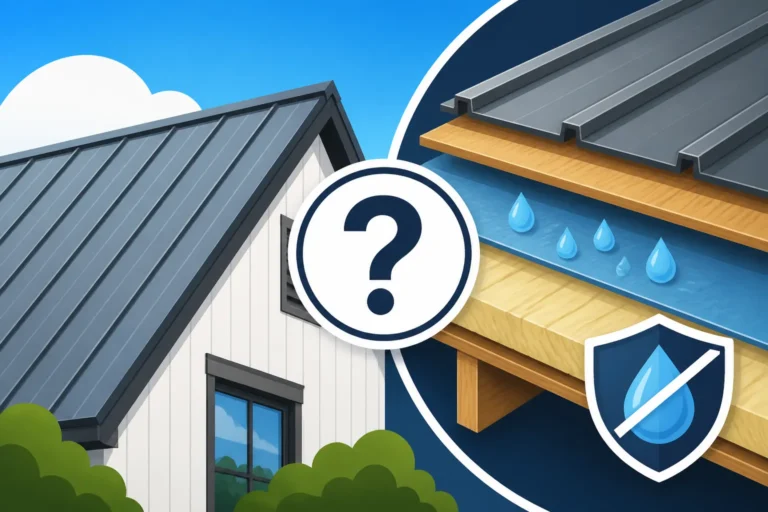
Deciding on a new metal roof for your home is a big investment, and it often feels like you need a crash course in metallurgy just to understand the quotes you're getting. One of the most confusing terms homeowners encounter is "gauge," and when you see options like 29-gauge, it's natural to wonder if it's truly robust enough for something as critical as your home's protection. This comprehensive guide will break down what 29-gauge metal roofing entails, its pros and cons for residential use, and what you need to consider before making a decision.
Understanding Metal Roof Gauges: The Basics
When contractors talk about metal roof gauge, they're referring to the thickness of the metal panel. This can be counter-intuitive for many, as a lower gauge number actually means a thicker piece of metal. So, a 24-gauge panel is thicker and typically more durable than a 29-gauge panel. It’s a bit like shotgun gauges, where a smaller number indicates a larger bore.
What Gauge Means for Your Roof
The gauge of your metal roof directly impacts its strength, durability, and resistance to damage. Thicker panels generally stand up better to impacts from hail, heavy foot traffic during maintenance, and the general wear and tear of harsh weather conditions. They also tend to lay flatter and exhibit less "oil canning"—a wavy, aesthetic distortion that can occur in thinner, wider panels. The choice of gauge will also influence the overall weight of the roofing material, which can be a factor for older structures, though metal roofs are generally lighter than many traditional options.
Common Gauges in Residential Roofing
While 29-gauge is often discussed, it's important to know the other players in the residential metal roofing game. You'll most commonly encounter 29, 26, and 24-gauge options. Sometimes, for very high-end or specialized projects, you might even see 22-gauge, which is exceptionally thick and robust. Each offers a different balance of cost, longevity, and performance, making it crucial to understand their differences for your specific needs. Understanding these nuances can help you compare bids effectively, as outlined in our guide on .
The Realities of 29 Gauge Metal for Residential Roofing
So, is 29-gauge metal good for a residential metal roof? The short answer is: it depends heavily on your specific circumstances, expectations, and budget. It's not a universal "no," but it comes with a distinct set of considerations that homeowners absolutely need to be aware of.
Where 29 Gauge Typically Shines
Historically, 29-gauge metal has found its niche in agricultural buildings, like barns and sheds, or light commercial applications. These structures often prioritize cost-effectiveness and quick installation over long-term aesthetic perfection or extreme impact resistance. It's a fantastic option for a chicken coop, a workshop, or even a covered patio where budget is tight and the structure isn't your primary dwelling. Its lighter weight also makes it easier for installers to handle, which can sometimes translate into lower labor costs.
The Trade-offs: Pros and Cons
Choosing 29-gauge for your home means weighing several factors carefully.
Advantages of 29 Gauge
- Lower Upfront Cost: This is, without a doubt, the biggest draw of 29-gauge metal. It's simply less expensive to manufacture and often to install compared to thicker gauges. For homeowners on a very strict budget, this can make metal roofing more accessible.
- Lighter Weight: Being thinner, 29-gauge panels are lighter. This can be beneficial for DIY enthusiasts or if your roof structure has limitations on load-bearing capacity, although most residential roofs can handle standard metal roofing weights.
- Easier Handling and Installation: Lighter panels are quicker to move and secure, which can speed up the installation process.
Disadvantages of 29 Gauge
- Reduced Durability and Dent Resistance: This is the primary concern. A 29-gauge roof is more susceptible to dents from hail, falling branches, or accidental impacts during roof maintenance. If you live in an area prone to severe weather, this could be a significant headache down the line. You can learn more about how different factors affect cost in our guide, .
- Potential for Oil Canning: As mentioned earlier, thinner metal panels are more prone to oil canning, which manifests as ripples or waves across the flat surface of the panels. While purely cosmetic and not affecting structural integrity, it can detract significantly from your home's curb appeal.
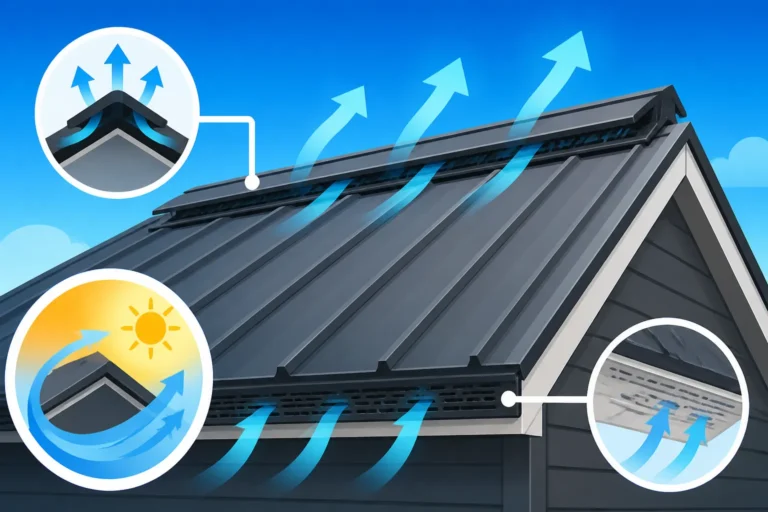
- Increased Noise Transmission: Thinner metal can sometimes transmit more noise from rain or hail, especially if not installed with proper underlayment and decking. While metal roofs are generally quiet when properly installed, a thinner gauge might accentuate sounds.
- Limited Warranty Options: Some manufacturers might offer shorter or less comprehensive warranties for 29-gauge materials when used on primary residential structures compared to their thicker counterparts, particularly regarding cosmetic damage.
Comparing 29 Gauge to Thicker Options
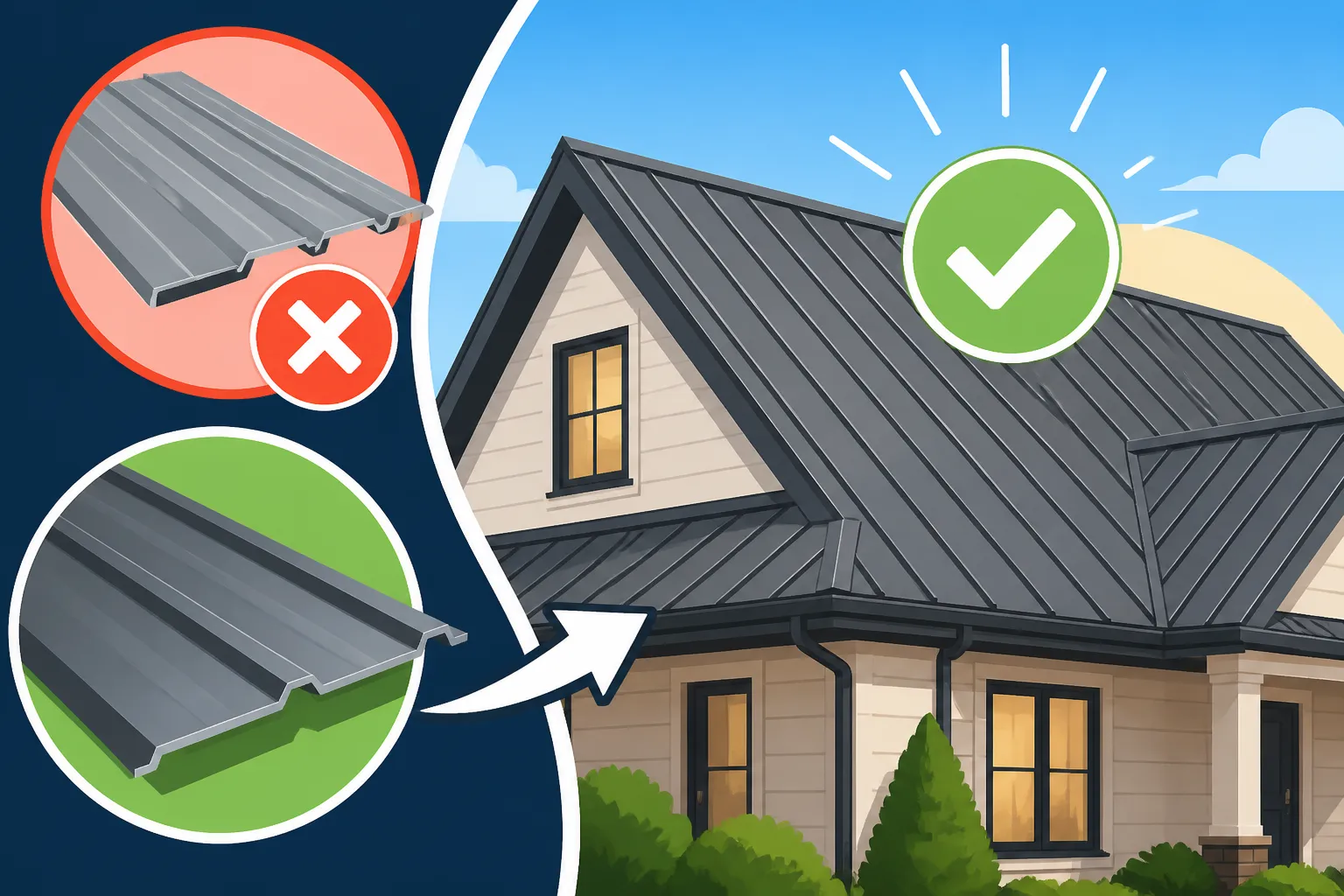
When you consider 29-gauge against 26-gauge or 24-gauge, the differences become stark. A 26-gauge panel offers a noticeable increase in rigidity and impact resistance for only a moderate bump in cost. A 24-gauge panel, often associated with premium standing seam systems, provides superior strength and aesthetics, making it the preferred choice for many homeowners seeking maximum longevity and performance. For a deeper dive into these options, check out our article on .
Key Factors to Consider Before Choosing 29 Gauge
Before you commit to 29-gauge metal for your home, take a moment to honestly assess your situation and priorities. This isn't a one-size-fits-all decision.
Local Climate and Weather Conditions
Your geographic location plays a huge role in determining appropriate roofing materials.
Hail and Wind Prone Areas
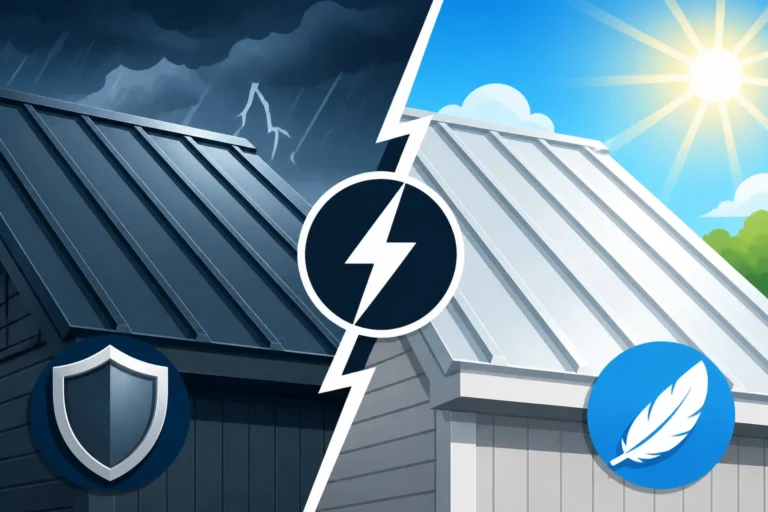
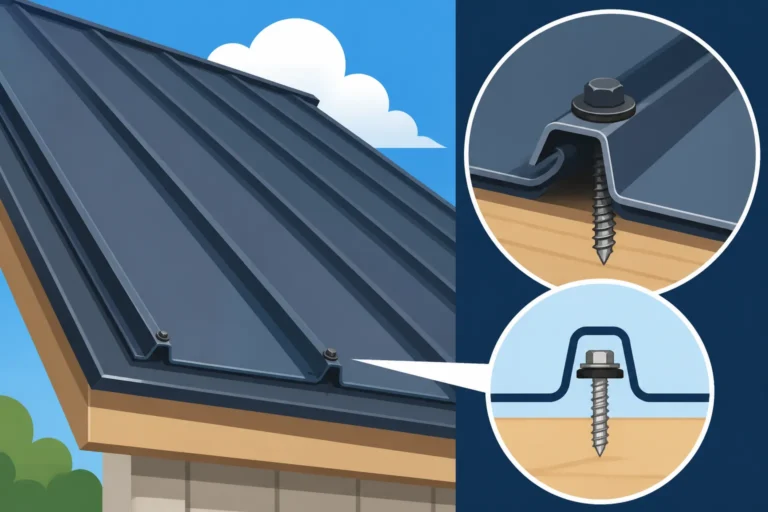
If you live in a region known for frequent hailstorms, like many parts of Texas or Oklahoma, a 29-gauge roof might leave you disappointed. Even relatively small hail can cause noticeable dimpling and dents, leading to cosmetic damage that could be frustrating. While insurance might cover structural damage, cosmetic damage is often excluded with metal roofs, meaning you'd be stuck with a pockmarked roof. Strong winds can also challenge thinner panels, potentially leading to more movement or even uplift if not installed flawlessly with robust fasteners. Knowing your area's climate is essential when exploring what affects metal roof cost.
Snow Load and Foot Traffic
For areas with heavy snowfall, the sheer weight of accumulated snow can put stress on any roof. While metal roofs are excellent at shedding snow, the underlying panels still need to be robust. Thicker gauges offer better structural integrity. Furthermore, consider how often you or service professionals might need to walk on your roof for maintenance, chimney sweeps, or gutter cleaning. A 29-gauge roof will be much more prone to denting from foot traffic compared to a 24-gauge or even 26-gauge system. Our guide on can provide more insight into best practices for walking on metal roofs.
Roof Pitch and Aesthetic Expectations
The slope of your roof can also influence the suitability of different gauges.
Steeper Pitches and Visibility
On a very steep roof, minor dents or oil canning might be less visible from the ground, making 29-gauge more aesthetically tolerable for some homeowners. However, if your roof is easily viewed from eye level or from second-story windows of neighboring homes, any imperfections will be much more noticeable. Modernize, a leading platform connecting homeowners with contractors, suggests discussing aesthetic concerns thoroughly with your installer to ensure expectations are aligned with the chosen material.
Desired Look and Curb Appeal
If you're aiming for a sleek, high-end look that will enhance your home's curb appeal for decades, 29-gauge might not be the best fit. The potential for oil canning and easier denting can undermine that desired premium aesthetic. Many homeowners opt for thicker standing seam panels precisely because of their clean lines and superior visual integrity.
Desired Lifespan and Warranty
How long do you intend to stay in your home, and what kind of long-term value are you looking for?
Long-Term Investment vs. Short-Term Solution
Metal roofs are renowned for their incredible longevity, often lasting 40-70 years. However, a 29-gauge roof, while still durable, might not deliver at the very top end of that spectrum, especially in terms of maintaining its unblemished appearance. If you plan to live in your home for many decades and want a roof that truly stands the test of time both functionally and aesthetically, investing in a thicker gauge is usually a wiser choice. If you're looking for a quick, budget-friendly fix for a few years, 29-gauge becomes more appealing. You can explore the full benefits of a metal roof's longevity in our guide on .
Understanding Warranty Coverage
Always read the fine print on warranties. A manufacturer's warranty for a 29-gauge panel might cover perforation or significant structural failure, but often excludes cosmetic damage like dents from hail. Workmanship warranties from installers are also crucial, but they won't cover material limitations. Be clear on what is and isn't covered, especially concerning durability and appearance over time. Our guide on can help you navigate these complex documents.
When 29 Gauge Might Be a Viable Option
Despite the caveats, there are specific situations where 29-gauge metal roofing can be a perfectly acceptable, even smart, choice for some residential applications.
Secondary Structures and Outbuildings
For detached garages, carports, storage sheds, workshops, or even that backyard studio, 29-gauge can be a fantastic, cost-effective solution. These structures typically don't require the same level of aesthetic perfection or heavy-duty impact resistance as your main home. The savings can be substantial, allowing you to allocate budget to other areas of your property.
Very Low-Slope Roofs
For roofs with a very low pitch where a traditional standing seam might not be ideal or cost-prohibitive, exposed fastener corrugated or R-panel systems made from 29-gauge can be used. These roofs are primarily about shedding water efficiently, and the strength of the panel might be less critical than on a high-pitch, high-visibility roof. However, even on low slopes, you'll still need proper underlayment and sealing techniques to prevent leaks.
Budget-Driven Projects with Realistic Expectations
Sometimes, budget constraints are simply the reality, and a 29-gauge metal roof is the only way to get the benefits of metal roofing (like fire resistance, energy efficiency, and low maintenance) within your financial limits. If you go this route, it's crucial to have realistic expectations about the roof's appearance over time and its vulnerability to impacts. It's about making an informed compromise, not settling for something you'll regret.
Alternatives to 29 Gauge for Residential Homes
If you're now thinking that 29-gauge might not quite meet your needs for your primary residence, don't worry! There are excellent alternatives that offer a better balance of performance, durability, and cost for most homeowners.
26 Gauge Metal Roofing: The Sweet Spot
For many homeowners, 26-gauge metal roofing strikes the ideal balance. It offers significantly improved rigidity and dent resistance compared to 29-gauge, while still remaining more affordable than 24-gauge options. It's a popular choice for both exposed fastener panels and more budget-friendly standing seam profiles. A 26-gauge roof is much better equipped to handle typical residential use, minor impacts, and moderate weather conditions, making it a reliable workhorse for many homes. You can dive deeper into its cost and benefits with our guide on .
24 Gauge Metal Roofing: The Premium Choice
If durability, longevity, and a pristine aesthetic are your top priorities, 24-gauge metal roofing is often the gold standard, especially for standing seam systems. This thicker metal is highly resistant to dents, oil canning is rarely an issue, and it provides exceptional structural integrity. While it comes with a higher price tag, the investment often pays off in decades of worry-free performance and superior curb appeal. This is the choice for homeowners looking for the best possible metal roof for their residence. Learn more about the specific costs involved in our guide, .
Other Metal Roofing Types for Enhanced Performance
Beyond panel gauges, consider different types of metal roofing if you have specific aesthetic or performance goals.
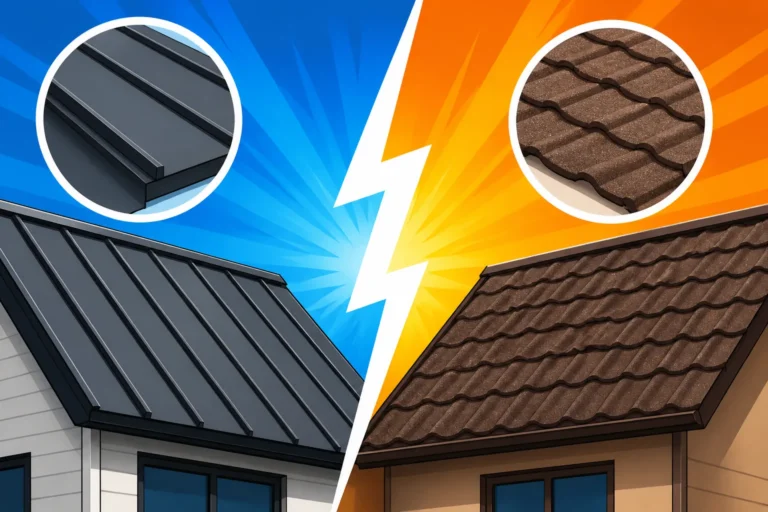
- Stone-Coated Steel: These roofs offer the look of traditional shingles, tiles, or shakes with the durability of steel, often in 26-gauge or 24-gauge thicknesses. They are excellent for impact resistance and offer a wide range of styles. Discover their unique advantages in our guide on .
- Metal Shingles: Designed to mimic the appearance of asphalt or cedar shingles, metal shingles provide a robust, long-lasting solution with excellent wind and fire ratings. They are typically made from steel or aluminum in appropriate gauges for residential use. Learn more about their specifics in our guide on .
- Aluminum Roofing: While generally softer than steel, aluminum is naturally corrosion-resistant, making it ideal for coastal environments. It’s typically available in gauges comparable to steel, with thickness being a key factor for durability. Our guide on explores the nuances of aluminum roofing.
Here’s a quick comparison of common residential metal roof gauges:
| Feature | 29 Gauge (Thinner) | 26 Gauge (Mid-Range) | 24 Gauge (Thicker) |
|---|---|---|---|
| Cost | Lowest | Moderate | Highest |
| Dent Resistance | Low (prone to dents) | Medium (better than 29, still possible) | High (very resistant) |
| Oil Canning Potential | Higher | Moderate | Lowest |
| Durability | Good (but more susceptible to damage) | Very Good | Excellent |
| Common Application | Barns, sheds, budget-driven projects | Primary residences, light commercial | Premium residential, commercial, standing seam |
| Noise Transmission | Potentially higher | Low to moderate (with proper install) | Low (with proper install) |
| Residential Suitability | Niche cases, secondary structures | Recommended for most homeowners | Recommended for optimal performance |
Ultimately, choosing the right gauge for your metal roof involves careful consideration of your budget, local climate, aesthetic preferences, and long-term goals. While 29-gauge offers an attractive price point, understanding its limitations is essential to avoid future disappointment. Consult with reputable metal roofing contractors, get multiple quotes, and ensure you're making an informed decision that will protect your home for decades to come.
Disclaimer
Please remember that this article provides general information and recommendations. Metal roofing projects are complex and depend on many variables specific to your home and location. Always consult with a qualified, licensed, and insured metal roofing professional for personalized advice, accurate estimates, and to ensure compliance with local building codes and regulations.