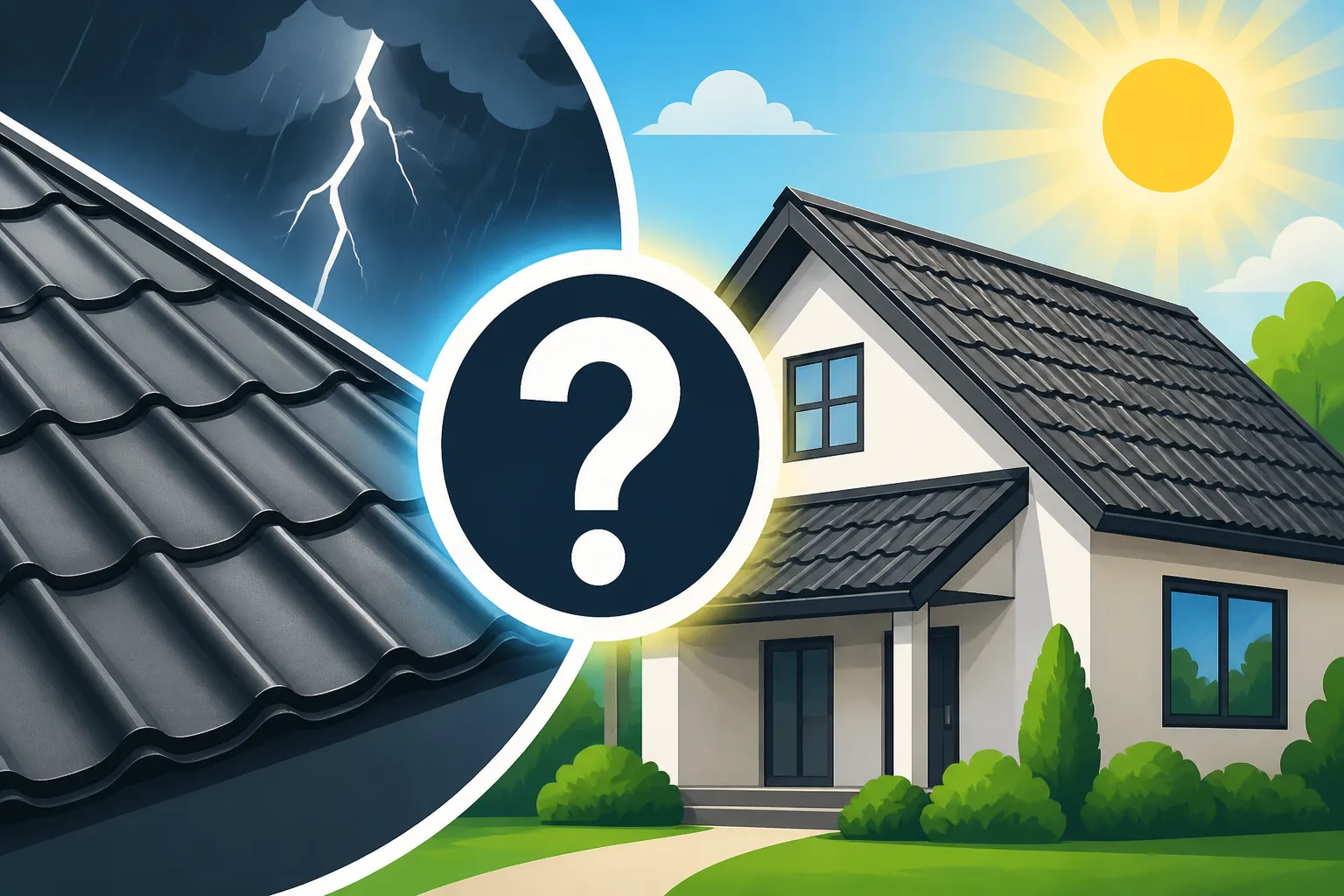
Is a Metal Tile Metal Roof Good for a House?
The idea of a metal roof often conjures images of industrial buildings or barns, making homeowners wonder if a "metal tile" roof can truly look good or be suitable for their residential abode. Many worry about losing that classic charm or having a roof that screams "metal!" when they're actually aiming for something more refined and long-lasting. It’s a valid concern; you want the benefits of metal without sacrificing curb appeal. This guide will dive deep into whether a metal tile roof is a good choice for your house, exploring its aesthetics, durability, and practical advantages to help you make an informed decision.
Understanding What a Metal Tile Roof Truly Is
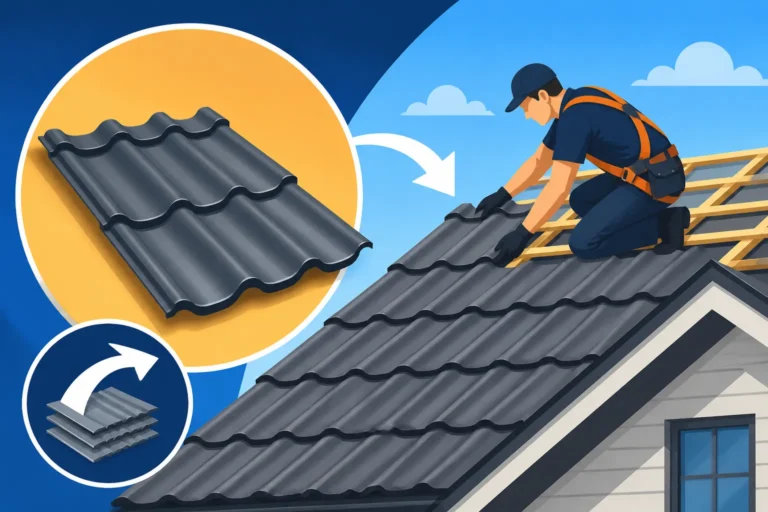
When we talk about metal tile roofs, we're not typically discussing large, corrugated panels that you might see on a commercial building. Instead, metal tile roofing is a specialized segment of the metal roofing industry designed to mimic the appearance of traditional roofing materials like clay tiles, slate, or even wood shakes, but with the superior performance characteristics of metal. It's an elegant fusion of classic looks and modern engineering.
Different Styles and Aesthetics
One of the biggest misconceptions about metal roofing is a lack of aesthetic variety. With metal tiles, this couldn't be further from the truth. These systems are crafted to replicate a stunning array of traditional roofing styles, offering incredible versatility to match any architectural design.
- Spanish/Mediterranean Tile Look: If you adore the classic terracotta appearance of Spanish clay tiles, metal tile roofing can deliver that same vibrant, undulating profile without the immense weight or fragility. These metal tiles are often pressed and coated to mimic the characteristic curves and colors, giving your home that sun-drenched, old-world charm. Imagine a sprawling ranch home in Arizona or a coastal villa in Florida, now envisioned with the beauty of clay but the resilience of metal.
- Slate Look: For homes that demand the sophisticated, refined aesthetic of natural slate, metal tiles can be engineered to imitate its distinct texture and varied coloring. True slate is incredibly heavy and expensive, making metal slate tiles a fantastic alternative that provides a similar high-end finish with a much lighter footprint on your home's structure and a more manageable budget. This is a popular choice for historic homes or those with a more traditional, stately appeal in regions like the Northeast.
- Wood Shake Look: The rustic, textured look of wood shakes is undeniably appealing, but traditional wood comes with significant maintenance needs and fire risks. Metal tiles can replicate the depth and grain of wood shakes, offering a robust, fire-resistant, and low-maintenance alternative that maintains that charming, natural aesthetic. This is often seen on craftsman-style homes or properties nestled in wooded areas where fire safety is a prime concern.
- Modern Geometric Profiles: Beyond mimicking traditional styles, metal tile systems also come in sleek, contemporary designs that feature clean lines and geometric patterns, perfect for modern and minimalist architecture. These can provide a distinct, architectural statement that is both elegant and durable.
The magic lies in the precision stamping and forming processes, often followed by multi-layer protective coatings, which include stone granules, ceramic chips, or advanced paint systems. These coatings not only provide the desired color and texture but also add an extra layer of protection against the elements, UV radiation, and fading.
Materials Used in Metal Tiles
The core material of metal tiles is typically steel or aluminum, each offering distinct advantages. The choice often comes down to budget, location, and specific performance needs.
- Stone-Coated Steel: This is one of the most popular types of metal tile roofing. It consists of a steel base panel, usually galvanized or Galvalume coated for enhanced corrosion resistance. This steel base is then covered with an acrylic primer, followed by a layer of stone granules, which are typically ceramic-coated. Finally, a clear acrylic overglaze seals everything in place, offering incredible protection and mimicking the texture and appearance of natural materials like clay, slate, or wood shake. Brands like DECRA and Gerard are well-known for their high-quality stone-coated steel products. This material is incredibly durable, highly resistant to hail, and offers excellent fire resistance.
- Painted Steel or Aluminum: Other metal tile options are made from pre-painted steel (like Galvalume or galvanized steel) or aluminum. These panels are stamped into tile-like shapes and then finished with high-performance paint systems, such as PVDF (Kynar 500®) or SMP (Siliconized Modified Polyester) coatings. Aluminum is an excellent choice for coastal areas due to its inherent corrosion resistance against salt air. Steel offers robust strength and is generally more budget-friendly than aluminum. These painted systems offer a wide array of colors and can mimic various tile profiles with a smoother finish compared to stone-coated options. Choosing between materials often involves balancing initial cost with long-term performance benefits in your specific climate.
Understanding these material and aesthetic options reveals that a metal tile roof is far from a one-size-fits-all, industrial-looking solution. It’s a sophisticated roofing product designed for residential beauty and extreme resilience. For more on the specifics of these materials, you might find our guide on Metal Roofing Materials Compared: Steel, Aluminum, Copper & Zinc quite insightful.
The Advantages of Choosing Metal Tile for Your Home
Homeowners often switch to metal roofing because they're tired of replacing asphalt shingles every 15-20 years, or constantly dealing with leaks and storm damage. A metal tile roof offers a compelling blend of beauty and brawn, addressing many of these frustrations head-on. It's an investment in peace of mind and long-term value.
Unmatched Durability and Lifespan
One of the most significant drawcards of metal tile roofing is its incredible resilience and longevity. Unlike traditional roofing materials that degrade over time due to sun exposure, freeze-thaw cycles, and harsh weather, metal tiles are engineered to stand the test of time.
- Extreme Weather Resistance: Imagine a hailstorm pelting your roof, or hurricane-force winds threatening to rip shingles away. Metal tile roofs, particularly stone-coated steel, are often rated as Class 4 impact resistant, meaning they can withstand significant hail damage that would shatter or dent less robust materials. Their interlocking panel design and robust fastening systems provide exceptional wind resistance, often rated for winds up to 120-160 mph, making them ideal for areas prone to severe storms. For those living in hurricane-prone regions, understanding Metal Roof Wind and Fire Ratings Explained is crucial, and metal tiles typically excel here.
- Longevity That Outlasts Your Mortgage: This isn't a roof you'll likely ever have to replace again. With proper installation and minimal maintenance, a metal tile roof can easily last 50 to 70 years, or even longer. This dwarfs the lifespan of asphalt shingles, which typically need replacement every 15-30 years. This long-term durability means less waste going into landfills and fewer headaches for you over the decades. Our article How Long Does a Metal Tile Metal Roof Last? goes into more detail on this impressive longevity.
- Fire Safety: Metal is non-combustible, earning metal tile roofs Class A fire ratings, the highest classification available. This is a critical safety feature, especially for homes in wildfire-prone areas, offering a significant layer of protection against airborne embers.
- Resistance to Pests and Algae: Unlike organic materials, metal doesn't provide a food source or habitat for pests, mold, or algae. You won't have to worry about moss growth, insect infestations, or rodents chewing through your roof structure, which are common issues with wood or asphalt.
Aesthetic Appeal and Versatility
The primary concern for many homeowners considering metal tile is whether it will enhance or detract from their home's curb appeal. The truth is, metal tile roofs are specifically designed to be beautiful, offering incredible versatility in design.
- Mimicking High-End Materials: As discussed earlier, metal tiles excel at replicating the look of expensive and heavy materials like natural slate, clay tile, or cedar shakes. This allows you to achieve a luxurious aesthetic without the structural requirements, fragility, or cost associated with those traditional options. The consistent manufacturing process ensures uniformity in size and shape, leading to a clean, sophisticated look that is often superior to the varying quality of natural products.
- Color and Texture Options: The range of colors and textures available with metal tiles is vast. From earthy tones that blend into natural landscapes to vibrant reds that make a statement, you can find a color and profile to complement any architectural style or personal preference. The stone granule coatings provide a rich, multi-tonal appearance, mimicking the natural variations found in traditional materials, while painted options offer crisp, consistent hues. Check out our guide on Best Metal Roof Colors and How to Choose for inspiration.
- Increased Home Value: A durable, aesthetically pleasing, and long-lasting roof is a major selling point. Homes with metal tile roofs often see an increase in resale value and can attract buyers looking for low-maintenance, high-performance features. This often makes the upfront investment well worth it in the long run. To understand the financial impact better, consider reading Does a Metal Roof Increase Home Value?.
Practical Benefits Beyond Looks
Beyond durability and aesthetics, metal tile roofs offer a host of practical benefits that contribute to homeowner comfort and savings.
- Energy Efficiency: Metal roofs are inherently reflective, meaning they can reflect solar radiant heat, reducing heat gain in your home, especially with lighter colors or specialized coatings. This can lead to significant savings on your air conditioning bills during hot summer months. Some metal tile systems also incorporate "cool roof" technology, further enhancing their thermal performance.
- Lightweight Nature: Despite their robust appearance, metal tile roofs are surprisingly lightweight compared to traditional clay tiles or slate. A square of metal tile roofing typically weighs 50-150 pounds, whereas clay or concrete tiles can weigh 800-1,200 pounds per square. This lighter weight means less stress on your home's framing and foundation, and in many cases, it allows for installation over existing shingles without needing a tear-off, saving time and money, though checking local codes is always wise.
- Low Maintenance: Once installed, metal tile roofs require very little maintenance. Occasional cleaning to remove debris and inspections for any potential issues are usually sufficient. There's no need for periodic sealing, painting, or repair of individual cracked tiles as you would with other materials. This means more time enjoying your home and less time worrying about its roof.
Potential Downsides and Considerations
While the benefits of metal tile roofing are compelling, it's important to approach any major home improvement project with a realistic view of the challenges. Every roofing material has its trade-offs, and metal tiles are no exception. Understanding these potential downsides can help you prepare and make the best decision for your specific situation.
Upfront Investment and Installation Nuances
One of the most frequently asked questions about metal roofing, and metal tile specifically, is about the cost. It's true that the initial investment can be higher than traditional asphalt shingles, and the installation process has its unique complexities.
- Higher Upfront Cost: This is typically the biggest hurdle for homeowners. A metal tile roof, especially a stone-coated steel system, can cost anywhere from $7 to $15 per square foot installed, and sometimes more for premium materials or complex installations. Compare this to asphalt shingles, which might range from $4 to $7 per square foot. This difference can add up substantially on a whole-house roof replacement. However, it's crucial to view this as a long-term investment. When you consider the extended lifespan and lower maintenance over 50+ years, the cost per year of ownership often becomes significantly lower than that of repeatedly replacing asphalt roofs. Our comprehensive guide on Metal Roof Cost: Complete 2026 Guide can provide a broader understanding of pricing.
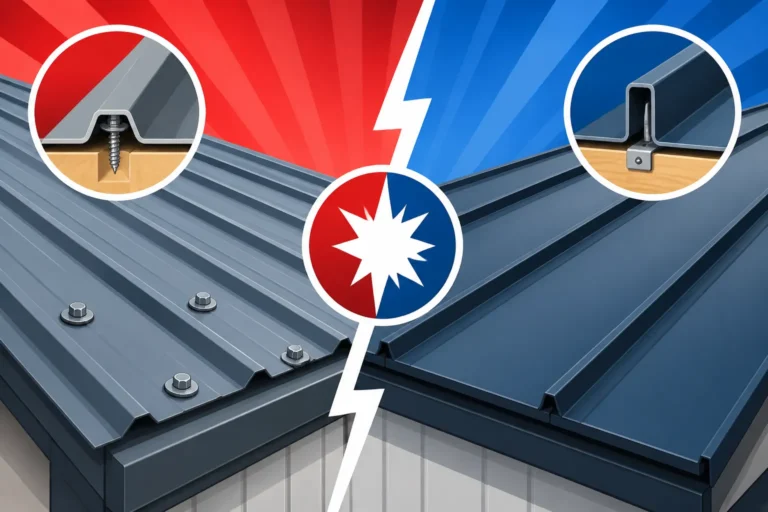
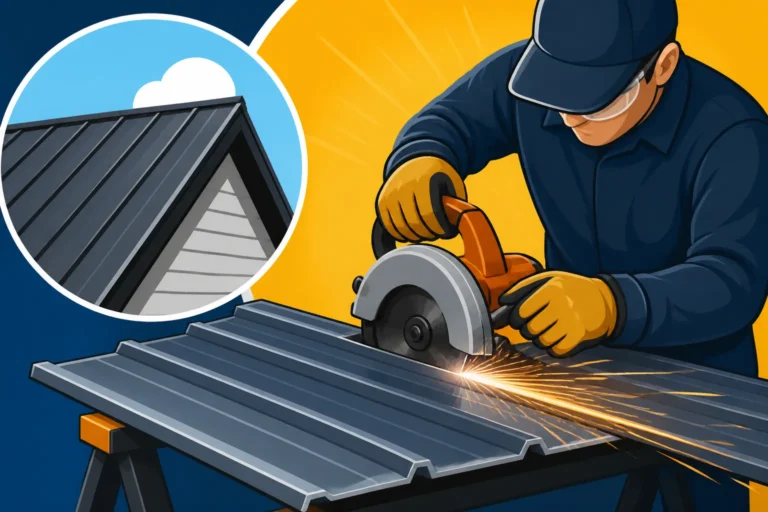
- Specialized Installation: Metal tile roofing is not a DIY project for the faint of heart, nor is it something every general roofing contractor is equipped to handle. The installation requires specialized skills, tools, and experience. Each panel needs to be precisely aligned, fastened, and sealed to ensure weather tightness and to maintain the aesthetic integrity. An improperly installed metal tile roof can lead to issues like leaks, aesthetic flaws, or voided warranties. This often means paying a premium for a contractor with proven expertise in metal roofing systems. Using a service like Modernize can help you connect with qualified, local metal roofing specialists who understand the nuances of these installations.
- Complexity for Repairs: While durable, if a metal tile roof does sustain damage (perhaps from extreme, unforeseen circumstances or a falling tree limb), repairing individual tiles can be more complex than simply swapping out a shingle. It often requires specific tools and techniques to remove and replace panels without disturbing the surrounding tiles or damaging the underlying structure. This is another reason why experienced contractors are vital, not just for installation but for any potential future repairs. You can learn more about this in our article on Metal Roof Repair vs Replacement: How to Decide.
Addressing Common Concerns: Noise and Dents
Two common concerns that homeowners frequently raise about metal roofs in general, and sometimes about metal tile roofs, are noise and denting. It's important to address these with a realistic perspective.
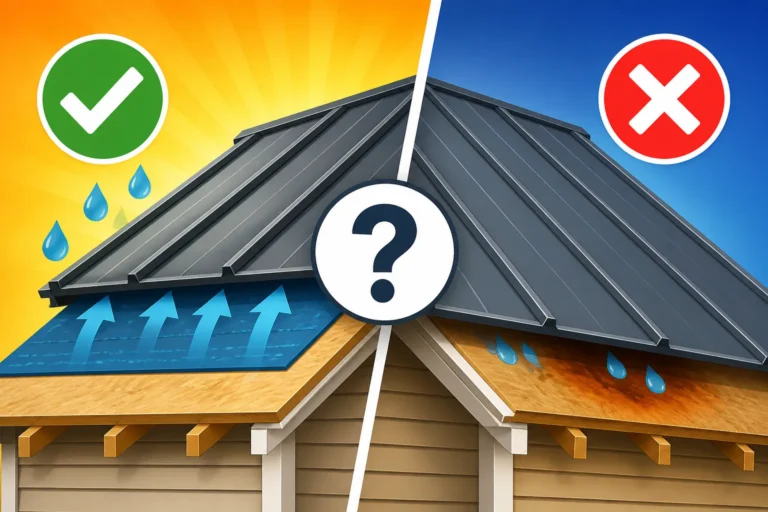
- Noise in Rain or Hail: This is perhaps the most persistent myth about metal roofs. Many people envision a deafening racket during a rainstorm. However, with proper installation, this is largely a non-issue, especially for residential applications. Metal tile roofs are typically installed over a solid substrate (like plywood decking) and with underlayment, which provides significant sound dampening. If installed over existing shingles, that adds another layer of insulation. While you might hear some rain, it's often a soothing patter, not a clamor. Heavy hail might be more noticeable, but the same sound-dampening principles apply, and the roof's Class 4 impact rating means it's designed to withstand such events without structural damage.
- Potential for Dents: While metal tile roofs are incredibly strong, particularly stone-coated steel which is highly resistant to hail, no roof material is entirely impervious to damage. Extremely large hail (golf-ball sized or larger) or heavy falling debris (like a large tree branch) can cause cosmetic dents, especially on flatter, un-textured metal tile profiles. The stone-coated varieties, with their granular surface, tend to hide minor imperfections better. It's a trade-off. While asphalt shingles might tear or shatter, a metal roof might dent. However, dents are often cosmetic and don't compromise the roof's integrity or performance. For severe damage, specialized repair might be needed.
Is a Metal Tile Roof Right for Your Home?
Deciding on a new roof is a huge commitment, and weighing the pros and cons of a metal tile system means looking at your home’s unique needs, your budget, and your long-term vision. It’s about finding that sweet spot where durability meets design and practical benefits align with your lifestyle.
Assessing Your Specific Needs and Local Climate
The suitability of a metal tile roof often hinges on where you live and what kind of challenges your home faces from Mother Nature.
- Climate Considerations: If you live in an area prone to severe weather – think intense hailstorms, high winds, heavy snowfall, or even wildfires – a metal tile roof becomes an exceptionally smart choice. Its superior impact resistance, wind ratings, and Class A fire rating offer unparalleled protection that many traditional materials simply can’t match. For instance, in parts of Texas or Florida frequently hit by strong storms, the resilience of a metal tile roof provides invaluable peace of mind. In regions with heavy snow, its slick surface can help shed snow loads, although proper snow retention systems (snow guards) should be considered to prevent dangerous snow slides, especially over entryways.
- Architectural Style and Aesthetic Goals: Does your home have a particular architectural style you want to enhance or maintain? A metal tile roof can be an incredible asset. If you love the look of Spanish clay, European slate, or rustic wood shakes but want the performance of metal, these tile profiles are designed precisely for that. They can elevate your home's aesthetic, providing a sophisticated and enduring finish that complements traditional, Mediterranean, craftsman, or even modern designs.
- Structural Considerations: Given their relatively light weight, metal tile roofs are an excellent option for homes that might not be able to support the heavy load of natural slate or concrete tiles without significant (and costly) structural reinforcement. This can save you a considerable amount in construction costs and time.
Long-Term Value and Return on Investment
While the initial sticker shock of a metal tile roof can be real, its value proposition truly shines when you look at the long game.
- True Cost of Ownership: Don't just look at the upfront price. Factor in the cost of potential repairs, maintenance, and replacement cycles of other roofing materials over 50 years. When you compare the Metal Roof Cost vs Shingles Over 30 Years or even 50 years, the metal tile roof often emerges as the more economical choice. You're effectively buying a roof once and enjoying its benefits for generations.
- Insurance Savings: Many insurance companies recognize the superior durability and fire resistance of metal roofs. Homeowners with metal tile roofs, especially those with Class 4 impact resistance, often qualify for discounts on their homeowners insurance premiums. These savings can add up year after year, further offsetting the initial investment. Our article on Metal Roof Insurance Savings & Discounts can give you more specific details on this.
- Environmental Impact: For the eco-conscious homeowner, metal tiles are an excellent choice. Many are made from recycled content, and they are 100% recyclable at the end of their extremely long lifespan. Their energy efficiency also contributes to a lower carbon footprint by reducing heating and cooling demands.
- Finding the Right Installer: The success and longevity of your metal tile roof heavily depend on the expertise of your installer. This is not the place to cut corners. Look for contractors who specialize in metal roofing, have a strong portfolio of metal tile installations, and are certified by the manufacturers whose products they install. Services like Modernize can be a valuable tool for finding reputable, experienced metal roofing contractors in your area who understand the intricacies of these premium systems and can provide accurate quotes. Ensure you ask detailed questions about their experience with specific metal tile profiles and their warranty offerings.
Ultimately, if you're looking for a roofing solution that offers unparalleled durability, exceptional longevity, significant energy savings, and a stunning aesthetic that can be tailored to your home's style, a metal tile roof is undeniably a good choice for a house. It's a premium product that delivers premium performance and enduring value.
| Feature | Metal Tile Roof | Asphalt Shingles | Clay/Concrete Tiles |
|---|---|---|---|
| Lifespan | 50-70+ years | 15-30 years | 50-100+ years |
| Durability | Excellent (Class 4 impact, high wind, fire-rated) | Good (can be damaged by hail/wind over time) | Excellent (impact, fire-rated, can be fragile) |
| Weight | Lightweight (50-150 lbs/sq) | Medium (200-400 lbs/sq) | Very Heavy (800-1200+ lbs/sq) |
| Aesthetics | Highly versatile, mimics high-end materials | Traditional, limited stylistic versatility | Distinct Mediterranean/Spanish, limited colors |
| Energy Efficiency | High (reflective properties) | Moderate (depends on color, less reflective) | Moderate to High (thermal mass, some reflection) |
| Maintenance | Very Low | Moderate (periodic repair/cleaning) | Low (can chip/crack, moss in damp climates) |
| Upfront Cost | High | Low | High |
| ROI | Excellent (long-term savings, resale value) | Low (frequent replacement) | Good (long lifespan, high curb appeal) |
Disclaimer
Please remember that the information provided in this guide is for general informational purposes only and should not be considered professional advice. Always consult with a qualified and licensed metal roofing contractor for specific recommendations regarding your home and local building codes. Roofing projects involve significant investment and safety considerations.