How Long Does a Metal Slate Metal Roof Last?
Choosing a new roof is one of the biggest investments you'll make in your home, and when you’re considering a premium option like a metal slate roof, you’re not just thinking about how beautiful it will look today. You’re really digging into the long-term value, wondering, "How long does a metal slate metal roof last, really?" It’s a completely valid and crucial question, especially given the upfront cost and the promise of decades of protection. This guide will walk you through the realistic lifespan expectations for metal slate roofing, break down the critical factors that influence its longevity, and arm you with actionable steps to ensure your investment stands strong for generations.
What Exactly is a Metal Slate Roof?
Before we dive into how long these beauties last, it’s important to understand what makes a metal slate roof so unique. When people hear "metal roof," they often picture the utilitarian corrugated panels seen on barns or industrial buildings. But a metal slate roof is a whole different animal, meticulously engineered to combine the timeless elegance of natural slate with the unparalleled durability of metal.
Marrying Aesthetics with Modern Materials
The allure of natural slate is undeniable – its distinct texture, varied colors, and incredible longevity have made it a coveted roofing material for centuries. However, natural slate comes with significant downsides: it's incredibly heavy, expensive to install, and can be brittle, making repairs challenging. This is where metal slate roofing steps in as a brilliant alternative. It replicates the sophisticated appearance of traditional slate tiles, right down to the chiseled edges and staggered patterns, but it does so with lightweight, robust metal panels.
These panels are often stamped and formed to mimic individual slate tiles, creating a rich, dimensional look that can be virtually indistinguishable from genuine slate from the ground. They often come in a modular format, making installation more efficient than laying individual heavy slate pieces. The aesthetic appeal is a huge draw for homeowners who want that classic, upscale look without the structural demands and fragility of true slate.
The Power of Metal: Steel, Aluminum, and Specialized Coatings
So, what's hiding beneath that gorgeous slate-like exterior? The most common metals used for these systems are high-grade steel or aluminum.
- Steel: Typically, steel panels are coated with a protective layer, often a zinc-aluminum alloy like Galvalume, to prevent rust and corrosion. On top of that, multiple layers of high-performance paint coatings – like Kynar 500 (PVDF) or SMP (Siliconized Modified Polyester) – are applied. These coatings are crucial not just for aesthetics but also for defending against UV radiation, fading, and chalking, which are major enemies of a roof's appearance and integrity over time. Steel is known for its strength and impact resistance.
- Aluminum: Aluminum is naturally resistant to rust and corrosion, making it an excellent choice, especially in coastal areas where salt spray is a concern. Like steel, aluminum panels are also finished with robust paint systems to provide color, UV protection, and an extra layer of defense. Aluminum is lighter than steel, which can be an advantage for certain roof structures.
- Stone-Coated Steel: This is another popular variant for metal slate profiles. Here, steel panels are coated with an acrylic film embedded with ceramic-coated stone granules. This provides an incredibly realistic textured finish, mimicking natural slate or even heavy asphalt shingles. The stone coating offers exceptional durability against hail and provides an attractive, matte finish.
The combination of these high-performance metals and advanced coating technologies is what gives metal slate roofs their incredible resilience and long-lasting beauty. They are designed to withstand harsh weather, resist fire, and maintain their appearance for decades, all while looking like a million bucks.
Realistic Lifespan Expectations for Metal Slate Roofing
When you invest in a metal slate roof, you're not just buying a few years of peace of mind – you're securing a roofing solution that genuinely aims to last a lifetime. So, how long does a metal slate metal roof typically last? The general consensus and manufacturer warranties point to an impressive range of 40 to 70 years, and often even longer.
This far exceeds the lifespan of most conventional roofing materials, making it a truly long-term investment.
A Look at Longevity Across Roofing Materials
To truly appreciate the endurance of a metal slate roof, it helps to put its lifespan into perspective alongside other common roofing types.
| Roofing Material | Typical Lifespan (Years) | Key Characteristics |
|---|---|---|
| Metal Slate Roof | 40 – 70+ | Exceptional durability, fire-resistant, high wind resistance, energy-efficient, replicates natural slate appearance. Requires professional installation. |
| Natural Slate Roof | 75 – 150+ | Premium aesthetics, extremely long-lasting, fire-resistant. Very heavy, brittle, expensive, and requires specialized installation and structural support. |
| Asphalt Shingles | 15 – 30 | Most common, affordable, wide variety of styles. Susceptible to wind damage, granule loss, prone to cracking/curling over time. Shorter lifespan. |
| Wood Shakes/Shingles | 20 – 40 | Natural aesthetic, good insulation. Requires significant maintenance, fire risk (unless treated), prone to rot, mold, and insect damage. |
| Clay/Concrete Tile | 50 – 100 | Very durable, fire-resistant, good for hot climates. Heavy, can be brittle, higher cost than asphalt, limited color palette compared to coated metal. |
| Other Metal Roof Types | 40 – 70+ | (e.g., Standing Seam, Corrugated) Similar durability to metal slate, but with different aesthetic profiles. Lifespan is largely dependent on material (steel, aluminum) and coating. Learn more about Metal Roofing Types Explained: Profiles & Panels. |
As you can see, metal slate roofs stand tall among the most durable roofing options available, often rivaling or even exceeding the lifespan of materials that cost significantly more or require far greater structural support, such as natural slate or clay tiles. This extended lifespan is one of the primary reasons homeowners are increasingly considering the Is a Metal Roof Worth It? ROI, Resale & Payback.
What Drives This Impressive Durability?
The longevity of a metal slate roof isn't just a marketing claim; it's a direct result of several inherent qualities:
- Material Strength: Steel and aluminum are inherently strong and resilient. They don't absorb water like asphalt, nor do they crack and chip easily like traditional slate or clay under impact.
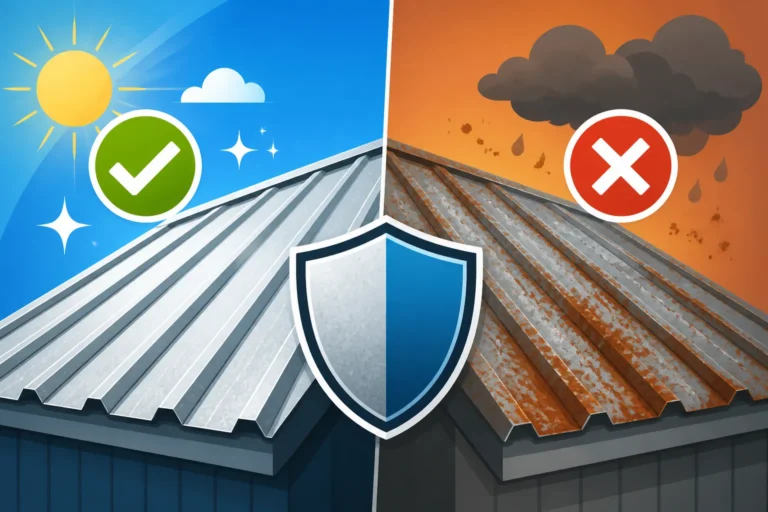
- Advanced Coatings: The specialized paint systems, especially PVDF (Kynar 500) coatings, are designed to withstand extreme UV radiation, preventing fading, chalking, and corrosion for many decades. Stone coatings add another layer of physical protection.
- Weather Resistance: Metal slate roofs are engineered to perform exceptionally well against severe weather. They boast excellent wind uplift ratings, often resisting winds well over 100-150 mph. Many even achieve Class 4 impact resistance, meaning they can stand up to large hail without significant damage, a common cause of premature failure in other roofing types. You can delve into how these roofs handle Metal Roof Storm, Hail & Wind Damage.
- Thermal Cycling Resilience: Unlike materials that expand and contract significantly with temperature changes, leading to cracking or warping, metal roofing systems are designed with installation methods that accommodate thermal movement, preventing stress on the panels.
While 40-70 years is a solid expectation, some premium systems, particularly those made from thicker gauge aluminum or those with the most advanced coatings, can realistically surpass that upper limit, pushing towards 100 years or more with diligent care.
Key Factors That Dictate Longevity
While a metal slate roof inherently offers impressive durability, its actual lifespan in the real world isn't solely dependent on the material itself. Several critical factors come into play, influencing whether your roof hits the lower end of that 40-year estimate or soars past the 70-year mark. Understanding these can empower you to make choices that truly maximize your investment.
Material Quality and Protective Coatings
Not all metal slate roofs are created equal, and the quality of the base metal and, most importantly, its protective coatings, are paramount.
- Gauge of Metal: The thickness of the metal, known as its gauge, plays a role. Lower gauge numbers mean thicker, more robust metal. For residential applications, 26-gauge steel or aluminum is common, while 24-gauge offers enhanced durability and dent resistance. Thicker gauges generally equate to a longer-lasting roof, though the difference is often marginal compared to the coating quality.
- Type of Metal: As mentioned, steel (often Galvalume-coated) and aluminum are the main contenders. Aluminum offers superior corrosion resistance, particularly important in coastal or high-humidity environments. Steel, especially with a Galvalume coating, is extremely durable and resistant to rust. The choice might slightly impact longevity depending on your specific climate. You can explore this further in Metal Roofing Materials Compared: Steel, Aluminum, Copper & Zinc.
- Paint System (PVDF vs. SMP): This is perhaps the single most important factor for long-term aesthetic appeal and overall protection.
- PVDF (Polyvinylidene Fluoride) Coatings (e.g., Kynar 500): These are considered the gold standard in the industry. They offer exceptional color retention, chalk resistance, and UV protection. They are incredibly resistant to fading, chemicals, and abrasion, meaning your roof will look newer for much longer. While they come at a higher price point, the enhanced durability and aesthetic retention they provide can extend the effective life of your roof's appearance by decades.
- SMP (Siliconized Modified Polyester) Coatings: These are a good, cost-effective option that offers decent performance. They provide good hardness and resistance to abrasion. However, they generally don't match the long-term color stability and fade resistance of PVDF coatings, meaning they might show signs of chalking or fading sooner, typically after 15-20 years, even if the metal itself remains structurally sound.
Investing in a higher-quality coating, particularly PVDF, is a choice that pays dividends in longevity and curb appeal.
The Critical Role of Professional Installation
Even the highest quality metal slate materials can fail prematurely if not installed correctly. This is not a DIY project for most homeowners, nor is it a job for just any roofer. Metal slate roof installation is a specialized skill.
- Manufacturer Specifications: Each metal roofing system has specific installation guidelines from the manufacturer. These include everything from fastening patterns and panel overlap to flashing details and underlayment requirements. Deviating from these can void warranties and create vulnerabilities.
- Proper Flashing and Sealing: Leaks are almost always a result of improper flashing around penetrations like chimneys, skylights, and vents, or incorrect sealing at valleys and eaves. A skilled installer understands how to create watertight seals that accommodate thermal expansion and contraction.
- Underlayment and Ventilation: A quality underlayment is crucial for secondary water protection, especially for metal roofs. Proper attic ventilation is also vital to prevent moisture buildup and ice damming, which can degrade the roof deck and fasteners over time. Learn more about Metal Roof Underlayment and Ventilation Guide.
- Experience with Metal Slate: A contractor who specializes in metal roofing, and ideally in metal slate or modular metal panels, will have the expertise to handle the nuances of these systems. They'll understand panel alignment, trimming, and ensuring the slate aesthetic is perfectly executed. Choosing the right expert is crucial, and resources like Modernize can help connect you with reputable contractors experienced in metal roofing. For more guidance on vetting, check out How to Hire a Metal Roofing Contractor.
An improperly installed roof might last 10-20 years less than its potential, making the initial savings on a cheaper contractor a very costly mistake down the road.
Environmental Conditions and Exposure
Your home's location and the specific environmental conditions it faces will inevitably play a role in how long your metal slate roof lasts.
- UV Exposure: Intense, prolonged sunlight, particularly in southern states like Florida or Arizona, can accelerate the degradation of paint coatings, even PVDF. While these coatings are highly resistant, extreme conditions demand the best quality.
- Coastal Environments: Salt spray in coastal regions is highly corrosive to many metals. This is where aluminum or specialized marine-grade steel with enhanced coatings truly shines, offering superior longevity compared to standard options.
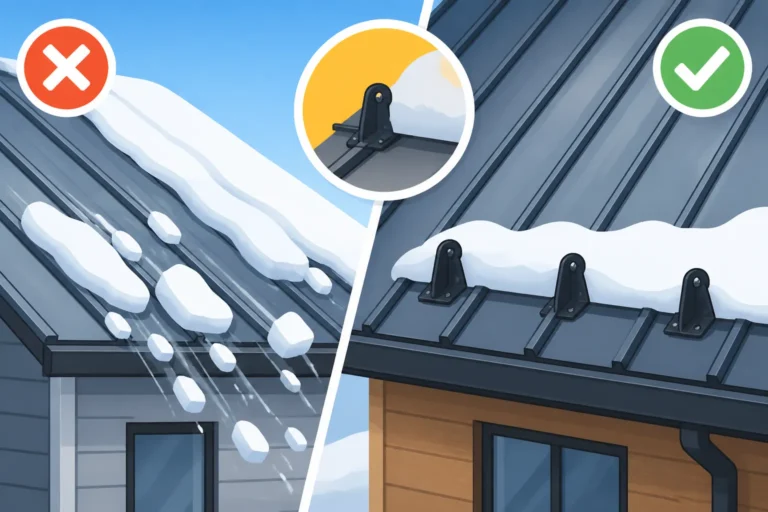
- Heavy Snow Loads: While metal roofs shed snow efficiently, prolonged heavy snow loads can stress the roof structure and fasteners if not properly designed for your climate. Proper roof pitch and framing are important.
- Hail and Wind: While metal slate roofs are incredibly durable against hail (especially stone-coated steel and thicker gauges) and high winds, truly extreme, repeated events can still take a toll over many decades. However, they generally outperform other materials significantly in these scenarios. The wind rating of your roof and local building codes, especially in hurricane-prone areas, are critical considerations.
The Value of Regular Maintenance and Timely Repairs
Even the most robust metal slate roof benefits immensely from ongoing care. Neglecting maintenance is like never changing the oil in your car – it'll run, but not for as long or as efficiently as it could.
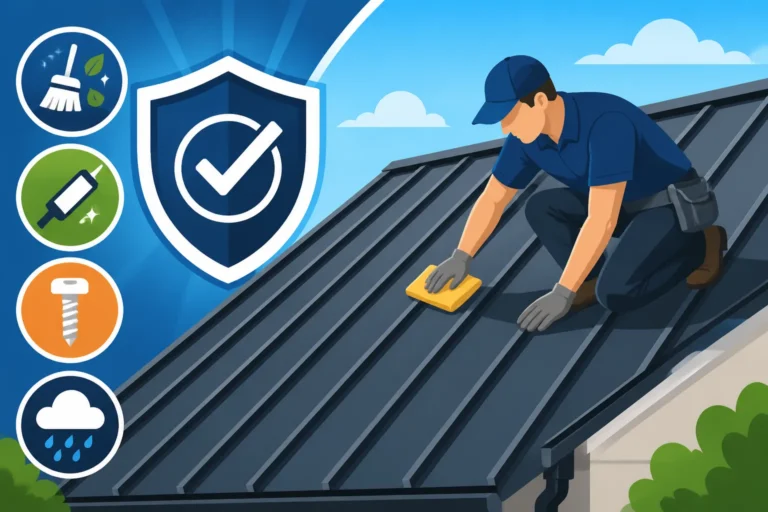
- Routine Cleaning: Removing debris, leaves, and dirt prevents moisture from pooling and keeps the coating clear, ensuring its protective properties aren't compromised.
- Inspections: Annual or bi-annual inspections (especially after severe weather) are crucial to catch minor issues before they become major problems. Look for loose fasteners, compromised sealants, or any signs of wear around penetrations.
- Gutter Maintenance: Clogged gutters cause water to back up, potentially leading to ice dams in cold climates or water infiltration over the fascia boards. Keeping them clear is essential.
- Prompt Repairs: If a small issue like a loose screw or a compromised sealant is identified, addressing it immediately prevents it from escalating. For instance, a small tear in the underlayment that goes unnoticed could lead to deck rot, eventually impacting the roof's integrity. Don't underestimate the importance of a detailed Metal Roof Maintenance Guide.
By paying attention to these factors – from initial material selection and professional installation to ongoing care and environmental considerations – you can significantly influence how long your metal slate roof not only lasts but also retains its beauty and performance.
Strategies for Maximizing Your Metal Slate Roof's Life
You've made the smart decision to invest in a durable metal slate roof; now, how do you ensure it lives up to its 40, 50, or even 70-plus year potential? It's not just about setting it and forgetting it. A proactive approach to care and choosing the right professionals will make all the difference.
Routine Inspections and Preventative Care
Think of your roof as the ultimate protector of your home – it deserves a regular check-up. Proactive inspections are your best defense against premature aging and costly repairs down the line.
- Annual Visual Checks: At least once a year, ideally in the spring or fall, take a good, hard look at your roof from the ground with binoculars. What are you looking for?
- Debris Buildup: Are there leaves, twigs, or other organic matter accumulating in valleys or behind chimneys? This can trap moisture and even scratch the coating over time.
- Loose or Missing Fasteners: On exposed fastener systems, check if any screws are backing out or if their washers look cracked or degraded. For concealed fastener systems (like most standing seam or modular slate panels), look for signs of panels shifting.
- Flashing Integrity: Examine the areas around chimneys, vents, skylights, and wall junctions. Is the sealant cracked, peeling, or missing? Are the flashing pieces still tight against the roof surface and penetrations?
- Gutter Condition: Are your gutters clear of debris? Clogged gutters can cause water to overflow and pool on the roof or against fascia boards, leading to potential leaks or wood rot.
- Panel Condition: Look for any visible scratches, dents, or areas where the coating might appear dull or discolored. While metal slate is tough, accidents can happen.
- Professional Bi-Annual Inspections: Every two to five years, it's wise to hire a professional metal roofing contractor to perform a more thorough inspection. They have the expertise and safety equipment to get up on the roof (without damaging it!) and meticulously check seals, fasteners, and overall panel integrity. They can spot subtle issues that an untrained eye might miss. These inspections are far cheaper than emergency repairs! Many homeowners also combine this with their regular Metal Roof Maintenance Guide tasks.
Addressing Issues Promptly: Timely Repairs
One of the biggest mistakes homeowners make is procrastinating on small repairs. A tiny leak or a loose panel today can become a massive, expensive problem tomorrow.
- Don't Wait for a Leak: If you notice any signs of wear during your visual inspection, or if a professional points out a minor issue, address it immediately. Small repairs like re-sealing a flashing joint or replacing a few screws are relatively inexpensive and quick. Waiting until you see water stains on your ceiling means the problem has likely been active for a while, potentially causing significant damage to your attic, insulation, and interior.
- Choose the Right Materials for Repairs: When making repairs, ensure that the materials used (sealants, fasteners, touch-up paint) are compatible with your existing metal roof system and ideally recommended by the manufacturer. Using incorrect sealants, for example, can cause corrosion or further degradation of the roof coating.
- Professional Repair is Key: While some minor maintenance might be DIY-friendly, significant repairs, especially involving panels or complex flashing, should always be handled by a qualified metal roofing professional. They have the specialized tools, knowledge, and safety training to perform the work correctly without causing further damage. For instance, knowing how to properly handle Metal Roof Leak Repair Guide often requires specific expertise.
Optimizing for Performance: Proper Ventilation
It might seem indirect, but a well-ventilated attic is crucial for your metal roof's longevity, especially in diverse climates.
- Preventing Condensation: In colder months, warm, moist air from your living space can rise into an unventilated attic, condense on the underside of your cold metal roof deck, and drip down. This "attic rain" can lead to mold, mildew, degradation of insulation, and eventually rot in your roof decking, fasteners, and even the underside of your metal panels. Proper ventilation ensures that this moist air is exhausted, keeping your attic dry.
- Reducing Heat Buildup: In warmer months, an unventilated attic can become an oven, baking your roof materials from below. This excessive heat can accelerate the degradation of your underlayment and stress the metal panels. Good ventilation helps to dissipate this heat, keeping your attic cooler and extending the life of all your roofing components.
- Addressing Ice Damming: In snowy regions, insufficient attic ventilation can contribute to ice dams. These occur when heat from your attic melts snow on the roof, which then refreezes at the colder eaves, forming an ice barrier. This can cause water to back up under your roof panels and underlayment, leading to leaks.
Ensure your attic has a balanced ventilation system, typically involving soffit vents for intake and ridge or exhaust vents for outflow. An experienced metal roofing contractor will assess your current ventilation and recommend necessary improvements during installation or inspection.
The Foundation of Success: Choosing a Reputable Contractor
All of the above hinges on one fundamental decision: who installs your roof in the first place. A metal slate roof is only as good as its installation.
- Experience with Metal Slate: Look for contractors who specifically list metal slate or modular metal roofing as a specialty. Installing these systems is different from asphalt shingles. They should understand the nuances of panel interlocking, sealant application, and working with specialized trims.
- Certifications and Training: Many reputable metal roofing manufacturers offer certification programs for installers. A contractor with these certifications has demonstrated proficiency in installing that specific brand's products to factory specifications.
- References and Reviews: Always ask for references and check online reviews. A company like Modernize can be a valuable resource to find and connect with pre-screened, reputable metal roofing contractors in your area, making the search for qualified professionals much easier. Don't be shy about asking to see examples of their past metal slate projects.
- Comprehensive Warranty: A trustworthy contractor will offer a strong workmanship warranty in addition to the manufacturer's material warranty. This shows confidence in their installation quality. Understanding Metal Roof Warranties: Workmanship vs Manufacturer is vital.
By being diligent in your maintenance, prompt with repairs, ensuring proper ventilation, and most importantly, partnering with an experienced and reputable contractor from the outset, you can confidently expect your metal slate roof to provide decades of beautiful, worry-free protection for your home. Your investment deserves nothing less.
Disclaimer
Please note that the information provided in this guide is for general informational purposes only and does not constitute professional advice. Roofing material lifespans and costs can vary significantly based on specific product lines, local market conditions, installation quality, geographic location, weather patterns, and ongoing maintenance. Always consult with a qualified, licensed, and insured metal roofing professional for personalized advice and estimates for your specific property.