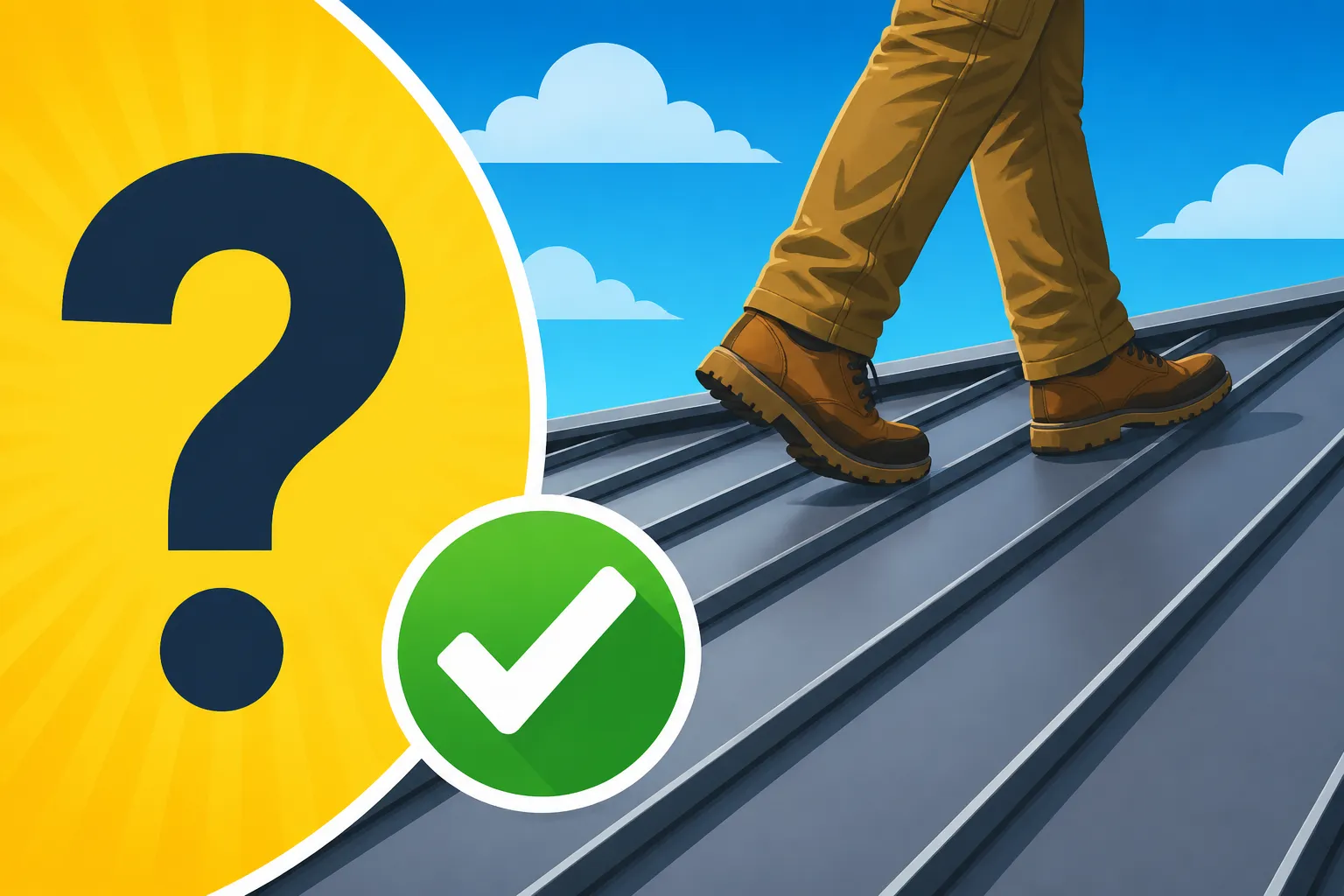
Can You Walk on a Standing Seam Metal Roof?
That sleek, modern look of a standing seam metal roof is undeniably appealing, but it can leave you scratching your head when it comes to basic maintenance or inspection. Many homeowners wonder, often with a knot of anxiety, if they can even step foot on their beautiful new investment without causing damage or, worse, risking injury. It’s a completely valid concern, and this guide is here to walk you through exactly how to safely navigate your standing seam metal roof and when it's absolutely crucial to call in the experts.
The Short Answer: Yes, But With Big Caveats
Let's get right to it: yes, you can walk on a standing seam metal roof, but it's not like strolling across your asphalt shingle roof. There are specific techniques, conditions, and safety measures you absolutely must observe to prevent damage to your roof and, more importantly, to keep yourself safe. Ignoring these precautions can lead to costly repairs and dangerous falls, turning a simple inspection into a major headache.
The "Why" Behind the Caution
Unlike traditional asphalt shingles that offer a relatively flat and forgiving surface, a standing seam metal roof is a system of interlocking panels with raised seams. These panels are typically made from steel, aluminum, or copper, and while incredibly durable, they can be susceptible to denting or deformation if weight isn't distributed properly. Imagine stepping on a thin piece of sheet metal – it bends, right? While your roof panels are much stronger, the principle is similar. Walking improperly can stress the metal, potentially compromising its integrity and the protective coatings designed to make it last for decades.
Think about the difference between walking on a paved driveway versus walking across a row of carefully laid, hollow bricks. One is solid and uniform, the other requires precision. Your metal roof, while robust, has distinct structural points and weaker areas. If you accidentally step on a weak point, or apply too much concentrated pressure, you risk not only a slip but also bending the metal in a way that creates a depression or, worse, damages the interlocking seams, which are critical for waterproofing. This isn't just about aesthetics; a compromised panel or seam can lead to leaks, turning your beautiful roof into a source of frustration.
Standing Seam's Unique Design Considerations
The very feature that gives standing seam its name – those distinctive, raised seams – is what makes it different to walk on. These seams are the strongest part of the panel, designed to interlock and channel water away. However, they are not designed to be walked on. Stepping directly on a seam can flatten it, break the seal, or even cause the fasteners underneath to fail, creating a direct path for water infiltration. The "pans" or flat sections between the seams are where you can walk, but only under specific circumstances.
The thickness, or gauge, of the metal panels also plays a significant role here. Generally, residential standing seam roofs use 24-gauge or 26-gauge steel or aluminum. A thicker 24 vs 26 Gauge Metal Roof: Which Is Best? offers greater rigidity and is more resistant to denting. For example, a 24-gauge steel panel will typically feel more solid and be less prone to cosmetic damage from careful walking than a lighter 26-gauge panel. Understanding your specific roof's gauge can give you a better idea of its inherent durability underfoot. It’s not just the metal itself, but also the support system underneath that matters. If you have solid decking, the panels have a continuous surface to transfer weight to, making them more resilient.
Essential Precautions Before You Step Foot on Your Roof
Before you even think about climbing that ladder, take a moment to assess the situation. Your safety and the longevity of your roof depend on it. This isn't a task to be rushed or taken lightly.
Safety First: Gear and Conditions
Your personal safety should always be the top priority. A fall from a roof, especially a sloped one, can be catastrophic.
- Footwear is Paramount: Ditch those worn-out sneakers. You need soft-soled, non-slip shoes with excellent grip. Work boots with aggressive treads can scratch the roof's coating, while slick shoes are an accident waiting to happen. Rubber-soled hiking boots or specialized roofing shoes are ideal because they provide traction without damaging the surface.
- Weather Matters: Only attempt to walk on your roof when it's completely dry. Even a light dew can make a metal roof incredibly slick, turning it into an ice rink. Avoid walking on it during rain, strong winds, or when temperatures are extreme. Excessive heat can make the metal too hot to touch and potentially cause damage to your shoes or the roof's coating, while freezing temperatures can introduce invisible ice patches.
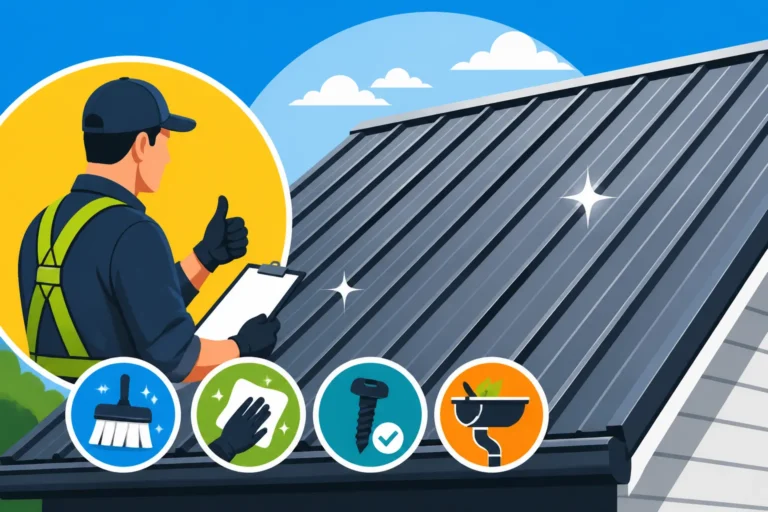
- Safety Equipment: For anything beyond the most minimal, low-slope access, a fall arrest system is non-negotiable. This includes a safety harness, a rope, and an anchor point securely fastened to the roof's structure or a dedicated anchor on the ground. A sturdy, properly angled ladder is also crucial. Never use a ladder that feels wobbly or is not rated for the task. Having a spotter on the ground is also a smart move, especially if you're working alone.
Understanding Your Roof's Specifics
Knowing the details of your particular standing seam installation will significantly impact how and where you can walk.
- Gauge of the Metal: As mentioned, the thickness of your metal panels (e.g., 22-gauge, 24-gauge, 26-gauge, or 29-gauge) directly affects its rigidity and dent resistance. Thicker metal (lower gauge number) is sturdier. While most residential roofs are 24 or 26 gauge, knowing what you have can guide your cautious approach. You can dive deeper into the nuances with our guide on Metal Roof Gauges Explained: 22, 24, 26 & 29.
- Substrate/Decking: The material directly underneath your metal panels provides crucial support. Most residential metal roofs are installed over a solid substrate like plywood or OSB decking. This offers a continuous, firm surface that distributes your weight effectively. However, some commercial or agricultural buildings, or even older homes, might have metal roofs installed over purlins (horizontal framing members) with open spaces in between. Walking on such a roof without hitting a purlin can be extremely dangerous, as the panel will flex significantly and could easily give way. Understanding your Metal Roof Decking Requirements is vital.
- Roof Pitch/Slope: This is perhaps the most critical factor for safety. A low-slope roof (like a 1/12 or 2/12 pitch) is much easier and safer to walk on than a steep-slope roof (like a 6/12 or 8/12 pitch). As the pitch increases, the risk of slipping and falling dramatically rises. For anything above a moderate slope, professional equipment and expertise become absolutely necessary.
Identifying Safe Walking Paths
This is the golden rule for walking on a standing seam metal roof: always walk in the "pans" or flat areas of the panels, and ideally, directly over the structural supports underneath (rafters or trusses).
- Avoid the Seams: Never, ever step directly on the raised seams. These are the weakest points in terms of structural support for foot traffic, and damaging them can compromise the entire roof system's water-tightness. The fasteners holding the panels in place are often concealed within or under these seams, making them vulnerable to damage from direct pressure.
- Find the Supports: The best way to prevent denting the panels is to walk where the panels are most supported. This means locating the rafters or trusses underneath the roof deck. You can often estimate their location by looking at the ceiling inside your attic or by understanding standard construction practices (rafters are typically spaced 16 or 24 inches on center). When you step, aim to place your foot directly over these support beams.
- Slow and Deliberate: Move slowly and deliberately. Distribute your weight as evenly as possible with each step. Avoid shuffling your feet or making sudden movements that could cause you to lose balance or accidentally scuff the surface. A light, flat-footed walk is preferable to heavy, heel-first steps.
When to Call in the Pros (and How to Find Them)
Sometimes, no matter how careful you are, the job is simply too big, too complex, or too dangerous for a DIY approach. Knowing your limits is a sign of smart homeownership.
Situations Where DIY is Too Risky
If any of these scenarios apply, it's time to put down the ladder and pick up the phone:
- Steep Pitches: If your roof's slope is anything more than gently sloped, the risk of a fall increases exponentially. Professionals have specialized safety gear, training, and experience for working on steep pitches.
- Complex Rooflines: Homes with multiple gables, dormers, valleys, or skylights create intricate areas that require careful navigation. These areas are also common points for potential leaks, and improper walking can exacerbate existing issues or create new ones.
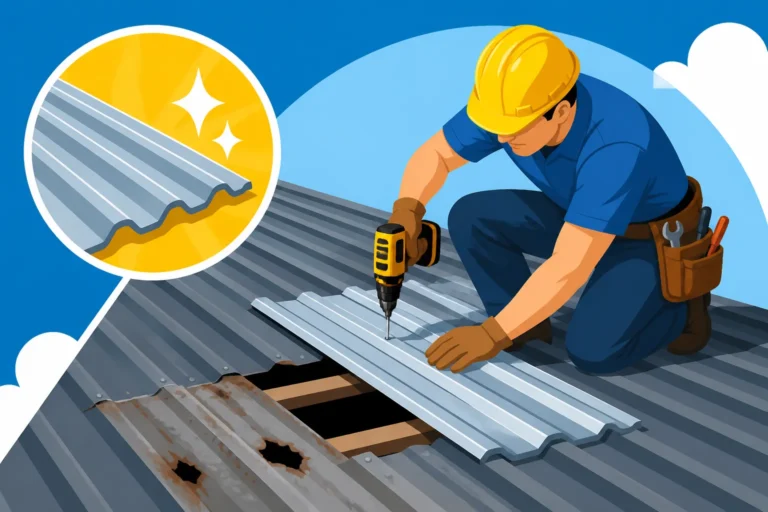
- Extensive Repairs: If you're dealing with anything more than a minor surface scratch – such as a significant Metal Roof Leak Repair Guide, panel replacement, or structural damage – it's definitely a job for a professional. They have the right tools, materials, and expertise to ensure the repair is done correctly and safely, maintaining your roof's warranty.
- Lack of Proper Equipment: If you don't have a full fall arrest system, proper non-slip footwear, and a sturdy, appropriate ladder, you're not equipped to be on your roof. Period.
- Unfavorable Conditions: If the weather isn't perfectly dry and calm, or if you're not feeling 100% physically capable, do not go on the roof.
Vetting a Qualified Metal Roofing Contractor
When you decide it's time to bring in the pros, finding the right one is crucial. Not all roofers are equally skilled with metal, and standing seam requires a particular expertise.
- Experience with Standing Seam: This is non-negotiable. Ask potential contractors specifically about their experience with standing seam metal roofs. How many have they installed or repaired? Can they provide references for standing seam projects? A general roofer might be great with shingles but lack the nuanced knowledge required for metal. Our guide on How to Find a Standing Seam Roof Specialist can help you narrow down your search.
- Licensing, Insurance, and Bonding: Always verify that any contractor you consider is fully licensed, insured, and bonded. This protects you in case of accidents, property damage, or incomplete work. Don't just take their word for it; ask for proof. Our article on Metal Roof Contractor Licensing, Bonding & Insurance provides detailed steps on how to verify these credentials.
- Get Multiple Quotes: Reach out to at least three reputable contractors. This allows you to compare not only prices but also proposed solutions, materials, and timelines. Platforms like Modernize can be incredibly helpful here, as they often connect homeowners with vetted local contractors, streamlining the process of getting competitive bids and ensuring you're working with qualified professionals. When comparing quotes, make sure they are "apples to apples" – detailing the same scope of work and materials.
- Check References and Reviews: A good contractor will have a track record of satisfied customers. Check online reviews on platforms like Google, Yelp, and the Better Business Bureau. Ask for local references you can call or even drive by to see their work.
The Impact of Improper Walking (and How to Prevent Damage)
Even a single misstep can have long-lasting consequences for your metal roof. Understanding the potential damage helps reinforce why caution is so important.
Common Types of Damage
- Dents and Dings: The most obvious sign of improper walking is visible dents. These range from minor cosmetic imperfections to significant depressions that can trap water. Dents are often permanent and can be very difficult and costly to repair, sometimes requiring entire panel replacement.
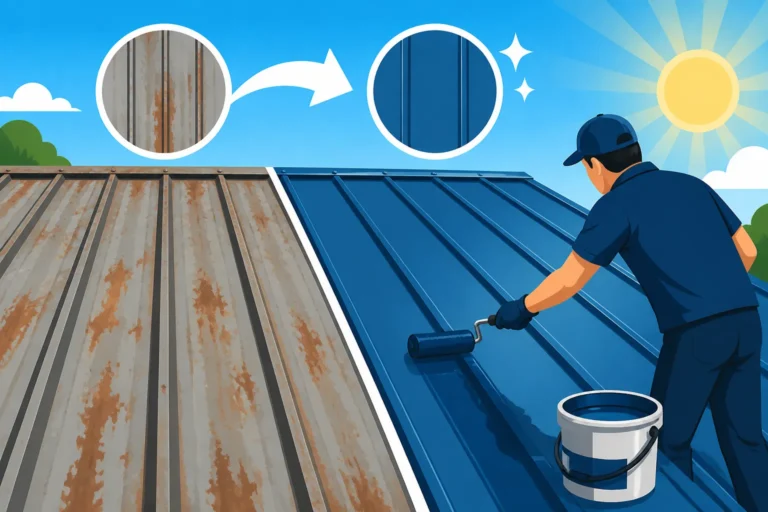
- Scratches and Coating Damage: Your metal roof's finish isn't just for looks; it's a protective layer that guards against rust, UV degradation, and corrosion. Aggressive shoes, dragging tools, or simply improper foot placement can scratch this coating, exposing the raw metal underneath. Over time, this exposed metal can oxidize or rust, leading to premature deterioration of the panel. This is particularly true for steel roofs, which rely heavily on their galvanized or Galvalume coatings.
- Compromised Seams: Stepping on the raised seams can deform them, breaking the factory-sealed interlocks. This is a direct pathway for water to penetrate your roof, potentially leading to leaks, rot in your decking, and damage to your home's interior. A damaged seam is a serious issue that almost always requires professional intervention to restore the roof's water-tight integrity.
- Accelerated Oil Canning: While not solely caused by walking, improper weight distribution can exacerbate a phenomenon called "oil canning." This refers to the visible waviness or distortion in the flat sections of metal panels. While often considered cosmetic, excessive deflection from foot traffic can contribute to it, especially on thinner gauge panels or those installed over an uneven substrate.
Prevention is Key: Best Practices
The best way to deal with roof damage from walking is to prevent it in the first place.
- Minimize Foot Traffic: This is the golden rule. The less you walk on your metal roof, the longer its pristine condition will last. If you can inspect or clean from a ladder or using a drone, do so. Reserve direct roof access for essential tasks only.
- Use Roof Boards or Foam Padding: For any prolonged work or if you need to access a specific area frequently, lay down roof boards (plywood sheets) or dense foam pads. These distribute your weight over a much larger area, significantly reducing the risk of denting or damaging the panels. Secure these boards to prevent them from sliding.
- Handle Tools with Care: Avoid dragging ladders, toolboxes, or other heavy equipment across the roof surface. Always lift and carry items, and if you need to set tools down, do so gently on a padded surface or a towel.
- Regular, Ground-Level Maintenance: Many maintenance tasks, like cleaning gutters or inspecting for debris, can be done safely from a ladder or the ground. A good pair of binoculars can often reveal minor issues without ever needing to step onto the roof. For detailed inspections or cleaning, consider our comprehensive Metal Roof Maintenance Guide.
- Professional Cleaning and Inspection: Periodically hiring a professional metal roofing company for cleaning and inspection is a wise investment. They have the expertise, equipment, and insurance to perform these tasks safely and efficiently, often spotting potential issues before they become major problems.
By understanding the unique characteristics of your standing seam metal roof and taking the necessary precautions, you can ensure its longevity and maintain its beautiful appearance for decades to come. When in doubt, always err on the side of caution and call a professional.
| Feature / Action | Safe Practice | Unsafe Practice |
|---|---|---|
| Foot Placement | Walk on the flat "pans" of panels, over supports. | Step on raised seams, between supports. |
| Footwear | Soft-soled, non-slip shoes (rubber, hiking boots). | Hard-soled boots, slick shoes, aggressive treads. |
| Weather Conditions | Completely dry, calm, moderate temperatures. | Wet, icy, windy, extremely hot, or freezing. |
| Movement | Slow, deliberate, flat-footed steps. | Rushing, shuffling, sudden movements, heavy steps. |
| Equipment | Use fall arrest system, stable ladder, roof boards. | No safety gear, wobbly ladder, dragging tools. |
| Panel Gauge | Understand your roof's gauge for expected rigidity. | Ignore gauge; assume all metal roofs are equally rigid. |
| Underlayment | Ensure solid decking (plywood/OSB) beneath panels. | Walk on roofs over purlins without knowing location. |
Disclaimer
Please remember that this guide provides general information. Always consult with a qualified metal roofing professional for advice specific to your roof and local building codes. Working on a roof can be dangerous; prioritize safety above all else.