How to Stop a Metal Roof From Sweating
There’s a common, utterly frustrating problem many metal roof owners face: waking up to what looks like a leak, but isn't. You see persistent drips, damp spots, or even puddles forming underneath your beautiful metal roof, and your first thought is usually panic. This phenomenon, often called a "sweating" metal roof, is actually condensation, and it can be a real headache. This guide will dive deep into understanding why your metal roof is sweating and, more importantly, equip you with practical, actionable strategies to prevent and stop it, saving you from potential damage and constant worry.
Understanding Why Your Metal Roof Sweats
That mysterious dripping isn't necessarily a leak from the sky above; it's a battle between the air inside your building and the surface of your metal roof. Understanding the science behind this often-misunderstood issue is the first step toward conquering it.
The Science Behind Condensation
Condensation happens when warm, moist air meets a colder surface. Think about a cold glass of iced tea on a hot summer day. Water droplets form on the outside of the glass, right? That's not because the glass is leaking; it's because the warm, humid air in the room is cooling rapidly as it touches the cold glass, causing the invisible water vapor in the air to turn back into liquid water. Your metal roof works in much the same way.
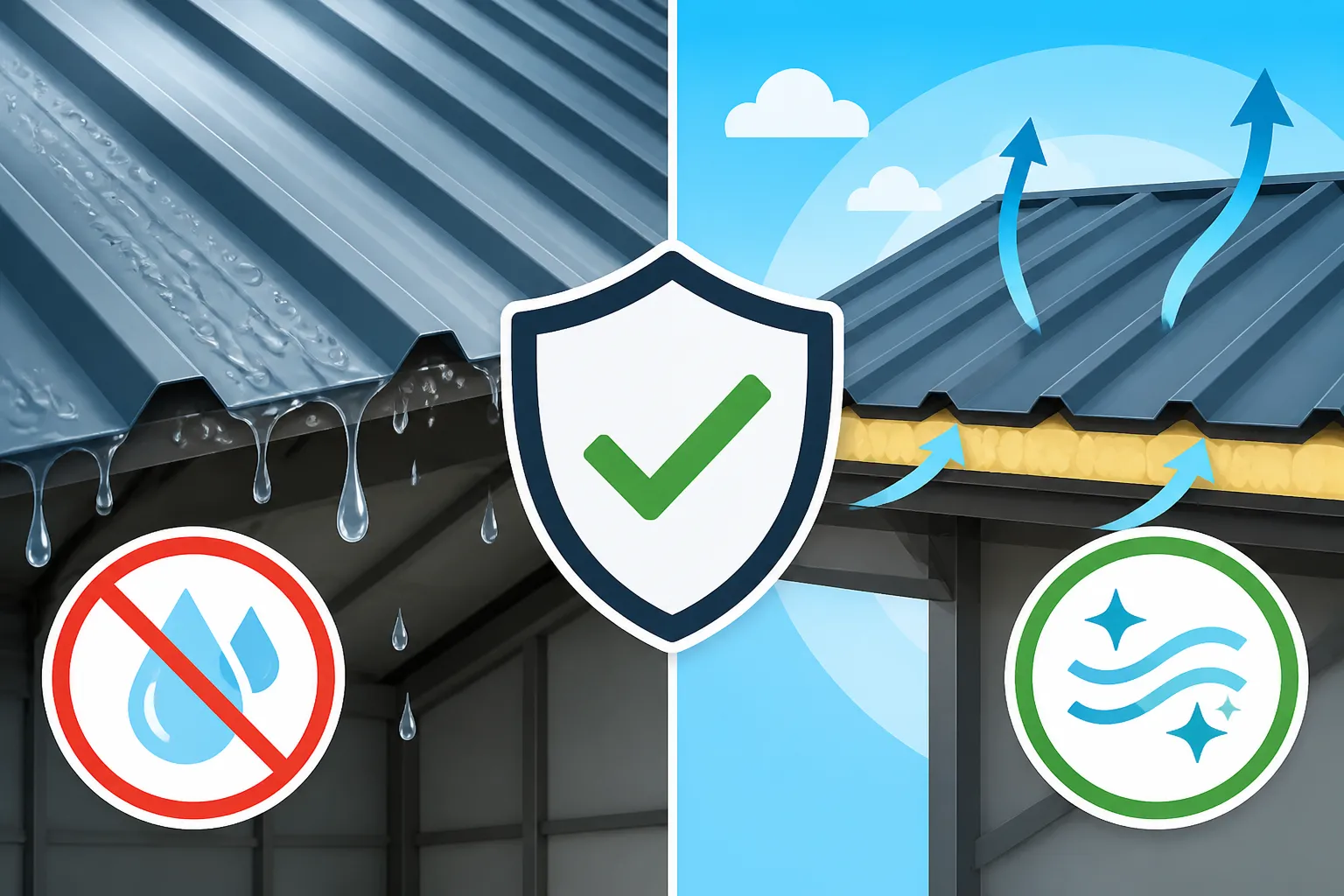
Metal is an excellent conductor of temperature. On a cool night or cold day, the exterior of your metal roof rapidly cools down to the ambient air temperature, and sometimes even colder due to thermal radiation. If the air inside your attic, barn, or garage is significantly warmer and more humid than the roof surface, the invisible water vapor in that warm air will condense when it hits the cold underside of the metal panels. This point at which water vapor turns into liquid is called the "dew point." When the temperature of the roof panel drops below the dew point of the air below it, you get "sweating." It’s an optical illusion that truly makes it seem like your roof is leaking, but in reality, it's just the environment playing tricks with physics.
Common Scenarios Leading to Metal Roof Condensation
While the science is consistent, the circumstances that create the perfect storm for condensation can vary widely depending on the type of building and how it's used. Recognizing these scenarios is crucial for identifying the root cause of your sweating problem.
One of the most frequent culprits, especially in residential homes, is poor attic ventilation. Attics often become repositories for warm, moist air that rises from the living space below. Without adequate airflow, this humid air gets trapped, continuously bathing the underside of your cool metal roof panels. Imagine a stagnant pool of warm, steamy air – it’s a prime environment for condensation to form as soon as the roof temperature drops. This is particularly problematic in climates with significant temperature swings between day and night, or during shoulder seasons when exterior temperatures can fluctuate dramatically.
Another major contributor is high humidity inside the building, whether it’s a home, a workshop, or a commercial space. Activities like cooking, showering, doing laundry, or even just breathing contribute moisture to the indoor air. In agricultural settings, animal respiration can add immense amounts of moisture. If this humid air isn't properly managed and exits through the roof structure, it will inevitably find the coldest surface – your metal roof – and condense. This issue is compounded if there are unsealed penetrations or gaps between your conditioned living space and the unconditioned attic or roof cavity, allowing moist air to migrate directly to the roof deck.
Finally, the lack of proper insulation and a functional vapor barrier is a monumental factor. Insulation acts as a thermal buffer, slowing the transfer of heat. If your roof lacks sufficient insulation, or if the insulation is improperly installed, the cold exterior temperature of the metal panels can more easily reach the interior space. Even with good insulation, if there isn't an effective vapor barrier on the warm side of the insulation, moisture from the interior can still pass through the insulation, reach the cold metal, and condense. This is particularly noticeable in unheated or semi-heated structures like barns, sheds, or detached garages, where the interior air temperature might be only slightly warmer than outside, but the humidity levels can still be high enough to cause significant sweating.
Essential Strategies to Prevent and Stop Metal Roof Condensation
Now that we understand why condensation occurs, let's talk about the practical solutions. The good news is that most condensation problems are solvable, though the effort required can range from simple tweaks to more involved system overhauls. The key is to create a balanced environment where warm, humid air doesn't have the opportunity to meet a cold metal surface.
Improving Ventilation
Ventilation is your first line of defense against metal roof sweating. The goal is simple: get rid of humid, stagnant air and replace it with drier, fresher air from outside. Without proper ventilation, you’re essentially creating a sauna under your roof, just waiting for the temperature to drop and condensation to form.
For residential homes with attics, a combination of soffit and ridge vents is usually the most effective system. Soffit vents, located under the eaves, allow cooler, drier air to enter the attic space. As this air warms up, it naturally rises and exits through ridge vents installed along the peak of the roof. This creates a continuous airflow, flushing out warm, moist air before it can condense. If your home has a metal roof and you're experiencing condensation, a detailed inspection of your existing ventilation system is a must. You might find blocked soffit vents (a common issue with insulation), insufficient ridge vent capacity, or even missing vents altogether. For a deeper dive into these systems, check out our guide on Metal Roof Underlayment and Ventilation Guide.
Beyond natural ventilation, mechanical options like attic exhaust fans can provide an extra boost, especially in hotter, more humid climates. These fans are often thermostatically controlled, turning on when the attic reaches a certain temperature to actively pull hot, moist air out. For specific problem areas like bathrooms or kitchens that generate a lot of steam, ensuring your exhaust fans vent outside the building and not into the attic is critical. Many homeowners mistakenly vent directly into the attic, exacerbating condensation issues. For unconditioned spaces like barns or workshops, strategically placed gable vents, static vents, or even simple open louvered vents can significantly improve airflow and reduce humidity buildup.
Adding or Upgrading Insulation
While ventilation deals with moving air, insulation acts as a crucial barrier, preventing the cold exterior temperature of your metal roof from radiating inwards and creating that critical cold surface. It’s an essential component in managing the dew point.
When it comes to metal roofs, proper insulation is non-negotiable, particularly in conditioned spaces. The right insulation, installed correctly, will keep the underside of your metal panels warmer than the dew point of the air below, effectively stopping condensation. There are several types of insulation suitable for metal roofing, each with its own advantages. Spray foam insulation, particularly closed-cell foam, is often highly recommended because it provides both an excellent thermal barrier and an air/vapor barrier in one application. It adheres directly to the underside of the metal panels, sealing any gaps and preventing air infiltration. Other options include fiberglass batts or blown-in insulation in attics, but these must be accompanied by a properly installed vapor barrier on the warm side to prevent moisture migration through the insulation itself.
For applications where the metal roof is exposed on the interior, such as in pole barns or certain commercial buildings, rigid foam boards can be installed directly under the panels. These boards offer a continuous thermal break and can come with facing that doubles as a vapor retarder. The choice of insulation material and its R-value (a measure of thermal resistance) will depend on your local climate, building codes, and the specific application. Remember, the goal isn't just to keep your building warm or cool; it's to keep the surface temperature of the metal above the dew point. Understanding What Goes Under a Metal Roof? Layers Explained can help you determine the best approach for your specific needs.
Installing a Vapor Barrier
This is often the unsung hero in the fight against metal roof condensation. While insulation slows down heat transfer and ventilation moves air, a vapor barrier directly addresses the movement of moisture through building materials. It's a crucial component, especially in climates with high humidity or significant temperature differences between inside and outside.
A vapor barrier, or more accurately a vapor retarder, is a material designed to resist the diffusion of moisture through building assemblies. Its primary job is to prevent water vapor from migrating from a warmer, more humid area (usually the interior of your home) to a colder, drier area (like your attic space where condensation can form on the cold metal roof). If warm, moist air from your living space passes through your ceiling and insulation and then hits the cold underside of your metal roof panels, even with good insulation, you'll still get condensation. The vapor barrier stops this migration at the source.
For residential applications, the vapor barrier should always be installed on the "warm in winter" side of the insulation. This means it's typically placed on the attic side of the ceiling drywall, or integrated into the insulation batts themselves with a facing. In new construction or full roof replacements, a dedicated vapor retarder film can be installed directly over the roof decking before the underlayment and metal panels are applied. Specialized self-adhering membranes like high-temperature ice and water shield can also function as excellent vapor barriers. It's not just about slapping some plastic up; proper installation, ensuring all seams are sealed and penetrations are taped, is paramount for its effectiveness. For more on this critical layer, explore our article Do Metal Roofs Need a Vapor Barrier?. Failing to install a proper vapor barrier, or installing it on the wrong side of the insulation, can actually exacerbate condensation issues rather than solve them.
Practical Solutions for Different Building Types
The approach to stopping a metal roof from sweating isn't one-size-fits-all. What works perfectly for a cozy residential home might be overkill or insufficient for a sprawling commercial warehouse or a rustic barn. Let's break down tailored strategies for different types of structures.
Residential Homes
For the typical homeowner, condensation under a metal roof can be particularly alarming because it often looks exactly like a leak, threatening ceilings, insulation, and personal belongings. The primary focus here is on creating a well-sealed and well-ventilated attic envelope.
First and foremost, address attic ventilation. Most modern homes are designed with a combination of soffit and ridge vents to create a passive airflow that constantly flushes out humid air. If your home is older, or if renovations have inadvertently blocked these crucial air pathways, they'll need attention. Ensure that insulation isn't blocking your soffit vents and that your ridge vent runs continuously along the peak, providing ample exit points for air. Sometimes, simply clearing existing vents can make a world of difference. Next, seal air leaks from your conditioned living space into the attic. This is a huge, often overlooked source of moisture. Think about gaps around light fixtures, attic hatches, plumbing stacks, electrical wiring, and HVAC ducts. Use caulk, spray foam, and weatherstripping to create a tight seal. Every little crack is a highway for warm, humid air to reach your cold roof.
Lastly, ensure you have adequate insulation with a proper vapor barrier. If your attic is under-insulated or lacks a vapor barrier, that needs to be remedied. This might involve adding more blown-in cellulose or fiberglass, or installing rigid foam boards on the underside of the roof deck. The vapor barrier should be installed on the warm-in-winter side of the ceiling assembly. If you're unsure about the best approach for your specific home, especially with an existing metal roof, connecting with qualified local professionals is always a smart move. Platforms like Modernize can help you find experienced roofing or insulation contractors who specialize in metal roof systems and can assess your home's unique needs. Investing in these improvements doesn't just stop condensation; it often leads to better energy efficiency and a more comfortable home overall, as detailed in articles like Is a Metal Roof Worth It? ROI, Resale & Payback.
Barns, Garages, and Unconditioned Structures
These types of buildings present a different challenge because they are often not fully heated or cooled, and humidity levels can be quite high due to stored items, animal respiration, or open bays. The solutions here tend to be more straightforward, focusing primarily on controlling surface temperatures and direct moisture contact.
One of the most effective and popular solutions for unconditioned metal buildings is the use of "sweat blankets" or factory-applied anti-condensation coatings. A sweat blanket is typically a roll of fiberglass insulation faced with a vapor barrier material (often vinyl) that is installed directly under the metal panels, usually with purlins. Brands like Reflectix also offer similar reflective insulation products that incorporate a vapor barrier. These products serve a dual purpose: they provide a thermal break, keeping the metal surface warmer, and they act as a vapor barrier, preventing moisture from ever reaching the cold metal. Many metal panel manufacturers also offer panels with an integrated factory-applied anti-condensation fleece or coating on the underside, like DripStop. This material traps condensation in its fibers and releases it back into the air as humidity levels decrease, preventing dripping.
For these structures, ample natural ventilation is paramount. Since you're not trying to maintain a precise interior climate, simply moving a large volume of air is often sufficient. Consider installing continuous ridge vents, cupolas, gable vents, or even creating intentionally gapped siding or soffits to allow for constant airflow. This prevents stagnant, humid air from building up. While condensation in these buildings might not pose the same threat to upholstered furniture as it would in a home, prolonged moisture can still lead to rust on tools, equipment, or even the metal roof itself over time, potentially leading to the need for Metal Roof Rust and Corrosion Treatment.
Industrial or Commercial Buildings
Industrial and commercial buildings often have very specific requirements and unique challenges when it comes to condensation. These structures can range from manufacturing plants with high process humidity to expansive warehouses where temperature control is minimal.
For facilities with significant internal moisture generation, such as food processing plants or indoor pools, comprehensive HVAC systems with dehumidification capabilities are often essential. These systems actively remove moisture from the air, maintaining humidity levels below the dew point even when temperatures fluctuate. This isn't just about comfort; it's critical for protecting equipment, inventory, and the structural integrity of the building. In these environments, robust, professional-grade vapor barriers are a must, often requiring specialized coatings or multi-layered systems meticulously sealed to prevent any vapor intrusion.
Larger industrial buildings, particularly those with vast open spaces and minimal climate control, might utilize similar "sweat blanket" or anti-condensation panel solutions as barns, but on a much larger scale. The economic efficiency of installation and the lifespan of the materials become major considerations. Engineering assessments are frequently required to design the optimal combination of insulation, vapor barriers, and ventilation to manage internal climate conditions and prevent condensation. Factors like fire ratings, specific industry regulations, and the types of materials stored or processes conducted within the building will also influence the choice of condensation control strategies. For such complex projects, engaging with a highly experienced commercial roofing contractor is non-negotiable, as they possess the expertise to navigate these intricacies.
DIY Tips and When to Call a Professional
While some condensation issues are complex and require expert intervention, there are plenty of steps you, as a homeowner or property manager, can take yourself. Knowing when to roll up your sleeves and when to pick up the phone can save you time, money, and frustration.
What You Can Do Yourself
Before you panic about a dripping roof, take a moment to be a detective. Start with a thorough visual inspection of your attic or the space directly under your metal roof. Are your soffit vents clear of insulation? Is your ridge vent unobstructed? Sometimes, dust, debris, or even pest nests can block airflow. If you can safely access these areas, clear any blockages. Next, look for obvious air leaks from your living space into the attic. Common culprits include unsealed attic hatches, gaps around plumbing pipes, electrical conduit penetrations, and poorly sealed ductwork. A tube of caulk or a can of expanding spray foam can be your best friend here. Seal up any visible gaps or cracks that could allow warm, moist air to enter the cold attic space.
Another great DIY step is to monitor your indoor humidity levels. You can purchase inexpensive hygrometers (humidity meters) at most hardware stores. If your indoor humidity consistently stays above 50-60%, especially during colder months, consider using a dehumidifier in your home. Also, be mindful of activities that generate a lot of moisture: take shorter showers, run exhaust fans while cooking and showering, and ensure your clothes dryer vents directly outside. Finally, simple maintenance of your gutters and downspouts can indirectly help. While not directly preventing condensation, ensuring proper drainage around your home helps manage overall moisture levels that could contribute to humidity issues if water is pooling near the foundation. For general upkeep, our Metal Roof Maintenance Guide offers many valuable tips that can extend the life of your roof system.
When Professional Help is Essential
While DIY efforts can often solve minor condensation issues, there are times when calling in a professional is not just advisable, but absolutely essential. Ignoring persistent or extensive condensation can lead to serious problems, including mold growth, damaged insulation, compromised wood decking, and even structural deterioration over time.
You should definitely seek professional help if your condensation is widespread or persistent despite your best DIY efforts. If you're seeing large areas of moisture, actual puddles, or if the dripping continues for days on end, it indicates a more significant underlying issue with your roof's ventilation, insulation, or vapor barrier system. Professionals have specialized tools and knowledge to perform energy audits, locate hidden air leaks, and assess the effectiveness of your entire roof assembly. They can often spot problems that aren't obvious to the untrained eye.
Furthermore, if you suspect structural concerns or if your roof has a complex design, it's always best to bring in an expert. Climbing on roofs or working in tight, unconditioned attic spaces can be dangerous, and improper modifications can lead to new problems or void warranties. A certified roofing contractor, especially one specializing in metal roofs, understands the intricacies of different metal panel systems, flashing details, and the best practices for ventilation and insulation. They can provide an accurate diagnosis and implement a long-term solution that integrates seamlessly with your existing roof structure. For more involved projects, don't hesitate to leverage resources like Modernize to find experienced roofing or insulation contractors who understand metal roof systems and are well-versed in local building codes. Before hiring, refer to our guide on Questions to Ask a Metal Roofing Contractor Before You Hire to ensure you're making an informed decision.
Comparing Anti-Condensation Strategies
To give you a clearer picture, here's a breakdown of the main strategies we've discussed, highlighting their primary function, typical application, and overall effectiveness in combating metal roof sweating.
| Strategy | Primary Function | Typical Application | Key Benefits | Considerations |
|---|---|---|---|---|
| Ventilation | Removes humid air; introduces dry air | Attics (soffit/ridge vents), unconditioned spaces (gable/static vents) | Cost-effective, passive airflow, improves indoor air quality | Needs clear pathways, not a complete solution on its own |
| Insulation | Thermal barrier; keeps metal warmer | Attics, directly under roof panels | Prevents cold surface for condensation to form | Needs proper R-value, must be paired with vapor barrier |
| Vapor Barrier | Blocks moisture migration | Warm side of insulation, under roof deck | Stops humid air from reaching cold metal | Critical for effectiveness, requires meticulous installation |
| Sweat Blankets | Insulation + Vapor Barrier | Exposed metal roofs in unconditioned buildings (barns, garages) | Dual function, simple application | Not suitable for all residential applications, aesthetic concerns |
| Dehumidification | Actively removes airborne moisture | Basements, commercial facilities with high humidity | Precise humidity control, ideal for process control | Higher operating cost, typically mechanical |
Disclaimer
Please remember that the information provided in this article is intended for general guidance and informational purposes only. Every home and roofing situation is unique, and local building codes and climate conditions can vary significantly. It is always recommended to consult with a qualified, licensed roofing professional or building inspector before undertaking any significant repairs or renovations to your metal roof or home's ventilation and insulation systems. They can assess your specific situation, provide tailored advice, and ensure all work complies with local regulations and safety standards.