How Long Does a Standing Seam Metal Roof Last?
When you're making a big investment in your home, like a new roof, you want to know it's going to last. You've probably heard that metal roofs, especially standing seam, are known for their incredible durability, but trying to pin down an exact number can feel a bit like chasing a ghost. It's completely understandable to want concrete expectations for such a significant component of your home. This comprehensive guide will peel back the layers to discuss the true lifespan of a standing seam metal roof, what impacts it, and how you can ensure yours goes the distance, providing real clarity on what to expect from this premium roofing choice.
Understanding Standing Seam Metal Roof Lifespan Expectations
Let's cut right to the chase: a well-installed standing seam metal roof can easily last 40 to 70 years, and sometimes even longer. That's a huge range, right? It’s not just a number you can slap on every installation, because so many variables play into that longevity. This isn't your grandma's tin roof; modern standing seam systems are engineered for serious endurance, making them a top-tier choice for homeowners looking for a long-term solution.
The sheer durability is one of the main reasons homeowners are increasingly turning to metal, even if the initial Metal Roof Cost: Complete 2026 Guide can feel a bit steep. The promise of decades of worry-free protection, often outlasting several cycles of traditional asphalt shingles, is a compelling argument. It really boils down to how well the materials are chosen and how meticulously the roof is put together and maintained.
Factors Influencing Longevity
Several critical elements come together to determine whether your standing seam metal roof will hit that 40-year mark or push well beyond 60. Ignoring any of these factors can significantly impact the ultimate performance and durability you'll get from your investment. It’s like baking a cake – you can have the best ingredients, but if the oven temperature is off or you skip a crucial step, the result won’t be what you hoped for.
Quality of Materials and Coatings
The type of metal used and its protective coating are arguably the most significant determinants of lifespan. Steel, often galvalume or galvanized, is a popular and robust choice, offering excellent strength. Aluminum is lighter and fantastic for coastal areas due to its inherent rust resistance, while more exotic options like copper or zinc boast incredibly long lifespans, often exceeding 100 years, and develop a beautiful patina over time. Understanding Metal Roofing Materials Compared: Steel, Aluminum, Copper & Zinc can help you choose wisely.
Beyond the base metal, the paint system is critical. High-performance coatings, such as Kynar 500 (PVDF) or Hylar 5000, are designed to resist fading, chalking, and corrosion for decades, often backed by 30- to 40-year warranties. Cheaper silicone-modified polyester (SMP) paints, while still durable, typically don't offer the same long-term color retention or extreme weather protection. Skimping on the coating is a false economy, as it’s the first line of defense against the elements.
Even the gauge, or thickness, of the metal plays a role. Residential standing seam roofs commonly use 24-gauge or 26-gauge steel. While 26-gauge is perfectly adequate and widely used, 24-gauge is thicker, more rigid, and offers superior resistance to dents and dings from hail or falling debris, potentially contributing to a longer, more pristine appearance.
Installation Expertise
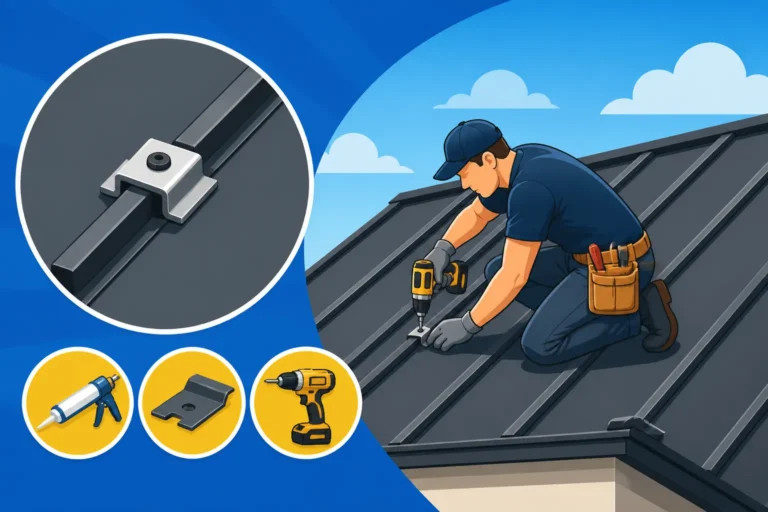
I cannot stress this enough: installation quality is paramount. A standing seam metal roof, with its concealed fasteners and intricate panel interlocks, requires a high level of skill and precision to install correctly. Unlike exposed fastener systems, where panels are screwed directly through the surface, standing seam panels are attached to the roof deck with clips, allowing for thermal expansion and contraction without stressing the fasteners. If these clips aren't installed correctly, or if panels are misaligned, it can lead to oil canning, premature wear, or, worst of all, leaks. This is why learning How to Hire a Metal Roofing Contractor is so important.
A poorly installed roof might show signs of trouble relatively early in its life, far short of its potential 50+ year expectation. Leaks can develop around poorly sealed flashing, improper cuts, or areas where panels weren't seamed correctly. Even something as seemingly minor as failing to use the correct underlayment or neglecting proper ventilation can lead to issues down the line, compromising the entire system. Seeking out Manufacturer-Certified Metal Roof Installers Explained can be a game-changer for ensuring a top-notch job.
Consider a scenario in Florida, where hurricane preparedness is a major concern. If a standing seam roof isn't installed to stringent local building codes, with appropriate clips and fasteners to withstand high winds, it won't perform as intended, regardless of the material quality. The artistry and technical know-how of the roofing crew truly dictate the roof's real-world longevity.
Environmental Conditions
The environment where your home sits has a massive impact on how long your standing seam roof will genuinely last. Extreme weather conditions—think the brutal sun of Arizona, the heavy snow loads of Colorado, the salty air of a coastal home in Florida, or the hailstorms prevalent in parts of Texas—will put different stresses on your roof. Even constant fluctuations between hot and cold can contribute to wear over time.
For coastal properties, the corrosive effects of salt spray can accelerate degradation of unprotected metals or compromise less durable paint finishes. Here, aluminum or specialized coastal-grade steel with enhanced corrosion resistance are often recommended. In areas with significant snowfall, proper installation of snow guards and consideration of snow load requirements are crucial to prevent damage. A metal roof's inherent Metal Roof Wind and Fire Ratings Explained also play a significant role in its resilience against severe weather events.
Regular exposure to heavy UV radiation can also cause some coatings to fade or chalk prematurely, even high-quality ones, though they will still protect the metal underneath. That's why considering your local climate is not just about immediate performance, but long-term endurance. A metal roof in a mild, temperate climate will likely last longer, aesthetically and functionally, than the exact same roof installed in a harsh, unforgiving environment, assuming all other factors are equal.
Comparing Lifespan to Other Roofing Materials
When you're weighing the pros and cons of a standing seam metal roof, its lifespan often comes up as a major selling point. And for good reason! It consistently outshines nearly every other common roofing material in terms of how long you can expect it to protect your home. This extended durability translates into significant long-term savings and peace of mind, especially when you consider how often you'd need to replace alternatives.
Traditional asphalt shingles, the most common residential roofing material, typically last 15-30 years, with architectural shingles pushing that closer to 25-35 years. So, even the lower end of a standing seam's lifespan (40 years) already doubles that of many shingle roofs. This is a key part of the "Is a Metal Roof Worth It? ROI, Resale & Payback" discussion.
Other options like tile roofs (concrete or clay) can last 50-100 years, often comparable to high-end metal, but they come with different considerations, such as significant weight and higher upfront costs. Wood shakes might last 20-40 years, depending on maintenance and climate, but are susceptible to fire and rot. Ultimately, the long-term value proposition of a standing seam metal roof is incredibly strong.
Here's a quick comparison of typical lifespans:
| Roofing Material | Average Lifespan (Years) | Key Considerations |
|---|---|---|
| Standing Seam Metal Roof | 40-70+ | High upfront cost, superior durability, low maintenance |
| Asphalt Shingles | 15-30 | Low upfront cost, frequent replacement, prone to weather damage |
| Architectural Shingles | 25-35 | Moderate cost, better aesthetics, still limited lifespan |
| Wood Shakes/Shingles | 20-40 | Aesthetic appeal, fire risk, higher maintenance |
| Clay/Concrete Tile | 50-100 | Very durable, heavy, high upfront cost, brittle |
| Slate | 75-150+ | Extremely durable, very heavy, very high upfront cost |
As you can see, standing seam metal roofs are in a league of their own when it comes to longevity, often surpassed only by the most expensive and heavy natural materials like slate or high-end tile, which come with their own set of installation complexities and structural requirements. This long-term performance is a major factor why homeowners choose metal.
Signs Your Standing Seam Roof is Reaching Its Limit
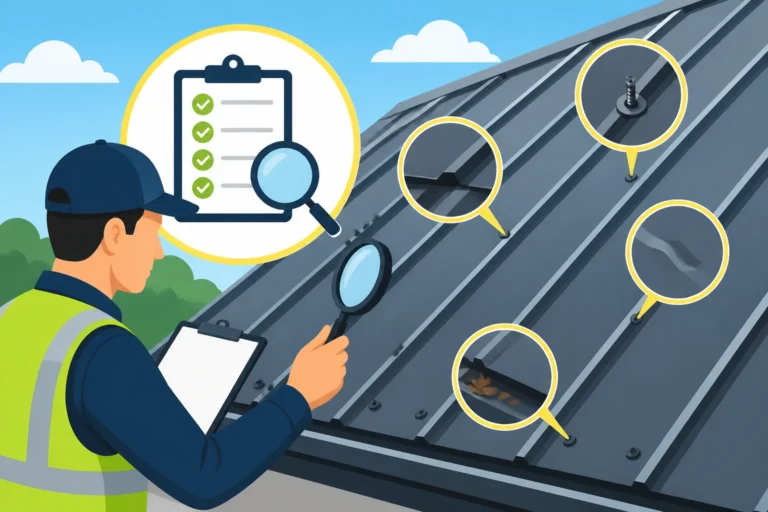
While a standing seam metal roof is built to last, nothing lasts forever without some tender loving care, and even then, Father Time eventually catches up. Knowing the signs that your roof might be nearing the end of its prime can save you a lot of headaches and help you plan for future repairs or replacement. It’s not about panicking at the first sign of a scratch, but understanding what truly warrants attention. Regular Metal Roof Inspection: What to Check can help you spot these issues early.
One of the frustrations homeowners face is when a "lifetime" roof doesn't quite live up to that promise. While a metal roof can last a lifetime, what constitutes "lifetime" can sometimes be debated, and critical factors like maintenance, original installation quality, and environmental stressors ultimately determine how many good years you truly get. It's an important distinction that managing expectations is key.
Visible Deterioration and Wear
The first indicators that your standing seam roof is showing its age are usually visual. These aren't necessarily signs of immediate failure, but they definitely signal that the protective elements are wearing down, leaving the underlying metal more vulnerable. Catching these early can sometimes allow for remedial action, like recoating, which can significantly extend your roof’s functional life.
Fading, Chalking, and Coating Issues
One of the most common cosmetic signs of aging in a painted metal roof is fading or chalking. Fading refers to the loss of the original color intensity, often becoming duller or lighter over the years, especially on sides exposed to strong, direct sunlight. Chalking is when the paint surface develops a powdery, chalk-like residue that can rub off when touched. This happens as the resin in the paint breaks down due to UV exposure, releasing pigment particles.
While a bit of fading or chalking is normal over many decades, especially with SMP coatings, excessive chalking can indicate that the protective coating is significantly degrading. This doesn't necessarily mean the roof is leaking, but it does mean the underlying metal is losing its primary protection against UV and potential corrosion. If left unaddressed, the metal might eventually become exposed and start to oxidize. Repainting and Recoating a Metal Roof might be a viable option at this stage, giving your roof a fresh lease on life and renewed protection.
You might also notice delamination, where the paint film starts to peel or flake away from the metal substrate. This is a more serious coating failure, indicating a problem with the adhesion of the paint, possibly due to poor surface preparation during manufacturing or installation, or severe environmental stress. Delamination exposes the bare metal to the elements, making it highly susceptible to rust and corrosion, and definitely warrants immediate professional assessment.
Panel Damage and Fastener Problems
While standing seam roofs are incredibly resilient, persistent physical stressors can lead to panel damage over extended periods. Minor dents from hail might be cosmetic, but significant impacts from heavy falling tree branches could warp panels or compromise seams. Look for areas where panels appear bent, severely creased, or where the interlocking seams might have pulled apart. These are not just aesthetic issues; compromised seams can become direct pathways for water.
Another area to meticulously inspect, though hidden, are the fasteners beneath the panels. While concealed, if the clips are improperly installed or the underlying decking has shifted, it can put undue stress on the panel system. For exposed fastener metal roofs (which are different from standing seam but often confused), loose or backed-out screws with worn washers are common issues. Even for standing seam, problems with the underlying purlins or decking can subtly affect how the panels sit and move, potentially leading to issues.
Rust and corrosion are significant red flags. While most modern metal roofs are designed for superior rust resistance (especially aluminum and Galvalume steel), localized rust can occur if the coating is severely breached, or if incompatible metals are used (galvanic corrosion). Look for reddish-brown stains or actual pitting on the metal surface. Early Metal Roof Rust and Corrosion Treatment can sometimes save a panel, but widespread rust often points to the roof nearing its functional end.
Performance Issues
Beyond what you can see, what you experience inside your home can be the most alarming indicator that your standing seam roof is struggling. Performance issues almost always involve water, the ultimate enemy of any roofing system, and can significantly impact your home's comfort and structural integrity. Ignoring these signs can lead to costly interior damage and mold growth.
Leaks and Moisture Intrusion
A leak, no matter how small, is the most obvious and urgent sign that your roof isn't doing its job anymore. With a standing seam roof, leaks often occur at points where the roof intersects with other structures, like chimneys, skylights, or vent pipes, due to compromised flashing. Leaks can also happen at poorly formed or damaged seams, or if extreme weather has somehow allowed water to bypass the interlocking panels.
Water stains on your ceiling, damp spots in your attic, or even drips during heavy rain are clear indicators. It's important to remember that water can travel, so a stain inside might not be directly below the entry point on the roof. Tracking down the source of a leak in a metal roof, especially a concealed fastener system, can be challenging and often requires a professional. Understanding common Metal Roof Leak Sources and Fixes is vital for timely repair.
Don't underestimate "phantom" leaks—moisture intrusion that isn't a direct drip, but perhaps condensation forming in your attic due to inadequate ventilation or issues with the underlayment. While not a direct roof failure, prolonged condensation can lead to mold, rot in the decking, and rust on the underside of your metal panels, severely shortening their life.
Energy Efficiency Changes
While not as dramatic as a leak, a subtle change in your home's energy efficiency can sometimes hint at underlying roof problems. Metal roofs are renowned for their energy-efficient properties, especially lighter colors that reflect solar radiation. If you suddenly notice your energy bills creeping up without other obvious reasons, your roof might be a contributing factor.
This could be due to compromised insulation or ventilation within your attic space, potentially exacerbated by issues with the roof deck or underlayment that are allowing heat transfer to occur more easily. For example, if your underlayment has degraded or shifted, it might not be providing the secondary moisture barrier or insulation it once did, leading to increased heat gain in summer or heat loss in winter.
Sometimes, issues with the coating, such as severe chalking or widespread fading, can reduce the roof's solar reflectivity, making your home slightly warmer in direct sunlight. While this is usually a minor contributor compared to major leaks, it's worth considering as part of a holistic assessment of your roof's performance as it ages.
Extending the Life of Your Standing Seam Metal Roof
The good news is that standing seam metal roofs are inherently low-maintenance, especially compared to their shingle counterparts. However, "low-maintenance" doesn't mean "no maintenance." Just like a high-performance car, it performs best and lasts longest with a bit of regular care and timely interventions. A proactive approach is key to reaching that 50-70 year lifespan goal.
Many homeowners get a metal roof thinking they can forget about it, and while they are incredibly durable, this mindset can still lead to premature issues. Think of it less as a set-it-and-forget-it appliance and more like a long-term investment that benefits from occasional check-ups. Preventing small problems from becoming big, expensive ones is the name of the game.
Proactive Maintenance Practices
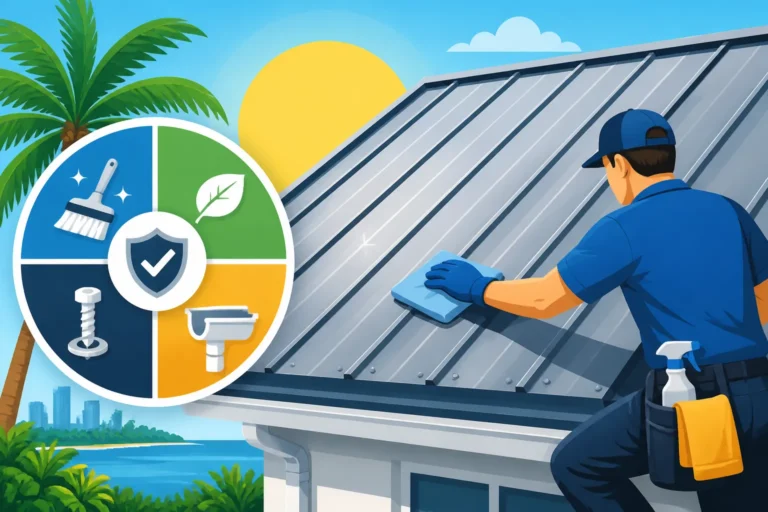
The secret to maximizing the life of any roof, but especially a standing seam metal roof, lies in consistent, thoughtful maintenance. These aren't arduous tasks, but rather routine checks and simple actions that prevent minor issues from escalating into major repairs or even a full replacement. A little effort goes a long way in ensuring your roof lives up to its legendary lifespan. You can find more detailed guidance in our Metal Roof Maintenance Guide.
Regular Inspections and Cleaning
Performing semi-annual inspections, ideally in spring and fall, is critical. This doesn't necessarily mean climbing onto the roof yourself if you're uncomfortable or it's unsafe. A visual inspection from the ground with binoculars can often reveal a lot, looking for obvious panel damage, debris accumulation, or signs of discoloration. If you're going to climb up, always prioritize safety or hire a professional to do it.
During an inspection, pay close attention to the valleys, gutters, and around any penetrations like chimneys, vents, or skylights. These are common areas where debris (leaves, twigs, dirt) can accumulate, trapping moisture and accelerating wear. Clearing gutters and ensuring proper drainage prevents water from backing up under panels or against flashing.
Cleaning your metal roof is also important. While metal roofs are excellent at shedding water, dirt, pollen, and environmental pollutants can still build up. This grime can sometimes harbor mildew or algae, especially in shaded or damp areas, which can subtly degrade the coating over time. A gentle wash with a hose and a soft brush, or a low-pressure power washer (used carefully, from a distance, with a wide fan tip, and never directed into seams) can keep your roof looking good and functioning optimally.
Addressing Minor Issues Promptly
It's tempting to put off small repairs, especially if they don't seem to be causing immediate leaks. However, with a metal roof, acting quickly on minor issues is paramount to preventing a domino effect of damage. For instance, if you notice a small scratch in the paint coating, don't ignore it. That exposed metal is now vulnerable to the elements and could be the starting point for rust.
Small touch-up paints, often available from the roof manufacturer or your installer, can effectively seal these minor abrasions and restore the protective layer. Similarly, if you see a piece of flashing that has come loose or a sealant joint that is cracking around a vent pipe, repair it right away. A quality sealant or a re-secured piece of flashing can prevent what would become a significant leak down the road. Learning How to Fix a Leaking Metal Roof is a valuable skill, or knowing when to call a pro.
This is where a trusted contractor, perhaps one you found through platforms like Modernize, can be invaluable. They can perform these routine checks and small repairs safely and effectively, catching issues before they become expensive problems. Proactive maintenance is always cheaper and less disruptive than reactive repair work.
Repair vs. Replacement Considerations
Even with the best maintenance, over many decades, your roof will experience wear and tear. The critical decision then becomes: is it time for a repair, or is a full replacement warranted? This can be a complex question, and it's something homeowners often struggle with, especially given the cost implications. Our guide on Metal Roof Repair vs Replacement: How to Decide goes into this in more depth.
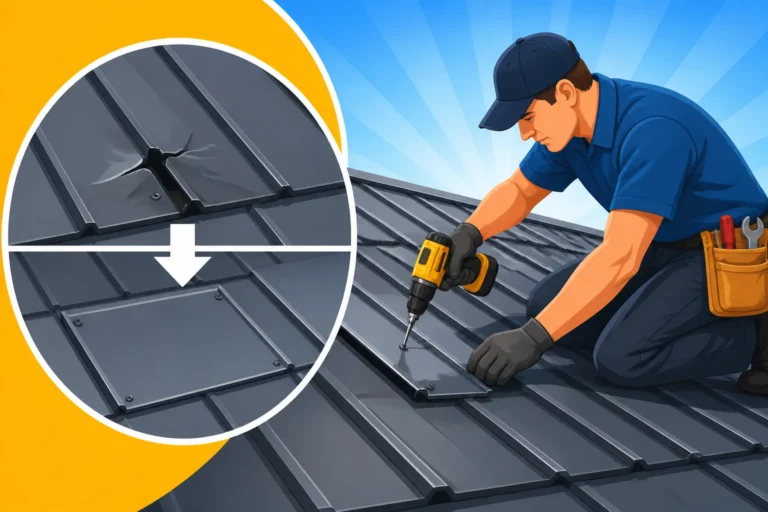
If you have a localized leak caused by a single damaged panel, a problem with a specific piece of flashing, or a worn-out sealant, a targeted repair is usually the most cost-effective and logical solution. Replacing a single panel, resealing a vent pipe, or re-securing a piece of trim can easily add many more years of life to an otherwise sound roof.
However, if you're seeing widespread issues—multiple panels showing significant rust, extensive coating failure across the entire roof, or chronic leaks popping up in various locations—then you're likely looking at a systemic problem. At this point, repeated repairs might become a costly patch job, and the overall integrity of the roof could be compromised, signaling that a full replacement is the more prudent long-term solution.
When to Consider a Full Replacement
Deciding to replace a standing seam metal roof, especially one that has served your home well for 40, 50, or even 60 years, is a significant moment. It's a big investment, but it's also an opportunity to refresh your home's protection and potentially boost its value and energy efficiency for decades to come. Don't let the thought of the Metal Roof Cost for a 2,000 Sq Ft House scare you away from making the right decision for your home's future.
Many homeowners feel a sense of trepidation, wondering if they're throwing good money after bad with repairs, or if they're prematurely replacing a roof that still has some life left. This section aims to equip you with the knowledge to make that decision confidently.
Cost-Benefit Analysis
The financial aspect is often the primary driver when weighing repair against replacement. A professional metal roofing contractor can give you an honest assessment of your roof's condition and provide quotes for both extensive repairs and a full replacement. It's crucial to compare these costs not just in terms of immediate outlay, but in long-term value.
If repairs are significant and frequent, adding up to a substantial percentage of a new roof's cost, then a replacement often makes more economic sense. For example, if you're spending 25-30% of the cost of a new roof on repairs every few years, that money would be better invested in a brand-new system with a fresh warranty. Calculate the "cost per year" for your existing roof versus a new one. A new roof, while a larger initial expense, offers decades of worry-free performance, often backed by robust manufacturer and workmanship warranties. Exploring Metal Roof Warranties: Workmanship vs Manufacturer can provide a clearer picture of your coverage options.
Beyond direct costs, consider the less tangible benefits of a new roof. Improved curb appeal, enhanced energy efficiency from modern cool-roof coatings, and increased home value are all compelling reasons to lean towards replacement when your current roof is clearly declining. A new roof, especially a standing seam one, is a powerful selling point if you plan to move in the future. Websites like Modernize can help connect you with reputable contractors who can provide detailed quotes and help you with this cost-benefit analysis.
Advances in Roofing Technology
Roofing technology, even for something as robust as metal, doesn't stand still. Over the decades, materials and coatings have improved significantly. A new standing seam metal roof installed today likely benefits from more advanced paint systems (like the latest Kynar 500 formulations), improved panel designs for better weather resistance, and more durable clip and fastening systems than a roof installed 40 or 50 years ago.
For instance, newer cool-roof paint technologies are even better at reflecting solar radiation, potentially leading to greater energy savings than older metal roofs. Some modern systems incorporate integrated solar readiness or improved snow retention features. If your existing roof is truly ancient, these technological leaps can offer compelling performance advantages that might justify an upgrade even if the old roof isn't actively failing everywhere.
Furthermore, building codes and installation standards have evolved. A new installation will adhere to the most current local regulations, often providing superior wind uplift resistance and overall structural integrity compared to older methods. This can be especially important in regions prone to severe weather, like those affected by hurricanes or tornados, where a new roof built to modern standards offers significantly enhanced protection and peace of mind.
Disclaimer
Please note that the information provided in this guide is for general informational purposes only and does not constitute professional advice. Roofing projects involve inherent risks and should only be undertaken by qualified professionals. Always consult with a licensed and insured metal roofing contractor for specific recommendations and estimates for your home. Local building codes, permits, and HOA regulations vary and must be adhered to. We do not endorse any specific brand or product.